
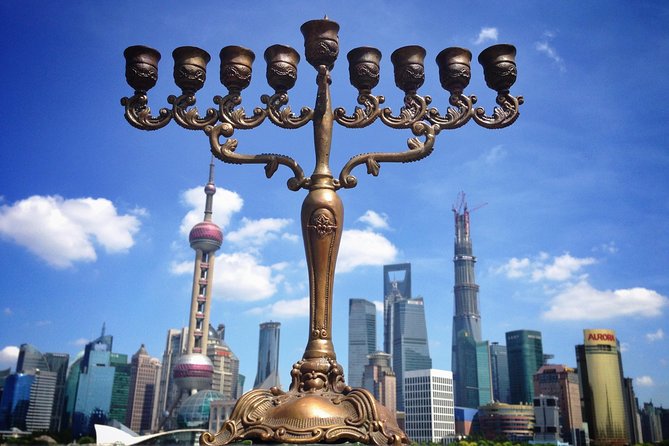
Reviewed · HISTORICAL TOURS
Tour of Jewish Shanghai led by a Jewish History Expert
Shanghai’s Jewish story is most powerful when you leave the grand Bund behind and enter the old Hongkou neighborhood, where European refugees once built lives under harsh wartime conditions. This four-hour tour connects that story to the city’s earlier Baghdadi-Jewish community, Chinese residents, and the people who shared this crowded part of Shanghai.
I like the expert-led storytelling, especially the way guides such as Dvir put Jewish immigration into the larger story of Shanghai. I also like the mix of museum exhibits, memorial sites, side streets, and a former refugee home. The main consideration is simple: this is a history tour, not a sightseeing trip filled with grand buildings. One traveler found the area visually quiet and wanted more than a history lesson.
Key points to know before booking
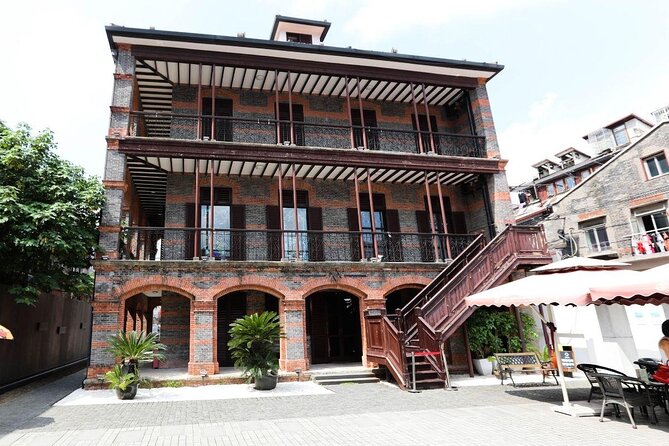
- Start at the Bund: Begin near the Peace Hotel, once known as the Cathay Hotel and linked to Baghdadi-Jewish businessman Sir Victor Sassoon.
- Visit Ohel Moishe Synagogue: The former synagogue now houses the Shanghai Jewish Refugees Museum.
- Walk through Hongkou: See the former Shanghai Ghetto, including back lanes and a Chinese home where Jewish refugees lived.
- Learn from a specialist: Dvir is frequently named, while Andy and Anfisa have also led this experience.
- Choose the morning if possible: The tour runs in the morning and afternoon, but the morning option is recommended because of daylight.
- Expect a small or medium group: The maximum is 22 people, and private transportation is included.
Why Jewish Shanghai is such a worthwhile subject
Shanghai offered a rare escape route for Jews fleeing Europe during the Nazi period. Unlike many destinations, entry did not always require the same kind of visa that other countries demanded, allowing thousands of refugees to reach the city.
Their lives were not easy. Many arrived with little money, few belongings, and no clear future. In Hongkou, they lived alongside Chinese residents in cramped conditions while war and occupation reshaped the city around them.
That story is only one part of Shanghai’s Jewish past. Jewish merchants from Baghdad had already established themselves in the city before World War II. Some became important figures in commerce and real estate. The tour uses this earlier community as a starting point, then follows the arrival of European refugees and the changing role of Jewish residents in Shanghai.
I appreciate that wider frame. You are not given a single story about Jewish refugees arriving in China. You hear about several waves of immigration, the Baghdadi-Jewish community, Chinese migrant workers, and the difficult relationship between ordinary people and major historical events.
The subject is serious, but the guide-led format keeps it personal. Stories about individuals, homes, tombstones, and family life help turn a large historical event into something you can picture.
More Historical Tours in Shanghai:
- Between Capitalism & Communism: Hong Kong History Tip Based Tour
★ 5.0 · 234 reviews - Beijing Historical Tour II including Summer Palace, Lama Temple & Panda Garden
★ 4.0 · 187 reviews - Beijing Historical Tour I – Forbidden City, Tiananmen Square & Temple of Heaven
★ 4.0 · 120 reviews
Starting at the Peace Hotel and the Bund
The advertised meeting information places the start near Nanjing Road East, while the tour description identifies the Peace Hotel as the meeting point. The Peace Hotel is easy to recognize on Shanghai’s famous Bund riverfront, but confirm the precise meeting location after booking so you do not begin the morning on the wrong corner.
The hotel itself is part of the story. It was formerly the Cathay Hotel, built by Sir Victor Sassoon, a major Baghdadi-Jewish real estate developer in Shanghai. Before you head to Hongkou, your guide explains how Jewish business and social life developed in the city.
This opening is useful because it gives you context before you reach the former refugee district. The Jewish presence in Shanghai was not created only by wartime arrivals. Commercial ties and established Jewish families were already part of the city’s growth.
You also get a view of the Bund and the city skyline at the start. That contrast matters. Shanghai’s grand riverfront suggests wealth and international commerce, while Hongkou later shows the difficult, crowded conditions faced by refugees and local residents.
The Peace Hotel stop is not presented as a long interior visit. Think of it as a meeting point and an introduction to the Baghdadi-Jewish legacy of Shanghai.
Reaching Hongkou, the former Shanghai Ghetto
After the Bund introduction, the tour uses private, air-conditioned transportation to reach Hongkou. That is a practical advantage in Shanghai, particularly when the weather is hot, wet, or cold. You avoid spending the full tour navigating public transit between distant parts of the city.
Hongkou is also called the Shanghai Ghetto in connection with the area where many Jewish refugees lived during World War II. The term refers to the district’s wartime conditions and restrictions, not to a preserved tourist quarter. Much of the neighborhood is still part of everyday local life.
That distinction is important. You will not find a perfectly restored historic district with every building marked. The experience depends heavily on the guide’s explanations and your willingness to look closely at ordinary streets.
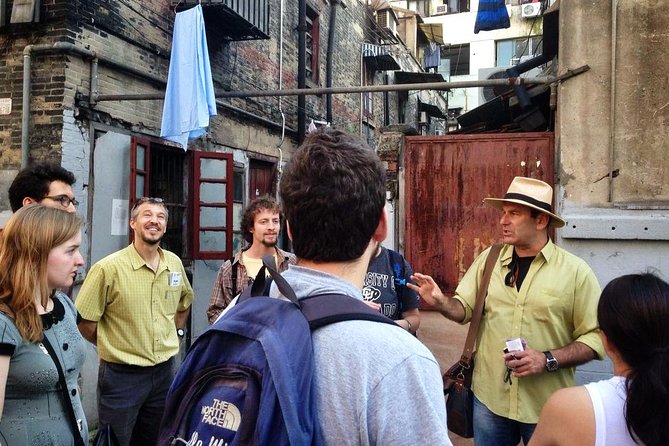
Your guide takes you through back lanes and points out places connected with Jewish residents. You may see buildings that look unremarkable at first. Their importance comes from what happened there, including the way Chinese households and Jewish refugees occupied the same neighborhood during the war.
One particularly useful stop is a Chinese home where Jewish refugees once lived. The visit helps you understand the housing reality better than a museum display alone. It shows how the story involves both refugee families and the Chinese people already living in Hongkou.
Some of the area can feel visually modest. If you want grand architecture at every stop, this may not satisfy you. If you want to understand how history unfolded in an ordinary neighborhood, the back lanes are one of the tour’s most valuable parts.
Inside the Shanghai Jewish Refugees Museum
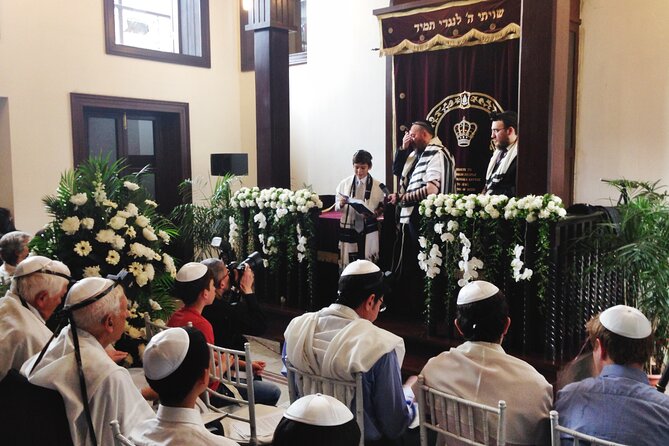
The central museum stop is the Shanghai Jewish Refugees Museum, housed in the former Ohel Moishe Synagogue. The building links Jewish religious life with the refugee story, giving the tour a physical center.
The museum provides material that helps you follow the chronology of Jewish settlement in Shanghai. Your guide adds interpretation, explains the people connected with the site, and puts the displays into the larger story of wartime Shanghai.
A visit here works best when you have already heard the introduction at the Bund. You can then see how the established Jewish community and later European refugees fit together rather than treating them as one group.
The former synagogue also reminds you that refugees needed more than shelter. Religious buildings could serve as places of worship, community, and identity. In a city far from Europe, such institutions offered continuity during a period when almost everything else had been disrupted.
Plan to listen closely rather than rush through the museum. The tour is led by a historical specialist, and much of its value comes from the spoken explanation. Guides have discussed details such as tombstones and where some were later found, adding a layer of detective work to the visit.
The museum is not the whole experience. It is one important stop within a larger neighborhood tour. If you have only a short time in Shanghai and want one clearly organized place to begin learning about Jewish Shanghai, this is the anchor.
A few more Shanghai days worth a look
- Authentic Local Food Tour in Central Shanghai
★ 5.0 · 1,382 reviews - Zhujiajiao Water Town and Shanghai City Private Day Tour
★ 5.0 · 1,016 reviews - Private Shanghai Full Day City Tour with Old and New Highlights
★ 5.0 · 995 reviews - Shanghai: Hop-on Hop-off Bus Ticket and Optional Attractions
★ 3.4 · 692 reviews
Huoshan Park and the refugee memorial
Huoshan Park contains a monument to Jewish refugees of World War II. It is a quieter stop, but it gives the tour a clear place for reflection.
A memorial can easily become a quick photo stop. Here, it works better as part of the guide’s wider explanation of how refugees reached Shanghai, where they lived, and what happened to the community afterward.
The park also helps you understand that this was not an isolated European story. Refugees arrived in a Chinese city shaped by war, migration, colonial influence, and local economic pressure. The monument is a reminder of that intersection.
Do not expect a large memorial complex. The value is in the setting and the explanation rather than the size of the site. Your guide can connect the plaque and monument to the streets you have already seen.
The guide makes or breaks the experience
This tour depends more on the guide than on any single building. Dvir is the name most often associated with the experience, and he is described as an energetic specialist with a dry sense of humor and strong command of the subject. Andy and Anfisa have also led tours, so the exact style may vary by departure.
Dvir is praised for explaining Jewish history in the context of Shanghai’s development, not treating it as a separate subject. That approach suits you if you want to understand how immigration, business, war, housing, and local life affected one another.
The guides speak English fluently, according to the available information, and the tour has been described as both serious and entertaining. Sensitive subjects are handled with care, but the presentation is not stiff. One useful feature is the occasional seated pause, which matters during a four-hour program built around extended explanation.
The group limit is 22 people. That is not a private tour, but it is manageable. Several departures have been small groups, which makes it easier to hear the guide and ask questions. A full group could feel less intimate, especially in narrow lanes or inside the museum.
The tour also requires patience with storytelling. You will hear names, dates, family stories, and historical connections. If you prefer a fast-moving tour with many attractions, the pace may feel slow. If you want a guide who can answer questions and explain detail, that slower pace is a benefit.
What the four-hour schedule feels like
The experience lasts about four hours, including transportation and visits around Hongkou. It is described as a walking tour, but it is not four straight hours on foot. The vehicle transfers reduce the strain, and guides may arrange seats or pauses during the history talk.
The morning departure begins at 9:30 a.m. Afternoon departures are also available, but the morning option is recommended because of daylight. That advice makes sense for the back-lane portion, where natural light helps you see the neighborhood and the exterior details being discussed.
Wear shoes that can handle ordinary city streets and be ready for changing weather. The tour operates in all weather conditions, so rain or heat will not automatically end the outing. Bring suitable clothing and plan for the fact that food and drinks are not included.
The end point is back at the meeting point. That makes the tour easier to fit into a day of sightseeing, though you should allow extra time afterward if you have a fixed reservation elsewhere.
Is the $96 price fair?
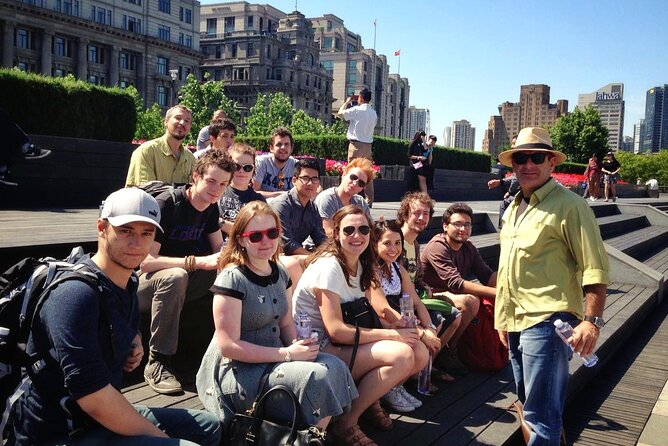
At $96 per person, this is not the cheapest way to spend half a day in Shanghai. The value comes from the combination of a specialist guide, private transportation, museum admission, and access to places that would be hard to understand on your own.
You are paying for interpretation as much as for entry tickets. The former synagogue and memorial can be visited without the same depth of context, but the connections between them are not always obvious. A guide who can explain the Baghdadi-Jewish community, European refugees, local Chinese residents, and wartime Shanghai adds the main value.
The air-conditioned vehicle also matters. Shanghai can be tiring to cross, and private transport lets you spend more energy on the subject rather than on transfers.
The price is easiest to justify if Jewish history, World War II, migration, or Shanghai’s international past is a main interest. It is harder to justify if you mainly want famous city views, food stops, or dramatic architecture.
Because the tour is limited to 22 people and includes a specialist-led presentation, I would treat it as a focused educational experience rather than a general city tour. You are buying a historical lens on Shanghai, not a sampler of the city’s biggest attractions.
Who should book this tour
I would choose this tour if you want to understand how Jewish communities formed in Shanghai and how refugees lived during World War II. It suits history-minded visitors, people tracing Jewish family stories, and anyone interested in the way migration changes a city.
It is also a good choice if you have already seen the Bund and major landmarks and want a less familiar side of Shanghai. The tour connects famous places with a neighborhood most visitors would not understand without guidance.
Families with older children may find the subject useful, though the four-hour format includes serious discussion and may not suit young children. Most people can participate, according to the tour information, but you should be comfortable walking through neighborhood streets and listening for long stretches.
I would not choose it as your only Shanghai tour. It does not cover the city’s major attractions in a general way, and one critical assessment found little to see beyond the historical lesson. That is a fair warning, not a flaw, if you know what you are booking.
Practical details that affect your day
The price includes private transportation, an air-conditioned vehicle, the historical guide, and admission to the Shanghai Jewish Refugees Museum. Hotel pickup and drop-off are not included, and neither are food or drinks.
The tour begins and ends at the meeting point. The published information refers to Nanjing Road East and also identifies the Peace Hotel, so check your confirmation carefully for the exact place and instructions.
Confirmation is sent within 48 hours of booking, subject to availability. Free cancellation is available until 24 hours before the start time. A cancellation inside that window is not refundable, and a minimum number of participants is required for the experience to operate.
The experience has a current rating of 4.9 out of 5, with 99 percent recommendation. The strongest praise centers on the guides’ command of the subject, the thoughtful pace, and the way the tour makes a less familiar part of Shanghai understandable.
Should you book it?
Book this tour if you want a serious, personal account of Jewish life in Shanghai, especially the refugee experience in Hongkou. The former Ohel Moishe Synagogue, Huoshan Park memorial, back lanes, and former refugee home create a useful sequence, while guides such as Dvir add the historical connections that turn separate sites into one story.
Choose the morning departure if you can, confirm the meeting point, and expect history rather than spectacle. If you want a fast sightseeing route or a district filled with preserved landmarks, spend your $96 elsewhere. If you want to understand how Baghdadi Jews, European refugees, Chinese residents, and wartime Shanghai crossed paths, this is one of the more distinctive half-days you can book in the city.
FAQ
How long does the tour last?
The tour lasts approximately four hours.
Where does the tour begin?
The published meeting information identifies Nanjing Road East, while the tour description names the Peace Hotel, formerly the Cathay Hotel, near the Bund. Check the confirmed meeting instructions after booking.
What time does the tour start?
The listed start time is 9:30 a.m. Morning and afternoon departures operate, but the morning option is recommended because of daylight.
What places do you visit?
The tour includes the Peace Hotel area, Hongkou, the Shanghai Jewish Refugees Museum in the former Ohel Moishe Synagogue, Huoshan Park, neighborhood back lanes, and a Chinese home where Jewish refugees once lived.
Is transportation included?
Yes. Private transportation in an air-conditioned vehicle is included.
Is the museum admission included?
Yes. Admission to the Shanghai Jewish Refugees Museum is included.
Are food and drinks included?
No. Food and drinks are not included.
How many people can join the tour?
The tour has a maximum group size of 22 people.
Can I cancel for a full refund?
Yes, if you cancel at least 24 hours before the experience begins. Cancellations made less than 24 hours in advance are not refunded.
Newly listed around Shanghai
- Amazing Shanghai Night Lights:River Cruise &Private Transfer★ 5.0 · 8 reviews
- All Inclusive Shanghai City Tour : Old and New Highlights★ 5.0 · 44 reviews
- All Inclusive Shanghai City Tour by German-Speaking Guide★ 5.0 · 4 reviews
- All-inclusive Half-day Private Tour To Zhujiajiao Water Town★ 5.0 · 10 reviews
- 4-Hour Shanghai City Private Tour by German-Speaking Guide★ 5.0 · 8 reviews
- 4-Hour Shanghai Best Garden and Temple Tour with Tea Tasting★ 4.9 · 7 reviews
- 4-Hour Private Shanghai Shopping Tour with Local Expert★ 5.0 · 5 reviews
- 2 Day Private Shanghai Skyline to Watertown & Suzhou Garden★ 5.0 · 3 reviews
Historical Tours, compared.
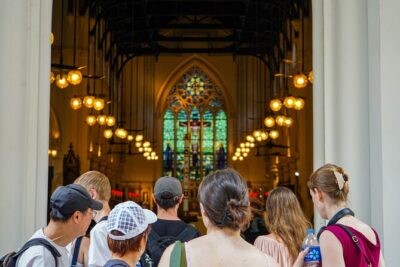
Between Capitalism & Communism: Hong Kong History Tip Based Tour
Read our review →
Beijing Historical Tour II including Summer Palace, Lama Temple & Panda Garden
Read our review →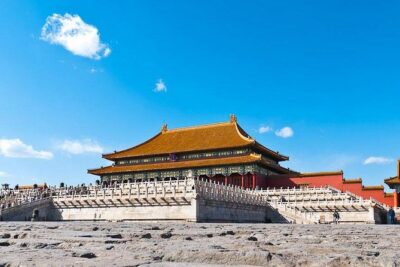
Beijing Historical Tour I – Forbidden City, Tiananmen Square & Temple of Heaven
Read our review →
Beijing Historic City Guided Walking Tour + Calligraphy Creation
Read our review →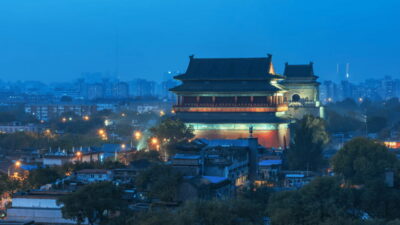
Bell and Drum Towers Entry Ticket—Historic Landmark
Read our review →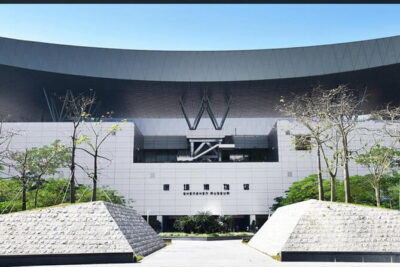
Shenzhen History , Culture & Scenic +(Drone Delivery)tour
Read our review →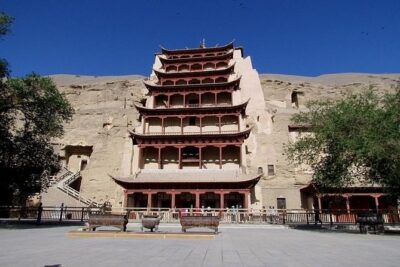
Classic The Silk Road Half Day Tour: The World Heritage –Mogao Grottoes
Read our review →Browse the lists this tour appears in