Reviewed · WALKING TOURS
Beijing Historic City Guided Walking Tour + Calligraphy Creation
Beijing’s best lesson in city life may happen away from the grand imperial monuments. This walk moves from the 1807 Huguang Guild Hall through old hutongs, art shops, food stalls, and Qianmen’s busy streets. I like the mix of history and everyday life, and I like that guides such as Kris and Hao bring in personal stories, food, and small details rather than giving you only dates.
The $5 price is attractive, but it is only a booking fee. This is a tip-based tour, with a suggested tip of 160 to 200 RMB, or about $20 to $25, at the end. I also like the compact route and the chance to see places many first-time visitors skip. The main consideration is that the group size needs attention: one part of the information says bookings are limited to six people, while the general activity details allow up to 50.
Key points before you reserve
- Huguang Guild Hall begins the walk with Beijing’s theatrical and regional past, including its historic opera stage.
- The one-hour hutong section is the heart of the tour, with traditional lanes, homes, shops, and local life.
- Liulichang adds calligraphy and antique culture, while the advertised calligraphy creation gives the experience an artistic angle.
- Yangmeizhu Byway shows a newer Beijing, where old streets meet cafes, studios, and small shops.
- Dashilan and Qianmen finish the walk with food, shopping, and restored historic streets.
- The tip is a real part of the price, so plan on adding 160 to 200 RMB if the experience works well for you.
Why this walk shows a more useful Beijing
You can spend a day in Beijing moving from one huge landmark to another and still miss how the city works at street level. This tour takes a different route. It links old neighborhoods and commercial streets, showing how Beijing has changed without leaving its traditional lanes behind.
The route lasts about three and a half hours and begins at 10:00 a.m. That timing gives you a full morning and early afternoon on foot. It also leaves the rest of your day open for Tiananmen Square, the Forbidden City, or another major sight, though you need to arrange a separate reservation for Tiananmen Square in advance.
I would choose this walk early in a Beijing visit. It helps you understand the city’s layout before you tackle its larger sights. You also get practical orientation around Qianmen and the area south of Tiananmen Square, where several metro stations make it easy to continue on your own.
More Calligraphy Classes in Beijing
- Beijing Calligraphy Class
★ 4.9 · 112 reviews - Chinese Calligraphy Class for Small Group
★ 5.0 · 104 reviews - Beijing Wangfujing Calligraphy Class by Forbidden City
★ 5.0 · 58 reviews
Starting at Huguang Guild Hall
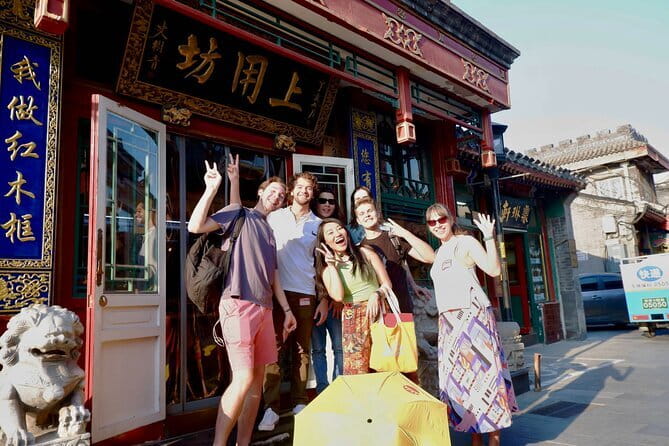
The meeting point is Huguang Guild Hall at 3 Hu Fang Lu. Built in 1807, the hall once served merchants and officials from Hubei and Hunan provinces. Its opera stage gives the tour a strong opening because it connects Beijing to regional culture, performance, and the social life of earlier centuries.
You have about 20 minutes here. That is enough for an introduction and a quick look, but not a long museum visit. Admission is included, and there is no separate ticket charge for this stop.
This first stop also sets the tone. You are not simply walking toward a famous photo spot. You are looking at the institutions and meeting places that helped shape old Beijing. If you enjoy architecture, local customs, and stories about how people lived and worked, this is a better opening than a quick march straight to a major square.
The address is easy to reach by public transportation, but check your route carefully before leaving. Beijing addresses can look similar, and a prompt arrival matters on a walking tour.
One hour among Beijing’s hutongs
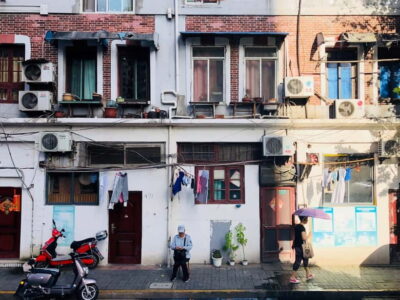
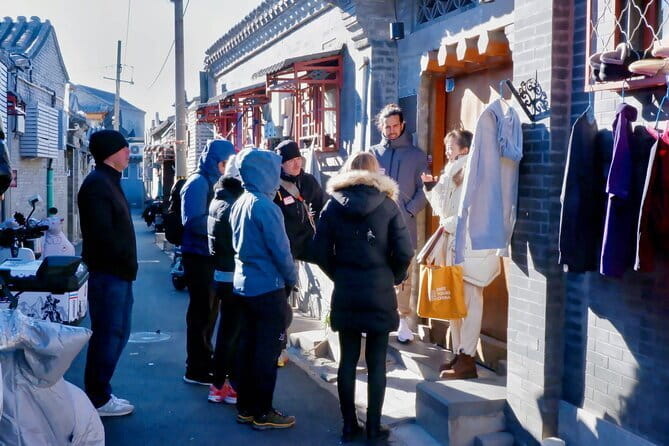
The longest part of the tour is the hutong walk, lasting about an hour. This is where the experience earns its place beside Beijing’s major sights. Hutongs are the narrow lanes and older residential areas that reveal a more ordinary side of the capital.
You can expect the guide to explain traditional homes, local customs, and the way these lanes fit into Beijing’s city plan. The route is not presented as a grand monument visit. Its value comes from seeing how people used shared lanes, lived close to one another, and built neighborhoods around daily needs.
This section also responds to an important expectation issue. If you are hoping for Tiananmen Square or the Forbidden City, this tour will not provide that. Instead, you get a closer look at residential Beijing. One person who expected the major sights still found the hutong lesson worthwhile, which is a useful clue: book this for local context, not for a checklist of imperial landmarks.
The walking pace has received strong praise, especially for keeping the history clear without making the route feel rushed. Guides have been described as patient and good at explaining both earlier Beijing and modern life. Hao, in particular, has led tours in cold weather while keeping the group moving and engaged.
Wear comfortable shoes. The tour is entirely built around walking, and the hutong section alone takes an hour. Weather matters too. The operator can cancel in poor conditions, offering another date or a refund.
Liulichang and the calligraphy connection
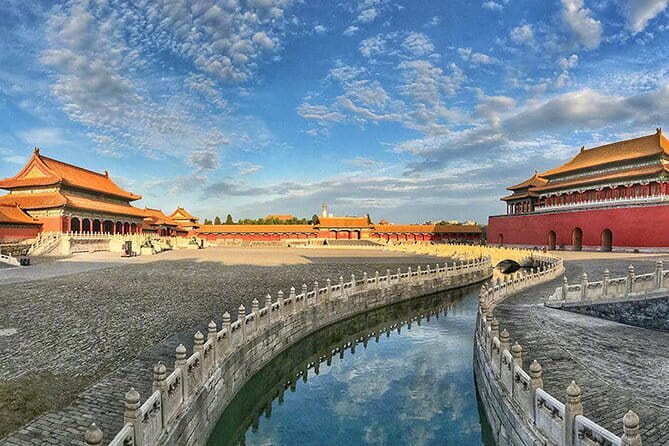
After the hutongs, the route reaches Liulichang Street for about 40 minutes. This historic street is known for antique shops, calligraphy, traditional painting, and cultural goods. It is a natural place to discuss how Chinese writing works as both communication and art.
The title of the experience includes calligraphy creation, so this is the part to pay close attention to. The supplied details clearly place you in Beijing’s calligraphy district, but they do not spell out the exact format, materials, or length of the hands-on creation. If making your own piece is a deciding factor, confirm what is included before booking.
Even without a long workshop, Liulichang gives you useful context. You can see the difference between a commercial souvenir and a piece connected to an older artistic tradition. Your guide can also help explain what you are looking at, which is especially useful if you cannot read Chinese characters.
The 40-minute stop is long enough to browse and ask questions, but not enough for a slow shopping session. Think of it as a guided introduction rather than a dedicated art market visit.
More City Tours in Beijing
- Beijing City Walk: Explore Hutongs Life and Old Beijing
★ 5.0 · 146 reviews - Private Mutianyu Great Wall Day Tour From Beijing City/Airport
★ 5.0 · 146 reviews - 2-Day Private Classic Beijing City Sightseeing Tour Package
★ 5.0 · 102 reviews - Private Mutianyu Great Wall Day Tour From Beijing City
★ 5.0 · 78 reviews
Yangmeizhu Byway and old streets with new ideas
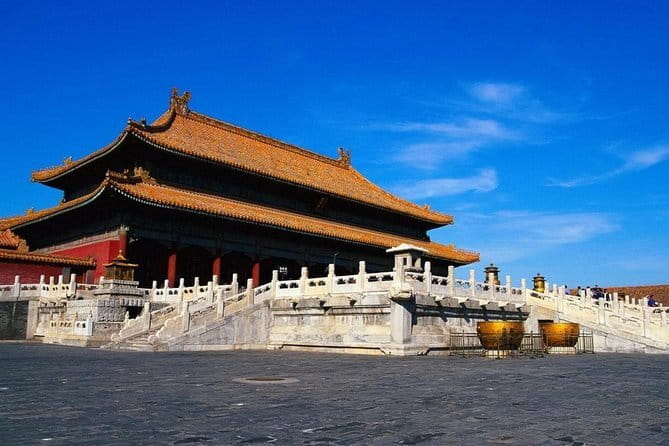
The 20-minute stop at Yangmeizhu Byway changes the mood. This alley brings older Beijing together with newer creative businesses, including small shops, art studios, and cafes. It is a useful reminder that historic districts are not frozen museum pieces.
I like this contrast because it gives you a clearer view of Beijing’s urban changes. The city is trying to protect its older lanes while making room for new businesses and modern tastes. A short stop cannot explain every planning challenge, but it gives your guide a good setting for that conversation.
Do not expect a long cafe break or a major shopping window here. The stop is brief. Its purpose is to show a different face of the neighborhood and keep the route varied.
That variety is one of the tour’s strengths. You move from a historic hall to residential lanes, then to calligraphy shops and creative storefronts. The subjects change before the walk becomes repetitive.
Dashilan Street and the taste of old commerce
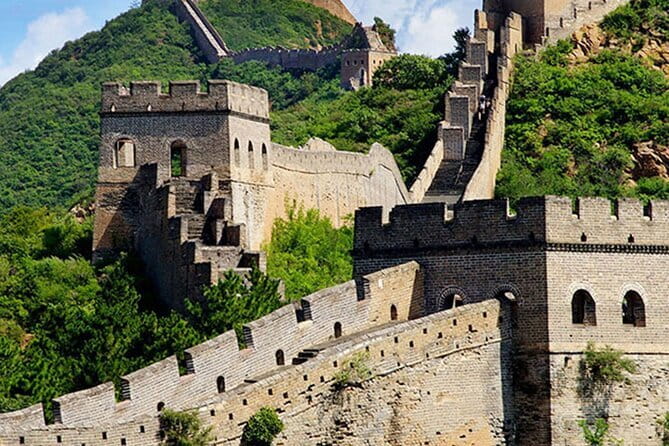
Dashilan Street takes about 20 minutes and brings you into one of Beijing’s oldest commercial areas. The street has long been associated with shops, local specialties, and public life. Today, you will find established businesses alongside newer stores and places to eat.
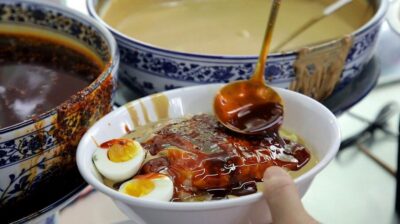
This is also a likely point for street-food sampling, depending on the guide and the day. Food tasting has been part of the experience for some groups, and it adds something valuable: you get to connect history to the way people actually eat and shop.
Keep your expectations sensible. The tour does not list a formal meal or a fixed food menu. You should budget separately for anything you choose to buy. The guide may point out local snacks, but your $5 reservation fee does not cover a full lunch.
Dashilan can feel crowded and energetic, especially around popular shops. That is part of the point, but it can also make conversation harder. Stay close to your guide and keep an eye on the meeting point when the group moves on.
Qianmen Walking Street and the finish near Tiananmen
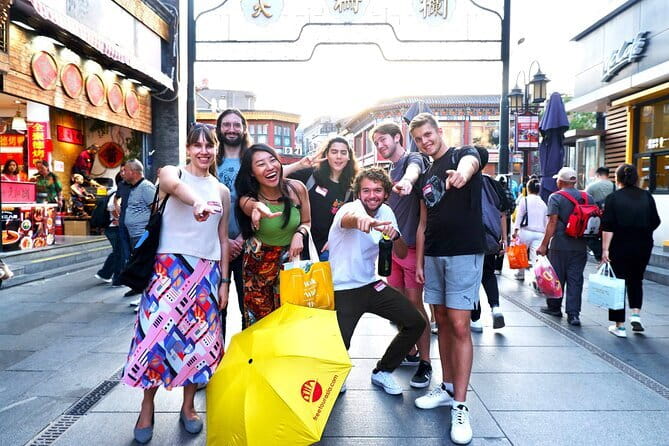
The last two stops are Qianmen Walking Street and the Zhengyangmen area. Each receives about 20 minutes, so the finish moves at a brisk pace.
Qianmen is one of Beijing’s best-known shopping and food streets. Its restored historic appearance gives you a clear sense of how the city presents its past to modern shoppers. You will see old-style architecture, established brands, restaurants, and a steady stream of people.
The route ends at Zhengyangmen, near Qianmen Metro Station on Lines 2 and 8. This is practical. You can continue to another sight without arranging a taxi, or use the metro to return to your hotel.
The tour ends in front of Tiananmen Square, but it does not enter the square. This point matters. If you want to visit Tiananmen Square, you must make your own reservation at least one day ahead. Same-day reservations are not possible, so do not assume the walking tour gives you access.
Guides, group size, and the feel of the walk
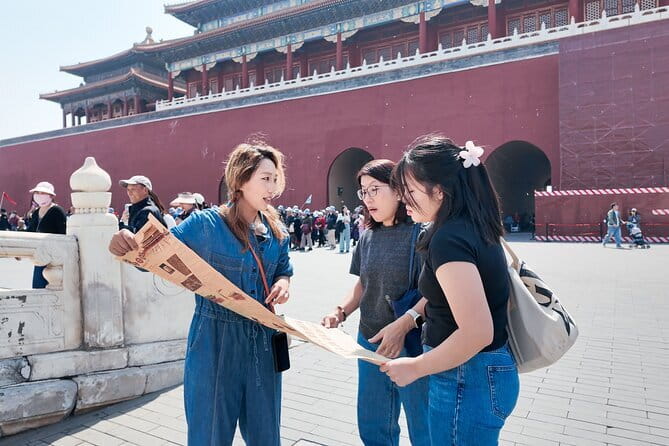
The guide is the main reason to book this experience. English-speaking guides such as Kris and Hao have been singled out for clear explanations, patience, humor, and strong storytelling. The best parts of the walk are likely to come from their examples about daily life, not simply from the route itself.
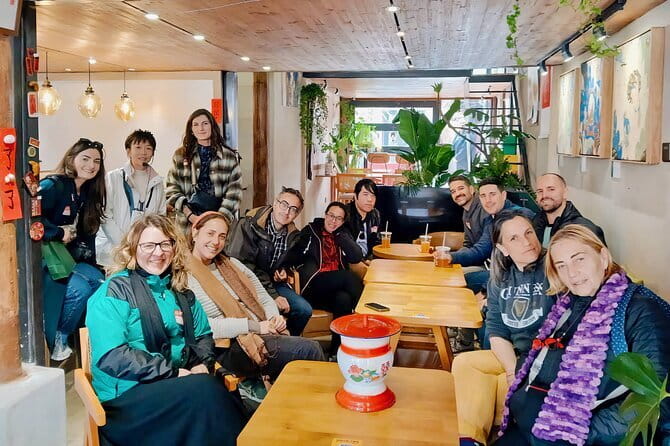
The tour information says a booking is limited to six people and asks larger groups to arrange a private tour. At the same time, the general activity information gives a maximum of 50 people, and one account describes a much larger group than expected. I would contact the operator before booking if a small group is important to you.
A large group changes the experience. You may stand farther from the guide, wait longer at crossings, and have less time for questions. A small group should make the hutong stories and calligraphy discussion more personal.
The pace appears moderate, with enough variety to keep the walk moving. Still, this is not a sit-down sightseeing trip. Bring water, wear shoes suitable for several hours on foot, and check the forecast.
The real price and what you receive
The advertised price is $5 per person, but that amount reserves your place rather than paying the full cost of the guiding. The tour runs on tips, with 160 to 200 RMB suggested for the guide. That makes the likely cost closer to $20 to $25 per person, plus any food or shopping.
That can still be good value in Beijing. You get three and a half hours with an English-speaking local guide, entry to Huguang Guild Hall, a carefully connected walking route, and an introduction to neighborhoods you might not understand on your own.
The tip model gives you flexibility, but it also requires clear expectations. If you prefer to pay one fixed price with all costs settled in advance, this format may feel less comfortable. If you like paying the guide directly for the quality of the experience, it can work well.
The $5 charge is refundable if you cancel at least 24 hours before the start time. Changes or cancellations made inside that window are not refunded. The operator may also cancel if the weather is poor or the minimum number of participants is not reached.
Who should book this Beijing walk?
I would recommend it to first-time visitors who want more than the standard imperial route. It suits you if you enjoy walking, local neighborhoods, food stops, calligraphy, and explanations about how an old capital is changing.
It is also a good choice if you have limited time. The route gives you several different sides of Beijing in one morning and finishes beside a major metro connection. The 4.9 rating from 59 ratings and 100 percent recommendation mark suggest a strong record, though group size and tip expectations still deserve attention.
I would be more cautious if your main goal is Tiananmen Square, the Forbidden City, or a long calligraphy workshop. This tour does not enter Tiananmen Square, and the exact hands-on calligraphy details are not fully stated. You should also ask about group size if you want an intimate walk.
Should you book it?
Book this tour if you want Beijing explained through streets, homes, shops, food, and changing neighborhoods. The hutongs and the stories from guides such as Hao and Kris are the strongest reasons to go.
Before paying, confirm the group size and the details of the calligraphy creation. Then budget the suggested 160 to 200 RMB tip. With those points clear, this is a smart, low-cost way to meet Beijing at street level instead of seeing the city only through its largest monuments.
FAQ
How long does the Beijing walking tour last?
The tour lasts approximately three hours and 30 minutes. It begins at 10:00 a.m.
Where does the tour begin?
The meeting point is Huguang Guild Hall, 3 Hu Fang Lu, Xicheng District, Beijing.
Where does the tour end?
The walk ends at Zhengyangmen near Qianmen Metro Station, served by Lines 2 and 8.
Does the tour enter Tiananmen Square?
No. The tour ends in front of Tiananmen Square but does not enter it. You must make a separate reservation at least one day ahead if you want to visit the square.
Is the $5 price the full cost of the tour?
No. The $5 payment reserves your place. The tour uses a tips-based model, with a suggested tip of 160 to 200 RMB, or about $20 to $25.
Can I cancel for a refund?
Yes. You can cancel at least 24 hours before the start time for a full refund. Cancellations or changes made less than 24 hours ahead are not refunded.
More Walking Tours in Beijing
- Beijing Hutong Walking Food and Beer Tour at Hidden Restaurants
★ 5.0 · 1,132 reviews - Private Beijing Walking Tour of the Forbidden City with 7 Options
★ 5.0 · 675 reviews - Forbidden City Private Walking Tour with Optional Sights
★ 5.0 · 400 reviews - Beijing Private Hutong Food Walking Tour
★ 5.0 · 299 reviews
More Historical Tours in Beijing
- Beijing Historical Tour II including Summer Palace, Lama Temple & Panda Garden
★ 4.0 · 187 reviews - Beijing Historical Tour I – Forbidden City, Tiananmen Square & Temple of Heaven
★ 4.0 · 120 reviews - Beijing Culture: Tea Ceremony, Heritage Instrument & Calligraphy
★ 5.0 · 57 reviews - Beijing: Bell and Drum Towers Entry Ticket—Historic Landmark
★ 4.6 · 23 reviews
Newly listed around Beijing
- Beijing: Summer Palace Ticket; fast and smooth★ 3.6 · 38 reviews
- Beijing: Summer Palace Entry Ticket★ 3.3 · 3 reviews
- Beijing: Summer Palace Highlight Walking Tour★ 4.8 · 25 reviews
- Beijing: Summer Palace, Sacred Road&Ming Tombs Private Tour★ 5.0 · 8 reviews
- Beijing: Summer Palace 3 Hours Guided Tour with Entry Ticket★ 4.8 · 4 reviews
- Beijing Private Tour: Summer Palace, Panda House and Options★ 5.0 · 21 reviews
- Beijing: Summer Palace Entrance(combo/tour opt)★ 4.7 · 6 reviews
- Beijing Royal Banquet with Chinese culture prefermance★ 5.0 · 3 reviews
Walking Tours, compared.
Beijing Hutong Walking Food and Beer Tour at Hidden Restaurants
Read our review →
Private Beijing Walking Tour of the Forbidden City with 7 Options
Read our review →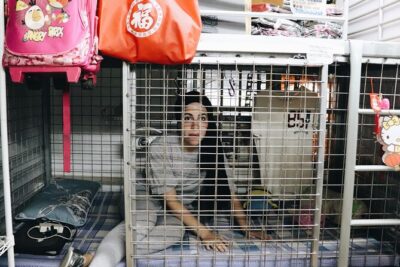
Dark Side of Hong Kong – Kowloon Caged Homes Walking Tour
Read our review →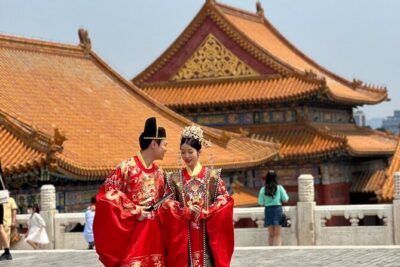
Forbidden City Private Walking Tour with Optional Sights
Read our review →
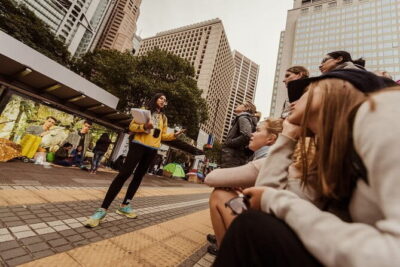
Introduction to Hong Kong: Central Tip Based Walking Tour
Read our review →