
Reviewed · TEA CEREMONIES
Beijing Culture: Tea Ceremony, Heritage Instrument & Calligraphy
The most unusual part of this Beijing experience is that you do not simply watch Chinese traditions from the sidelines. You brew tea with a certified tea master, write Chinese characters with a brush, and play a complete melody on the Guqin, an ancient seven-string instrument. I especially like the small group limit of eight and the chance to learn from practicing cultural artists rather than stage performers. The bilingual guide also brings useful background in Chinese philosophy and history.
The setting is calm, private, and air-conditioned, a welcome break from Beijing’s traffic and crowds. My main caution is practical: at $78.60 per person, this is not a cheap cultural stop, and transportation to the 813 Creative Park is not included. You should book it because you want hands-on learning, not because you are looking for a fast photo stop.
Key Details Before You Book
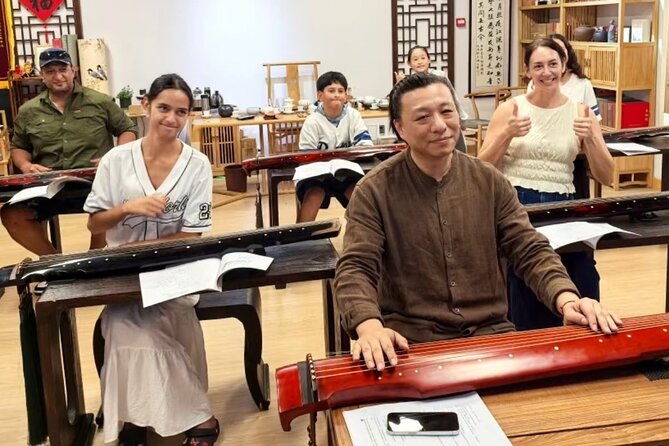
- Play a full Guqin melody: You receive direct help with the finger positions and strings of China’s most revered classical instrument.
- Learn through three traditions: The session combines tea ceremony, calligraphy, and music in about two and a half hours.
- Meet cultural specialists: A certified tea master, a national-level Guqin artist, and an expert calligraphy teacher lead the activities.
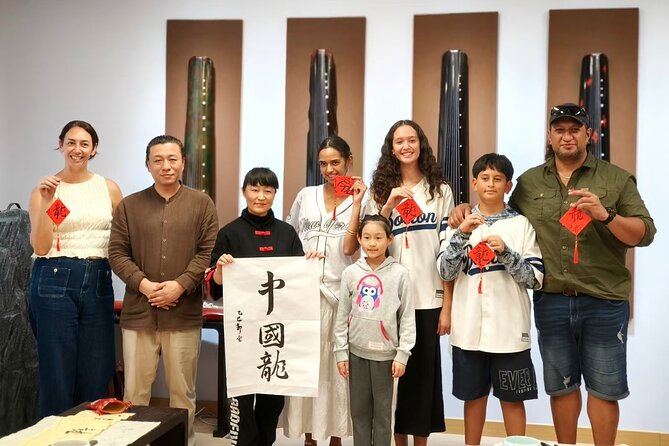
- Keep a piece of the lesson: You can write meaningful Chinese characters, including your Chinese name, and take the finished paper home.
- Wear traditional clothing: Outfit rental is included for ritual moments and photographs.
- Enjoy a very small class: The maximum group size is eight, which allows for individual help.
A Quiet Cultural Room in Chaoyang
The meeting point is 813 Creative Park in Chaoyang, listed at VGP3+CCX, Beijing 100124. You arrange your own way there, since transport to and from the venue is not included. The activity finishes back at the same meeting point.
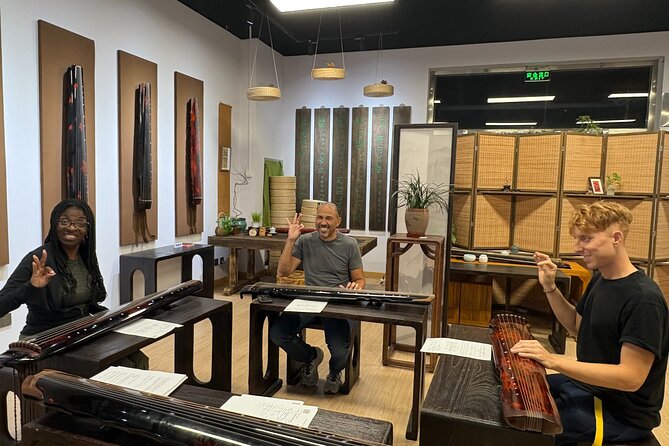
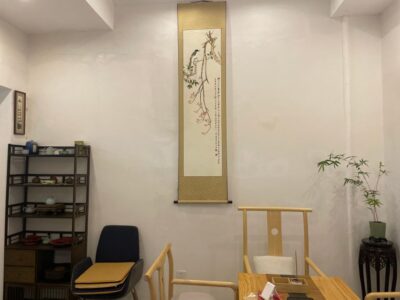
This is not set up as a large performance hall. The venue is a private heritage space closed to the general public, with air conditioning and traditional decoration. That matters in Beijing, where a morning spent at major sights can leave you hot, tired, and surrounded by tour groups. This two-and-a-half-hour session gives you a quieter change of pace.
The experience is limited to eight people. That small number is one of its strongest features. Brushwork and Guqin playing both require close correction, and a large class would make that harder. Here, you should have a reasonable chance to ask questions and receive hands-on guidance.
A bilingual guide leads the session in English. The guide has a master’s degree in history and sociology and explains not only what to do, but why the rituals matter. That distinction is important. Without context, pouring tea or copying characters can feel like a craft lesson. With context, you begin to see how patience, restraint, rhythm, and respect shape these practices.
More Calligraphy Classes in Beijing
- Beijing Calligraphy Class
★ 4.9 · 112 reviews - Chinese Calligraphy Class for Small Group
★ 5.0 · 104 reviews - Beijing Historic City Guided Walking Tour + Calligraphy Creation
★ 5.0 · 59 reviews
Tea Ceremony: Starting With Patience
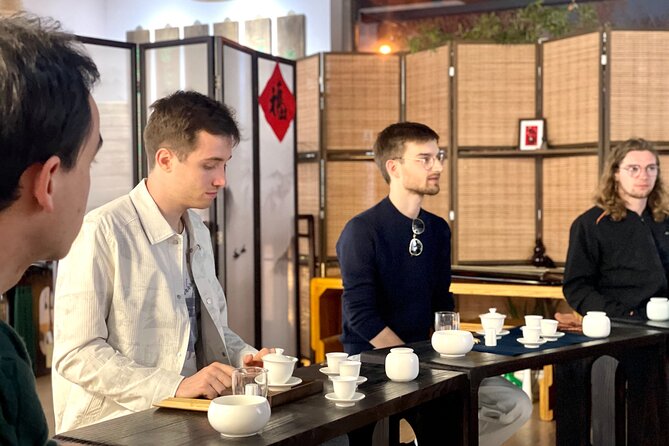
The tea portion introduces you to traditional preparation and tasting under the direction of a certified tea master. Tea snacks are provided, but this is not a meal, so plan to eat before or after the activity if you need something substantial.
Expect the tea ceremony to move at a slower pace than most sightseeing. Water, cups, pouring, and tasting are treated as part of a process rather than a quick sample. The point is not simply to decide which tea you like. You learn how the ritual works and why small gestures matter.
I like this part because it gives the entire session a gentle beginning. You can settle in, listen to the guide, and get used to the setting before handling a brush or instrument. The tea also creates a natural opening for questions about Chinese customs and daily life.
The experience description says you brew and taste real Chinese tea with a national-level tea master. That makes the lesson more useful than a simple tea tasting at a shop, where the main purpose may be selling tea. Here, tea is one of three connected ways to look at Chinese culture.
Do not expect an extended tea education course, though. The whole program lasts about 150 minutes, and that time is divided among three subjects. You will receive an introduction and practical instruction, not a professional tea certification.
The Guqin Lesson and Live Performance
The Guqin is the musical centerpiece. This long, narrow zither has seven strings and a place in Chinese scholarly tradition that reaches far beyond ordinary entertainment. It is associated with quiet concentration and cultivated learning.
A national-level heritage artist first performs on the instrument, giving you a chance to hear its spare, delicate sound before you try it yourself. The live performance is valuable because the Guqin can look simpler than it sounds. Its narrow strings and restrained notes do not announce themselves like a loud concert instrument. In a quiet room, small changes in touch and rhythm become easier to notice.
Then you take part in a hands-on lesson. The goal is ambitious for a short workshop: you learn to play a complete melody with the artist guiding your fingers. You should not expect to leave as a trained musician, but you can expect more than a token strum.
This is also the part most likely to feel personal. Your hand placement and timing matter, so direct instruction makes a real difference. A large group would turn this into a demonstration. With no more than eight people, the artist can give the lesson a more individual feel.
The Guqin session may be challenging if you have never played an instrument. That is part of its value, but it is worth setting the right expectation. You are learning a short piece in a cultural workshop, not taking a full music class. Come ready to concentrate, laugh at a few imperfect notes, and appreciate the instrument’s quiet character.
The experience also includes the artist’s live performance, so you receive both the listening and playing sides of the tradition. I consider that a fair use of the time. You first hear what the instrument can do, then understand how difficult even a simple melody can be.
Calligraphy That You Can Take Home
The calligraphy workshop gives you a physical souvenir rather than just a photograph. An expert teacher helps you write Chinese characters with a brush, and the lesson can include your Chinese name. You can take the completed paper home.
Calligraphy is not simply handwriting in a different alphabet. The brush angle, pressure, order of strokes, and spacing all affect the result. The teacher’s job is to make those ideas approachable without turning the session into a lecture.
If you have never used a Chinese brush, the first attempts may feel awkward. That is normal. The point is not perfect penmanship. It is learning how a character is built and understanding that the written form carries older layers of meaning.
I like this portion for families, couples, and anyone who wants something tangible from the experience. A framed character can mean more than a mass-produced souvenir because you made it during a guided lesson. The paper also gives you a useful reminder of the session after the tea has been drunk and the music has ended.
The calligraphy section has a practical limit: you will not cover a full set of characters in one sitting. The strongest approach is to treat it as an introduction to brush technique and character structure. If you are interested in Chinese writing, ask questions while you work and pay attention to the teacher’s corrections.
More Historical Tours in Beijing
- Beijing Historical Tour II including Summer Palace, Lama Temple & Panda Garden
★ 4.0 · 187 reviews - Beijing Historical Tour I – Forbidden City, Tiananmen Square & Temple of Heaven
★ 4.0 · 120 reviews - Beijing: Bell and Drum Towers Entry Ticket—Historic Landmark
★ 4.6 · 23 reviews
Traditional Clothing and Photographs
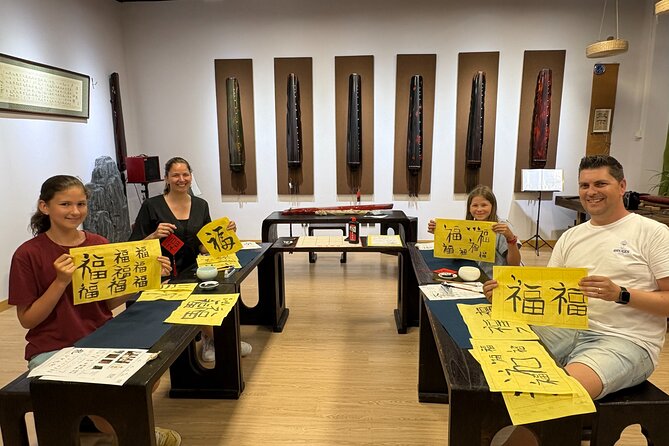
Traditional outfit rental is included. You can wear the clothing during parts of the activity and use it for photographs, adding a visual element to the tea and calligraphy sessions.
This is a nice extra, but it should not be the main reason you book. The real substance comes from the instruction and the contact with the cultural practices. The outfit helps mark the occasion and can make group photos more memorable.
Because the venue is private and the group is small, the photographs should feel less rushed than a quick stop at a crowded attraction. Still, the exact clothing choices, changing arrangements, and number of photographs are not specified, so do not book this expecting a professional photo session.
What the $78.60 Price Really Buys
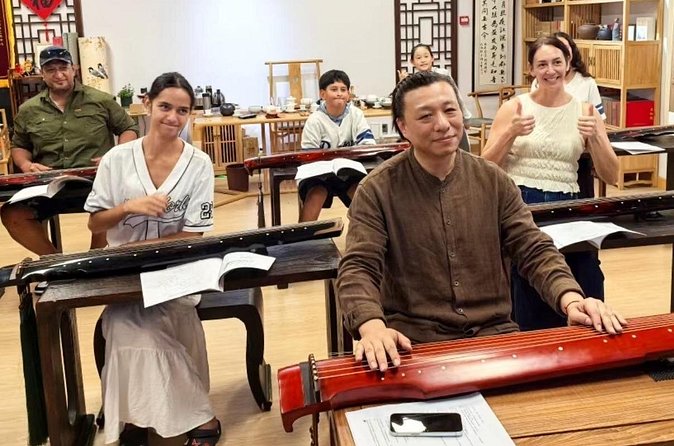
At $78.60 per person, this experience costs more than simply visiting a museum or attending a standard cultural performance. You are paying for several elements at once: a certified tea master, a national-level Guqin artist, a calligraphy teacher, an English-speaking guide, a private venue, tea snacks, instrument instruction, calligraphy materials, and traditional attire.
The value depends on how much participation you want. If you only want to see Chinese instruments or watch a tea ritual, cheaper options may suit you. If you want to handle the brush, brew tea, and play a melody under personal guidance, the small group and three-part format make the price easier to justify.
The experience is also efficient for a short stay in Beijing. In 150 minutes, you receive music, writing, tea, historical explanation, and photographs. You do not need to spend separate time finding a tea house, a calligraphy class, and a Guqin demonstration.
There are limits. Tea snacks are included, but meals are not. Transportation is your responsibility. Tips and personal expenses are extra. The program also packs three subjects into one afternoon or morning, so anyone wanting a detailed course in one tradition may find the schedule too broad.
For a first visit to Beijing, I see this as a cultural supplement rather than a replacement for major historic sites. It will not show you palaces, temples, or city streets. Instead, it gives you a close look at practices that are difficult to understand from behind a museum case.
Who Will Get the Most From This Experience
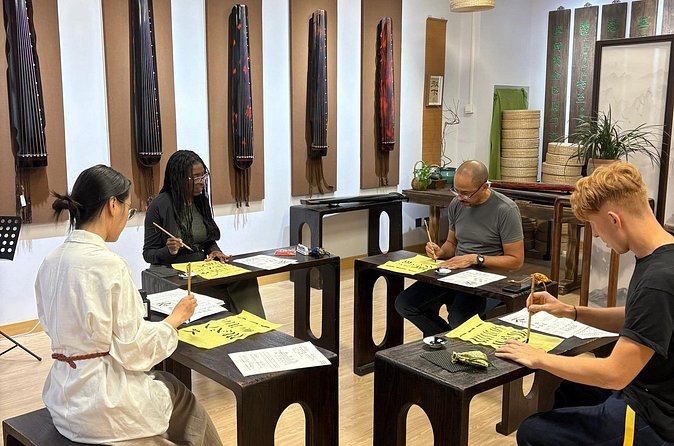
You should consider booking if you enjoy learning by doing. The activity suits visitors who want a quieter break from sightseeing and who are willing to concentrate for a few minutes at a time.
It is a good match for:
- Couples looking for a calm shared activity
- Families with older children interested in music or writing
- First-time visitors who want cultural background in English
- People who dislike large shows and crowded group tours
- Anyone interested in tea, Chinese characters, or traditional music
- Returning visitors who have already seen Beijing’s major sights
The activity may be less suitable if you want a meal, a long shopping stop, or a broad city tour. It also may not satisfy a serious musician or calligrapher seeking advanced training. The instructors can introduce you to these traditions, but two and a half hours cannot provide mastery.
Most people can participate, and service animals are allowed. Confirmation is sent within 48 hours of booking, subject to availability. The activity requires a minimum number of participants, and poor weather can lead to a date change or refund, even though the main venue is air-conditioned.
Timing, Cancellation, and Simple Planning Tips
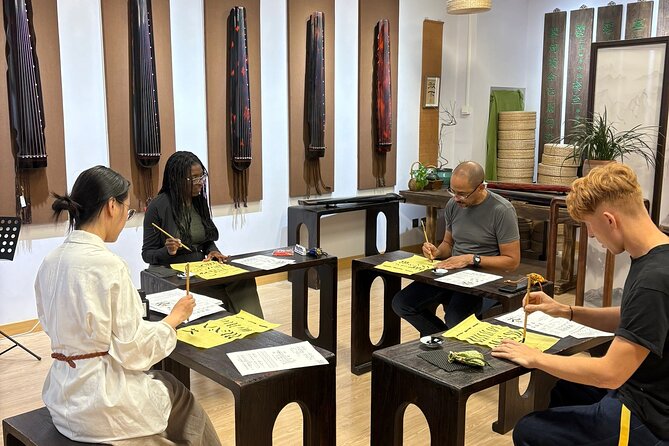
The experience is approximately two hours and 30 minutes. Leave enough time to reach 813 Creative Park without rushing, since your transportation is not included and the activity begins and ends at the stated meeting point.
Book ahead if your Beijing schedule is tight. The activity is booked, on average, 51 days in advance, and confirmation remains subject to availability. A small class can fill faster than a large sightseeing tour.
Free cancellation is available until 24 hours before the local start time for a full refund. Changes or cancellations made less than 24 hours before the start are not accepted for a refund. If the minimum number is not reached or weather causes cancellation, you are offered another date or experience, or a full refund.
Wear something comfortable enough for sitting, writing, and playing the Guqin. Tea, calligraphy, and music each reward a patient approach, so avoid scheduling the session between two rushed attractions.
Should You Book It?
Book this experience if you want to participate in Chinese culture rather than simply photograph it. The strongest reasons are the very small group, direct instruction from cultural specialists, the chance to play a complete Guqin melody, and the calligraphy sheet you can take home.
Skip it if your priority is saving money, eating a full meal, or seeing as much of Beijing as possible in a short time. At $78.60, it makes sense only when the hands-on format matters to you.
For the right person, this is a thoughtful pause in a demanding city itinerary. You leave with more than a souvenir photo: you have tried to make tea in a formal setting, felt the strings of an ancient instrument, and put a Chinese character on paper with your own hand.
FAQ
How long does the Beijing culture experience last?
The activity lasts approximately two hours and 30 minutes.
Where does the experience begin?
It begins at 813 Creative Park, VGP3+CCX, Chaoyang, China, 100124.
Where does the activity end?
The experience ends back at the meeting point.
Is transportation included?
No. Transportation to and from the venue is not included.
What activities are included?
The session includes a traditional tea ceremony and tasting, a live Guqin performance, a hands-on Guqin lesson, a Chinese calligraphy workshop, traditional outfit rental, and guidance in English.
Is food included?
Tea snacks are included, but meals outside the provided snacks are not.
How many people can join the activity?
The maximum group size is eight people.
Can beginners participate?
Yes. Most people can participate, and the activity is designed around guided introductions to tea, Guqin playing, and calligraphy.
What is the cancellation policy?
You can cancel at least 24 hours before the local start time for a full refund. Cancellations or changes made less than 24 hours before the start are not accepted for a refund. If the activity is canceled because of weather or insufficient participation, you are offered another date or a full refund.
More Calligraphy & Painting Classes in Beijing
- Beijing Wangfujing Calligraphy Class by Forbidden City
★ 5.0 · 58 reviews - Beijing Wangfujing Calligraphy Class Nearby Forbidden City
★ 5.0 · 56 reviews - Beijing Hands-On Culture Tour: Tea, Instrument, Calligraphy
★ 5.0 · 6 reviews - Beijing liulichang : Learn Calligraphy orCarving from Master
★ 5.0 · 5 reviews
More Tea Ceremonies in Beijing
- Traditional Chinese Tea Ceremony Experience
★ 4.7 · 74 reviews - Chinese Tea ceremony in Beijing Hutong courtyard
★ 4.7 · 26 reviews - Private Beijing Markets Tour with Tea Tasting at Hongqiao Pearl Market
★ 5.0 · 18 reviews - Beijing: Temple Of Heaven+Tai Chi Class+Tea Ceremony
★ 5.0 · 8 reviews
Newly listed around Beijing
- Beijing: Summer Palace Ticket; fast and smooth★ 3.6 · 38 reviews
- Beijing: Summer Palace Entry Ticket★ 3.3 · 3 reviews
- Beijing: Summer Palace Highlight Walking Tour★ 4.8 · 25 reviews
- Beijing: Summer Palace, Sacred Road&Ming Tombs Private Tour★ 5.0 · 8 reviews
- Beijing: Summer Palace Entrance(combo/tour opt)★ 4.7 · 6 reviews
- Beijing: Summer Palace 3 Hours Guided Tour with Entry Ticket★ 4.8 · 4 reviews
- Beijing Private Tour: Summer Palace, Panda House and Options★ 5.0 · 21 reviews
- Beijing Royal Banquet with Chinese culture prefermance★ 5.0 · 3 reviews
Tea Ceremonies, compared.

One-Day Hangzhou Dragon Well Tea Culture & West Lake Private Tour
Read our review →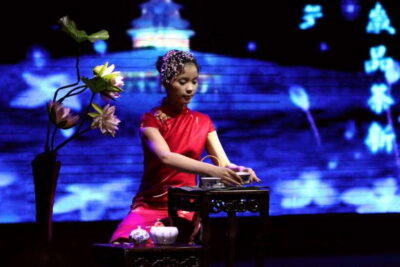
Chinese Tea ceremony in Beijing Hutong courtyard
Read our review →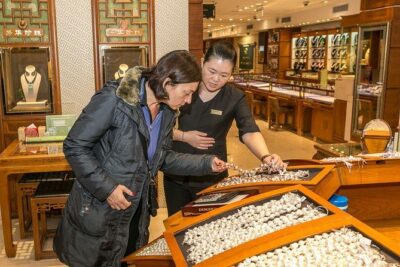
Private Beijing Markets Tour with Tea Tasting at Hongqiao Pearl Market
Read our review →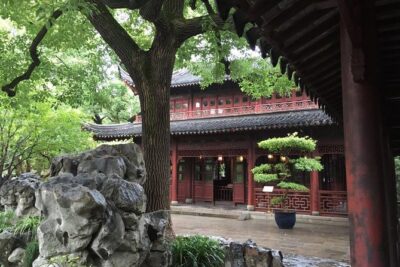
3-Hour Shanghai Yu Garden &Old Town Private Tour with Tea Tasting
Read our review →Private Shanghai City and Zhujiajiao Combo Tour with Boating, Tea Tasting, Lunch
Read our review →Browse the lists this tour appears in