
Reviewed · CALLIGRAPHY & PAINTING CLASSES
One Hour Chinese Calligraphy or Painting Lessons in Yangshuo
Chinese calligraphy is the main event here, not a quick souvenir workshop. In one private hour, you learn how to grind ink, hold the brush, prepare the paper, and make your first Chinese characters under an English-speaking teacher’s guidance. You can choose painting instead, with an introduction to brush methods used by Chinese masters.
I like the one-to-one format and the fact that all materials are supplied. You are not simply watching a demonstration, and the low $19 price makes this an easy cultural activity to add to a Yangshuo stay. The main catch is time: one hour gives you a useful introduction, not mastery. If you stay in Xingping, add 150 RMB for the transfer.
Key points at a glance
- Choose calligraphy or painting: Pick Chinese character writing or an introductory class in classical Chinese painting.
- Begin at your hotel lobby: The lesson is arranged at your Yangshuo hotel, keeping the activity simple and local.
- Use traditional tools: You learn about paper, ink grinding, brush grip, and basic brush control.
- Get personal instruction: The private format lets the English-speaking teacher adjust the lesson to your pace.
- Budget-friendly price: At $19 per person, the class offers a low-cost way to try a traditional Chinese art.
- Xingping costs extra: Hotel service in the Xingping area requires an additional 150 RMB transfer fee.
What happens during the one-hour lesson
This is a compact introduction to Chinese art, arranged around a private lesson at your hotel. The exact starting time depends on availability, but the meeting point is your hotel lobby in Yangshuo. That matters because you do not need to find a studio or arrange a separate taxi to an unfamiliar address.
Once the teacher arrives, you choose between calligraphy and painting. If you select calligraphy, the class begins with the tools and materials. You learn how the paper is used, how ink is ground, and how the brush is held. These steps may sound small, but they shape the entire result. Chinese brushwork depends on pressure, angle, speed, and the amount of ink on the brush.
The teacher then introduces basic techniques for writing Chinese characters. You will have a chance to try the brush yourself, rather than spending the hour only watching. Expect an introductory session, with attention to control and form rather than a long list of characters.
If you choose painting, the teacher introduces classical Chinese painting styles and brush methods associated with Chinese masters. The class can be useful if you already paint, since you can compare Chinese brush techniques with methods you know from home. If you are new to painting, the private format gives you room to ask basic questions without holding up a larger group.
One hour passes quickly. You should think of this as a practical taste of the art form, not a full course. You may finish with a better sense of how the brush behaves and why calligraphy is treated as an art, but the lesson cannot cover every style, character, or painting method.
More Calligraphy Classes in Guilin:
- Beijing Calligraphy Class
★ 4.9 · 112 reviews - Chinese Calligraphy Class for Small Group
★ 5.0 · 104 reviews - Beijing Historic City Guided Walking Tour + Calligraphy Creation
★ 5.0 · 59 reviews
Why the brush and ink preparation matters
Chinese calligraphy is not simply handwriting with a different alphabet. The character itself becomes the subject of the artwork, and the brush creates changes in line that a modern pen cannot match. A heavy stroke, a fine tip, and a slight turn of the wrist can all affect the final shape.
Grinding the ink gives the lesson a traditional starting point. You are not just picking up a ready-made marker and copying symbols. You learn that the tools are part of the practice. The preparation slows the process and helps you pay attention to the movement of your hand.
That is one of the strongest reasons to choose this class over a quick craft activity. You get a short introduction to the values behind calligraphy: patience, concentration, balance, and controlled movement. Even if your first character looks uneven, the process gives you a better understanding of why Chinese calligraphy is admired as visual art.
The teacher also shows you how to use the paper. This is important because brushwork depends on how ink meets the surface. With private help, you can correct your grip and pressure as you work, rather than repeating the same mistake through a group demonstration.
Choosing calligraphy or Chinese painting

Calligraphy is the natural choice if you want to work with Chinese characters or try a highly recognizable part of Chinese culture. It gives you a clear sequence: prepare the ink, hold the brush, learn basic strokes, and practice characters.
Painting may suit you better if you already draw or paint, or if you prefer images to writing. The class introduces classical Chinese painting methods and brush techniques used by Chinese masters. The description does not promise a particular subject or finished image, so you should select painting for the technique, not for a guaranteed souvenir picture.
I would choose calligraphy for a first visit to China because the connection between language and art is especially clear. I would choose painting if I already had experience with brushes and wanted to compare Chinese methods with my own. Families and couples can also split their choices if the booking arrangements allow it, but the supplied details do not specify whether one booking can include both lesson types. Confirm that point before paying if it matters to your group.
The value of a private teacher at $19
At $19 per person, the price is appealing for a private cultural activity. You receive a teacher and all calligraphy or painting materials, so you do not need to buy paper, brushes, or ink for a one-hour experiment.
The best value comes from the private format. A teacher can watch your hand position and give immediate corrections. In a large class, you might only see the front of the demonstration and then copy it as best you can. Here, you have a better chance to ask why a stroke looks different or how to change your pressure.
Still, keep your expectations sensible. The low price reflects the short length, and the class is an introduction. You are paying for access to traditional tools and direct instruction, not a certificate or a serious multi-day art course.
The extra 150 RMB for Xingping changes the calculation. If your hotel is in Yangshuo, the listed price is much easier to justify. If you are staying in Xingping, add the transfer fee before comparing this with another class. The activity can still be worthwhile, but the transport charge may matter more than the lesson price itself.
More quick things to do in Guilin:
- Guangzhou: Pearl River 1-hour Night Cruise (Optional Piers)
★ 3.8 · 39 reviews
Hotel-lobby convenience in Yangshuo
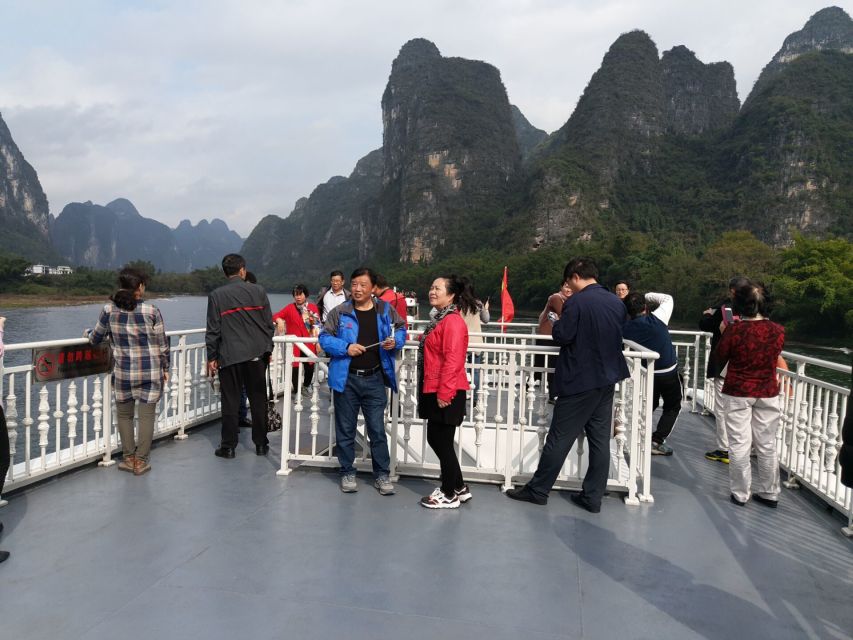
Starting in the hotel lobby removes one common travel headache. You do not need to locate a workshop, explain an address to a driver, or spend part of a short holiday getting across town. You should provide the correct hotel details when booking and be ready at the agreed meeting point.
The setting may feel less formal than a dedicated art studio. That can be a benefit if you want a relaxed first lesson, but it may disappoint you if you picture a beautiful gallery or a historic school. The information provided promises a hotel-based private lesson, not a special studio setting.
If you are based in the Xingping area, the teacher can arrange service there for an additional 150 RMB transfer fee. Treat that as a separate transport cost. It is not part of the $19 lesson price.
The lesson is listed for Yangshuo in southern China. The experience is best suited to someone who wants to fit a short cultural activity between other plans, rather than build an entire day around it.
What to bring and what to leave behind
The practical requirements are light. Bring your passport or ID card, comfortable shoes, sunglasses, a sun hat, and a camera. The first item is the most important from a booking and identification point of view. The other items are general comfort suggestions for time in southern China.
You do not need to bring art supplies because the teacher provides the calligraphy or painting materials. That keeps the activity easy for visitors who are packing light.
Pets are not allowed. The information also says this experience is not suitable for people with altitude sickness. That warning is unusual for a one-hour art class, but it is part of the stated conditions and should not be ignored if it applies to you.
The booking information says a full name and passport number are needed to book a boat ticket. That instruction appears unrelated to the one-hour hotel lesson, since this activity does not describe a boat ride. If you see that requirement during booking, check with the provider before submitting personal details so you know which part of your reservation it concerns.
Language, pace, and group size
Instruction is available in English and Chinese. That makes the class workable for English-speaking visitors who want explanations of the tools and basic techniques. The details do not identify the individual teacher, so you should not expect a named instructor when booking.
A private group is available. This is useful if you want the lesson to focus on your own questions or if members of your party have different levels of experience. It also gives you more control over the pace than a crowded public workshop.
The private format does not automatically mean you can extend the lesson or cover both calligraphy and painting. The scheduled duration is one hour, and the activity is presented as a choice between the two. Ask ahead if you want a mixed session or a longer class.
The activity has a 4.8 rating from 10 reviews, but the supplied comments are about Li River and boat arrangements rather than this calligraphy or painting lesson. I would not use those comments to judge the art instruction itself. They do suggest that this provider has handled English-language Yangshuo arrangements before, but they do not confirm the quality of the brush lesson.
Who will enjoy this most
This class is a good match for you if you want a short, hands-on cultural activity with minimal planning. It suits first-time visitors who are curious about Chinese characters, couples looking for something different from sightseeing, and art students who want a brief look at Chinese brush methods.
It can also work well for a quiet break from Yangshuo’s outdoor activities. You do not need a full day, special clothing, or previous artistic training. The teacher introduces the basic tools and gets you practicing.
You may want something else if you expect a polished finished painting, several hours of instruction, or a tour with many cultural stops. The class does not include a broader Yangshuo visit, transport around scenic sites, or a meal. It is one focused lesson.
I would also be cautious if your schedule is tight around another booking. The lesson itself lasts one hour, but you should allow a little flexibility for the teacher’s arrival and any transfer arrangements, especially if you are staying in Xingping.
Should you book this Yangshuo lesson?
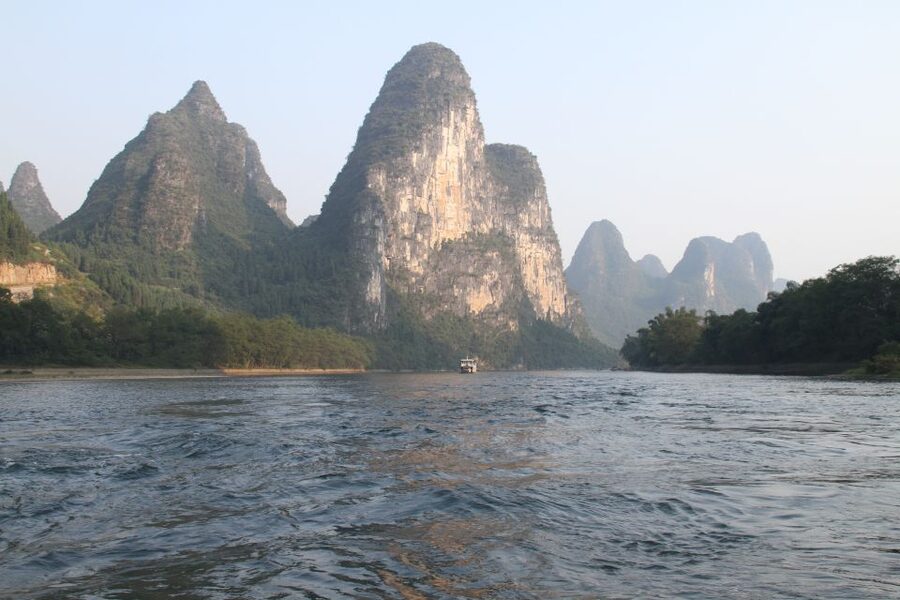
Book it if you want an inexpensive, private introduction to Chinese calligraphy or painting and like the idea of learning with real brush and ink rather than buying a ready-made souvenir. The hotel-lobby start and supplied materials make it simple, and the one-to-one teaching gives the $19 price good value.
Choose calligraphy for the clearest connection to Chinese culture, or choose painting if you already enjoy art and want to compare brush methods. If you stay in Xingping, add the 150 RMB transfer charge before deciding.
I would skip it only if you need a longer, more formal art course or if your main goal is sightseeing rather than making something yourself. For a compact Yangshuo activity with a hands-on focus, it is a sensible choice.
FAQ
Where does the lesson begin?
The lesson begins in your hotel lobby in Yangshuo.
How long does the activity last?
The lesson lasts one hour.
Can I choose between calligraphy and painting?
Yes. You can choose a Chinese calligraphy lesson or an introductory Chinese painting lesson.
Is the teacher able to speak English?
Yes. Instruction is available in English and Chinese.
Are the art materials included?
Yes. The private teacher and all calligraphy or painting materials are included.
Can the lesson take place at a hotel in Xingping?
Yes, but Xingping-area hotel service requires an additional 150 RMB transfer fee.
Is the activity private?
A private group is available, and the lesson is described as a private hotel lesson.
What should I bring?
Bring your passport or ID card, comfortable shoes, sunglasses, a sun hat, and a camera. Pets are not allowed.
Newly listed around Guilin
- Full-day Tour: Longji Rice Terraces & Minority Villages★ 4.5 · 5 reviews
- Yangshuo Classic Private Day Tour★ 4.5 · 7 reviews
- Half-day Tour: Largest Tea Plantation & Amazing Xianggong Hill★ 5.0 · 9 reviews
- Yangshuo Ruyi peak & round way cable car ticket★ 5.0 · 18 reviews
- Yangshuo Cooking Class with Market Trip★ 5.0 · 40 reviews
- Full-day Tour: Cycling, Rafting & SanjieLiu Outdoor Water Theatre★ 5.0 · 3 reviews
- Full-Day Private Biking Activity in Yangshuo★ 4.0 · 5 reviews
- Xingping Xianggong Hill and Yangshuo Countryside Classic Day Tour★ 5.0 · 14 reviews
Calligraphy & Painting Classes, compared.
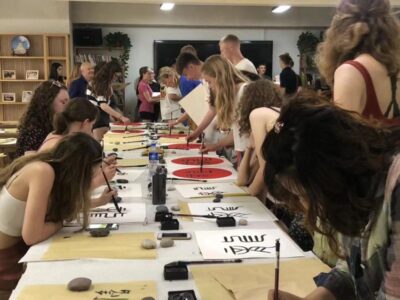
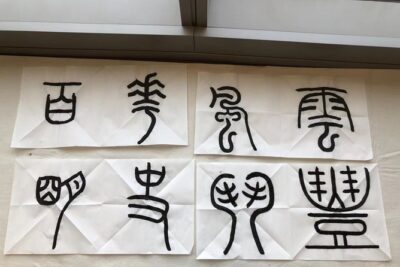
Beijing Historic City Guided Walking Tour + Calligraphy Creation
Read our review →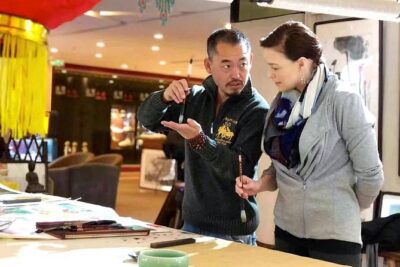
Beijing Wangfujing Calligraphy Class by Forbidden City
Read our review →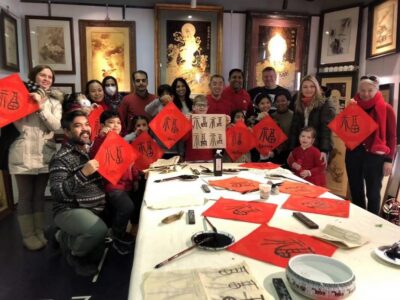
Beijing Wangfujing Calligraphy Class Nearby Forbidden City
Read our review →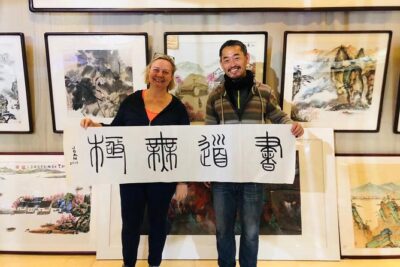
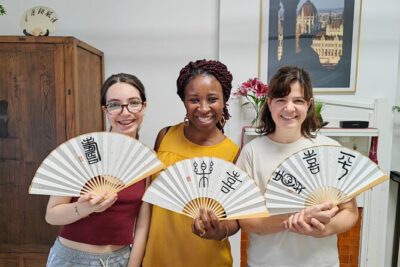
2-Hour Chinese Calligraphy with an Artist in Shanghai, China
Read our review →
Discover Old Beijing: Hutong Walking Tour & Calligraphy
Read our review →Browse the lists this tour appears in