
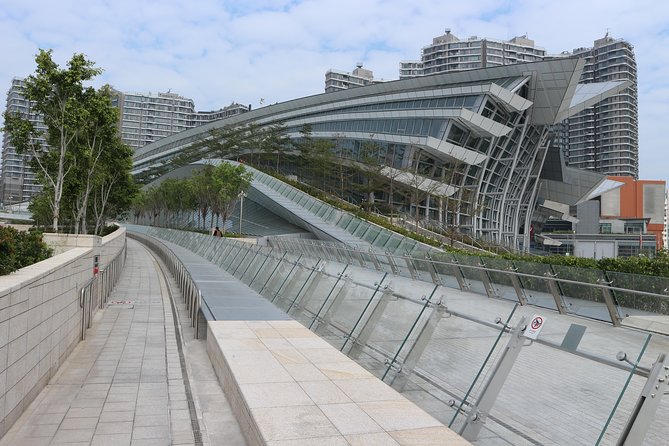
Reviewed · HISTORICAL TOURS
Private tour – Hong Kong’s major sites and history
Hong Kong makes the most sense when you see its polished financial center, old temples, crowded housing districts, and harbor crossings in one day. This private tour links those parts with public transport, giving you a street-level look at Central, Victoria Peak, Sheung Wan, Tsim Sha Tsui, and Sham Shui Po.
I like the private format, since Alexandra and Stéphanie can adjust the pace and explain subjects such as public housing, real estate, youth culture, street art, and Feng Shui. I also like the mix of transport, from the Peak Tram and Ding Ding streetcar to the MTR and Star Ferry. You are not simply driven past Hong Kong. You move through it as residents do.
The main drawback is the price, $314.86 per person, before food and drinks. It can be good value for a family or small group that wants a flexible introduction, but solo visitors or budget-conscious couples may find it costly. The six to eight hour day also requires moderate fitness and comfort with walking, stairs, crowds, and changing vehicles.
Key points to know before booking
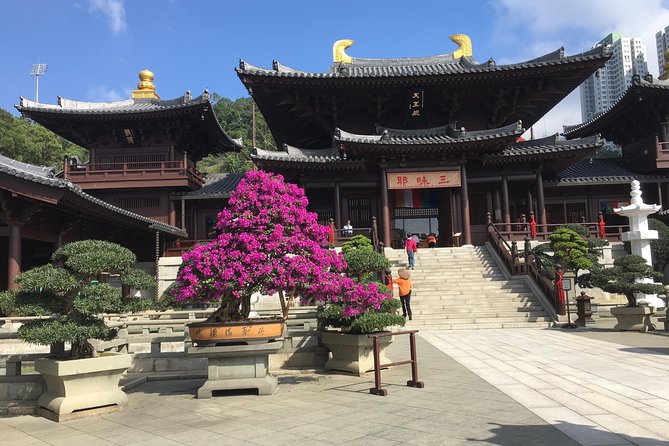
- Peak Tram fast-track access saves time at one of Hong Kong’s most popular sights.
- Six major areas in one day give you a broad first look at Hong Kong Island and Kowloon.
- Alexandra and Stéphanie are the named guides most often associated with this experience.
- Public transport is part of the tour, including bus, Ding Ding tram, MTR, and Star Ferry.
- Local food tastings may be included in the day’s experience, but food and drinks are not included in the price.
- The route can change with weather, traffic, timing, and your interests.
A useful first day with Hong Kong in full view
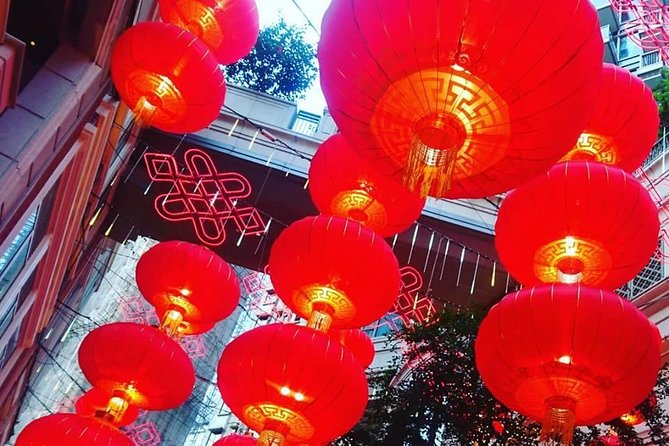
This tour is built for the visitor who wants Hong Kong explained, not just photographed. You start at 8:30 a.m. in Statue Square, in the heart of Central, and spend roughly six hours moving between places that show very different sides of the territory.
Your guide can connect the physical city to its political and social story. That matters here. A sleek tower, an old Taoist temple, a public housing estate, and a ferry ride are not isolated sights. Together, they show how Hong Kong grew, where its people live, and why land and housing remain such big subjects.
The private setup gives the day a useful amount of flexibility. Families can ask for a slower rhythm, and experienced visitors can spend less time on basic landmarks and more time on local life. The guides are also used to working in English or French, and the named guides Alexandra and Stéphanie have led tours that include families with children as young as six.
More Historical Tours in Hong Kong:
- Between Capitalism & Communism: Hong Kong History Tip Based Tour
★ 5.0 · 234 reviews - Group Vegetarian Food & Cultural Tour
★ 5.0 · 16 reviews - Coach Tour: Hong Kong Heritage Discovery
★ 5.0 · 4 reviews
Starting in Central at Statue Square
Statue Square is a practical meeting point because it places you among Central’s government buildings, banks, and major streets. Here, your guide introduces Hong Kong’s past and present before the day gathers speed.
Central is the clearest place to see the territory’s financial power. The tour does not treat it as a collection of office towers alone. Discussion can move toward real estate, land pressure, public housing, and the relationship between Hong Kong and the wider political world.
I find this opening useful because it gives you a framework for the rest of the day. When you later see older neighborhoods and dense housing, you can compare them with the wealth and commercial power concentrated in Central.
Do not expect a long, formal lecture. The appeal is the conversation as you walk. Your guide can explain facts, anecdotes, and local legends that are easy to miss when you explore alone. The private format also means you can ask direct questions instead of waiting for a group to move on.
Victoria Peak and the Peak Tram
Victoria Peak is the headline stop, and fast-track access to the Peak Tram is one of the strongest practical features. Queues can eat into a short Hong Kong visit, so any arrangement that helps you reach the tram more efficiently has real value.
The tram ride gives the day a sense of occasion, but the wider point is the view. From above, you can better understand Hong Kong’s tight geography, the relationship between Hong Kong Island and Kowloon, and the scale of the harbor. Your guide can place the city’s development and political story against that physical setting.
Weather matters here. Clouds, rain, or haze can reduce the views, and the itinerary may be adjusted if conditions are poor. That flexibility is helpful, but you should not book this day expecting perfect visibility. The tour promises access and interpretation, not control over the sky.
Victoria Peak can also be busy. Fast-track entry reduces one problem, but it does not turn the area into a quiet viewpoint. If you want substantial time for photographs, tell your guide early. The tour has many planned areas to cover, and the exact balance depends on traffic and your group.
Sheung Wan, Man Mo Temple, and old Hong Kong
Sheung Wan offers a sharp change from Central. This older district is associated with traditional shops, temples, historic streets, and a more local street rhythm. The tour may include Man Mo Temple and Hollywood Road, both featured in extended days with these guides.
Man Mo Temple is especially useful as a cultural stop because it opens the door to Taoism, ritual, and the role of Feng Shui in Hong Kong life. The guide can explain what you are seeing rather than leaving you to guess at the incense, statues, and offerings.
Hollywood Road brings another layer through its older buildings, art, and street life. The tour also discusses street art, so you may get more than a standard temple visit and a photograph outside a famous site.
This part of the day rewards curiosity. You will get more from it if you ask how old customs fit with modern city life. The walk can involve uneven surfaces and ordinary city traffic, so comfortable shoes are important. The tour requires moderate physical fitness, and there is no promise of a long seated break at every stop.
A few more Hong Kong days worth a look
- Hong Kong: Dolphin Cruise, Big Buddha & Lantau Island Tour
★ 4.2 · 1,512 reviews - Ngong Ping 360: Cable Car Return Tickets & Combos
★ 4.6 · 1,431 reviews - Lantau Island Day Trip – Big Buddha & Tai O
★ 4.5 · 1,328 reviews - Big Bus Hong Kong Open Top Hop-On Hop-Off Sightseeing Tour
★ 4.0 · 1,077 reviews
Crossing to Kowloon by Star Ferry
The Star Ferry is included in the public transportation used during the tour. This is more than a cheap way to cross the harbor. It gives you a short break from walking and a fresh view of both sides of Hong Kong.
From the water, the city’s scale becomes easier to read. You can see the contrast between Hong Kong Island’s steep rise and Kowloon’s dense urban frontage. Your guide can continue the discussion while you travel, or let the crossing provide a quiet pause.
The ferry also makes the day feel local rather than staged. You are using an ordinary part of the transport system, not being kept inside a private vehicle. That said, public transport brings normal city conditions: crowds, waiting, stairs, and changes caused by traffic or timing.
Private transportation can be arranged for an extra charge, but the included public transport is one of the tour’s better features. If your goal is to understand how Hong Kong works day to day, the bus, tram, MTR, and ferry add more than a private car would.
Tsim Sha Tsui and the Kowloon waterfront
On the Kowloon side, Tsim Sha Tsui gives you the harbor from a different angle. The waterfront is a natural place to discuss the territory’s growth, trade connections, and the visual relationship between the two shores.
This stop also helps prevent the day from becoming too focused on Hong Kong Island. Many first-time visitors spend most of their time around Central and the Peak. Crossing to Kowloon shows that Hong Kong is not one single downtown, but a set of districts with different histories and daily patterns.
The Tsim Sha Tsui section is likely to be more about orientation and interpretation than an extended museum visit. If you want a day packed with indoor attractions, this is not that kind of tour. It is a walking and transport day, with the guide using the city itself as the main subject.
Sham Shui Po and the housing question
Sham Shui Po is one of the most revealing choices on the route. It is described as the poorest area visited, giving you a view far removed from Central’s corporate towers and luxury property.
Here, the discussion of public housing, real estate, and youth becomes especially relevant. Hong Kong’s famous density is not just a visual effect. It shapes how people live, how families use limited space, and how high property costs affect younger residents.
This is also where the tour’s social focus earns its keep. A standard sightseeing route can leave you with postcard images and little understanding of ordinary life. Sham Shui Po adds a tougher, more grounded section to the day.
The wording around the area matters. You are visiting a working neighborhood, not a theme park arranged for outsiders. Your guide can help you look respectfully and understand what you see. Keep an open mind, avoid treating residents’ daily surroundings as a photo backdrop, and ask before taking close-up pictures of people.
Food, street stalls, and the cost of lunch
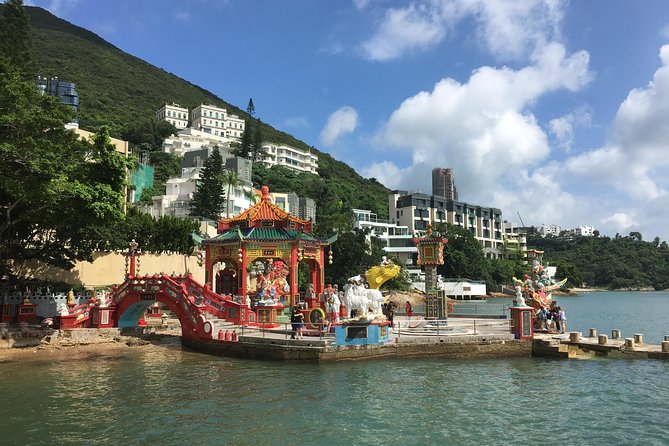
The tour includes the chance to taste local food from street stalls, in the same practical way local people do. That can be one of the most enjoyable parts of the day because food gives you a quick connection to place, routine, and neighborhood life.
Food and drinks are not included in the $314.86 price, and lunch is also excluded. Plan for extra spending. The description does not set a fixed menu, so you should ask your guide what is available that day and mention dietary needs before the tour begins.
The food element is flexible rather than a formal tasting course. That is an advantage if you want to try small local bites instead of committing to a long restaurant meal. It is less useful if you expect a full lunch or a guaranteed list of dishes.
Stéphanie has also led tours with a stronger local gastronomy focus. Even on this broader city tour, food can be a good way to shift the conversation from major events to ordinary habits. Just remember that the guide’s expertise does not make the meals part of the ticket price.
What the transport mix adds
A major strength of the day is its range of transport. You may use the Peak Tram, Ding Ding streetcar, MTR, bus, and Star Ferry. Each one gives you a different view of the city.
The Ding Ding is particularly helpful for seeing the streets at a slower pace. The MTR shows the efficiency of the underground network, while the ferry puts the harbor at the center of the experience. The bus can connect areas that would take too long to walk between.
The tradeoff is that every transfer takes time. Stations, platforms, boarding, and traffic can shorten the time available at each neighborhood. The exact duration is approximate and can run from six to eight hours depending on the time of day and road conditions.
I would treat the transport as part of the sightseeing, not as wasted time. Still, if you have limited mobility or dislike changing vehicles, ask about private transportation. It costs extra and may reduce some of the local feel, but it could make the day less tiring.
Price, private value, and group size
At $314.86 per person, this is not a bargain tour. The price makes more sense when shared by a family or small private group that wants a guide’s full attention and a route shaped around its interests.
You are paying for a private guide, public transportation, taxes, and the ability to discuss Hong Kong in detail across several districts. Fast-track Peak Tram access adds practical value. Food, drinks, lunch, and any private vehicle cost extra, so budget beyond the advertised amount.
For a solo visitor, the arithmetic is harder to justify. For parents traveling with children, the flexibility may matter more than the cost. Alexandra has kept children engaged on demanding days, including a family with a six-year-old and a twelve-year-old. That suggests the experience can work well when the guide adjusts the storytelling and pace.
The strongest value comes when you use the tour as your Hong Kong orientation day. Afterward, you will know which areas deserve a second visit and how the city’s transport fits together. If you already know Central, the Peak, Sheung Wan, and Kowloon well, the price may be harder to defend.
Timing, fitness, and practical planning
The meeting time is 8:30 a.m. at Statue Square, and the tour ends back at the same meeting point. Start early, since the route covers a lot of ground and morning timing may affect traffic and queues.
Wear comfortable shoes and bring water. You should be ready for walking, public transport, stairs, and weather changes. The experience calls for moderate physical fitness, and the operator may alter the route because of weather or traffic.
The tour is offered in English or French. Confirmation is provided when you book, and the operator contacts you afterward to refine the route. This is a useful step, so be clear about your interests, food needs, children’s ages, and any concerns about walking.
Free cancellation is available if you cancel at least 24 hours before the start time. Changes or cancellations inside that window are not accepted for a refund.
Who should book this Hong Kong day
I would choose this tour for a first visit, especially if you want history and present-day issues in the same day. It suits families, small groups, and curious visitors who prefer questions and conversation to a fixed script.
It is also a good fit if you want to use Hong Kong’s ordinary transport and see more than the postcard center. The mix of Central, the Peak, Sheung Wan, Tsim Sha Tsui, and Sham Shui Po gives you a useful spread of wealth, age, culture, and urban pressure.
I would hesitate if you want a relaxed day with long meals, lots of free time, or guaranteed sunshine at Victoria Peak. I would also compare the cost carefully if you are alone or traveling on a tight budget.
Should you book it?
Book this private tour if you want a strong first-day framework and a guide who can connect temples, towers, housing, transport, food, and geopolitics. Alexandra and Stéphanie are the key names to request if available, and both are associated with adaptable, family-friendly guiding.
Skip it if you prefer to explore independently, already understand Hong Kong’s major districts, or want a cheaper hop-on, hop-off approach. For the right group, though, the private format and broad route make this a practical way to get your bearings fast without seeing only the polished side of Hong Kong.
FAQ
Where does the tour start?
The tour starts at Statue Square in Central, Hong Kong, at 8:30 a.m.
Where does the tour end?
The activity ends back at the meeting point at Statue Square.
How long does the tour last?
The tour lasts approximately six to eight hours. The exact length depends on the time of day, traffic, and how the route develops.
Is the tour private?
Yes. Only your group participates in the activity.
Which languages are available?
The tour operates in English or French.
What transport is included?
Public transportation is included, including bus, Ding Ding tram, MTR, and Star Ferry. Peak Tram fast-track access is also a listed feature.
Are food and lunch included?
No. Food, drinks, and lunch are not included, although you may have the opportunity to taste local food from street stalls.
Can the itinerary change?
Yes. The operator contacts you after booking to refine the itinerary, and weather or traffic may lead to changes. Private transportation can also be arranged for an additional charge.
Newly listed around Hong Kong
- Full Day Private Trip in Hong Kong( impeccable local )walk tour★ 5.0 · 11 reviews
- Hong Kong Victoria Harbour Sightseeing Cruise Tickets★ 4.5 · 8 reviews
- Hong Kong Guided Dinner + Laser Show Lounge Entry (2023) | 200+ booked★ 3.5 · 7 reviews
- Walking Tour in Hong Kong – Local Experience (New & Best)★ 4.5 · 33 reviews
- Victoria Peak Tram and Sky Terrace 428 Admission Hong Kong★ 4.5 · 33 reviews
- STARLIGHT: Victoria Harbour Night Yacht Tour★ 4.5 · 38 reviews
- Group Vegetarian Food & Cultural Tour★ 5.0 · 16 reviews
- Unveiling Hong Kong Cultural Gems [BRAND NEW 2024]★ 5.0 · 4 reviews
Historical Tours, compared.
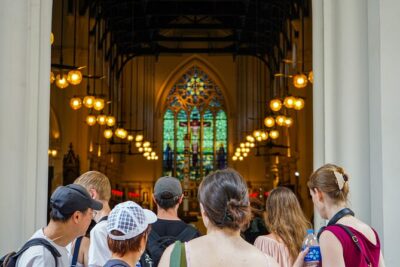
Between Capitalism & Communism: Hong Kong History Tip Based Tour
Read our review →
Beijing Historical Tour II including Summer Palace, Lama Temple & Panda Garden
Read our review →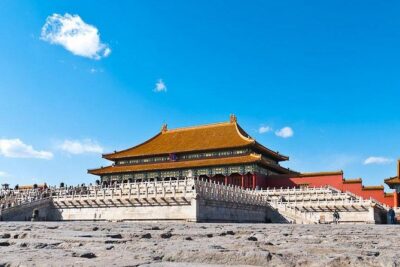
Beijing Historical Tour I – Forbidden City, Tiananmen Square & Temple of Heaven
Read our review →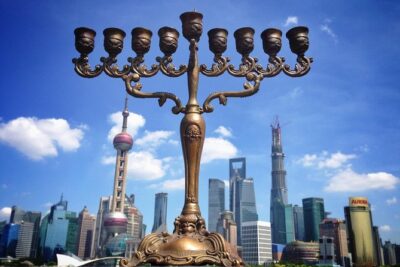
Tour of Jewish Shanghai led by a Jewish History Expert
Read our review →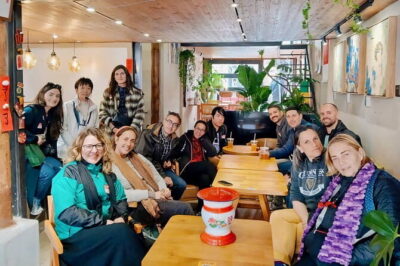
Beijing Historic City Guided Walking Tour + Calligraphy Creation
Read our review →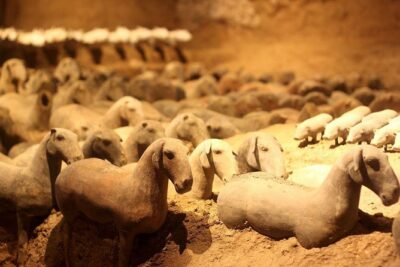
All inclusive Two-Day Xi’an private Heritage Tour
Read our review →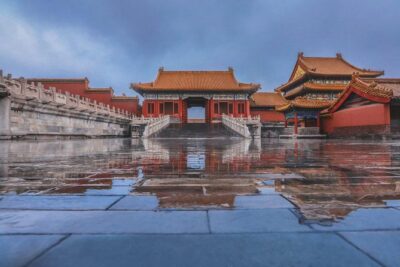
2-Hour Beijing Private Forbidden City Tour: History & Highlights
Read our review →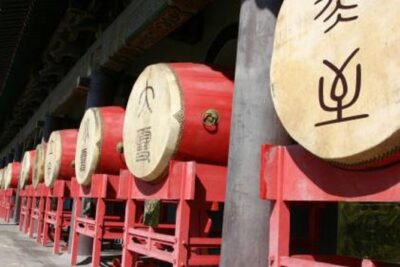
Xi’an Full Day Sightseeing Tour – Shaanxi History Museum, Big Wild Goose Pagoda, Ancient City Wall
Read our review →Browse the lists this tour appears in