
Reviewed · CALLIGRAPHY & PAINTING CLASSES
Chinese Calligraphy Class for Small Group
Chinese calligraphy is more than pretty writing. In this small class near Wangfujing, you learn how to hold the brush, stand and sit correctly, control each stroke, and give a Chinese character its proper balance. The lesson also introduces yin-yang ideas and quiet focus, giving the activity a calm cultural angle.
I like the personal attention and the useful souvenir: you practice first, then paint a final piece on paper or a red hanging ornament to take home. I also like the flexible schedule, with morning, afternoon, and evening starts. The main catch is time. Thirty minutes can feel rushed, so I would choose at least one hour if your schedule allows.
Key points to know before booking
- Meet at Hilton Beijing Wangfujing: The class begins in the hotel lobby, close to Wangfujing sightseeing and public transport.
- Choose your lesson length: Options run from 30 minutes to 2 hours, with 1 hour offering a good middle ground.
- Learn more than brush strokes: The teacher covers posture, technique, Chinese culture, and a simple standing exercise for concentration.
- Small-group instruction: The class has a maximum of 15 people, with personal help from the instructor.
- Take home your own work: You practice before making a finished calligraphy piece as a personal Beijing souvenir.
- Good for families: Children can participate when accompanied by an adult, and most people can take part.
A quiet art lesson beside Wangfujing
The meeting point at Hilton Beijing Wangfujing places this class in a handy part of central Beijing. You can fit it between shopping on Wangfujing Street, visiting nearby museums, or returning from other central sights. The activity ends where it begins, so you do not need to arrange a separate ride back.
The setting is described as a hutong calligraphy class and life-awakening experience. That title points to the class’s broader purpose. You are not only copying Chinese characters. You are also asked to slow down, pay attention to your breathing and posture, and think about balance through yin-yang theory.
That philosophical element will appeal to you if you want more than a craft workshop. It may feel less important if all you want is a fast souvenir. The lesson is at its best when you allow some time for the quieter parts.
The teacher meets you at the hotel lobby. Several instructors have led the class, including Richard, David, and Robert Lee. Richard is mentioned most often in the available feedback, and his teaching style is described as patient, friendly, and attentive. The specific instructor may depend on the date you book.
More Calligraphy Classes in Beijing
- Beijing Calligraphy Class
★ 4.9 · 112 reviews - Beijing Historic City Guided Walking Tour + Calligraphy Creation
★ 5.0 · 59 reviews - Beijing Wangfujing Calligraphy Class by Forbidden City
★ 5.0 · 58 reviews
The opening exercise: slowing down before the brush
The first step is a standing exercise. It is presented as a way to settle your mind and move away from the hurried pace of sightseeing. You do not need previous calligraphy experience, artistic training, or special fitness for this part.
I see real value in beginning this way. Beginners often focus so hard on making a character look right that they grip the brush too tightly. A short pause helps you notice posture and pressure before you start making marks.
The exercise also gives the class a cultural frame. Chinese calligraphy has long been linked with discipline, balance, and personal expression. Here, those ideas are introduced in a simple, practical way rather than through a long lecture.
Do not expect a meditation retreat. The full activity is short, and the standing exercise is only the first stage. Still, it gives the lesson a more thoughtful shape than a basic paint-and-leave workshop.
Holding the brush and making the first strokes
Next, the teacher shows you how to use the writing brush and how to position your body. You learn the basic strokes of Chinese calligraphy, which are the building blocks for the characters you later practice.
This is where small-group teaching matters. The teacher can watch how you hold the brush, correct your posture, and help you adjust pressure. Calligraphy brushes respond differently from pens or pencils. Too much force can make a stroke heavy, while too little control can leave it thin and uneven.
You should expect your first attempts to look rough. That is part of the lesson, not a sign that you have failed. The practice sheets let you repeat a stroke, adjust your hand, and see how small changes affect the result.
The class is aimed at beginners, and the available feedback repeatedly emphasizes patience and clear instruction. Richard is described as giving individual help and making the session enjoyable. David is also praised for being attentive and for explaining both calligraphy and Chinese culture.
Practice time and the final keepsake
Once you understand the basic movements, you practice several times. Some sessions include organized challenges, which give you small goals instead of leaving you to copy marks without direction. This is useful for families and first-time artists, since it keeps the lesson active.
You may also be served tea during the session. Several accounts describe hot or delicious tea, which adds a friendly, informal touch to the class. Tea is not listed as a separate inclusion in the formal details, so I would treat it as something that may be offered rather than a guaranteed feature.
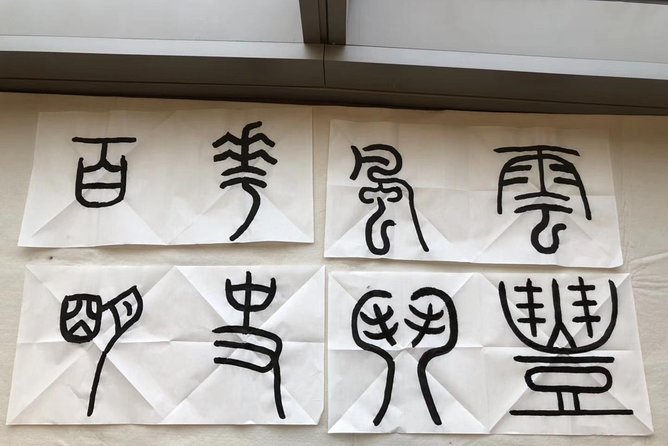
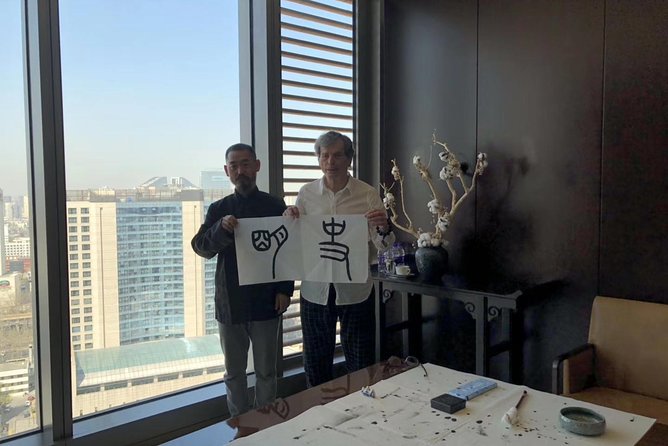
The final stage is the part most likely to stay with you. After practicing, you create a finished calligraphy piece. Some participants have taken home a canvas, while others describe painting a large red hanging ornament. The exact material may vary, but the central idea is the same: you leave with your own work rather than a mass-produced trinket.
The finished piece may not look like professional calligraphy. That is fine. Its value is personal. You can remember the lesson, the character you learned, and the effort it took to form it. Some people choose a character connected with happiness, and the instructor helps turn the practice into something suitable for display at home.
Same base, a completely different kind of day out:
- From Beijing: Mutianyu Great Wall Tours with Options
★ 4.9 · 9,216 reviews - Beijing: Forbidden City Tour(Group/Private)-Tickets Included
★ 4.8 · 7,974 reviews - Beijing: T-Square & Forbidden City Group or Private Tour
★ 4.8 · 4,446 reviews - Beijing: Mutianyu Great Wall Daily Tour with Ticket & Lunch
★ 5.0 · 3,056 reviews
Choosing 30 minutes, 1 hour, or 2 hours
The booking choices are unusually flexible:
- 30 minutes
- 45 minutes
- 1 hour
- 1.5 hours
- 2 hours
A 30-minute class can work if you have a tight schedule and want a quick introduction. It should give you time to meet the teacher, learn the basic idea, and try the brush. I would not choose it if your main goal is a polished final piece.
The 45-minute option gives you a little more breathing room, but the one-hour class is the safest choice for most people. It allows time for the opening exercise, posture instruction, basic strokes, practice, and a final work without making the activity a major commitment.
Choose 1.5 hours if you are traveling with children, want more practice, or enjoy hands-on learning. One participant began with 30 minutes and added time because the class was enjoyable. Another family completed a 1.5-hour session and had time to practice before making final pieces.
The two-hour option suits anyone who wants a slower lesson or more repetition. It may be too long for young children or for you if your Beijing schedule is packed. Since the class is available at different times of day, you can place it before dinner, after sightseeing, or during a quieter part of your itinerary.
The listed price is $20 per person. At that rate, the experience offers instruction, supplies to use in class, and a personal work to take home. The value is strongest for couples, families, and small groups who want a cultural activity rather than another sightseeing stop. Group discounts are available, though the exact savings are not specified.
How personal is a class of up to 15?
The maximum group size is 15 people. That is still a group class, not a private lesson, but it is small enough for the teacher to move around and offer corrections. The quality of your experience will depend partly on how many people are booked for your time.
The instructor names connected with the class include Richard, David, and Robert Lee. Richard receives especially warm praise for being patient, friendly, and attentive. He has also helped people find the venue, met participants outside when needed, and stayed later when a late bus caused a delayed arrival.
That last point should not be treated as a promise that every late arrival will receive extra time. It does show that communication can be personal and flexible. You should still aim to arrive on time, especially if you choose the 30-minute lesson.
One useful practical warning concerns the location. The map point may lead you to the road rather than directly to the correct entrance. Pay attention to building numbers. The class is in an arts center and shares an entrance with a mixed martial arts club, with restaurants on either side. If you are unsure, contact the provider or watch for the teacher at the street.
Why this works well for families
Children must be accompanied by an adult, but most people can participate. This makes the class a good change of pace after imperial buildings, temples, and long walks.
The activity has several natural stopping points. A child can try the basic strokes, take a short break, and then return for the final piece. Older children may enjoy choosing a character and seeing it develop from practice marks into a display item.
The class also gives parents something to do alongside their children. You are not simply watching a demonstration. Everyone can hold a brush, make mistakes, and produce a finished piece.
Keep in mind that the calm, careful nature of calligraphy may not suit a child who needs constant movement. For young children, I would choose the shortest practical session. Families who enjoy crafts, drawing, or cultural activities should consider one hour or 1.5 hours.
What is included, and what is not
Calligraphy supplies for use during the lesson are included. The teacher provides instruction in brush handling, posture, and basic strokes. The final calligraphy piece is intended as your keepsake, although the exact material may differ between sessions.
The listed inclusions cover the different class lengths, so you select one option when booking rather than receiving every duration. The experience does not include other expenses not specifically listed.
The meeting point is the Hilton Beijing Wangfujing lobby, and the activity returns there at the end. The location is near public transportation. Confirmation is provided when you book, and free cancellation is available up to 24 hours before the start time. Changes or cancellations inside that window are not accepted for a refund.
Who should book this Beijing calligraphy class?
I would choose this class if you want a short cultural activity with something physical to show for it. It fits well into a central Beijing itinerary and does not require a full day away from the main sights.
It is also a strong choice for families, couples, and small groups. You share the experience, compare your brush strokes, and leave with different versions of a Chinese character. The personal keepsake makes it more memorable than a standard demonstration.
You may want to skip it if you are looking for a private master class, a long academic discussion of calligraphy, or a fully traditional studio setting. The group can reach 15 people, and the class takes place at a convenient central meeting point rather than a famous historic monument.
Should you book it?
Yes, if you want a reasonably priced, hands-on introduction to Chinese culture near Wangfujing. I would book the one-hour option instead of 30 minutes, unless your schedule is extremely tight.
The strongest reasons to go are the patient instruction, the chance to practice rather than only watch, and the personal piece you take home. Confirm the meeting entrance carefully, arrive on time, and choose a longer session if you want to enjoy the calm pace instead of rushing through the brushwork.
FAQ
Where does the Chinese calligraphy class meet?
The class meets at the entrance of the Hilton Beijing Wangfujing Hotel lobby in Dongcheng District, Beijing.
How long does the calligraphy experience last?
You can choose a 30-minute, 45-minute, 1-hour, 1.5-hour, or 2-hour class when booking.
What is the price?
The listed price is $20 per person.
Is this a private class?
No. It is a small-group class with a maximum of 15 participants.
What will I learn?
You will learn how to use a writing brush, hold the correct posture, and make the basic strokes used in Chinese calligraphy. The lesson also introduces yin-yang ideas and aspects of Chinese culture.
Are calligraphy supplies included?
Yes. Calligraphy supplies for use during the class are included.
Can I take my artwork home?
Yes. The class includes a final calligraphy piece that you can take home as a personal souvenir.
Can children join the class?
Yes. Children can participate, but they must be accompanied by an adult.
Are there different class times?
Yes. Morning, afternoon, and evening classes are available.
What is the cancellation policy?
You can cancel at least 24 hours before the local start time for a full refund. Cancellations or changes made less than 24 hours before the experience are not accepted for a refund.
Newly listed around Beijing
- Beijing: Summer Palace Ticket; fast and smooth★ 3.6 · 38 reviews
- Beijing: Summer Palace Entry Ticket★ 3.3 · 3 reviews
- Beijing: Summer Palace Highlight Walking Tour★ 4.8 · 25 reviews
- Beijing: Summer Palace, Sacred Road&Ming Tombs Private Tour★ 5.0 · 8 reviews
- Beijing: Summer Palace 3 Hours Guided Tour with Entry Ticket★ 4.8 · 4 reviews
- Beijing Private Tour: Summer Palace, Panda House and Options★ 5.0 · 21 reviews
- Beijing: Summer Palace Entrance(combo/tour opt)★ 4.7 · 6 reviews
- Beijing Royal Banquet with Chinese culture prefermance★ 5.0 · 3 reviews
Calligraphy & Painting Classes, compared.
Beijing Historic City Guided Walking Tour + Calligraphy Creation
Read our review →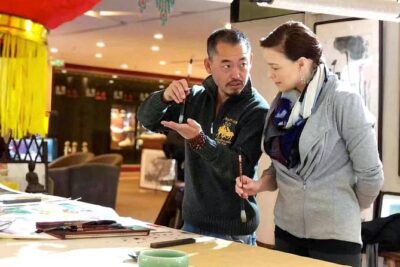
Beijing Wangfujing Calligraphy Class by Forbidden City
Read our review →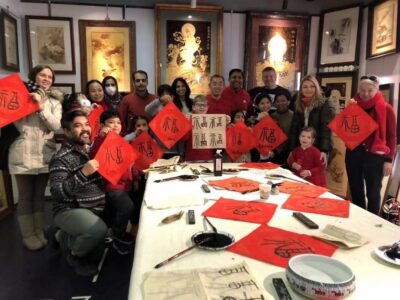
Beijing Wangfujing Calligraphy Class Nearby Forbidden City
Read our review →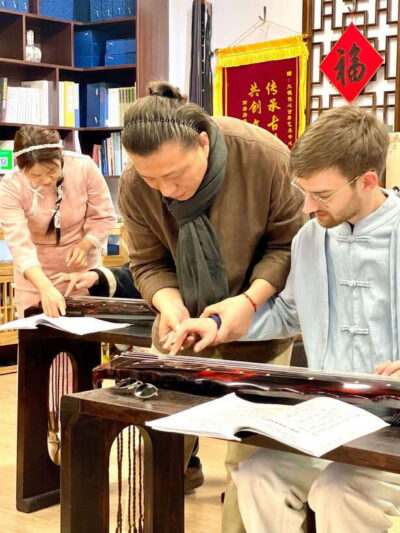
Beijing Hands-On Culture Tour: Tea, Instrument, Calligraphy
Read our review →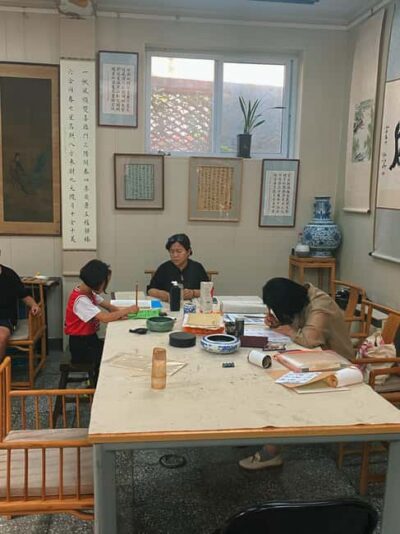
Beijing liulichang : Learn Calligraphy orCarving from Master
Read our review →Browse the lists this tour appears in