
Reviewed · CALLIGRAPHY CLASSES IN BEIJING
Beijing Hands-On Culture Tour: Tea, Instrument, Calligraphy
Beijing’s best cultural surprises are often the ones that let you do something with your hands. Here, you brew tea, pluck the strings of a Guqin, brush Chinese characters onto paper, and try on Hanfu rather than simply watching a staged performance. I like the small group size and the way several art forms fit into one calm indoor visit.
I also like that the teaching is built around meaning, not just technique. An English-speaking guide connects tea rituals, Guqin music, calligraphy, and clothing to Chinese customs and ideas. The main drawback is that transportation is not included, and the advertised timing varies between about 2.5 and 3 hours, so leave room in your Beijing schedule.
Key points at a glance
- Brew three types of Chinese tea: Learn a six-step ritual with red, green, and floral teas.
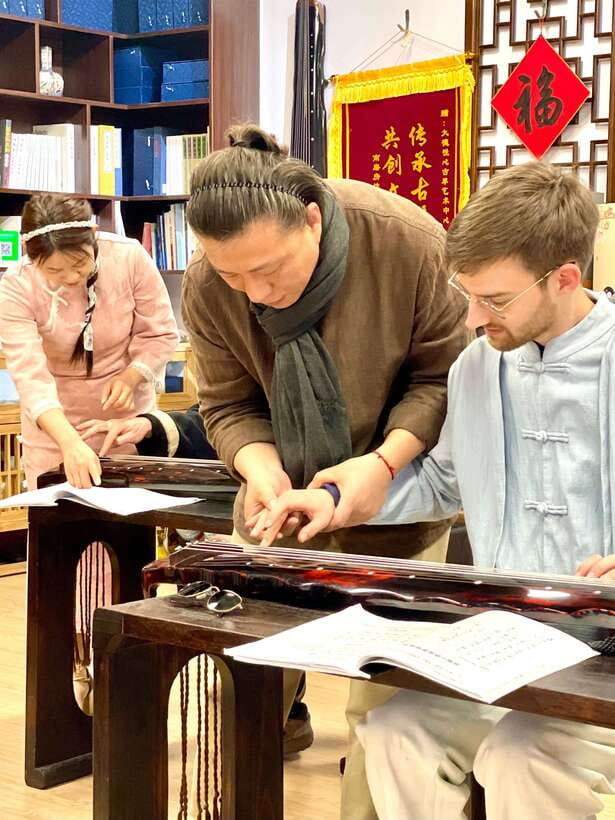
- Play a Guqin melody yourself: A master guides your fingers through an ancient piece rather than giving only a concert.
- Create personal calligraphy: Write your name or words such as peace or blessing with brush and ink.
- Dress in Hanfu for photos: The rental costume and photo session turn the lesson into a keepsake.
- Keep the setting quiet and manageable: The private art center limits groups to 10 and has air conditioning.
- Plan your own route there: Transport is not included, although Sylvia has met participants at the metro entrance to help them find the center.
A hands-on introduction to Chinese culture
This experience packs six cultural elements into one visit: tea, music, calligraphy, ritual, clothing, and guided interpretation. The result is less like a show you sit through and more like a short workshop where each activity gives you a different way to approach China.
I would not book this as a substitute for a full museum day or a major historical site. It does something different. You get close to a few traditional arts, try them yourself, and leave with objects, photographs, and basic skills that make later sightseeing more understandable.
The setting is a certified private art center with air conditioning. That matters in Beijing, where heat, cold, crowds, and long outdoor walks can wear you down. The group limit of 10 should also make it easier to ask questions and get individual help, especially during the Guqin and calligraphy sessions.
Instruction is available in Chinese and English. The guide’s role goes beyond translating words. You are given explanations of symbolism, ritual, and the ideas behind the arts, so the activities have some cultural context instead of feeling like disconnected craft stations.
More Calligraphy Classes in Beijing
- Beijing Calligraphy Class
★ 4.9 · 112 reviews - Chinese Calligraphy Class for Small Group
★ 5.0 · 104 reviews - Beijing Historic City Guided Walking Tour + Calligraphy Creation
★ 5.0 · 59 reviews
Tea ritual: three cups, six steps, more meaning
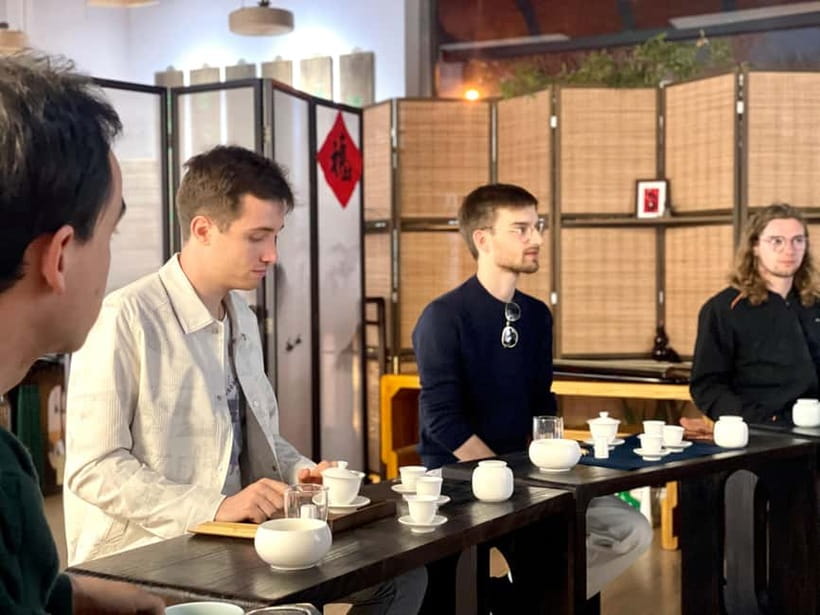
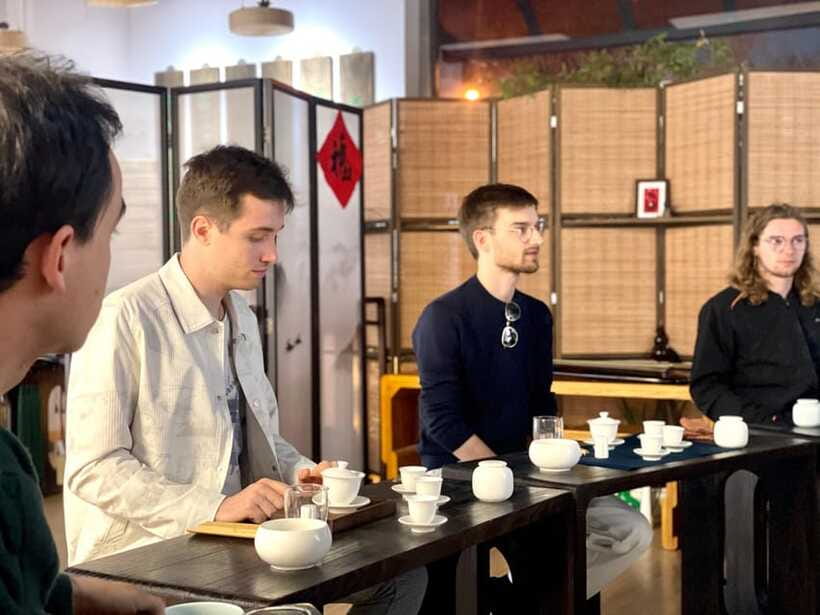
The tea session begins with a six-step Chinese tea ritual led by a tea professional. You brew three styles: red tea, green tea, and floral tea. The point is not simply to decide which one tastes best. You learn to notice differences in aroma, flavor, preparation, and tradition.
This is one of the strongest parts for first-time visitors because tea is woven into daily life and formal customs across China. Watching the careful movements of a tea ceremony can be pleasant, but handling the water, cups, and leaves gives you a better sense of why the process has so many steps.
You should expect a guided lesson rather than a large tasting flight. Water and tea are included, but meals and other drinks are not. If you have allergies or dietary concerns, it is sensible to mention them before the visit. Sylvia asked one family about allergies in advance so arrangements could be made.
The tea class is also a good pace-setter. It starts with something familiar, then adds detail slowly. You can focus on taste and movement without needing any previous knowledge. If you are bringing children, the act of pouring and preparing tea gives them something concrete to do, though younger children may need reminders to handle hot water carefully.
The Guqin lesson is more than a concert
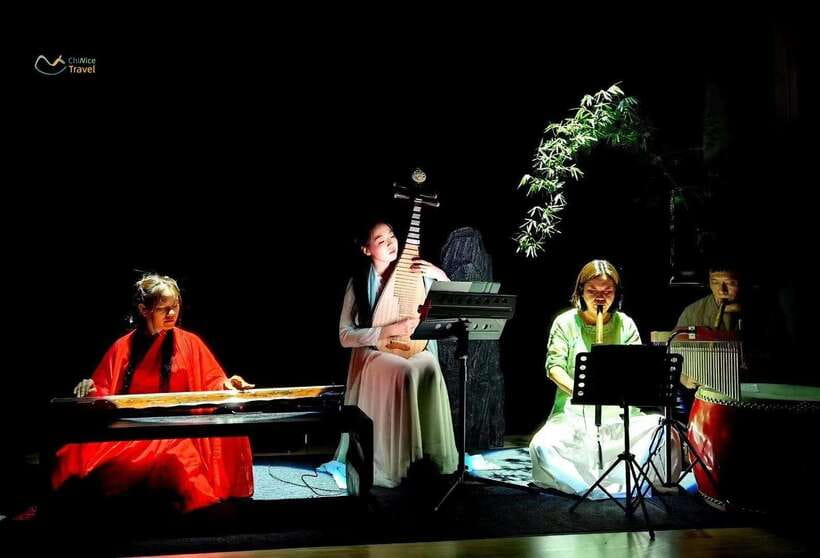
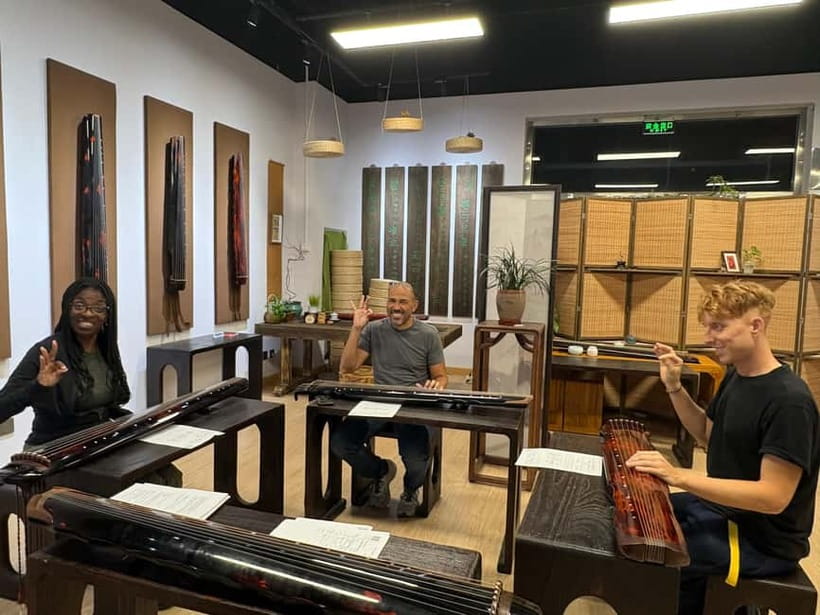
The Guqin is a seven-string Chinese zither with a long place in Chinese culture. Its sound is quiet, low, and spare rather than loud or showy. The session begins with expert instruction, then gives you the chance to play a full ancient melody with step-by-step help.
That hands-on part changes the mood completely. A concert can tell you that the instrument is subtle. Trying to find the notes yourself tells you why patience and touch matter. You will not become a Guqin musician in one class, but you can follow a melody and feel how the fingers produce its mellow tone.
The tutor is described as one of the masters in Guqin performance, so this is not simply a musical prop placed in a photo session. The focus is on helping you find the rhythm and complete a piece. If you are nervous about musical ability, do not let that stop you. The activity is designed for participation, not an audition.
Families seem especially well suited to this part because children and adults can take turns and learn at different speeds. One family with children aged 9 and 14 enjoyed having several art forms in one place, while another family found the session appealing even when some members were not initially excited about a cultural class.
The only practical caution is time. Individual instruction takes patience, and the full visit includes several other sections. Expect a memorable introduction, not a long private music lesson.
Brush, ink, and your own Chinese characters
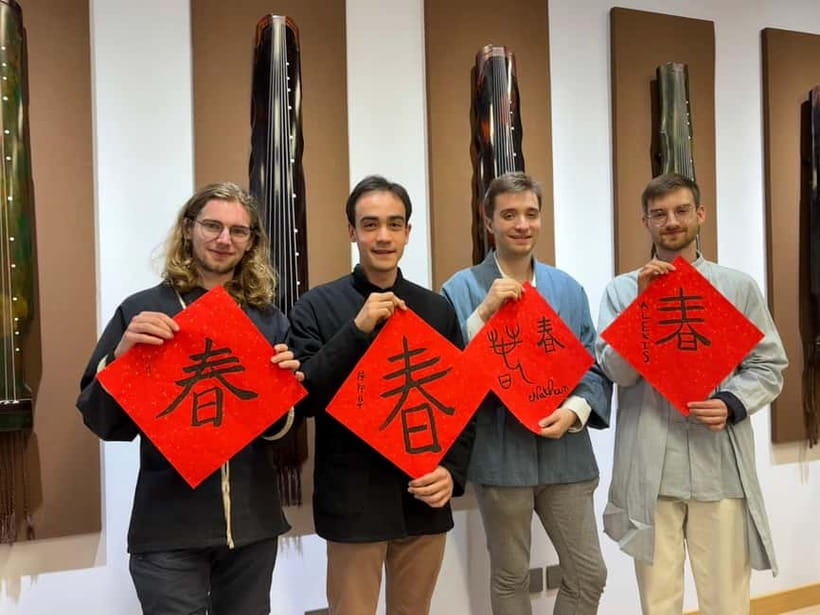
The calligraphy class introduces the development of Chinese writing before you use a real brush and ink. You can write your name or choose a meaningful word such as peace or blessing.
That personal choice is important. Copying an unfamiliar character can feel like a school exercise, but writing your own name gives the page a clear purpose. You also begin to see that Chinese characters are not just decorative shapes. Their forms developed over time, and brush pressure, order, and balance all affect the final result.
Calligraphy can be surprisingly calming. It asks you to slow down, hold the brush with care, and accept that a small wobble is part of the work. You should not expect every character to look polished on the first try, but the process gives you something tangible to keep.
The materials are part of the activity, and your finished work becomes a personal souvenir. This is more satisfying than buying a mass-produced scroll because you made the mark yourself. It also gives the guide a natural chance to explain how words and symbols carry cultural meaning.
If you have limited hand strength or prefer not to use a brush, mention your needs when booking. The activity is wheelchair accessible, but the supplied information does not describe every table or seating arrangement, so specific accessibility questions are worth raising ahead of time.
Same base, a completely different kind of day out:
- From Beijing: Mutianyu Great Wall Tours with Options
★ 4.9 · 9,216 reviews - Beijing: Forbidden City Tour(Group/Private)-Tickets Included
★ 4.8 · 7,974 reviews - Beijing: T-Square & Forbidden City Group or Private Tour
★ 4.8 · 4,446 reviews - Beijing: Mutianyu Great Wall Daily Tour with Ticket & Lunch
★ 5.0 · 3,056 reviews
Hanfu dressing and the photo session
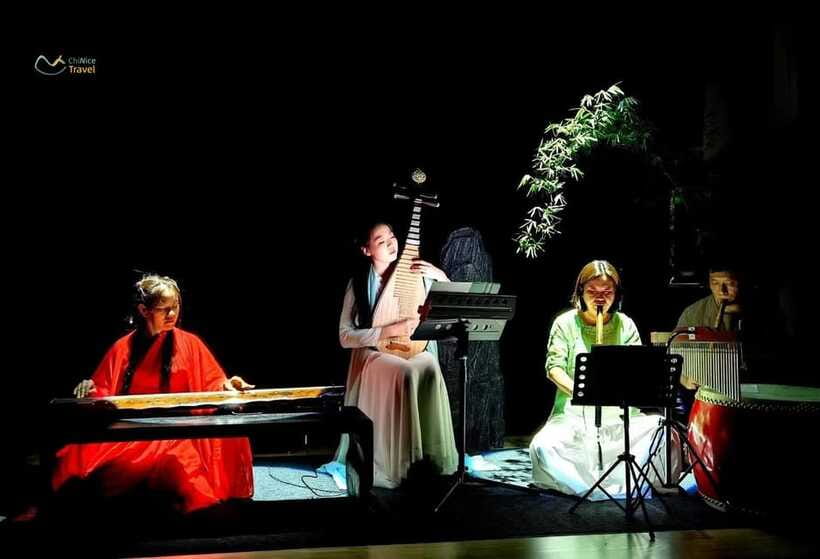
Hanfu rental adds a visual and social element to the visit. You put on traditional-style clothing, then have photographs taken in the art center. Comfortable clothes are recommended, which is practical advice for changing and moving around during the session.
The costume is not just a photo prop. Clothing can show how Chinese culture presents posture, formality, and ceremony. After learning tea ritual and calligraphy, dressing in Hanfu helps tie those activities together into one cultural setting.
The photographs give you a record of the day, but bring your own camera as well if you want extra shots. The experience includes a photo session, though the available details do not specify the number of images, editing, or delivery method. Ask the provider if those details matter to you.
This part is likely to appeal to anyone who enjoys visual souvenirs, including families. One participant especially liked the dress and the chance to write a name and blessing in Chinese. The costume may be less appealing if you prefer a quiet workshop with no posing, but you can treat it as an optional lighthearted break between the more focused lessons.
How the visit is likely to flow
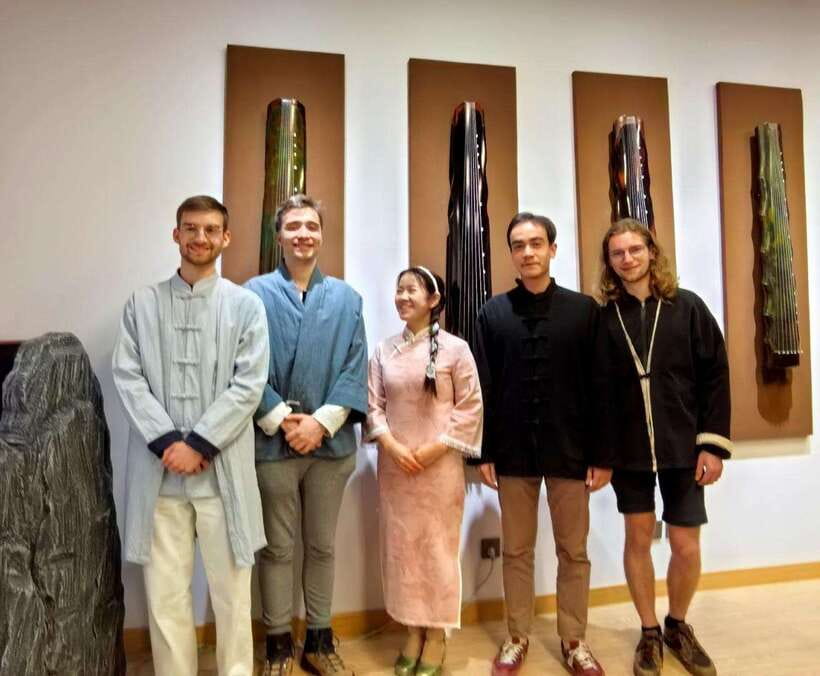
The full booking is listed as three hours, while the main description calls it a 2.5-hour experience. I would plan for the longer figure, plus time to arrive early and get ready. You are asked to arrive 10 minutes before the start.
A typical flow includes:
- Arrival and introduction at the private art center
- Hanfu dressing and preparation for photographs
- Tea instruction, tasting, and the six-step ritual
- A Guqin performance or introduction followed by your own lesson
- Calligraphy background and brush practice
- Time to finish your personal writing and collect souvenirs
The exact order may vary. The important point is that the session moves between watching, listening, tasting, dressing, and making. That variety keeps the class from feeling like a lecture, particularly for families or mixed-age groups.
You should not expect every section to receive equal time. The Guqin lesson needs individual attention, while tea and calligraphy can be explained to the group at once. If one art interests you far more than the others, this format gives you a useful first look but not an advanced course.
Why the small group matters
A limit of 10 people is a real advantage here. Tea rituals are easier to follow when you can see the instructor’s hands. Calligraphy works better when someone can correct your grip or stroke. The Guqin lesson benefits most because each participant needs a chance to play.
The group size also keeps the mood less pressured. You can ask why a gesture matters, try a character again, or listen closely to the instrument without competing with a packed room. The air-conditioned space adds comfort, especially after a morning outside in Beijing.
The experience is designed to welcome all ages. It has enough variety for children, enough cultural substance for adults, and a relaxed pace for older family members. The content is not limited to one nationality or background, and the bilingual teaching makes it easier to follow if you do not read Chinese.
Getting there and fitting it into Beijing
Transport to and from the venue is not included, so you need to arrange your own route. The experience takes place in a private art center, but the supplied details do not give a full address or a fixed station name. Check the meeting information carefully before setting out.
Sylvia has met participants at the metro entrance and helped them find the center. That kind of assistance can be useful in Beijing, where a short walk from a station may still involve confusing exits, large roads, or unfamiliar signs. Do not rely on a last-minute arrival. Be there 10 minutes early.
Because the visit lasts up to three hours, I would place it between other activities only if your schedule has breathing room. A delayed train or a long transfer could make the start stressful. The venue’s indoor setting makes it a useful choice during very hot, cold, or rainy weather.
There is no meal included. Have food before or after the class if you need a full meal, and remember that personal purchases are separate from the booking.
What you receive for $15
At $15 per person, this is unusually good value if you want several cultural activities in one booking. The price includes tea and water, the Guqin class, professional instruction, Hanfu rental, the photo session, a show ticket, and original souvenirs.
The value comes from the teaching time, not from any single object. A tea tasting alone might be cheaper, and a costume photograph alone might be enough for some visitors. Here, you also try a respected Chinese instrument and produce your own calligraphy.
That said, your expectations should match the price. This is an introductory class, not a private half-day masterclass. You will sample several traditions rather than study one art in depth. The low price works best for someone who wants a broad first contact with Chinese culture.
The booking also allows free cancellation up to 24 hours before the start, and you can reserve now and pay later. Those terms help if your Beijing plans are still shifting, though you should still check the exact start time and meeting instructions before confirming.
Who will enjoy this most
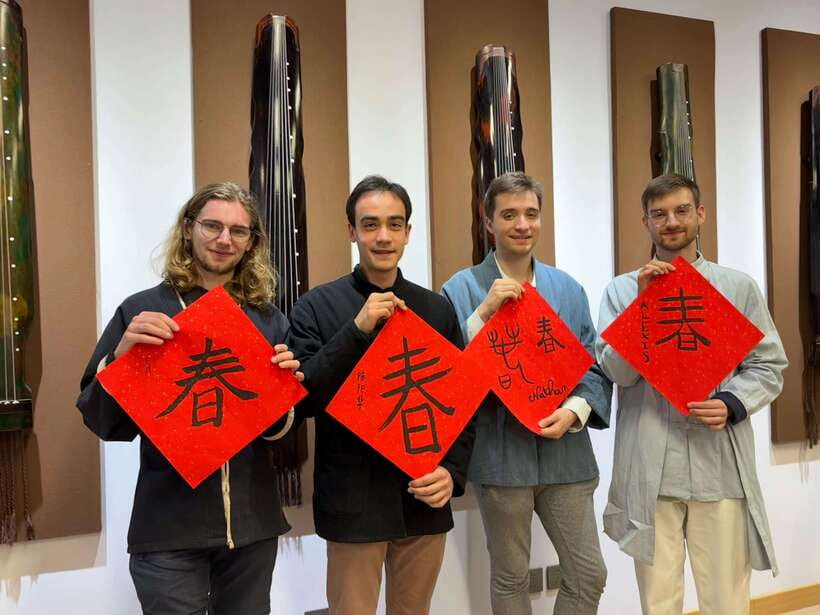
I would recommend this for families, first-time visitors, couples, and anyone who wants a calmer cultural activity away from Beijing’s major sights. It is especially useful when your group has mixed interests because no one has to spend the whole visit doing one thing.
Children around school age can take part in the tea, music, dressing, and calligraphy sections, while adults get historical and symbolic context. The family experience involving ages 11 to 40 worked well because the class gave everyone something different to enjoy.
It also suits visitors who want a souvenir with personal meaning. Your calligraphy, the melody you played, and the photographs are connected to your own participation. That feels more memorable than simply purchasing a decorative object.
You may want to skip it if your Beijing schedule is packed with major landmarks and you dislike structured lessons. It is also not the best pick if your priority is a long, advanced Guqin class or a serious calligraphy workshop. The strength is variety, access, and human guidance.
Should you book this Beijing culture class?
Book it if you want to make contact with Chinese culture through action, not just observe it. The combination of tea, Guqin, calligraphy, Hanfu, photographs, and English guidance gives you a lot for $15, especially with a group capped at 10.
I would place it early in a Beijing visit. The explanations of ritual, symbolism, and writing can give later sightseeing more context, and the indoor setting offers a welcome pause from crowded outdoor attractions.
Skip it only if you have little time, dislike hands-on classes, or need transport included. For most families and first-time visitors, this is a friendly, well-priced way to spend a few hours learning something you can still talk about after the Great Wall and the Forbidden City.
FAQ
How long does the experience last?
The booking lists a duration of three hours, while the main description refers to about 2.5 hours. Plan for up to three hours, plus 10 minutes to arrive early.
What languages are available?
Instruction is available in Chinese and English. The cultural guide provides explanations and translation during the activities.
How many people are in the group?
The group is limited to 10 participants.
Is transportation included?
No. You arrange your own transportation to and from the venue. Sylvia has met participants at the metro entrance to help them locate the art center.
What tea will I try?
You brew three types of Chinese tea: red, green, and floral tea. Water and tea are included.
Do I get to play the Guqin?
Yes. The Guqin session includes step-by-step instruction so you can play a full ancient melody rather than only watch a performance.
Is Hanfu rental included?
Yes. Hanfu rental and a photo session are included. Comfortable clothing is recommended for changing and taking photographs.
Is the activity wheelchair accessible?
Yes, the activity is listed as wheelchair accessible. For specific seating or access needs, contact the provider before booking.
Can I cancel for a refund?
You can cancel up to 24 hours in advance for a full refund. You can also reserve now and pay later.
More Craft & Culture Workshops in Beijing
- Beijing: Dumpling Making Workshop with Meal and Tea
★ 4.7 · 69 reviews - Water Color Class in Beijing
★ 5.0 · 25 reviews - China’s Favourite Street Food Cooking Workshop
★ 5.0 · 16 reviews - Tea Tasting and Pairing Concept Workshop
★ 5.0 · 57 reviews
Newly listed around Beijing
- Private Dandong City Day Tour:Hushan Great Wall,Yalu River Broken Bridge,Border★ 5.0 · 3 reviews
- Qinhuangdao Private Day Trip: Shanhaiguan Pass, Old Dragon’s Head and Great Wall★ 4.5 · 4 reviews
- Simatai Great Wall Private Night Layover Tour from Beijng Airport★ 5.0 · 17 reviews
- Private Transfer to Mutianyu Great Wall with professional driver★ 5.0 · 19 reviews
- ZANBUS: Trip to the Jinshanling Great Wall Departing at 7:30 AM★ 5.0 · 5 reviews
- camp on the Great Wall overnight with sunrise and sunset on the wall★ 5.0 · 11 reviews
- Yuxiandu Chinese Royal Cuisine Museum with Show and Royal Banquet★ 5.0 · 4 reviews
- BusDa:Ancient Great Wall &Badaling Great Wall Full-day Bus Tour★ 4.5 · 6 reviews
Calligraphy Classes in Beijing, compared.
Beijing Historic City Guided Walking Tour + Calligraphy Creation
Read our review →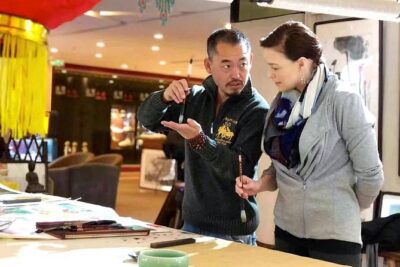
Beijing Wangfujing Calligraphy Class by Forbidden City
Read our review →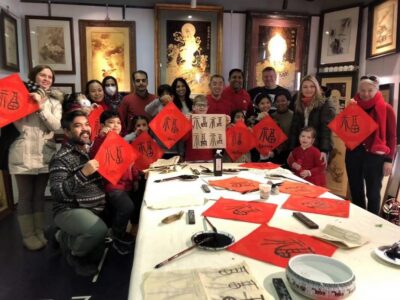
Beijing Wangfujing Calligraphy Class Nearby Forbidden City
Read our review →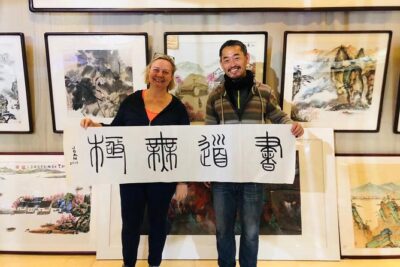
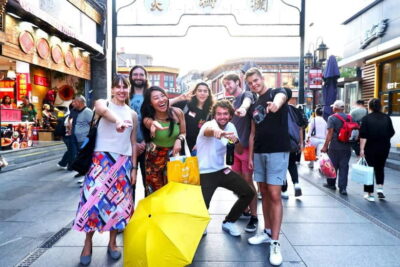
Discover Old Beijing: Hutong Walking Tour & Calligraphy
Read our review →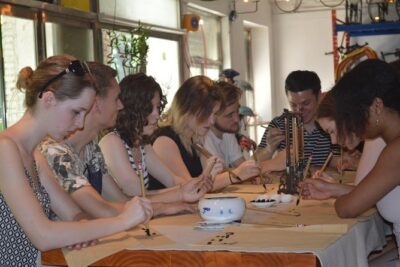
4-Hour Private Tour of Calligraphy Class, Hutong and Dumplings
Read our review →Browse the lists this tour appears in