
Reviewed · EVEREST BASE CAMP TOURS
Tibet Tour 8 Days Lhasa to Everest Base Camp Small Group Tour
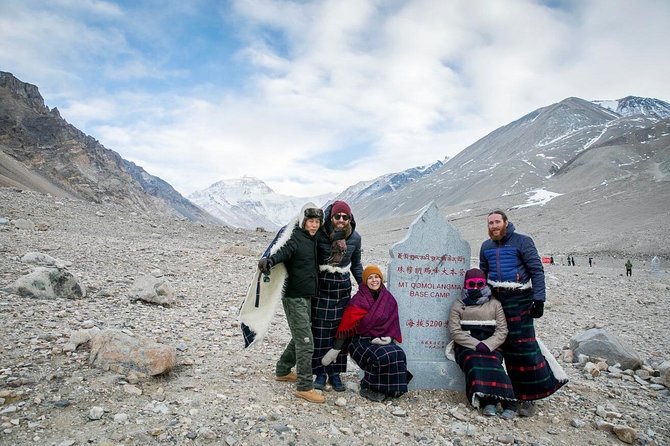
The best part of this eight-day Tibet route is the change in scenery and culture as you move from Lhasa’s temples to the high passes and wide mountain country near Everest. You get Potala Palace, Jokhang Temple, Sera Monastery, Yamdrok Lake, Gyantse, Shigatse, and Everest Base Camp in one organized trip.
I like the small group of no more than 12 people, which gives you a better chance to hear your guide and ask questions. I also like that the difficult paperwork, permits, airport or train-station pickup, transport, hotels, and oxygen cylinder in the vehicle are handled for you. The main caution is the altitude and the long road days, especially the roughly 12-hour drive toward Base Camp.
Key points to know before booking
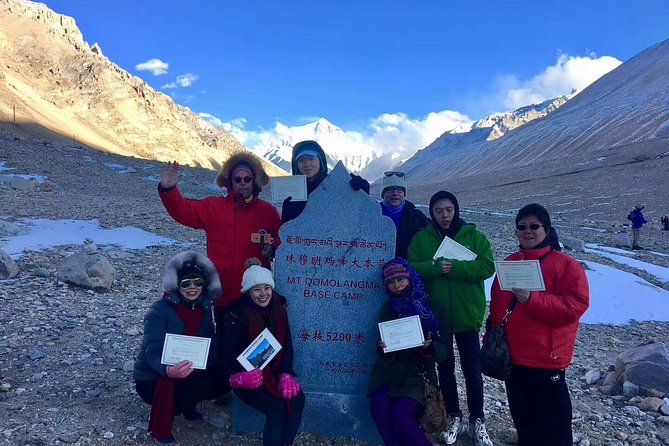
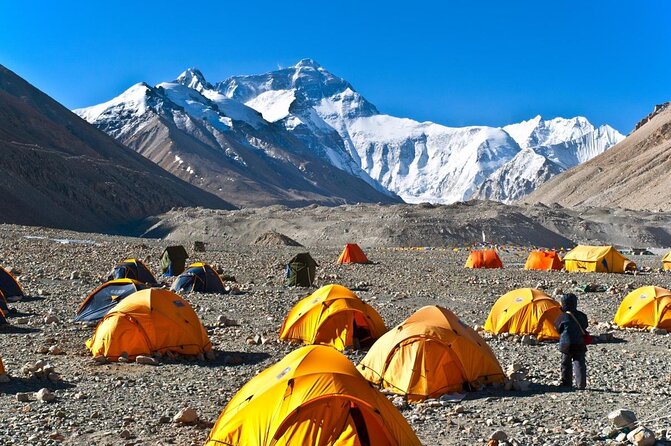
- Everest Base Camp is the high point: The route reaches Rongbuk Monastery and the Base Camp area after passes as high as 5,248 meters.
- Lhasa sightseeing starts strong: Potala Palace, Jokhang Temple, Barkhor Street, Drepung Monastery, and Sera Monastery give you several major cultural stops before the road journey.
- The group stays small: The maximum is 12 people, with an English-speaking Tibetan guide and an experienced local driver.
- The price covers major practical costs: At $949 per person, the package includes permits, accommodation, transport, breakfasts, listed entrance fees, and the Everest Base Camp shuttle bus.
- Meals are limited: You get breakfast, a welcome dinner, and one lunch, but most lunches and dinners are your responsibility.
- Plan paperwork early: The operator asks you to book at least 10 working days ahead and send passport and visa copies well before departure.
What the $949 price really covers
At $949 per person, this tour offers good value if you want a fixed route with the major costs bundled together. Tibet travel is not a simple independent road trip. Permits, local transport, accommodation, and access rules all add work, so having those pieces arranged can save you a great deal of planning.
The package includes the Tibet Travel Permit and other necessary permits, though it does not include the Chinese L visa itself. It also includes the Chinese visa invitation letter if needed. You receive pickup and drop-off between the airport or train station and Lhasa, transport in a comfortable van or minibus, an English-speaking Tibetan guide, fuel, drinking water, and a liability insurance policy.
Hotels in Lhasa and Shigatse are included on a twin-sharing basis, with six breakfasts listed. The package also includes entrance fees for the sites listed in the route and the Everest Base Camp echo bus. Since the itinerary descriptions label several admissions as not included while the package details say listed entrance fees are covered, I would confirm this point with Tibet Vista before paying. That small check can prevent an awkward surprise at the ticket office.
You still need to budget for most lunches and dinners, tips for the guide and driver, and your flight or train to Lhasa. A welcome dinner and one lunch are included, but the rest of your meals are not. A single room costs extra and depends on availability.
More Everest Base Camp Tours in Tibet:
- 10 Days Tibet Everest Base Camp and Namtso Small Group Tour
★ 5.0 · 108 reviews - 8 Days Lhasa Gyantse Shigatse Mt Everest Group Tour
★ 5.0 · 52 reviews - 9 Days Lhasa Gyantse Shigatse Everest Namtso Group Tour
★ 4.0 · 21 reviews
Day 1: A gentle arrival in Lhasa
Your Tibetan guide meets you at the airport or train station and takes you into central Lhasa. The transfer follows the Yarlung Tsangpo River and gives you your first look at the high Tibetan setting before the sightseeing begins.
This is a useful first day because the schedule is light. You arrive, settle into the hotel, and meet the group for a welcome dinner. Do not expect a full touring day. The altitude matters, and a quiet arrival gives you time to adjust before the packed visits that follow.
The included oxygen cylinder in the vehicle is another practical touch. It is listed as a 4-liter or 7-liter cylinder, depending on the vehicle or arrangement. That does not replace sensible pacing, but it provides a safety backup during the road portion.
Day 2: Potala Palace, Jokhang Temple, and Barkhor Street
Potala Palace is the first major sight. This former winter palace of the Dalai Lama rises above Lhasa and was put into use in the seventh century under Tibet’s 33rd great king. The visit lasts about 90 minutes, so you should expect a focused tour rather than unlimited time inside.
The palace is the sort of place where a guide adds real value. The rooms, religious objects, and political history can be hard to understand from signs alone. Wear comfortable shoes and take the pace seriously, since the visit involves stairs and altitude. The tour data lists admission as not included at the stop, although the package section says listed entrance fees are included, so confirm the current arrangement.
After lunch, you visit Jokhang Temple for another 90 minutes. This is one of Tibet’s most important religious sites, founded in the seventh century. Inside, the central attraction is a statue of Buddha Sakyamuni shown at age 12.
Jokhang is not simply a monument to inspect and leave. It remains a place of worship, and the area around it gives you a closer look at daily religious practice. Your guide can help explain what you are seeing and how to behave respectfully inside.
Barkhor Street circles the temple. The planned visit is only 30 minutes, but you can use it to watch pilgrims perform a kora, a ritual walk around a sacred building or mountain. There is also an old market and the chance to taste Tibetan tea with local people in a tea house. This short stop may be one of the most human parts of the Lhasa program, so I would ask your guide how much time you can realistically spend there.
Day 3: Drepung, Dadong Village, and Sera’s famous debates
The third day begins around Dadong Village, about 25 kilometers southwest of central Lhasa. It is described as a protected ancient Tibetan village, and the visit takes about three hours. This gives the itinerary a welcome change from major urban monuments.
The schedule information calls the stop Drepung Monastery, with Dadong Village included in the description. Since the wording is not perfectly clear, ask the operator to confirm exactly how the morning is divided. Either way, this portion adds a village setting and a monastery visit rather than another palace or city street.
In the afternoon, you visit Sera Monastery, one of Tibet’s three great Gelug monasteries. The planned visit lasts two hours, with the most famous activity taking place around 3 to 5 p.m.: the monks’ debate.
The debates are lively and physical. Monks question one another with gestures and sharp claps, making the exchange easy to follow even if you do not understand Tibetan. Timing matters here. If the day runs late, you could miss the main reason many people want to visit Sera, so confirm that the schedule leaves room for the debate period.
A few more Tibet days worth a look
- 7 Days Lhasa to Kathmandu Overland Small Group Tibet Tour via EBC
★ 5.0 · 188 reviews - 4 Days Lhasa Impression Small Group Tour
★ 4.5 · 67 reviews - 6 Days Central Tibet Culture Small Group Tour
★ 5.0 · 53 reviews - 4 Days Lhasa City Essential Group Tour
★ 5.0 · 25 reviews
Day 4: Yamdrok Lake, Karo La Glacier, and Gyantse
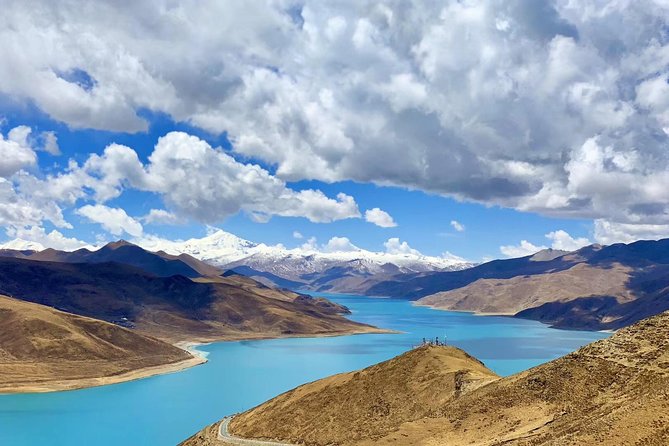
Now the tour leaves Lhasa and begins the long road journey toward Everest. You cross Gampala Pass at about 4,790 meters and stop for a view of Yamdrok Yumtso at roughly 4,400 meters.
Yamdrok Lake is surrounded by snow-capped mountains, and the 30-minute stop is mainly for views and photographs. The short timing is understandable because the route covers a lot of ground, but it gives you little room for a walk or a slow look. Take layers and water from the vehicle. Conditions can change quickly at these heights.
The road then passes Karo La Glacier, viewed from the roadside during another 30-minute stop. Later, at Manak Dam Lake and Simila Mountain Pass, you can hang prayer flags. This is a good example of how the tour mixes major sights with small roadside moments that are difficult to arrange on your own.
In Gyantse, you visit Pelkor Chode Monastery and the Gyantse Kumbum, with a distant view of Gyantse Fortress. The monastery visit lasts about 90 minutes. Gyantse was historically Tibet’s third-largest city after Lhasa and Shigatse, so it helps connect the grand religious sites of Lhasa with the towns along the route.
After about an hour and a half of driving, you reach Shigatse, Tibet’s second-largest city. This is a full day on the road. If you prefer slow travel with long stays at each site, the schedule may feel rushed. If you want to cover the route without organizing several separate transfers, the pace makes sense.
Day 5: The long push to Everest Base Camp
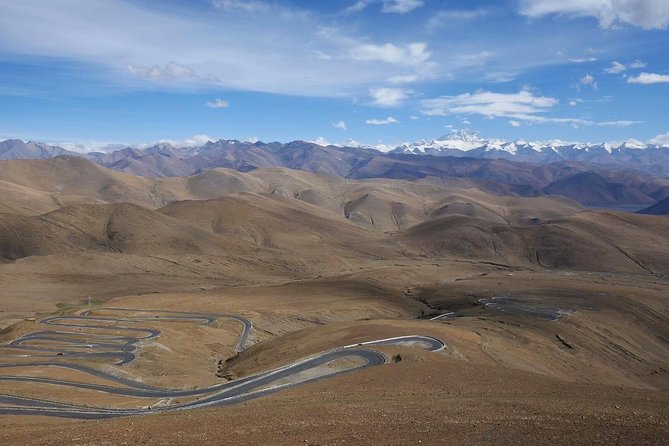
Day five is the hardest day in the itinerary. After the necessary alien’s travel permit is obtained, you drive toward Lhatse, a small town where lunch is available. From there, the road crosses Tsola Pass at about 4,600 meters and Gyatsola Pass at roughly 5,248 meters before entering the Mount Everest area.
The planned duration is about 12 hours. That figure is important. This is not a quick sightseeing transfer with a short stop at the end. You will spend most of the day in the vehicle, with high passes, roadside views, and changing mountain scenery breaking up the journey.
The reward is the approach to Everest Base Camp. The scale of the mountain country becomes the focus, and the road itself is part of the experience. The included oxygen cylinder, drinking water, experienced driver, and group guide are useful on this section, but they do not remove the physical demands of the altitude.
You should be comfortable with long drives and a moderate level of physical fitness before booking. If you are prone to altitude problems, discuss the route with a medical professional before departure. The tour states that weather can affect operation, and poor conditions can lead to a different date or a full refund.
Day 6: Sunrise at Rongbuk Monastery
At Rongbuk Monastery, you can watch sunrise appear over Mount Everest. The monastery is described as a vantage point for a full view of the mountain, which rises ahead like a snow-covered pyramid.
The planned visit lasts one hour. Sunrise timing will shape the morning, so you should be ready early and keep warm. From November 15 to February 15, the operator provides a hot water bottle and electric blanket at the Rongbuk guest house. That winter service is a useful detail, since nights in this area can be extremely cold.
The package also includes the Everest Base Camp echo bus. This helps with the final access to the Base Camp viewing area and reduces the need for a long walk at very high altitude. The exact accommodation arrangement around Rongbuk should be confirmed before departure, particularly if you are traveling in winter or need a private room.
Day 7: Tashilunpo and the road back to Lhasa
The last full touring day begins at Tashilunpo Monastery in Shigatse. The visit lasts about two hours. This monastery is the seat of Tibet’s second-highest incarnation, the Panchen Lama, giving it major religious importance.
Afterward, you drive about 280 kilometers back to Lhasa. The return trip is another long road day, but it is more than a simple transfer because Tashilunpo gives you one final major monastery before the tour ends.
The schedule is tight enough that you should not plan an important flight immediately after the return. The final day is technically Day 8, and the tour notes that you must leave Tibet by air or train because the permit is limited to this tour. If you want to remain in Tibet, you need to arrange another tour rather than assume you can extend the current permit.
Day 8: Departure and permit limits
Day eight is for departure from Tibet. Airport or railway drop-off can be arranged through the supplier, but you should contact them in advance rather than assume it is automatic.
The permit restriction is worth taking seriously. You cannot simply decide to stay a few extra days under the same arrangement. If you plan to continue elsewhere in China, return home, or join another Tibet trip, make that plan clear before booking.
Guides, transport, and group size
The tour uses an English-speaking Tibetan guide and an experienced local driver. No guide names are provided, so you should not expect to select a particular guide. The small group has a maximum of 12 people, a useful size for asking questions and staying together at crowded cultural sites.
Transport is by comfortable van or minibus, with fuel included. Since several days involve long drives, vehicle comfort matters more here than it would on a city walking tour. The guide also helps with language barriers, site visits, permits, and the practical rhythm of moving between hotels and remote stops.
The tour has a 4.9 rating from 579 reviews and a 98 percent recommendation rate. The strongest praise focuses on careful organization, excellent service from the guide and driver, and a safe, enjoyable experience. One couple specifically credited their guide and driver with helping the trip run smoothly. Another booking began on October 27, 2024, and described the tour as well organized.
Those comments fit the structure of the trip. The value is not just the sightseeing. It is having local support during a route with permits, altitude, distant sites, and several very long transfers.
Who should book this Tibet tour?
I would choose this tour if you want to see the major sights between Lhasa and Everest without arranging each hotel, vehicle, permit, and entrance ticket yourself. It suits people who value structure, cultural explanation, and a small group more than free time.
It is also a good match if Everest Base Camp is the main goal but you do not want to miss Lhasa, Gyantse, and Shigatse on the way. The route gives you both major landmarks and less formal stops such as Barkhor Street, roadside glacier views, prayer flags, and Dadong Village.
I would hesitate if you dislike early starts, high altitude, long drives, or shared accommodation. The 12-hour road day to Everest and the 280-kilometer return to Lhasa are not minor details. You also need to handle visa documents and passport copies well ahead of time.
Book at least 10 working days in advance for permit processing. The operator asks for passport and Chinese L visa copies at least 20 days before travel. If you fly from Kathmandu, the visa process differs: you need a Tibet Group Visa through a travel agency in Kathmandu, using an invitation letter from the tour supplier. If you enter Tibet from a Chinese city, you need the Chinese L visa from the Chinese Embassy in your country.
The cancellation terms are fairly strict close to departure. Cancel at least six full days ahead for a full refund, cancel two to six days ahead for a 50 percent refund, and expect no refund inside two days. Poor weather is handled separately, with a different date or full refund offered if the tour is canceled.
Should you book it?
Book this tour if you want a high-altitude road journey with the major Tibetan sights arranged for you, and if you accept long driving days and limited meal choice. At $949, the permits, transport, hotels, breakfasts, guide, driver, listed admissions, and Everest shuttle give the package solid practical value.
Skip it if you want a slow itinerary, private touring, or complete control over meals and daily timing. For the right person, though, this is an efficient way to connect Lhasa’s great religious sites with Everest Base Camp while keeping the difficult logistics in local hands.
FAQ
How long is the Tibet tour from Lhasa to Everest Base Camp?
The tour lasts eight days, including arrival in Lhasa, sightseeing, the journey to Everest Base Camp, the return to Lhasa, and departure from Tibet.
What is the maximum group size?
The maximum group size is 12 people.
Is airport or train-station pickup included?
Yes. Pickup and drop-off between the Lhasa airport or train station and Lhasa are included, but the tour supplier must arrange the service.
Are Tibet permits included?
Yes. The Tibet Travel Permit and other necessary Tibet permits are included. The Chinese L visa is not included, and the required visa process depends on whether you enter from Kathmandu or from a city in China.
Are meals included?
Six breakfasts are included, along with a welcome dinner and one lunch. Most other lunches and dinners are not included.
Is accommodation included?
Yes. Accommodation in Lhasa and Shigatse is included on a twin-sharing basis with breakfast. A single room supplement may apply and depends on availability.
How far in advance should I book?
You should book at least 10 working days before departure so the operator can arrange the Tibet Permit. Passport and Chinese L visa copies must be provided at least 20 days before travel.
Newly listed around Tibet
- 6 Days Lhasa Gyantse Shigatse Group Tour★ 5.0 · 12 reviews
- 4 Days Lhasa City Essential Group Tour★ 5.0 · 25 reviews
- 15 Days Mt Everest and Mt Kailash Kora Pilgrimage Group Tour★ 4.5 · 17 reviews
- Private Guided Day Tour Potala Palace and Sera Monastery★ 5.0 · 22 reviews
- 8 Day Tibet Classic Tour★ 5.0 · 5 reviews
- Panorama Multi Day Tour in Tibet★ 5.0 · 3 reviews
- 9 Days Lhasa Gyantse Shigatse Everest Namtso Group Tour★ 4.0 · 21 reviews
- 8 Days Lhasa Gyantse Shigatse Mt Everest Group Tour★ 5.0 · 52 reviews
Everest Base Camp Tours, compared.
10 Days Tibet Everest Base Camp and Namtso Small Group Tour
Read our review →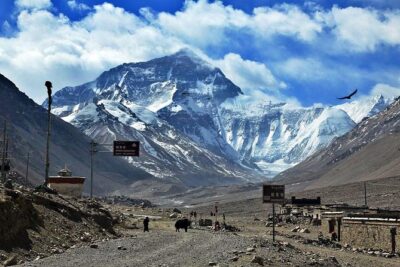
8 Days Lhasa Gyantse Shigatse Mt Everest Group Tour
Read our review →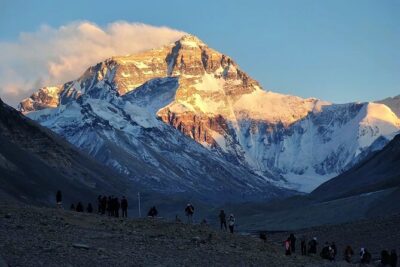
9 Days Lhasa Gyantse Shigatse Everest Namtso Group Tour
Read our review →
15 Days Mt Everest and Mt Kailash Kora Pilgrimage Group Tour
Read our review →Browse the lists this tour appears in