
Reviewed · EVEREST BASE CAMP TOURS
10 Days Tibet Everest Base Camp and Namtso Small Group Tour
Mount Everest is the headline, but the best part of this 10-day Tibet journey is the range of places between Lhasa and Base Camp. You move from palace halls and prayer circuits to high passes, glaciers, holy lakes, and a simple guesthouse near Everest.
I like the small group, with a maximum of 12 people, and the fact that the hard paperwork, permits, driving, and hotel bookings are handled for you. I also like the local Tibetan guides, including guides named Lobsang, Tseyang, Ga Rong, Tenzin, and Bai on different departures. The main drawback is the amount of time in the minibus, especially the roughly 12-hour push toward Everest and the long return roads.
Key points
- Everest from Rongbuk: Watch the mountain from one of the world’s highest monastery areas, with sunrise views if weather cooperates.
- Lhasa’s sacred center: Visit Potala Palace, Jokhang Temple, and Barkhor Street, including time for a kora with pilgrims.
- High-altitude road trip: Cross Gampala Pass at 4,790 meters and Gyatsola Pass at 5,248 meters.
- Namtso’s holy shore: Spend time at Zhaxi Peninsula and travel onward to the Stone Elephant Gate.
- Small-group setup: Ride in a minibus with no more than 12 people, an English-speaking Tibetan guide, and oxygen in the vehicle.
- Strong package value: The $1,329 price includes permits, accommodation, transport, breakfasts, entrance fees, and airport or train station pickup.
What the $1,329 price really covers
At $1,329 per person, this is a practical package for a destination where independent planning is not simple. Tibet Travel Permits and other required permits are included, along with airport or train station pickup in Lhasa, a local English-speaking guide, an experienced driver, fuel, hotels, nine breakfasts, drinking water, a Tibet map, and liability insurance.
You also get oxygen in the vehicle, in either a 4-liter or 7-liter cylinder, plus the Everest Base Camp shuttle and platform fees. The price is based on two people sharing a room. A single room costs extra and depends on availability.
You still need to pay for your flight or train to Lhasa, lunches, dinners, guide and driver tips, and the Chinese L visa when required. That matters because the tour price looks low for 10 days of transport and lodging, but your total trip cost will be higher once you add international travel, meals, and any time spent in China before or after the tour.
There is one detail I would confirm before paying: the booking information says all listed entrance fees are included, while several individual itinerary entries say admission is not included. Ask the operator for a written list of exactly which tickets are covered.
More Everest Base Camp Tours in Tibet:
- Tibet Tour 8 Days Lhasa to Everest Base Camp Small Group Tour
★ 5.0 · 578 reviews - 8 Days Lhasa Gyantse Shigatse Mt Everest Group Tour
★ 5.0 · 52 reviews - 9 Days Lhasa Gyantse Shigatse Everest Namtso Group Tour
★ 4.0 · 21 reviews
Lhasa arrival and the road into the plateau
Your Tibetan guide meets you at the airport or train station and takes you into central Lhasa. The ride offers an early look at the Yarlung Tsangpo River and the broad high-altitude setting around the city.
The first day is intentionally light. That is useful because you need time to adjust to the altitude, and the schedule does not begin with a packed sightseeing program. You stay in a Lhasa hotel and meet the group at a welcome dinner in a local restaurant.
The tour begins at 9:00 a.m., but the exact arrival arrangements depend on your flight or train. Send passport copies and your China visa details at least 20 days before departure so the operator can arrange the Tibet Permit.
If you fly from Kathmandu, do not apply for a Chinese L visa in advance. The supplied instructions say you need a Tibet Group Visa arranged through a travel agency and the Chinese Embassy in Kathmandu. If you enter Tibet from another city in China, you need the Chinese L visa from the Chinese Embassy in your home country.
Potala Palace, Jokhang Temple, and Barkhor Street
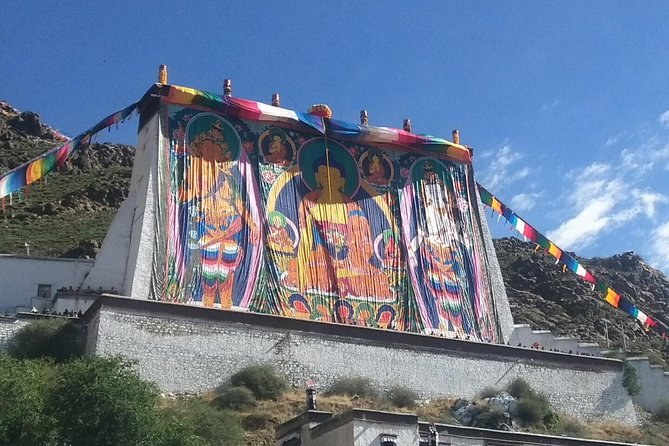
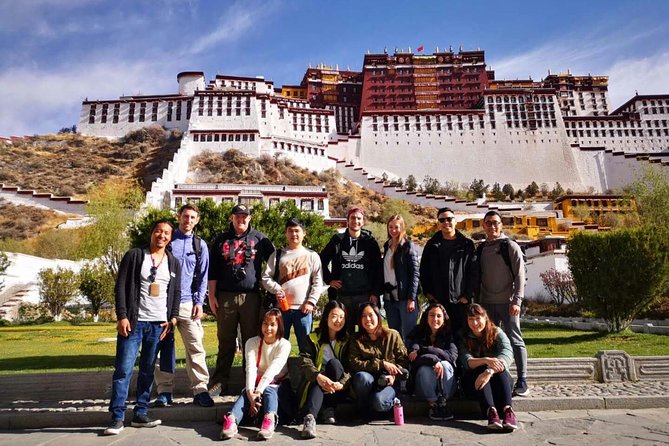
Day two gives you the classic Lhasa introduction. Potala Palace, the former winter palace of the Dalai Lama, takes about 90 minutes. Its importance comes from both the building and its place in Tibetan religious and political life. The visit involves stairs and walking, so take it slowly at altitude.
After lunch, you visit Jokhang Temple for another 90 minutes. The temple is especially important for its statue of Buddha Sakyamuni, described in the tour material as a 12-year-old image. Your guide can help explain the ritual details that are easy to miss if you simply move from room to room.
Barkhor Street surrounds Jokhang Temple and gives you a more active sense of Lhasa. You can walk the kora, a religious circuit around the temple, alongside pilgrims and local people. There is also an old market and the chance to drink Tibetan tea in a local tea shop.
I would keep this day flexible in your mind. The palace and temple visits are scheduled for about three hours total, but entry times, walking pace, and security procedures can affect the flow. Wear shoes with a good grip and bring water. The tour provides drinking water, but you should still carry it during walks.
Dadong Village and the monks’ debate at Sera
Day three combines rural life with one of Lhasa’s major monasteries. The description names Drepung Monastery in the itinerary heading, but the actual visit described is Dadong Village, about 25 kilometers southwest of central Lhasa. That mismatch is worth confirming before departure.
Dadong is presented as a protected old Tibetan village surrounded by mountain scenery. The stop takes about four hours, making it one of the slower, more local-feeling parts of the trip. You get a break from monuments and a look at traditional village life outside the city.
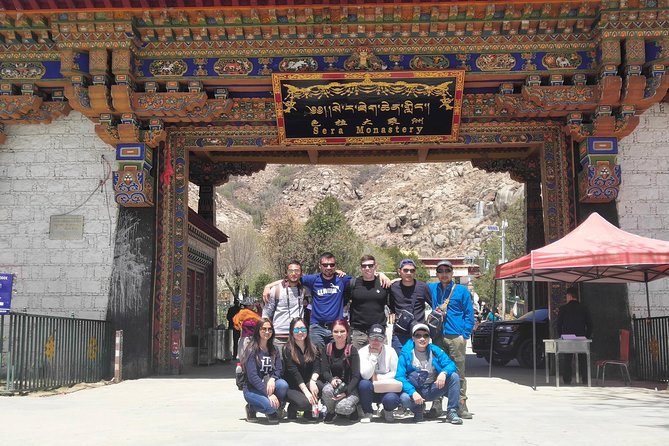
In the afternoon, you visit Sera Monastery for about two hours. Sera is one of Tibet’s three great Gelug monasteries. The famous monk debates usually take place between 3 and 5 p.m., which is why the timing matters. Monks argue points of Buddhist philosophy with sharp questions, gestures, and quick exchanges. Your guide is especially useful here, since the activity can seem puzzling without context.
Different departures have used guides such as Lobsang, Tseyang, and Ga Rong. The strongest guide feedback centers on clear explanations of Tibetan history, religion, and culture, as well as practical help with stairs and high-altitude walking. Guide quality can vary by departure, but the local Tibetan guide is a major part of the experience.
A few more Tibet days worth a look
- 7 Days Lhasa to Kathmandu Overland Small Group Tibet Tour via EBC
★ 5.0 · 188 reviews - 4 Days Lhasa Impression Small Group Tour
★ 4.5 · 67 reviews - 6 Days Central Tibet Culture Small Group Tour
★ 5.0 · 53 reviews - 4 Days Lhasa City Essential Group Tour
★ 5.0 · 25 reviews
Yamdrok Lake, Gampala Pass, and Karo La Glacier
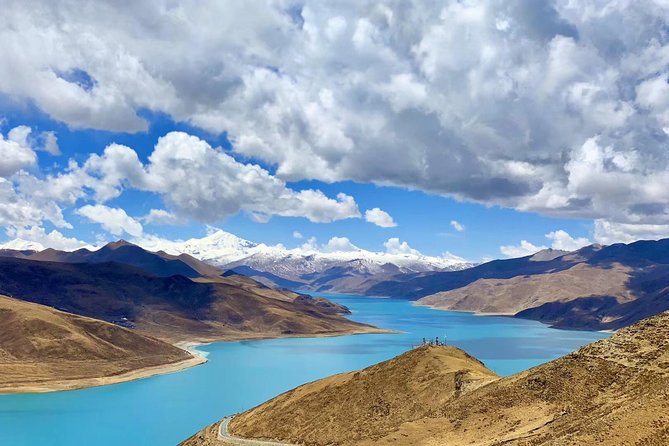
Day four turns the tour into a road journey. You leave Lhasa for Shigatse and cross Gampala Pass at 4,790 meters. From the pass, you get a view of Yamdrok Lake at about 4,400 meters, surrounded by snowy peaks.
The listed stop at Yamdrok takes only 30 minutes. That is enough for a viewpoint and photographs, but not for a long lakeside visit. The altitude and weather can also make the stop feel brisk. Bring layers, gloves, sunscreen, and a hat, even if Lhasa felt mild.
The road continues past Karo La Glacier, which you view from the roadside. You also pass Manak Dam Lake and Simila Mountain Pass, where the itinerary allows time to hang prayer flags. These short stops are valuable because the road itself is part of the trip. You are not simply being moved between hotels. You are crossing the high plateau and seeing how the religious life of Tibet connects with its natural setting.
You arrive in Gyantse, once Tibet’s third-largest city after Lhasa and Shigatse. The schedule does not give a major sightseeing visit in Gyantse, so think of it mainly as an overnight road stop within the larger route.
The long push toward Mount Everest
Day five is the hardest day on paper. After the Alien’s Travel Permit is arranged, you drive toward Lhatse for lunch, then continue across Tsola Pass at 4,600 meters and Gyatsola Pass at 5,248 meters before entering Qomolangma National Nature Preserve, the protected area around Mount Everest.
The itinerary allows about 12 hours for this section. That is a serious amount of time in a minibus, even with scenic stops. You should be comfortable with long road days, changing altitude, and limited control over the schedule. This is not a relaxed hotel-to-hotel tour.
The reward comes as the mountain routes open toward Everest. The tour provides an experienced local driver, fuel, and transport by comfortable van or minibus. Oxygen is carried in the vehicle, but it is not a substitute for taking altitude symptoms seriously. Tell your guide promptly if you feel unwell.
The tour uses a maximum of 12 people. That is small enough to make loading, stopping, and guide communication easier than on a large coach, but it is still a group road trip. If you need private timing or frequent unscheduled breaks, this format may test your patience.
Sunrise at Rongbuk Monastery
Day six is built around Rongbuk Monastery and the view of Mount Everest. The stop lasts about an hour, with the chance to see sunrise on the summit and the mountain rising ahead like a snow-covered pyramid.
Rongbuk is one of the most memorable parts of the route because the monastery and the mountain appear together. You are not only stopping at a viewpoint. You are seeing Everest in a Tibetan religious setting, close to a monastery that has become a key base for visits to the north side of the mountain.
Weather controls the result. Clouds can hide the summit, and the schedule cannot change the mountain. Still, the tour puts you in the right place and includes the Everest Base Camp shuttle and platform service fees.
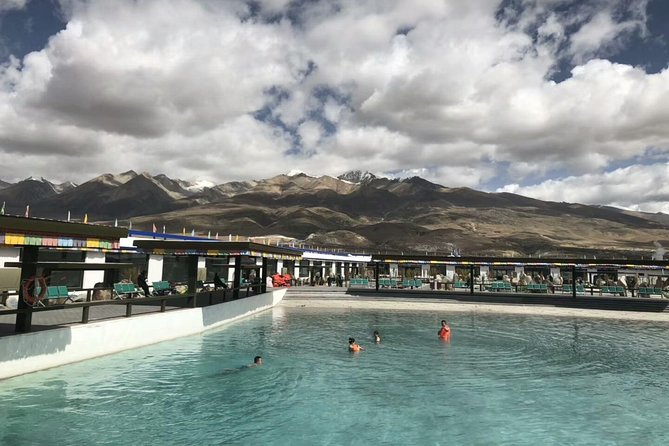
The accommodation here is more basic than in Lhasa. The package specifies a dormitory bed at Rongbuk Guest House, so pack with that in mind. This is a mountain stop, not a city hotel. Bring warm clothing and keep a small overnight bag accessible rather than burying everything in the main luggage.
Tashilhunpo Monastery and the long return to Lhasa
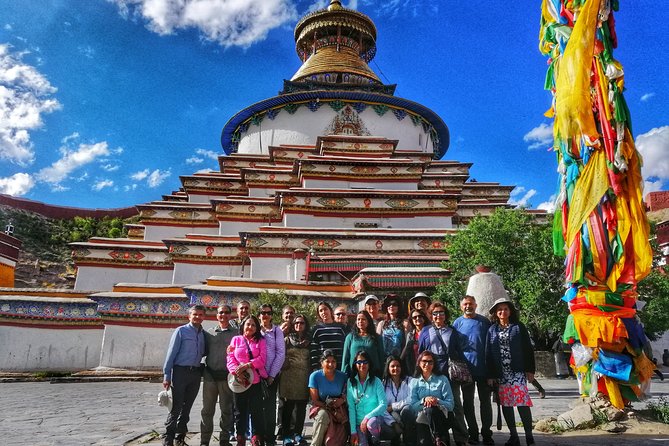
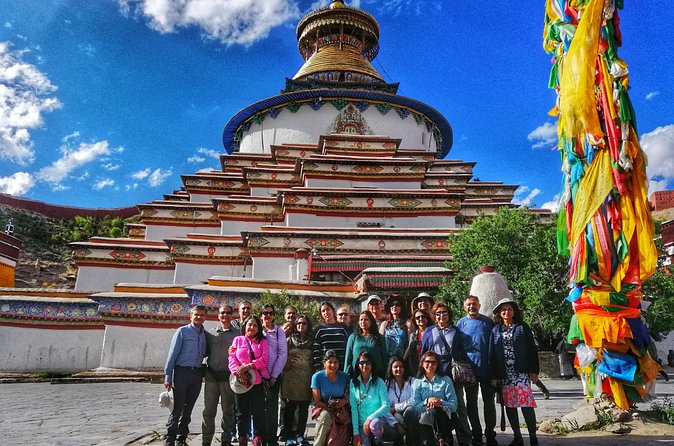
On day seven, you visit Tashilhunpo Monastery, the seat of the Panchen Lama, Tibet’s second-highest incarnation in the tour description. The visit takes about two hours and gives you another major monastic site after Sera and Jokhang.
Then you drive about 280 kilometers, or 175 miles, back to Lhasa. The return road may feel long after the Everest section, but it avoids turning the tour into an even longer one-way route. Plan for a quieter day with plenty of time in the vehicle.
This is also where the stated duration becomes confusing. The product is clearly described as a 10-day tour, yet day 10 includes a line congratulating you on completing a 15-day journey of more than 2,000 kilometers. Treat that as a likely template error, but ask the operator to confirm the actual number of nights, driving distance, and final departure timing.
Namtso Lake and Zhaxi Peninsula
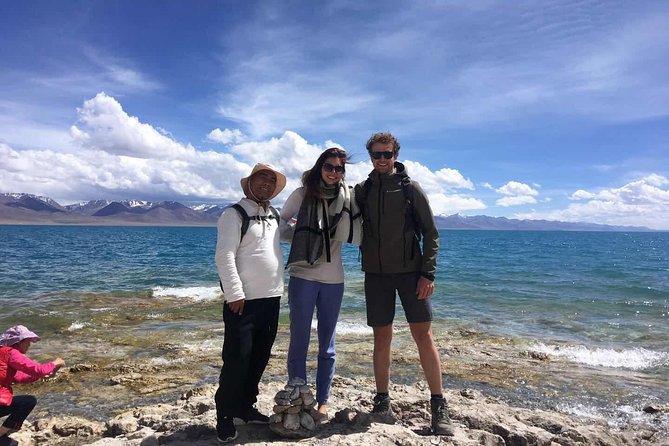
Day eight takes you from Lhasa to Namtso, one of Tibet’s four holy lakes and described here as the world’s highest saline lake. Along the road, you can see the Nyenchen Thanglha mountain range and snowy peaks.
Zhaxi Peninsula is the main stop, lasting about two hours. The lake has five holy islets, said to represent the Five Buddhas, and Tashi Island offers a broad view across the water. The appeal is different from Everest. At Base Camp, one enormous peak dominates the view. At Namtso, the open water, islands, and surrounding mountains create a wider sense of space.
Day nine continues at Namtso after breakfast. You take an off-road vehicle and tourist shuttle bus to Stone Elephant Gate on the northern shore, described as one of the lake’s most dramatic viewpoints. The stop itself is listed as only one minute, so do not expect a long hike or extended shore walk there.
The Namtso portion gives you another high-altitude day after Everest. That can be tiring, even if the driving is comfortable. Keep your pace slow, drink water, and listen to your guide if the schedule needs to change because of weather or road conditions.
Who will get the most from this tour
This trip suits you if you want Tibet’s major cultural sights and its biggest natural views in one organized route. It is especially useful for first-time visitors who do not want to manage permits, drivers, hotel changes, and remote road logistics.
You should have moderate physical fitness. The tour involves walking at high altitude, stairs at major sights, cold conditions near Everest, and long drives. The oxygen cylinder in the vehicle is a useful safety provision, but you should not view it as medical cover.
The trip is less suitable if you dislike basic accommodation, shared rooms, fixed group timing, or long minibus days. It is also not ideal if you want a slow, single-region visit. You cover Lhasa, Gyantse, Shigatse, Everest, and Namtso in a tight schedule.
The tour is capped at 12 people, and service animals are allowed. Some activities can be altered or canceled because of bad weather, monastery closures, or other events beyond the operator’s control. In Tibet, that flexibility is necessary.
Should you book it?
I would choose this tour if your priority is seeing Potala Palace, Everest Base Camp, and Namtso Lake in one trip without handling the permit system yourself. The included transport, hotels, breakfasts, entrance fees, airport pickup, guide, and oxygen make $1,329 a solid package price, provided the ticket inclusions are confirmed.
Before booking, ask three direct questions: Why does the itinerary mention both 10 and 15 days? Is Dadong Village replacing Drepung Monastery on day three? Which entrance fees are actually included? If the answers are clear, you accept long driving days, and you are ready for basic lodging at Rongbuk, this is a strong way to see Tibet’s cultural core and its high mountain routes.
FAQ
Is airport or train station pickup included?
Yes. Pickup and drop-off between the Lhasa airport or train station and Lhasa city are included, and the supplier must arrange these services.
Does the tour include the Tibet Travel Permit?
Yes. The Tibet Travel Permit and other necessary Tibet permits are included, but the Chinese L visa is excluded.
How far in advance should I provide passport and visa documents?
You should provide photocopies of your passport and China L visa at least 20 days before the travel date so the operator can arrange the Tibet Permit.
Is the tour price based on single or shared accommodation?
The price is based on two people sharing a room. A single-room supplement may be available for an additional charge.
Are meals included?
Nine breakfasts are included, along with a welcome dinner when the group meets in Lhasa. Lunches and most dinners are not included.
How large is the group?
The tour has a maximum of 12 people and uses a minibus or van with an English-speaking Tibetan guide and local driver.
Newly listed around Tibet
- 4 Days Lhasa City Essential Group Tour★ 5.0 · 25 reviews
- 15 Days Mt Everest and Mt Kailash Kora Pilgrimage Group Tour★ 4.5 · 17 reviews
- Private Guided Day Tour Potala Palace and Sera Monastery★ 5.0 · 22 reviews
- 8 Day Tibet Classic Tour★ 5.0 · 5 reviews
- Panorama Multi Day Tour in Tibet★ 5.0 · 3 reviews
- 9 Days Lhasa Gyantse Shigatse Everest Namtso Group Tour★ 4.0 · 21 reviews
- 6 Days Lhasa Gyantse Shigatse Group Tour★ 5.0 · 12 reviews
- 8 Days Lhasa Gyantse Shigatse Mt Everest Group Tour★ 5.0 · 52 reviews
Everest Base Camp Tours, compared.
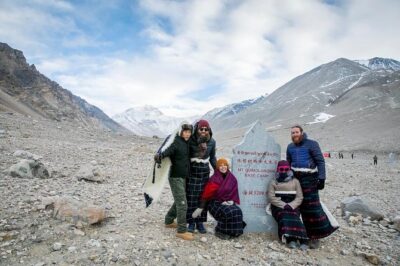
Tibet Tour 8 Days Lhasa to Everest Base Camp Small Group Tour
Read our review →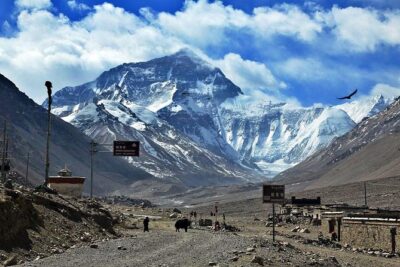
8 Days Lhasa Gyantse Shigatse Mt Everest Group Tour
Read our review →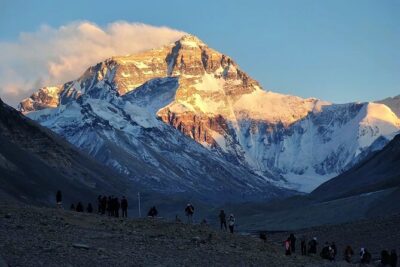
9 Days Lhasa Gyantse Shigatse Everest Namtso Group Tour
Read our review →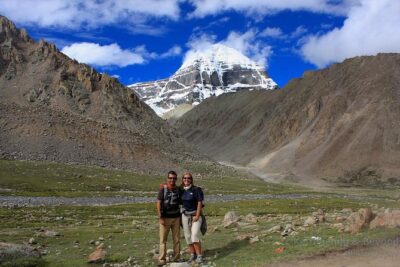
15 Days Mt Everest and Mt Kailash Kora Pilgrimage Group Tour
Read our review →Browse the lists this tour appears in