
Reviewed · COOKING CLASSES
Half-day Chengdu Handmade Tofu Making and Mapo Tofu Cooking Class
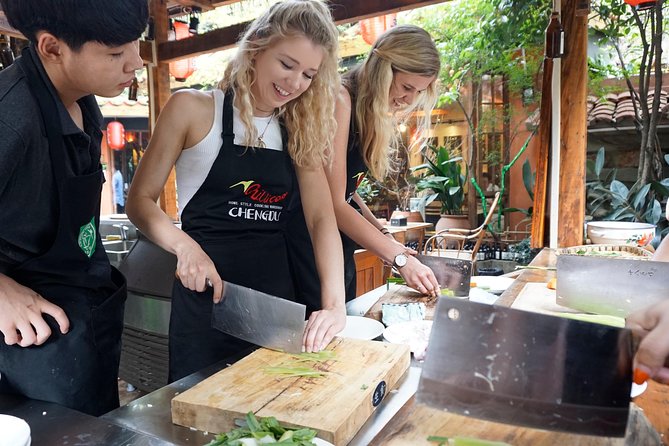
Chengdu’s signature Mapo Tofu becomes far more interesting when you first make the tofu yourself. This class takes you from soybeans and a stone mill to soy milk, tofu brain, pressed tofu, and a finished Sichuan dish, with a spice-market visit along the way. I like the hands-on work and the chance to see how familiar ingredients are made. I also like that the class includes local tea, food tasting, drinks, recipes, and hotel pickup and drop-off.
The main consideration is time. The class is advertised at about three to five hours, with the working schedule described as roughly four to five hours. A group of up to 15 people can also make the pace less personal than a private lesson. If you want a quiet, polished cooking demonstration, this may feel busy. If you enjoy working with your hands, it has much more to offer.
Key points at a glance
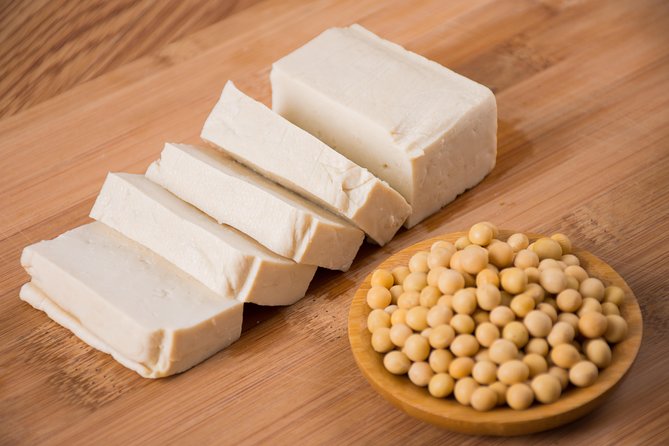
- Soybeans become several foods: You learn how to grind, filter, boil, coagulate, and press soybeans into tofu.
- A local spice market comes first: A guided visit introduces Sichuan spices, fresh produce, meats, and traditional Chinese medicine ingredients.
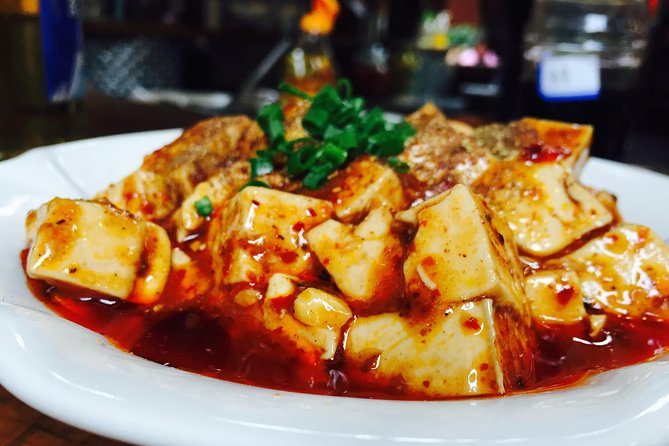
- Mapo Tofu is part of the lesson: The chef shows you how to turn the handmade tofu into Chengdu’s famous spicy dish.
- The setting is a traditional courtyard: Local tea is served before the kitchen work begins.
- Lance leads the experience: The class is run by Chilli Cool China, with professional cooking instruction and recipes to take home.
- The group can reach 15 people: That keeps the price reasonable, but you may share workstations and chef attention.
From a Chengdu market to a bowl of Mapo Tofu
This experience works because it follows the food in the right order. Instead of starting with a prepared block of tofu, you begin by looking at the raw materials and then follow each stage of production.
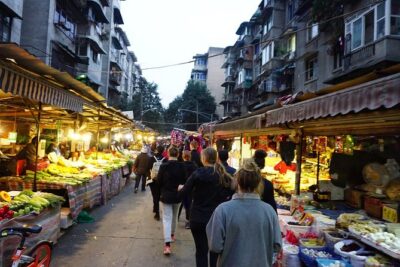
The opening market visit gives the class a useful local setting. You explore a Chengdu spice market with a guide and take part in light challenges designed to help you identify ingredients. The focus is on the items used later in the kitchen, including Sichuan spices, fresh fruit, vegetables, and other market goods.
I like this start because it gives names and purpose to ingredients that can otherwise blur together. Sichuan cooking depends on carefully chosen seasonings, and the market helps you see that these are everyday cooking supplies, not just restaurant decorations. The visit also gives you a sense of how food shopping fits into ordinary life in Chengdu.
The market portion is not a separate sightseeing stop with a long list of monuments. It is a practical introduction to ingredients. If you have already spent days browsing Chengdu markets, you may find this part familiar. If Sichuan food is new to you, the guide’s explanations should make the later cooking easier to follow.
More Cooking Classes in Chengdu
- Half-Day Chengdu Cooking Class with a Local Market Visit
★ 5.0 · 465 reviews - Chengdu: Cooking Class with Fresh Market Half Day Experience
★ 5.0 · 42 reviews - Half-Day steamed Buns Cooking Class with a Local Market Visit
★ 5.0 · 26 reviews
Tea in a traditional Sichuan courtyard
After the market, the group moves to a traditional Sichuan-style courtyard for the workshop. Tea is served as part of the welcome. This matters because tea is not simply a drink added to the schedule. It is a local way of receiving friends and visitors, and it sets a slower tone before the work begins.
The class then shifts into a cozy kitchen, where a professional chef demonstrates the tofu process. Chilli Cool China identifies Lance as part of the teaching team, and the experience is presented as a friendly, organized workshop rather than a formal culinary school lesson.
The courtyard setting adds character without requiring a special costume or staged performance. You are there to cook, but the tea and courtyard help connect the cooking to local customs. I would allow the schedule to breathe here instead of treating the tea as a quick refreshment between activities.
What happens to the soybeans
The central lesson is the handmade tofu process. You work through the main stages:
- Soaking soybeans
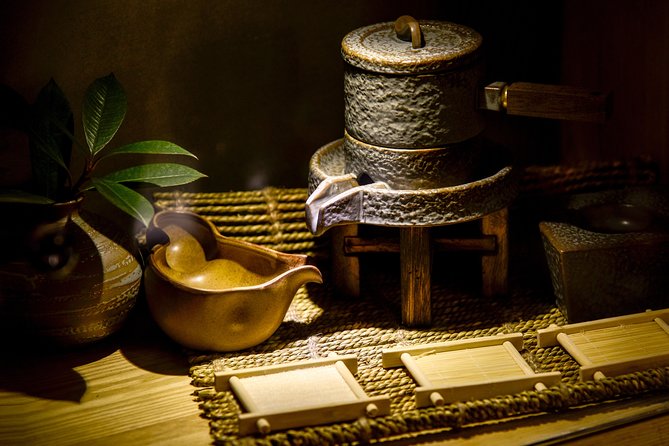
- Grinding them into pulp with a millstone
- Filtering the pulp
- Boiling the liquid
- Adding bittern to make it coagulate
- Pressing the curds into shape
This sequence is the heart of the class. Tofu can look simple on a plate, but the process explains why its texture matters. Soy milk, tofu brain, and pressed tofu are different results from the same basic ingredient, shaped by timing and handling.
You also learn how soy milk and tofu brain are made. Tofu brain is a soft, delicate form that comes before the firmer pressed tofu. Seeing these stages side by side gives you a better sense of how one batch of soybeans can produce several foods.
The use of a stone mill is an especially useful detail. It connects the class to an older method and lets you feel the work involved in preparing the beans. This is not simply a chef talking while you watch a finished product appear. You are shown the method from the start, with the physical steps made visible.
There is a practical lesson here for home cooking. You may not own a stone mill or plan to produce tofu from scratch, but you will understand what handmade tofu involves and why it differs from a packaged block. The recipes provided afterward can help you recreate the Mapo Tofu component, even if the full tofu-making process is too demanding for your own kitchen.
Cooking Mapo Tofu with the tofu you made
Once the tofu lesson is underway, the chef teaches you to cook Mapo Tofu. This is the point where the workshop connects technique to a dish most people associate with Chengdu.
Mapo Tofu is not only about heat. The quality of the tofu, the balance of Sichuan seasonings, and the way the sauce coats the curds all matter. Making the tofu first gives you a better feel for its softness and structure before it goes into the pan.
The class is designed as a hands-on experience, so you should expect to participate rather than simply copy notes. The chef guides the cooking in a professional kitchen, and the group ends by eating the food it has prepared.
That final meal is a useful part of the value. You are not paying only for a demonstration and a recipe sheet. You spend the session learning a process, preparing food, and tasting the result. Beer and other refreshing drinks are included, along with tea and water.
If you are sensitive to spice, ask about the seasoning during the class. The supplied information does not specify how much control you have over the heat level, so it is sensible to tell the chef about your preference before the cooking begins. Sichuan food can be flavorful and numbing as well as hot, and your comfort will affect how much you enjoy the meal.
Same base, a completely different kind of day out:
- Chengdu: Giant Panda Breeding Research Base Ticket
★ 4.5 · 580 reviews - Tuktuk Food Tour Through Chengdu’s Local Eats
★ 5.0 · 435 reviews - Private Half-Day Chengdu Panda Breeding Center Tour with Optional Volunteer
★ 5.0 · 353 reviews - Chengdu: Sichuan Opera Shu Feng Yan Yun Evening Show Ticket
★ 4.7 · 185 reviews
A relaxed class with a social side
The atmosphere is one of the strongest reasons to choose this experience. The workshop is built around shared work, conversation, tea, and food rather than a rushed sequence of demonstrations.
That social format works well for couples, friends, and families with older children. Children may participate when accompanied by an adult. The class has a maximum of 15 people, which is small enough to feel like a workshop but large enough that you should not expect one-on-one instruction throughout.
Lance is associated with the warm, welcoming style of the class, and Jerry is also mentioned as part of the cooking team in connection with an extended cooking day. The available information does not promise that both will teach every session, so I would treat Lance as the named contact and confirm the day’s teaching lineup if that matters to you.
One useful sign of the format is that the morning class can fit into a larger cooking day. A participant who began with the tofu and Mapo Tofu session continued into an afternoon class focused on steamed pork buns. That does not mean the afternoon lesson is included here, but it shows that the schedule can suit people who want a fuller food-focused day.
Is $90 a fair price?
At $90 per person, this is not a bargain cooking demonstration. It is also more than a simple market walk. The price includes the market experience, chef instruction, ingredients and food tasting, tea, water, beer or other drinks, recipes, and hotel pickup and drop-off.
The value depends on what you want from Chengdu. If your goal is a cheap meal, spend the money at a neighborhood restaurant. If you want to understand how tofu is made and cook Mapo Tofu under instruction, the price is easier to justify.
The handmade tofu component is what separates this class from a standard Sichuan cooking lesson. You are not starting with prepared tofu from a shop. You see the raw beans, use the mill, watch the liquid change, and handle the stages that lead to the finished food.
Group discounts may be available, which can improve the price for friends or families booking together. The maximum group size is 15, so ask about the discount and expected class size before paying if budget or personal instruction is important to you.
Timing, transport, and what to plan for
Plan on about four hours, while allowing up to five. The experience is also described more broadly as lasting three to five hours, so do not schedule a tight appointment immediately afterward.
Hotel pickup and drop-off are included, while the listed meeting point is on North Section 3 of the First Ring Road in Jinniu District, Chengdu. Because both a meeting point and hotel transport are provided, confirm the exact pickup arrangement when you book. The activity ends back at the meeting point.
The location is near public transportation, giving you another option if you do not use the included transfer. Confirmation is provided at booking, and the activity can take up to 15 people.
The class requires suitable weather. If poor weather causes cancellation, you are offered another date or a full refund. Normal cancellation is free up to 24 hours before the start time. Changes or cancellations inside that 24-hour window are not accepted for a refund, so keep your plans settled once the deadline passes.
Who will enjoy this class most?
I would choose this for anyone who wants food preparation rather than a passive tasting. It suits curious cooks, people who want a local market experience, and visitors who already enjoy Sichuan food but want to understand the work behind it.
It is also a good fit for families with children who can take part responsibly, since an adult must accompany them. The process offers several visible stages, from beans to soy milk to tofu, which can hold a child’s attention better than a long explanation about regional cuisine.
You should think twice if you dislike group activities, cannot spend several hours standing or working in a kitchen, or want a highly technical chef-training session. The maximum of 15 people means this is a shared workshop. The supplied information does not give details about seating, specific dietary substitutions, or exact spice levels, so ask those questions before booking if they affect your decision.
What makes it different from a standard cooking class?
Many cooking classes begin with ingredients laid out on a table and finish with a prepared dish. This one starts earlier in the food chain. You see where the seasonings are found in the market and how soybeans are transformed into the tofu used in the final dish.
That extra work gives the class a stronger connection to local food traditions. You learn that tofu is not a single product but a series of textures and stages. Soy milk and tofu brain appear along the way, while the pressed tofu becomes part of Mapo Tofu.
The class also links an everyday staple with a famous Sichuan recipe. You are not studying tofu as an isolated craft. You are learning why it works in one of Chengdu’s best-known dishes.
I would not book it solely for the market visit, since the market is a short part of a much longer food workshop. I would book it if the market, tea, tofu-making, chef instruction, and shared meal all sound appealing together.
Should you book it?
Book this class if you want a practical Chengdu food experience with real work involved. The strongest reasons are the stone-mill tofu process, the chance to make several soy products, the Mapo Tofu lesson, and the friendly courtyard setting with tea and drinks.
Skip it if you are looking for a short tasting stop or a private chef lesson. The four to five hour schedule and group size require patience, and the $90 price makes the most sense when you plan to take part in every stage.
For most food-focused visitors, this is a worthwhile choice because it explains a dish you can order all over Chengdu by showing you how one of its main ingredients is made.
FAQ
How long does the tofu and Mapo Tofu class last?
The experience lasts approximately three to five hours, with the main workshop described as taking about four to five hours.
What does the class include?
It includes tea, water, beer or other refreshing drinks, food tasting, a professional guide and chef, recipes, and hotel pickup and drop-off.
Where does the activity begin and end?
The listed meeting point is at 1st Ring Road North 3 Section, Jinniu District, Chengdu. The activity ends back at the meeting point.
How many people can join the class?
The activity has a maximum group size of 15 people.
Can children take part?
Yes. Children can participate when accompanied by an adult.
Is the class near public transportation?
Yes. The meeting area is described as being near public transportation.
What happens if I need to cancel?
You can receive a full refund if you cancel at least 24 hours before the start time. Cancellations or changes made less than 24 hours before the start time are not accepted for a refund. If poor weather causes the activity to be canceled, you are offered another date or a full refund.
More Half-Day Trips in Chengdu
- Half-Day Chengdu Back Alley Foodie Tour
★ 5.0 · 58 reviews - Half-Day Professional Mapo Tofu Cooking with a Local Market Visit
★ 5.0 · 19 reviews - Half-Day Sichuan Cooking Class Experience in Chengdu
★ 4.0 · 17 reviews - Chengdu panda base half day tour
★ 5.0 · 17 reviews
Newly listed around Chengdu
- Private Chengdu Highlights Day Trip: Panda Base and City from Xi’an by Train★ 5.0 · 4 reviews
- Jiuzhaigou National Park Tickets Booking★ 4.5 · 4 reviews
- Classic 3-Day Jiuzhaigou Private Tour(Transportation+Tickets)★ 5.0 · 8 reviews
- Private Chengdu Highlights Day Trip: Panda Base and City from Chongqing by Train★ 4.5 · 9 reviews
- Huanglong Scenic Spot Admission Ticket★ 4.5 · 4 reviews
- Visiting Chengdu Panda Base in a Half Day★ 5.0 · 4 reviews
- Panda, Leshan, and Emei Mountain 2-day tour★ 5.0 · 4 reviews
- Classsic sichuan Opera at sichuan Provincial Theater★ 5.0 · 4 reviews
Cooking Classes, compared.
Half-Day Chengdu Cooking Class with a Local Market Visit
Read our review →
Great Tang Dynasty Night Show & Dumpling Meal Option
Read our review →
Organic Chinese Dumpling Class with Market Walk
Read our review →
Xi’an Tang Dynasty Show Ticket Optional Dumplings or Royal Dinner
Read our review →
Organic Xiao Long Bao Soup Dumpling Class & Market Walk
Read our review →
Lijiang Naxi Cuisine Cooking Class & Market Visit
Read our review →
Half-Day Xi’an Biang Biang Noodles Cooking with a Market Visit
Read our review →Browse the lists this tour appears in