
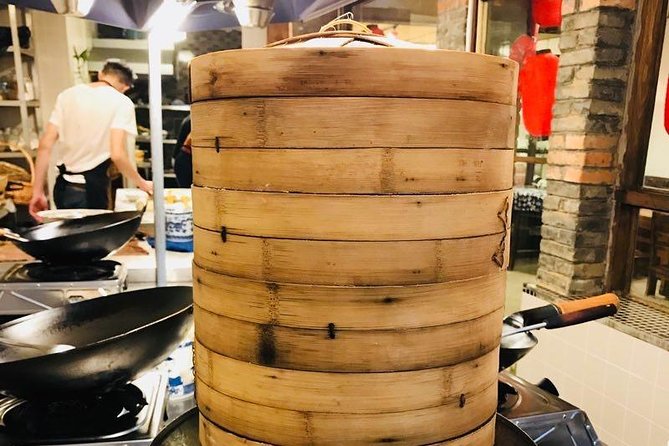
Reviewed · COOKING CLASSES
Half-Day steamed Buns Cooking Class with a Local Market Visit
Chengdu’s best food lessons begin before you reach the stove. This half-day experience takes you through a local spice market first, then into a traditional Sichuan courtyard to make filled Bao Zi, or steamed buns. You get to see ingredients in their everyday setting before handling them in the kitchen.
I like the useful market-to-meal design, and I like that you eat what you make with tea, beer, or other drinks. Guides including Lance and Jerry have helped visitors translate unfamiliar vegetables, explain market products, and even take photos during the class. The main consideration is that $80 is not a bargain cooking lesson, especially if you are mainly interested in the buns and not the market visit.
Key points to know before booking
- The market comes first: You learn about Sichuan spices and ingredients before cooking with them.
- Bao Zi is the main lesson: The class focuses on filled, steamed Chinese buns rather than a broad menu.
- The setting feels local: Cooking takes place in a traditional Sichuan-style courtyard kitchen.
- Tea is part of the welcome: You are served Sichuan tea in keeping with local hospitality.
- The group stays fairly small: A maximum of 15 people allows room for questions and hands-on work.
- It works for families and vegetarians: Children from age 5 can join, and a vegetarian option is available if requested ahead of time.
From Chengdu market shelves to the Bao Zi steamer
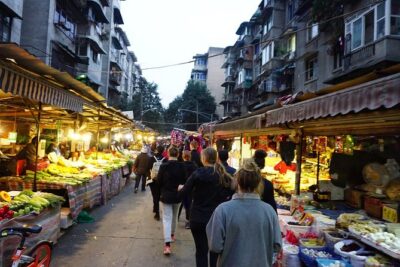
The smart part of this experience is its order. Instead of meeting at a kitchen with a pile of anonymous ingredients, you begin at Chilli Cool China, a local spice market. You see and discuss the products first, then carry that understanding into the cooking session at Chilli Cool’s Kitchen.
That connection gives the class more purpose. Sichuan cooking depends on its spices and seasonings, but a market can be confusing if you do not know what you are looking at. With an English-speaking guide beside you, you can ask about unfamiliar ingredients, learn useful names, and get a clearer idea of how local food shopping works.
The market visit also includes fun challenges. The exact challenges are not specified, but the format is designed to keep you involved rather than simply following a guide through the aisles. You may also have a chance to use a little Chinese, which adds a light language lesson to the food experience.
Guides such as Lance and Jerry have been praised for patient explanations. Jerry, in particular, has helped identify unfamiliar vegetables and answer questions during the market walk. Lance is also associated with taking plenty of photos, a practical touch if you want pictures of the cooking process without having to keep your phone in your hand.
More Cooking Classes in Chengdu
- Half-Day Chengdu Cooking Class with a Local Market Visit
★ 5.0 · 465 reviews - Chengdu: Cooking Class with Fresh Market Half Day Experience
★ 5.0 · 42 reviews - Half-Day Professional Mapo Tofu Cooking with a Local Market Visit
★ 5.0 · 19 reviews
What makes the Sichuan spice market useful
A market visit can easily become a quick photo stop. Here, it has a clear job: help you understand the ingredients used in Sichuan food and prepare you for the cooking class.
You will learn about local spices and ingredients, though the experience details do not promise a fixed list of products. That is worth keeping in mind. The market portion is educational, but it is not advertised as a full Sichuan food tour or a shopping expedition with a long tasting menu.
The value comes from context. You are not only told that an ingredient is common in Sichuan cooking. You can see how it is presented in a local market and ask about its use. If you enjoy food markets but find them hard to read without a local interpreter, this is a strong reason to book.
The market also adds walking time, so wear comfortable shoes. The full activity lasts about four hours, and the start and finish are both at 167 Yi Huan Lu Bei San Duan in Jin Niu District. No separate transport arrangement is listed, so plan your route to that meeting point carefully.
Tea in a traditional Sichuan courtyard
After the market, the class moves to Chilli Cool’s Kitchen, described as a traditional Sichuan-style courtyard. The setting matters because it gives the lesson a sense of place without turning the experience into a formal restaurant demonstration.
You are served Sichuan local tea as part of the welcome. Tea is a customary way to receive friends and visitors in the region, so this small pause helps set the tone before the cooking begins. It also gives you a moment to settle in after the market walk.
The courtyard setting may appeal to you more than a modern cooking studio if you want the class to feel connected to local life. On the other hand, travelers who prefer polished equipment or a highly structured culinary school should keep expectations in check. The appeal here is the setting, the guide, and the hands-on activity, not luxury.
The class is taught by a professional chef in a cozy kitchen. The available details do not specify the exact equipment, recipe measurements, or filling choices, so do not expect a printed technical syllabus based on the description alone.
Learning to shape and steam filled Bao Zi
The cooking focus is Bao Zi, a traditional Chinese steamed bun with a filling. You are guided through the process by the chef, rather than simply watching a demonstration and receiving a bun at the end.
That hands-on element is important. Bao Zi requires more than mixing dough. You need to work with the dough, add the filling, shape the bun, and prepare it for steaming. The description does not spell out every stage, but the experience is clearly built around making the buns yourself.
Do not book this as a general introduction to every branch of Chinese cooking. You will not be making a long list of Sichuan dishes. The narrow focus is a benefit if you want to learn one recognizable local specialty well enough to repeat part of the process at home.
It is also a good choice if you prefer food activities with a clear result. By the end, you have made something you can eat, rather than leaving with only notes or a recipe card. The Bao Zi are served as your meal or light meal, depending on the class schedule.
More Shopping Tours in Chengdu
- Half-day Dandan Noodles Cooking Class with a Local Market Visit
★ 5.0 · 8 reviews - Three-Hour Private Chengdu Tea Wholesale Market Tour
★ 5.0 · 4 reviews - 3-Hour Herbal Wholesale TCM Market and a Local Wet Market Tour
★ 5.0 · 4 reviews - Half-Day Private Hot-Pot Cooking Class with a Local Market Visit
★ 5.0 · 3 reviews
Eating your own buns with drinks
The class finishes with a meal built around the Bao Zi you prepared. Included beverages can be beer or other drinks, and light refreshments are also provided. Lunch or dinner is included according to the time of your class.
I like this ending because it gives the lesson a natural reward. You can compare the finished buns, talk through the process, and enjoy the food while it is still fresh. The meal is not an added restaurant stop, so you do not need to arrange a separate lunch or dinner afterward.
The meal should still be viewed as part of a cooking class, not as a full Sichuan banquet. The supplied details do not promise multiple dishes or a large tasting menu. If you have a big appetite, you may want to keep your expectations sensible.
Vegetarian food is available, but you must request it when booking. The same applies to other dietary needs. Do not wait until you arrive, since the ingredients need to be planned in advance.
Is $80 a fair price in Chengdu?
At $80 per person, this is priced above a simple market walk or a basic group cooking lesson. The cost includes the English-speaking guide, the market tour, ingredients, beverages or beer, light refreshments, and lunch or dinner. It also combines two activities that you might otherwise book separately.
The price makes the most sense if you value explanation and participation. You are paying for a guide who can help with language, a planned market visit, a chef-led lesson, ingredients, and the chance to eat the finished food. The small maximum group of 15 also helps keep the experience from becoming a large demonstration.
It is less compelling value if you already know Chengdu markets well or only want to learn Bao Zi as quickly and cheaply as possible. In that case, the market portion may feel like extra time and cost.
Group discounts are available, which can improve the value for families or friends booking together. The minimum age is 5, so the class can suit a mixed-age group, although young children may find dough shaping and a four-hour schedule demanding.
The activity is booked, on average, 14 days ahead. That is a useful planning clue, especially if your Chengdu schedule is fixed. You receive confirmation at booking, and the ticket is mobile, so you do not need a printed voucher.
Who will enjoy this four-hour class most?
I would recommend this experience to you if food is one of the main reasons you are visiting Chengdu. It gives you three useful layers in one morning or afternoon: market culture, ingredient knowledge, and a practical cooking lesson.
It is also a good fit for first-time visitors who want an organized introduction to local food without spending an entire day on a formal tour. The guide can help with language at the market, while the cooking session gives you a direct connection to a local dish.
Families can consider it because children age 5 and older are allowed. The food preparation offers a task to focus on, though parents should judge whether their child will enjoy a four-hour activity that includes walking, listening, and cooking.
Couples and small groups may like the social side of the class. You work around a shared kitchen, then sit down with drinks and the food you made. Group discounts may make it more attractive for a party.
I would be more cautious if you have serious food allergies, need a tightly controlled diet, or dislike group activities. Dietary requests are possible, but they must be shared ahead of time. The maximum group size is 15, which is moderate rather than private.
Practical details that can affect your day
The tour operates in all weather, so dress for the conditions in Chengdu and wear comfortable walking shoes. The market portion means you will be on your feet before the cooking starts.
The activity begins and ends at 167 Yi Huan Lu Bei San Duan, Jin Niu District, Chengdu, Sichuan, postal code 610051. Since the meeting point is fixed, allow enough time to reach it and do not assume the class includes hotel pickup.
Bring only what you need for a half-day outing. A phone is useful for the mobile ticket and photos, although guides such as Lance may take pictures during the activity. If you want your dietary request handled correctly, provide it at booking.
All participants must provide passport name, passport number, expiry date, and country when booking. That requirement applies to everyone in the group, including children.
You can cancel for a full refund up to 24 hours before the local start time. Cancellations or changes made within 24 hours are not refunded or accepted, so make your plans before that deadline.
A focused class with real local context
The strongest feature is not any single ingredient or cooking trick. It is the link between the market and the kitchen. You see local spices and produce, ask questions with a guide, then use that setting as a starting point for making Bao Zi.
The experience also benefits from small human touches: Sichuan tea on arrival, help with Chinese words, photos during the activity, and drinks with the finished food. These details make the four hours feel like a hosted visit rather than a recipe lesson.
The limits are clear too. Bao Zi is the central dish, the class is not private, and the $80 price requires you to value the market visit as much as the cooking. The available details do not promise a particular filling, a fixed spice list, hotel transport, or a full multi-course meal.
Should you book the Chengdu Bao Zi class?
Book it if you want a practical food experience that connects Chengdu’s market life with a local cooking tradition. The combination of a spice market, a courtyard kitchen, professional instruction, tea, and a meal makes the half-day feel well planned.
Skip it if you only want the cheapest possible cooking lesson, a private class, or a broad survey of Sichuan dishes. For everyone else, especially food-focused visitors, families, and small groups, this is a useful and enjoyable way to spend four hours in Chengdu. Request vegetarian or other dietary needs early, wear good walking shoes, and arrive ready to make a slightly imperfect but very satisfying Bao Zi.
FAQ
How long does the Bao Zi cooking experience last?
The activity lasts approximately four hours, although the schedule is described as about four to five hours.
Where does the tour begin and end?
It begins and ends at 167 Yi Huan Lu Bei San Duan, Jin Niu District, Chengdu, Sichuan, China, postal code 610051.
What food do I learn to make?
The class focuses on Bao Zi, traditional Chinese steamed buns with a filling.
Is food included?
Yes. Ingredients, light refreshments, beverages or beer, and lunch or dinner based on the class schedule are included.
Is a vegetarian option available?
Yes. A vegetarian option is available, but you must request it when booking. You should also provide any other dietary requirements at that time.
What is the minimum age?
The minimum age is 5 years.
How many people can join the class?
The activity has a maximum of 15 participants.
Can I cancel for a refund?
Yes. You can cancel at least 24 hours before the local start time for a full refund. Cancellations or changes made within 24 hours are not refunded or accepted.
More Half-Day Trips in Chengdu
- Private Half-Day Chengdu Panda Breeding Center Tour with Optional Volunteer
★ 5.0 · 353 reviews - Half-Day Chengdu Back Alley Foodie Tour
★ 5.0 · 58 reviews - Half-Day Sichuan Cooking Class Experience in Chengdu
★ 4.0 · 17 reviews - Chengdu panda base half day tour
★ 5.0 · 17 reviews
Newly listed around Chengdu
- Private Chengdu Highlights Day Trip: Panda Base and City from Chongqing by Train★ 4.5 · 9 reviews
- Huanglong Scenic Spot Admission Ticket★ 4.5 · 4 reviews
- Visiting Chengdu Panda Base in a Half Day★ 5.0 · 4 reviews
- Panda, Leshan, and Emei Mountain 2-day tour★ 5.0 · 4 reviews
- Classsic sichuan Opera at sichuan Provincial Theater★ 5.0 · 4 reviews
- Tea Village in lost Town and Buddha 1 day tour★ 5.0 · 32 reviews
- Mini Group: Half-Day Chengdu Pandas Guided Tour★ 5.0 · 3 reviews
- Sichuan Opera Show with Hotel Pickup★ 5.0 · 3 reviews
Cooking Classes, compared.
Half-Day Chengdu Cooking Class with a Local Market Visit
Read our review →
Great Tang Dynasty Night Show & Dumpling Meal Option
Read our review →
Organic Chinese Dumpling Class with Market Walk
Read our review →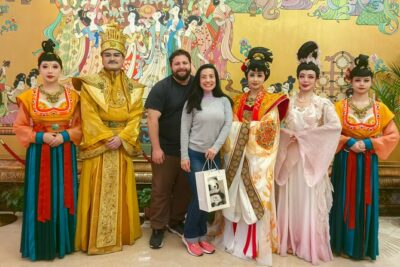
Xi’an Tang Dynasty Show Ticket Optional Dumplings or Royal Dinner
Read our review →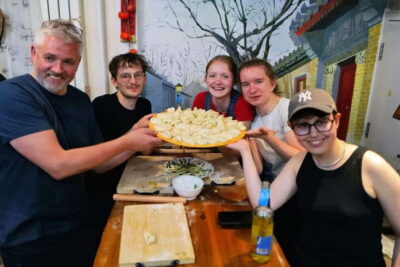
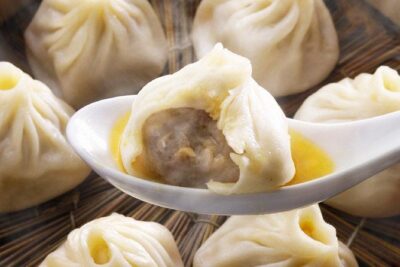
Organic Xiao Long Bao Soup Dumpling Class & Market Walk
Read our review →
Lijiang Naxi Cuisine Cooking Class & Market Visit
Read our review →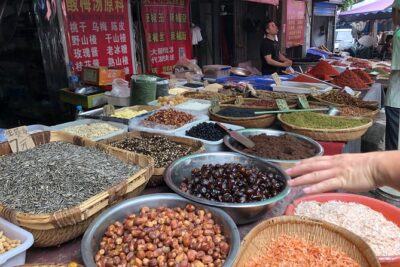
Half-Day Xi’an Biang Biang Noodles Cooking with a Market Visit
Read our review →Browse the lists this tour appears in