
Reviewed · COOKING CLASSES
Half-Day Xi’an Biang Biang Noodles Cooking with a Market Visit
Xi’an’s famous biang biang noodles are as entertaining to make as they are satisfying to eat. This half-day experience begins at Sa Jin Qiao, leads you through a spice market in the Muslim Quarter, and finishes in a traditional Chinese chef’s home with a hands-on noodle lesson and a meal.
I like the market visit because it gives the cooking class a proper beginning: you see and discuss the spices before they land in your bowl. I also like that guides such as Fiona, Lily, Michael, and Bruce have been praised for clear instruction and warm teaching. The main point to check is the class format. One session was described as more of a cooking demonstration than a setup with a separate station for each person.
Key points to know before booking
- The class starts in the Muslim Quarter: Meet at Sa Jin Qiao and explore a local food and spice market before cooking.
- You make hand-pulled biang biang noodles: The focus is on dough, stretching, pulling, and assembling the finished dish.
- The setting is a traditional Chinese home: This feels more personal than a large culinary school, though the home format may not suit people wanting a fully equipped individual workstation.
- Guides vary by session: Fiona, Lily, Michael, and Bruce are among the instructors praised for clear English and friendly teaching.
- Everything needed for the meal is included: Ingredients, recipes, tea, beer, water, food tasting, and lunch or dinner are covered.
- Allow three and a half hours: Morning and afternoon departures are available, with a maximum group size of 15.
Starting at Sa Jin Qiao in Xi’an
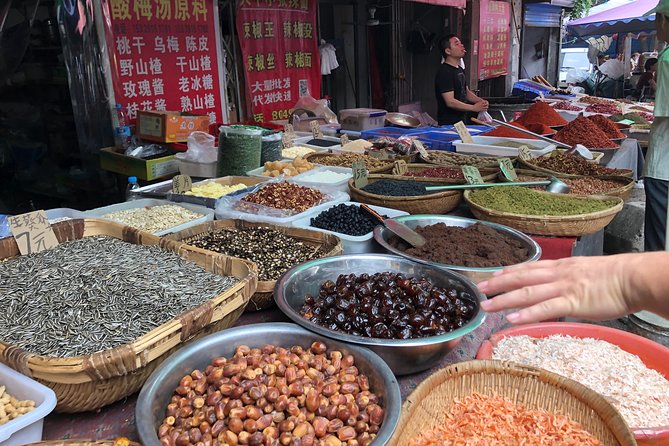
Your meeting point is Sa Jin Qiao, in Lianhu District, close to public transportation. From there, the experience heads into the Muslim Quarter, one of the most useful parts of the outing for anyone trying to understand how Xi’an eats.
This is not simply a quick walk past food stalls. The purpose is to look at the spices and ingredients used later in the cooking session. You may be given small challenges or questions as you walk, which helps turn the market visit into an active lesson rather than a silent shopping trip.
I like this structure. Biang biang noodles are often presented as a finished bowl, but the market gives you a better sense of the ingredients behind the dish. You can ask about Chinese spices, see how local food shopping works, and connect what you find in the market with the recipes you will use later.
The market can also be the least controlled part of the experience. It is a local shopping area, not a polished food museum, so expect a working market with plenty to look at and possibly a fair amount of walking. Wear comfortable shoes, and keep your schedule loose enough that you are not rushing to a later appointment.
More Cooking Classes in Xi'an
- Xi’an: Great Tang Dynasty Night Show & Dumpling Meal Option
★ 4.4 · 177 reviews - Xi’an Tang Dynasty Show Ticket Optional Dumplings or Royal Dinner
★ 4.5 · 75 reviews - Skip the Line: Xi’an Tang Dynasty Show Ticket & Dumpling Dinner or Royal Banquet
★ 4.5 · 28 reviews
The Muslim Quarter market visit
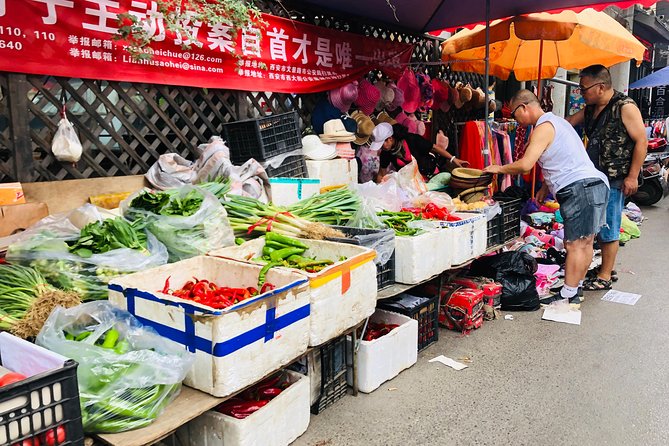
The market stop is especially useful if you cook Asian food at home. Several instructors have been praised for explaining Chinese spices and ingredients in clear terms, and that is where the class begins to offer more than a meal.
You will learn about ingredients that support the noodle dish, then gather or identify what is needed for the cooking session. The exact market route and instruction style can vary by guide, but the stated plan includes an exploration of the spice market followed by the cooking class.
This is a good place to ask practical questions. You can find out which flavors are central to the dish, how ingredients are used, and what might be difficult to replace once you return home. The included recipes matter here, since they give you something to refer to after the class rather than leaving the technique as a one-time memory.
The market stop also gives the experience a local scale. You are not only learning how to stretch dough. You are seeing the food environment in which the dish belongs. For many people, that connection is more useful than a class that starts with bowls and premeasured ingredients on a kitchen counter.
Tea and a traditional Chinese cooking setting
After the market, the class moves to a traditional Chinese chef’s home. You are served local tea, which is described as part of the customary welcome for friends and visitors. It is a small detail, but it sets a calmer pace after the market walk.
The home setting is one of the more distinctive parts of the experience. You are not being taught in a formal restaurant kitchen or a large culinary classroom. Instead, the lesson takes place in a personal Chinese cooking environment, guided by a professional chef.
That setting has clear advantages. It can feel more relaxed, personal, and connected to everyday life in Xi’an. You also get a sense of how cooking is presented in a home setting, rather than seeing only the polished restaurant version of the dish.
There is one practical tradeoff. A home kitchen does not necessarily provide a separate cooking station for every person. One account of the class described it as a demonstration rather than a fully individual workshop. If you want to work independently from start to finish, contact the provider before booking and ask how much hands-on time your particular session includes.
The maximum group size is 15, which keeps the experience smaller than a mass-market food tour. Still, 15 people can feel different from a class of four or six. If personal attention is important to you, morning or afternoon availability may vary by group size and instructor.
Learning the biang biang noodle technique
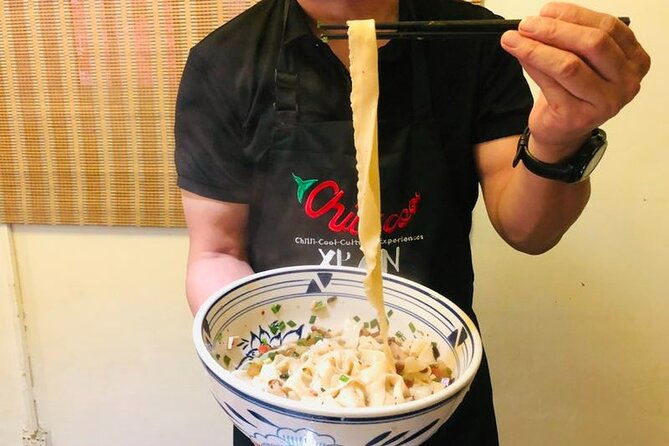
Biang biang noodles are an Xi’an specialty known for their broad shape and hand-pulled preparation. The class is built around learning that process from the dough stage through the finished bowl.
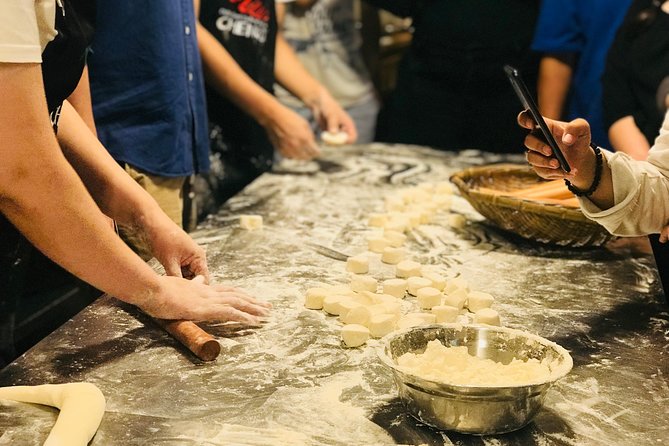
You will be guided by the chef through the cooking steps, including the technique of stretching and pulling the dough. This is the skill most likely to interest people who have tried making hand-pulled noodles at home and ended up with disappointing results.
The lesson is not only about getting the noodles onto a plate. It is about learning the movements and timing that make the dough workable. The exact amount of practice you get may depend on the group and instructor, so it is worth paying close attention and asking to repeat a step if needed.
Fiona has been praised for speaking very clear English, while Lily has been singled out for explaining Chinese spices and cuisine. Michael and Bruce have also led sessions described as enjoyable and effective. Since guides can vary, you should expect the personality and rhythm of the lesson to change somewhat from one departure to another.
The recipes are included, which is a real benefit. Noodle making is the sort of skill that becomes easier after several attempts, and written instructions give you a better chance of recreating the dish at home. You may still need practice, especially with dough texture and pulling, but the class gives you a workable starting point.
More Shopping Tours in Xi'an
- Mini Group Xian Day Tour to Terracotta Army, City Wall, Pagoda and Muslim Bazaar
★ 5.0 · 1,320 reviews - Xi’an: Terracotta Army, Lunch, City Wall, Pagoda, Bazaar
★ 5.0 · 72 reviews - Xi’an Morning Food & Market Tour by TukTuk
★ 5.0 · 46 reviews - Xi’an Muslim Quarter Night Market Foodie Walking Tour
★ 4.2 · 22 reviews
Eating what you have made
The final reward is lunch or dinner, depending on your class schedule. You eat the noodles you helped prepare, with tea and other included drinks. Beer, water, and additional beverages are listed as part of the experience.
This meal is important because it lets you judge the results immediately. You can see how the noodles feel after cooking, how the seasoning comes together, and how much difference the pulling technique makes. It also gives the class a relaxed finish rather than ending abruptly after the last demonstration.
The portions may be generous. One person described making far more noodles than expected, which suggests the cooking session is not built around a tiny tasting plate. That can be a plus if you want a proper meal, though people with small appetites may find the quantity more than they need.
Vegetarian participation is available if you request it at booking. You should also provide any other dietary requirements at that time. Do not wait until you arrive, since the ingredients and menu need to be arranged in advance.
What the $75 price includes
At $75 per person, this is not the cheapest way to eat noodles in Xi’an. You are paying for a three-and-a-half-hour experience that combines a guided market visit, instruction from a chef, ingredients, a meal, drinks, and recipes.
I think the value depends on what you want from the afternoon. If you only want to taste biang biang noodles, a local restaurant will cost much less and take far less time. If you want to understand the ingredients and learn the technique, the price is more reasonable because the meal is only one part of the package.
The included food and drinks keep the cost clearer. You do not need to buy ingredients for the class, pay separately for tea or beer, or find a second meal afterward. The recipe also adds lasting value for anyone who plans to cook at home.
The small-group format is another part of the calculation. A maximum of 15 people is not a private lesson, but it is more manageable than a very large food workshop. Group discounts may be available, which can help if you are booking for several people.
Timing, clothing, and practical details
The experience lasts about three hours and 30 minutes, though the description also presents it as a three to four-hour workshop. Choose from morning or afternoon sessions and leave enough space around it for the market walk, cooking, and meal.
You should wear comfortable walking shoes. The market portion requires movement, and the experience operates in different weather conditions, so dress appropriately for the forecast. The cancellation terms also allow for a change of date or full refund if poor weather affects the activity or if the minimum number of people is not reached.
Confirmation is provided at booking. The meeting and ending point are both Sa Jin Qiao, so you do not need to plan for a separate return transfer. The location is near public transportation, which helps when fitting the class into a day of sightseeing in Xi’an.
Mobile tickets are accepted. Free cancellation is available up to 24 hours before the start time. Changes or cancellations inside that window are not accepted for a refund.
Who will enjoy this Xi’an food experience
I would recommend this class to people who want more than a restaurant meal. It suits home cooks, food-focused visitors, and anyone curious about the link between a city’s market ingredients and its signature dish.
It is also a good choice for couples and small groups. The class gives you something to do together, and the meal at the end creates a natural finish. Beginners should be welcome because the lesson is designed around guidance from a professional chef, not prior noodle-making skill.
The experience may be less suitable if you need a private class, a fully equipped personal station, or a tightly controlled schedule. The home setting is part of its appeal, but it also means the class may not resemble a modern cooking school. Ask ahead about the exact format if individual practice is your main reason for booking.
It works well as a morning activity or an afternoon break from major sights. The market visit adds local context, while the cooking class gives you a focused task. You leave with a meal, recipes, and a technique you can keep practicing.
Should you book the biang biang noodle class?
Book it if you want to connect Xi’an’s food culture with a practical cooking lesson. The market, tea, chef’s home, hand-pulled noodles, and shared meal make this more useful than a simple tasting tour.
I would book with two questions in mind: how hands-on will your specific session be, and which guide is scheduled? Fiona, Lily, Michael, and Bruce have all been associated with well-received instruction, but the class format can vary.
Skip it if you only want a quick bowl of noodles or if you strongly prefer a private cooking station. For everyone else, especially home cooks and curious first-time visitors, this is a well-priced half-day way to meet Xi’an through one of its most famous dishes.
FAQ
Where does the Xi’an noodle cooking experience begin?
It begins at Sa Jin Qiao, also written as Sa Jin Bridge, in Lianhu District, Xi’an. The activity ends back at the meeting point.
How long does the experience last?
It lasts approximately three hours and 30 minutes. The workshop is also described as taking between three and four hours.
What does the market visit include?
You visit a local spice market in the Muslim Quarter, learn about Chinese spices and ingredients, and take part in fun challenges connected with the cooking lesson.
Is the cooking class held in a restaurant?
No. The class is held in a traditional Chinese chef’s home.
Are food and drinks included?
Yes. Ingredients, food tasting, recipes, lunch or dinner, tea, water, beer, and other beverages are included.
Can I choose a vegetarian option?
Yes. A vegetarian option is available, but you must request it when booking. You should also provide any other dietary requirements at that time.
How many people can join the group?
The maximum group size is 15 people.
Can I cancel for a full refund?
Yes. You can cancel at least 24 hours before the experience start time for a full refund. Changes or cancellations made less than 24 hours in advance are not accepted for a refund.
More Half-Day Trips in Xi'an
- Half-Day Mini Group Xian Tour to Terracotta Warriors Museum
★ 5.0 · 467 reviews - Private Half-Day Tour of Xi’an Terracotta Warriors
★ 5.0 · 201 reviews - All Inclusive Private Half-day tour to the Terracotta Warriors
★ 5.0 · 117 reviews - Private Half-Day Tour to the Terracotta Army in Xi’an
★ 5.0 · 76 reviews
Newly listed around Xi'an
- Xi’an: Terra-Cotta Warriors Entry with Optional Guide★ 4.0 · 18 reviews
- Authentic Old Xi’an Back Alley Food Tour★ 5.0 · 18 reviews
- 1-Day Terracotta Warriors Tour from Beijing/Chengdu/Shanghai★ 4.9 · 6 reviews
- 1 Day Beijing to Xi’an Terracotta Warriors Tour by Air★ 5.0 · 5 reviews
- Xi’an Xianyang Airport to Hotels:Private transfer with Meet & Great service★ 5.0 · 15 reviews
- Terracotta Army, Big Wild Goose Pagoda&City Wall Full Day Tour★ 4.5 · 47 reviews
- Xi’an: Tang Dynasty Music and Dance Show with Round Trip Transfer★ 4.4 · 8 reviews
- Authentic Old Xi’an Back Alley Food Tour★ 5.0 · 43 reviews
Cooking Classes, compared.
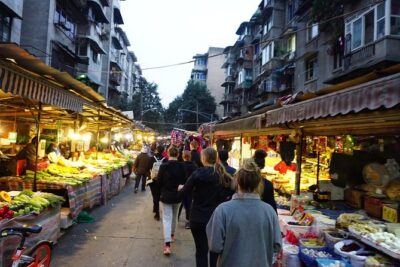
Half-Day Chengdu Cooking Class with a Local Market Visit
Read our review →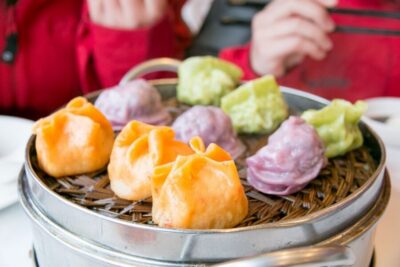
Great Tang Dynasty Night Show & Dumpling Meal Option
Read our review →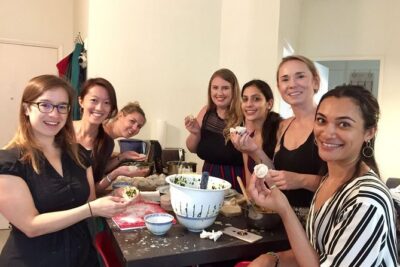
Organic Chinese Dumpling Class with Market Walk
Read our review →
Xi’an Tang Dynasty Show Ticket Optional Dumplings or Royal Dinner
Read our review →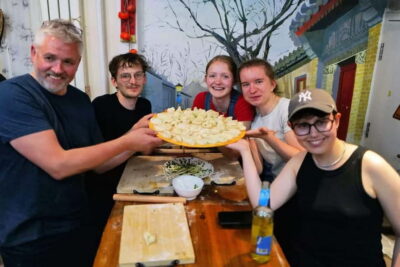
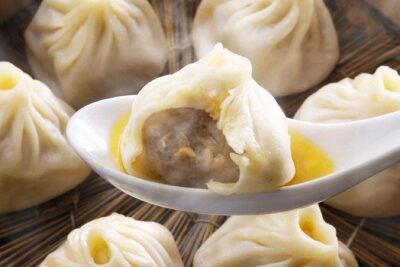
Organic Xiao Long Bao Soup Dumpling Class & Market Walk
Read our review →
Lijiang Naxi Cuisine Cooking Class & Market Visit
Read our review →
Browse the lists this tour appears in