
Reviewed · CRAFT & CULTURE WORKSHOPS
2-Hour Private Chinese Ink and Brush Painting Workshop in Shanghai
Chinese ink painting is less about filling a page and more about making each brushstroke count. In this private Shanghai workshop, you learn shui mo, the water-and-ink style used with brushes, rice paper, and traditional tools. An artist guides you through the basics, while a translator helps turn a quiet studio lesson into a useful cultural experience.
I like the one-group-only format, which lets the teacher adjust the pace for adults or children. I also like the practical finish: you do not just watch a demonstration, you take home your own painting. The main drawback is that the class is non-refundable, and the meeting details deserve care because the description refers to both the French Concession and a workshop in Pudong.
Key points at a glance
- Private instruction: Only your own group takes part, with space for questions and individual help.
- Traditional Four Treasures: You are introduced to ink, brushes, paper, and the ink stone before painting.
- Hotel pickup: Downtown Shanghai pickup and a local Didi transfer are included, but hotel drop-off is not.
- Personal artwork: You practice brush control and create a painting of flowers, bamboo, or an orchid to take home.
- Tea and translation: The class combines tea, conversation, and help from a local guide such as Eric, Lucy, or Sunny.
- Family-friendly pace: Children can participate when accompanied by an adult, and the teacher is able to work patiently with young students.
Why this Shanghai art class is different
Many short cultural activities give you a quick demonstration and a photo opportunity. This one puts a brush in your hand. That changes the feel of the experience. You have to think about pressure, water, ink, and the speed of your stroke instead of simply looking at finished art.
The subject is shui mo, often translated as water-and-ink painting. The method uses ink diluted with water on rice paper, creating dark, pale, dry, and flowing marks. It is a freestyle technique, but that does not mean random. The teacher shows you how a single stroke can suggest a petal, leaf, stem, or branch.
The workshop also introduces the Four Treasures of the Study: ink, brush, paper, and ink stone. These are not just props for a traditional setting. Each affects the result. The type of brush changes the line, the amount of water changes the shade, and rice paper responds quickly to pressure and moisture.
I find this useful because it gives you a better sense of why Chinese painting can look simple while being hard to control. A flower may use only a few marks, but those marks need to be placed with care. The class offers a gentle introduction without expecting you to arrive with art training.
More Craft Workshops in Shanghai
- Unlock Chinese Tea: Culture, Science, Tasting & Hands-on Brewing
★ 5.0 · 12 reviews - Zhujiajiao Water Town: Boat Ride, Opt for Hands-on Dumpling Meal
★ 5.0 · 7 reviews - Shanghai: Dragon Beard Candy Making with a Chef
★ 4.8 · 6 reviews
Pickup from downtown Shanghai and the ride to Pudong
Your local guide picks you up from a downtown Shanghai hotel. The included local Didi transfer takes you to the private artist workshop in a local community in Pudong. This is a practical benefit in a huge city, especially if you are not comfortable arranging a ride to an unfamiliar studio on your own.
Guides named in the experience include Eric, Lucy, and Sunny. Their role matters because the artist and the group may not share the same first language. Eric is described as translating throughout the lesson, while Lucy and Sunny are also noted for being friendly and helpful during pickup and class.
There is one detail I would confirm before booking: the description mentions a workshop in the French Concession in one place and a Pudong location elsewhere. The detailed itinerary identifies Pudong New Area, so you should check the exact pickup and studio address when your reservation is confirmed.
Pickup is offered from anywhere in downtown Shanghai, but hotel drop-off is not included. Plan your next activity with that in mind. After the class, you will need to arrange your own return, public transport, or taxi. The area is near public transportation, which gives you another option if you want to continue exploring.
Meeting the artist and learning the Four Treasures
At the studio, the class begins with an introduction to the materials. You learn about the brush, ink, paper, and ink stone, then see how they work together. This is a worthwhile part of the session because it gives context to the tools instead of treating them as decoration.
The teacher is described as a professional artist with a strong background in traditional art. Several teacher names appear in the experience details, including Ms. Zhang and Ms. Chang, so the exact instructor may vary. The class is presented as an artist-led lesson rather than a craft activity in a standard tourist venue.
Expect the instructor to demonstrate basic brush strokes before asking you to try them. Your translator can explain how to hold and move the brush, how much water to use, and how the brush changes from a fine line to a broader mark. Translation also helps with the less obvious parts of Chinese painting, such as balance, empty space, and the shape of a composition.
The private format is especially helpful here. In a large class, you might copy a sample without understanding why it works. With only your group present, the teacher can correct your grip or suggest a slower stroke. Parents have an additional reason to value this setup: the teacher is described as patient with children.
Painting flowers, bamboo, or an orchid
The final artwork depends on the class and your preference, but the available subjects include a peony, bamboo, and an orchid. These are useful choices for beginners because each teaches a different kind of brush control.
A peony gives you practice with rounded petals and layered shapes. Bamboo depends more on controlled lines and a confident rhythm. An orchid calls for lighter, more graceful marks. You may not produce a museum piece, but you will create something made with genuine Chinese tools and techniques.
The teacher guides you through the composition step by step. You might first practice individual lines or simple forms, then combine them into a finished image. The process encourages patience. If your first brushstroke goes wrong, you cannot simply erase it from rice paper, so you learn to accept small imperfections.
That is part of the pleasure. The class is not aimed at producing identical souvenirs. Your finished piece reflects your own hand, even when the teacher has provided the structure. The artwork is rolled or carried home as a personal reminder of Shanghai, though the supplied details do not specify packaging, so ask if you need special protection for a long journey.
Same base, a completely different kind of day out:
- Authentic Local Food Tour in Central Shanghai
★ 5.0 · 1,382 reviews - Zhujiajiao Water Town and Shanghai City Private Day Tour
★ 5.0 · 1,016 reviews - Private Shanghai Full Day City Tour with Old and New Highlights
★ 5.0 · 995 reviews - Shanghai: Hop-on Hop-off Bus Ticket and Optional Attractions
★ 3.4 · 692 reviews
Tea, conversation, and a slower side of Shanghai
Tea is part of the setting, giving the two-hour activity a calm rhythm. You paint, pause, listen, and try again. This is a welcome change from a packed sightseeing day built around landmarks and traffic.
The workshop also offers a direct connection with a local artist. You are not simply buying a painting from a shop. You are learning how the artist thinks about materials, brushwork, and composition. The translator can help explain the cultural ideas behind the images, though the amount of discussion will depend on your questions and the pace of your group.
I would come prepared to ask about the subjects you are painting. Why is bamboo treated differently from a flower? How does the artist use empty paper? What makes a brushstroke look lively? These questions can turn a pleasant lesson into a more meaningful cultural exchange.
The class is also a good option for your last day in Shanghai. It is calm, indoors, and leaves you with a small piece of art rather than another digital photo. It operates in all weather, but you should dress appropriately for the conditions during pickup and the ride to the studio.
How the two-hour schedule works
The stated duration is about two hours, although the description also says the class may last two to three hours. That small difference matters if you have a train, flight, dinner reservation, or timed attraction afterward. I would allow extra room rather than planning a tight connection.
A typical flow should include:
- Downtown hotel pickup by your local guide
- Didi transfer to the artist workshop in Pudong
- Introduction to the Four Treasures and traditional materials
- Demonstration of brush handling and basic strokes
- Guided practice with a flower, bamboo, or orchid
- Time to complete your own painting
- Tea and a final farewell to the teacher
The exact order can change. A private class is more flexible than a fixed group tour, and children or complete beginners may need more practice before starting the final artwork.
The experience is advertised as two hours, not as a full-day art course. You will receive a solid introduction, but you should not expect advanced instruction in several styles. The value comes from the combination of access, translation, materials, transport, and personal guidance within a short session.
Is $118 per person a fair price?
At $118 per person, this is not a bargain basement craft class. You are paying for a private experience, downtown pickup, a local Didi transfer, a translator-guide, an artist-led lesson, and the painting you make. For a couple or small family, that package can be worthwhile because the cost is attached to your own group rather than a crowded class.
The price makes more sense if you value convenience and personal attention. Getting to a private studio can be awkward when you do not speak Chinese, and a guide such as Eric, Lucy, or Sunny handles the transfer and communication. You also avoid spending time searching for an art school that accepts short-term visitors.
It is less convincing for a solo visitor who simply wants to try ink painting at the lowest possible cost. A public workshop or short museum activity could be cheaper, though it may not include hotel pickup, translation, or individual instruction.
Group discounts are offered, but the supplied details do not state the discount amount. If you are booking for several people, ask for the final group price before committing. Since the activity is private, it works best when everyone in your party wants to participate rather than when some people plan to watch only.
Who should book this workshop?
I would recommend it for couples, families, and small groups looking for a quiet cultural activity with something tangible at the end. It suits beginners because the teacher starts with tools and basic strokes instead of assuming previous experience.
It is especially good for parents. Children must be accompanied by an adult, and the instructor is described as kind and patient with young students. The private room means your family can work at its own pace without worrying about holding up a larger class.
It also fits anyone who prefers making something to collecting more photographs. The final painting is not a factory-made souvenir. Your technique may be uneven, but that is exactly what gives it a personal connection to your time in Shanghai.
I would be more cautious if you dislike hands-on activities, need a tightly timed itinerary, or expect a formal advanced art course. The class is introductory and relaxing. It is not designed to turn you into a trained painter in one afternoon.
Practical details before you reserve
Confirmation is sent within 48 hours of booking, subject to availability. Since pickup and the studio location matter, check the confirmed meeting details carefully and allow time for the transfer to Pudong.
Mobile tickets are available, and the workshop is near public transportation. Most people can participate, but children need an accompanying adult. The experience runs in all weather, so dress for the day rather than assuming the whole outing will take place indoors.
The cancellation rule is strict: the experience is non-refundable and cannot be changed for any reason. Do not book until your Shanghai schedule is firm. The activity provider is Sunny Private Tours.
Should you book the Chinese ink painting class?
Book it if you want a private, personal activity that combines art, tea, translation, and a finished souvenir. The strongest reasons are the patient one-on-one guidance, the chance to work with traditional materials, and the ease of downtown pickup.
Think twice if $118 feels high for a two-hour lesson or if you need a precise end time. Confirm the Pudong location, the teacher, the pickup point, and the expected duration before payment. For the right kind of afternoon, this is a thoughtful way to slow down in Shanghai and leave with something made by your own hand.
FAQ
How long does the Chinese ink painting workshop last?
The experience lasts about two hours, though the description also allows for a session of two to three hours. Allow extra time if you have another appointment afterward.
Where does the workshop take place?
The detailed itinerary places the artist workshop in Pudong New Area. One part of the description also refers to the French Concession, so confirm the exact studio location when your booking is confirmed.
Is hotel pickup included?
Yes. Pickup is offered from downtown Shanghai hotels, followed by a local Didi transfer to the workshop. Hotel drop-off is not included.
Is the class private?
Yes. Only your own group participates in the activity. This allows the instructor to give personal guidance and adjust the pace for your group.
What will I learn during the class?
You learn about the Four Treasures of Chinese painting: ink, brushes, paper, and the ink stone. The lesson also covers brush strokes, traditional materials, painting subjects, and the use of water and ink on rice paper.
What can I paint?
The available subjects include flowers, bamboo, and an orchid. A peony is also specifically mentioned as a possible finished painting.
Can children participate?
Yes. Children can take part, but they must be accompanied by an adult. The teacher is described as patient with children, and the private format allows more flexibility during practice.
Newly listed around Shanghai
- Amazing Shanghai Night Lights:River Cruise &Private Transfer★ 5.0 · 8 reviews
- All Inclusive Shanghai City Tour : Old and New Highlights★ 5.0 · 44 reviews
- All Inclusive Shanghai City Tour by German-Speaking Guide★ 5.0 · 4 reviews
- All-inclusive Half-day Private Tour To Zhujiajiao Water Town★ 5.0 · 10 reviews
- 4-Hour Shanghai City Private Tour by German-Speaking Guide★ 5.0 · 8 reviews
- 4-Hour Shanghai Best Garden and Temple Tour with Tea Tasting★ 4.9 · 7 reviews
- 4-Hour Private Shanghai Shopping Tour with Local Expert★ 5.0 · 5 reviews
- 2 Day Private Shanghai Skyline to Watertown & Suzhou Garden★ 5.0 · 3 reviews
Craft & Culture Workshops, compared.
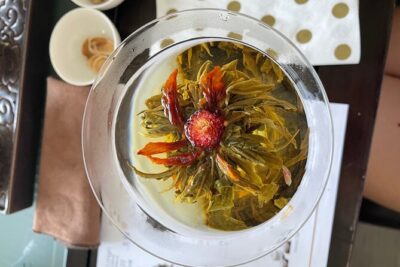

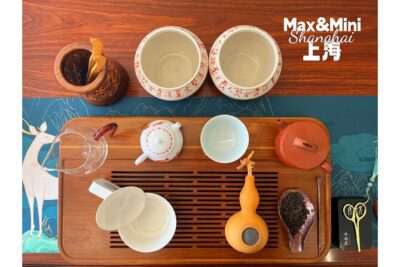
Unlock Chinese Tea: Culture, Science, Tasting & Hands-on Brewing
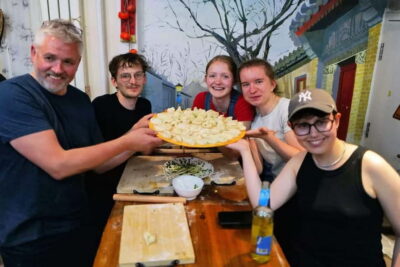
Read our review →Zhujiajiao Water Town: Boat Ride, Opt for Hands-on Dumpling Meal
Read our review →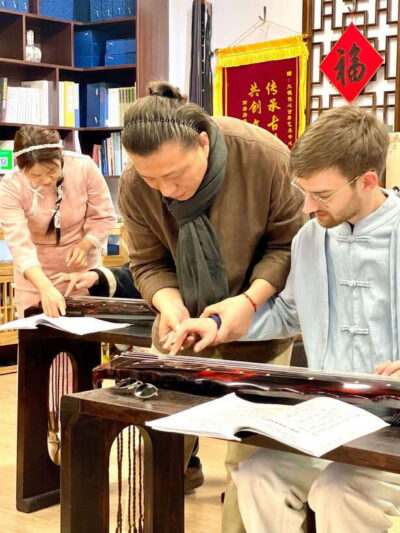
Beijing Hands-On Culture Tour: Tea, Instrument, Calligraphy
Read our review →
Browse the lists this tour appears in