
Reviewed · CRAFT & CULTURE WORKSHOPS
Shanghai: Dragon Beard Candy Making with a Chef
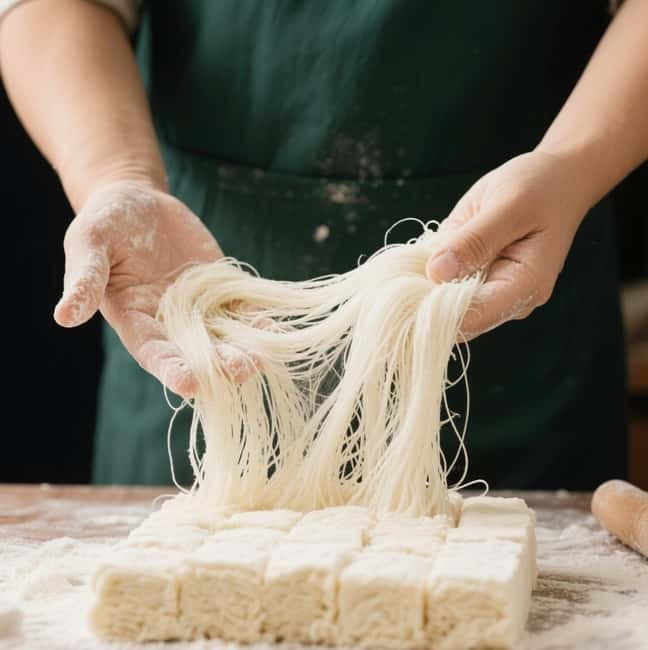
Shanghai’s Dragon Beard Candy is made by stretching sugar dough over and over until it forms thousands of fine threads. At Makerhub, chef Luc turns this ancient royal sweet into a hands-on two-hour class, combining traditional Chinese pastry with French technique learned at Le Cordon Bleu.
I like the clear cultural story and the chance to make something with your own hands, not just taste a finished snack. I also like the practical extras: ingredients and equipment are supplied, you take home additional pastries, and Luc shares a recipe. The main consideration is that this is a focused confectionery workshop, not a broad Shanghai food tour, and the candy-making process may require patience and careful handwork.
Key points to know before you book
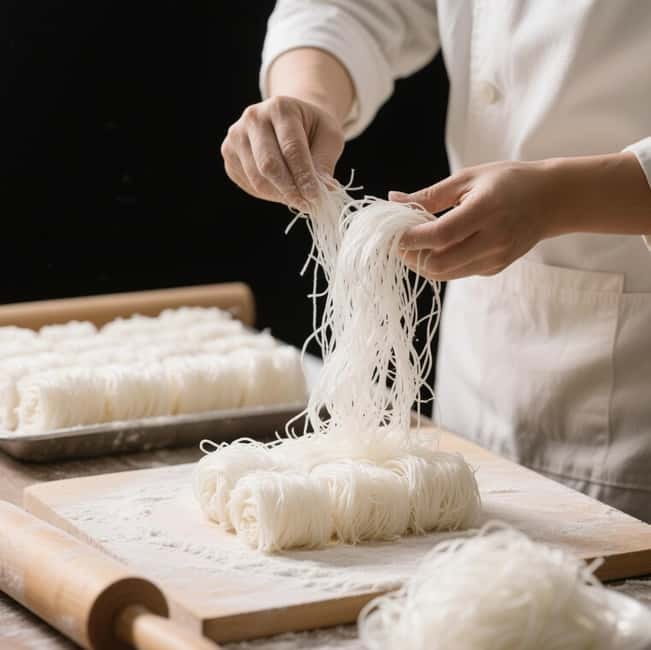
- You stretch sugar more than 10,000 times: The central task turns a warm sugar dough into delicate, hair-thin strands.
- Chef Luc teaches in English: He explains each stage, answers questions, and brings both Chinese pastry training and French patisserie skills.
- The filling is simple and traditional: Crushed peanuts, sesame, and coconut are wrapped inside the fine sugar threads.
- You get more than a snack: The price includes the workshop, ingredients, equipment, extra pastries, drinking water, and a home recipe.
- The class lasts two hours: That gives you enough time for history, demonstration, practice, and packing your finished sweets.
- The setting is accessible: The meeting point is on the fourth floor of Makerhub, and the activity is listed as wheelchair accessible.
Why Dragon Beard Candy makes a good Shanghai activity
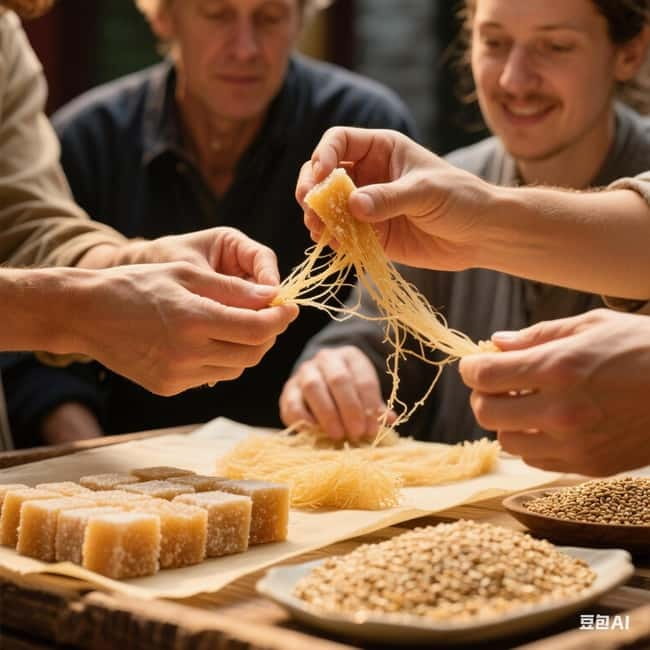
Many Shanghai food experiences ask you to eat. This one asks you to work. That difference matters. You see the candy change from a solid sugar mixture into something that looks almost like a nest of white silk, then learn how those strands hold a filling of peanuts, sesame, and coconut.
Dragon Beard Candy also gives you a small piece of Chinese food culture that can be easy to miss among Shanghai’s famous dumplings and noodle dishes. Its history reaches back about 2,000 years, and it was once associated with Chinese royalty. The class uses that story as an introduction, then quickly moves to the practical question every participant wants answered: how do you make the threads so fine?
I like this balance. The history is short enough to keep the class moving, while the demonstration gives the tradition a clear physical form. You are not only told that the sweet is old. You watch the technique that helped make it special.
The class also has an unusual blend of traditions. Luc has training in Chinese pastry and classical French patisserie from Le Cordon Bleu. That combination should appeal to anyone who likes the technical side of baking, since the workshop links careful pastry methods with an old Chinese confectionery art.
More Craft Workshops in Shanghai
- 2-Hour Private Chinese Ink and Brush Painting Workshop in Shanghai
★ 5.0 · 15 reviews - Unlock Chinese Tea: Culture, Science, Tasting & Hands-on Brewing
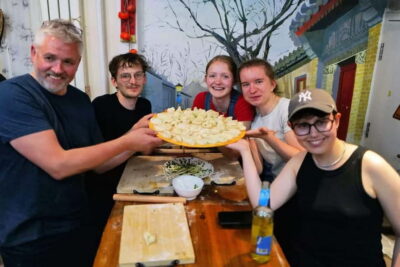
★ 5.0 · 12 reviews - Zhujiajiao Water Town: Boat Ride, Opt for Hands-on Dumpling Meal
★ 5.0 · 7 reviews
Meeting chef Luc at Makerhub
The meeting point is the fourth floor of Makerhub. The workshop is conducted in English, so you can ask questions and follow the steps without needing translation.
Luc is Shanghai born and raised, which gives the class a useful local connection. His role is not limited to showing you how to pull sugar. He can also add local suggestions to your time in the city. One participant specifically received recommendations for places to visit in Shanghai, a welcome extra when you are still planning your days.
The teaching style is meant to be encouraging and personal. Luc explains the process step by step and answers questions as they come up. That is important here because the central technique sounds simple but has a lot of repetition. You need to understand how to stretch, fold, and handle the sugar dough before the strands become too thin or break.
A professional pastry chef also changes the value of a workshop like this. You are not left to copy a quick demonstration and hope for the best. You receive guidance from someone trained in both Chinese and French pastry methods, with high-end ingredients and baking equipment provided.
The available information does not specify the group size, so you should not assume a private class or a tiny table. Still, the emphasis on personalized instruction suggests that Luc gives direct help during the making process.
The first part: a 2,000-year-old sweet
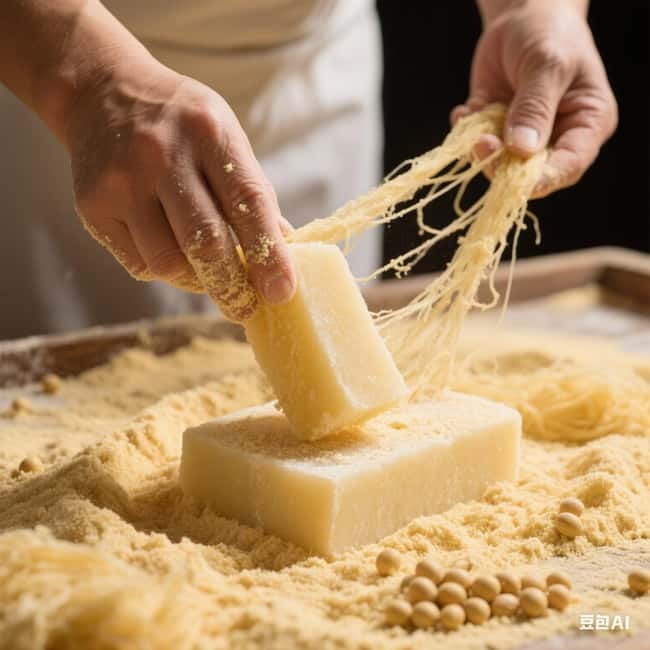
The class begins with a short story about Dragon Beard Candy. This introduction explains the confection’s long history and its earlier place as a delicacy for Chinese royalty.
That context gives the practical work more meaning. A sugar thread can look like a novelty until you learn that producing it depends on a traditional technique passed down over centuries. The candy is not simply sugar pulled into random strands. The process involves repeated stretching and folding to create a fine, even texture.
I appreciate that the history is paired with a demonstration rather than treated as a long lecture. You get enough background to understand what you are making, then see the method in action.
For families and first-time visitors, this is also a useful entry point into Chinese food culture. The candy is easy to understand visually, but the method is unusual enough to feel special. For people who already know Shanghai’s food scene, it offers something less familiar than the usual restaurant meal.
Watching molten sugar become fine threads
Next, Luc demonstrates how molten sugar becomes the thin strands associated with a dragon’s beard. This is the part where the technique becomes clear.
The sugar dough is stretched and folded repeatedly, with the total process reaching more than 10,000 pulls or folds. That number helps you understand why the finished strands are so fine. The texture does not come from a machine or a simple pour. It comes from controlled, repeated handwork.
The demonstration should help you see the target before you begin. You can watch how the dough is handled, how the strands form, and how the mixture changes as the process continues. You also get a better idea of the care needed before taking your own turn.
The main drawback is also obvious here: this is not a quick activity. If you dislike repetition or hands-on tasks that demand patience, you may find the sugar work tiring. The class is designed around the process, not just the final bite.
That said, repetition is part of the appeal. You are learning why the candy looks the way it does, not merely copying a finished shape. The work gives you a better sense of the skill behind a sweet that can look effortless when sold ready-made.
Same base, a completely different kind of day out:
- Authentic Local Food Tour in Central Shanghai
★ 5.0 · 1,382 reviews - Zhujiajiao Water Town and Shanghai City Private Day Tour
★ 5.0 · 1,016 reviews - Private Shanghai Full Day City Tour with Old and New Highlights
★ 5.0 · 995 reviews - Shanghai: Hop-on Hop-off Bus Ticket and Optional Attractions
★ 3.4 · 692 reviews
Making your own dragon’s beard
After the demonstration, you take over. Under Luc’s guidance, you stretch and fold the sugar dough, working toward threads as fine as hair.
This is where the class becomes more than a cooking demonstration. You have to pay attention to the dough, follow the technique, and adjust as Luc explains what to do. The activity gives you room to make the candy yourself while still having professional support nearby.
The supplied equipment and ingredients mean you do not need to arrive with baking tools. You can focus on the technique rather than sourcing materials or preparing a workstation.
I would wear comfortable clothing and arrive ready to work with your hands. The listing makes a light joke about professional pastry shoes, but no special chef footwear is included. You will not need professional shoes to take part, though the class is still a real workshop rather than a passive tasting.
The candy-making process may suit adults, families, couples, and older children who enjoy practical cultural activities. The provided information does not give a minimum age, so families should confirm that point before booking if it matters to them.
Filling the candy with peanuts, sesame, and coconut
Once the sugar has become a mass of fine strands, you wrap them around a filling of crushed peanuts, sesame, and coconut. This adds texture and flavor to what would otherwise be a very sweet confection.
The filling also makes the finished candy feel more like a complete pastry. The crisp or crumbly ingredients contrast with the delicate sugar threads, while the coconut and sesame add a distinctly East Asian flavor profile.
Anyone with a food allergy should ask about the ingredients before booking. Peanuts and sesame are specifically included, and the available information does not describe ingredient substitutions or allergy procedures.
The filling stage is likely one of the most satisfying parts of the class because the result finally looks like a finished treat. You can see the strands gathered around the center and understand how the separate steps fit together.
What you take home after two hours
Your handmade Dragon Beard Candy is not the only take-home item. The experience includes additional pastries, a recipe for making the candy at home, and optional photos of the baking experience.
The recipe is a useful touch. It extends the class beyond your time in Shanghai and gives you a way to try the technique again. You may need suitable equipment and ingredients at home, but the recipe gives you a starting point and helps preserve the method.
The extra pastries improve the value of the $38 price. You are paying for instruction and a cultural activity, but you also leave with edible results instead of only a memory or a brief tasting.
Free drinking water is provided during the class. That is a small detail, but it is practical during a two-hour hands-on session, especially when you are working around sugar and pastry.
Photos are optional. If you want a record of the experience, photos can capture the unusual stages of the candy-making process. If you prefer to keep your hands busy, you do not have to treat photography as part of the activity.
Is $38 a fair price?
At $38 per person, this is priced above a simple pastry purchase but below many full cooking classes or longer food activities. The value depends on how much you want from the experience.
You receive two hours of instruction from a professionally trained chef, all ingredients and equipment, a traditional Chinese pastry lesson, extra pastries, water, a home recipe, and optional photos. That is a solid package for someone who wants an activity rather than a quick snack.
The local and professional background also adds value. Luc is Shanghai born and raised, and his Le Cordon Bleu training gives the class a broader pastry angle. You are learning a specific local confection while also seeing how French pastry precision can inform the teaching.
The price may feel less worthwhile if you only want to taste Dragon Beard Candy or if you are looking for a broad food tour with several dishes. This workshop is narrow by design. Its strength is concentration on one unusual sweet.
I would consider it good value for visitors who enjoy food crafts, cultural traditions, and activities that produce something tangible. It is also a practical choice on a day when you want a planned indoor activity for two hours.
Who should book this workshop?
I would recommend it to you if you like learning by doing. The class rewards patience, curiosity, and a willingness to repeat a technique until the sugar begins to form the right texture.
It suits visitors who want a less predictable Shanghai food experience. Dumplings and street snacks are easy to find, but Dragon Beard Candy offers a different story and a more unusual making process.
It also works well for people interested in pastry. Luc’s background in Chinese pastry and classical French patisserie creates a useful bridge between two traditions. You do not need professional skills, but you should be prepared to listen carefully and handle the dough.
Families may enjoy the visual transformation and sweet final result, though the activity may be best for children who can follow step-by-step instructions. Couples and friends can treat it as a shared project, while solo visitors can use it as a chance to meet a local chef and ask about Shanghai.
You might skip it if you want a flexible drop-in tasting, a large city tour, or a class with many different dishes. This is a single-sweet workshop with a strong focus on technique.
Practical details that matter
The activity lasts two hours, and starting times depend on availability. That makes it easy to fit into a Shanghai itinerary, but you should check the schedule before arranging other plans around it.
The instructor speaks English. The activity is listed as wheelchair accessible, which is helpful for visitors who need an accessible option. The meeting point is on the fourth floor of Makerhub.
You can cancel up to 24 hours in advance for a full refund. You can also reserve now and pay later, which helps if your Shanghai schedule is still changing.
The experience has a 4.8 rating from six verified bookings. The strongest themes in the available feedback are Luc’s clear explanations, friendly teaching, strong English, and ability to answer questions. One participant also found the class fun, tasty, and useful for getting Shanghai sightseeing suggestions.
Should you book the Dragon Beard Candy class?
Book it if you want a hands-on Chinese food tradition rather than another restaurant stop. The class gives you a clear story, a striking demonstration, direct instruction, and sweets to take home.
The best reason to go is the combination of local context and pastry technique. Luc brings Shanghai roots and professional French training to a candy that dates back about 2,000 years. For $38, you receive a focused activity with plenty of edible results.
Skip it if repeated sugar work sounds tedious or if you want a wider tour of Shanghai cuisine. For everyone else, this is an original two-hour choice, especially on a day when you want to make something, not just photograph it.
FAQ
How long does the Dragon Beard Candy workshop last?
The workshop lasts two hours. It includes the history of the candy, a live demonstration, hands-on making, filling, and time to take your pastries home.
Where does the activity meet?
The meeting point is on the fourth floor of Makerhub.
Is the class taught in English?
Yes. The instructor speaks English, and the activity information lists English as the available language.
Who teaches the workshop?
The workshop is led by Luc, a Shanghai born and raised pastry chef with training in traditional Chinese pastry and classical French patisserie from Le Cordon Bleu.
What will I make during the class?
You will make Dragon Beard Candy by stretching and folding sugar dough into very fine strands, then wrapping the strands around crushed peanuts, sesame, and coconut.
Are ingredients and equipment included?
Yes. High-end ingredients and baking equipment are provided for the two-hour workshop.
Do I get anything to take home?
Yes. You take home your handmade treats and additional pastries. A recipe for making Dragon Beard Candy at home is also included.
Is the workshop wheelchair accessible?
Yes. The activity is listed as wheelchair accessible.
Can I cancel my booking?
You can cancel up to 24 hours in advance for a full refund. You can also reserve now and pay later.
Newly listed around Shanghai
- Amazing Shanghai Night Lights:River Cruise &Private Transfer★ 5.0 · 8 reviews
- All Inclusive Shanghai City Tour : Old and New Highlights★ 5.0 · 44 reviews
- All Inclusive Shanghai City Tour by German-Speaking Guide★ 5.0 · 4 reviews
- All-inclusive Half-day Private Tour To Zhujiajiao Water Town★ 5.0 · 10 reviews
- 4-Hour Shanghai City Private Tour by German-Speaking Guide★ 5.0 · 8 reviews
- 4-Hour Shanghai Best Garden and Temple Tour with Tea Tasting★ 4.9 · 7 reviews
- 4-Hour Private Shanghai Shopping Tour with Local Expert★ 5.0 · 5 reviews
- 2 Day Private Shanghai Skyline to Watertown & Suzhou Garden★ 5.0 · 3 reviews
Craft & Culture Workshops, compared.
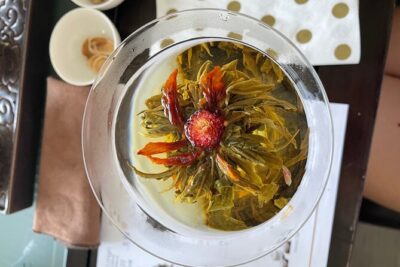

2-Hour Private Chinese Ink and Brush Painting Workshop in Shanghai
Read our review →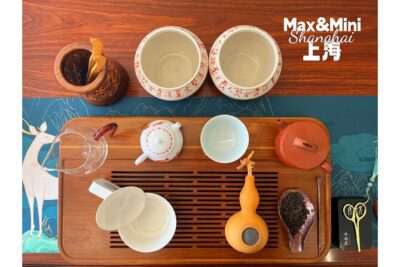
Unlock Chinese Tea: Culture, Science, Tasting & Hands-on Brewing
Read our review →Zhujiajiao Water Town: Boat Ride, Opt for Hands-on Dumpling Meal
Read our review →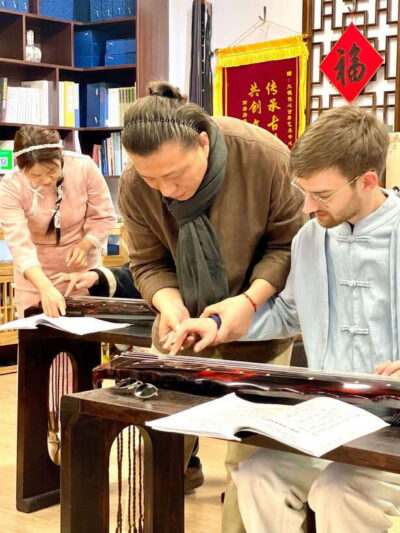
Beijing Hands-On Culture Tour: Tea, Instrument, Calligraphy
Read our review →Browse the lists this tour appears in