
Reviewed · MOGAO CAVES TOURS
3-Day Private Silk Road Tour of Dunhuang: Mogao Grottoes, Yulin Grottoes, Crescent Moon Pool
Dunhuang is where the Silk Road feels most real: not in a museum case, but in weathered passes, desert tracks, painted cave temples, and a spring tucked beside tall dunes. This private three-day tour brings those places together, including the Mogao Grottoes, Crescent Moon Spring, and the lesser-visited Yulin Caves.
I like the private transport, which keeps long desert drives cool and simple, and I like having lunch, bottled water, admissions, and hotel transfers built into the price. Guide Lily receives special praise for being attentive, explaining local culture, and pointing out local food. The main catch is distance: this is a busy three days, with several far-flung sites and early starts.
Key points to know before you book
- See two major cave complexes: Mogao Grottoes and Yulin Caves offer different windows into Buddhist art along the Silk Road.
- Reach remote Han frontier ruins: Yangguan Pass, Yumen Pass, the Han Dynasty wall, and Suoyang City are difficult to combine without private transport.
- Enjoy a door-to-door setup: Pickup and drop-off at your Dunhuang hotel remove much of the day-to-day hassle.
- Expect a full schedule: Three days cover a lot of ground, so this suits curious visitors who prefer depth and variety over a slow pace.
- Optional desert activities cost extra: Camel riding and the Silk Road Show at Crescent Moon Spring are not included.
- Plan around the rules: A passport is required, and dietary requests, including vegetarian meals, should be given when booking.
Why this private Dunhuang tour works
Dunhuang rewards planning. Its famous sites are spread across a broad area, and the best parts of the visit are not all in one direction. One day takes you toward the western Han frontier. Another joins the Mogao Caves with the desert. The third reaches Yulin Caves and Suoyang City.
That arrangement gives you a useful mix of art, archaeology, desert scenery, and Silk Road history. A standard group excursion may focus on only the headline attraction. Here, your private vehicle and guide let you cover places that are harder to arrange on your own.
The tour costs $799 per person. That is not a budget outing, but the price includes three days of private transportation, a local guide, hotel pickup and return, three lunches, bottled water, and admission to all listed attractions. For one person or a couple, the cost is substantial. For a small group, the private format and group discounts may make the value more attractive.
The private setup also matters in practical ways. You do not need to wait for a large coach at every stop, and you can ask your guide to explain details as you go. The tradeoff is that a private tour is only as flexible as the set schedule. You still have a packed route to cover.
More Mogao Caves Tours in Dunhuang:
Day 1: Yangguan Pass, Yumen Pass, and the Han frontier
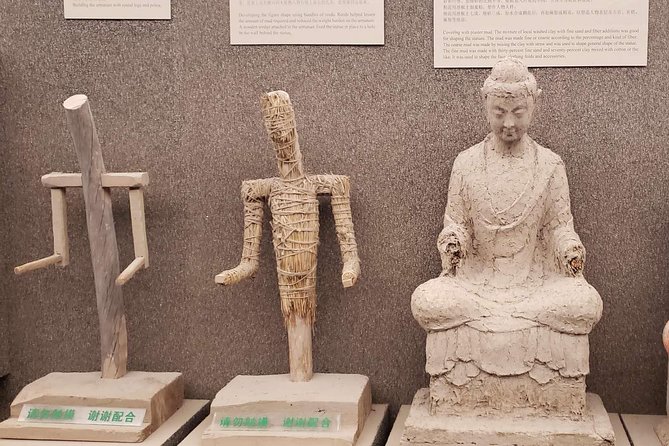
The first day takes you west into the old defensive zone of the Silk Road. At the Yangguan Pass Museum, you can build a basic picture of how the route worked and why this crossing mattered. The museum provides the background before you see the ruins and open desert around it.
Yangguan was one of the important gateways west of Dunhuang. Its role was tied to movement, trade, defense, and communication across a difficult frontier. The museum visit gives the dry remains more meaning. Without that context, a pass can look like little more than stones and empty ground.
Your guide is especially useful here. Ask questions about how the pass connected with the wider Silk Road and which parts of the site belong to the original Han period. With Lily, you can also expect attention to local culture and food, based on the praise she has received for those parts of the experience.
The day continues to Yumen Pass, also called Jade Gate Pass, and the nearby Great Wall of the Han Dynasty. The name Great Wall may bring to mind the familiar Ming walls near Beijing. This is a different sort of frontier work, linked to the Han Dynasty and built to help protect the route.
The attraction is not polished grandeur. It is the feeling of standing at a remote checkpoint where the state tried to control movement across a huge and demanding region. The wide setting helps you grasp the scale of the old route. You are not simply looking at a famous wall. You are seeing one piece of a network that supported soldiers, officials, merchants, and messengers.
Day 1 is likely to feel spacious and exposed. Bring water, sun protection, and comfortable shoes. Bottled water is included, but it is still smart to carry what you need between stops. The private air-conditioned vehicle provides welcome relief after time outside.
This is also the day that may feel least suited to anyone who wants constant visual drama. The museum, passes, and wall ruins need explanation. If you enjoy archaeology and the story of how borders worked, you will find the day rewarding. If you only want major monuments, the open sites may seem spare.
Day 2: Mogao Grottoes and the desert beside Crescent Moon Spring
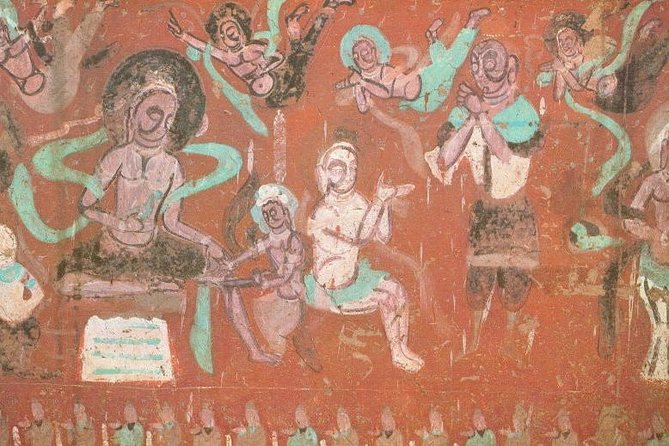
Day 2 brings the tour’s best-known attraction, the Mogao Grottoes. The complex includes 492 grottoes, about 45,000 square meters of murals, roughly 2,400 painted statues, and more than 250 residential caves. Those numbers hint at the scale, but they do not replace the experience of seeing the painted interiors and carved figures.
Mogao is one of China’s four major grotto complexes. Its importance comes from the combination of Buddhist art, changing artistic styles, and the many centuries during which the caves were used. The murals and statues connect Dunhuang with a much wider network of ideas and people moving along the Silk Road.
Your visit also includes the Digital Film Center. This part is useful because the cave complex is large and conservation matters. A film-based introduction can help you understand what you are about to see before entering the caves. It also gives you a clearer sense of the site as a whole rather than treating each cave as an isolated room.
Pay attention to the guide’s explanations. The details can be easy to miss: a painted figure, a change in style, or a scene that reflects contact between different regions. You will get more from Mogao if you ask questions instead of rushing from cave to cave.
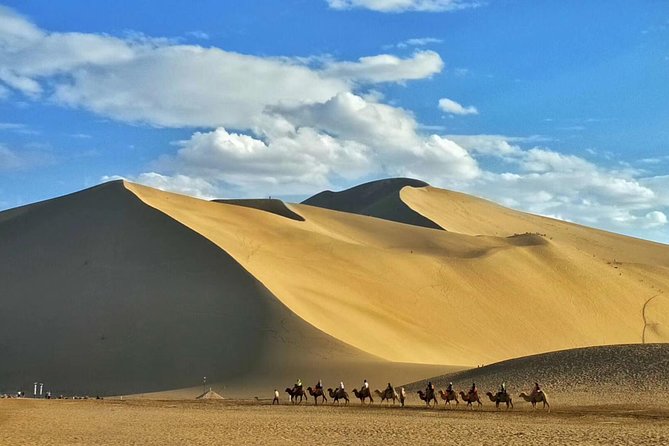
After lunch, the route changes mood completely. You visit Crescent Moon Spring and the Singing-Sand Dunes, where a crescent-shaped body of water sits beside high desert dunes. The contrast is the attraction. After the enclosed cave art, you are outside in open sand and bright light.
The desert stop is scenic, but it is also more active and more exposed. Wear shoes that can handle sand and bring sun protection. You may want to reserve energy for walking around the spring and dunes, since the area can feel demanding after a morning of concentrated sightseeing.
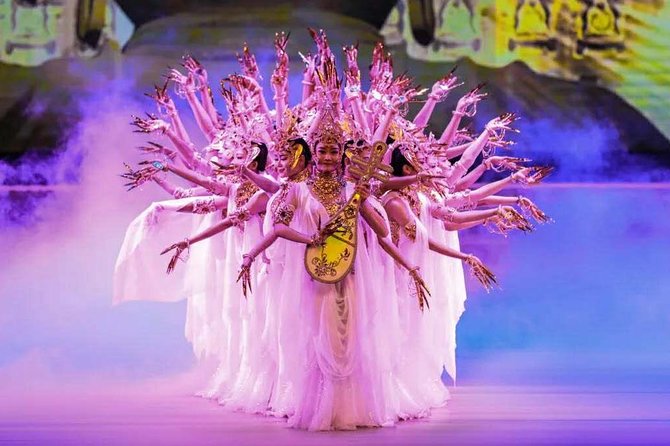
Camel riding is optional and costs extra. The Silk Road Show is also optional, so do not assume either activity is part of the $799 price. If you want to keep the day focused on the core sites, you can skip them. If you want a more theatrical or traditional desert experience, ask about the extra cost and timing before you commit.
This day is probably the emotional center of the tour. Mogao provides the art and historical weight. Crescent Moon Spring supplies the striking desert setting. Together, they show why Dunhuang is more than a stop for cave paintings.
Day 3: Yulin Caves and the ruins of Suoyang City
The final day takes you to Yulin Caves, often described as a sister site to Mogao. The connection is found in the content, artistic styles, and painting forms. If Mogao is the famous name, Yulin gives you another chance to look closely at the wider cave-art tradition around Dunhuang.
That comparison is valuable. You can ask your guide to point out similarities and differences between the two sites. The visit may also suit you if you prefer a quieter cultural stop after the major crowds and attention surrounding Mogao. The available information does not give a precise cave count or visit duration for Yulin, so expect the guide to shape the visit around the areas open that day.
After lunch, you continue to Suoyang City, a former Silk Road stop listed by UNESCO in 2015. The ruins help connect the cave temples and frontier passes with the practical side of long-distance travel. Routes needed cities, supply points, administration, and protection. Suoyang City represents that working side of the old network.
Do not expect a restored urban center. Ruins are the point here. The remains ask you to use your imagination, and your guide’s explanation becomes important. Look for the sense of scale and location rather than waiting for intact buildings or a polished presentation.
The final transfer returns you to your Dunhuang hotel. That hotel drop-off is a small but useful detail after a long day. You do not need to arrange a separate ride at the end of the tour, and you can finish the trip with your transport already handled.
More Silk Road Tours in Dunhuang:
- Private Customized the Silk Road Tour
★ 5.0 · 20 reviews - 8-Day Silk Road Trip of Dunhuang, Jiayuguan, Zhangye with Accommodation
★ 5.0 · 16 reviews - Classic The Silk Road Half Day Tour: The World Heritage –Mogao Grottoes
★ 4.5 · 3 reviews
What the private vehicle and guide add
Private air-conditioned transport is one of the strongest practical reasons to choose this tour. Dunhuang’s sites are spread out, and the route includes desert areas and remote ruins. Keeping your group in one vehicle means less waiting and a cooler place to recover between visits.
The tour is private, so only your group participates. That allows you to ask for explanations at your level. You can spend more time on art if that is your interest, or focus on military sites, local culture, and food if those subjects matter more to you.
Guide Lily is specifically praised for being attentive and informative. She is also noted for showing local culture and eats. If she is assigned to your group, ask her for help understanding the food included at lunch and for suggestions about local specialties. Guide assignments can vary, so the experience should not be booked on the assumption that Lily is guaranteed.
Lunch is included each day. This saves time and removes the need to search for a restaurant during a tightly arranged schedule. Vegetarian meals are available, but you need to state that requirement when booking. The same applies to other dietary needs.
Alcohol is not included, though it can be purchased separately. The tour also requires passport details for every participant at booking, and you must carry a current valid passport on the day.
Who will get the most from the $799 price
I see the strongest value for a small private group that wants to cover Dunhuang efficiently. The more people sharing the private vehicle, the easier it is to justify the per-person price, especially with group discounts available.
The price also saves you from piecing together separate admissions, guides, transfers, and meals. That convenience has real value in a place where sites are scattered and some visits require advance planning. You are paying for access, transport, and time saved, not just for a list of attractions.
For a solo visitor on a tight budget, $799 is a serious expense. You may prefer a shorter tour or shared transport if available. For someone with only three days in Dunhuang, though, the route is ambitious and practical. It includes the headline cave complex plus sites that are easy to miss without local arrangements.
The schedule suits people who like full days and clear plans. It is less suitable if you want long unscheduled breaks, leisurely meals, or a slow pace. The desert and frontier stops also require tolerance for heat, distance, and simple ruins.
The current rating is 4.9 from 11 responses, with 100 percent recommending the experience. The strongest praise centers on Lily’s attention, explanations, and local food guidance. That is encouraging, but it is still a small sample. Treat the guide quality as a major potential strength, not an absolute guarantee.
Small details that make the booking easier
The tour starts at 8:30 a.m. and includes hotel pickup and drop-off in Dunhuang. Most people can participate, and children must be accompanied by an adult.
Confirmation is normally sent when you book. If you reserve within six hours of departure, confirmation comes as soon as possible and depends on availability. Give the operator your passport name, number, expiry date, and country for all participants.
You can cancel for a full refund up to 24 hours before the start time. Inside that window, the payment is not refunded, and changes are not accepted. The cutoff follows local time.
Should you book this Dunhuang tour?
Book it if you want Dunhuang’s major cave art, desert sights, Han frontier remains, and Silk Road ruins in one well-organized private trip. The included meals, admissions, transport, and hotel service make the arrangement easy, while the private guide gives the sites more meaning.
Think twice if your priority is low cost or a relaxed pace. Three days cover a lot of ground, and $799 per person is best justified by a small group that values comfort and efficiency.
For a first visit to Dunhuang, I would choose this tour when time is limited and the remote sites matter to you. The key question is simple: do you want a broad, carefully arranged look at the region, or only Mogao and the dunes? If you want the fuller Silk Road picture, this is the stronger choice.
FAQ
How long is the tour?
The experience lasts approximately three days.
What time does the tour start?
Pickup begins at 8:30 a.m.
Is hotel pickup and drop-off included?
Yes. Pickup and drop-off at your Dunhuang hotel are included.
Is this a private tour?
Yes. Only your group participates in the activity.
What attractions are included?
The tour visits Yangguan Pass and its museum, Yumen Pass, the Great Wall of the Han Dynasty, Mogao Grottoes, the Digital Film Center, Crescent Moon Spring, the Singing-Sand Dunes, Yulin Caves, and the ruins of Suoyang City.
Are meals included?
Yes. Three lunches are included, one for each day.
Is vegetarian food available?
Yes. A vegetarian option is available, but you should advise the provider when booking. You should also provide any other dietary requirements in advance.
Are camel riding and the Silk Road Show included?
No. Camel riding and the Silk Road Show at Crescent Moon Spring are optional activities and are not included in the stated tour price.
What happens if I need to cancel?
You can receive a full refund if you cancel at least 24 hours before the experience start time. Cancellations or changes made within 24 hours are not accepted and are not refunded.
More Three-Day Trips from Dunhuang
- Beijing: All Inclusive 3-Day Top Highlights Private Tour
★ 5.0 · 259 reviews - 3-Day Yellow Mountains, Hongcun Village and Tunxi Ancient Street Private Tour
★ 5.0 · 75 reviews - 3-Day Private Zhangjiajie Discovery Tour with Glass Bridge
★ 5.0 · 67 reviews - 3-Day Private Beijing Tour with Airport Transfer
★ 5.0 · 50 reviews
Newly listed around Dunhuang
- Your Private Gold Medal Tour Guide Service★ 5.0 · 3 reviews
- Dunhuang Private Day Tour Mogao Grottoes, Singing Dunes and Crescent Moon Spring★ 4.5 · 6 reviews
- 8-Day Silk Road Trip of Dunhuang, Jiayuguan, Zhangye with Accommodation★ 5.0 · 16 reviews
- Classic The Silk Road Half Day Tour: The World Heritage –Mogao Grottoes★ 4.5 · 3 reviews
- Dunhuang Private Silk Road Day Tour: Mogao Caves, Crescent Spring★ 4.5 · 7 reviews
- Private Customized the Silk Road Tour★ 5.0 · 20 reviews
- Dunhuang Day Tour: Mogao Grottoes, Singing Sand Dunes and The Silk Road Show★ 5.0 · 4 reviews
Mogao Caves Tours, compared.
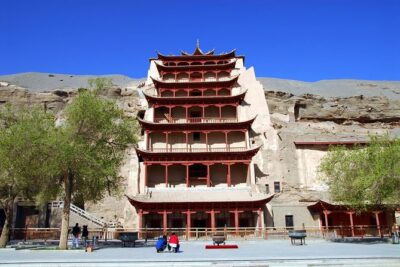
Dunhuang Private Silk Road Day Tour: Mogao Caves, Crescent Spring
Read our review →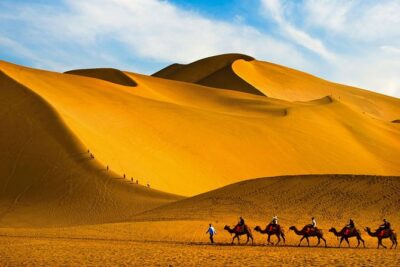
Dunhuang Private Day Tour Mogao Grottoes, Singing Dunes and Crescent Moon Spring
Read our review →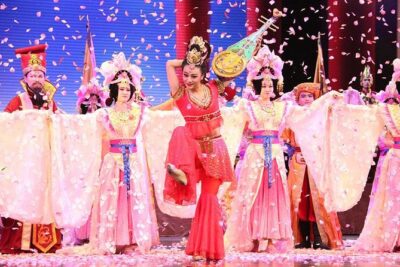
Dunhuang Day Tour: Mogao Grottoes, Singing Sand Dunes and The Silk Road Show
Read our review →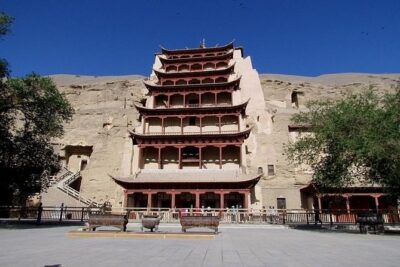
Classic The Silk Road Half Day Tour: The World Heritage –Mogao Grottoes
Read our review →Browse the lists this tour appears in