
Reviewed · COOKING CLASSES
Half-Day Sichuan Cooking Class Experience in Chengdu
Chengdu’s Sichuan cooking is all about balance: heat, sweetness, sourness, salt, aroma, and the famous tingle of Sichuan pepper. This small-group cooking class takes you beyond ordering Kung Pao chicken and lets you handle the wok, fold dumplings, and sit down to eat what you have made.
I like the hands-on format and the chance to cook four dishes rather than watch a demonstration from the sidelines. I also like the intimate size, with a maximum of five people and the possibility of a private lesson if no one else books that day. The main caution is that English ability can vary, so you may receive clear cooking guidance without a long explanation of Sichuan food culture.
Key points to know before booking
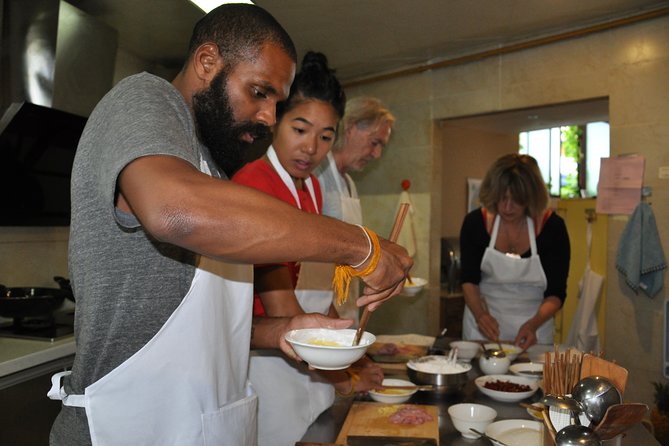
- Four dishes in about four hours: Expect cooking and eating to fill most of the session, with recipes provided afterward.
- A very small group: The class has a maximum of five people, and some departures have been private.
- Hotel pickup at 4:00 pm: Transport to and from your Chengdu hotel is included, though the driver may speak little English.
- A practical home-cooking lesson: You learn usable methods rather than restaurant theatrics.
- Request a different dish: Ask in the Special Requirements box when booking, but substitutions are not guaranteed.
- Dinner is included: You eat the dishes as they are completed, so arrive hungry.
What this Chengdu cooking class is really like
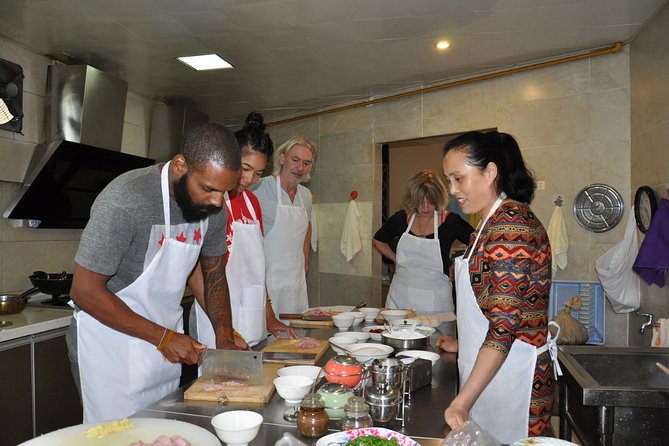
This is not a polished television-style cooking studio. You may cook in a modest guesthouse kitchen, family-run cafe, hostel kitchen, or, for a very small booking, the chef’s home. That setting is part of the appeal. You see how Sichuan food is prepared in a working kitchen, with ordinary equipment and a practical rhythm.
The exact setting can change, so you should not book this expecting a grand culinary school. The spaces described are simple but clean, and the small size gives you room to work. For me, that matters more than fancy counters. You are there to chop, stir, fold, taste, and learn how the food comes together.
The session begins with pickup from your Chengdu hotel around 4:00 pm. You travel with the guide or driver to the cooking venue, put on a chef’s hat, and meet the local chef. The transfer is included in the price, but communication during the ride may be limited if the driver speaks little English.
Once inside, the chef introduces the ingredients, cooking methods, and flavor combinations used in Sichuan food. The depth of this explanation depends heavily on the chef assigned to your class. Some instructors speak good English and answer questions in detail. Others use only basic English, gestures, demonstrations, or help from a translator.
That variation is worth understanding before you book. If you want a serious lesson in regional food history, pepper varieties, or the chemistry of chili oil, this may feel light. If you want to see how the dishes are made and leave able to repeat them, the format works better.
More Cooking Classes in Chengdu
- Half-Day Chengdu Cooking Class with a Local Market Visit
★ 5.0 · 465 reviews - Chengdu: Cooking Class with Fresh Market Half Day Experience
★ 5.0 · 42 reviews - Half-Day steamed Buns Cooking Class with a Local Market Visit
★ 5.0 · 26 reviews
Four dishes, from Kung Pao chicken to dumplings
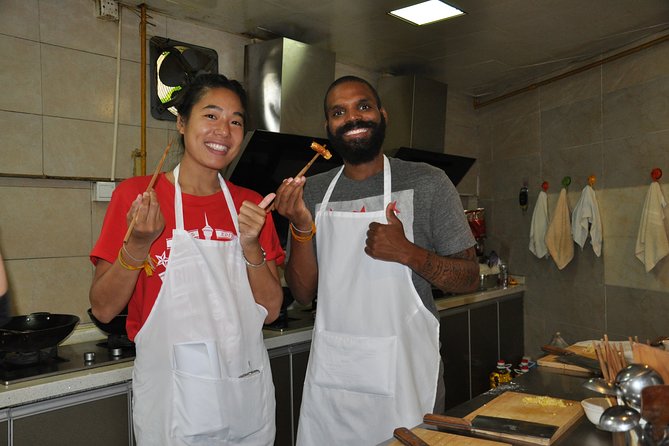
The standard menu includes four Sichuan or Chinese dishes:
- Kung Pao chicken
- Sweet and sour pork
- Sichuan-style fish-flavored eggplant
- Steamed dumplings
The phrase fish-flavored eggplant can be confusing. It does not mean that the dish contains fish. It refers to a classic Sichuan flavor profile, usually built from ingredients that create a savory, spicy, sweet, and sour taste. The class gives you a chance to understand that balance through your own cooking rather than simply tasting it at a restaurant.
Kung Pao chicken is a useful dish for learning how Sichuan cooking handles contrast. You work with savory seasoning, heat, sweetness, and texture. The sweet and sour pork in this class is described as a more balanced version rather than the heavy, sugary style often served outside China.
Dumplings add a different kind of work. You handle the filling and learn to fold the wrappers, which makes this part especially appealing for families and couples. It is also a good change of pace after stir-frying. You might start with familiar dishes and then take on more detailed tasks such as dumpling folding.
The chef demonstrates each recipe, then you repeat the steps. This makes the lesson approachable even if your cooking experience is limited. One useful benefit is that you can watch the timing, heat, and texture closely, details that are difficult to learn from a recipe card alone.
The menu is not fixed in every case. You can request another Sichuan dish in advance through the Special Requirements box. The chef will try to accommodate you, but the change is not guaranteed. If you have already learned Kung Pao chicken elsewhere, ask about replacing it before the class. Past classes have included mapo tofu, twice-cooked pork, dandan noodles, pork ribs with potatoes, bean curd in XO sauce, and shrimp dumplings.
Why the five-person limit matters
A maximum of five participants is one of the strongest features here. In a large class, you may spend more time watching other people cook than holding the knife yourself. This format gives you a better chance to ask questions, repeat the technique, and receive corrections.
The class can become even more personal when only one or two people book. Private or nearly private sessions have included couples, solo participants, and a parent cooking with two teenage sons. That arrangement is useful if you want to set the pace or request a menu change.
There is a tradeoff. A tiny class can feel less formal, and the venue may be a chef’s home or a small cafe kitchen rather than a purpose-built school. You should see this as a local cooking lesson, not a luxury food experience.
The relaxed setting also makes the meal more social. Once the cooking is finished, you sit down with the other participants and eat the dishes you prepared. This is dinner, not just a sample plate. If you enjoy talking over food, the small group works in your favor.
The English question deserves attention
The experience information describes a local English-speaking chef, but the actual level of spoken English can vary. Some classes have had instructors with very good English. In other sessions, the chef spoke only a few words and relied on demonstrations or a helper.
That does not make the class impossible. Cooking is visual, and the basic actions are easy to follow when the chef shows you what to do. You can also learn a great deal by watching how the ingredients are prepared and how the food changes in the pan.
Still, I would not choose this class if detailed verbal instruction is your top priority. Ask questions at booking if you need specific language support, and be ready for a lesson where the demonstration carries more weight than conversation.
This is also why the class suits curious, flexible cooks. You will get more from it if you enjoy figuring things out, watching closely, and trying the technique yourself. Families with teenagers may find the challenge level manageable, while experienced cooks can request less familiar dishes.
Same base, a completely different kind of day out:
- Chengdu: Giant Panda Breeding Research Base Ticket
★ 4.5 · 580 reviews - Tuktuk Food Tour Through Chengdu’s Local Eats
★ 5.0 · 435 reviews - Private Half-Day Chengdu Panda Breeding Center Tour with Optional Volunteer
★ 5.0 · 353 reviews - Chengdu: Sichuan Opera Shu Feng Yan Yun Evening Show Ticket
★ 4.7 · 185 reviews
From market visit to home-style kitchen
One reported format included a market visit before cooking, giving the group a chance to see the ingredients firsthand. The standard description does not promise a market stop, so you should treat that as a possible variation rather than a scheduled part of every class.
The main experience remains the kitchen session. Some classes take place in a guesthouse cafe or hostel kitchen, while others happen in a family-run cafe or the chef’s home. These locations help you see a more ordinary side of Chengdu food preparation, but they also mean the facilities and atmosphere can differ from one booking to another.
The cooking itself is home-style rather than complicated restaurant cuisine. That is good news if your goal is to recreate the dishes after returning home. Several recipes are described as simple enough to follow, and the class provides English recipe cards so you can practice later.
If you have cooked many formal classes, you may find the recipes basic. If you are new to Chinese cooking, that simplicity is a strength. The class focuses on dishes you can reasonably attempt again, rather than techniques that require specialist equipment.
Dinner timing and what to eat beforehand
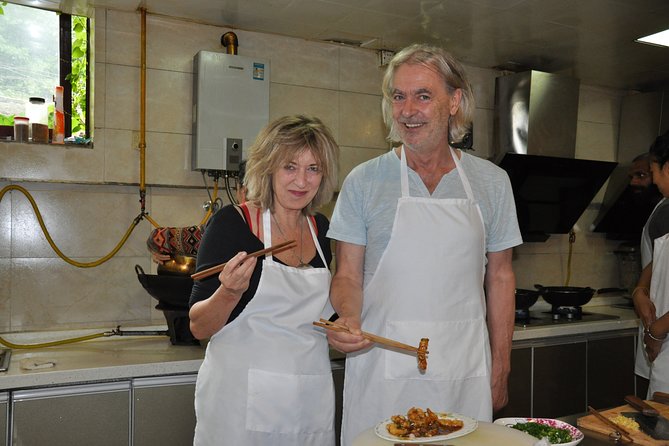
The class begins at 4:00 pm and lasts about four hours, though the duration depends on the number of participants. You cook and eat during the session, with dishes often served as they are completed.
That timing makes the experience a practical dinner activity. You do not need to arrange a separate evening meal afterward. You should also avoid arriving after a heavy meal, since you will be eating the results throughout the class.
The included dinner adds real value to the price. You are not paying only for instruction and ingredients. You also receive transport, a shared meal, recipe cards, and a small-group format. That makes the $83.99 cost easier to justify for visitors who want both a food activity and dinner.
It is still a fairly high price compared with simply eating in Chengdu. The value comes from access to the kitchen, the personal attention, and the chance to reproduce the food at home. If you only want a cheap meal, this is not the right choice. If you want a practical activity that replaces dinner and gives you a skill to take home, it becomes more attractive.
Hotel pickup makes the evening easier
Hotel pickup and drop-off are included, which is useful in Chengdu if you are unfamiliar with the city or if the venue changes. You do not need to locate a small kitchen on your own, and the return journey is arranged after the meal.
The pickup is listed for 4:00 pm. Be ready in the hotel lobby and allow a little flexibility, since the course length depends on group size. The driver may not provide much English commentary, so keep your booking details and destination information available.
The venue is near public transportation, giving you another option if you prefer to make your own way. The tour also offers a mobile ticket and confirmation at booking. Cancellation is free if you cancel at least 24 hours before the local start time. Changes or cancellations inside that window are not refunded.
Recipes you can actually use later
The recipe cards are one of the most useful takeaways. You do not just leave with a full stomach and a few photographs. You have written instructions for the dishes prepared in class.
That matters because Sichuan cooking can look simple while hiding small timing details. When should the sauce go in? How much heat is enough? How do you keep dumpling filling from escaping? A recipe card will not replace the chef’s demonstration, but it gives you a useful reminder once you are back home.
The class is especially worthwhile if you plan to cook for friends or family after your trip. The recipes are intended to be repeated, and the dishes are familiar enough to serve to people who may not know Sichuan food well.
The limitation is that recipe cards cannot guarantee every ingredient will be easy to find at home. The supplied information does not specify ingredient substitutions, so you may need to adapt depending on what is available where you live.
Who should book this experience?
I would recommend this class to you if you fit one or more of these descriptions:
- You want a social Chengdu activity beyond sightseeing.
- You enjoy eating and want to understand how local dishes are made.
- You prefer a small group to a large demonstration.
- You are comfortable with a simple, local kitchen.
- You want recipes you can try again at home.
- You are traveling with teenagers who enjoy hands-on activities.
- You would like to request a specific Sichuan dish.
It is less suitable if you require a polished cooking school, a guaranteed English lecture, or advanced culinary training. The menu is practical and home-style. The quality of the lesson depends partly on the individual chef and the language support available that day.
The overall rating is 4.2 out of 5 from 17 reviews, which fits the experience well. The strongest praise centers on the friendly staff, tasty food, personal attention, easy-to-follow recipes, and small groups. The weaker points involve basic instruction, limited English, simple kitchens, and the relatively high price.
Should you book the Sichuan cooking class?
Book it if you want to cook, eat, and meet a local chef in a small setting. The combination of hotel pickup, dinner, four dishes, and recipe cards gives the experience a solid practical purpose.
Before paying, decide what kind of cooking class you want. If you want an intimate, hands-on introduction to home-style Sichuan food, this is a good fit. If you want detailed cultural background, advanced technique, or guaranteed fluent English instruction, choose with more caution.
I would also request your preferred dish in advance, especially if Kung Pao chicken is already familiar to you. Arrive hungry, keep your schedule flexible, and treat the kitchen setting as part of the local experience rather than a flaw. For many visitors, the best souvenir here is not a photograph. It is the ability to make a proper Sichuan dish after returning home.
FAQ
How long does the Chengdu cooking class last?
The class lasts about four hours. The exact duration depends on the number of participants.
What time does the experience start?
The listed start time is 4:00 pm.
Is hotel transportation included?
Yes. Hotel pickup and drop-off are included.
How many people can join the class?
The activity has a maximum of five participants.
Which dishes are normally prepared?
The usual dishes are Kung Pao chicken, sweet and sour pork, fish-flavored eggplant, and steamed dumplings.
Can I request a different Sichuan dish?
Yes. You can request another dish in the Special Requirements box when booking. The chef will try to accommodate the request, but it cannot be guaranteed.
More Half-Day Trips in Chengdu
- Half-Day Chengdu Back Alley Foodie Tour
★ 5.0 · 58 reviews - Half-Day Professional Mapo Tofu Cooking with a Local Market Visit
★ 5.0 · 19 reviews - Chengdu panda base half day tour
★ 5.0 · 17 reviews - Chengdu: Panda Base Leshan Buddha Tour(or Half Day Panda Base )
★ 5.0 · 16 reviews
Newly listed around Chengdu
- Private Chengdu Highlights Day Trip: Panda Base and City from Chongqing by Train★ 4.5 · 9 reviews
- Huanglong Scenic Spot Admission Ticket★ 4.5 · 4 reviews
- Visiting Chengdu Panda Base in a Half Day★ 5.0 · 4 reviews
- Panda, Leshan, and Emei Mountain 2-day tour★ 5.0 · 4 reviews
- Classsic sichuan Opera at sichuan Provincial Theater★ 5.0 · 4 reviews
- Tea Village in lost Town and Buddha 1 day tour★ 5.0 · 32 reviews
- Mini Group: Half-Day Chengdu Pandas Guided Tour★ 5.0 · 3 reviews
- Sichuan Opera Show with Hotel Pickup★ 5.0 · 3 reviews
Cooking Classes, compared.
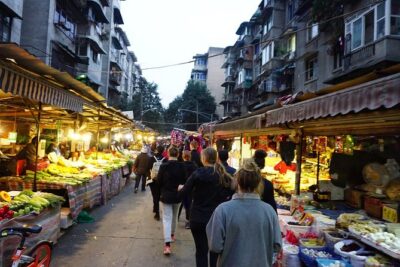
Half-Day Chengdu Cooking Class with a Local Market Visit
Read our review →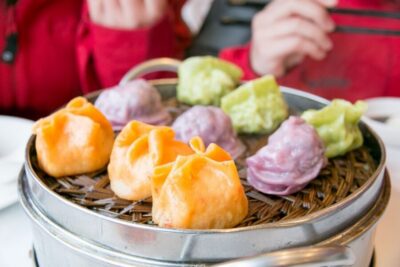
Great Tang Dynasty Night Show & Dumpling Meal Option
Read our review →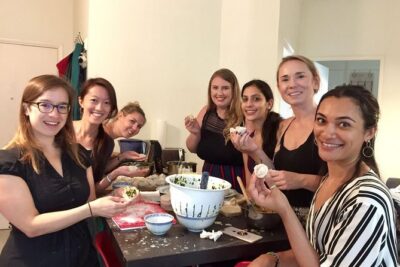
Organic Chinese Dumpling Class with Market Walk
Read our review →
Xi’an Tang Dynasty Show Ticket Optional Dumplings or Royal Dinner
Read our review →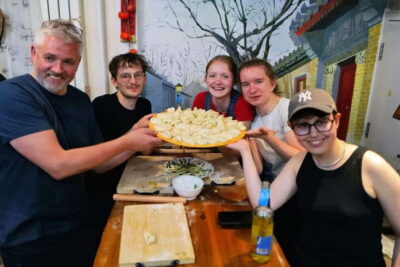
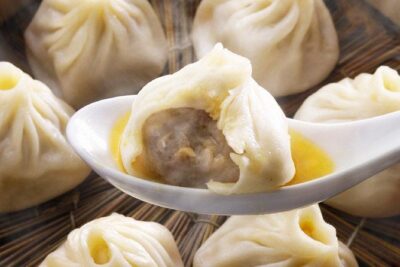
Organic Xiao Long Bao Soup Dumpling Class & Market Walk
Read our review →
Lijiang Naxi Cuisine Cooking Class & Market Visit
Read our review →
Half-Day Xi’an Biang Biang Noodles Cooking with a Market Visit
Read our review →Browse the lists this tour appears in