
Reviewed · COOKING CLASSES
Half-Day Chengdu Cooking Class with a Local Market Visit
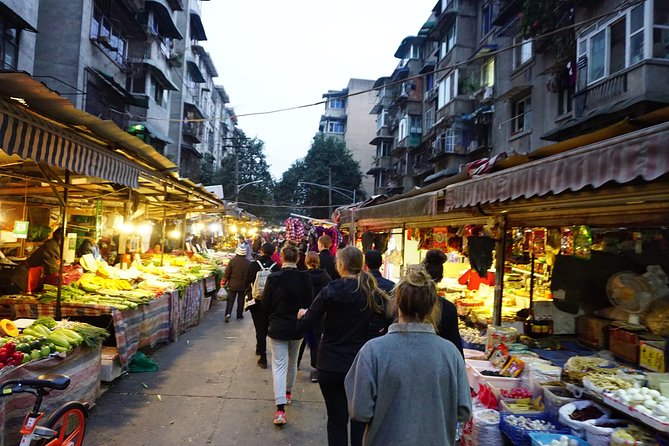
Sichuan cooking makes the best case for learning by doing, and this four-hour experience takes you from a local market to a wok. You’ll inspect unfamiliar vegetables, smell the famous spices, try small tastings, and then use those ingredients in a working kitchen with a chef and English-speaking guide.
I especially like the market-to-table format and the chance to cook dishes such as mapo tofu, kung pao chicken, twice-cooked pork, stir-fried cabbage, and cucumber salad. I also like that Lance, Jerry, and other Chilli Cool hosts do more than translate instructions. They explain local food customs, help you ask questions, and make room for vegetarian versions.
The main thing to consider is the pace. Four hours goes quickly once you add the market, tea, food preparation, cooking, and meal. If you want a long, quiet chef lesson or a carefully fixed menu, this may feel busy. The menu can also vary, so confirm dietary needs when you book.
Key points at a glance
- Start at Liangjiaxiang market: Walk through a real neighborhood market in Chengdu’s Jinniu District and learn how Sichuan ingredients are chosen and used.
- Meet an English-speaking host: Lance and Jerry are among the guides named in the experience, with translation and local food explanations built into the visit.
- Cook several Sichuan dishes: Classes have included mapo tofu, kung pao chicken, twice-cooked pork, dumplings, wontons, stir-fried vegetables, and salads.
- Eat what you make: Lunch or dinner, drinks, beer, tastings, and light refreshments are included, depending on your class schedule.
- Suitable for vegetarians: A vegetarian option is available if you request it at booking.
- Small-group setting: The maximum group size is 15, with private arrangements or group discounts available.
From Chengdu market stalls to a hot wok
The appeal here is simple: you do not only eat Sichuan food, you see its building blocks before you cook it. The experience begins at the stated meeting point, 163-11 Yi Huan Lu Bei San Duan in Jinniu District, and ends there as well.
You may meet Lance, Jerry, or another member of the Chilli Cool China team. The guides serve as hosts, translators, and food interpreters. That matters in a Chengdu market, where the names of vegetables, sauces, pickles, chilies, and spices may not be obvious from appearance alone.
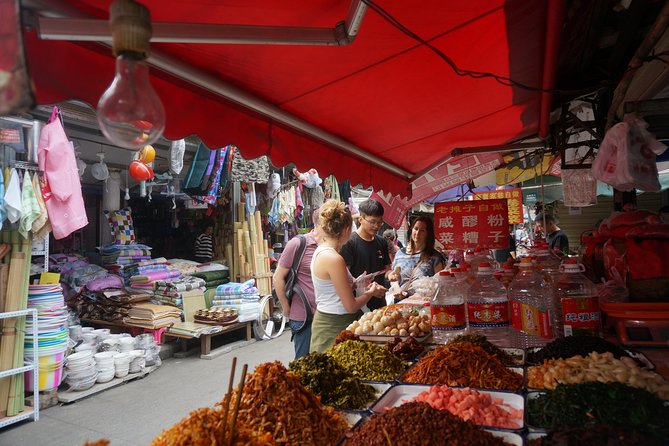
The walk focuses on Liangjiaxiang market. This is not a polished food hall arranged for tourists. It is a working local market, with produce, seasonings, snacks, and ingredients used in everyday cooking. You may taste unfamiliar fruit or sweets, inspect chilies and peppercorns, and learn how local shoppers select food.
I like this opening because it gives the cooking class a clear purpose. When you later add Sichuan pepper, chili, tofu, or aromatics to a dish, you have already seen where those ingredients sit in the local food culture. You are less likely to treat them as mysterious extras.
The market portion also offers a little more than food. Guides explain aspects of local life and may help you practice simple Chinese phrases or order something at a stall. Some sessions have included dumpling or wonton making during the market visit, though you should not assume that every class follows exactly the same sequence.
Other Chengdu days travellers book alongside this one:
- Chengdu: Giant Panda Breeding Research Base Ticket
★ 4.5 · 580 reviews - Tuktuk Food Tour Through Chengdu’s Local Eats
★ 5.0 · 435 reviews - Private Half-Day Chengdu Panda Breeding Center Tour with Optional Volunteer
★ 5.0 · 353 reviews
What the Liangjiaxiang market adds
Many cooking lessons begin with ingredients already measured and lined up. That is convenient, but it removes much of the connection between the dish and the place where it is eaten. Here, the market walk gives you a sense of how Sichuan cooking begins before the knife and wok appear.
You can expect a guide to point out the spices that give Sichuan food its distinctive character. Sichuan pepper is famous for its tingling effect, while dried chilies and chili-based seasonings supply heat and depth. The point is not simply to identify hot ingredients. You learn how different flavors work together.
The market is described as clean and easy to explore, but it is still a real food market. You should wear comfortable walking shoes and expect to be on your feet. The tour operates in all weather, so light rain or a change in temperature will not automatically stop the outing. Dress for the forecast.
This part is especially useful if you are new to Chinese food. You may recognize very little at first, and that is part of the fun. The guide can bridge the gap between an unfamiliar vegetable at a stall and a finished dish on the table.
A practical note: the market visit is not just a shopping stop where you buy ingredients for a personal recipe. The tour includes the ingredients used in class, so you do not need to budget for the food you cook. You may, however, want to buy spices or drinks as souvenirs, and guides have helped participants with those purchases.
Tea, snacks, and the move to Chilli Cool’s Kitchen
After the market, the group moves to Chilli Cool’s Kitchen. The experience includes authentic tea and light refreshments before or during the cooking session. This pause helps break up the four-hour schedule and gives you time to ask questions before the cooking starts.
The kitchen has been described as clean, comfortable, and homelike, with enough room for a hands-on class. That is important. A cooking lesson can become frustrating if you only watch a chef from the back of a crowded room. Here, you are expected to chop, mix, shape, and cook.
The exact order can vary. Some accounts describe dumpling or wonton preparation, while the main lesson centers on several Sichuan dishes. You might prepare three dishes, and some fuller options include baozi or additional dumpling work. Ask what your selected class includes if the menu is important to you.
The chef demonstrates the method while the guide translates and explains. Chef Jerry, Chef Lei, Chef Lee, and Auntie Lee are among the names associated with different sessions in the supplied details. The exact chef may depend on the date and class, so you should not book expecting one particular instructor unless the operator confirms it.
Cooking Sichuan dishes with a local chef
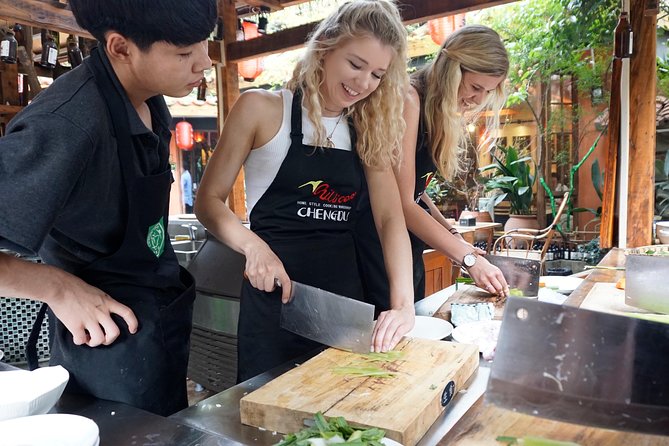
The cooking section is the heart of the experience. You learn practical steps rather than only watching a demonstration. These can include chopping vegetables, heating the wok, managing oil, combining sauces, and controlling the fast cooking process that keeps stir-fried food lively.
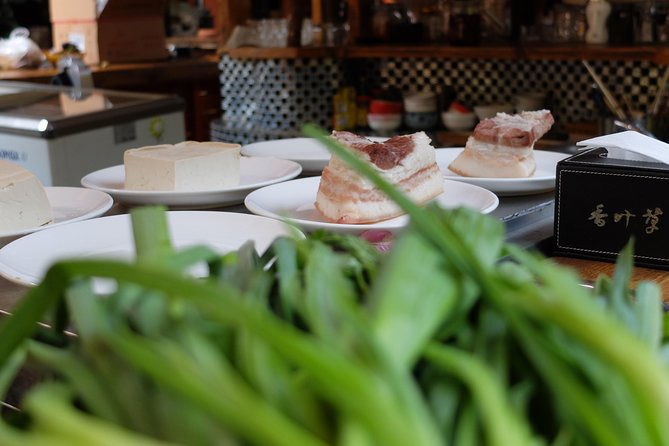
A dish such as mapo tofu is a useful lesson because it shows how texture, spice, fermented flavors, and aromatics work together. You may also cook kung pao chicken, twice-cooked pork, stir-fried cabbage, or a fresh cucumber salad. The menu is not guaranteed to be identical every day, but the examples give you a good sense of the food.
Dumplings, baozi, and wontons add a different skill. Instead of relying on high heat and fast timing, you work with wrappers, fillings, and shaping. Do not worry if your first attempts look rough. The point is to learn the process and enjoy the result, not to produce display-window perfection.
The chef prepares the dishes alongside you, which gives you a useful comparison. You can see how much oil, heat, or sauce goes into the professional version, then adjust your own cooking. Guides also explain ways to change flavors, including how to make a dish less spicy or adapt it for a vegetarian diet.
This is not a formal chef-training course. You are not likely to master every Sichuan technique in one afternoon. What you can take home is more practical: a better feel for the wok, confidence with a few recipes, and a clearer idea of how Sichuan flavors are built.
Same base, a completely different kind of day out:
- Chengdu: Sichuan Opera Shu Feng Yan Yun Evening Show Ticket
★ 4.7 · 185 reviews - Private Chengdu Day Tour: Giant Pandas and Jinsha Site Museum
★ 5.0 · 142 reviews - Visiting Dujiangyan Yaan Wolong Panda Base Optional Volunteering
★ 5.0 · 105 reviews - Chengdu Sichuan Opera Show Ticket – Shu Feng Ya Yun
★ 4.4 · 73 reviews
Sitting down to eat your own work
Once the food is ready, you sit down and eat the dishes you have prepared. Lunch or dinner is included according to the class schedule, along with beverages and beer. Food tastings and light refreshments are also part of the package.
I like this ending because the meal has a clear payoff. You remember a dish differently after chopping the vegetables, watching the oil heat, and trying to get the timing right. Even a slightly uneven plate can taste rewarding when you made it yourself.
The meal is also social. You may be cooking with a small group of up to 15 people, or in a private arrangement. That can be a good fit for solo visitors, couples, families, and friends who want an activity that gives them something to talk about beyond sightseeing.
Families should note the minimum age is five. Younger children may enjoy shaping dumplings or sampling ingredients, while older children are more likely to follow the cooking steps. Adult supervision is still important around hot oil, knives, and woks.
Is the $90 price fair?
At $90 per person, this is not the cheapest meal or market walk in Chengdu. You are paying for a four-hour guided experience that combines a market visit, translation, ingredients, a chef-led lesson, refreshments, drinks, recipes, and a full meal.
The value depends on how you use it. If you only want to eat Sichuan food, local restaurants will cost less and offer a wider menu. If you want to understand the ingredients and learn recipes you can attempt at home, the price becomes easier to justify.
The included food matters. You do not need to shop for ingredients, pay separately for the meal, or arrange another activity afterward. The market guide and translation also solve problems that can make independent food exploration harder, especially when you cannot identify ingredients or ask detailed questions.
I would see this as good value for a food-focused day in Chengdu, particularly if you are traveling with a partner or group and plan to share the recipes later. Group discounts may improve the price for larger parties. Private options are also available, though the cost and exact arrangement should be confirmed before booking.
Who will enjoy this most?
You should consider this class if you like learning through food rather than simply photographing it. It suits people who want a local market visit, a practical lesson, and a meal in one compact outing.
It is also a strong choice for anyone curious about the dishes they have already seen in Chengdu. If mapo tofu, kung pao chicken, chilies, or Sichuan pepper are already on your list, the class gives you useful context.
Vegetarians are welcome with advance notice. The guides and chefs have adapted dishes for vegetarian participants, but you should state your needs when booking rather than waiting until the class begins. Also report allergies or other dietary requirements at that time.
Solo visitors can book, and the small-group format gives the activity a social side. Couples and families may prefer a private class if they want a slower pace or more control over the menu.
You may want to skip it if you dislike markets, cannot comfortably walk for part of four hours, or want a strictly fixed cooking syllabus. The market is part of the point, and the menu may respond to ingredients, class choices, and dietary needs.
Timing, meeting point, and useful booking details
The activity lasts about four hours and is available as a morning or afternoon session, with lunch or dinner tied to the schedule. It begins and ends at 163-11 Yi Huan Lu Bei San Duan, in Chengdu’s Jinniu District, near public transportation.
Wear comfortable shoes and clothing suited to walking and cooking. The class operates in all weather, so check the forecast before you leave. Confirmation is provided at booking, and passport name, number, expiry date, and country are required for all participants.
Free cancellation applies when you cancel at least 24 hours before the local start time. Cancellations or changes inside that window are not accepted for a refund.
Should you book the Chengdu cooking class?
I would book this if you want more than a restaurant meal and have four hours to spend on food, local life, and hands-on cooking. The best parts are the market explanations, the patient translation from hosts such as Lance and Jerry, and the pleasure of eating several Sichuan dishes you helped prepare.
Go in with realistic expectations. This is a friendly cultural cooking experience, not advanced culinary school, and the menu may change. If you request vegetarian food or have dietary restrictions in advance, wear good walking shoes, and accept a little market-to-kitchen bustle, the $90 price buys a useful and memorable introduction to Chengdu’s food culture.
FAQ
How long does the Chengdu cooking class last?
The experience lasts approximately four hours, including the market visit, refreshments, cooking lesson, and meal.
Where does the activity start and finish?
It starts and ends at 163-11 Yi Huan Lu Bei San Duan, Jinniu District, Chengdu. The activity does not list a separate ending location.
What is included in the price?
The price includes an English-speaking guide, market tour, food ingredients, beverages or beer, light refreshments, food tasting, lunch or dinner based on the class schedule, and recipes.
Is the class suitable for vegetarians?
Yes. A vegetarian option is available, but you must advise the operator when booking. You should also provide any other dietary requirements in advance.
How many people can join the class?
The maximum group size is 15 participants. Group discounts and private arrangements are available.
Is there a minimum age?
The minimum age is five years old.
Can I cancel for a full refund?
Yes, if you cancel at least 24 hours before the experience start time. Cancellations or changes made less than 24 hours in advance are not accepted for a refund.
More Shopping Tours in Chengdu
- Mini Group Xian Day Tour to Terracotta Army, City Wall, Pagoda and Muslim Bazaar
★ 5.0 · 1,320 reviews - Shanghai Day Tour to Zhujiajiao Water Town, Yu Garden, Bazaar, Bund
★ 5.0 · 162 reviews - Hong Kong: Kowloon Street Market & Food Culture Walking Tour
★ 5.0 · 105 reviews - Xi’an: Terracotta Army, Lunch, City Wall, Pagoda, Bazaar
★ 5.0 · 72 reviews
More Cooking Classes in Chengdu
- Xi’an: Great Tang Dynasty Night Show & Dumpling Meal Option
★ 4.4 · 177 reviews - Organic Chinese Dumpling Class with Market Walk
★ 5.0 · 88 reviews - Xi’an Tang Dynasty Show Ticket Optional Dumplings or Royal Dinner
★ 4.5 · 75 reviews - Beijing: Dumpling Making Workshop with Meal and Tea
★ 4.7 · 69 reviews
Newly listed around Chengdu
- 1-Day Mount Qingcheng and Dujiangyan Irrigation System Tour★ 4.9 · 9 reviews
- 2 Day Chengdu to Jiuzhaigou&Huanglong Self-Guided w/Transfer★ 3.0 · 3 reviews
- Private Half-Day Tour in Sichuan Culture Show with Hot Pot Dinner in Chengdu★ 4.5 · 15 reviews
- Chengdu:Panda Base Entry Ticket & English PDF Guidebook★ 4.3 · 48 reviews
- Chengdu Panda Research Base Tickets And Optional Private Tour★ 4.5 · 48 reviews
- Giant Panda and Buddha 1 day tour★ 5.0 · 57 reviews
- Half-Day Chengdu Back Alley Foodie Tour★ 5.0 · 58 reviews
- Chengdu: Leshan Buddha Optional Tours w/ Transfer or Guide★ 4.8 · 63 reviews
Cooking Classes, compared.
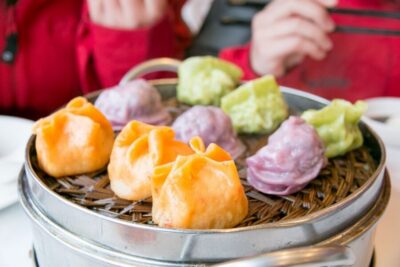
Great Tang Dynasty Night Show & Dumpling Meal Option
Read our review →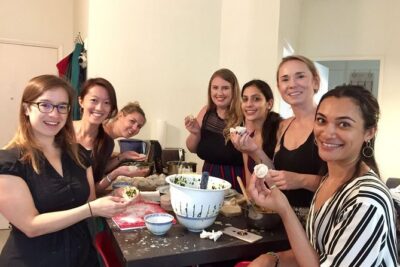
Organic Chinese Dumpling Class with Market Walk
Read our review →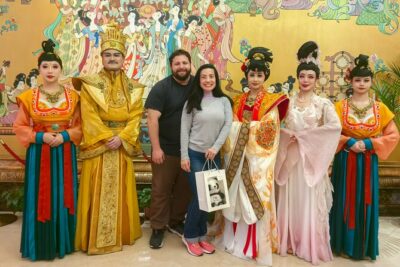
Xi’an Tang Dynasty Show Ticket Optional Dumplings or Royal Dinner
Read our review →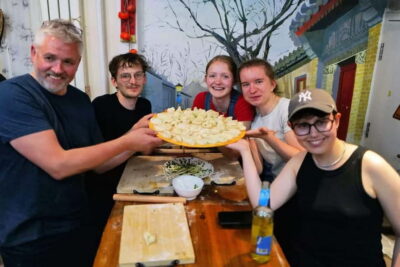
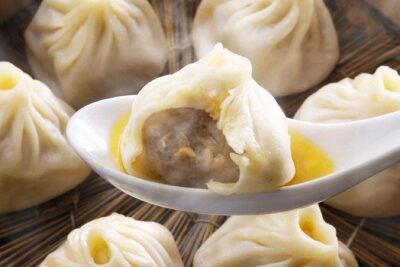
Organic Xiao Long Bao Soup Dumpling Class & Market Walk
Read our review →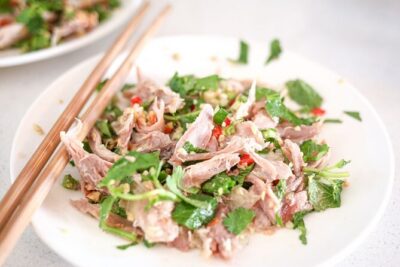
Lijiang Naxi Cuisine Cooking Class & Market Visit
Read our review →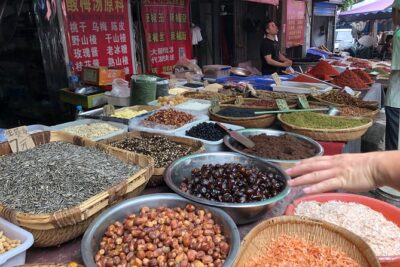
Half-Day Xi’an Biang Biang Noodles Cooking with a Market Visit
Read our review →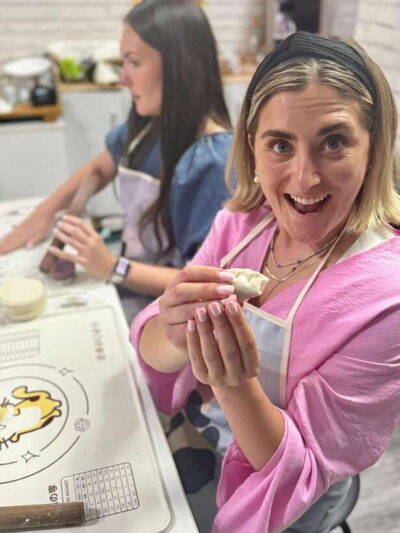
Browse the lists this tour appears in