
Reviewed · MUSEUMS
Shanghai: Natural Museum tickets with guide(optional)
The Shanghai Natural History Museum turns a rainy-day museum visit into a full tour of life on Earth. Inside its large, modern building, you can move from the origins of the universe to Shanghai’s own natural story, with more than 11,000 specimens and models from all seven continents. I like the freedom to explore at your own pace, and I like the clear journey from evolution to the future of nature and humanity. The main drawback is simple: this is a large museum, so a quick visit will only skim the surface.
I also like the $13 price, especially for a full day of indoor activity in central Shanghai. An English guide is available, with small groups limited to five people, but you should confirm exactly what guidance is included when you book. The museum does not allow food or drinks inside, so plan your meal before or after your visit.
Key points at a glance
- More than 11,000 specimens and models: See material representing all seven continents, from ancient life to modern ecosystems.
- Ten themed exhibition areas: Follow a logical route through origins, evolution, ecology, human nature, Shanghai, and the future.
- Five immersive theaters: Add moving-image and sensory presentations to the traditional displays.
- A 300-square-meter live breeding area: See living creatures as part of the museum’s approach to nature education.
- A 1,200-square-meter Exploration Center: Set aside time for hands-on learning and family activities.
- Flexible English support: The experience offers an English live guide and small groups of no more than five, while the ticket also works for independent exploration.
Finding the museum at Jing’an Sculpture Park
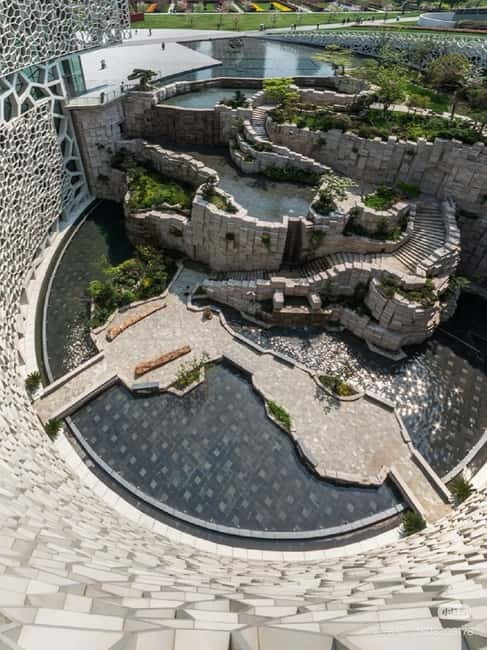
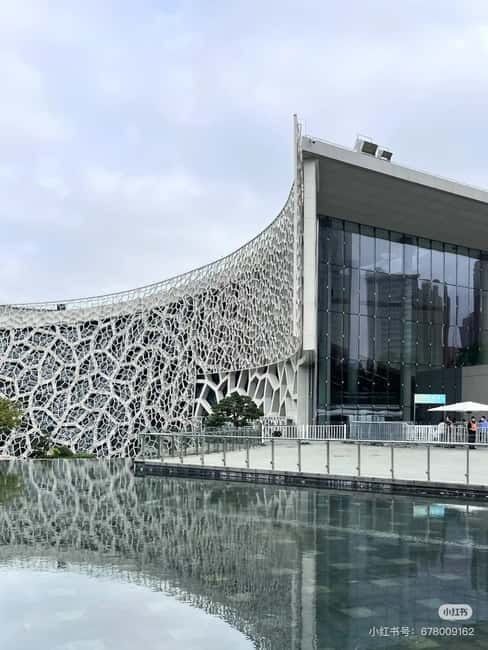
The museum is at 510 West Beijing Road in Shanghai’s Jing’an District, inside Jing’an Sculpture Park. That setting gives you a useful break from the city’s hard surfaces before you enter one of Shanghai’s largest science and nature attractions.
The building covers 45,257 square meters, with 32,200 square meters assigned to exhibitions and education. Those numbers matter because this is not a small gallery you can finish in an hour. You are booking access to a substantial museum with enough material for a full day, though your ideal visit may be shorter if you focus on only a few sections.
Your ticket is pre-booked admission, plus an information service fee. The supplied price is $13 per person, which is strong value if you spend several hours inside. It is less compelling if you only have time for a rushed pass through the main halls, so check your schedule before booking.
Bring your passport or ID card. After purchasing, you must send the provider your expected visit date, full name exactly as it appears on your passport, including capitalization, and passport number by email. This is an important step, not a minor formality.
More Museums in Shanghai:
- Shanghai: Private Tour of the Shanghai Museum
★ 5.0 · 10 reviews - Private Shanghai Day Tour: Shanghai Museum, Yu Garden, Bund, Huangpu Cruise
★ 5.0 · 6 reviews - Beijing: Tianmen Square, Forbidden City & Royal Museum Tours
★ 4.6 · 1,288 reviews
Starting with the mystery of origins
The first major theme, Mystery of Origins, gives the museum its broadest opening question: how did life and the natural world begin? Rather than starting with one country or one animal group, the museum sets up a global story.
This section is a good place to slow down. The museum’s theme is Nature, Humanity, Harmony, and the opening gallery helps explain that people are part of a much longer natural sequence. You might find the displays most useful if you enjoy seeing connections between geology, life, and human development rather than viewing isolated objects one by one.
The Long River of Life follows that idea with a large-scale look at life through time. The title suggests continuity, and the exhibition sequence helps you see how one period leads to another. It also gives context to the specimens and models elsewhere in the museum.
I recommend resisting the urge to hurry through the first halls. These opening areas establish the order of the museum, and they make later sections easier to understand. If you are visiting with children, this is also a natural place to ask simple questions about change, survival, and how scientists build a picture of the past.
Following evolution from early life to Earth’s treasures
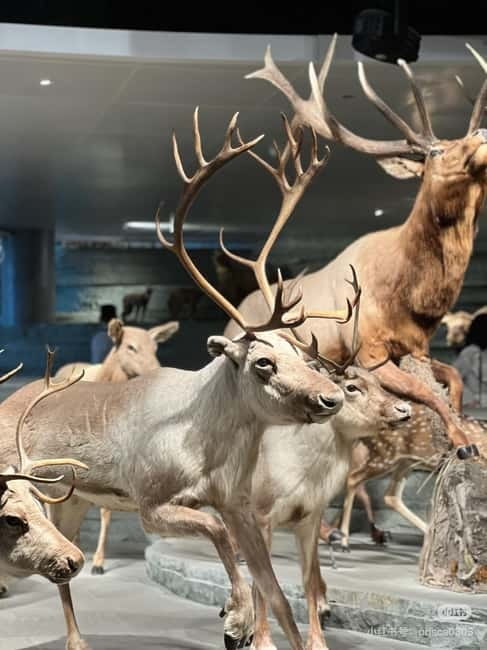
Path of Evolution continues the story with a closer look at how life changes over time. The museum uses specimens and models to make a subject that can feel abstract more concrete. You will not just read about evolution. You will see how the museum organizes evidence and presents progress through different forms of life.
Earth Treasures shifts attention from living organisms to the planet itself. The exact objects on display can change, but this section is designed to show the natural materials and geological forces that shape our world. It provides a useful counterpoint to the animal displays because nature is not only about creatures. It is also about the ground, minerals, and processes that allow life to exist.
These two sections work well together. Evolution explains change in living things, while Earth Treasures reminds you that life depends on a physical planet. I find that pairing more useful than treating the galleries as separate rooms with separate facts.
The five immersive theaters add another layer. The supplied information does not specify the program or screening schedule for each theater, so you should check the day’s details on arrival. Think of them as a reason to pause between galleries, not as a guaranteed substitute for the museum’s main exhibitions.
Meeting the animals in Diverse Life and Ecological Wonders
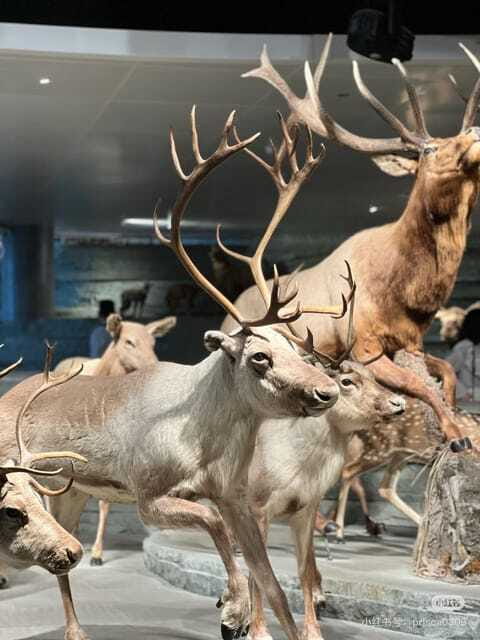
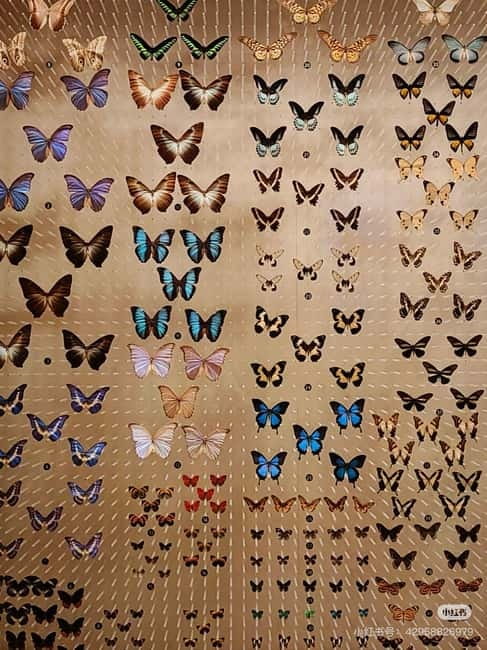
Diverse Life broadens the visit to the variety of organisms found across the planet. With material from seven continents, the collection offers a worldwide view rather than focusing only on Chinese species.
Ecological Wonders then puts those organisms into their surroundings and relationships. This is where the museum’s central idea becomes clearer. Nature is not merely a catalog of animals. It is a network of habitats, pressures, adaptations, and connections.
The 300-square-meter live breeding area is one of the more unusual parts of the visit. Instead of seeing only preserved specimens and models, you may see living organisms in a dedicated area. The information provided does not identify the species or guarantee what will be visible on a particular day, so treat it as a worthwhile stop rather than a fixed animal show.
Survival Wisdom considers how life responds to difficult conditions. The title points to adaptation and behavior, topics that can help you connect the displays to real-world questions about change and survival. For younger visitors, this may be one of the easiest sections to turn into a practical conversation: what helps an organism live, and what happens when conditions change?
A few more Shanghai days worth a look
- Authentic Local Food Tour in Central Shanghai
★ 5.0 · 1,382 reviews - Zhujiajiao Water Town and Shanghai City Private Day Tour
★ 5.0 · 1,016 reviews - Private Shanghai Full Day City Tour with Old and New Highlights
★ 5.0 · 995 reviews - Shanghai: Hop-on Hop-off Bus Ticket and Optional Attractions
★ 3.4 · 692 reviews
Seeing the human connection in Shanghai Stories
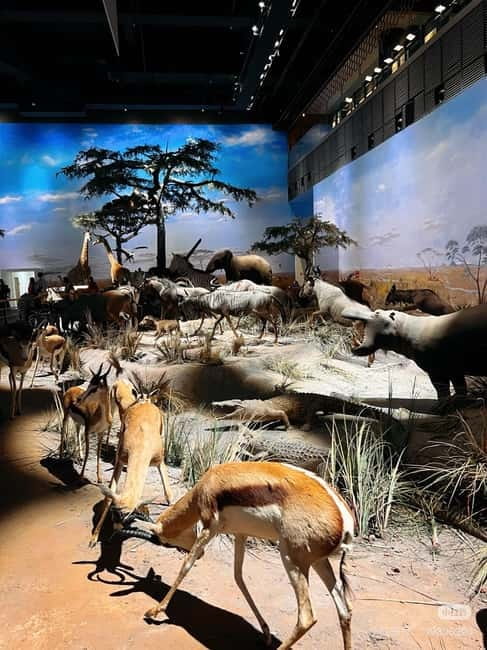
Human and Nature Bond brings people into the story. The museum is not presenting nature as something separate from daily life. Instead, this area examines how human activity relates to the natural world.
That approach gives the visit more purpose than a simple collection of impressive objects. You can enjoy the specimens, then consider what they say about responsibility, resources, and the effect of human choices. The museum’s theme of harmony is especially relevant here.
Shanghai Stories makes the experience local. After seeing material from around the world, you get a closer look at the city and its natural setting. The provided information does not list the individual displays, so I would not promise a particular animal or historical object. Still, this section should help you connect a global museum visit with the place where you are actually standing.
The final gallery, The Path to the Future, points toward science, technology, and the choices ahead. It completes the museum’s route from origins to tomorrow. The message is not just that humans have advanced, but that progress and nature must be considered together.
This final sequence gives the museum a clear arc. You begin with the question of where life comes from, move through the history and variety of life, examine human links with nature, and finish by looking at the future. That structure makes the building easier to navigate and gives your visit a sense of direction.
Making time for the Exploration Center
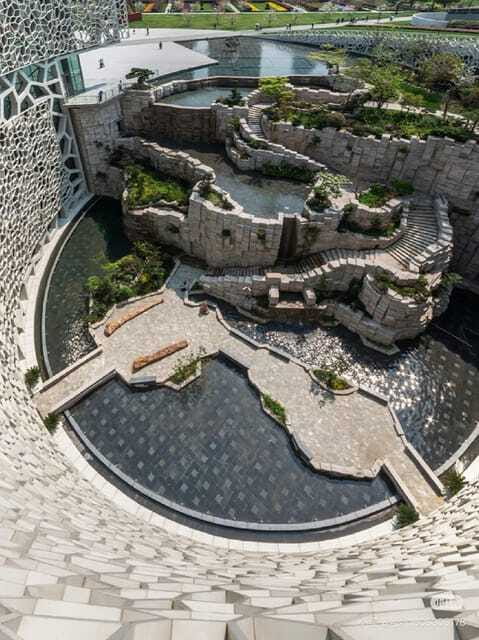
The 1,200-square-meter Exploration Center is worth protecting time for, especially if you are visiting with children or prefer activities to glass cases. It is part of the museum’s education program and offers a more active way to engage with natural science.
The museum also runs activities such as Nature Exploration Camp and Drawing Nature. The available schedule and participation details are not provided here, so check what is operating on your chosen date. These programs may be particularly useful for families, but adults who enjoy sketching or hands-on learning can find them appealing too.
Do not build your entire booking around one activity unless the provider confirms it in advance. The ticket covers museum admission and information service, while individual educational activities may have their own timing or arrangements.
Choosing independent exploration or English guidance
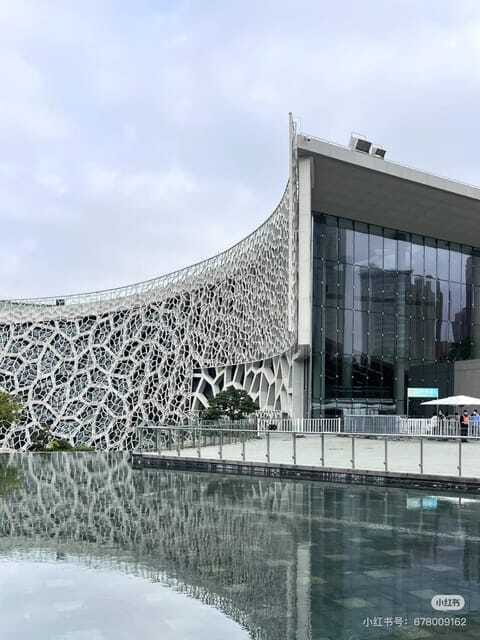
The experience is designed to let you explore independently. That is a good fit if you prefer stopping for as long as you like, skipping displays that do not interest you, and returning to a favorite gallery.
English live guide service is listed, and the group size is limited to five participants. A small group can make explanations easier to follow and gives you more room to ask questions than a large coach tour. However, no guide name is supplied, and the details do not explain whether the guide accompanies you through the entire museum or provides a shorter information service.
For that reason, ask the provider what the English guidance includes before you pay. If you mainly want entry and a flexible museum day, the ticket alone may suit you. If you want someone to explain the scientific ideas and direct your route, confirm the guide arrangement and meeting details.
This flexibility is one of the experience’s strengths. You are not locked into a fast, fixed route. You can use the guide if that is important to you, or spend your time with the galleries at your own pace.
Food rules, timing, and practical planning
The ticket is valid for one day, with starting times based on availability. The information provided does not give a fixed visit length beyond one day of validity, so plan your schedule around the museum rather than assuming a brief timed entry.
Food and drinks are not allowed inside, and smoking is prohibited. Since the museum is large, you may want to eat before entering or after leaving. Do not count on carrying a snack or drink through the galleries.
The museum is in a central district, but no transport service is included. You arrange your own way to Jing’an Sculpture Park. The included items are admission and the information service fee, not food, transport, or other personal expenses.
Mainland Chinese visitors with a real-name registered mobile phone number can purchase tickets directly through the WeChat mini program. International visitors and anyone using this booking should pay close attention to the passport details requirement. A mismatch in capitalization or spelling can create needless trouble.
Cancellation is flexible enough for changing plans: you can cancel up to 24 hours in advance for a full refund. You can also reserve now and pay later, which is useful when your Shanghai schedule is still taking shape.
Who gets the best value from this museum day?
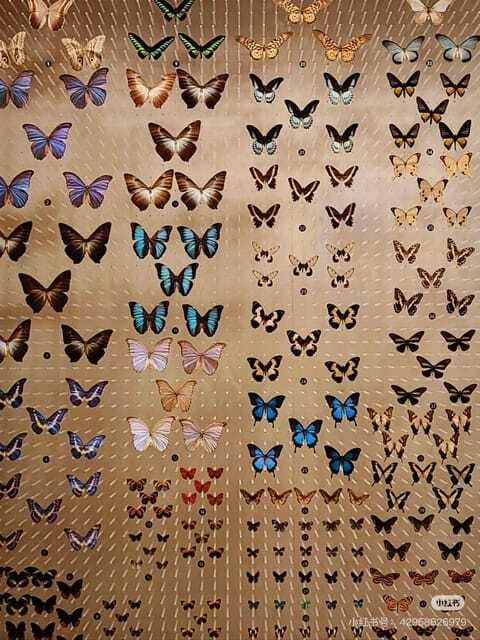
I would recommend this experience to families, science fans, museum regulars, and anyone needing a substantial indoor activity in Shanghai. The themed route gives you a clear way to organize the visit, while the theaters, live breeding area, and Exploration Center keep it from being only a row of static displays.
It also suits independent visitors who dislike being pushed from room to room. You can spend extra time with evolution, ecology, Shanghai’s natural story, or the education areas depending on your interests.
You may want to reconsider if you only have a short window or strongly prefer outdoor sightseeing. The museum’s size is part of its value, but it is also the main challenge. With ten exhibition areas and five theaters, a short visit could feel hurried.
The brief written feedback available for this experience is positive, with one verified booking described as great and another as good. Those comments are short, but they fit the practical appeal here: a straightforward museum ticket, a strong central location, and a large amount to see for the price.
Should you book the $13 ticket?
Book it if you want a full museum day built around nature, evolution, ecology, and Shanghai. At $13, the admission offers good value, particularly if you use the themed galleries, theaters, live breeding area, and Exploration Center rather than making a quick pass through the entrance halls.
Before booking, make two checks. Confirm the English guide arrangement if guidance matters to you, and prepare your full passport name and number for the provider. If you are comfortable exploring alone, the museum’s clear ten-part structure makes independent touring easy.
I would choose this experience for a flexible day when you want substance without a packed schedule. I would skip it only if your time is too tight to enjoy a large museum or if bringing food and drinks inside is important to you.
FAQ
Where is the Shanghai Natural History Museum located?
It is located at 510 West Beijing Road in Jing’an District, Shanghai, within Jing’an Sculpture Park.
How much does the experience cost?
The listed price is $13 per person.
How long is the ticket valid?
The ticket is valid for one day.
Is an English guide available?
An English live tour guide is listed. The group type is small, with no more than five participants. Confirm the exact guidance arrangement with the provider before booking.
What does the ticket include?
It includes admission to the Shanghai Natural History Museum and an information service fee.
Is food included?
No. Food is not included, and food and drinks are not allowed inside the museum.
What identification should I bring?
Bring your passport or ID card. After purchase, you must send the provider your expected visit date, full name exactly matching your passport, and passport number by email.
Can I cancel the booking?
Yes. You can cancel up to 24 hours in advance for a full refund. Reserve now and pay later is also available.
Newly listed around Shanghai
- shanghai Disney tour★ 5.0 · 12 reviews
- shanghai Disney+shanghai one day city highlights tour (two days)★ 5.0 · 4 reviews
- Zhujiajiao Water Town and Shanghai City Highlights Private Day Tour★ 5.0 · 3 reviews
- Zhujiajiao Water Village & Seven Treasure Town Day Tour from Shanghai★ 4.0 · 8 reviews
- Zhujiajiao Water Town Private Tour with Local Farm Visit and Fruit Picking★ 5.0 · 3 reviews
- Zhujiajiao Water Town Self-Guided Tour with Private Transfer from Shanghai★ 5.0 · 7 reviews
- Xitang Water Town Self-Guided Tour from Shanghai with Private Transfer★ 5.0 · 5 reviews
- Xitang Water Village Sunset Tour with Riverside Dining Experience from Shanghai★ 4.5 · 45 reviews
Museums, compared.
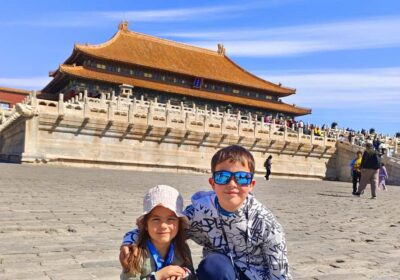
Tianmen Square, Forbidden City & Royal Museum Tours
Read our review →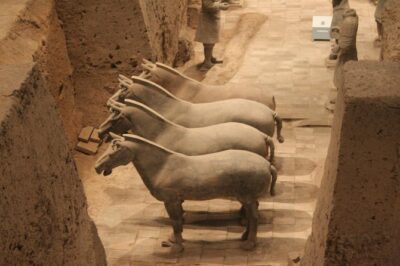
Half-Day Mini Group Xian Tour to Terracotta Warriors Museum
Read our review →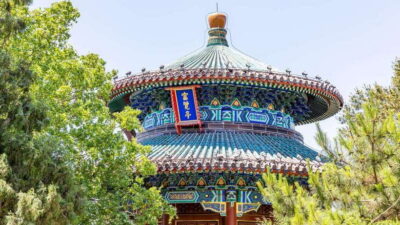
Beijing:Jingshan Park (Palace Museum Garden) Ticket
Read our review →
Private Chengdu Day Tour: Giant Pandas and Jinsha Site Museum
Read our review →
Private Xi’an Tour: Terracotta Warriors, Hanyangling Museum, Cave Homes
Read our review →
Beijing Half Day: National Museum of China In-depth Tour with Subway Transfer
Read our review →
Terracotta Warriors Museum Ticket with Professional English-speaking tour guide
Read our review →Browse the lists this tour appears in