
Reviewed · MUSEUMS
Shanghai: Private Tour of the Shanghai Museum
Shanghai Museum’s ancient bronzes, porcelain, and jade are far more than attractive objects in glass cases. Each one helps explain how Chinese rulers governed, how rituals shaped daily life, and why certain materials carried such power. This three-hour private tour gives you a guide to connect those pieces instead of leaving you to guess what you are seeing.
I like the focus on bronze, ceramics, and jade, three of the museum’s most important collections. I also like the private format, which lets you ask questions and adjust the pace. Guides including Vicky, Linda, and Tom have been praised for clear English, patience, and strong knowledge of Chinese ceramics and museum subjects. The main consideration is that three hours is selective, and entry to special exhibitions is not included.
Key points to know before you book
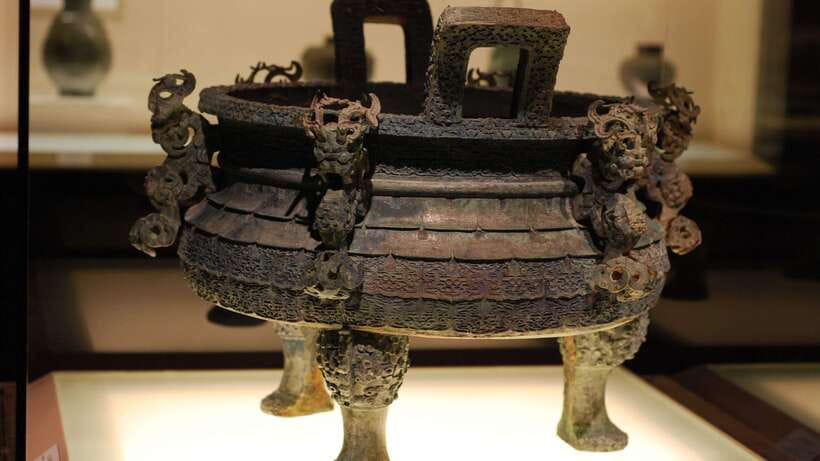
- Bronze vessels explain ancient power: See objects from the Shang and Zhou dynasties while learning how ritual, warfare, and rank shaped their use.
- Ming and Qing porcelain gets proper attention: Blue-and-white ceramics are a major focus, with explanations of changing styles and outside influences.
- The private guide makes questions easy: You can ask for more detail, request a different emphasis, and finish with a short question-and-answer session.
- The meeting point is specific: Go to the entrance of the Shanghai Museum East Wing, where your guide will hold a sign with your name.
- Cameras are not allowed: Bring your passport or ID card, but plan to experience the displays without taking photographs.
- The price is $60 per person: Museum admission and the guide are included, while special exhibitions, drinks, and hotel pickup are extra.
Why a guided visit helps at Shanghai Museum
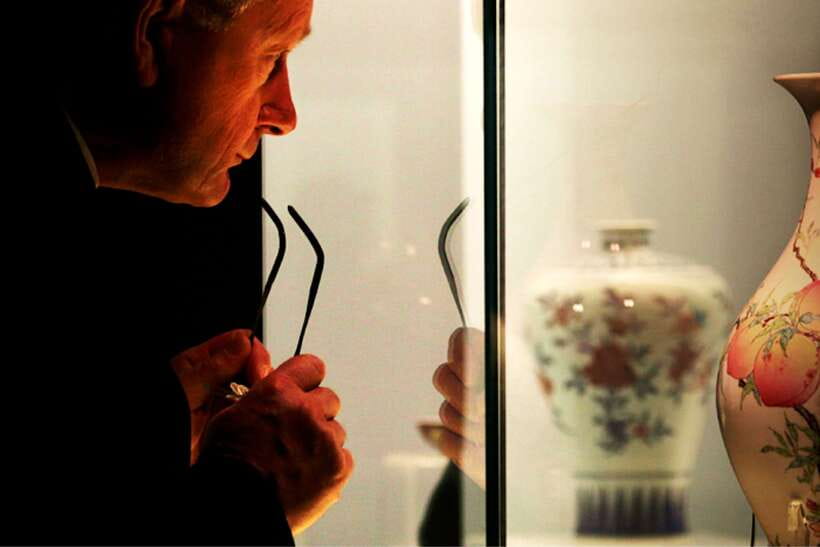
A museum of Chinese art can be difficult to read without context. A bronze container may look like a finely decorated vessel, but its shape, inscriptions, and use could reveal a great deal about ceremony and political rank. A piece of jade may seem small and quiet beside a large display, yet its burial use and moral symbolism can make it one of the most important objects in the room.
That is where the guide earns the fee. Instead of trying to absorb every label, you can concentrate on a smaller group of objects and understand why they matter. The tour is built around explanation, not simply walking from case to case.
The private format is especially useful if your interests are specific. You can ask for more attention to ceramics, spend longer on a favorite object, or request a broader overview of Chinese art. Feedback on guides such as Vicky, Linda, and Tom points to patient explanations, engaging background stories, and flexibility based on your questions.
The tour is offered in English or Chinese. For English-speaking visitors, Vicky has been praised for especially strong English and for explaining many subjects clearly. Linda has been noted for friendly delivery and stories that make the objects easier to remember. Tom has been described as thorough and entertaining, as well as helpful with organizing the visit.
More Museums in Shanghai:
- Shanghai: Natural Museum tickets with guide(optional)
★ 4.8 · 8 reviews - Private Shanghai Day Tour: Shanghai Museum, Yu Garden, Bund, Huangpu Cruise
★ 5.0 · 6 reviews - Beijing: Tianmen Square, Forbidden City & Royal Museum Tours
★ 4.6 · 1,288 reviews
Meeting at the Shanghai Museum East Wing
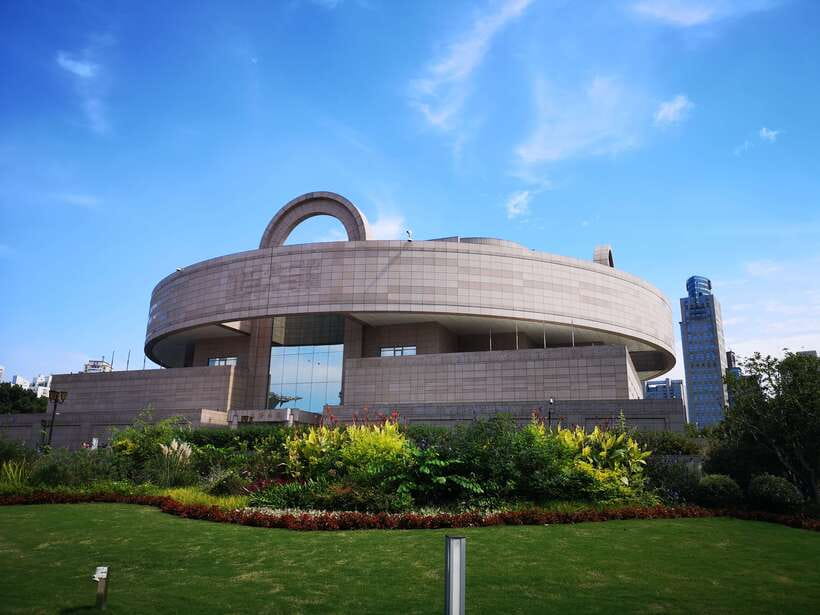
You meet at the entrance of the Shanghai Museum East Wing. Your guide will hold a sign with your name, which should make the first meeting simple, but I would still arrive with enough time to locate the correct wing and entrance.
Hotel pickup is not included. You are responsible for reaching the museum, so this tour works best if you already have your transport plan sorted out. The meeting point is not a hotel lobby or central meeting service. It is directly at the museum entrance.
Bring your passport or ID card. The activity information specifically asks for one, so do not leave it in your hotel room. Cameras are not allowed, which is an important practical point for anyone used to photographing every display.
The museum is wheelchair accessible. That makes the tour a workable option for visitors who need step-free access, though the provided information does not specify details about seating, rest points, or the exact route used by the guide.
Beginning with Shang and Zhou bronzes
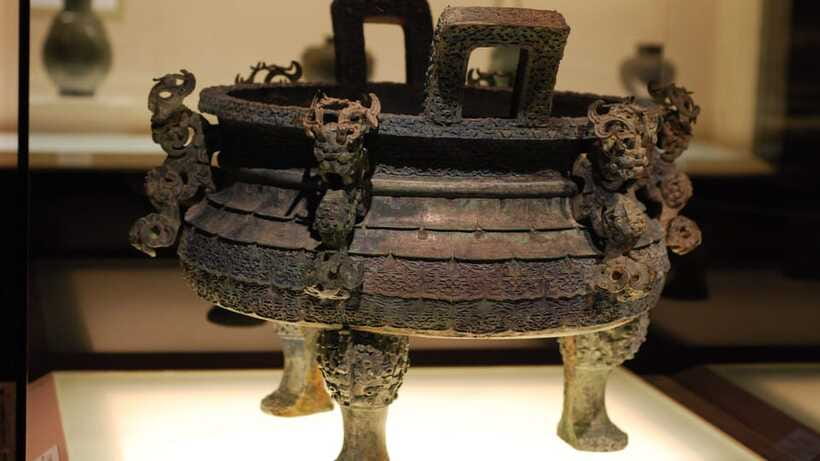
The bronze gallery is the strongest place to begin because it introduces the link between art and authority in ancient China. The collection includes pieces from the Shang dynasty, dated 1600 to 1046 BC, and the Zhou dynasty, dated 1046 to 256 BC.
Your guide explains why bronze mattered so much. It was not simply a practical metal used for tools or weapons. Bronze vessels could play a role in rituals and could signal a person’s place within the political and social order.
Look closely at the ritual vessels. Their shapes and surface designs were not random decoration. They were connected to ceremonies, ancestral practice, and the structure of ancient society. Weapons also appear in this part of the visit, giving you a useful counterpoint to the ceremonial objects.
I find this gallery especially valuable with a guide because technical details can otherwise pass you by. You learn about the advanced casting methods used to create these forms, along with the way bronze objects reflect the power systems of their time.
This is also where the guide can help you slow down. A three-hour tour cannot cover every case, so you will likely focus on selected objects rather than attempt a complete survey. That is a benefit for most visitors, although anyone hoping to inspect every ancient bronze should plan extra time after the tour.
Reading the porcelain in the ceramics gallery
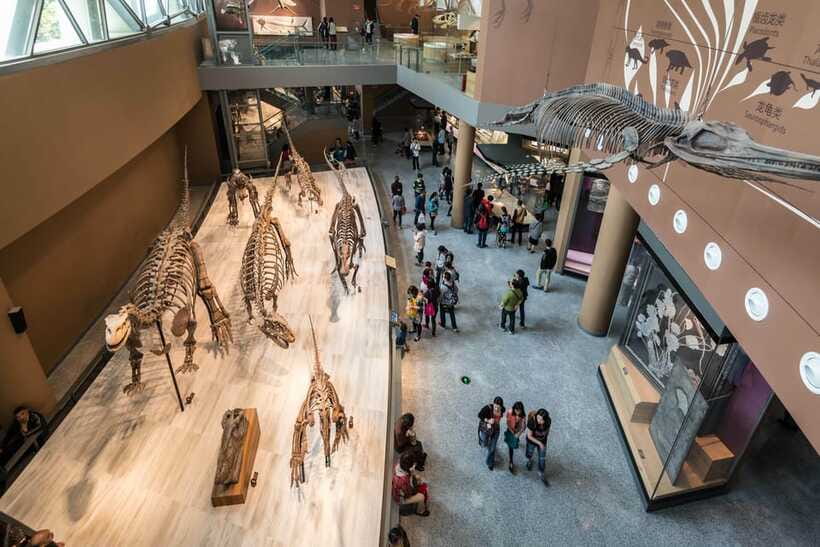
The ceramics gallery shifts the mood from heavy ritual bronze to delicate pottery and porcelain. The collection covers several dynasties, with particular attention to Ming and Qing examples.
Blue-and-white porcelain is a key feature. Its fine designs and historical importance make it one of the easiest parts of the tour to appreciate visually, but the guide adds the larger story. You learn how ceramic styles changed, how makers developed different techniques, and how outside influences shaped Chinese porcelain.
This is the gallery where Vicky’s particular strength in Chinese ceramics may be useful. Her explanations have been praised for giving visitors more than a quick description of color and pattern. If ceramics are your main interest, say so at the start and ask for extra time here.
The private setting also helps with basic questions. You can ask why blue-and-white decoration became so important, how porcelain differs from other ceramics, or what makes a particular piece connected to the Ming or Qing period. You do not need a background in art history to follow the discussion.
One limitation is that the tour does not include special exhibition entry. If the museum is showing a temporary display, you will need to pay separately if you want to enter it. The standard museum visit still includes the main galleries described in the activity, but check the day’s available areas with your guide.
A few more Shanghai days worth a look
- Authentic Local Food Tour in Central Shanghai
★ 5.0 · 1,382 reviews - Zhujiajiao Water Town and Shanghai City Private Day Tour
★ 5.0 · 1,016 reviews - Private Shanghai Full Day City Tour with Old and New Highlights
★ 5.0 · 995 reviews - Shanghai: Hop-on Hop-off Bus Ticket and Optional Attractions
★ 3.4 · 692 reviews
Understanding jade beyond its polished surface
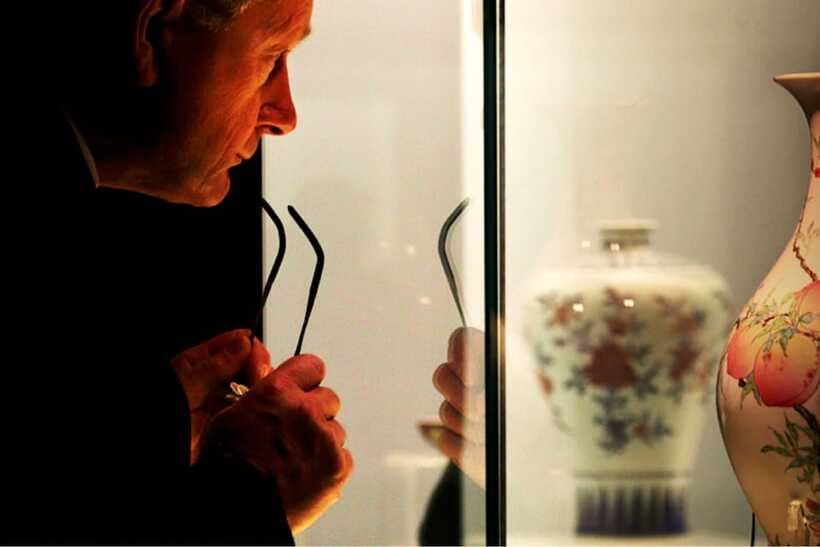
The jade gallery offers a different lesson. Jade has been valued in China for thousands of years, and its meaning goes beyond its durability or smooth finish.
Your guide discusses jade burial items and ornamental objects, then explains how the material became linked with purity and moral integrity. That symbolism helps you see why jade objects could carry personal, spiritual, and social meaning.
The carving process is another important part of this stop. Jade is not simply shaped like soft clay. The guide points out the techniques used to form and polish the material, helping you appreciate the labor behind the finished pieces.
I like the balance this gallery brings to the tour. The bronze section emphasizes ritual and political order. The ceramics section shows changing design and production. Jade adds beliefs about character, death, status, and virtue.
As with the other galleries, the guide will select objects rather than explain every piece in equal detail. If you are especially interested in burial customs or jade carving, tell the guide early. The private format gives you a better chance of shaping the conversation than a large group tour would.
Choosing other galleries on the day
After the main bronze, ceramics, and jade sections, your guide introduces other galleries available that day. The exact choice may depend on museum access, your interests, and the time remaining.
This flexible section is useful because it prevents the tour from becoming too rigid. You might want a wider look at Chinese art, or you may prefer to return to a collection that caught your attention. Your guide can explain what else is open and suggest where your remaining time will have the most value.
Do not expect to see the entire museum in three hours. Shanghai Museum has enough material to reward a much longer visit, and a guided introduction should be viewed as a focused first look. If you have a full day for the museum, use the final advice from your guide to decide where to continue on your own.
The value of a $60 private museum tour
At $60 per person, this is not the cheapest way to enter a museum. The value comes from the private guide, the focused route, and the chance to ask questions in English or Chinese.
Admission is included, so the price is easier to assess than a guide-only fee. You are paying for interpretation as much as access. If you would otherwise walk through the galleries reading labels on your own, the tour can save time and give you a clearer framework for understanding the objects.
The value is strongest for first-time visitors, people with a serious interest in Chinese art, and anyone who wants help choosing what deserves attention. It is less compelling if you prefer to move slowly and silently through every display, or if you already have a strong background in Chinese art history.
Special exhibitions are not included. Neither are drinks or hotel pickup. Those costs are easy to plan for, but they mean you should not treat the $60 as the full cost of every possible museum experience.
The three-hour length is a sensible middle ground. It is long enough to cover the major collections without turning into an exhausting full-day lecture. Still, I would not book this as your only museum time if you want to study every gallery in detail.
Practical details that affect your visit
The activity offers free cancellation up to 24 hours before the start time, and you can reserve now and pay later. Those options help if your Shanghai schedule is still changing.
Starting times vary, so you need to check availability for your chosen date. The tour lasts three hours, and the live guide speaks either Chinese or English.
Bring your passport or ID card. Do not bring a camera for use inside the museum, since cameras are listed among the prohibited items. Drinks are not included, and there is no hotel pickup.
The tour is wheelchair accessible. If you need a particular arrangement, it is sensible to discuss that when booking, since the available information confirms access but does not describe every facility along the route.
Who will get the most from this experience
I would choose this tour if I wanted a strong introduction to Chinese art without spending hours trying to decode labels. It is particularly well suited to visitors who want the meaning behind the objects, not just a list of dates and dynasty names.
It also suits families or mixed-interest groups because a private guide can adjust the explanation. One person can ask about ceramics while another asks about rituals, burial customs, or political history.
Art students and serious museum fans should see it as an orientation rather than a complete study visit. The guide can point you toward important works and explain the larger ideas, but three hours will not replace time spent exploring the museum independently.
The tour may be less suitable if you want photography, since cameras are not allowed. It may also disappoint anyone expecting hotel-to-hotel service, as transport and hotel pickup are not part of the experience.
My verdict: book it for context, not just entry
I would book this tour if you want to understand why Shanghai Museum’s objects matter. The strongest parts are the bronze gallery’s link between ritual and power, the ceramics section’s focus on Ming and Qing porcelain, and the jade gallery’s explanation of purity, burial, and moral character.
The private setting and guides such as Vicky, Linda, and Tom add real value, especially if you ask questions and share your interests at the beginning. At $60 per person, it is a fair choice for a focused introduction, though you should budget separately for special exhibitions and your own transport.
Book it if you want an informed three-hour route through the museum. Skip it if you mainly want to wander alone, take photographs, or inspect every gallery at your own pace.
FAQ
How long does the Shanghai Museum tour last?
The tour lasts three hours.
How much does the private Shanghai Museum tour cost?
The listed price is $60 per person.
What does the price include?
The price includes a live guide and entry to the Shanghai Museum.
Is hotel pickup included?
No. Hotel pickup is not included.
Where do I meet the guide?
Meet at the entrance of the Shanghai Museum East Wing. The guide will hold a sign with your name.
Which languages are available?
The live tour guide is available in Chinese and English.
Are special exhibitions included?
No. Entry to special exhibitions is not included in the tour price.
What should I bring?
Bring your passport or ID card.
Can I take a camera into the museum?
Cameras are listed as not allowed for this activity.
Is the tour wheelchair accessible?
Yes. The activity is wheelchair accessible.
Newly listed around Shanghai
- shanghai Disney tour★ 5.0 · 12 reviews
- shanghai Disney+shanghai one day city highlights tour (two days)★ 5.0 · 4 reviews
- Zhujiajiao Water Town and Shanghai City Highlights Private Day Tour★ 5.0 · 3 reviews
- Zhujiajiao Water Village & Seven Treasure Town Day Tour from Shanghai★ 4.0 · 8 reviews
- Zhujiajiao Water Town Private Tour with Local Farm Visit and Fruit Picking★ 5.0 · 3 reviews
- Zhujiajiao Water Town Self-Guided Tour with Private Transfer from Shanghai★ 5.0 · 7 reviews
- Xitang Water Town Self-Guided Tour from Shanghai with Private Transfer★ 5.0 · 5 reviews
- Xitang Water Village Sunset Tour with Riverside Dining Experience from Shanghai★ 4.5 · 45 reviews
Museums, compared.
Tianmen Square, Forbidden City & Royal Museum Tours
Read our review →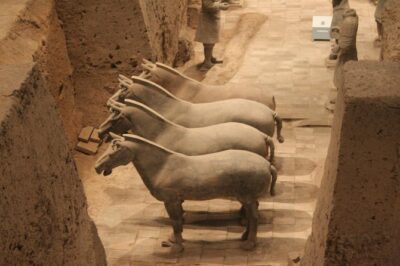
Half-Day Mini Group Xian Tour to Terracotta Warriors Museum
Read our review →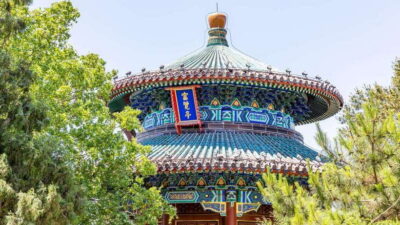
Beijing:Jingshan Park (Palace Museum Garden) Ticket
Read our review →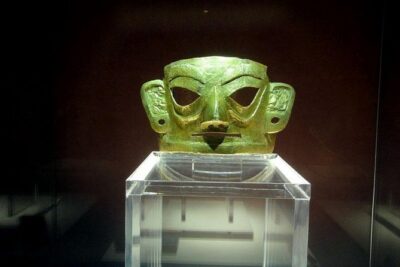
Private Chengdu Day Tour: Giant Pandas and Jinsha Site Museum
Read our review →
Private Xi’an Tour: Terracotta Warriors, Hanyangling Museum, Cave Homes
Read our review →
Beijing Half Day: National Museum of China In-depth Tour with Subway Transfer
Read our review →
Terracotta Warriors Museum Ticket with Professional English-speaking tour guide
Read our review →Browse the lists this tour appears in