
Reviewed · TEA CEREMONIES
Tea Tasting & Brewing Experience
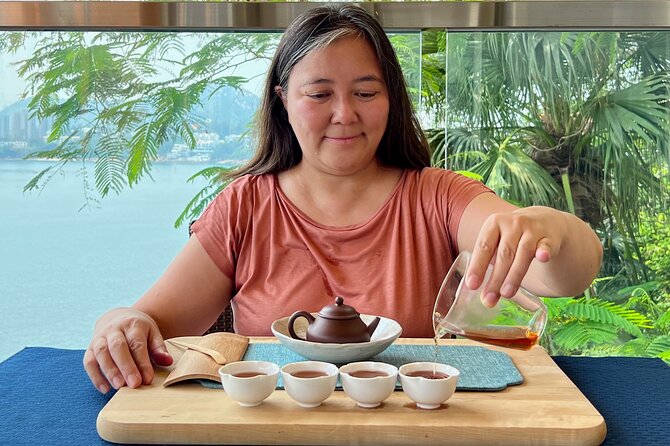
Tea tasting here is less about sipping politely and more about learning how to pay attention. Over 90 minutes in Wan Chai, you’ll compare tea styles, sort aroma from flavor, and brew your own cup with a gaiwan, the lidded Chinese bowl used for controlled steeping.
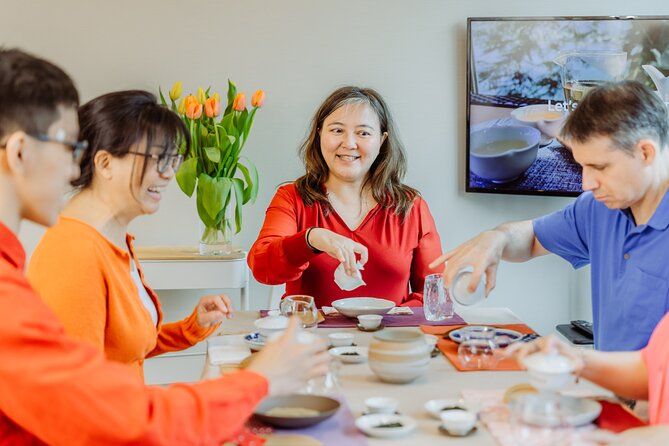
I like the small group size, capped at six, because it gives the session a personal classroom feel. I also like that Cecilia brings the subject down to earth, explaining both tea facts and myths while letting you taste premium seasonal teas rather than simply talk about them.
The main thing to consider is the price: at $55.11 per person, this is not a quick tasting stop. It makes the most sense if you want practical instruction and a better grasp of tea, not just a warm drink and a snack.
Key points to know before booking
- You brew tea yourself: The gaiwan lesson turns tasting into a hands-on skill.
- Six tea categories are covered: You’ll learn what makes each type different.
- Cecilia leads the session: Her friendly, passionate approach helps keep the class relaxed.
- The group is limited to six people: Expect a more focused experience than a large food tour.
- Tea is paired with snacks: The small bites help you notice how flavors change.
- It lasts about 90 minutes: The session returns to its starting point at 382 Lockhart Road.
Learning to taste tea in Wan Chai
The experience begins at 382 Lockhart Road, a practical meeting point in Wan Chai with public transportation nearby. You do not need to travel across Hong Kong for this lesson, and the activity ends back at the same spot, which makes it easy to fit into a day of exploring the district.
The first part introduces tea as a broad family of drinks rather than one single flavor. You’ll learn about the six categories of tea and the features that set them apart. The class also tackles common facts and myths, which matters because tea is surrounded by plenty of confident claims that are not always as simple as they sound.
I like this opening because it gives the tasting a framework. Instead of hearing a string of names and trying to remember them later, you can connect each cup to how it was made and what to look for in it. The lesson is designed for tea lovers, but it also works if you usually order tea without thinking much about its aroma or preparation.
The setting is intentionally small. With no more than six people, you should have room to watch the demonstrations and ask questions. This is a better format for learning a technique than a large group where the instructor has to keep moving and conversation gets lost.
More Food Tours in Hong Kong
- Hong Kong’s Tin Hau Hidden Eats Food Tour with 7+ Local Tastings
★ 5.0 · 352 reviews - Small-Group Hong Kong Island Food Tour
★ 5.0 · 343 reviews - Hong Kong Food Tour: Central and Sheung Wan Districts
★ 5.0 · 333 reviews
Six tea categories, explained through the cup
The class covers the six main categories of tea and explains what makes each one unique. The useful point is not simply memorizing six labels. You’ll start to connect taste, aroma, and production methods, giving you a clearer way to compare teas after you leave Hong Kong.
The session also introduces the language of tasting. Professional tea tasters pay attention to more than whether a cup tastes good. They examine aromas, flavors, balance, and other sensory details. You’ll get a glimpse of this process and learn how to describe what you are noticing.
That can be surprisingly helpful. Many people know when they like a tea but struggle to explain why. This class gives you a vocabulary for moving beyond strong or smooth. You may find yourself noticing floral, earthy, roasted, fresh, or other qualities, depending on the teas selected for the season.
The exact tea lineup is not fixed in the information available, so you should expect seasonal choices rather than a guaranteed list of specific teas. That is a small limitation if you are booking to taste one particular variety. It is also part of the appeal for anyone who wants the selection to reflect what is being served at the time.
What the professional tasting lesson adds
The professional tasting section is more than a lecture. Cecilia shows you how tea tasters evaluate a cup, then gives you a chance to apply those ideas while sipping. The goal is to slow you down enough to notice the tea before rushing to the next cup.
This approach makes the class useful for beginners. You do not need a trained palate or a large vocabulary before you arrive. You are given a simple process: smell, taste, compare, and describe.
I also like the balance between information and conversation. Cecilia is described as friendly and passionate, and the session is built to stay engaging rather than turn into a technical speech. One participant found the class so absorbing that the 90 minutes seemed to pass quickly. That fits the format: there is a steady change between explanation, tasting, and practice.
Still, this is not a formal professional certification course. The description promises an introduction to how professional tasters work, not advanced training. If you already study tea seriously, you may want to treat it as a guided tasting and practical refresher rather than a specialist qualification.
Brewing your own tea with a gaiwan
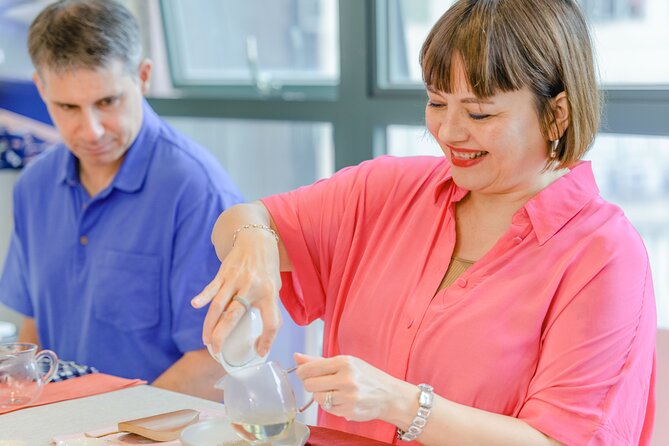
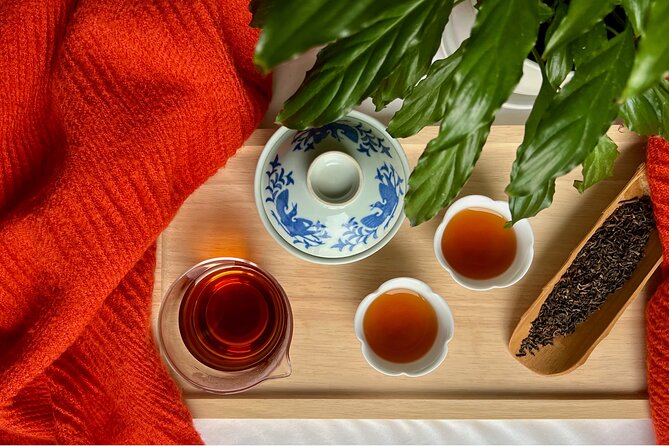
The hands-on brewing lesson is the strongest reason to book this experience. You’ll use a gaiwan, a traditional lidded bowl that allows you to control steeping and pour the tea with care.
You’ll experiment with the elements that shape a cup. The session focuses on the factors that make tea taste better or worse, then lets you see the results yourself. This is valuable because brewing is not just a matter of dropping leaves into hot water and waiting. Small changes in the process can affect aroma, strength, and balance.
The class does not give a fixed step-by-step brewing schedule in the available details, so you should not expect a written recipe for every tea. Instead, the emphasis is on understanding the method and gaining confidence with the gaiwan.
That practical work also gives the tasting more purpose. You are not only sampling teas prepared by someone else. You are testing how preparation changes the drink. If you buy tea later, this lesson should give you a better starting point for experimenting at home.
A little care is required. Gaiwan brewing involves hot liquid and several pieces of handling, so you’ll need to pay attention during the demonstration. The small group helps here, since you should be able to see what is happening and follow along without being crowded out.
More Tea Ceremonies in Hong Kong:
- Tea Tasting and Pairing Concept Workshop
★ 5.0 · 57 reviews - One-Day Hangzhou Dragon Well Tea Culture & West Lake Private Tour
★ 5.0 · 98 reviews - Traditional Chinese Tea Ceremony Experience
★ 4.7 · 74 reviews - Beijing Culture: Tea Ceremony, Heritage Instrument & Calligraphy
★ 5.0 · 57 reviews
Premium seasonal teas and simple snacks
The tea selection is described as premium and seasonal, with complimentary snacks served alongside it. The snacks are not presented as a full meal, so arrive expecting light accompaniments rather than lunch or dinner.
Their role is to help you notice the tea. Food can change the way a drink tastes, making certain aromas seem stronger or softening others. Pairing tea with small bites gives you another way to compare your impressions and understand why tasting is more than simply drinking.
The seasonal element is worth keeping in mind. A rotating selection can make the experience feel fresh and may expose you to teas you would not have chosen from a menu. On the other hand, you cannot book this session expecting a specific tea unless the provider confirms it in advance.
The strongest part of the food pairing is its restraint. Tea remains the subject. You are not paying for a large spread, and the snacks should be viewed as part of the lesson rather than the main event.
Is $55.11 a fair price?
At $55.11 per person, this sits above the cost of a casual cup of tea but below the price of many longer food tours. The value depends on how much you want from the experience.
For that price, you get about 90 minutes with a professional Tea Taster, a lesson on six tea categories, guided sensory practice, hands-on gaiwan brewing, seasonal premium teas, and snacks. You also get a small group capped at six, which is important. The instruction is likely to feel more direct than a mass-market tasting with dozens of people.
I think the price is reasonable for someone who wants to learn a skill. You are paying for guidance and structure, not just for the liquid in the cup. The gaiwan practice is especially useful because it gives you something to take home and repeat.
The value is weaker if you want only a quick introduction or a large amount of food. This is a focused educational activity. It does not include a wider Hong Kong food crawl, sightseeing, or a full meal.
The experience is booked about 11 days ahead on average, so planning ahead is sensible. That booking pattern also fits the small capacity. With only six spaces, the session may not suit a completely spontaneous schedule.
Who will enjoy this tea session most?
This is a good fit for tea drinkers who want to understand what they are tasting. It also suits curious visitors who want a quiet, local-feeling activity between Hong Kong’s bigger sights.
You should consider booking if you:
- Want to learn how to compare teas instead of simply sampling them
- Enjoy small classes with room for questions
- Have an interest in Chinese tea preparation
- Would like to practice with a gaiwan
- Prefer a 90-minute activity that stays in one location
- Are looking for a food-related experience without committing to a full meal
It is less suitable if you dislike guided instruction or want a fast, informal stop. The session asks you to listen, smell, taste, compare, and practice. That is the point, but it will feel slow if you only want a souvenir drink.
Families and mixed-interest groups should also think about the format. The activity is built around tasting and discussion, so it works best when everyone is willing to take part. The small capacity can be an advantage for a private-feeling group, but it also means fewer spaces for a larger party.
Practical details for fitting it into your day
The meeting point is 382 Lockhart Road in Wan Chai. Public transportation is nearby, and the activity finishes at the same location, so you do not need to arrange a separate return transfer.
The duration is approximately one hour and 30 minutes. Allow a little extra time around the scheduled start so you can find the meeting point without rushing, especially if you are fitting the class between other plans.
A mobile ticket is provided, and booking confirmation arrives at the time of booking. The experience requires a minimum number of participants, so a cancellation for that reason is possible. Poor weather can also lead to cancellation, with a different date or a full refund offered in those cases.
You can cancel for a full refund up to 24 hours before the start time. After that cutoff, the amount paid is not refunded, and changes made within 24 hours are not accepted. The cutoff follows local Hong Kong time, so check the clock carefully if you are changing plans from another time zone.
The parts most worth remembering
The most useful lesson is likely to be the combination of tasting language and brewing practice. Plenty of food experiences let you sample something interesting, then send you on your way. Here, you learn how to pay attention and how to prepare tea yourself.
Cecilia’s role matters, too. The available comments describe her as friendly, passionate, and able to make the subject fun and informative. That combination is valuable with a topic that can become technical quickly.
The small group strengthens the format. Six people is enough for conversation but small enough for the instructor to keep an eye on the brewing process. You should have a better chance to ask about a flavor, a tea category, or a preparation choice when the class is not packed.
The main caution is that the experience is educational first. Premium tea and snacks are included, but this is not a tasting buffet. Book it for the chance to understand tea, not for quantity.
Should you book the Tea Tasting and Brewing Experience?
I would book this if you want a calm, focused Hong Kong activity that teaches you something you can use later. The gaiwan practice, six tea categories, professional tasting methods, and small group make the $55.11 price easier to justify.
I would skip it if you are seeking a broad food tour, a full meal, or a quick stop with little explanation. Check your timing, remember the 24-hour cancellation cutoff, and keep the weather and minimum-participant conditions in mind.
For tea lovers, this is the clear choice. For everyone else, it is still a worthwhile pick if you are curious and willing to spend 90 minutes paying close attention to what is in your cup.
FAQ
Where does the tea experience begin?
It begins at 382 Lockhart Road in Wan Chai, Hong Kong.
Where does the activity end?
The activity ends back at the meeting point on Lockhart Road.
How long does the experience last?
It lasts approximately one hour and 30 minutes.
How much does the experience cost?
The listed price is $55.11 per person.
How many people can join the session?
The experience has a maximum of six travelers.
What will I learn during the session?
You’ll learn about tea facts and myths, the six categories of tea, tea aromas and flavors, professional tasting methods, and the main elements involved in brewing a good cup.
Will I brew tea myself?
Yes. You’ll receive hands-on experience brewing tea with a gaiwan.
Are tea and snacks included?
Yes. The session includes a selection of premium seasonal teas and complimentary snacks.
Is a mobile ticket available?
Yes. The experience includes a mobile ticket, and confirmation is received at the time of booking.
Can I cancel for a refund?
Yes. You can cancel at least 24 hours before the start time for a full refund. Cancellations and changes made less than 24 hours before the start time are not accepted for a refund.
More Food & Drink in Hong Kong
- Hong Kong Street Food Tour with Locals – Dim Sum, Wonton & more
★ 5.0 · 226 reviews - Small Group Kowloon Michelin Rated Street Food and Culture Tour
★ 5.0 · 170 reviews - Hong Kong Food Tour: Sham Shui Po District
★ 5.0 · 167 reviews - The 10 Tastings of Hong Kong With Locals: Private Street Food Tour
★ 4.5 · 124 reviews
Newly listed around Hong Kong
- Full Day Private Trip in Hong Kong( impeccable local )walk tour★ 5.0 · 11 reviews
- Hong Kong Victoria Harbour Sightseeing Cruise Tickets★ 4.5 · 8 reviews
- Hong Kong Guided Dinner + Laser Show Lounge Entry (2023) | 200+ booked★ 3.5 · 7 reviews
- Walking Tour in Hong Kong – Local Experience (New & Best)★ 4.5 · 33 reviews
- Victoria Peak Tram and Sky Terrace 428 Admission Hong Kong★ 4.5 · 33 reviews
- STARLIGHT: Victoria Harbour Night Yacht Tour★ 4.5 · 38 reviews
- Group Vegetarian Food & Cultural Tour★ 5.0 · 16 reviews
- Unveiling Hong Kong Cultural Gems [BRAND NEW 2024]★ 5.0 · 4 reviews
Tea Ceremonies, compared.

One-Day Hangzhou Dragon Well Tea Culture & West Lake Private Tour
Read our review →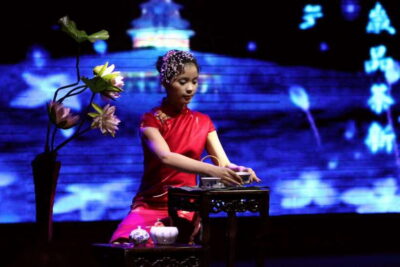
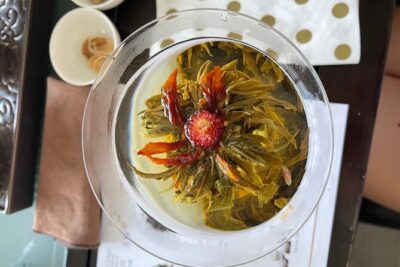
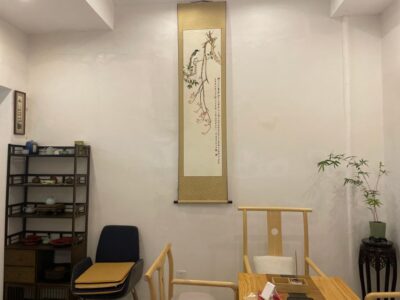
Chinese Tea ceremony in Beijing Hutong courtyard
Read our review →
Leshan Buddha + Panda Base or Old Tea House Private Day Tour
Read our review →
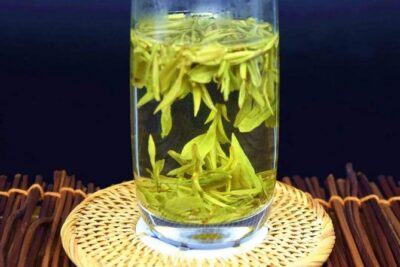
Day Tour to Discover the Secrets of Hangzhou’s Tea Culture
Read our review →Browse the lists this tour appears in