
Reviewed · FOOD & DRINK
Hong Kong: Kowloon Street Market & Food Culture Walking Tour
Hong Kong’s food culture makes the most sense at street level, where goldfish shops, fruit stalls, bakeries, betting branches, and wet markets share the same few blocks. This two-hour Kowloon walk follows that everyday world rather than a standard sightseeing route, with snacks included and a guide handling the navigation.
I especially like the small group limit of six, which gives you room to ask questions, and the fact that tastings are included in the $32.80 price. Guides such as Stephen, Alice, Summer, Michael, and Isaac have brought strong local stories and personal insight to the walk. The main consideration is pace: one person found the tour closer to two and a half hours and needed a sit-down break.
Key points at a glance
- Goldfish Street opens the tour with an unusual look at Hong Kong’s economy, from plastic bags of fish to expensive upstairs businesses.
- The food samples go beyond familiar dim sum, including walnut cookies, preserved eggs, sausages, fruit, and traditional sauces.
- The route links food with culture, covering ancestor offerings, mahjong, horse-racing bets, post-war food traditions, and Hong Kong’s dependence on imported produce.
- The group is capped at six people, a useful advantage on crowded Kowloon streets.
- The tour begins at Prince Edward Station and ends at Ladies’ Market, giving you a practical way to continue exploring Mong Kok.
- This is a walking and tasting tour, not a full meal, so arrive ready to walk and keep room for unfamiliar flavors.
Why this Kowloon walk feels different
Many Hong Kong food tours concentrate on famous restaurants or classic dishes. This one takes a wider view. You still eat along the way, but the food acts as a key to local life.
A packet of walnut cookies leads to a discussion of cultural memory. A preserved egg explains how people worked with Hong Kong’s hot, humid climate. A seafood shop reveals the city’s dependence on fast international supply lines. Even a paper offering shop becomes part of the food and family story, because Hong Kong traditions are often found in ordinary shops rather than formal museums.
That approach gives the walk real value. You are not simply collecting snacks. You are learning why certain foods remain popular, how shops survive high rents, and how old customs fit into a modern city.
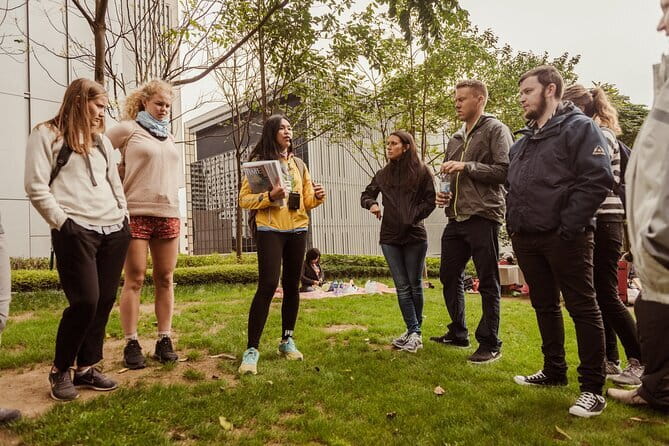
The route is also useful if you have just arrived in Hong Kong. A guide removes the need to study a map while helping you understand the streets around Prince Edward and Mong Kok. The experience is conducted in a maximum group of six, so it should feel more like a guided conversation than a large procession.
More Food Tours in Hong Kong
- Hong Kong’s Tin Hau Hidden Eats Food Tour with 7+ Local Tastings
★ 5.0 · 352 reviews - Small-Group Hong Kong Island Food Tour
★ 5.0 · 343 reviews - Hong Kong Food Tour: Central and Sheung Wan Districts
★ 5.0 · 333 reviews
Goldfish Street: fish, rent, and upstairs businesses
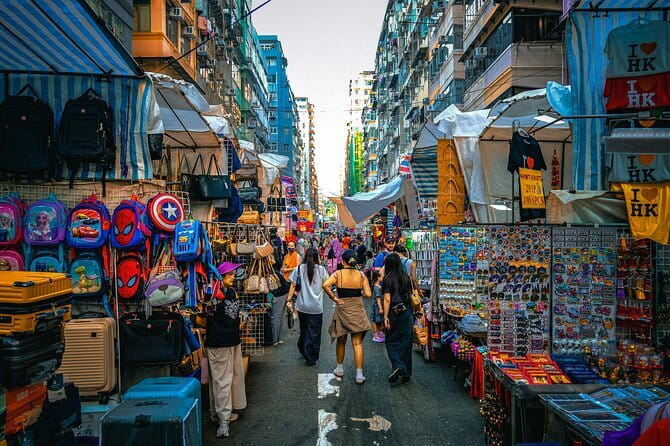
The first stop is Goldfish Street on Tung Choi Street. The sight is memorable: small fish displayed in plastic bags, ready for customers to take home.
The guide uses this stop to explain more than pet ownership. Goldfish have a place in Chinese culture, and the shops offer a window into Hong Kong’s commercial life. You also hear how some stores can record very high sales while facing steep rents. As ground-floor space becomes harder to afford, businesses move upward into less obvious locations.
This is a smart opening because it gets you looking above street level. Hong Kong’s commercial life is not always displayed in big signs at eye level. Some businesses operate in upper floors, behind narrow entrances, or in places you would probably pass without a local showing you where to look.
You spend about 10 minutes here, so do not expect a long shopping stop. The value is in the explanation and in seeing how a very specific trade connects to the city’s wider economic pressures.
Kiu Ming Mansion and the long journey of Hong Kong fruit
At Kiu Ming Mansion, the subject shifts to produce. Hong Kong has almost no agricultural land, with agriculture accounting for about 0.1 percent of the territory. That means the fruit on local shelves depends heavily on an international supply chain.
You learn how fruit may be flown in from far away and can taste produce associated with overnight air transport, including strawberries from Japan. This is a useful correction to the idea that a market stall only represents nearby farms. In Hong Kong, freshness often depends on logistics, air cargo, refrigeration, and timing.
This stop is especially good for anyone interested in how cities eat. The fruit is not just a snack. It shows how a dense city with limited farmland has built a food system that reaches across borders.
The short visit may leave you wanting more detail about prices, suppliers, or seasonal changes. Still, the guide’s explanation gives the stop a clear purpose and adds context you would miss while simply walking past a fruit display.
Ki Tsui Cake Shop and edible memory
Ki Tsui Cake Shop introduces a quieter side of Hong Kong food culture. The tasting centers on walnut cookies, a simple bakery item with a story tied to changing identity and cultural memory.
This is one of the tour’s better reminders that heritage does not always look grand. It can survive in a neighborhood bakery, in a familiar recipe, or in a treat associated with family occasions. The cookie gives the guide something concrete to discuss, and you get to consider how old tastes remain relevant as the city changes.
Do not expect a full bakery visit or a broad pastry sampling. The stop lasts around 10 minutes, and the focus is on one food and what it represents. If you prefer tours built around many substantial dishes, this may feel modest. If you enjoy the story behind a small bite, it works well.
More Walking Tours in Hong Kong
- Dark Side of Hong Kong – Kowloon Caged Homes Walking Tour
★ 5.0 · 418 reviews - Introduction to Hong Kong: Central Tip Based Walking Tour
★ 5.0 · 202 reviews - Full-Day Private Customized Walking Tour of Hong Kong
★ 5.0 · 106 reviews - Organic Chinese Dumpling Class with Market Walk
★ 5.0 · 88 reviews
Pat Chun on Fa Yuen Street

The stop at 136A Fa Yuen Street introduces Pat Chun, a Hong Kong brand associated with sauces and traditional food products. The discussion connects the company to the post-war baby boom and to the idea of preserving local production.
You taste a product from the shop while learning about its commitment to Hong Kong and its resistance to moving production to mainland China. That detail makes the stop more than a condiment tasting. It raises questions about manufacturing, trust, labels, and the meaning of local identity in a place where land and business costs are high.
The short visit will not turn you into a sauce expert, but it can change the way you think about the bottles in a pantry. Food heritage often depends on small companies continuing to make familiar products when cheaper alternatives are available.
Mahjong and the Hong Kong Jockey Club
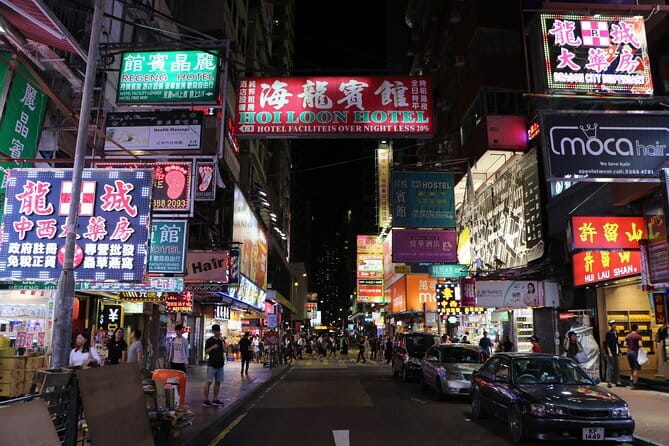
The route then moves into social history at a Hong Kong Jockey Club off-course betting branch on Argyle Street. This is not a food stop, but it gives the walking tour a needed change of rhythm.
You learn how gambling, colonial law, and local customs came together in Hong Kong. Mahjong and horse-racing bets are presented as part of a distinctive social arrangement, one in which gambling activity helps fund public services.
This stop is valuable because it explains a part of city life that can be easy to misunderstand from the outside. A betting branch may look like a plain shopfront, but it connects to public finance, popular recreation, and the city’s complicated colonial past.
The subject may appeal more to people who enjoy social history than to anyone seeking nonstop eating. That is part of the tour’s character. It is a food and culture walk, not a restaurant crawl.
Preserved foods at the Marinated Store
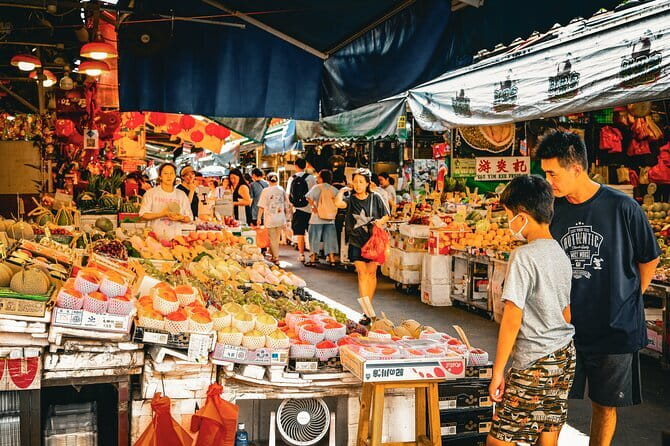
At 1031A Canton Road, the Marinated Store brings the focus back to food. You taste preserved eggs and sausages while learning how Hong Kong cooks responded to heat, humidity, and the need to keep food usable over time.
Preservation is practical, but it also shapes taste. These foods reflect patience, storage, and an older relationship with the seasons. The guide presents them as examples of people working with the climate rather than ignoring it.
This may be the stop that pushes you furthest beyond familiar food. The tour clearly asks you to try things you might not order on your own. You are not required to like everything, but an open mind will make the experience more rewarding.
The tasting is included, which matters here. You can sample without paying separately for each item or committing to a full portion. That makes it easier to experiment.
Seafood at Lok Yuen House
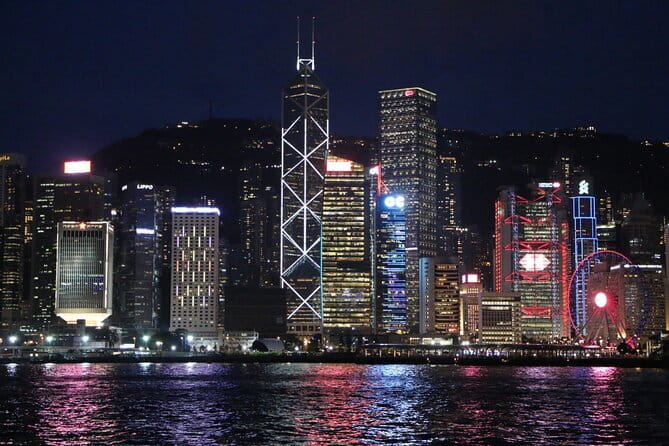
At Lok Yuen House, a seafood shop becomes a lesson in Hong Kong’s position within global food trade. You learn how seafood such as Canadian geoduck can reach local stalls within hours.
The story fits Hong Kong’s food philosophy: obtain the best ingredients possible, keep them fresh, and prepare them simply. It also gives you a sharper sense of the distance between source and market. A seafood display in Kowloon may represent a supply chain that crosses the Pacific.
This stop is likely to appeal to anyone curious about markets and sourcing. It may be less satisfying if you are hoping to sit down and eat a cooked seafood dish. The itinerary describes a tasting-focused visit, not a restaurant meal, so think of this as a look at ingredients and trade.
Paper offerings and the final walk to Ladies’ Market
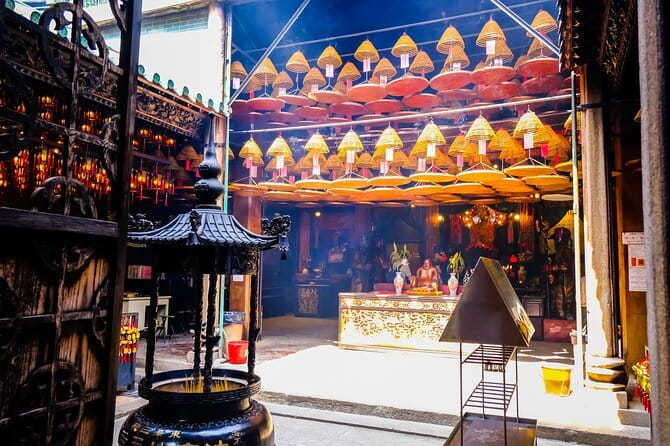
The paper offering shop at 1028 to 1036 Canton Road adds a cultural layer that many food tours would skip. Chinese families may burn paper replicas as offerings to ancestors, and the shops sell symbolic goods for that purpose.
The guide also explains the tension between this tradition and outside commercial pressure, including an attempt by Gucci to stop shops from using related designs. The larger point is about cultural practice, copyright, and the strength of local customs.
This is a memorable closing subject because it shows that Hong Kong’s old and new worlds do not sit in separate districts. Luxury brands, ancestor rituals, imported seafood, betting shops, and street markets all exist within the same compact urban setting.
The walk ends at Ladies’ Market on Tung Choi Street, near Mong Kok MTR Station. That location is convenient. You can continue shopping, find your own dinner, or take the MTR onward without arranging another transfer.
What the $32.80 price really includes
At $32.80 per person, the tour offers a useful mix of guiding, navigation, local context, and included snacks. You are paying for access to a route that would be difficult to recreate efficiently without local knowledge, especially if you do not read Chinese or know which small shops matter.
The value is strongest for first-time visitors and for anyone who wants more than famous landmarks. The guide connects eight stops into one story, and you do not need to budget extra money for the tastings listed as part of the experience.
It is not the best value if you measure a food tour by the amount of food alone. This is a sequence of small samples, not lunch or dinner. You may still want a proper meal afterward, particularly if you have a large appetite.
Timing, pace, and practical details
The advertised duration is about two hours, starting at 3:00 pm. The route begins at Prince Edward Station on Prince Edward Road West and finishes at Ladies’ Market near Mong Kok MTR Station.
Allow extra time if you have a tight evening plan. One account places the experience at about two and a half hours, and walking between eight stops can take longer depending on street conditions and group pace.
Wear comfortable shoes and bring water. You will be on your feet and moving through market streets, shops, and busy commercial areas. The tour requires good weather, and poor weather can lead to a different date or a full refund.
Confirmation arrives at booking. Service animals are allowed, most people can participate, and the group maximum is six. You can cancel for a full refund up to 24 hours before the start time. Changes or cancellations inside that window are not accepted.
Which guide style suits you best?
The guide is a major part of this experience. The available guide names include Stephen, Michael, Alice, Summer, and Isaac, although you should not assume a particular person will lead your departure unless confirmed.
Stephen has been described as offering strong insight into the locations and bringing plenty of information. Michael’s style centers on storytelling and personal perspective. Alice has led the walk with patience and enthusiasm, while Summer has handled questions thoughtfully and kept a good pace. Isaac has focused on traditions and food.
That range suggests the tour is not a scripted food handout. Expect a guide-led conversation, with different personalities shaping the experience. If you enjoy asking questions, use the small group to do so.
Should you book the Kowloon Street Market and Food Culture Walking Tour?
Book it if you want to understand Kowloon through ordinary shops, small tastings, and local customs. It is particularly well suited to first-time Hong Kong visitors, curious eaters, solo visitors who want company, and anyone interested in how food connects to trade, family, climate, and identity.
Skip it if you want a seated meal, a long stop at each restaurant, or a relaxed stroll with little historical explanation. The route is active, the samples are varied, and some foods may be unfamiliar.
For $32.80, the strongest reason to go is not the quantity of food. It is the combination of small-group guidance, included tastings, and access to places you might otherwise walk past. Schedule it early in your Hong Kong stay, then use the finishing point at Ladies’ Market to continue exploring Mong Kok on your own.
FAQ
Where does the tour begin?
It begins at Prince Edward Station on Prince Edward Road West in Prince Edward, Hong Kong.
Where does the tour end?
It ends at Ladies’ Market on Tung Choi Street, near Mong Kok MTR Station.
What time does the tour start?
The start time is 3:00 pm.
How long does the tour last?
The listed duration is approximately two hours. The walk may last closer to two and a half hours depending on the pace and stops.
Are food tastings included?
Yes. Snacks and food tastings are included as part of the tour.
How many people can join?
The experience has a maximum of six travelers.
What happens if the weather is poor?
The experience requires good weather. If it is canceled because of poor weather, you will be offered another date or a full refund.
More Food & Drink in Hong Kong
- Hong Kong Street Food Tour with Locals – Dim Sum, Wonton & more
★ 5.0 · 226 reviews - Small Group Kowloon Michelin Rated Street Food and Culture Tour
★ 5.0 · 170 reviews - Hong Kong Food Tour: Sham Shui Po District
★ 5.0 · 167 reviews - The 10 Tastings of Hong Kong With Locals: Private Street Food Tour
★ 4.5 · 124 reviews
More Shopping Tours in Hong Kong
- Organic Xiao Long Bao Soup Dumpling Class & Market Walk
★ 5.0 · 62 reviews - Mini Group Xian Day Tour to Terracotta Army, City Wall, Pagoda and Muslim Bazaar
★ 5.0 · 1,320 reviews - Half-Day Chengdu Cooking Class with a Local Market Visit
★ 5.0 · 465 reviews - Shanghai Day Tour to Zhujiajiao Water Town, Yu Garden, Bazaar, Bund
★ 5.0 · 162 reviews
Newly listed around Hong Kong
- 6 Hour Private Shore Excursion Cruise Ship Pick Up Guided Tour★ 5.0 · 8 reviews
- Hong Kong Disneyland: Non-Stop 2-Day Fun Ticket★ 4.5 · 13 reviews
- Big Bus Hong Kong Panoramic Night Tour by Open-Top Bus★ 3.5 · 53 reviews
- The Dragon’s Back Hiking Tour, Hong Kong★ 5.0 · 54 reviews
- The Authentic Hong Kong – Private Walking Tour★ 5.0 · 55 reviews
- Tea Tasting and Pairing Concept Workshop★ 5.0 · 57 reviews
- Victoria Harbour Yacht Night Cruise – DREAMER:Tourguide & Photos★ 4.0 · 58 reviews
- Organic Xiao Long Bao Soup Dumpling Class & Market Walk★ 5.0 · 62 reviews
Food & Drink, compared.
Authentic Local Food Tour in Central Shanghai
Read our review →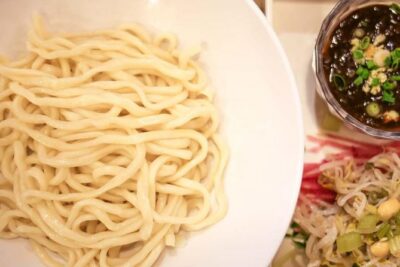
Beijing Hutong Walking Food and Beer Tour at Hidden Restaurants
Read our review →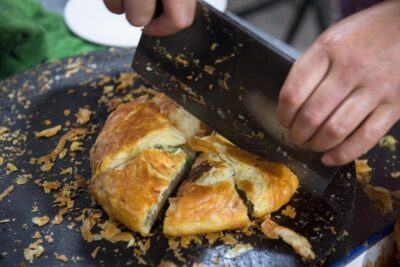
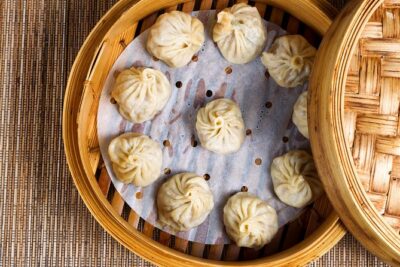
Hong Kong’s Tin Hau Hidden Eats Food Tour with 7+ Local Tastings
Read our review →
Hong Kong Food Tour: Central and Sheung Wan Districts
Read our review →Browse the lists this tour appears in