
Reviewed · MUSEUMS
Beijing: National Art Museum of China Entry Reservation
The National Art Museum of China gives you a useful window into Chinese art without tying you to a guide or fixed route. Inside, you can move at your own pace among ink paintings, calligraphy, sculpture, and modern works, with an English textual and visual guide to help explain what you see.
I like the low price and the freedom to set your own rhythm. I also like that the collection links traditional Chinese forms with newer artistic work, so you get more than a room of isolated masterpieces. The main thing to consider is that this is an entry reservation, not a guided museum tour. If you want a person explaining every gallery, you will need a different experience.
Key points to know
- More than 100,000 works: The collection covers traditional ink painting, sculpture, calligraphy, modern art, contemporary art, and work by Chinese and international artists.
- About two hours inside: This gives you enough time for a focused visit without turning the museum into an all-day commitment.
- English help is included: The textual and visual guide can make Chinese-language displays easier to follow.
- Pre-booked entry: You reserve your place in advance and can avoid the standard ticket line, though the ticket office may still be part of the redemption process.
- Very low cost: At $6 per person, the reservation offers strong value for visitors interested in Chinese culture.
- Bring your passport or ID card: You need identification for entry, and smoking is not allowed inside.
Why the National Art Museum of China deserves two hours
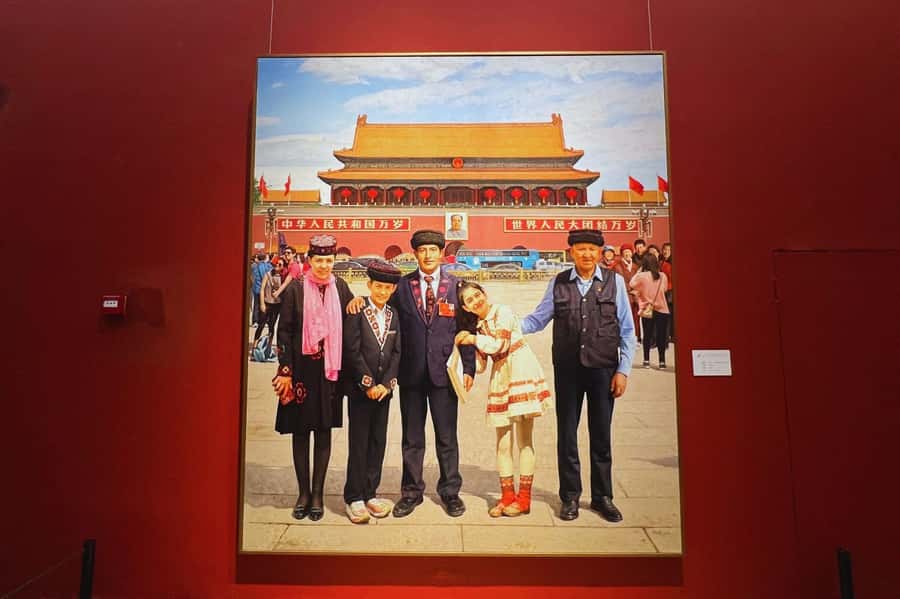
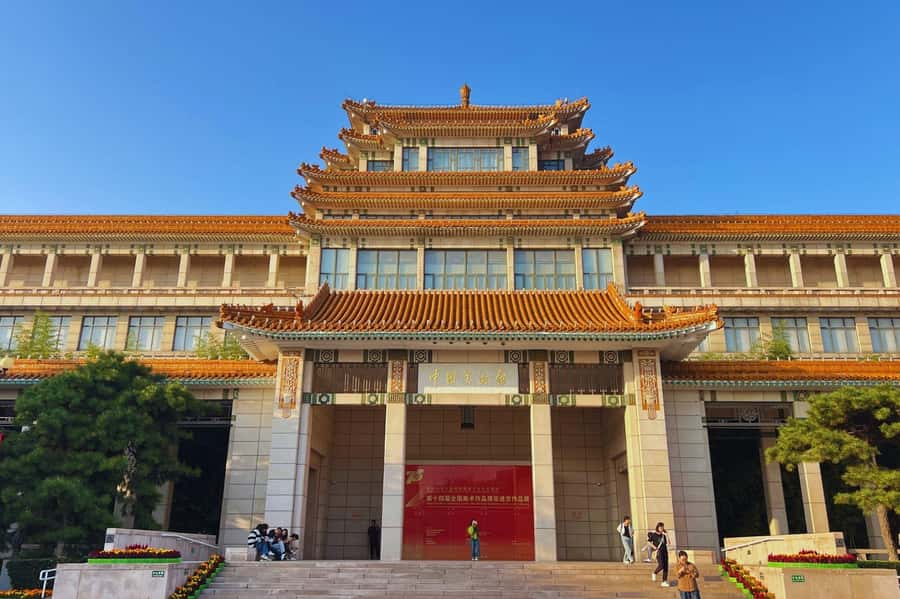
The National Art Museum of China, often shortened to NAMOC, is one of Beijing’s major art institutions. Its collection contains more than 100,000 pieces, making it a useful stop for anyone who wants to understand how Chinese art has changed over time.
You might begin with familiar traditional forms such as ink painting and calligraphy. These works often reward patience. At first, a brush painting can seem spare compared with a crowded European gallery. Give it a little time, and you begin to notice the balance of blank space, brush pressure, line, and gesture.
From there, the museum’s modern and contemporary works offer a different view of China. The exact galleries and special exhibitions can change, so your visit may not follow one fixed route. That variety is part of the appeal, though it also means you should check what is on display when selecting your time.
I like the way this museum can serve two kinds of visitor. You can come with a serious interest in Chinese painting, or you can simply spend two hours learning how artists have handled tradition, change, identity, and new materials. The reservation keeps the visit simple enough to fit between other Beijing sights.
More Museums in Beijing
- Beijing: Tianmen Square, Forbidden City & Royal Museum Tours
★ 4.6 · 1,288 reviews - Beijing:Jingshan Park (Palace Museum Garden) Ticket
★ 4.5 · 185 reviews - Beijing Half Day: National Museum of China In-depth Tour with Subway Transfer
★ 5.0 · 70 reviews
From ink painting to contemporary Chinese art
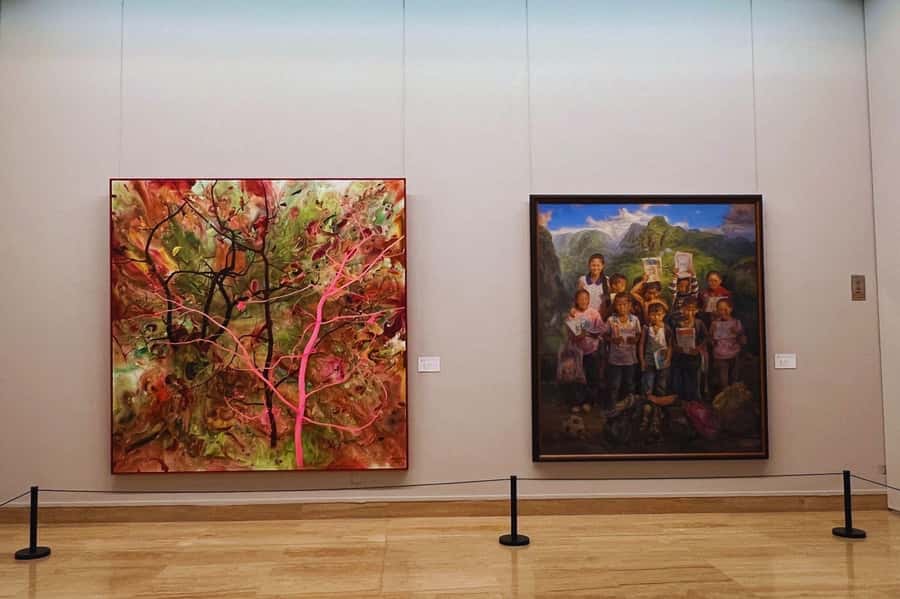
The museum’s collection is broad, but its strongest value comes from the contrast between old and new. Traditional ink paintings and calligraphy show techniques tied to long-established Chinese artistic practice. Sculpture and modern works then add shape, volume, and new ideas to the visit.
You should not expect every gallery to feel easy at first. Some works may require context, especially if you do not read Chinese. That is where the English textual and visual guide matters. It gives you a basic path through the exhibits, helping you identify what you are looking at and why it may matter.
The guide is described as an English version of the textual and visual material, not as a live English-speaking guide. That distinction is important. You get support for independent viewing, but you remain responsible for choosing your route and pace.
I prefer this setup when I want to stop in front of a work for as long as I like. You can read the guide, look closely, then move on without waiting for a group. On the other hand, visitors who want lively stories, personal interpretation, or detailed art analysis may find the experience too self-directed.
What your two-hour visit may feel like
The planned duration is about two hours. That is a sensible amount of time for a first visit, particularly if you want to see a selection of the collection rather than inspect every room.
Use the first part of your visit to get oriented. Look at the guide, note which displays interest you most, and avoid trying to cover everything. With more than 100,000 pieces in the wider collection, a complete survey is not realistic in one short stop.
Next, give yourself time with the traditional works. Ink painting and calligraphy can look quiet, but their details often sit in the line and the spacing. You might find that the guide helps you slow down and notice choices that would otherwise pass quickly.
Set aside the remaining time for modern and contemporary work, sculpture, and any special exhibition available during your visit. Special displays are one reason the museum can feel different from one trip to the next. They can also affect how much time you need, so leave a little flexibility in your plan.
A two-hour visit is long enough for a meaningful introduction, but not so long that you must make the museum your only Beijing activity. If you are a committed art enthusiast, you may want more time. If you are fitting art between major historic sites, the shorter visit works well.
The practical value of a $6 reservation
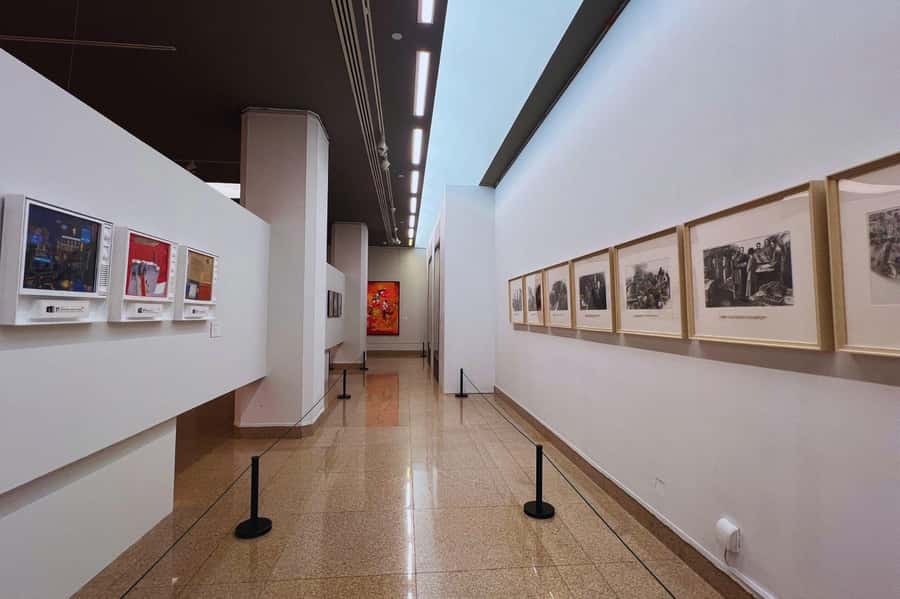
At $6 per person, this is an inexpensive cultural activity by Beijing standards. The price matters because the museum offers both a large permanent collection and changing exhibitions, while the reservation removes much of the uncertainty around entry.
The main value is not a guided service. It is access, planning, and flexibility. You can reserve a place, visit during an available starting time, and explore independently with English support. That is a good match for someone who already knows how to enjoy a museum without a guide.
The reservation also supports a smoother arrival. The experience is described as allowing you to skip the ticket line, but the redemption process can still involve the ticket office. One practical report specifically notes that redeeming the reservation there was easy. I would still bring the required passport or ID card and allow a little time for entry rather than treating the process as instant.
The reserve-now-and-pay-later option is useful if your Beijing schedule may shift. You can book without paying at once, and free cancellation is available up to 24 hours before the visit for a full refund. Those terms give you room to adjust plans around weather, transport, or other museum reservations.
Same base, a completely different kind of day out:
- From Beijing: Mutianyu Great Wall Tours with Options
★ 4.9 · 9,216 reviews - Beijing: Forbidden City Tour(Group/Private)-Tickets Included
★ 4.8 · 7,974 reviews - Beijing: T-Square & Forbidden City Group or Private Tour
★ 4.8 · 4,446 reviews - Beijing: Mutianyu Great Wall Daily Tour with Ticket & Lunch
★ 5.0 · 3,056 reviews
Getting the most from the English guide
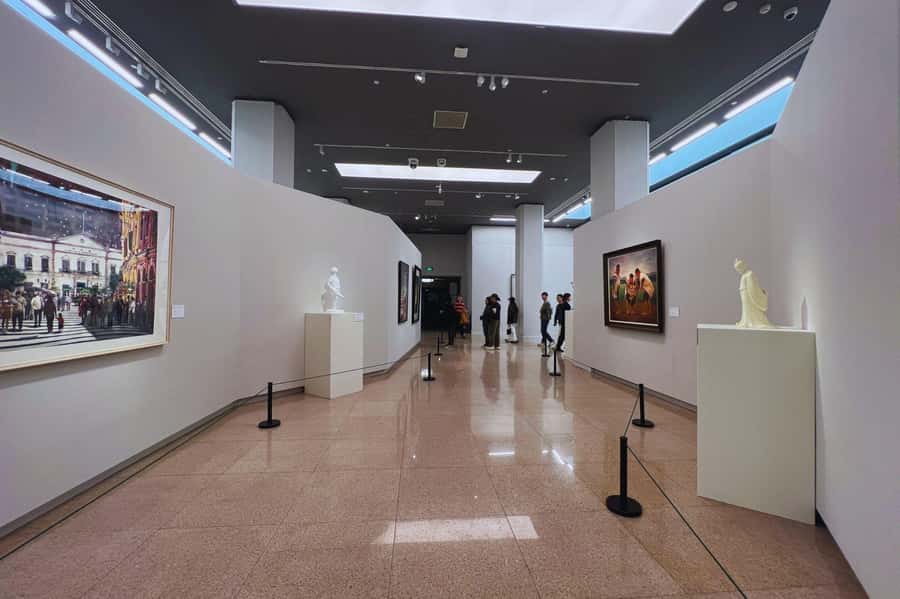
The English textual and visual guide is one of the most useful parts of this experience for international visitors. Chinese art can be easy to admire but harder to place without background, especially when labels or exhibition notes are not in English.
Use the guide as a support tool rather than a script. Read enough to understand the subject, materials, and setting, then look back at the work. This keeps the visit from becoming a reading exercise.
The visual element should also help you connect explanations with what is on the wall. If a traditional painting initially seems simple, the guide may point you toward composition, brushwork, or symbolism. If a contemporary piece feels unfamiliar, the accompanying information can give you a starting point.
Still, the guide has limits. It does not replace a personal art historian or a live museum educator. You will need to make your own choices about what deserves extra time. I see that as a strength for independent visitors and a weakness for anyone who prefers a structured lecture.
Special exhibitions and the changing museum experience
NAMOC regularly hosts special exhibitions and events. These displays add a changing element to the museum, since your visit may include work not always shown as part of the main collection.
That is valuable if you enjoy discovering art that sits outside a standard overview of Chinese painting. A special exhibition may focus your attention on a period, artist, medium, or subject, although the available theme depends on the date of your visit.
The changing program also creates one small uncertainty. The general description tells you the museum houses modern and contemporary Chinese art, traditional ink paintings, sculpture, calligraphy, and work by prominent Chinese and international artists. It does not promise a particular artist or exhibition for your chosen time.
For that reason, book this as a visit to the museum itself rather than as a ticket to one named show. If a particular exhibition is your main reason for going, confirm that it is available before you commit your schedule.
Who will enjoy this experience most
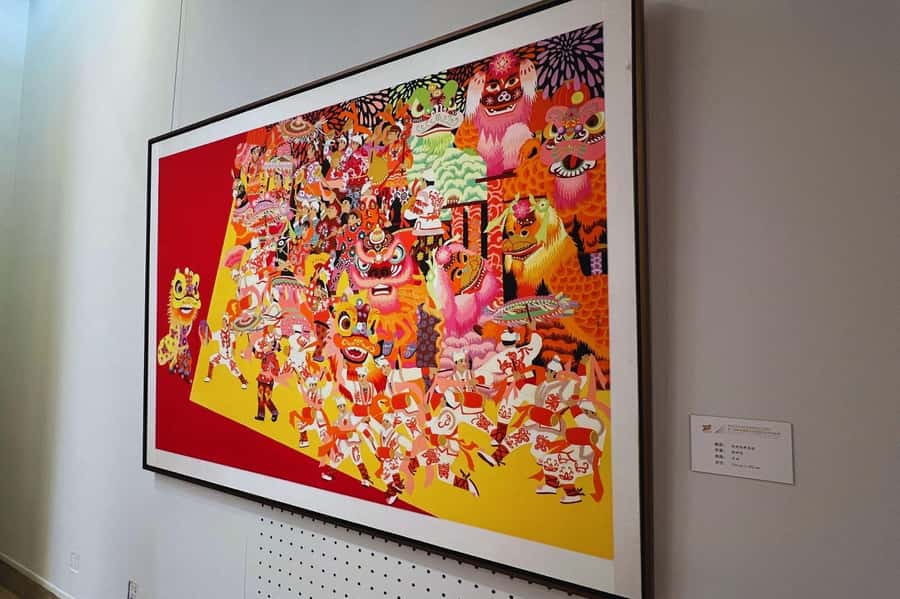
This reservation suits independent museum visitors, art students, culturally curious sightseers, and anyone who wants a calm indoor activity in Beijing. It also works well for first-time visitors who want an introduction to Chinese art but do not want a full-day program.
You will get the most from it if you are comfortable reading an English guide and choosing your own route. The low price makes it easy to add to a wider Beijing itinerary without a major financial commitment.
Families should note that the activity is not suitable for children under two. Older children may respond differently to the galleries, but the available information only gives the restriction for under-twos, so you should judge the visit based on your child’s interest and patience.
The museum is wheelchair accessible, which makes it a practical choice for visitors who need accessible facilities. The supplied details do not specify the layout of every gallery or the precise accessibility arrangements, so contact the provider if you need a particular accommodation.
What to bring and how to plan your arrival
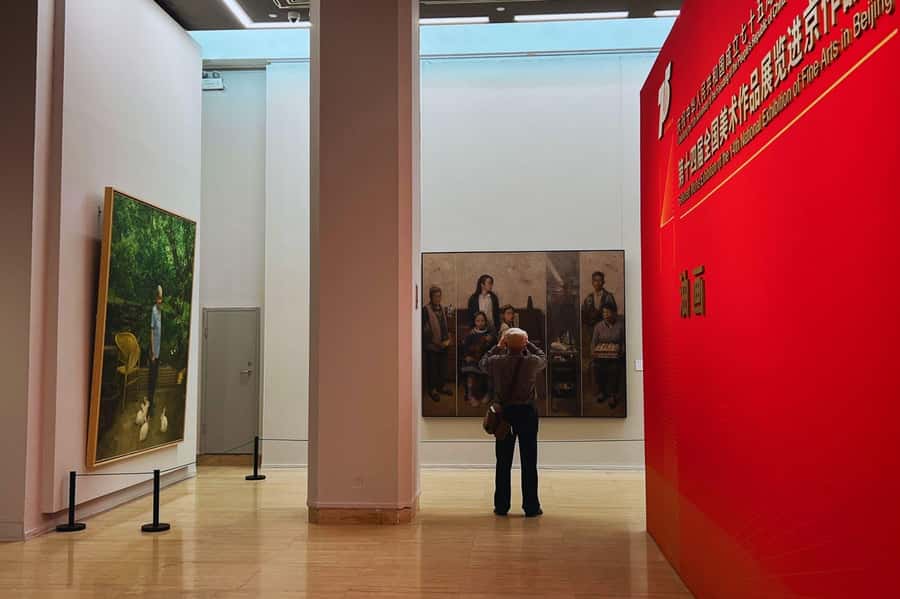
Bring your passport or ID card. This is not a suggestion to ignore, since identification is listed as an entry requirement.
Smoking is not allowed. Personal expenses beyond the entry reservation are not included, so plan separately for any spending outside the admission itself.
Check the available starting times before booking. The visit lasts about two hours, but your wider schedule should also allow time for the entry process. The reservation may help you skip the regular ticket line, yet the easy redemption reported at the ticket office suggests you should still follow the instructions for exchanging or confirming your reservation.
Because this is a self-guided visit, you do not need to coordinate with a tour group once inside. That gives you control over the pace. You can linger with calligraphy, move quickly through a crowded display, or spend more time on a special exhibition.
The limits of a self-guided museum visit
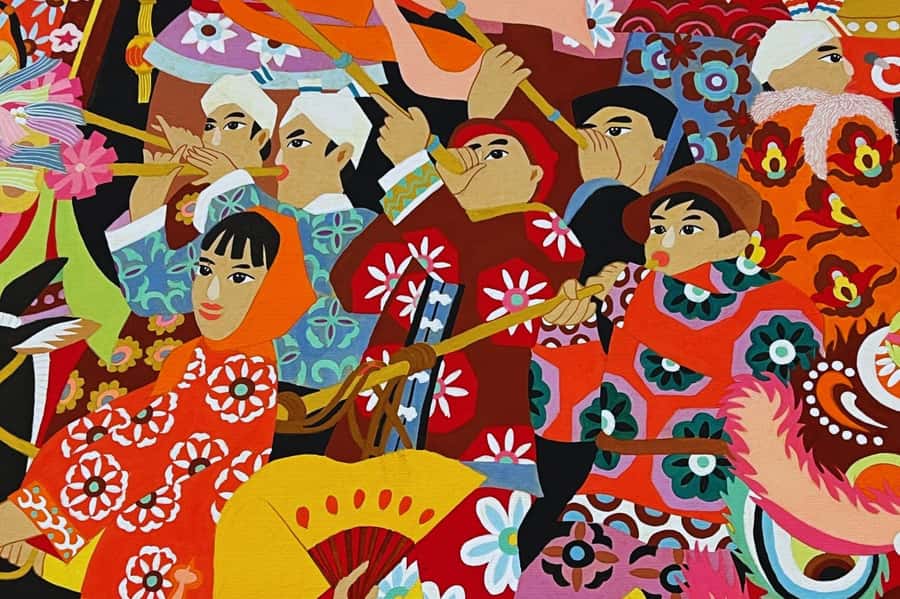
The greatest strength of this experience is also its main limitation. You have freedom, but no named guide is provided to interpret the museum in person.
That means the quality of your visit depends partly on your own curiosity. If you enjoy reading, looking closely, and making your own connections, the setup is liberating. If you want a clear narrative from the first gallery to the last, it may feel a little loose.
The large collection can create a similar issue. More than 100,000 works sounds impressive, but you will see only a fraction during two hours. Do not judge the visit by how much you fail to see. Choose a few sections and give them proper attention.
I also recommend keeping expectations realistic about the English material. An English guide is a meaningful help, but the listing does not promise that every label, event, or special exhibition will have full English coverage. The guide improves access without turning the whole museum into an English-language tour.
Is the National Art Museum reservation worth booking?
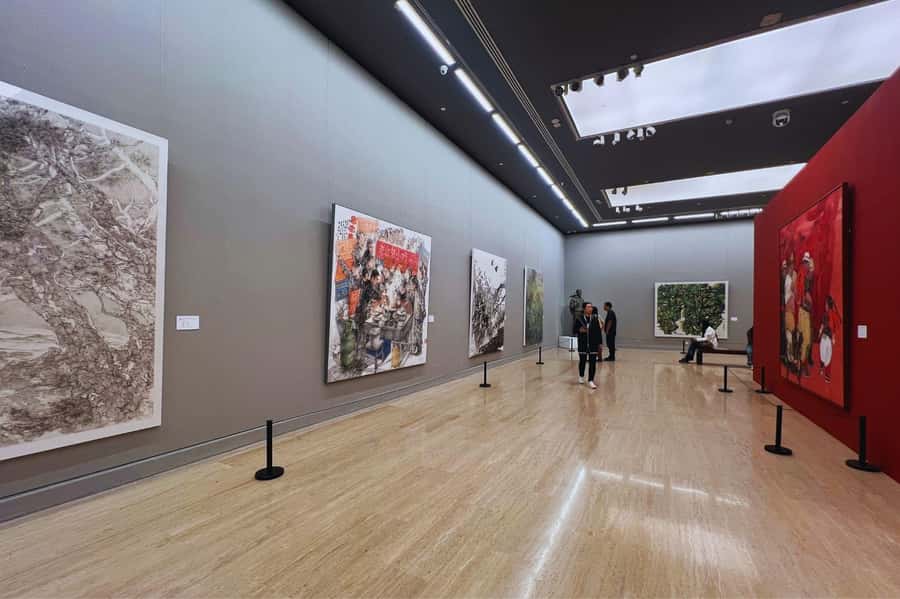
Book it if you want an affordable, flexible introduction to Chinese art and you are happy to explore without a live guide. The combination of a $6 price, two-hour duration, English textual and visual support, and a pre-booked entry makes this a practical cultural stop in Beijing.
I especially like it for visitors who have already planned the city’s major sights and want time with painting, calligraphy, sculpture, and contemporary work. It is also a sensible rainy-day or hot-weather option, with wheelchair access and a short enough schedule to fit around other plans.
Skip it if you need a named expert, a fully narrated route, or guaranteed access to one particular temporary exhibition. For everyone else, the reservation offers good value and a direct way to spend two thoughtful hours with Chinese art.
FAQ
How long does the museum visit last?
The planned duration is two hours. You should check the available starting times when booking.
What does the $6 price include?
The price includes the entry reservation for the National Art Museum of China and an English version of the textual and visual guide.
Do I need to bring identification?
Yes. Bring your passport or ID card, as identification is required for entry.
Is this a guided tour?
No live guide is listed. You explore the museum at your own pace with the included English textual and visual guide.
Can I cancel the reservation?
Yes. You can cancel up to 24 hours in advance for a full refund.
Is the museum wheelchair accessible?
Yes. The activity is listed as wheelchair accessible.
Newly listed around Beijing
- Beijing: Summer Palace Ticket; fast and smooth★ 3.6 · 38 reviews
- Beijing: Summer Palace Entry Ticket★ 3.3 · 3 reviews
- Beijing: Summer Palace Highlight Walking Tour★ 4.8 · 25 reviews
- Beijing: Summer Palace, Sacred Road&Ming Tombs Private Tour★ 5.0 · 8 reviews
- Beijing: Summer Palace Entrance(combo/tour opt)★ 4.7 · 6 reviews
- Beijing: Summer Palace 3 Hours Guided Tour with Entry Ticket★ 4.8 · 4 reviews
- Beijing Private Tour: Summer Palace, Panda House and Options★ 5.0 · 21 reviews
- Beijing Royal Banquet with Chinese culture prefermance★ 5.0 · 3 reviews
Museums, compared.

Tianmen Square, Forbidden City & Royal Museum Tours
Read our review →
Half-Day Mini Group Xian Tour to Terracotta Warriors Museum
Read our review →
Beijing:Jingshan Park (Palace Museum Garden) Ticket
Read our review →
Private Chengdu Day Tour: Giant Pandas and Jinsha Site Museum
Read our review →
Private Xi’an Tour: Terracotta Warriors, Hanyangling Museum, Cave Homes
Read our review →
Beijing Half Day: National Museum of China In-depth Tour with Subway Transfer
Read our review →
Terracotta Warriors Museum Ticket with Professional English-speaking tour guide
Read our review →Browse the lists this tour appears in