
Reviewed · COOKING CLASSES
Beijing: Dumpling-Making Class with wet Market visit
Making dumplings in a Beijing home gives you something a restaurant meal cannot: a look at how food, family, and daily life fit together. You visit a local wet market, choose ingredients, then learn to make wrappers, fillings, and neat folds with a host family.
I like the market visit because it gives useful context to the meal, and I like the relaxed tea and conversation afterward. Guides such as May, Sonia, and Peter have been praised for being warm, funny, and easy to talk with. The main caution is timing: although the experience is sold as five hours, one booking finished in less than three, so do not build your whole day around the advertised length.
Key points to know before booking
- Shop before you cook: The wet market visit helps you understand the fresh ingredients used in everyday Chinese dishes.
- Learn inside a local home: You make dumplings with a Chinese family rather than watching a chef work from a distance.
- Choose your menu: Along with dumplings, you can prepare two additional dishes, including Kung Pao Chicken or scrambled egg with tomato.
- Tea is part of the visit: The tea session creates time for real conversation about family life and culture.
- Pick your format: Private and small-group options are available, with hotel pickup and drop-off offered in central Beijing.
- Watch the schedule: The planned duration is five hours, but one booking lasted under three hours.
Why this Beijing cooking class feels more personal
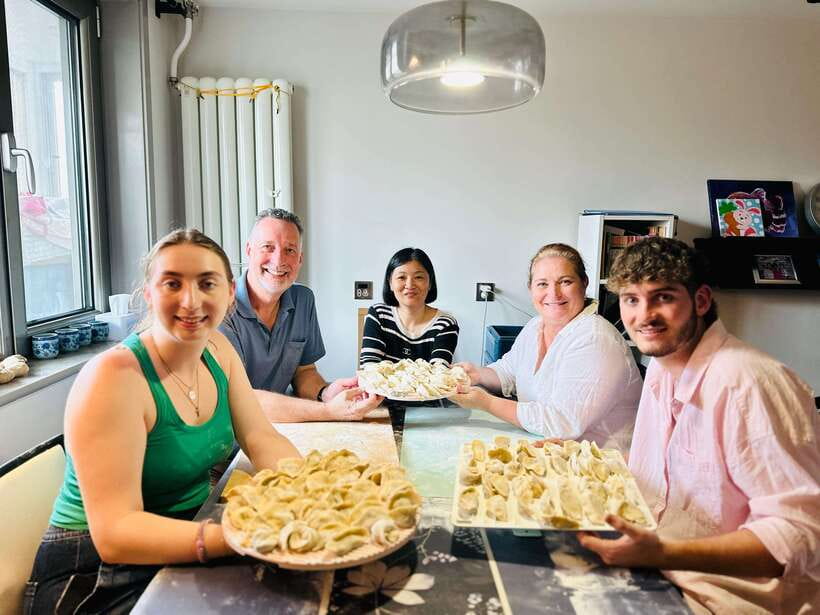
Many food tours give you a guide, a kitchen, and a finished plate. This one connects the plate to the shopping trip that comes before it. You first see the ingredients in a local wet market, then use that food in a family kitchen.
That order matters. When you see vegetables, meat, fruit, spices, and other cooking items at the market, the later meal makes more sense. You are not simply folding dumplings as a craft project. You are learning where the ingredients come from and how they fit into ordinary Chinese cooking.
The setting also changes the mood. A family home is less formal than a restaurant or cooking school. You have a chance to ask about daily life, share your own experiences, and sit down for tea after the food is prepared. The tour is still structured, but it leaves room for conversation.
At $50 per person, the value comes from the combination of transport, the market visit, the cooking lesson, and the meal. A standard dumpling class might cover only the kitchen work. Here, you also receive a local food introduction and a hosted visit. The price is especially reasonable if you use hotel pickup and drop-off, though the value depends partly on how long your particular session runs.
More Cooking Classes in Beijing
- Beijing: Dumpling Making Workshop with Meal and Tea
★ 4.7 · 69 reviews - China’s Favourite Street Food Cooking Workshop
★ 5.0 · 16 reviews - 4-Hour Private Beijing Hutong Bike Tour with Dumpling Lunch
★ 5.0 · 13 reviews
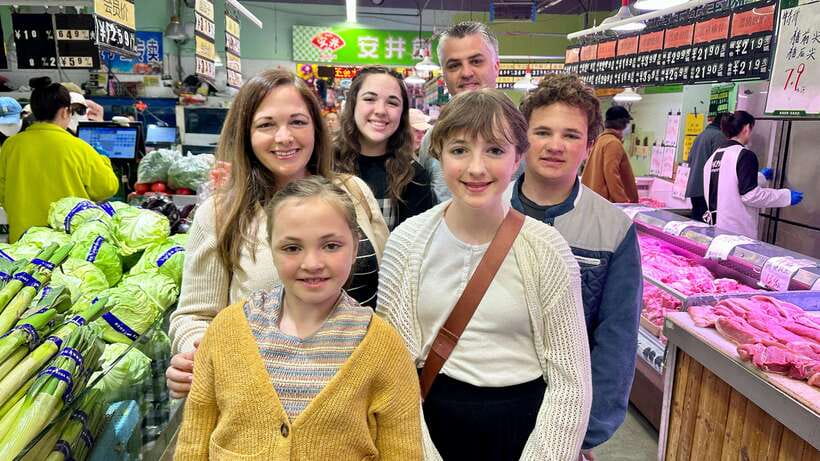
Starting at the wet market
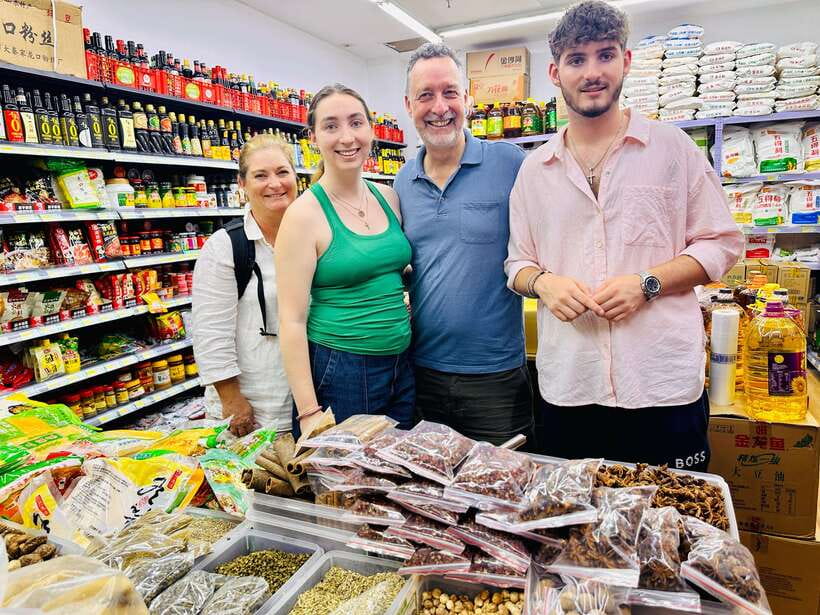
Your driver meets you at your hotel if you select pickup, or you can meet at Shaoyaoju Station on Subway Line 10, Exit A. From there, the experience begins with a visit to a local wet market.
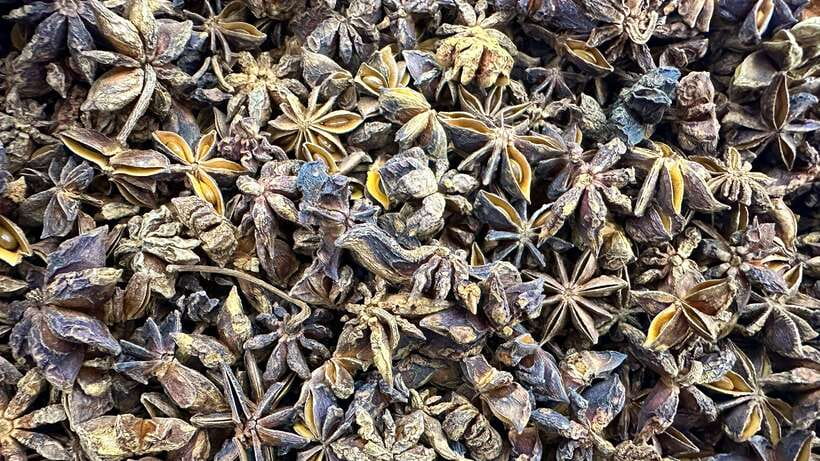
The market is the most useful stop for anyone who wants more than a quick cooking lesson. You get a look at the ingredients behind familiar dishes and can ask how they are used in Chinese kitchens. The market has been especially appreciated for its colors, fruit, spices, and unfamiliar produce.
This is not presented as a sightseeing market built for visitors. The point is to understand food shopping in Beijing. You might see ingredients you do not recognize, and your guide can explain their place in local cooking. That makes the stop helpful even if you already know how to make dumplings.
The market may also be the best part for curious eaters who are less interested in cooking technique. You can learn a good deal simply by looking, asking questions, and paying attention to what appears in everyday food shopping.
Keep in mind that market conditions can vary. A wet market is a working food market, not a polished department store. If you dislike raw ingredients or strong food smells, this part may be less comfortable. People with food allergies should not book this experience, and you should give the operator any dietary requirements when you reserve.
From market ingredients to a family kitchen
After the market, private transportation takes you to a local family home. This transfer is included, which makes the half-day easier, especially in a city as spread out as Beijing. Hotel pickup is optional, and private transportation is included when that service is selected.
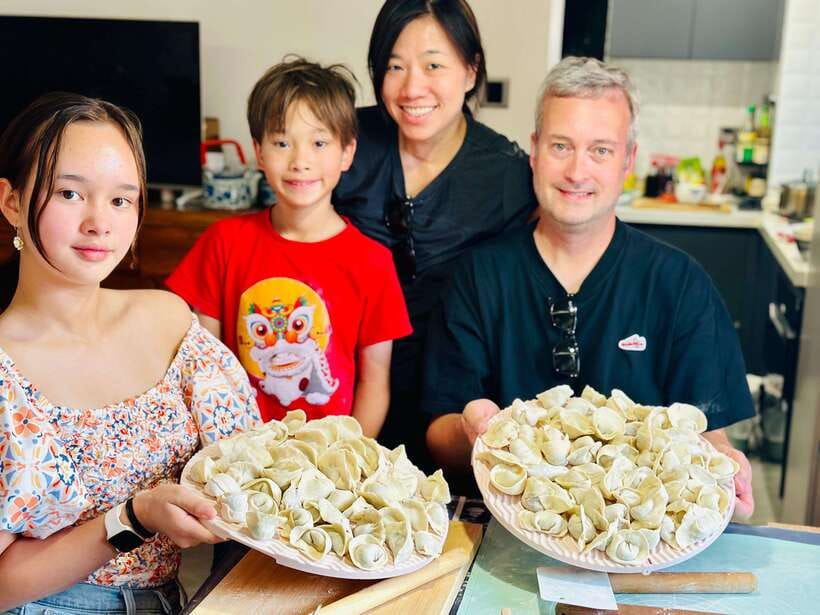
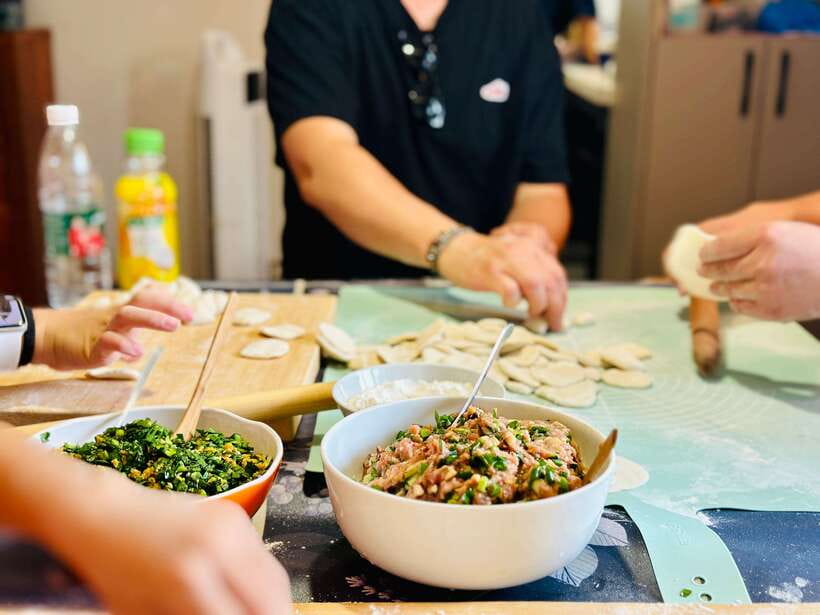
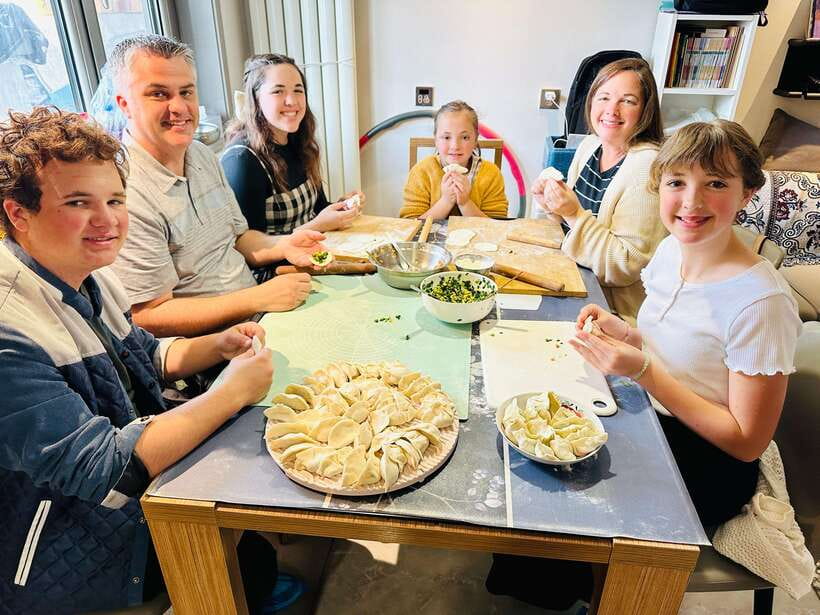
At the home, you begin with dumpling preparation. You work on the filling and the wrappers, then practice folding the dumplings into a neat shape. The folding lesson is more hands-on than simply watching a demonstration, so expect to make a few imperfect dumplings while you learn.
That is part of the fun. Dumpling folding looks simple until you try to seal the wrapper evenly. You will have time to practice with the hosts, and the family can show you how to improve the shape. The activity suits beginners because the goal is participation, not professional speed.
The dumpling session also gives you a small lesson in Chinese food culture. Dumplings are familiar to many people outside China, but making them by hand shows the work behind the dish. You can see how much preparation goes into a meal that may arrive at a restaurant table in only a few minutes.
The information asks you to bring comfortable clothes and ingredients. Since the tour includes the cooking supplies and market visit, confirm with the provider what ingredients you are expected to bring before setting out. That detail is worth clearing up in advance.
Choosing two more Chinese dishes
Dumplings are the main activity, but you can also choose two additional dishes. The options include Kung Pao Chicken, sweet and sour pork, scrambled egg with tomato, sauteed soy sauce cabbage, and green bean with pork.
This choice is useful because it lets you shape the lesson around your interests. Kung Pao Chicken gives you a familiar restaurant favorite. Scrambled egg with tomato is a simpler home-style option. Cabbage or green bean with pork may appeal if you want to see how vegetables are handled in an everyday meal.
The menu choice may also matter for families and mixed groups. One person can choose a well-known dish, while another can try something that feels more like home cooking. Ask about the available options and ingredients if you have dietary limits.
Do not treat this as a professional chef course. The focus is on preparing food with a local family, understanding the ingredients, and enjoying the meal together. You will gain practical cooking experience, but the larger reward is the chance to connect the dishes with local life.
Same base, a completely different kind of day out:
- From Beijing: Mutianyu Great Wall Tours with Options
★ 4.9 · 9,216 reviews - Beijing: Forbidden City Tour(Group/Private)-Tickets Included
★ 4.8 · 7,974 reviews - Beijing: T-Square & Forbidden City Group or Private Tour
★ 4.8 · 4,446 reviews - Beijing: Mutianyu Great Wall Daily Tour with Ticket & Lunch
★ 5.0 · 3,056 reviews
Lunch, tea, and conversation
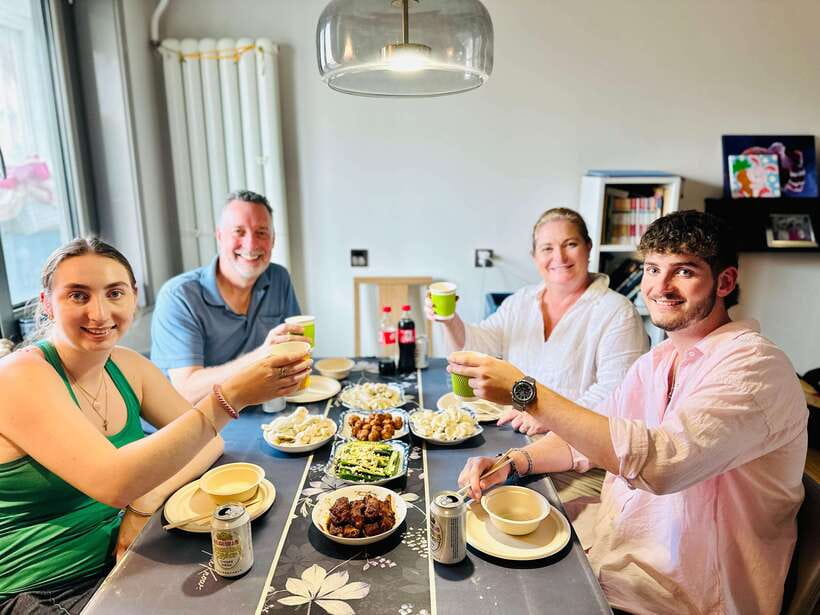
Once the food is ready, you sit down with your hosts for lunch or dinner. The meal includes the dumplings and local dishes you helped prepare. It is a satisfying end to the cooking session because you can taste the results while the steps are still fresh in your mind.
Tea follows or accompanies the meal, depending on the schedule. The tea experience has earned special attention for its explanations and relaxed setting. Different fruit teas, including lychee, have been singled out as favorites.
The tea session is not just a pause between activities. It gives you time to talk with the family and your guide. You can share stories about your own home and hear about the hosts’ lives. That exchange is one of the strongest reasons to choose this experience over a basic cooking class.
Guide quality matters here. May has led sessions that included detailed market explanations and a well looked-after visit. Sonia has been praised for her humor, kindness, and lively conversation. Peter has been described as friendly and engaging, with an ability to compare Chinese life with other cultures. Your guide will depend on availability, but these names give you an idea of the personal approach offered.
What the five-hour timing really means
The advertised duration is five hours, with different starting times available. That gives you enough time, in theory, for transport, the market, cooking, the meal, tea, and conversation without rushing.
Still, one booking lasted under three hours. The guest felt it was long enough, but the shorter schedule came as a surprise and affected later plans. I would treat five hours as the planned maximum or target rather than a guarantee that you will be occupied for every minute.
This is an important practical point. If you have a Forbidden City ticket, a restaurant reservation, or an evening show, leave a generous buffer. Do not schedule another fixed activity immediately afterward. The tour may take the full five hours, or it may wrap up earlier depending on the guide, transport, and pace of the group.
A short finish is not automatically a problem. Some people will appreciate having extra time in Beijing. The issue is simply that you should know the timing can vary.
Private or small group?
You can choose a private or small-group format. A private booking makes the most sense if you want a slower pace, have specific food interests, or prefer more time to talk with the hosts. It may also suit families who want the cooking activity to stay focused on their own group.
A small group can be a good way to keep the price reasonable while still having a personal kitchen experience. You will share the guide’s attention, the market explanations, and the cooking space with other participants, but the family visit remains more intimate than a large coach tour.
The transfer arrangement also affects the experience. Hotel pickup is available for downtown hotels, while the stated meeting point is Shaoyaoju Station, Exit A. Confirm your pickup details before the day begins, especially if your hotel is outside the downtown area.
Who will enjoy this experience most?
I would recommend this tour to you if food is one of your favorite ways to understand a place. It works well for first-time visitors who want a gentle introduction to Chinese ingredients, as well as experienced eaters who want to see the home side of Beijing cooking.
It is a good fit for couples, families with older children, siblings, and small groups of friends. Children must be accompanied by an adult. The hands-on dumpling work gives younger participants something practical to do, although the family should be comfortable with market conditions and a food-centered schedule.
You should skip it if you have serious food allergies. The experience is specifically marked as unsuitable for people with food allergies, and dietary needs should be stated at booking. Smoking is not allowed.
The accessibility information is inconsistent. The activity details describe wheelchair access, while the important information says it is not wheelchair accessible. If access is important for you, ask the provider for a clear answer before paying.
Is $50 a fair price?
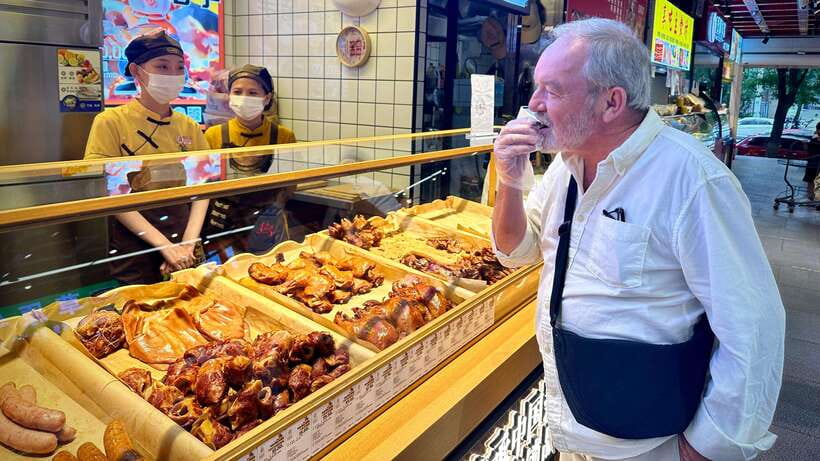
For $50, you receive a lot in one outing: hotel pickup and drop-off when selected, private transportation, the market tour, the family visit, the dumpling lesson, extra dishes, lunch or dinner, and tea.
The strongest value is the combination of settings. You are not paying only for a meal or only for a class. You get a market explanation, a family encounter, guided preparation, and food to eat afterward.
The price is less compelling if you are mainly looking for a long, technical cooking course. The class appears designed for cultural exchange and easy participation rather than advanced culinary training. The variable duration also means you should judge the value by the full package, not by the advertised five hours alone.
Free cancellation up to 24 hours before the start and the option to reserve now and pay later make the booking fairly flexible. Those terms are useful when your Beijing schedule is still changing.
Should you book the Beijing dumpling experience?
Book it if you want a friendly, food-focused look at daily life, especially if you enjoy asking questions and doing things with your hands. The wet market, home kitchen, tea, and shared meal make this more personal than a standard restaurant outing.
I would be cautious if your day is tightly planned, if you need guaranteed wheelchair access, or if you have food allergies. Also confirm the meeting point, hotel pickup, ingredients, and expected finishing time before you go.
For most food-minded visitors, this is a good-value half-day. You leave with more than a plate of dumplings. You gain a better sense of how Chinese ingredients become home cooking, and you get a relaxed chance to talk with people who live in Beijing.
FAQ
How long does the dumpling-making experience last?
The advertised duration is five hours, including transportation, the wet market, cooking, the meal, and tea. One booking finished in under three hours, so allow flexibility and do not plan a fixed activity immediately afterward.
What dishes can I make besides dumplings?
You can choose two additional dishes from options that include Kung Pao Chicken, sweet and sour pork, scrambled egg with tomato, sauteed soy sauce cabbage, and green bean with pork.
Is hotel pickup included?
Hotel pickup and drop-off are available, with pickup described as an optional service for downtown hotels. The stated meeting point is Shaoyaoju Subway Station on Line 10, Exit A.
Is transportation provided during the tour?
Yes. Private transportation is included as part of the experience, including the transfer from the meeting point or hotel to the market and local family’s home.
Is the tour private or shared?
You can choose a private option or a small-group option. The available format depends on the booking choice.
What language does the guide speak?
The tour is conducted in English. Guides who have led the experience include May, Sonia, and Peter.
Can children join the experience?
Children can join, but they must be accompanied by an adult.
Is the activity suitable for people with food allergies?
No. The experience is marked as unsuitable for people with food allergies. You should advise the provider of any dietary requirements when booking.
Newly listed around Beijing
- Beijing: Summer Palace Ticket; fast and smooth★ 3.6 · 38 reviews
- Beijing: Summer Palace Entry Ticket★ 3.3 · 3 reviews
- Beijing: Summer Palace Highlight Walking Tour★ 4.8 · 25 reviews
- Beijing: Summer Palace, Sacred Road&Ming Tombs Private Tour★ 5.0 · 8 reviews
- Beijing: Summer Palace Entrance(combo/tour opt)★ 4.7 · 6 reviews
- Beijing: Summer Palace 3 Hours Guided Tour with Entry Ticket★ 4.8 · 4 reviews
- Beijing Private Tour: Summer Palace, Panda House and Options★ 5.0 · 21 reviews
- Beijing Royal Banquet with Chinese culture prefermance★ 5.0 · 3 reviews
Cooking Classes, compared.
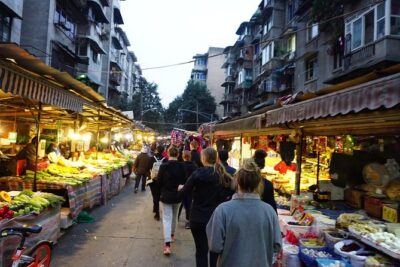
Half-Day Chengdu Cooking Class with a Local Market Visit
Read our review →
Great Tang Dynasty Night Show & Dumpling Meal Option
Read our review →
Organic Chinese Dumpling Class with Market Walk
Read our review →
Xi’an Tang Dynasty Show Ticket Optional Dumplings or Royal Dinner
Read our review →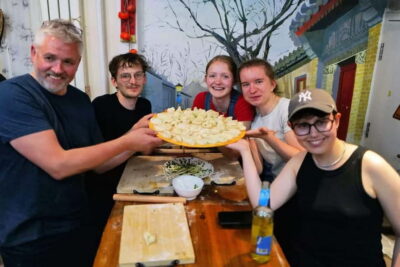
Organic Xiao Long Bao Soup Dumpling Class & Market Walk
Read our review →
Lijiang Naxi Cuisine Cooking Class & Market Visit
Read our review →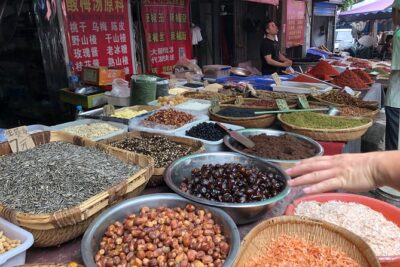
Half-Day Xi’an Biang Biang Noodles Cooking with a Market Visit
Read our review →Browse the lists this tour appears in