
Reviewed · COOKING CLASSES
Make Soup Dumpling: Vegan or Pork in Shanghai Shikumen
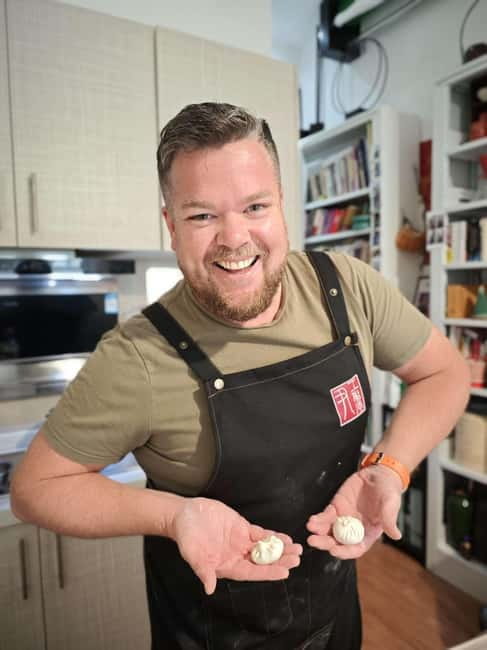
Shanghai’s soup dumplings look small, neat, and harmless. They are not. Each xiaolongbao asks you to make elastic dough, roll a wrapper with a thicker center, add liquid-rich filling, and pinch an 18-fold crown without letting the soup escape. This class puts that craft in your hands inside a traditional Shikumen lane house kitchen.
I like two things right away: you choose between vegan or pork filling, and Chef Yin gives hands-on help instead of leaving you to guess. I also like the setting, where cooking comes with tea and stories about Shanghai food and daily life. The one caution is time and patience. Dumplings take work, and one person found the vegan version a little mild with very little broth inside.
Key points at a glance
- Choose your filling: Make vegan xiaolongbao with mushrooms and vegetables, or pork dumplings with ginger, scallions, and broth aspic.
- Learn the 18-fold pleat: Chef Yin coaches your fingers through the sealing and twisting that keeps the soup inside.
- Cook in a Shikumen home: The class takes place in a private apartment in a historic Shanghai lane compound, not a polished restaurant classroom.
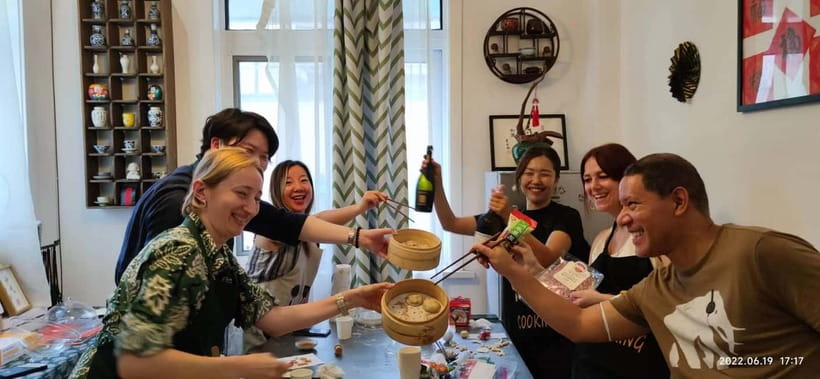
- Eat what you make: Steam the dumplings in bamboo baskets, then serve them with black vinegar, ginger, and tea.
- Add both fillings: Pay $20 more per person and extend the session by 30 minutes to make vegan and pork dumplings.
- Allow time for the work: The standard class lasts 2.5 hours, and the actual shaping takes longer than it looks.
Why making xiaolongbao is harder than eating it
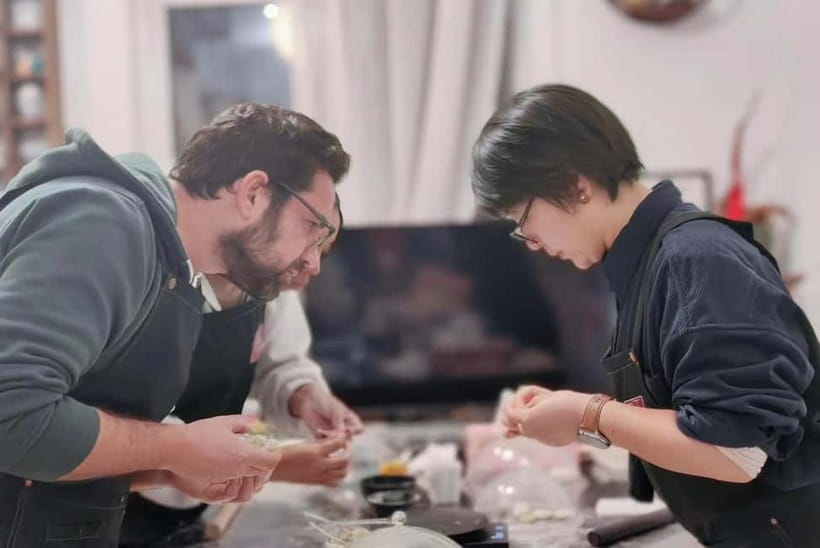
Xiaolongbao are famous for their delicate wrapper and hot soup inside. At a restaurant, you may pick one up with chopsticks, place it in a spoon, nibble a hole, and sip the broth. Here, you learn why that small ritual depends on careful preparation long before the dumpling reaches the steamer.
The class begins with flour and water. Chef Yin shows you the proper ratio, then watches as you knead the dough and let it rest. That rest matters because the dough needs time to become workable and elastic. Rush this stage and the wrapper may fight back later.
You then roll the dough into palm-sized wrappers. The center should be sturdy enough to hold the filling, while the edges need to be thin enough to fold. This is a useful lesson because a wrapper that is thick everywhere feels heavy, while one that is too thin throughout may split.
I like this practical approach. You do not simply watch someone make a dumpling and then receive a recipe card. You handle every stage, including the parts that explain why homemade soup dumplings can be fussy.
More Cooking Classes in Shanghai
- Shanghai-Cooking Dumpling & Meal in Local Family-w/Vegan
★ 4.9 · 36 reviews - Private Cooking Class: Make Your Own Dim Sum In Shanghai
★ 5.0 · 27 reviews - Vegan Soup Dumpling Making in Shanghai
★ 5.0 · 17 reviews
Choose vegan or pork before you start
The base price of $120 per person includes one filling. That choice changes the cooking experience, so it is worth thinking about before booking.
The vegan option involves cooking the filling during the class. You sauté mushrooms and vegetables with an umami-rich broth, learning how flavor is built without pork. This makes the vegan choice more than a simple substitution. You prepare a filling from scratch and then use it in the same dough and pleating process.
The pork option uses raw minced pork mixed with ginger, scallions, and aspic. Aspic is gelatinized broth. It melts during steaming and creates the soup inside the dumpling. The pork mixture is raw when you shape it, but it cooks safely in the steamer later.
That difference is important. If you are not used to working with raw pork, you may prefer the vegan class. If the liquid center is your main reason for learning xiaolongbao, the pork filling is the more classic route because the aspic supplies the traditional soup effect.
One honest point: the vegan dumplings may not deliver the same broth-filled burst. A past participant found the vegan filling somewhat mild and noted that there was little actual soup inside. Treat that as a possible limitation rather than a guarantee. The vegan version still gives you the full dough, wrapper, shaping, and steaming lesson, but the final flavor depends on the cooked filling and how much liquid it retains.
If you want to compare both, the dual filling add-on costs $20 per person. It adds 30 minutes to the session, giving you vegan and pork dumplings side by side. For couples or small groups with different diets, that extra fee may be the smartest use of your money.
Inside a Shanghai Shikumen kitchen
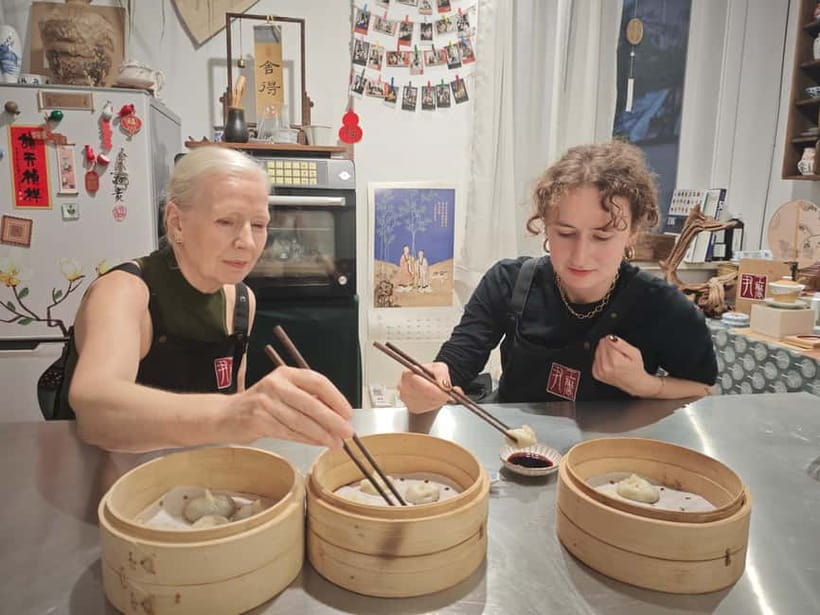
The setting is part of the appeal. The class takes place in a private apartment in a traditional Shikumen compound, a style of Shanghai lane housing known for its stone-gated entrances and shared neighborhood spaces.
You are not just sitting at a counter in a modern cooking school. You are working in a home-style kitchen in one of Shanghai’s historic lane environments. That makes the class feel connected to the city rather than interchangeable with a dumpling lesson anywhere in the world.
The practical catch is finding the room. One participant found the workshop space hard to locate, even though the area was central and easy to reach by public transport. Yin sends detailed directions and a video before the class, and she may meet you on the street to guide you in. Pay attention to those instructions and allow enough time to reach the meeting point without rushing.
Personal transportation is not included. You arrange your own way to the location, and the experience does not provide a transfer. The directions are especially important in an old lane compound, where an entrance can be easy to miss.
Chef Yin’s hands-on teaching style
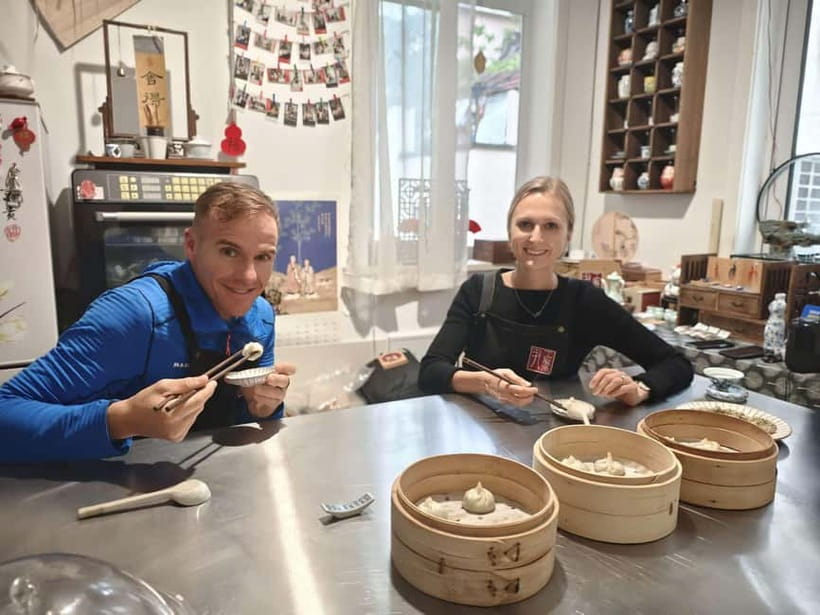
Chef Yin is the main reason this class feels personal rather than mechanical. She demonstrates each stage, then gives corrections while you work. The most useful help comes during wrapper rolling and pleating, when small changes in finger pressure can decide if the dumpling seals or leaks.
She also talks about Chinese food and Shanghai life during the cooking. Tea is part of the session, not an afterthought. You get good-quality tea while hearing about food traditions and the rhythm of life in the lane house setting.
The teaching is available in English, Japanese, and Chinese. That makes the class practical for a mixed audience, though the exact language arrangement is not specified. If language support is important to you, choose your preferred language when booking.
The tone appears warm and relaxed. Yin has been described as kind, well prepared, entertaining, and generous with her time. The best sign for a hands-on class is that she helps when needed without taking over the whole task. You still have to make the dumplings yourself, including the ugly ones.
Same base, a completely different kind of day out:
- Authentic Local Food Tour in Central Shanghai
★ 5.0 · 1,382 reviews - Zhujiajiao Water Town and Shanghai City Private Day Tour
★ 5.0 · 1,016 reviews - Private Shanghai Full Day City Tour with Old and New Highlights
★ 5.0 · 995 reviews - Shanghai: Hop-on Hop-off Bus Ticket and Optional Attractions
★ 3.4 · 692 reviews
The 18-fold challenge
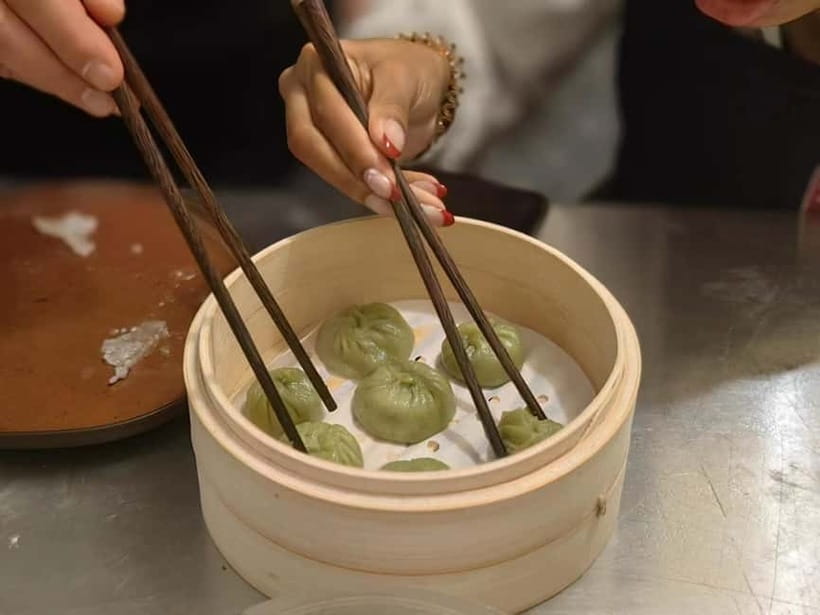
This is the heart of the class. Once the filling is ready and the wrappers are rolled, you place the filling in the center and begin pinching the edge into folds.
The goal is 18 pleats, then a twist and seal at the top. The finished dumpling should have a small crown shape. It sounds simple until the wrapper starts slipping, the filling pushes toward the edge, or the folds refuse to stay even.
Chef Yin guides you through the sequence and corrects your technique in real time. That matters because written instructions alone are not much help when both hands are busy. You learn how much filling to use, where to hold the wrapper, and how to close the top without squeezing the soup out.
Do not judge the class by your first dumpling. The charm is partly in seeing the shape improve. Some pieces may look lopsided, but the process teaches you to respect the skill behind a restaurant plate of uniform xiaolongbao.
You also learn a useful kitchen lesson: the dumpling has to be sealed well enough to hold its liquid, but not pinched so tightly that the wrapper tears. The 18 folds are not just decoration. They help close the opening and create the familiar shape.
Steaming, dipping, and eating your work
After shaping, you place the dumplings in bamboo baskets for steaming. The raw pork filling cooks at this stage, and the aspic melts into broth. The vegan dumplings also go through the same final steaming step.
Then comes the part you have been waiting for: eating. Your dumplings are served with black vinegar and ginger, the classic sharp and warming partners for xiaolongbao. Tea accompanies the meal, and recipes are provided so you can try the process again at home.
The meal is satisfying, but do not arrive expecting a large banquet. The class is built around making and learning, not serving a full restaurant menu. One useful tip is to eat a small snack beforehand. The dumplings take time to prepare, and the long shaping stage can feel slow if you arrive very hungry.
That advice does not mean the session lacks food. It means you should plan for a cooking workshop rather than a quick lunch. You will eat what you make at the end, but the reward comes after the work.
Is $120 a fair price?
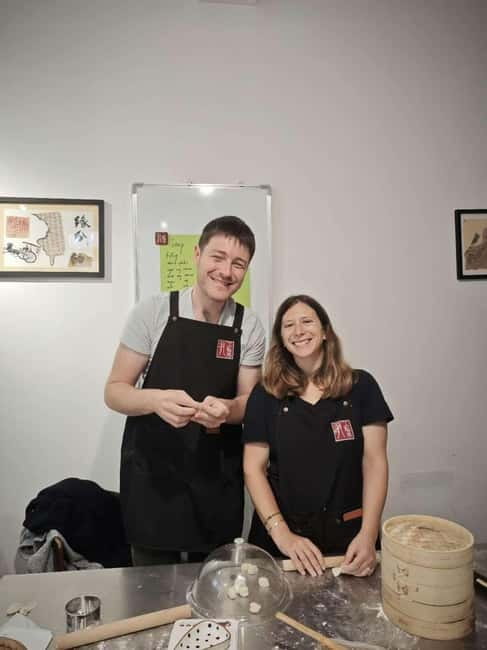
At $120 per person, this is not a cheap way to get a plate of dumplings. Shanghai has many affordable places to eat xiaolongbao, and you should not book this class solely for the food cost.
The value comes from the combination of instruction, ingredients, tea, the private setting, and time with Chef Yin. You make the dough and filling from scratch, receive personal help, eat the finished dumplings, and take home recipes plus a studio gift. The lesson also gives you a skill you can repeat after your trip.
The price makes more sense if you enjoy cooking, want direct contact with a local host, or prefer an activity that explains part of Shanghai culture through food. It makes less sense if you want a fast meal, dislike working with dough, or would rather spend $120 on several restaurant meals.
The $20 dual filling upgrade is reasonable for anyone who wants both styles. You pay more, but you also gain another filling lesson and 30 extra minutes. For a vegetarian and meat-eating pair, it avoids making one person sit out while the other prepares a different dumpling.
Who will enjoy this class most?
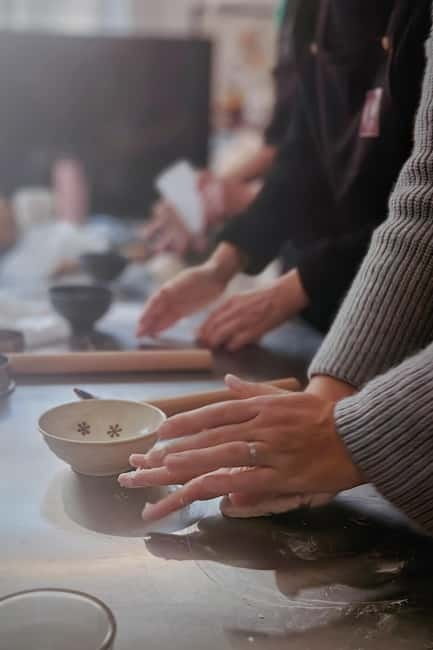
I would recommend it to couples, families with older children, food-focused visitors, and anyone who likes returning home with a practical skill. The language choices also make it useful for international visitors who want more than a silent demonstration.
It suits curious beginners because Chef Yin provides corrections throughout. You do not need to arrive with professional knife skills or folding experience. At the same time, experienced home cooks may enjoy the technical challenge of broth-filled dumplings.
The class may not suit you if you have very little time in Shanghai or want an activity that stays on schedule from start to finish. Dough resting, wrapper rolling, and pleating all take time. It is also worth thinking carefully about your filling choice if you avoid meat, gelatin, or raw ingredients.
The vegan option is useful, but ask yourself what you want from it. If your priority is learning the complete xiaolongbao method without pork, it fits well. If your priority is a dramatic soup center, the pork version is more likely to deliver that traditional effect.
Booking details worth knowing
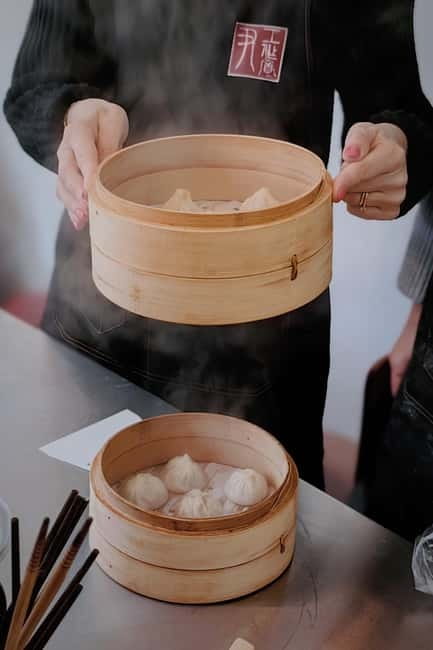
The standard experience lasts 2.5 hours. If you choose both fillings, plan on 3 hours because the session gains an extra 30 minutes.
The class is offered in English, Japanese, and Chinese. Materials and tools for one filling, good-quality tea, and a studio gift are included. Transportation is not included, so you must make your own way to the Shikumen location.
You can cancel up to 24 hours before the activity for a full refund. A reserve-now, pay-later option is also available, which helps if your Shanghai schedule is still changing. Starting times vary, so check availability for your date.
The experience has a 4.9 rating from six reviews, with praise focused on Yin’s kindness, preparation, humor, and clear help. One practical warning comes through clearly: the studio can be hard to find, but the advance video directions and street pickup help solve that problem.
Should you book it?
Book this class if you want to understand Shanghai through a dish that demands your attention. The best parts are not only the final dumplings. They are the dough under your fingers, the wrapper thickness lesson, the messy first pleat, and the moment you finally close one without losing its soup.
Choose pork for the classic aspic-filled result, vegan for a plant-based cooking session, or pay $20 more for both. Arrive with a little food already in you, follow Yin’s directions closely, and leave extra time to find the lane house.
Skip it if you want a quick meal or guaranteed restaurant-level uniformity. Book it if you value a personal cooking lesson, a historic home setting, and the chance to take a Shanghai skill home with you.
FAQ
How long does the xiaolongbao class last?
The standard class lasts 2.5 hours. Choosing both vegan and pork fillings adds 30 minutes.
How much does the experience cost?
The base price is $120 per person. The add-on for making both fillings costs an additional $20 per person.
Can I choose between vegan and pork dumplings?
Yes. The base price includes one filling, and you choose either vegan or pork.
What is included in the price?
The class includes the materials and tools needed for one filling, good-quality tea, and a studio gift.
Can I make both vegan and pork fillings?
Yes. The dual filling add-on lets you prepare both types and costs $20 per person.
What languages are available?
The class is offered in English, Japanese, and Chinese.
Do I need to bring transportation to the class?
Personal transportation is not included. You need to arrange your own way to the Shikumen location.
Is the pork filling cooked during preparation?
The pork is mixed raw with ginger, scallions, and gelatinized broth. It cooks later in the steamer.
Will I learn how to make the dough?
Yes. You make the dough from scratch, learn the water-to-flour ratio, knead it, and let it rest before shaping wrappers.
Can I cancel for a refund?
You can cancel up to 24 hours in advance for a full refund. A reserve-now, pay-later option is also available.
More Vegetarian and Vegan Food in Shanghai
- Half-Day Walking Tour with a Vegetarian Lunch at a Nunnery
★ 5.0 · 6 reviews - Beijing: Top Michelin Vegetarian Restaurant Reservation
★ 5.0 · 5 reviews - Beijing: Vegan Home Cooking & Local Market Tour with Sanxia
★ 4.8 · 4 reviews
Newly listed around Shanghai
- Din Tai Fung Dinner and VIP Class River Cruise Experience in Shanghai★ 5.0 · 31 reviews
- Beijing to Shanghai Bullet Train Ticket with South Railway Station Transfer★ 5.0 · 11 reviews
- Shanghai: Yu Garden with Entry Tickets(optional)★ 4.5 · 28 reviews
- Shanghai: Yu/Yuyuan Garden Entry Ticket–E ticket★ 4.4 · 24 reviews
- Shanghai: Zhujiajiao Water Town with Calligraphy Experience★ 5.0 · 17 reviews
- Shanghai: Yu Garden Entry Ticket with PDF Guidebook★ 4.1 · 45 reviews
- Shanghai: Wild Animal Park Ticket★ 4.9 · 43 reviews
- Shanghai: Yuyuan, City God Temple Old City Tour-Tip Based★ 5.0 · 10 reviews
Cooking Classes, compared.
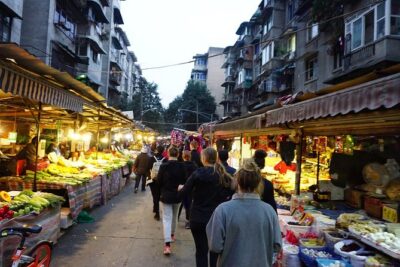
Half-Day Chengdu Cooking Class with a Local Market Visit
Read our review →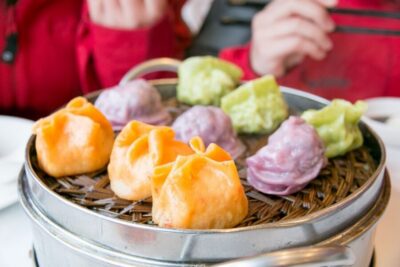
Great Tang Dynasty Night Show & Dumpling Meal Option
Read our review →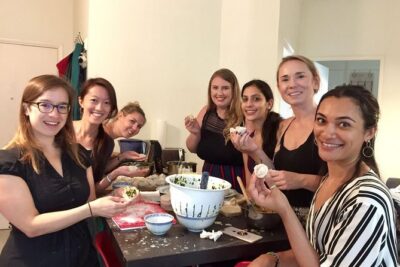
Organic Chinese Dumpling Class with Market Walk
Read our review →
Xi’an Tang Dynasty Show Ticket Optional Dumplings or Royal Dinner
Read our review →

Organic Xiao Long Bao Soup Dumpling Class & Market Walk
Read our review →
Lijiang Naxi Cuisine Cooking Class & Market Visit
Read our review →
Half-Day Xi’an Biang Biang Noodles Cooking with a Market Visit
Read our review →Browse the lists this tour appears in