
Reviewed · YUNNAN TOURS
Lijiang to Shangri-La HuXiang Road Private Scenic Tour
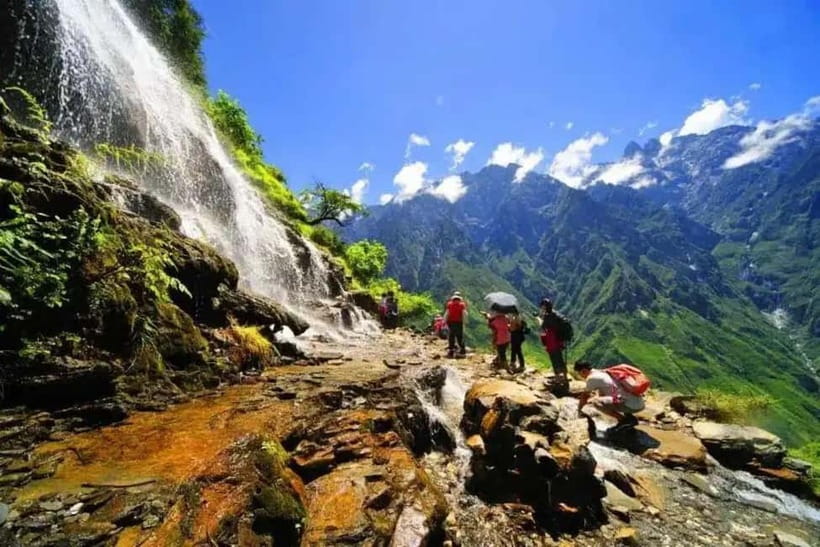
Tiger Leaping Gorge gives this trip its first big jolt: a narrow canyon, towering peaks, and a river forcing its way through the rocks below. From there, the road climbs toward Haba Snow Mountain, Naxi villages, high grassland, and Shangri-La. It is a scenery-packed day rather than a slow village visit.
I like the private vehicle and flexible ending, since you can return to Lijiang or stay in Shangri-La. I also like the mix of mountain views and local culture, from carved Naxi homes in Haba Village to prayer flags and stone houses in Dukezong Ancient Town. The drawback is the schedule: ten hours is tight for so many stops, and the quality of English guiding may vary.
Key points
- Tiger Leaping Gorge starts the day with dramatic canyon views, but the included visit is an observation-deck stop rather than a full trek.
- Haba Village offers a look at Naxi architecture, including wooden homes, sloping roofs, and carved details.
- Baishui Terrace is a natural limestone formation that looks like a frozen cascade against the mountain scenery.
- Napahai Grassland brings open views and grazing yaks and sheep, with weather and altitude shaping the experience.
- Niru Village is an optional cultural detour, where Tibetan clothing, embroidery, and accessories add a human side to the scenery.
- Dukezong Ancient Town is the final urban stop, with cobbled streets, stone homes, prayer flags, and Tibetan design.
A mountain road from Lijiang to Shangri-La
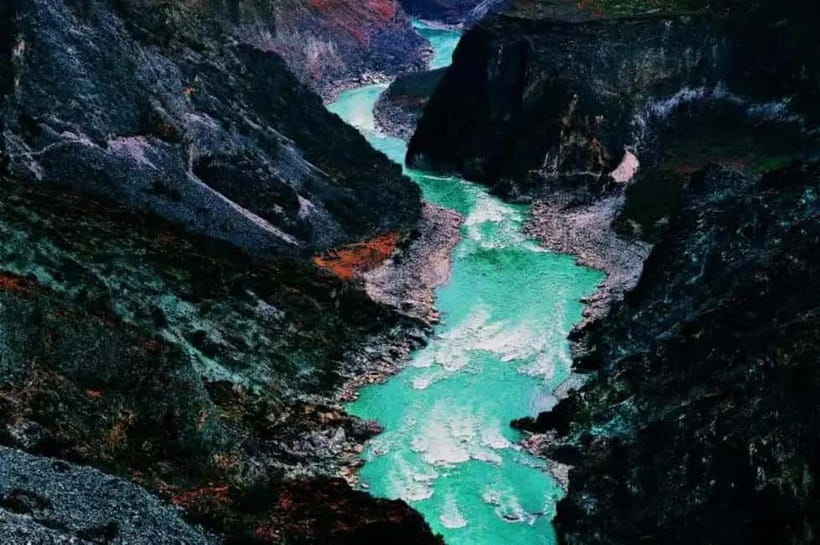
This is best understood as a private scenic transfer with a full sightseeing program attached. You are not simply riding from one city to another. You are crossing a changing region, from the deep gorge of the Jinsha River area to high mountain villages and broad pasture near Shangri-La.
The tour lasts about ten hours and begins with pickup at your Lijiang hotel lobby. A private vehicle means you do not have to follow a large coach timetable, and the itinerary can be adjusted to suit your final destination. You can finish back in Lijiang, or use the trip as a one-way journey and stay in Shangri-La.
That flexibility has real value. If your route already takes you onward to Shangri-La, paying for a separate transfer would make little sense when you can add major sights along the way. If you need to return to Lijiang the same day, the round-trip option keeps your accommodation unchanged, but the day becomes long.
The advertised price is $118 per person. That is reasonable for a private vehicle, hotel pickup, a customized route, and a full day on the road, especially if two or more people share the cost. You still need to budget for the Tiger Leaping Gorge ticket, listed at CNY45, and the Baishui Terrace ticket, listed at CNY30. Other entrance fees, activities, rides, meals, drinks, and personal costs are extra.
A few more Yunnan days worth a look
- Lijiang Naxi Cuisine Cooking Class & Market Visit
★ 5.0 · 48 reviews - 9 days Ancient Town Tour
★ 5.0 · 21 reviews - 1 Day Stone Forest & Jiuxiang Cave Tour
★ 5.0 · 13 reviews
Tiger Leaping Gorge: a powerful first stop
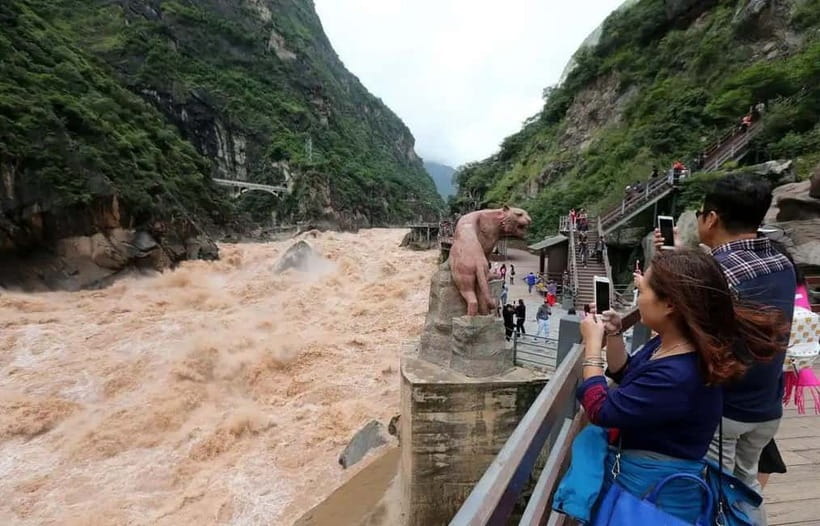
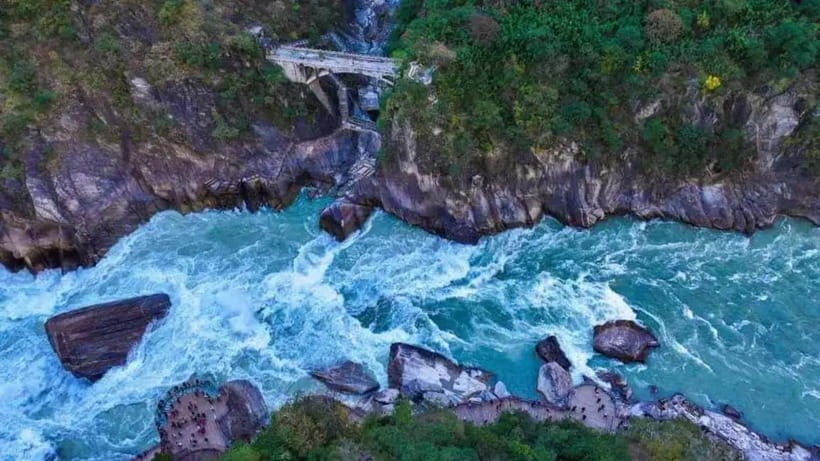
The first major sight is Tiger Leaping Gorge. From the observation deck, you look into a narrow canyon bordered by steep peaks that rise toward the clouds. The river below churns through the confined channel, creating waves and white water among the rocks.
This stop works well early in the day because it gives you an immediate sense of the scale of southwestern China. The gorge is not a gentle viewpoint with a neat framed vista. It feels raw and forceful, with the river squeezed between mountains.
Keep your expectations clear. The planned visit centers on the observation deck, not an extended hiking route through the gorge. You will still need comfortable shoes because the whole day includes a moderate amount of walking, but this tour is not presented as a serious trekking excursion.
People who dislike heights should think twice. The gorge viewpoints can feel exposed, and the tour specifically warns against booking if you have vertigo or a strong fear of heights. Bring a jacket even if Lijiang feels mild, since conditions can change as the road gains altitude.
Haba Village and the Naxi way of building
The road continues toward Haba Village, a Naxi community surrounded by tall pine and spruce trees. The setting is quieter than the gorge, with birdsong and the movement of squirrels among the branches described as part of the stop.
Haba Village is valuable because the culture is visible in the buildings themselves. Traditional homes use wooden structures, sloping roofs, and detailed carvings. Rather than treating the village as a quick photo backdrop, use the stop to look at how materials, roof shapes, and decorative work fit the mountain climate and local traditions.
The guide is expected to explain Naxi culture and the village setting. English and Chinese guiding are available, but you should confirm the language you need at booking. English quality is not guaranteed to be equally strong with every guide. One booking specifically praised a driver named Mr. Lai for being kind and handling the route details carefully, while another reported that the guide’s English was very poor.
That difference matters on a culture-focused tour. Scenery needs little translation, but architecture and local customs benefit from clear explanation. If you receive a driver rather than a strong cultural guide, ask simple questions and use the customized nature of the tour to request more time around the village.
The broader Lijiang area is described as home to 112 mammal species, 446 bird species, and 7,084 plant species. Those numbers are useful context, but do not expect a wildlife tour. You may hear birds or notice forest life along the road, yet animal sightings are not promised.
Haba Snow Mountain and Baishui Terrace
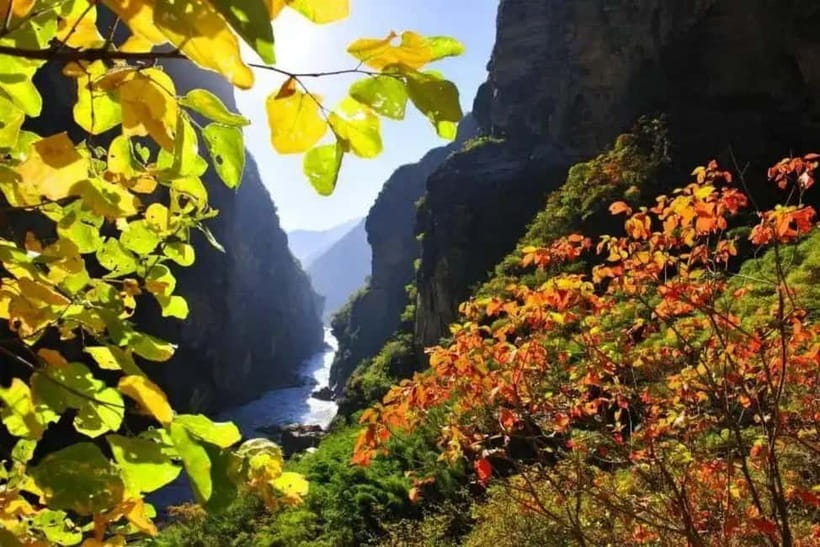
Haba Snow Mountain adds another change in scale. Its main peak reaches 5,396 meters above sea level, and the mountain is one of the visual anchors of the journey. You will see the peak from the route rather than attempt a climb.
The altitude affects more than the view. You should bring warm clothing and wear layers, since sunny conditions can shift quickly in high country. Sunscreen, a hat, water, and snacks are sensible additions to your daypack. The tour also recommends insect repellent, which is useful around grassy and rural areas.
Baishui Terrace, also called White Water Terrace in the ticket information, is a natural limestone formation shaped like a frozen waterfall. The pale terraces contrast with the surrounding mountain colors and make a strong photographic stop.
The ticket costs CNY30 and is not included. That small extra fee is easy to overlook when comparing tour prices, so add it to your budget along with the gorge admission and any other site charges. The time available at Baishui Terrace will depend on the road conditions and how many optional stops you choose.
This is one place where a private trip can be better than a fixed group outing. If the weather is clear, you can spend more time taking in the formation. If clouds or rain obscure the mountains, you may prefer to keep moving rather than wait.
Same base, a completely different kind of day out:
- Kunming: Stone Forest Private Day Tour
★ 4.7 · 13 reviews - Lijiang to Shangri-La Scenic Drive Tour with Tiger Leaping Gorge
★ 5.0 · 11 reviews - Jade Dragon Snow Mountain Glacier Cableway with Scenic Train Tour
★ 5.0 · 9 reviews - Puer Tea Picking and Tasting | 6 Hour Morning Trip
★ 5.0 · 7 reviews
Napahai Grassland and the high-country view
Near Shangri-La, Napahai Grassland opens the view. The green pasture spreads out like a broad blanket, with yaks and sheep grazing in the distance. After the narrow gorge and forested village roads, this openness feels like a complete change of scenery.
The grassland is not only a place for photographs. It shows how daily life in the region connects with high-altitude pasture. Look for the contrast between the open fields, distant peaks, animals, and small human settlements. The experience is likely to feel strongest on a clear day, though changing weather can also give the area a more dramatic mood.
The itinerary places Napahai within the Pudacuo National Park portion of the route. It also describes a visit to Pudacuo National Park, where the emphasis is on natural scenery and high-country surroundings. Since entrance tickets, activities, and rides other than the two named admissions are not included, check exactly which park charges apply before setting out.
The tour warns against feeding animals, touching plants, littering, and using plastic bottles. Those rules are practical, not decorative. Keep food in your bag, carry water in a permitted reusable container if possible, and leave the pasture and park as you found them.
Niru Village: an optional cultural detour
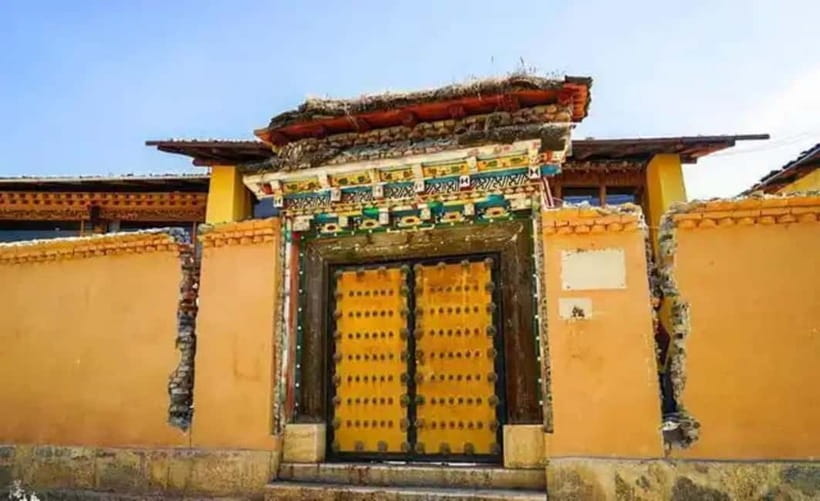
Niru Village is presented as a choice for going farther into the Shangri-La region. It gives the day a more remote, village-based character, but it also adds time to an already full schedule.
The village is associated here with women wearing colorful Tibetan clothing. Embroidery and accessories show the care given to traditional craft. This is the kind of stop that can make the route feel personal, provided you have enough time to look rather than rush in, take a picture, and leave.
Because the tour is private, you can ask whether Niru fits your priorities. Choose it if local culture and rural scenery matter more to you than lingering in Dukezong Ancient Town. Skip it if you prefer a shorter day or want more time in Shangri-La itself.
Do not assume every listed stop will receive equal attention. A low-scoring booking reported that only part of the advertised program was completed. That warning is important here: road distance, weather, traffic, site closures, and your chosen return plan can all affect the final route.
Dukezong Ancient Town in Shangri-La
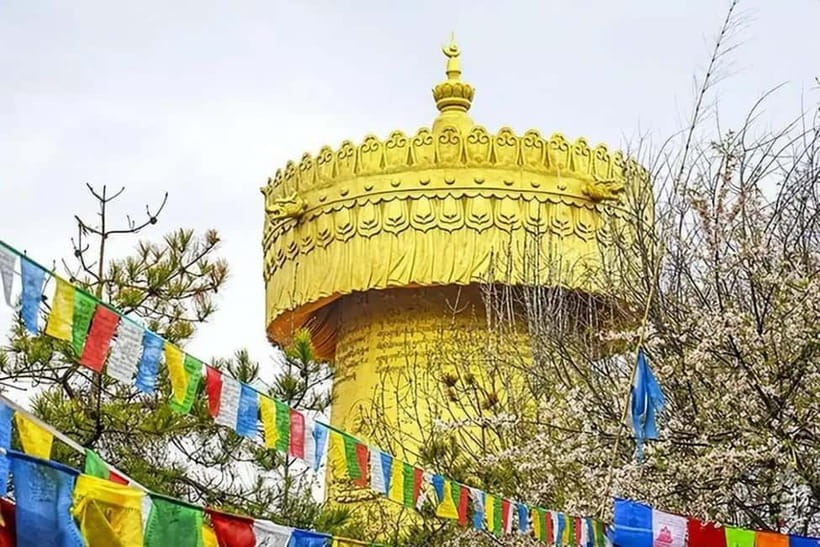
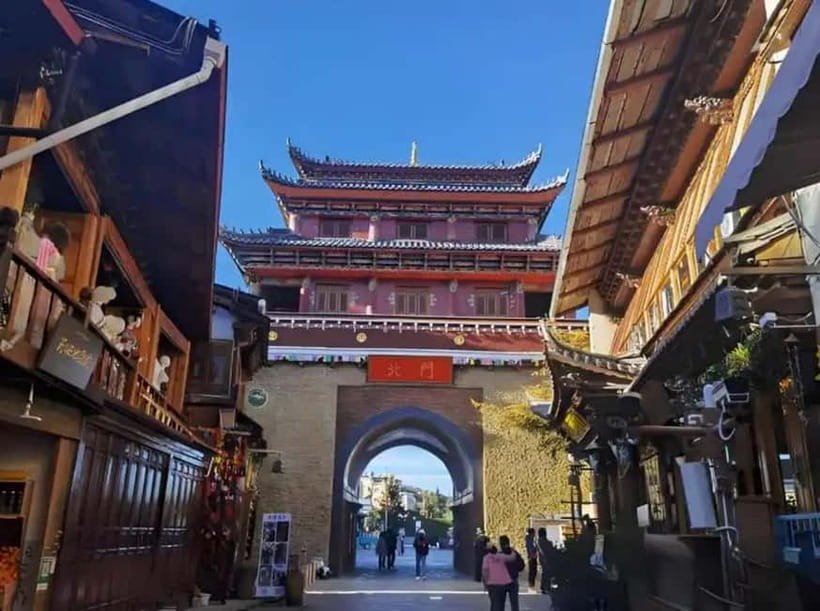
Dukezong Ancient Town is the final major stop. Its stone houses, sloping roofs, cobbled streets, and prayer flags give Shangri-La a distinctive Tibetan feel. The town is surrounded by mountains, so even an ordinary walk through the streets comes with a strong sense of place.
This is where the trip shifts from natural scenery to town life. You can look closely at building materials and rooflines, follow the cobbled lanes, and notice the prayer flags moving in the breeze. The visit is less about checking off one monument and more about getting a first impression of Shangri-La before deciding how long to stay.
If you choose the one-way option, Dukezong can serve as the end of your transfer. You will need to arrange your own overnight accommodation in Shangri-La, since the tour does not include a hotel. If you choose the return option, the town becomes one stop in a very long day before the highway journey back to Lijiang.
This final choice should shape your booking. A one-way trip makes the route more practical and gives you a reason to spend additional time in Shangri-La. A round trip suits you if your base is Lijiang and you want to see the area without changing hotels, but it leaves less room for unhurried exploration.
What the private format really gives you

A private group and vehicle are the strongest practical features here. You get hotel pickup, a customized itinerary, and a driver or guide focused on your party rather than a busload of strangers. That makes it easier to stop for views, adjust the pace, and choose between returning to Lijiang or staying in Shangri-La.
The private setup does not remove every limitation. Ten hours is still ten hours, and the route covers a lot of ground. You cannot turn every stop into a long walk without risking delays later in the day.
The experience includes an English or Chinese live guide option, but the service may depend heavily on the person assigned. Mr. Lai is specifically named as a driver who took care of route details and helped make a Lijiang to Shangri-La journey comfortable. At the same time, you should not book this solely for detailed English interpretation unless the language arrangement is confirmed in advance.
Bring a small daypack rather than a large suitcase. Keep water, snacks, sunscreen, warm layers, medication, and your camera close at hand. The tour advises keeping belongings secure, which is sensible during frequent stops.
Who should book this day trip?
I would choose this tour if you want to connect Lijiang and Shangri-La while seeing major scenery along the way. It is especially useful for couples, families with older children who can manage walking, and small private groups that value a flexible vehicle over the lowest possible price.
It also suits you if you want variety. In one day, you get a canyon, forest, Naxi village, snow mountain views, limestone terraces, grassland, an optional Tibetan village, and an old town.
I would hesitate if your main goal is a slow cultural visit. The schedule is ambitious, and you may spend much of the day moving between stops. You should also reconsider if you are pregnant, have back, heart, respiratory, or mobility problems, use a wheelchair, or struggle with heights or vertigo. The tour is not suitable for those conditions, and it is not intended for non-swimmers.
The altitude is another consideration. The tour advises staying hydrated, dressing in layers, and preparing for changing weather. If you are sensitive to high elevations, ask whether the route and pace are suitable before booking.
Should you book the Lijiang to Shangri-La tour?
Book it if you want a private, scenery-heavy route and value the option to finish in Shangri-La. The $118 price can be good when shared among several people, but remember that entrance fees, food, drinks, and other activities are extra.
I would book with clear expectations: this is a long scenic road day, not a relaxed village tour. Confirm the guide language, ask which stops are guaranteed, and decide in advance between the one-way and round-trip plans. If you do that, the trip offers an efficient way to connect two major destinations while seeing some of the region’s most striking natural and cultural sights.
FAQ
How long does the tour last?
The tour lasts 10 hours.
Where does pickup take place?
Pickup is provided from your hotel lobby in Lijiang.
Can I finish the tour in Shangri-La?
Yes. You can choose a one-way transfer between Lijiang and Shangri-La, or select a round trip from Lijiang or Shangri-La.
Is a private vehicle included?
Yes. A private vehicle with hotel pickup and drop-off is included.
Is a guide included?
A private guide option is available. Live guiding is offered in English and Chinese.
Are entrance tickets included?
No. Tiger Leaping Gorge costs CNY45, and Baishui Terrace costs CNY30. Other admission tickets, activities, and rides are not included.
Are meals and drinks included?
No. Meals and beverages are not included, so bring snacks and water or budget for food along the route.
What should I bring?
Bring comfortable walking shoes, warm clothing, layers, a hat, sunscreen, water, snacks, a camera, and insect repellent. Expect moderate walking and changing weather conditions.
Newly listed around Yunnan
- Lijiang: Jade Dragon Snow Mountain for Foreign Tourists★ 3.7 · 5 reviews
- Kunming: Stone Forest, Roast Duck Lunch and City Tour★ 4.0 · 5 reviews
- Lijiang: Jade Dragon Snow Mountain + Impression Lijiang★ 5.0 · 5 reviews
- 1 Day Stone Forest & Jiuxiang Cave Tour★ 5.0 · 13 reviews
- 4 Days Haba Snow Mountain Climbing Tour (Lijiang-Shangri-La)★ 5.0 · 6 reviews
- Lijiang to Shangri-La Scenic Drive Tour with Tiger Leaping Gorge★ 5.0 · 11 reviews
- Lijiang Naxi Cuisine Cooking Class & Market Visit★ 5.0 · 48 reviews
- China Shangri-La Tiger Leaping Gorge : A Canyon Adventure★ 4.3 · 6 reviews
Yunnan Tours, compared.

Lijiang Naxi Cuisine Cooking Class & Market Visit
Read our review →
Lijiang to Shangri-La Scenic Drive Tour with Tiger Leaping Gorge
Read our review →
Jade Dragon Snow Mountain Glacier Cableway with Scenic Train Tour
Read our review →
Puer Tea Picking and Tasting | 6 Hour Morning Trip
Read our review →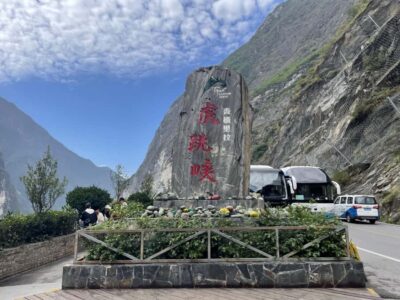
China Shangri-La Tiger Leaping Gorge : A Canyon Adventure
Read our review →Browse the lists this tour appears in