
Reviewed · FOOD & DRINK
Puer Tea Picking and Tasting | 6 Hour Morning Trip
Pu’er tea becomes much easier to understand when you see it growing, handle the fresh leaves, and watch local producers turn them into something you can drink. This trip takes you beyond a shop tasting and into the fields, with tea picking, farm processing, and several brews led by local hosts.
I like the small group limit of six, which gives you time to ask questions and receive help with the picking and processing. I also like the direct connection with local producers, plus the 300 grams of tea you pick and make yourself. It is a useful souvenir, not just another object in your luggage.
The main point to check is timing. The trip is advertised as five to seven hours, and the lunch arrangement needs clarification because it is described both as included and as an optional meal costing about 60 yuan per person. Anyone with a tight train connection should allow plenty of room.
- Pick and process your own tea: You take part in more than a plantation walk and bring home 300 grams of your finished tea.
- Meet the farm host: Local producers explain the work from fresh leaf to dried tea, with Maxime helping translate questions when needed.
- Taste several Pu’er styles: Tastings can include raw, aged, candy tea, and red tea, with repeated brews to show how flavor changes.
- Ride in comfort: Pickup from Jinghong is provided in a VW ID.4 for up to three people, or a six-seat minivan for larger groups.
- Keep the day personal: The group limit is six, and the available guide languages are English, French, German, and Italian.
- Add local food: A farm meal can feature Dai and other Yunnan specialties, but confirm the final cost when booking.
Why the tea fields near Pu’er are worth the drive
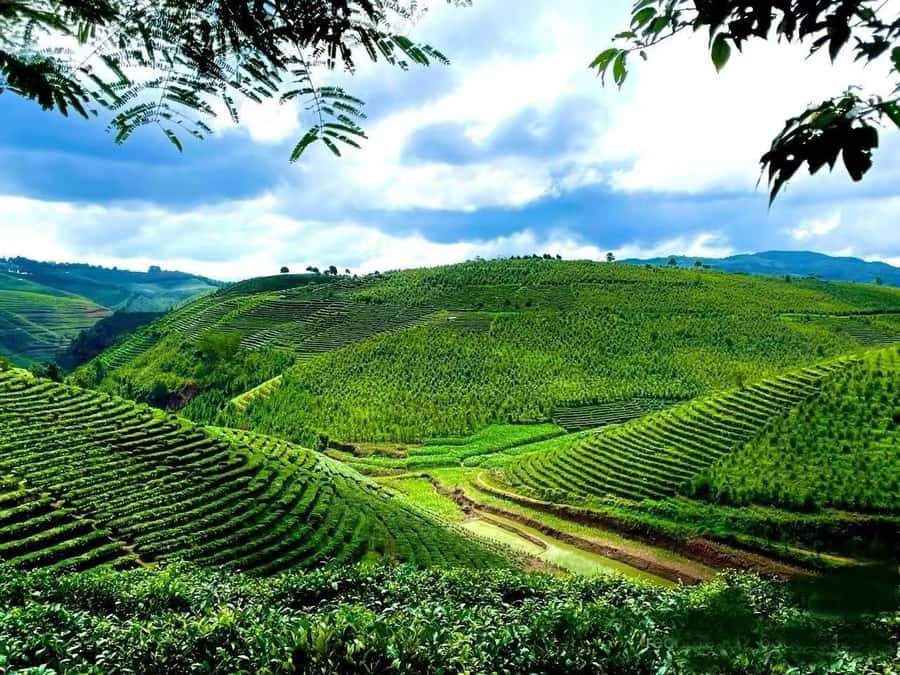
Pu’er tea is not simply one flavor. It refers to a broad family of teas linked to Yunnan, with differences in leaf, age, processing, storage, and brewing. A shop tasting can introduce you to those differences, but the plantation gives you the missing piece: the plant itself.
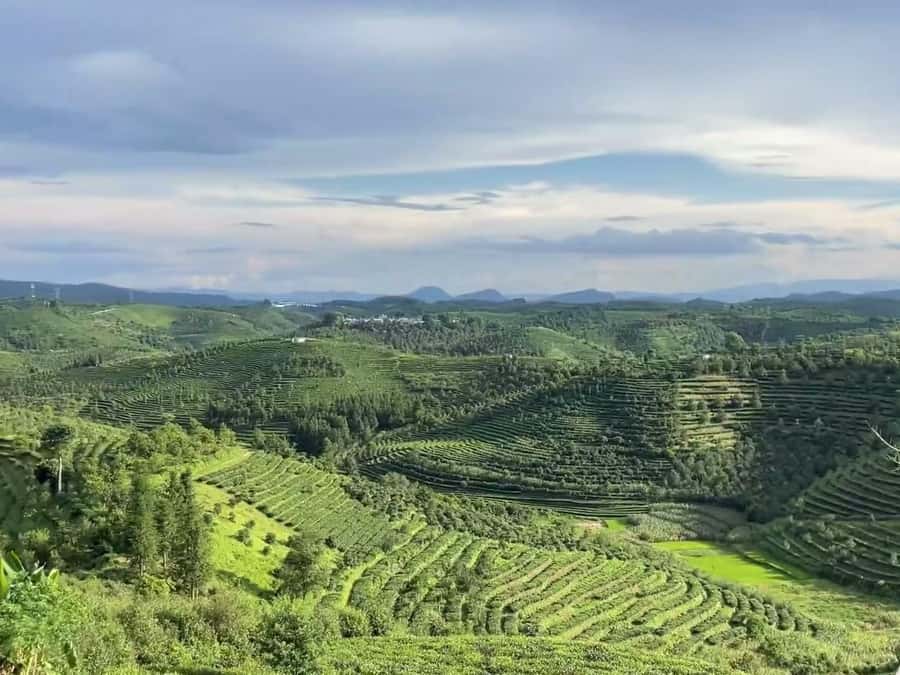
The drive from Jinghong or Pu’er takes you through green countryside before you reach the farm. The scenery is part of the reward, especially if you have spent several days in town and want a quiet morning outdoors. Pickup saves you the trouble of arranging a local car, and the return ride lets you enjoy the view without watching the road.
This is not a polished theme-park attraction. You visit a working plantation and processing farm, so the experience depends partly on the day’s activity and the people available at the farm. That is a strength if you want contact with real tea production, but it also means the pace may feel less scripted than a standard sightseeing tour.
Starting with Maxime and a small-group ride
Maxime is the guide named most often in the tour details, and his role goes beyond driving. He helps explain tea production, translates questions for the farm owner, and can talk about local Dai culture and language. That matters because much of the value comes from asking questions on the spot.
The vehicle depends on group size. Up to three people ride in a Volkswagen ID.4. Groups of more than three use a comfortable six-seat minivan. With a maximum of six participants, you should have more room for conversation than on a large bus outing.
Pickup and drop-off are available in Jinghong or Pu’er. Before paying, confirm your hotel location, pickup time, and which city you will return to. The advertised duration is five to seven hours, not a fixed six hours, so tell the guide if you have a train or another appointment later that day.
The drive is also a practical advantage for solo visitors and anyone not confident arranging transport in rural Yunnan. One solo participant booked after writing ahead and felt reassured about the plan. That kind of direct communication is worth using, especially if you are booking close to the departure date.
More Food Tours in Yunnan:
- Authentic Local Food Tour in Central Shanghai
★ 5.0 · 1,382 reviews - Beijing Hutong Walking Food and Beer Tour at Hidden Restaurants
★ 5.0 · 1,132 reviews - Xi’an Evening Food Tour by TukTuk
★ 5.0 · 715 reviews
Walking through the plantation and picking the right leaves
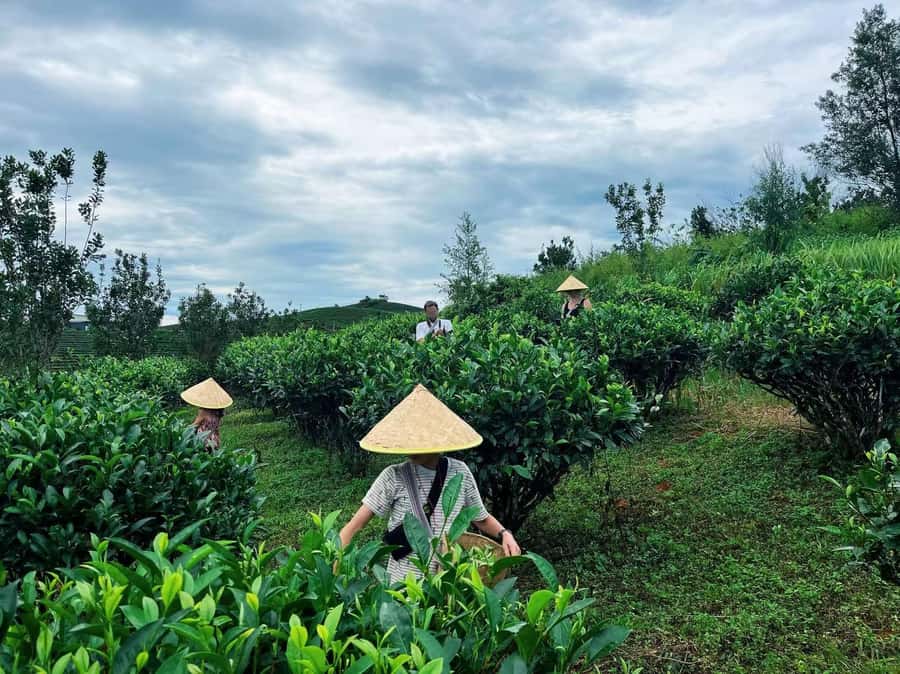
At the farm, you begin with a guided walk among the tea plants. The guide and local staff explain how the plantation works and why Pu’er tea matters in Yunnan. You are not just looking at rows of shrubs. You are learning what workers look for when selecting leaves.
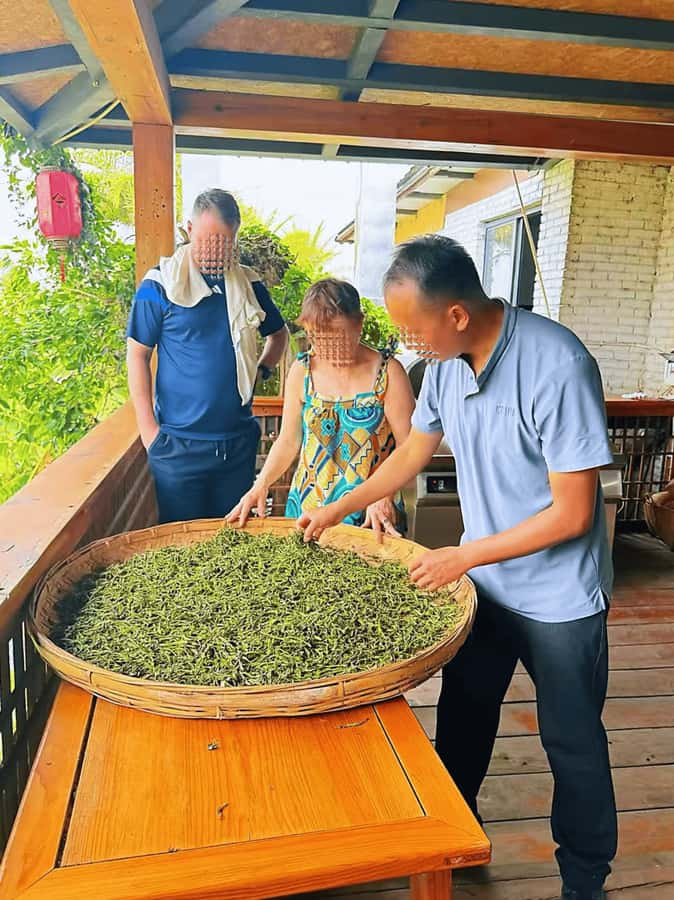
The hands-on picking session is the heart of the morning. Local experts show you how to select suitable leaves, then give you time to try. The work is gentle but not entirely effortless. If you picture a quick photo opportunity followed by a return to the vehicle, adjust your expectations. The point is to notice the care involved in collecting a small amount of good leaf.
Wear comfortable shoes. The fields may require walking over uneven ground, and you will get more from the visit if you are ready to move around rather than stay on a paved path. The activity is not suitable for babies under one year or people over 70, according to the tour information. Pets are not allowed.
The picking also gives the tasting more meaning later. Once you have held the leaves and seen how little finished tea comes from a modest amount of fresh material, the price of carefully made tea makes more sense.
Seeing fresh leaves become Pu’er tea
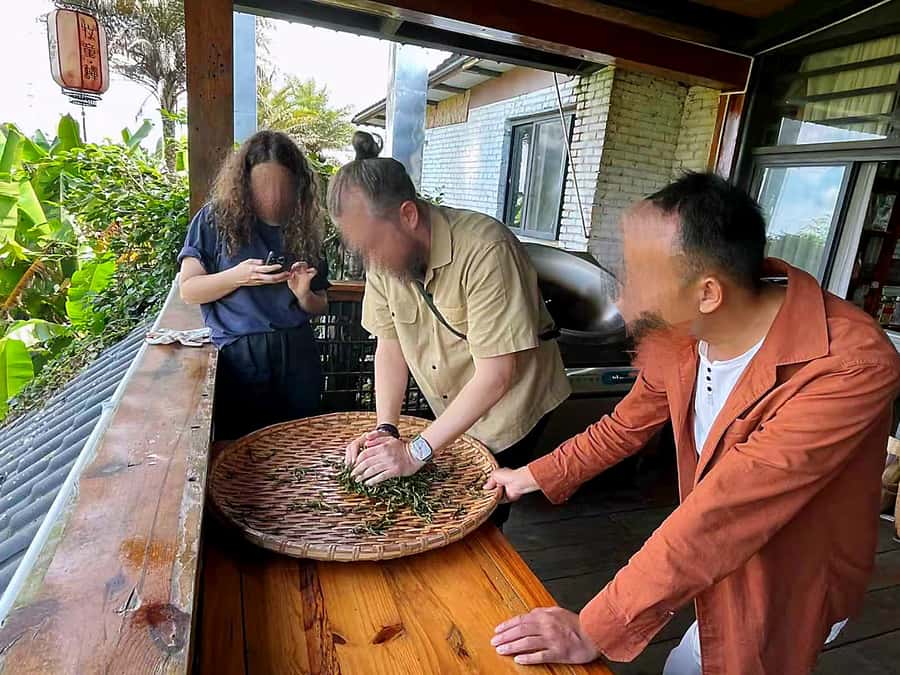
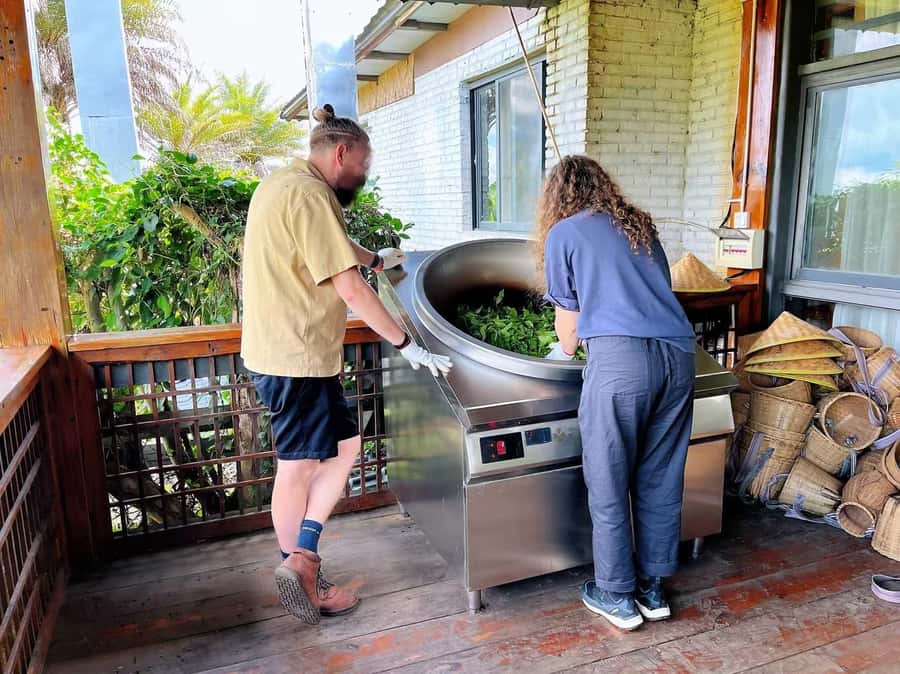
After picking, you visit the processing area at the farm. The basic stages include withering, rolling, and drying. You can watch skilled workers handle the leaves and may have a chance to try parts of the process yourself.
This is where the visit becomes especially useful for anyone who already drinks Chinese tea. You can connect the appearance and smell of a leaf with the finished cup. A guide can explain what changes during processing, while the farm host can show what happens in practical terms.
The exact amount of hands-on work may vary. The description promises participation in some steps, not a full professional training course. That distinction is important. You will gain a working understanding of production, but you should not expect to leave with the technical skill of a tea maker after one morning.
The farm setting also keeps the lesson grounded. Instead of hearing only about tea categories in a shop, you see the equipment, the leaves, and the people who make the product. If you are curious about agriculture, food production, or rural life, this part may be as interesting as the tasting.
Tasting raw, aged, candy, and red tea
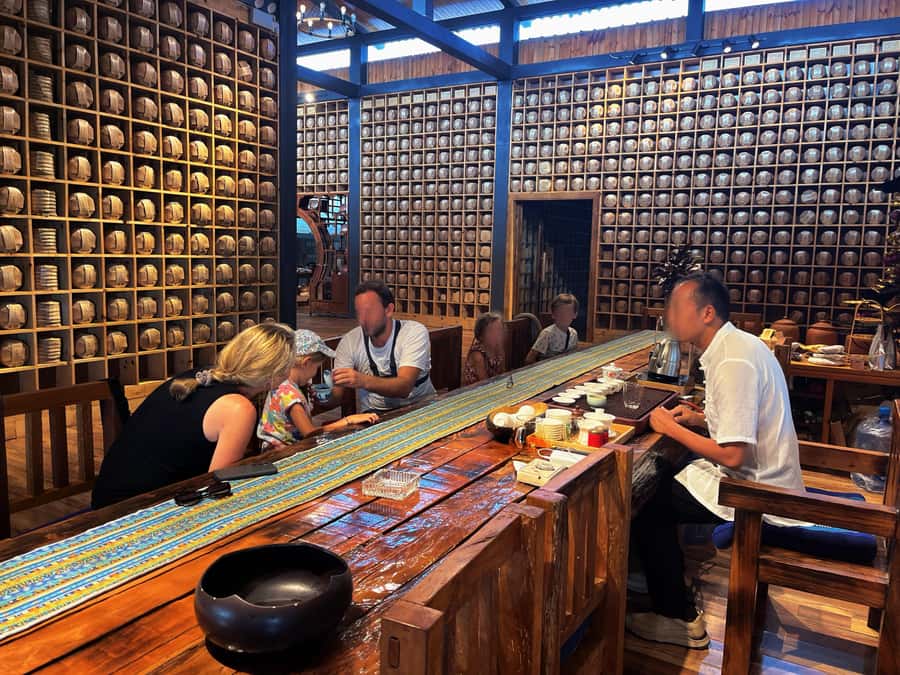
The tasting session gives you a chance to compare several types of tea. One itinerary has included aged tea, raw tea, candy tea, and red tea, with multiple brews from the same leaves. The exact selection can change, but the aim is to show how different processing and age affect the cup.
Do not rush this part. Tea changes from one infusion to the next, and repeated brewing helps you notice the difference between an initial taste and a later one. You can ask about brewing methods, which varieties are suitable for aging, and how local producers judge quality.
The tasting is also a good moment to ask about buying tea. Tea may be available for purchase at the farm, and a discount has sometimes been offered. The important point is that you do not need to buy anything to complete the visit. The personal tea allowance already gives you a souvenir, so you can purchase only if you find a style you genuinely like.
If you are new to Pu’er, the range can feel confusing at first. Ask the guide to explain the difference between raw and aged tea in plain terms, and take notes if one particular tea appeals to you. Hotel rooms often have limited space, and it is easy to buy more than you can reasonably carry.
A few more Yunnan days worth a look
- Lijiang Naxi Cuisine Cooking Class & Market Visit
★ 5.0 · 48 reviews - 9 days Ancient Town Tour
★ 5.0 · 21 reviews - Kunming: Stone Forest Private Day Tour
★ 4.7 · 13 reviews - 1 Day Stone Forest & Jiuxiang Cave Tour
★ 5.0 · 13 reviews
Taking home 300 grams of tea you helped make
The included 300 grams is one of the strongest reasons to choose this experience over a simple plantation tour. You pick the leaves, take part in processing, and leave with tea connected to your own visit.
The finished product may not be identical to a premium tea purchased from a specialist shop. That is not really the point. Its value is personal and educational. You will know where the leaves came from and what you did with them, which makes a far more meaningful keepsake than a generic packet.
The tour information lists gifts and souvenirs as not included, but the 300 grams of tea picked and processed during the activity is included. Ask for a clear explanation of what additional packaged teas cost before making any purchase. A helpful guide should let you compare without pressure.
Bring enough room in your luggage. Tea is easy to carry, but 300 grams still takes up space, especially if you also purchase extra varieties after tasting.
Lunch, Dai food, and the question of value
Lunch can add a welcome local-food element to the day. The meal may feature Dai and other Yunnan specialties at a farm, giving you a chance to eat in the same rural setting rather than returning to town for an ordinary restaurant meal.
There is one practical inconsistency to clear up before booking. The experience description presents lunch as optional at about 60 yuan per person, while the inclusion list says lunch at the farm is included. Treat the meal as something to confirm, not something to assume. Ask whether the price includes lunch, which dishes are offered, and whether you can skip it if you need an earlier return.
A meal also affects the total length. If you have a free morning and want a slower visit, it adds value. If you have a train to catch, you may prefer a shorter tea-only schedule. One participant wished for more time but had to leave for a train, which is a useful warning for anyone planning a close connection.
Some versions of the day have also included a stop connected with Yunnan coffee, tasting coffee made from locally harvested beans and passing through the coffee-growing area south of Pu’er. Do not assume this is part of every booking. Ask Maxime directly if coffee is important to you, since the core experience described here is the tea plantation visit.
Is $82 a fair price?
At $82 per person, this is not the cheapest way to see tea fields. You are paying for private or small-group transport, a guide, interpretation, a plantation visit, hands-on work, tea tasting, and the 300 grams of tea you make.
The value improves if you are starting in Jinghong and would otherwise need to arrange a rural car and a translator. The VW ID.4 for a small party is a comfortable touch, and the six-person limit gives you more access to the guide than a standard coach excursion.
The price is less compelling if you only want attractive photos of tea rows. You could likely find a simpler plantation stop for less, but it would not necessarily include the farm explanation, production work, several tastings, and personal tea to take home.
I would compare the cost with a private car hire, not just with a cheap group tour. Once you factor in rural transport and language help, $82 is reasonable for a half-day that includes substantial participation. Confirm the lunch charge and any optional coffee stop so the final cost is clear.
Who will enjoy this morning most?
I would choose this for tea drinkers, food-and-farm enthusiasts, photographers who also want context, and anyone looking for a quieter day outside Jinghong or Pu’er. It is especially good for people who like asking questions and trying a task with their hands.
It also suits solo visitors. A small group and an attentive guide can make the day feel social without putting you on a large tour bus. Families with older children may enjoy the picking and processing, although the description specifically rules out babies under one year and people over 70.
You may want a different outing if you dislike rural roads, have mobility concerns, or need a strict return time. The fields and farm are not presented as a fully accessible site, and the five-to-seven-hour duration leaves some uncertainty. Contact the provider before booking if walking conditions matter to you.
The listed guide languages are English, French, German, and Italian. If you need another language, arrange that before payment rather than assuming translation will be available.
Booking details that matter
The experience offers free cancellation up to 24 hours before departure and a reserve-now, pay-later option. Those terms are useful when your Yunnan plans are still changing, but you should still check the available start time before choosing a date.
Comfortable shoes are the one required item listed. I would also bring water, sun protection, and a small bag for tea, although only the footwear requirement is specifically stated.
Ask these questions before you confirm:
- Is lunch included in my exact booking, or is it 60 yuan per person?
- Will pickup be from Jinghong or Pu’er, and where is the return?
- Is the coffee stop part of my day, or tea only?
- How much walking and field work should I expect?
- Can I buy additional tea, and what are the prices?
These questions are not fussing over small print. They help you match the outing to your schedule and interests.
Should you book the Pu’er tea experience?
Book it if you want to understand tea by seeing, touching, making, and tasting it. The combination of a working farm, local explanation, repeated tastings, and 300 grams of your own tea gives the morning real substance.
I would be more cautious if you need an exact end time or want a polished, fixed-format attraction. Confirm the lunch arrangement, transport details, and any coffee extension first.
For most tea drinkers, the $82 price is fair because it covers more than admission. You get rural transport, a multilingual guide, access to a local producer, practical tea work, and a souvenir with a personal story. That is a good use of half a day in southern Yunnan.
FAQ
Where does the tea plantation trip start?
Pickup and drop-off are available from Jinghong or Pu’er. Confirm your exact pickup point and return city when booking.
How long does the experience last?
The advertised duration is five to seven hours. Starting times depend on availability.
What vehicle is used?
Pickup is provided in a Volkswagen ID.4 for up to three participants. Groups of more than three use a comfortable six-seat minivan.
What languages are available?
The listed guide languages are English, French, German, and Italian.
What tea do I take home?
You receive 300 grams of Pu’er tea that you picked and processed during the visit.
Is lunch included?
The information is inconsistent. One section lists lunch at the farm as included, while another describes it as optional at about 60 yuan per person. Confirm this when booking.
Newly listed around Yunnan
- Kunming: Stone Forest, Roast Duck Lunch and City Tour★ 4.0 · 5 reviews
- Lijiang: Jade Dragon Snow Mountain + Impression Lijiang★ 5.0 · 5 reviews
- Lijiang: Jade Dragon Snow Mountain for Foreign Tourists★ 3.7 · 5 reviews
- Lijiang to Shangri-La HuXiang Road Private Scenic Tour★ 4.5 · 6 reviews
- Jade Dragon Snow Mountain Glacier Cableway with Scenic Train Tour★ 5.0 · 9 reviews
- 9 days Ancient Town Tour★ 5.0 · 21 reviews
- 1 Day Stone Forest & Jiuxiang Cave Tour★ 5.0 · 13 reviews
- 4 Days Haba Snow Mountain Climbing Tour (Lijiang-Shangri-La)★ 5.0 · 6 reviews
Food & Drink, compared.

Authentic Local Food Tour in Central Shanghai
Read our review →
Beijing Hutong Walking Food and Beer Tour at Hidden Restaurants
Read our review →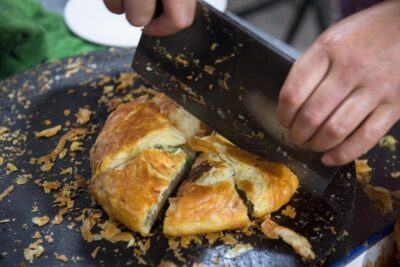


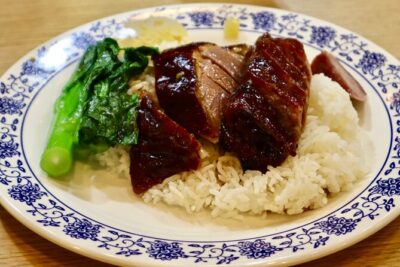
Hong Kong’s Tin Hau Hidden Eats Food Tour with 7+ Local Tastings
Read our review →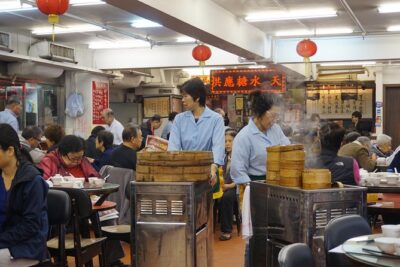
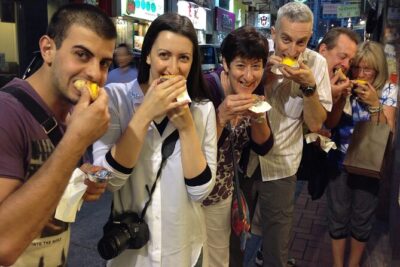
Hong Kong Food Tour: Central and Sheung Wan Districts
Read our review →Browse the lists this tour appears in