
Reviewed · TEA CEREMONIES
Guilin: City Tour with Elephant Hill & Ming Tea Tasting
Guilin’s most famous view and a cup of fresh mountain tea make an easy half-day pair. You’ll begin at Elephant Trunk Hill, the stone formation shaped like an elephant drinking from the Li River, then head to a former Ming Dynasty royal tea garden near Yao Mountain. It is a tidy way to see a city symbol without giving up a whole day.
I like the private car and flexible pace, especially for solo visitors or anyone staying in Guilin for only a short time. I also like the hands-on tea stop, where you can see how leaves become part of a tea ceremony rather than simply buying a packet in a shop.
The main concern is value. The $46 price covers the driver, private car, and air conditioning, but entrance fees and personal spending are extra. One person found Elephant Trunk Hill free to enter and felt the tea plantation had a marketing feel, so book this for the guide and tea experience, not just transportation.
Key points to know before you book

- Elephant Trunk Hill takes about one hour, with time for views, photos, and local legends.
- The tea visit lasts about two hours, making it the larger part of the morning.
- The plantation is near Yao Mountain, reached by a short 3.5-kilometer drive from the mountain entrance.
- The group is private, so you avoid being folded into a large coach party.
- Molly is a guide to request if available, praised for clear explanations, patience, and photography help.
- Entrance fees are not included, and the exact pickup time is confirmed one day before departure.
Elephant Trunk Hill, Guilin’s quickest signature view
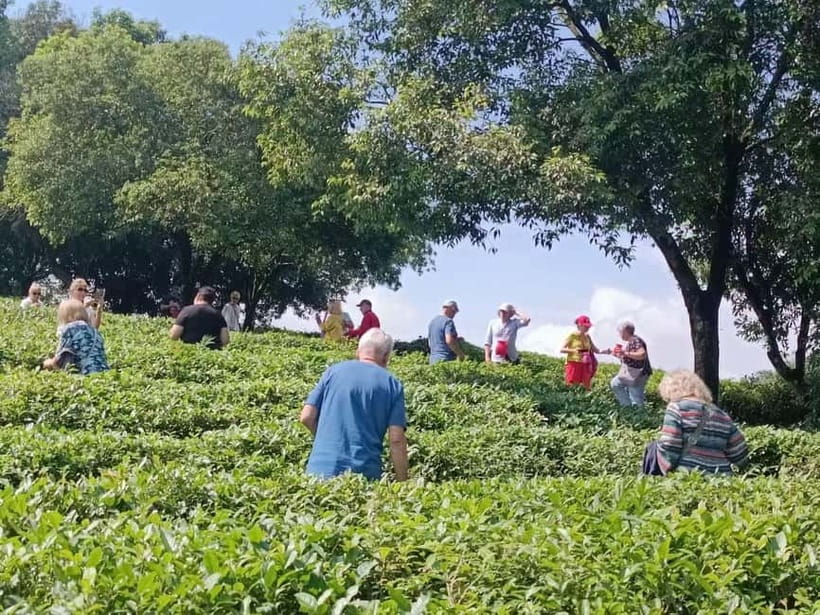
Your morning begins with pickup at your Guilin hotel. A private driver takes you to Elephant Trunk Hill, the natural formation that has become Guilin’s best-known symbol.
The name tells the story. The rock resembles an elephant lowering its trunk to drink from the Li River. The shape is easy to understand from the right riverside angle, which makes this a strong stop for first-time visitors who want one unmistakable Guilin image.
You’ll have about one hour for a guided visit. That is enough for a look around, photos, and an explanation of the legends linked to the formation. It is not a long hike or a full morning at a major museum. Think of it as a compact scenic stop that gives you a visual introduction to Guilin.
I like this part because it combines nature and local storytelling. The rock itself is the star, but the guide helps turn a photo stop into something more useful. You’ll learn why the site matters to the city and hear the traditional stories tied to its shape.
Still, keep your expectations in check. This is not a private wilderness outing or a long riverside walk. The experience centers on the famous view, and the amount of time here is fairly short. If you have already visited Elephant Trunk Hill independently, the added value will depend heavily on the guide’s explanations and the convenience of private transport.
One practical point deserves attention: the tour price does not include entrance fees if they apply. A person who took the tour reported that admission to Elephant Trunk Hill was free at the time of their visit. Policies and local arrangements can change, so confirm the current cost before you go rather than assuming the $46 covers every expense.
More Tea Ceremonies in Guilin:
- One-Day Hangzhou Dragon Well Tea Culture & West Lake Private Tour
★ 5.0 · 98 reviews - Traditional Chinese Tea Ceremony Experience
★ 4.7 · 74 reviews - Beijing Culture: Tea Ceremony, Heritage Instrument & Calligraphy
★ 5.0 · 57 reviews
The 3.5-kilometer ride to Yao Mountain tea country
After Elephant Trunk Hill, you’ll continue toward the tea plantation near Yao Mountain. The stated transfer from the mountain entrance to the plantation is only 3.5 kilometers, so this is not a long rural journey.
That short drive matters. You get a change of scene without spending most of the half-day in a vehicle. Guilin’s famous stone peaks and river views give way to a quieter agricultural setting, where the focus shifts from scenery to how tea is grown and prepared.
The plantation is described as a former royal tea garden of the Ming Dynasty. Its fertile soil was valued for producing high-quality tea crops, and that historical connection gives the visit more context than a simple tasting counter.
I would treat the royal-garden claim as part of the site’s story, not as a reason to expect an elaborate palace or preserved court complex. The information provided points to a working tea setting and a cultural explanation, not a major archaeological attraction. The appeal is the combination of farming, preparation, and tasting.
The stop lasts about two hours, which is a generous share of a four-hour tour. If you enjoy food and drink traditions, that balance should suit you. If you mainly want scenic viewpoints, the tea visit may feel long, particularly if the presentation turns toward sales.
Seeing how tea reaches the cup
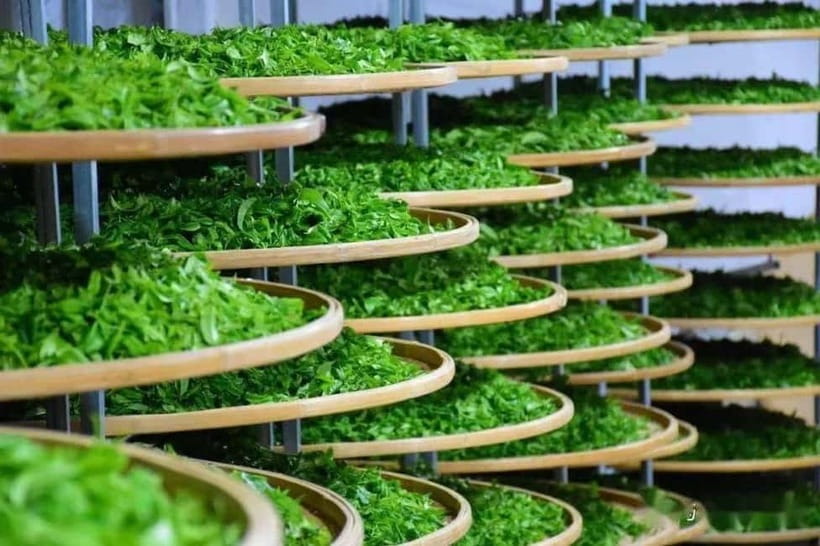
The tea portion is meant to show the steps behind the final drink. You’ll learn about tea production, sample green tea grown in the area, and take part in the stages leading to a tea ceremony.
That practical element is the best reason to choose this tour over a basic city transfer. You are not only handed a cup and given a short explanation. The experience includes a look at the process, followed by tasting in a calm plantation setting.
One Italian visitor described the farm visit as enjoyable because she could try the different stages before the ceremony. That detail helps set the right expectation: this is designed to be participatory, though the precise activities may depend on the day and the guide.
The tasting also gives you a chance to ask questions. If tea is new to you, ask about the green tea being served, how it is grown, and which steps affect the final flavor. If you already know Chinese tea, you may prefer to focus on the local farming connection and the preparation ritual.
The sales question is worth handling plainly. Tea plantations often have a commercial side, and one person felt this visit seemed partly like a marketing stop. That does not make it a bad experience, but it means you should not feel obliged to purchase tea. The tour information includes tasting, not a required purchase, so decide based on what you actually want to take home.
What the private format really adds
The tour is for a private group, with a private driver and air-conditioned vehicle. That gives you more control than a shared bus, even though the published plan remains fairly compact.
For a solo visitor, private transport can be especially useful. Paulette Anahi Logrono described guide Molly as patient and willing to adapt to her needs. She also helped with photographs during a two-day stay, which is a thoughtful extra for someone touring alone. Photography is not formally listed as a guaranteed service, so consider it a pleasant possibility rather than part of the contract.
A private setup can also help if you want more time at one stop or fewer interruptions during the tea explanation. The supplied details do not promise a fully customizable route, so do not assume you can add several major Guilin sights within the four-hour window. The flexibility is best understood as a more personal half-day outing, not an open-ended charter.
The driver and guide language options are listed as Chinese, Traditional Chinese, and English. The information does not clearly separate which staff member speaks which language, so confirm your preferred language while booking. Molly received particular praise for explaining Guilin and Chinese tea culture, but guide availability is not guaranteed.
More Food Tours in Guilin:
- Authentic Local Food Tour in Central Shanghai
★ 5.0 · 1,382 reviews - Beijing Hutong Walking Food and Beer Tour at Hidden Restaurants
★ 5.0 · 1,132 reviews - Xi’an Evening Food Tour by TukTuk
★ 5.0 · 715 reviews - Eat Like A Local: Shanghai Night Food Tour
★ 5.0 · 616 reviews
Is $46 a fair price?
At $46 per person, this tour sits in the reasonable range for a private half-day outing, provided you value the car and personal attention. The cost includes a private driver, private vehicle, and air conditioning. It does not include entrance fees, food, or personal purchases.
For two or more people, the price may feel easier to justify because the private vehicle cost is shared across the group. For one person, the convenience is still real, but the comparison becomes sharper. Guilin’s Elephant Trunk Hill may be free to enter, and you could potentially arrange independent transport to a tea venue for less.
The price makes more sense if you want a simple package with hotel pickup, a guide, and no need to arrange local transport yourself. It is less attractive if you already have a car, speak Chinese, or only want to see Elephant Trunk Hill.
The tea stop is the deciding factor. You are paying for the plantation visit, explanations, tasting, and transport between locations. If you enjoy learning how local products are made, the two-hour tea session gives the tour substance. If you dislike sales-oriented stops, ask the provider how the tea visit is handled before committing.
Timing, pickup, and what to bring
The total duration is four hours. The planned flow is about one hour at Elephant Trunk Hill, two hours at the tea stop, and the remaining time for pickup, transfers, and return to your hotel.
The start time shown while booking is only an estimate. The exact time is confirmed one day before departure, so keep your morning flexible and check your messages. Hotel pickup is from Guilin, and the tour ends with a return transfer to your Guilin hotel.
Bring your passport or ID card. The supplied information does not list a special clothing requirement, meal, or included refreshments beyond the tea tasting. Personal expenses are your responsibility.
Cancellation is flexible up to 24 hours before departure for a full refund, and you can reserve now while paying later. Those terms are useful if your Guilin schedule is still shifting, but always check the final booking conditions shown for your date.
Who should choose this Guilin half-day tour?
I would recommend it to a first-time Guilin visitor who wants two very different experiences in one morning: a famous riverside formation and a local tea tradition.
It also fits solo visitors well. A private car removes the need to manage local transport alone, and a patient guide such as Molly can make the day feel easier and more personal. The photo help mentioned by one visitor is a welcome bonus for anyone traveling without a companion, though it should not be treated as guaranteed.
Couples and small private groups may find the price easier to defend. You can share the car, ask questions freely, and avoid the fixed rhythm of a large group.
I would think twice if your priority is a long outdoor excursion, a full Guilin city tour, or a low-cost visit to Elephant Trunk Hill alone. The tour gives you a polished half-day pairing, not an extensive survey of the city.
Should you book it?

Book this experience if you want convenience, a private setting, and a clear introduction to both Guilin scenery and Chinese tea culture. The strongest parts are the easy hotel pickup, the one-hour Elephant Trunk Hill visit, and the hands-on tea process at the former Ming Dynasty garden.
Skip it if you are mainly looking for the cheapest way to see Elephant Trunk Hill or if plantation visits with possible sales pressure are not your style. Before paying, confirm the guide language, the exact pickup time, and any current entrance charges.
For most short stays, this is a useful introduction rather than a must-do full-day excursion. The tea stop gives it more character than a simple landmark transfer, and a good guide, especially Molly if available, can make the difference between a routine outing and a memorable morning.
FAQ
How long does the tour last?
The tour lasts four hours, including hotel pickup, the Elephant Trunk Hill visit, the tea plantation experience, and the return transfer.
Where does the tour begin?
Pickup begins in Guilin, with the driver collecting you from your hotel lobby.
Where does the tour end?
The driver returns you to your hotel in Guilin at the end of the experience.
Is the tour private?
Yes. The activity is offered for a private group with a private driver and private car.
How long is the Elephant Trunk Hill visit?
The guided Elephant Trunk Hill portion lasts about one hour.
How long is the tea experience?
The tea portion lasts about two hours and includes information about tea production and a green tea tasting.
Is tea included?
A tea tasting is included as part of the plantation experience. Food and personal expenses are not included.
Are entrance fees included?
No. Entrance fees, if applicable, are not included in the tour price. One person reported that Elephant Trunk Hill admission was free during their visit.
What languages are available?
The listed languages are Chinese, Traditional Chinese, and English.
What should I bring?
Bring your passport or ID card. The exact start time is confirmed one day before the tour, so check the final arrangements before departure.
Newly listed around Guilin
- Full-day Tour: Longji Rice Terraces & Minority Villages★ 4.5 · 5 reviews
- Yangshuo Ruyi peak & round way cable car ticket★ 5.0 · 18 reviews
- Yangshuo Classic Private Day Tour★ 4.5 · 7 reviews
- Half-day Tour: Largest Tea Plantation & Amazing Xianggong Hill★ 5.0 · 9 reviews
- Yangshuo Cooking Class with Market Trip★ 5.0 · 40 reviews
- Full-day Tour: Cycling, Rafting & SanjieLiu Outdoor Water Theatre★ 5.0 · 3 reviews
- Full-Day Private Biking Activity in Yangshuo★ 4.0 · 5 reviews
- Xingping Xianggong Hill and Yangshuo Countryside Classic Day Tour★ 5.0 · 14 reviews
Tea Ceremonies, compared.

One-Day Hangzhou Dragon Well Tea Culture & West Lake Private Tour
Read our review →
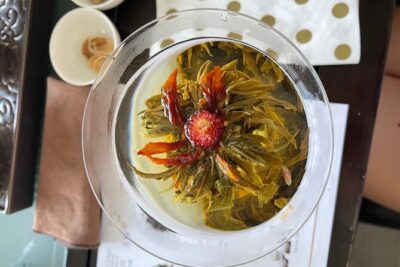
Chinese Tea ceremony in Beijing Hutong courtyard
Read our review →
Leshan Buddha + Panda Base or Old Tea House Private Day Tour
Read our review →
Day Tour to Discover the Secrets of Hangzhou’s Tea Culture
Read our review →Browse the lists this tour appears in