
Reviewed · TEA CEREMONIES
Chongqing 1941 theatre: Tea Art Performance with Folk Art
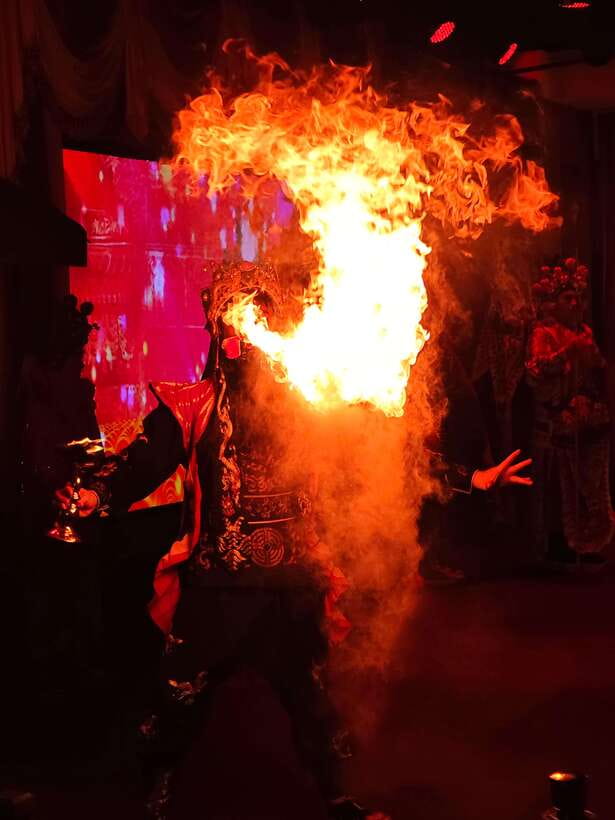
Chongqing 1941 packs a lot into 45 minutes: tea service, folk music, opera, magic, storytelling, and the famous Sichuan face-changing art. The most unusual sight is the 1.2-meter long teapot, used in a graceful tea performance that feels part skill, part theater.
I like the simple format: you sit with a covered bowl of tea and a snack while the acts come to you. I also like the friendly front-row setup, where you may interact with performers and pose for a photo afterward. The main drawback is value. At $31, the show may feel costly for a short program, and one booking note says buying at the venue can be much cheaper, so check the local price before paying online.
Key points to know before you go
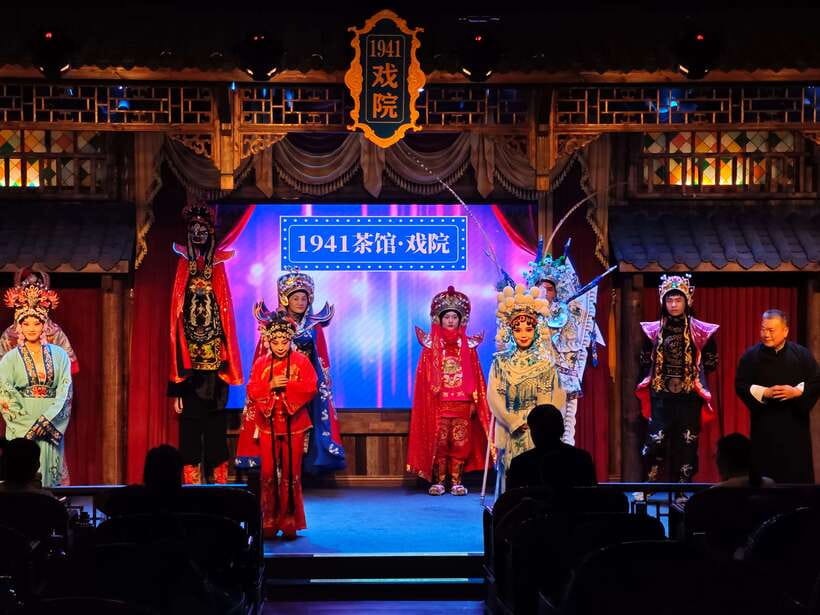
- A compact five-part variety show: Expect opera, tea art, pipa music, money-board storytelling, magic, and folk customs rather than one long dramatic production.
- The long-mouth teapot is the signature act: Tea artisans pour from a teapot measuring about 1.2 meters.
- Tea and a snack are included: You receive covered-bowl tea and a small snack, generally nuts and similar light bites.
- Front-row seats can be interactive: You may be close to the performers and could be invited into the action.
- The show is in Chinese: Much of the visual comedy and physical skill is easy to follow, but spoken storytelling will be harder without Chinese.
- Arrive early: You are asked to arrive 30 minutes before the start, and late arrivals may not receive tea.
What the Chongqing 1941 show actually offers
This is not a full evening of Sichuan opera. It is a short sampler of Chinese performing arts, built around tea culture and quick changes between acts.
You take your seat indoors, receive a covered tea bowl and a snack, and watch the stage program unfold. The format suits a busy Chongqing schedule because you can see several art forms without giving up half a day.
The program includes the Sichuan drama Human Good with kung fu, a long-mouth teapot demonstration, a pipa performance, Quyi money-board singing and storytelling, magic, opera, folk music, and folk customs. The exact order may vary, but the point is variety. You are not asked to follow one complicated plot from beginning to end.
That variety is useful for first-time visitors. If one act does not grab you, another arrives soon. The tradeoff is that no single art form receives much time. You get an introduction, not a full lesson in Sichuan opera or tea ceremony.
More Tea Ceremonies in Chongqing:
- One-Day Hangzhou Dragon Well Tea Culture & West Lake Private Tour
★ 5.0 · 98 reviews - Traditional Chinese Tea Ceremony Experience
★ 4.7 · 74 reviews - Beijing Culture: Tea Ceremony, Heritage Instrument & Calligraphy
★ 5.0 · 57 reviews
Tea service comes before the stage work
The included tea is served in a covered bowl, known as a gaiwan. You hold the lid slightly angled to keep leaves back while drinking, or use it to move the leaves aside. The arrangement gives the show a practical link to local tea culture instead of treating tea as a token welcome drink.
The tea is served with hot water, and the snack is included in the ticket. A useful expectation check: the snack is small. It may be nuts or something similar, not a meal. I would eat beforehand if you are arriving hungry, especially because the performance lasts only 45 minutes and the food is meant to accompany the tea.
Do not arrive at the last minute. The instructions ask you to be there 30 minutes early, and tea will not be provided if you are late. That matters here because the tea is part of the experience, not an optional extra handed out after the curtain.
The long-mouth teapot is the visual highlight
The tea-art performance uses a teapot about 1.2 meters long. The artisan handles it as a performance object, directing the pour from a surprising distance.
This is the kind of act that works even if you do not speak Chinese. The skill is visible: control, timing, balance, and the neat challenge of pouring tea with such an unwieldy tool. It also gives you a clear example of how everyday tea service can become stage entertainment.
The act is likely to appeal most to people who enjoy demonstrations of physical technique. If you expect a quiet, formal tea ceremony with a long explanation of tea varieties, this will be a different experience. It is theatrical and brisk.
Sichuan opera, kung fu, and face-changing
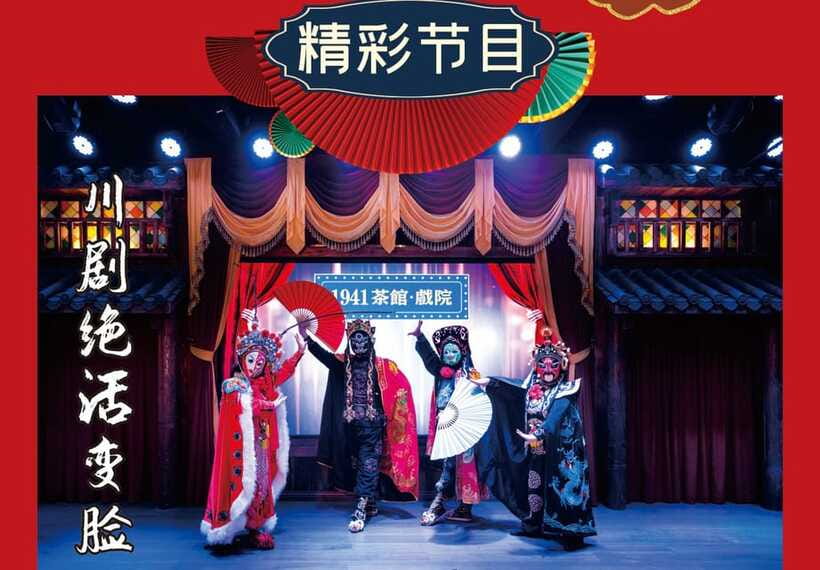
The program includes a Sichuan drama called Human Good with kung fu. The combination brings together acting, movement, and martial-arts skill in a short piece.
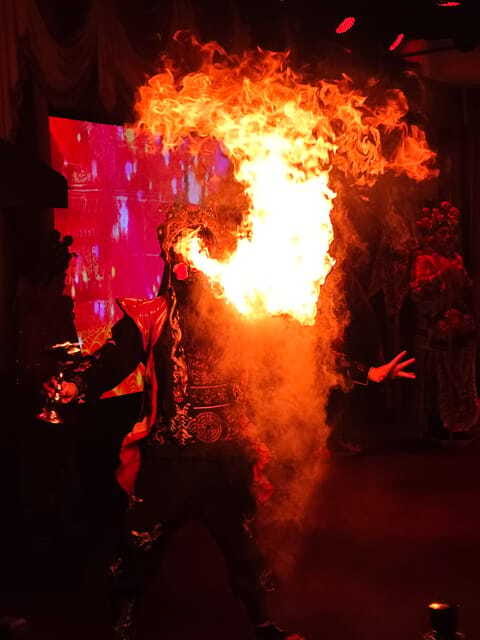
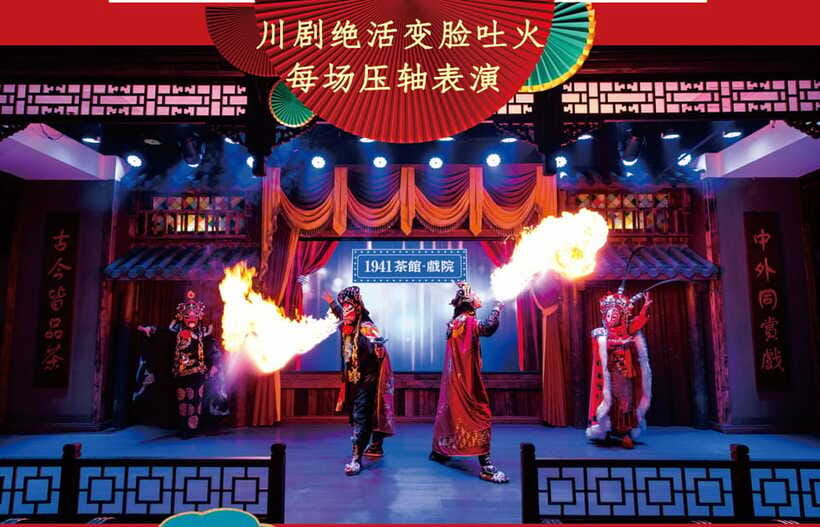
The show also features the unpredictable facial makeup changes associated with Sichuan opera. Face-changing is a visual art, so you can follow the basic effect even if you cannot understand every spoken line. The close seating may give you a chance to see the performer at a much more personal distance than you would in a large theater.
One visitor was even able to touch the face of a face-changing performer. I would treat that as a lucky possibility, not a promised part of the ticket. The same applies to direct interaction in the front row. You may be invited to participate, but the program does not guarantee it.
The Chinese-only format is the biggest limit for non-Chinese speakers. Physical comedy, costume, music, and movement cross language barriers well. Singing, verbal jokes, and storytelling do not always do so. You will get more from the show if you view it as a visual sampler rather than a translated theatrical performance.
More Shows in Chongqing:
- Chongqing: Qingyu Banquet Experience with Show and Dinner
★ 4.8 · 6 reviews - Red Theatre Beijing Acrobatic Show Tickets
★ 4.9 · 461 reviews - Shanghai: Circus World ERA Theatre Acrobatics Ticket
★ 4.9 · 283 reviews - Shanghai Circus World: ERA2 Intersection of Time Acrobatics Show
★ 4.5 · 235 reviews
Pipa music gives the program a quieter pause
The pipa is a traditional Chinese plucked string instrument with a bright, precise sound. Its performance adds a calmer musical moment between the more physical acts.
The description emphasizes the instrument’s beautiful, sonorous, interwoven sound. In practical terms, expect a short musical presentation rather than a full concert. It gives you a chance to listen to a distinct Chinese instrument and notice how its rapid plucked notes contrast with opera voices, percussion, and stage movement.
I like this kind of contrast in a short variety show. Without it, the program could become a run of loud visual tricks. The pipa act broadens the program and gives it a musical center.
Money-board storytelling keeps the old folk style alive
Quyi money-board performance combines singing and storytelling. The performer uses money boards as part of the rhythm while presenting a folk narrative.
This act is more dependent on language than the tea pouring or face-changing. If you understand Chinese, it may carry jokes and story details that are lost to you otherwise. Even without the words, you can still watch the timing, gestures, vocal delivery, and instrument work.
That is a fair tradeoff with a Chinese-language folk show. You are seeing an art form in its home setting, but you are not receiving translation. I would not book this program as your only cultural activity if you need every part explained in English. I would book it as a compact visual introduction alongside other Chongqing sights.
Why the short length can work in Chongqing
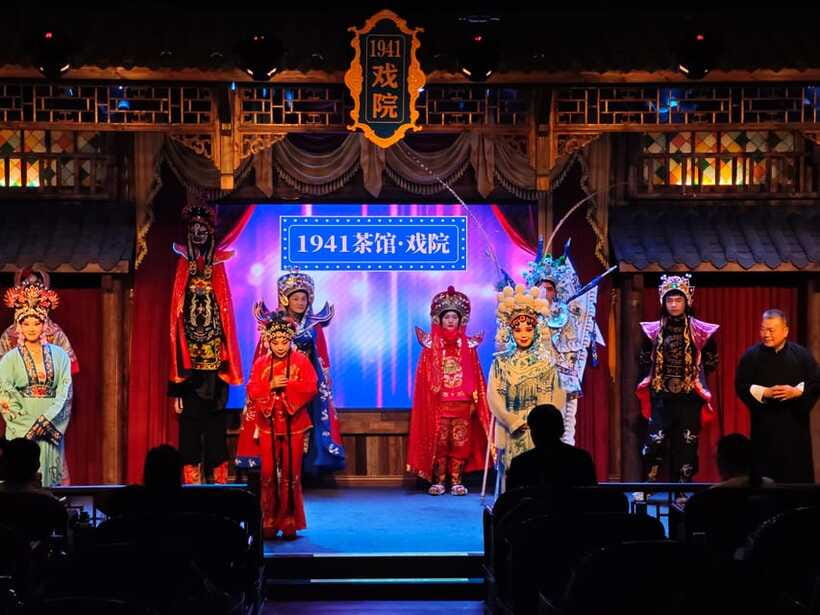
Forty-five minutes is both a strength and a limitation. I like it for an afternoon gap, a family outing, or a first look at local performance traditions. You can fit it into a day without committing to a long formal theater evening.
The short length also keeps the pace moving. The program can shift from opera to tea art, then from music to storytelling, without asking you to sit through a long section that may not suit your taste.
On the other hand, a 45-minute show leaves little room for context. You will not get a detailed explanation of Sichuan opera, a long tea lesson, or a complete traditional drama. One rating described the program as simple and short for its price, and that is the central value question.
Seating, interaction, and the small audience question
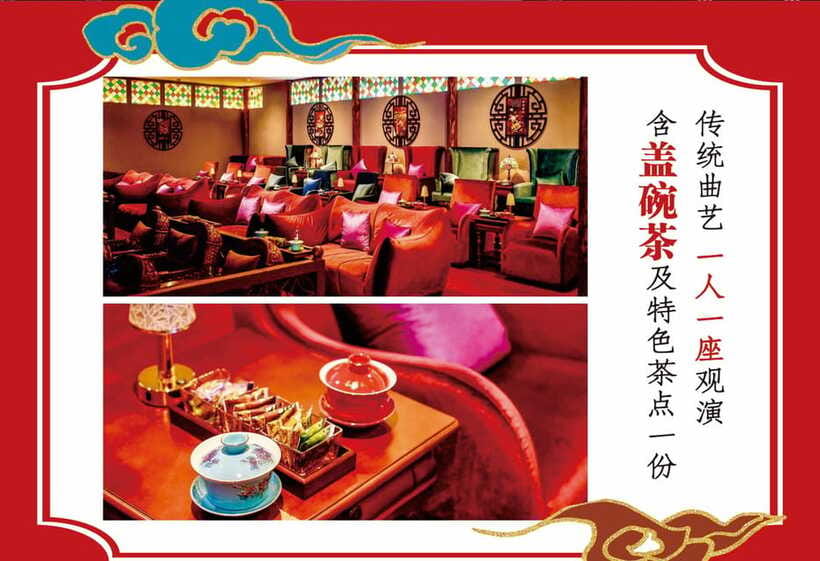
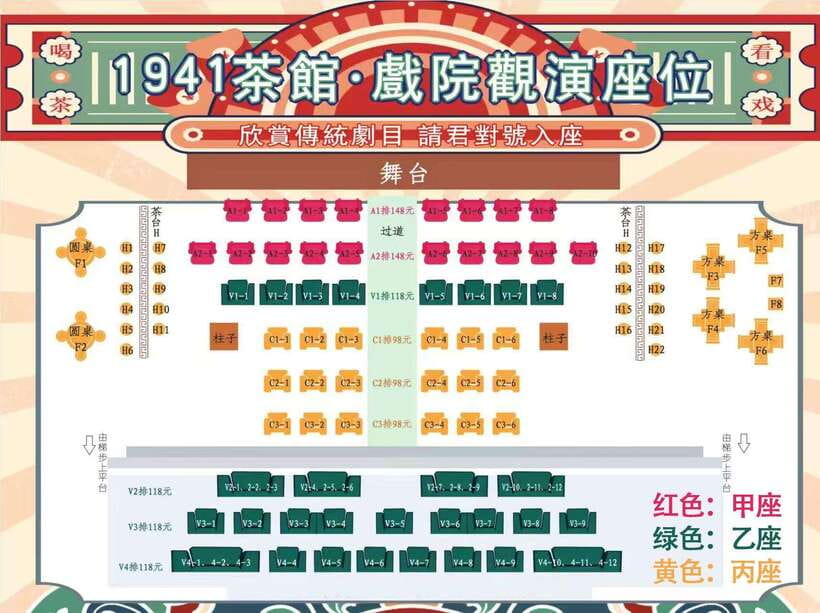
A front-row seat can make this show more memorable. One attendee was greeted, shown to a seat, served tea, and involved with the performers throughout the program. Afterward, there may be an opportunity to take a photo with the cast.
That personal contact is a real benefit if you enjoy small-scale theater. It can feel more direct than sitting far back in a large auditorium. It also means the experience may vary with your seat and the size of the audience.
A small audience can cut both ways. You may receive more attention, but the room can feel less energetic when only a few seats are filled. One account described the audience as somewhat small while still finding that the performers gave their best. I would choose this show for its acts and intimacy, not for the atmosphere of a packed theater.
The possibility of interaction also means you should be ready to respond politely if a performer approaches you. You do not need to volunteer, but staying alert helps you enjoy the playful parts of the program.
Finding the venue and planning the arrival
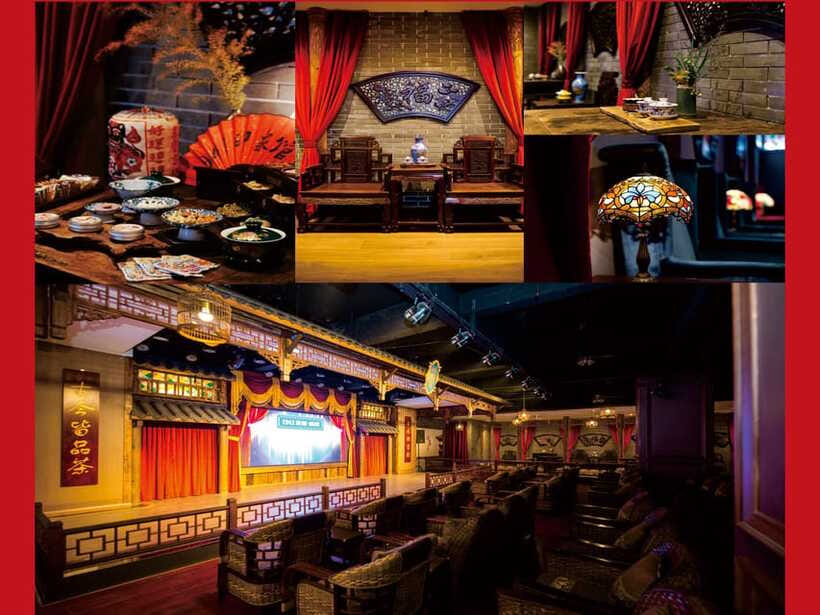
The meeting point is the garage entrance of Yutian Building, next to the time elevator, with the activity located on the eighth floor. This is a precise location, but it is not the kind of meeting point where I would arrive seconds before the start and hope everything works out.
Give yourself the requested 30 minutes. You will need time to locate the building entrance, find the elevator, reach the eighth floor, and settle before the tea service begins. The show is indoors, so weather is not a concern once you are inside.
Transportation is not included. You need to make your own way to the building and back. Personal expenses are also not included. The host or greeter speaks Chinese, and the listed activity language is Chinese, so keep that in mind when asking for directions or checking in.
The venue is wheelchair accessible. That makes the show practical for visitors who need an accessible indoor activity, although the supplied details do not specify the exact route from street level or the seating arrangement. If you need a particular seat, confirm it in advance.
Is $31 a fair price?
At $31 per person, the price pays for a short performance, tea, and a snack. The tea and the live variety format give the ticket more substance than a basic stage admission, especially if you value a close view and the chance of interaction.
Still, the duration matters. You are paying for 45 minutes, not a full theater evening. If you divide the cost by time alone, it is not a budget activity.
There is also a serious price-check issue. One verified booking note said the ticket was much cheaper at the venue, with a possible saving of about $45. That amount does not line up neatly with the listed $31 price, so I would not assume the exact local price. The practical lesson is simple: ask at the theater or compare the venue price before booking online, especially if your schedule allows you to buy in person.
Online booking has its own value. You can reserve now and pay later, and cancellation is free up to 24 hours before the activity for a full refund. Those terms can be useful if you are still arranging your Chongqing plans. You are deciding between convenience and the possibility of a lower walk-up price.
Who will enjoy this show most?
I would recommend it to you if you want a short introduction to several Chinese folk arts, especially if this is your first visit to Chongqing or your first chance to see Sichuan-style performance.
It also suits families and visitors who prefer a short indoor activity. The changing acts help hold attention, and the visual parts do not depend entirely on language. Tea, snacks, magic, kung fu, music, and face-changing give different age groups something to watch.
It is less suitable if you want a serious, extended opera performance, a full meal, or a detailed English explanation. The program is in Chinese, the snack is light, and the show moves quickly.
I would also be cautious if price is your main concern. The short duration and possible venue discount mean you should compare costs rather than book automatically.
My booking verdict
Book Chongqing 1941 if you want a compact, easy-to-fit-in cultural show with tea, folk music, opera, kung fu, and face-changing in one sitting. The front-row interaction and long-mouth teapot act are the strongest reasons to choose it.
Before paying $31, check the local ticket price if you can. Arrive 30 minutes early, eat something beforehand, and expect Chinese-language entertainment rather than an English-guided lesson. With those expectations, this can be a lively and personal taste of Chongqing folk performance. Without them, the short running time may leave you feeling you paid too much.
FAQ
How long does the Chongqing 1941 performance last?
The performance lasts 45 minutes.
What is included in the ticket?
The ticket includes one traditional performance admission, one covered-bowl tea, and one special snack.
What kind of tea is served?
The experience includes authentic Chongqing gaiwan tea served in a covered bowl.
What performances are included?
The program includes Sichuan drama with kung fu, long-mouth teapot tea art, pipa music, Quyi money-board singing and storytelling, opera, magic, folk music, and folk customs.
Is the performance in English?
The listed activity language is Chinese, and the host or greeter speaks Chinese.
Where is the meeting point?
Meet at the Yutian Building garage entrance next to the time elevator, then go to the eighth floor.
How early should I arrive?
You should arrive 30 minutes before the activity starts. Tea will not be provided if you arrive late.
Is the venue wheelchair accessible?
Yes, the activity is listed as wheelchair accessible.
Newly listed around Chongqing
- Yangtze River Cruise from Yichang to Chongqing Upstream in 5 Days 4 Nights★ 4.5 · 14 reviews
- 4D3N Victoria 5-star Yangtze Cruise★ 5.0 · 3 reviews
- Private Customized Tour: Chongqing City Highlights in One Day★ 5.0 · 11 reviews
- Chongqing Private Day Tour to Wulong Karst National Geology Park★ 5.0 · 7 reviews
- 2Day Wulong Karst Park+Dazu Carvings World Heritage Private Tour★ 5.0 · 4 reviews
- Private Day Tour to Ciqikou, Liziba, Jiefangbei etc. in Chongqing★ 4.5 · 5 reviews
- Chongqing Private Tour Pandas City Must See Hot Pot All in one★ 5.0 · 3 reviews
- Chongqing Wulong Exploration Private Day Tour With the Lunch★ 5.0 · 6 reviews
Tea Ceremonies, compared.

One-Day Hangzhou Dragon Well Tea Culture & West Lake Private Tour
Read our review →
Chinese Tea ceremony in Beijing Hutong courtyard
Read our review →
Leshan Buddha + Panda Base or Old Tea House Private Day Tour
Read our review →
Day Tour to Discover the Secrets of Hangzhou’s Tea Culture
Read our review →Browse the lists this tour appears in