
Reviewed · HUTONG TOURS
Chinese Tea ceremony in Beijing Hutong courtyard
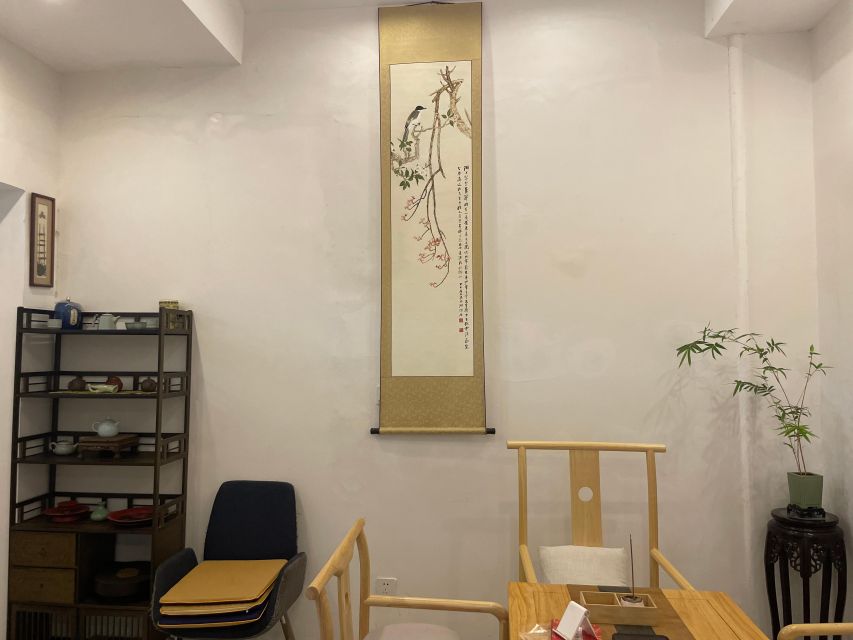
A small courtyard just outside the Forbidden City offers a fine change of pace from Beijing’s grand imperial sights. Instead of staring at palace roofs, you sit down with a local host, choose a Chinese tea, and learn why brewing is far more precise than pouring boiling water into a mug.
I like two things here: the personal setting and the chance to learn from people tied to the neighborhood. The tea is served in a traditional Hutong courtyard, and hosts such as Limeng bring the conversation around tea, Beijing customs, and daily life. You also get a useful lesson in brewing, not just a tasting.
The main consideration is value. At $31 per person for one hour, this is not a cheap cup of tea. It makes the most sense if you want cultural context and direct conversation, not simply a drink. Also check the meeting point carefully, since the location details describe it both near the east gate and about 800 meters west of a Forbidden City exit.
Key points to know before booking
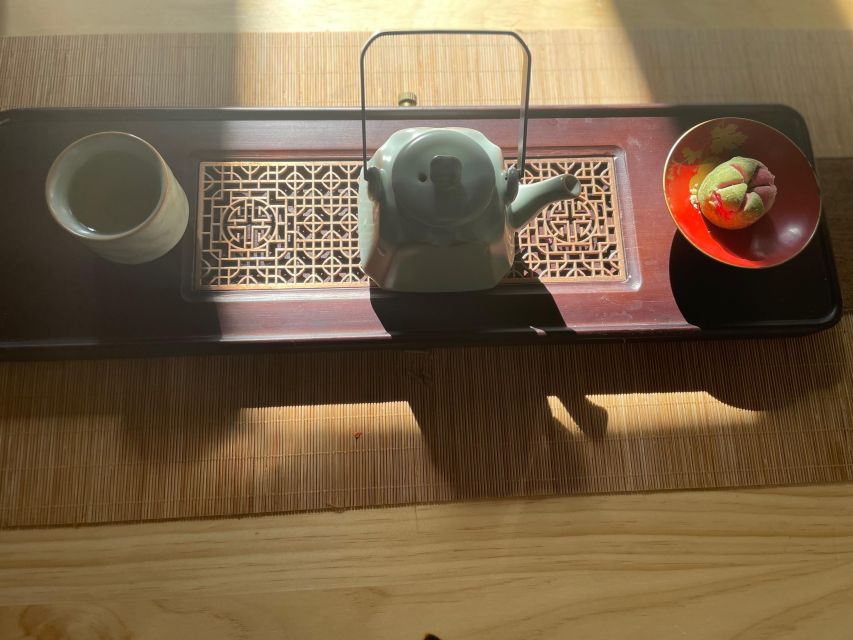
- Tea choices are part of the experience: Pick from black tea, green tea, oolong tea, and Pu’er tea.
- The setting is a working Beijing Hutong courtyard: You get a close look at local residential life, rather than sitting in a hotel lounge.
- The host teaches proper brewing: You learn how water, timing, and handling affect taste.
- The location is beside major sights: The courtyard is described as about 150 meters from the Forbidden City’s east gate, with the Imperial Ancestral Temple and Pudusi inheritance nearby.
- Groups are tiny: The maximum is four people, which leaves room for questions and relaxed conversation.
- It is short but focused: The ceremony lasts one hour, making it easy to add before or after a Forbidden City visit.
A quiet hour beside the Forbidden City
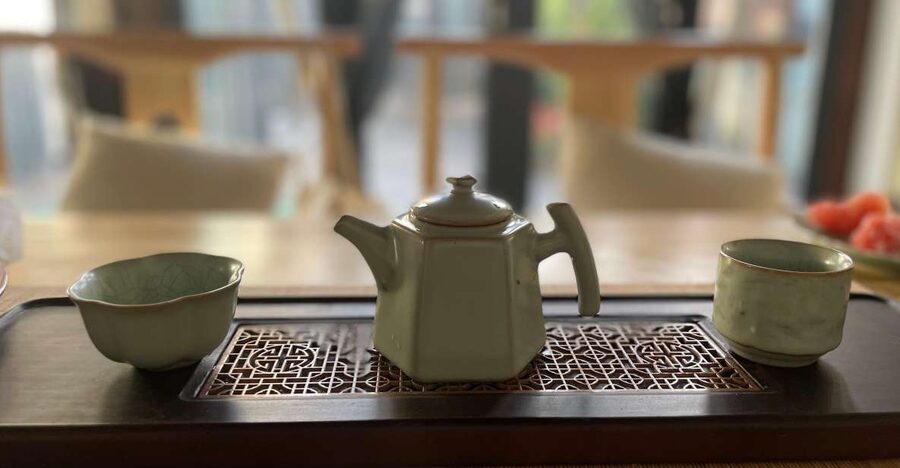
Beijing sightseeing can become a parade of gates, courtyards, and large stone plazas. This tea ceremony gives you a more domestic view of the city. You enter a Hutong courtyard near the Forbidden City and spend an hour learning how tea fits into Chinese culture and everyday manners.
That setting matters. The Hutongs are not museum scenery alone. They are traditional residential lanes and courtyards where Beijing families have lived for generations. The hosts connected with this experience have family roots in the area, so the conversation can move beyond tea to local life and the changing character of central Beijing.
You should not expect a formal stage performance. This is a small, seated activity with an English-speaking instructor and a maximum of four participants. That format suits anyone who prefers conversation to a large demonstration. It also means the experience may feel more personal than polished. For many people, that is the point.
More Tea Ceremonies in Beijing
- Traditional Chinese Tea Ceremony Experience
★ 4.7 · 74 reviews - Beijing Culture: Tea Ceremony, Heritage Instrument & Calligraphy
★ 5.0 · 57 reviews - Private Beijing Markets Tour with Tea Tasting at Hongqiao Pearl Market
★ 5.0 · 18 reviews
Choosing your tea: green, black, oolong, or Pu’er
The ceremony offers several kinds of Chinese tea. You can choose black tea, green tea, oolong tea, or Pu’er tea. These are not minor variations of one drink. Each has its own flavor, preparation style, and place in Chinese tea culture.
Green tea is often lighter and more delicate. Black tea generally gives you a fuller taste. Oolong sits between broad categories, with a range of flavors depending on how it is made. Pu’er is especially distinctive, with a deeper character that may appeal to people who already enjoy stronger teas.
The useful part is that you are not simply handed a cup and left to guess what you are drinking. The host explains the tea and shows you how to prepare it. You may taste two different teas during the session, as some participants did, although the exact selection can vary.
If you are not a dedicated tea drinker, do not dismiss the activity. One person who normally does not care much for tea still found the drinks enjoyable and valued the conversation most. The food and drink are only half of the experience. The other half is learning how Chinese tea is handled and shared.
Learning why boiling water is not enough
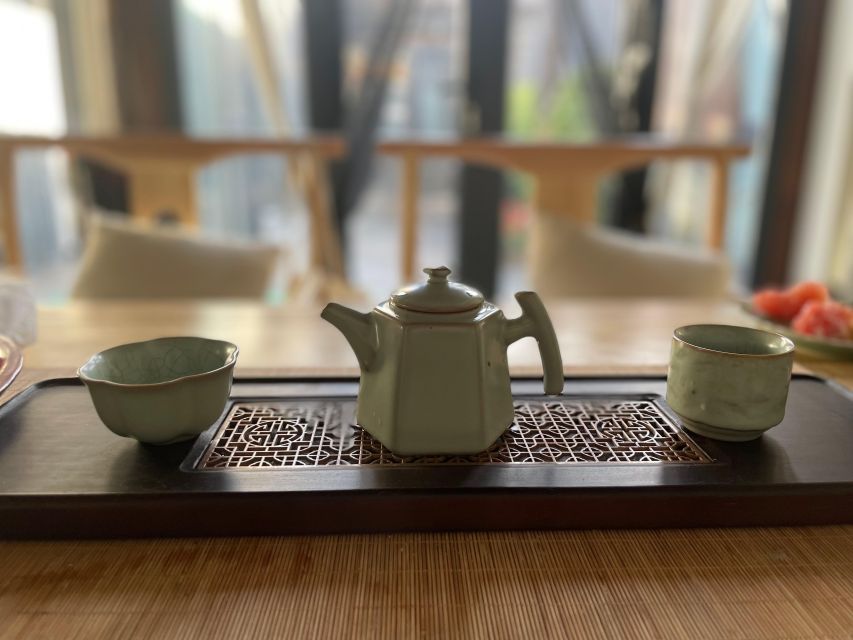
One of the most practical lessons is that good tea does not always come from filling a cup with boiling water and waiting three minutes. Water temperature, steeping time, the amount of tea, and the way the leaves are handled all affect the result.
You will see how the tea is brewed properly and may try the process yourself. The lesson includes the way to hold the cup with care, how tea is poured, and how ceremony can express courtesy. These small gestures help explain why tea service in China is often social and deliberate rather than rushed.
The hosts also explain traditional ideas about tea and the body, including which teas may suit different seasons. Treat this as cultural knowledge, not medical advice. The value is in understanding how Chinese people have traditionally connected tea, weather, meals, and personal comfort.
This is the sort of skill you can use after you leave Beijing. You may not recreate a full ceremony at home, but you can improve the way you brew loose-leaf tea. That practical takeaway helps justify the cost for people who enjoy learning a craft.
Snacks, conversation, and the human side of the visit
Complimentary snacks are served with the tea. They are meant to complement the drinks, and the presentation forms part of the ceremony. Do not book this as a meal, since the focus is tea and cultural exchange, not a full food tasting.
The conversation is one of the strongest reasons to choose this activity. The hosts are described as friendly and welcoming, and English is provided for the session. Limeng is specifically associated with several warmly received visits and is praised for explaining the ceremony and the Hutongs clearly.
You can ask about tea, Beijing neighborhoods, local customs, or places to eat. One host even helped with advice about finding less touristy Beijing duck. That sort of exchange can be especially useful early in your stay, when you are still trying to understand the city.
The tone appears informal rather than stiff. You learn the correct gestures and customs, but there is also room for a normal conversation. If you like meeting local people and asking questions, this may be more rewarding than a polished tea shop demonstration.
More Hutong Tours in Beijing:
- Beijing Hutong Walking Food and Beer Tour at Hidden Restaurants
★ 5.0 · 1,132 reviews - Temple Heaven, Summer Palace, Lama Temple, Hutong Bus Tour
★ 4.7 · 319 reviews - Temple of Heaven, Summer Palace, Lama Temple, Hutong Tours
★ 5.0 · 311 reviews - Beijing Private Hutong Food Walking Tour
★ 5.0 · 299 reviews
The Hutong courtyard near imperial landmarks
The experience is placed in the center of Beijing, close to the Forbidden City. The description places the workshop about 150 meters from the Forbidden City’s east gate, while the included information gives a point about 800 meters west of an exit gate. Since those directions do not match perfectly, confirm the exact meeting point when you book.
The nearby landmarks add useful context. The Imperial Ancestral Temple and Pudusi inheritance are listed in the surrounding area, and the central location makes the ceremony easy to combine with other sightseeing. You might schedule it before entering the Forbidden City, after leaving, or between visits to nearby historic sites.
A short walk to a quieter Hutong near the palace area may be included in the flow of the visit. This gives you a chance to notice the contrast between imperial Beijing and residential Beijing. The grand monuments tell you how emperors lived. The courtyard offers a glimpse of how ordinary families have maintained neighborhood life around those monuments.
Keep your expectations sensible. A one-hour tea ceremony cannot provide a full tour of Beijing’s Hutongs or a detailed history of the city. Its strength is the close setting, not the number of sights covered.
Why the four-person limit matters
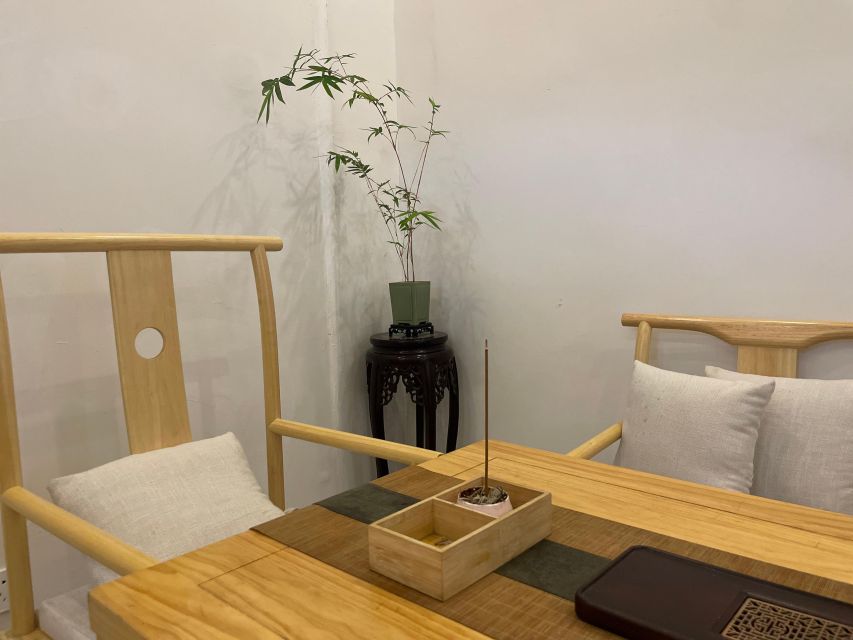
The activity is limited to four people. That is a real advantage for a tea ceremony, where the experience depends on seeing the host’s movements and having space to ask questions.
In a large group, the brewing lesson could become a demonstration you watch from a distance. With four people, you have a better chance to examine the cups, follow the preparation, and try it yourself. The small size also helps the conversation feel natural.
There is a trade-off. Small-group pricing is usually higher than a basic tea tasting, and the $31 cost can add up quickly for a family. A four-person group would cost $124 before any additional charge noted in the booking information. One listed detail says 100 RMB per person will be charged, but it does not clearly explain what that charge covers. Ask the provider to clarify this before paying.
For a solo visitor or couple, the price is easier to justify. You are paying for time with a local host, a guided lesson, snacks, and a central location. For a family of four, compare the total with other short cultural activities in Beijing.
Fitting the ceremony into your Beijing day
The one-hour length is convenient. You can place it around a major sightseeing block without losing half a day. A morning session could lead into the Forbidden City, or an afternoon session could provide a calm break after palace rooms and crowded public spaces.
The central location is the main planning advantage. If you are already visiting the Forbidden City, the ceremony does not require a separate trip across Beijing. Still, give yourself time to find the courtyard. Hutong lanes can be less obvious than a large museum entrance, and the conflicting location descriptions make advance checking sensible.
Pickup is included, with instructions to wait in your hotel lobby 10 minutes before the scheduled time. The activity is wheelchair accessible. English instruction is provided, so you do not need to speak Chinese to follow the lesson or take part in the discussion.
The start time depends on availability. Since the session is short, try to book it at a time that leaves room for the Forbidden City and nearby landmarks rather than squeezing it between two fixed admissions.
Who will get the most from this experience
I would choose this for you if you like culture explained through ordinary life. The ceremony works particularly well for:
- Tea drinkers who want to understand Chinese preparation methods.
- First-time visitors who want a friendly introduction to Beijing customs.
- Couples or solo visitors who prefer small groups.
- People staying near the Forbidden City.
- Families looking for a calm activity that does not involve another long walking tour.
- Anyone curious about Hutong life and local family history.
It may not suit you if you want a large meal, a long guided tour, or a major performance. The activity is intimate and focused. You sit, taste, listen, and talk. That simplicity is its strength, but it will not satisfy someone looking for a packed schedule.
You should also be comfortable with the cost. At $31 per person, this is best viewed as a cultural lesson with refreshments, not a casual beverage stop. The high rating of 4.7 from 26 bookings reflects strong satisfaction overall, but one four-person group found the price steep even while feeling the experience delivered what it promised.
What makes the experience feel authentic
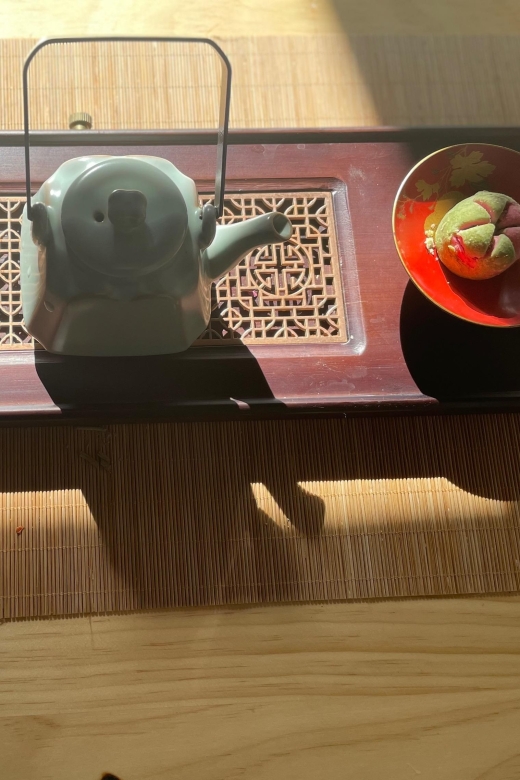
The most valuable detail is the connection to local residents whose families have lived in the Hutong area for generations. That does not turn the session into a full anthropology lesson, but it gives the tea ceremony a real sense of place.
You are not only learning that tea matters in China. You are learning in a traditional courtyard, beside some of Beijing’s most important imperial landmarks, with people who can connect the custom to local life. That combination is more useful than a generic demonstration in a hotel designed only for tourists.
The activity also leaves room for cultural exchange. You can ask questions, share your own tea habits, and hear about Beijing from the hosts’ point of view. The best part may be the conversation rather than the exact type of tea in your cup.
Booking advice and final verdict
I would book this if you want a short, personal experience to balance the Forbidden City’s formal grandeur. The tea choices, proper brewing lesson, Hutong courtyard, snacks, and conversation give the hour enough substance to feel worthwhile.
Before booking, confirm the exact meeting point and ask about the separate 100 RMB charge mentioned in the conditions. If you are bringing a family of four, calculate the full total first. For a couple or solo visitor, the small group and central setting offer better value.
Book it if you want to understand how tea is prepared and shared in China, and if meeting local hosts matters to you. Skip it if you only want a quick drink or if your Beijing schedule is already packed with major sights. For the right person, this is a gentle, memorable way to see the city from courtyard level.
FAQ
How long does the Chinese tea ceremony last?
The experience lasts one hour.
Which teas can I choose?
You can choose from black tea, green tea, oolong tea, and Pu’er tea. The exact tea served may depend on the available selection.
Where is the tea ceremony held?
It takes place in a traditional Beijing Hutong courtyard in the center of Beijing, near the Forbidden City. The information places it about 150 meters from the east gate and also describes the meeting area as 800 meters west of an exit gate, so confirm the exact point before going.
How many people can join the activity?
The group is limited to four participants.
Is the ceremony conducted in English?
Yes. The instructor and activity language are English.
Can I cancel the booking?
You can cancel up to 24 hours in advance for a full refund. Reserve now and pay later is also available.
Newly listed around Beijing
- Beijing: Summer Palace Ticket; fast and smooth★ 3.6 · 38 reviews
- Beijing: Summer Palace Entry Ticket★ 3.3 · 3 reviews
- Beijing: Summer Palace Highlight Walking Tour★ 4.8 · 25 reviews
- Beijing: Summer Palace, Sacred Road&Ming Tombs Private Tour★ 5.0 · 8 reviews
- Beijing: Summer Palace 3 Hours Guided Tour with Entry Ticket★ 4.8 · 4 reviews
- Beijing Private Tour: Summer Palace, Panda House and Options★ 5.0 · 21 reviews
- Beijing: Summer Palace Entrance(combo/tour opt)★ 4.7 · 6 reviews
- Beijing Royal Banquet with Chinese culture prefermance★ 5.0 · 3 reviews
Hutong Tours, compared.
Beijing Hutong Walking Food and Beer Tour at Hidden Restaurants
Read our review →
Temple Heaven, Summer Palace, Lama Temple, Hutong Bus Tour
Read our review →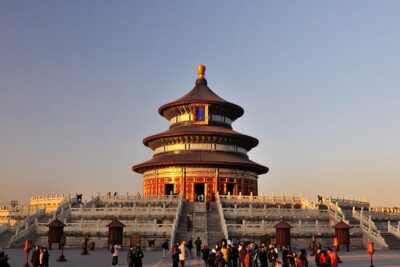
Temple of Heaven, Summer Palace, Lama Temple, Hutong Tours
Read our review →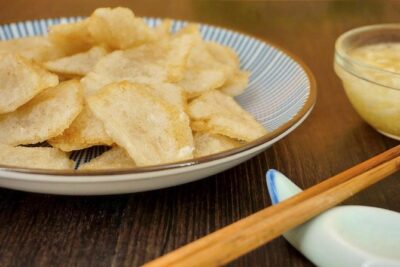
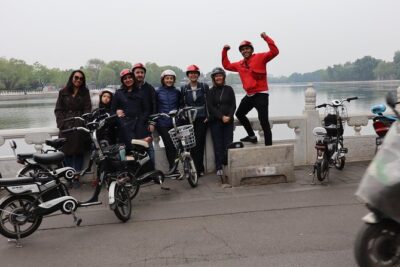
Beijing City Walk: Explore Hutongs Life and Old Beijing
Read our review →Browse the lists this tour appears in