
Reviewed · TEA CEREMONIES
Traditional Chinese Tea Ceremony Experience
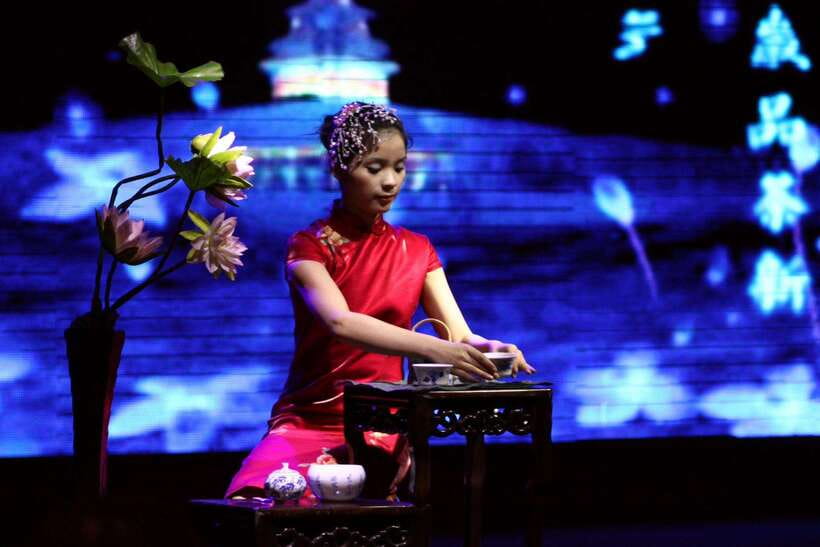
China’s tea culture comes alive in the small details here: warming the pot, smelling dry leaves, and watching the first pour. This is not simply a quick drink. It is a hands-on lesson in respect, harmony, and mindfulness, served in a traditional setting.
I like the chance to taste several styles in one sitting, and I like that English-speaking hosts such as Richard Li and Feye explain the ritual clearly. The main consideration is that transportation and a tour guide are not included, and the meeting point can change with your chosen option.
Key points to know before you book
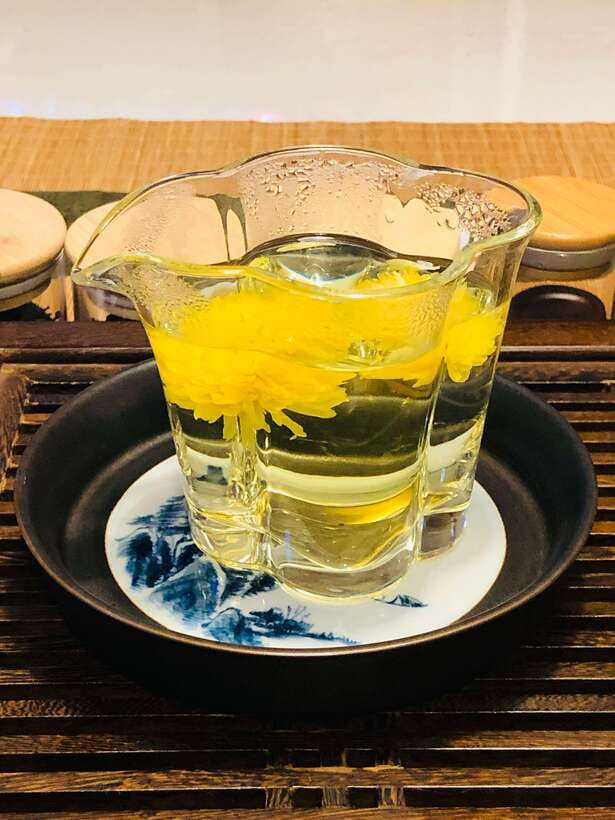
- Five mini cups are included: Expect a tasting rather than a full tea meal, with several Chinese teas prepared by a tea master.
- Brewing is the lesson: You will see how water temperature, steeping time, and pouring technique affect the cup.
- English support is available: Richard Li, Feye, and other hosts have led sessions in English, while Kostya has hosted a Russian-speaking option.
- The timing can vary widely: Options run from about 30 minutes to 3 hours, so check the exact choice before booking.
- Tea shopping is optional: You can buy tea afterward, but purchases cost extra and are not part of the $9 price.
- Plan your own route: There is no included transportation or tour guide, and children under seven and pregnant women should not book.
Why this Beijing tea ceremony is worth your time
Beijing can fill your day with grand sights: the Forbidden City, the Great Wall, imperial gardens, and wide public squares. A tea ceremony gives you a quieter change of pace. For a modest $9 per person, you get a close look at a daily tradition that is easy to miss when you rush from one major attraction to the next.
I like experiences that explain how to notice something, not just what to look at. Here, you learn why the pot is warmed, why the leaves are smelled before brewing, and why the first pour is handled with care. The tea becomes a way to understand Chinese ideas about hospitality and attention.
The experience is also easy to fit into a busy day. A short option may take only 30 minutes, while longer versions can last up to three hours. That range matters. If you are squeezing this between sightseeing stops, choose the shorter format. If tea is a main interest, allow more time for several tastings and questions.
More Tea Ceremonies in Beijing
- Beijing Culture: Tea Ceremony, Heritage Instrument & Calligraphy
★ 5.0 · 57 reviews - Chinese Tea ceremony in Beijing Hutong courtyard
★ 4.7 · 26 reviews - Private Beijing Markets Tour with Tea Tasting at Hongqiao Pearl Market
★ 5.0 · 18 reviews
Arriving at the meeting point
Your exact meeting point depends on the option you book. The activity does not include transportation, and it does not include a general tour guide, so you need to make your own way there.
This is the one part that requires care. Leave extra time for Beijing traffic and for finding the correct meeting point. The booking information asks you to provide a WhatsApp number, which is useful for communication about the meeting details.
Some hosts have helped people from a subway meeting point, but you should not assume that pickup or a walk from the station is included in every booking. Confirm the directions for your selected time and option before setting off.
An English-speaking host or greeter meets you. Richard Li is named by several participants as a friendly and fluent English-speaking host. Feye has also led the ceremony in English, and Kostya has hosted a Russian-speaking version. The exact tea master may vary, so treat the host names as examples rather than a guarantee.
The first lesson: tea is more than a drink
The ceremony begins with an introduction to Chinese tea and the purpose of the ritual. China is the birthplace of tea, and the ceremony treats preparation as a form of social courtesy as well as a practical way to make a good cup.
You will see the tea master handle the leaves and equipment with deliberate movements. The point is not to make the process slow for its own sake. Each action gives you a chance to notice something: the scent of the leaves, the color of the liquor, the sound of water, or the change in flavor from one infusion to the next.
The ceremony also gives you a useful cultural reference for the rest of your trip. Tea appears in homes, restaurants, shops, and social gatherings across China. After this session, you will have a better sense of why a cup offered with both hands, or prepared with particular care, can express welcome and respect.
Five teas, five different experiences
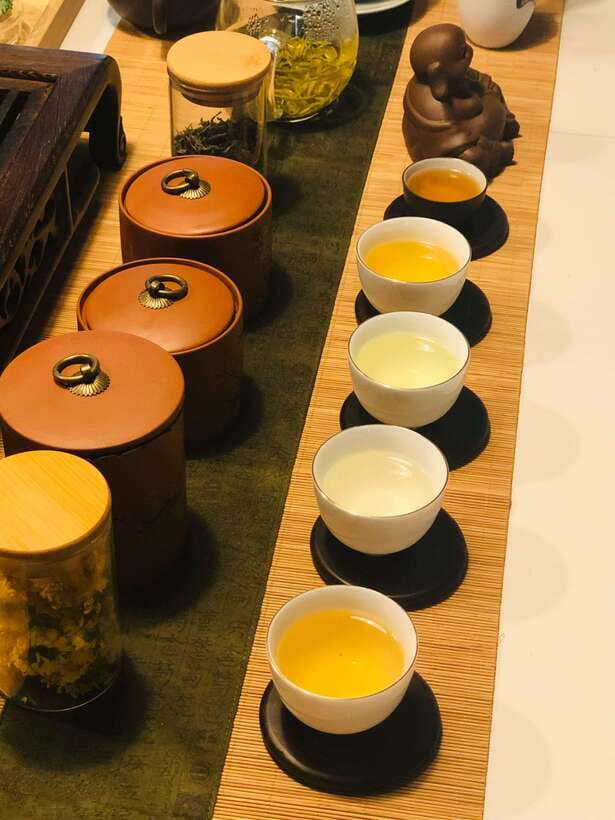
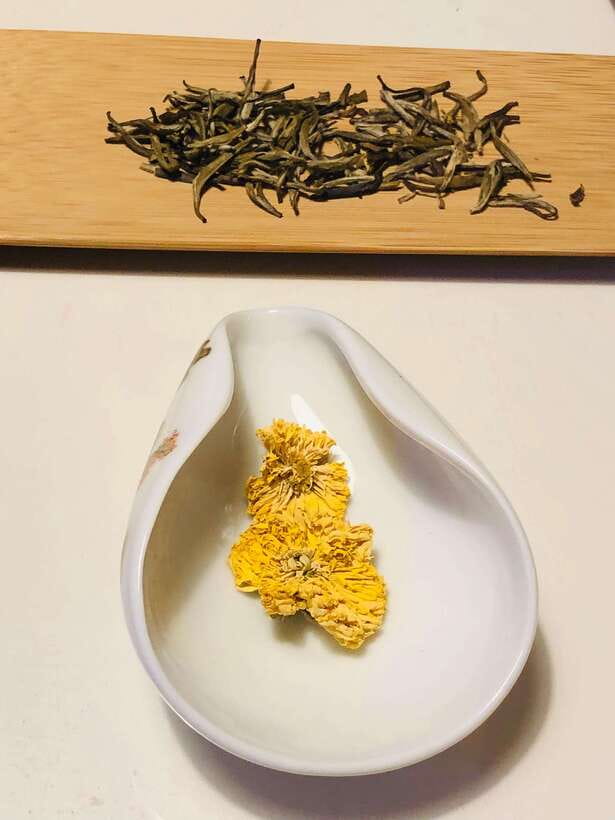
The included tasting consists of five mini cups. The teas can include Oolong, Pu-erh, green tea, jasmine tea, and flower tea. The exact selection may vary, but the range gives you several useful comparisons.
Green tea is often associated with a clean, fresh taste and careful water control. If the water is too hot, delicate leaves can taste harsh. This is where the lesson about temperature becomes practical rather than theoretical.
Oolong tea sits between green and black tea in the broad world of tea styles. Its flavor can change notably with the way it is prepared, making it a good choice for learning how brewing affects aroma and body.
Pu-erh offers a different character again. The tea master can help you notice its particular aroma and flavor, rather than expecting every tea to taste light and floral.
Jasmine tea brings fragrance to the tasting. You will notice how scent changes your first impression before the tea reaches your mouth.
Flower tea adds a visual element, as well as aroma. It is a pleasant tea for children old enough to take part, though the activity is not suitable for anyone under seven.
One visitor described trying six teas rather than five, so a longer or different option may offer an extra sample. The safest expectation is five mini cups, with the possibility that the selection or number differs by booking.
Same base, a completely different kind of day out:
- From Beijing: Mutianyu Great Wall Tours with Options
★ 4.9 · 9,216 reviews - Beijing: Forbidden City Tour(Group/Private)-Tickets Included
★ 4.8 · 7,974 reviews - Beijing: T-Square & Forbidden City Group or Private Tour
★ 4.8 · 4,446 reviews - Beijing: Mutianyu Great Wall Daily Tour with Ticket & Lunch
★ 5.0 · 3,056 reviews
Watching the brewing technique
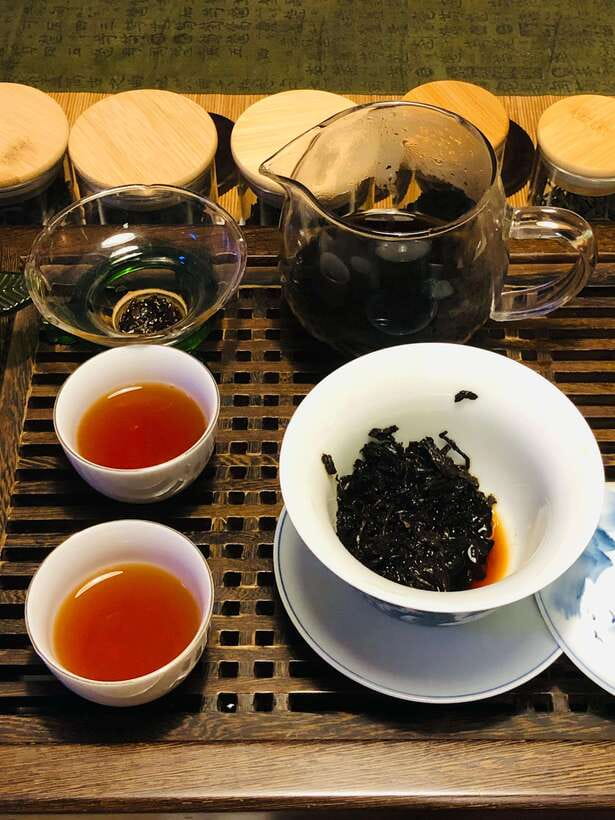
The tea master demonstrates the basic mechanics of a proper brew. You will learn about the water temperature for different teas and the timing of the steep. These details matter because the same leaves can taste quite different when handled differently.
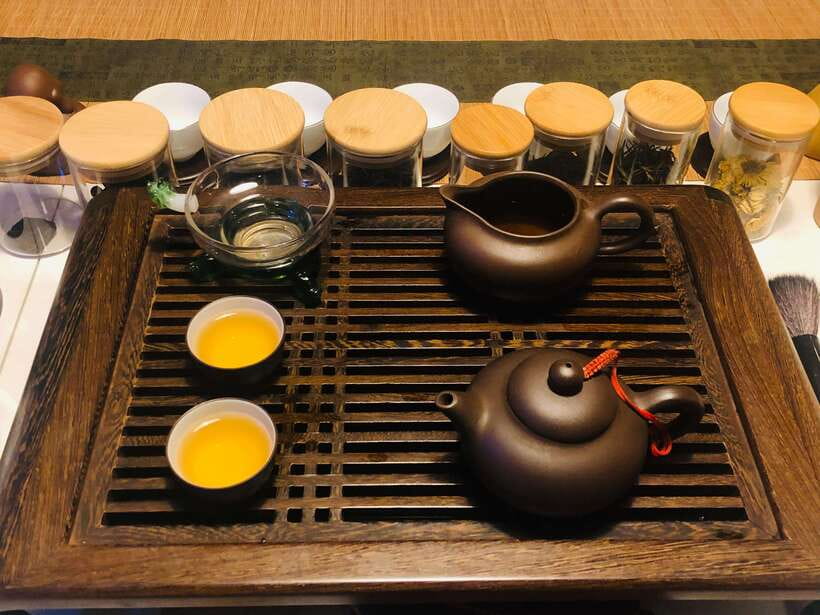
The sequence usually includes warming the teapot, placing in the leaves, adding water, and pouring the tea. You may be invited to smell the dry leaves before water changes them. This simple step helps you separate floral, roasted, earthy, and fresh aromas.
The tea is poured with care into small cups. That makes the tasting more focused than a large mug at breakfast. You can look at the color, smell the cup, take a small sip, and compare it with the next tea.
I especially like this part for first-time tea drinkers. You do not need to arrive with a trained palate. The tea master gives you a method: look, smell, taste, and ask questions. The lesson is friendly rather than formal, and several hosts have been praised for explaining the process patiently in English.
A friendly, family-focused cultural stop
The activity is described as suitable for adults and children, but there is an age limit. Children under seven should not take part. Pregnant women are also listed as unsuitable for the activity.
For families with older children, the ceremony offers a slower cultural activity after a day of monuments and city streets. A child can watch the leaves open, compare colors, and choose a favorite aroma. The session led by Richard Li was enjoyed by children aged 10 and 13, which gives you a useful guide for family planning.
The format may also work well for couples or small groups who want a calm afternoon. One booking was scheduled after a visit to the Forbidden City, a sensible pairing if you want a break before more sightseeing.
Do not expect an action-packed attraction. The pleasure comes from sitting still, noticing small changes, and asking questions. If you prefer fast-moving tours, the longer version may feel too leisurely.
What the hosts add to the experience
The tea itself is only half the story. The quality of the explanation can make the difference between a pleasant tasting and a useful cultural lesson.
Richard Li is repeatedly named as an English-speaking host who gives clear directions and helps with the practical side of reaching the ceremony. He is also described as friendly and patient. Feye has been praised for humor and for explaining Chinese tea in English. Other sessions have included a Russian-speaking tea master named Kostya.
You should check the language and host attached to your selected option. The activity lists English as the main language, and the host or greeter is English-speaking, but the individual tea master can vary.
Photography may also be possible. One tea master took pictures during the ceremony, and some hosts offered small welcome gifts or souvenirs. These extras are not listed as guaranteed inclusions, so treat them as pleasant possibilities rather than part of the deal.
Optional tea shopping after the ceremony
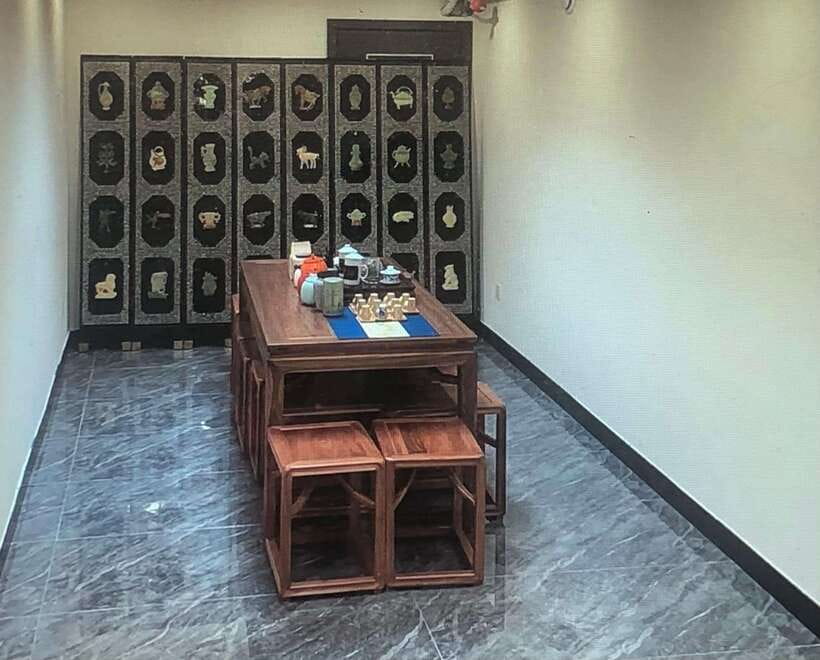
After the tasting, you can buy tea to take home. The shop may also carry Chinese porcelain and other tea-related items. This can be useful if you have found a tea you genuinely like and want to share it with family or friends.
The shopping is optional and costs extra. That point deserves attention because tea tastings can sometimes lead naturally into sales. Here, you should feel free to enjoy the ceremony without buying anything. If you do shop, ask the tea master to identify the tea, explain how to prepare it, and tell you how much leaf to use.
Buying tea is more worthwhile after you have tasted several styles. You are choosing from experience rather than guessing from a package. Still, set your own budget before you go, particularly if you are tempted by high-grade tea or porcelain.
Extra activities may depend on the option
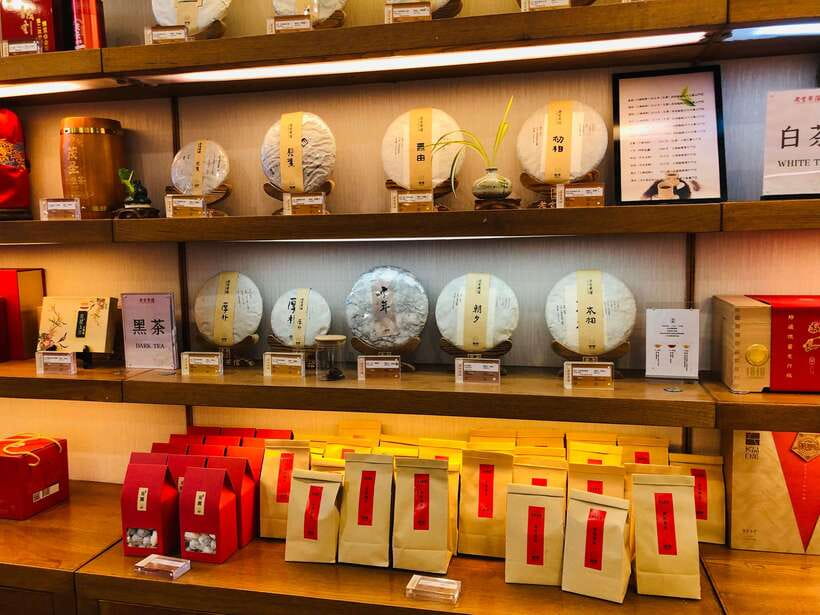
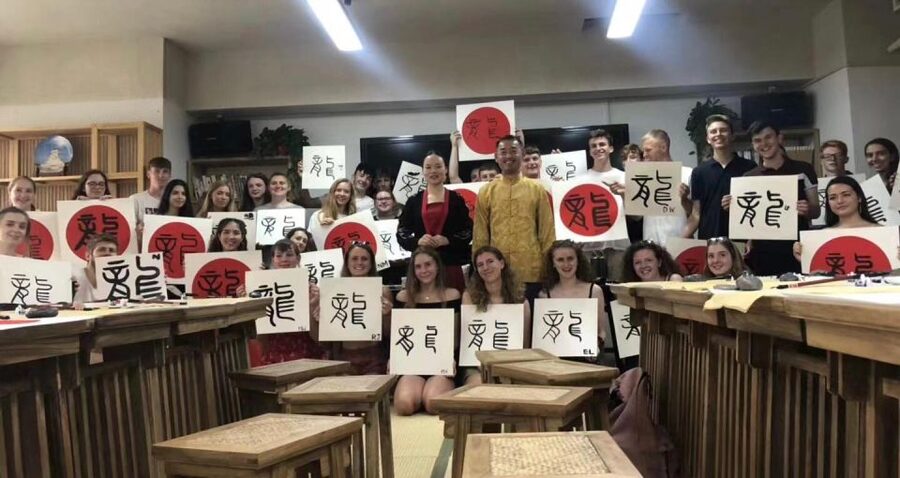
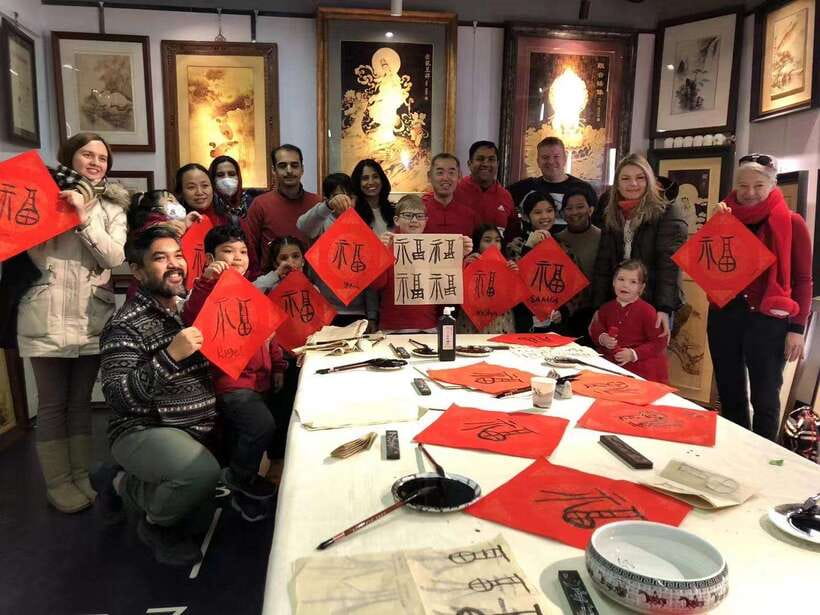
The provider is Hutong Calligraphy, and several bookings have included calligraphy alongside the tea ceremony. Some also included a dumpling lunch or a typical Beijing food experience.
These additions are not part of the basic inclusions, which list the tea ceremony and five mini cups of tea. Do not assume that calligraphy, food, souvenirs, or a longer cultural program comes with every $9 booking.
If your confirmation shows a combined option, the extra time can make the visit feel more like a small cultural workshop. Calligraphy is a natural companion to tea because both reward patience and careful movement. But if you are booking only the ceremony, plan for tea and tea alone.
Is $9 good value?
At $9 per person, the basic experience is inexpensive for Beijing. You receive a guided tasting, a cultural explanation, and five mini cups. The value is strongest if you are new to Chinese tea and want someone to show you what to notice.
The price does not cover transportation, a general guide, shopping, or other expenses not listed. That keeps the headline cost low, but your real budget should include the journey to the meeting point and any tea you choose to purchase.
I would compare this with the cost of an ordinary café stop. For only a little more planning, you get a structured lesson rather than a drink you may forget. The price is especially fair for a short session. Longer options may offer more conversation and more tea, but check exactly what is included before paying.
The 4.7 rating from 74 bookings supports the idea that the basic format works well, particularly because English communication and friendly hosts are central to the experience. Still, the variable meeting point, host, duration, and optional add-ons mean you should read your chosen option carefully.
Practical tips for a smooth visit
- Save the meeting point and contact details before leaving your hotel.
- Provide a working WhatsApp number when booking.
- Confirm whether your booking lasts 30 minutes or closer to three hours.
- Wear something comfortable for sitting through the tasting.
- Do not plan transportation based on an included pickup.
- Bring room in your schedule if you may want to shop afterward.
- Decide in advance how much you want to spend on tea.
- If you have children, check the age rule carefully. Under-seven participants are not accepted.
- If you want calligraphy or food, confirm that your chosen option includes it.
- Ask questions. The experience is built around explanation, not just serving cups.
Who should book this ceremony?
I would recommend it to first-time visitors who want cultural context without committing to a full-day tour. It also suits couples, older children, and anyone who enjoys food and drink experiences with a clear demonstration.
Tea fans will get the most from the longer format, especially if they want to compare Oolong, Pu-erh, green, jasmine, and flower tea. The short version works well for a tightly planned Beijing day or as a calm stop after the Forbidden City.
You may want to skip it if you dislike tastings, sitting quietly, or optional shopping environments. It is also not suitable for children under seven or pregnant women. And if you need door-to-door transport, this is not the easiest choice because transportation is not included.
Should you book it?
Book this tea ceremony if you want an affordable, focused introduction to Chinese tea and are happy to arrange your own way to the meeting point. The best reasons to go are the five-tea tasting, the careful brewing demonstration, and the chance to ask questions in English.
Choose the short option for a simple cultural break. Choose a longer option if you want more time with the tea master or a combined activity such as calligraphy, if available. Just confirm the duration, meeting point, host, and inclusions before booking.
At $9, this is an easy activity to add to a Beijing itinerary. You may leave with a new favorite tea, a better sense of Chinese hospitality, and perhaps a small packet to brew at home.
FAQ
Where does the Chinese tea ceremony take place?
It takes place in Beijing, in northern China. The exact meeting point may vary depending on the option you book.
How long does the activity last?
Available options range from 30 minutes to 3 hours. Check the available starting times and the exact duration before booking.
How much does it cost?
The listed price is $9 per person. Tea purchases, transportation, and other expenses not specifically included cost extra.
How many teas are included?
Five mini cups of tea are included. The tasting may feature Oolong, Pu-erh, green tea, jasmine tea, and flower tea.
Is an English-speaking host available?
Yes. English is listed as the activity language, and the host or greeter is English-speaking. Named hosts include Richard Li and Feye. A Russian-speaking option with Kostya has also been offered.
Is transportation included?
No. Transportation is not included, and the activity does not include a general tour guide. You need to arrange your own way to the meeting point.
Can I buy tea afterward?
Yes. You have the option to purchase tea after the ceremony, but shopping expenses are not included in the price.
Can children join the ceremony?
Children can join if they are at least seven years old. Children under seven are not accepted.
Is the activity suitable for pregnant women?
No. Pregnant women are listed as unsuitable for this activity.
What contact information should I provide when booking?
You should leave a WhatsApp number when you book so the host can contact you about the experience.
Newly listed around Beijing
- Beijing: Summer Palace Ticket; fast and smooth★ 3.6 · 38 reviews
- Beijing: Summer Palace Entry Ticket★ 3.3 · 3 reviews
- Beijing: Summer Palace Highlight Walking Tour★ 4.8 · 25 reviews
- Beijing: Summer Palace, Sacred Road&Ming Tombs Private Tour★ 5.0 · 8 reviews
- Beijing: Summer Palace 3 Hours Guided Tour with Entry Ticket★ 4.8 · 4 reviews
- Beijing Private Tour: Summer Palace, Panda House and Options★ 5.0 · 21 reviews
- Beijing: Summer Palace Entrance(combo/tour opt)★ 4.7 · 6 reviews
- Beijing Royal Banquet with Chinese culture prefermance★ 5.0 · 3 reviews
Tea Ceremonies, compared.

One-Day Hangzhou Dragon Well Tea Culture & West Lake Private Tour
Read our review →
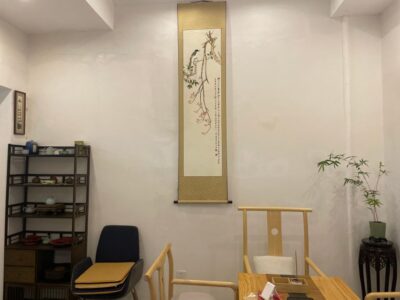
Chinese Tea ceremony in Beijing Hutong courtyard
Read our review →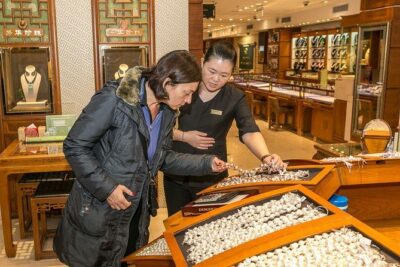
Private Beijing Markets Tour with Tea Tasting at Hongqiao Pearl Market
Read our review →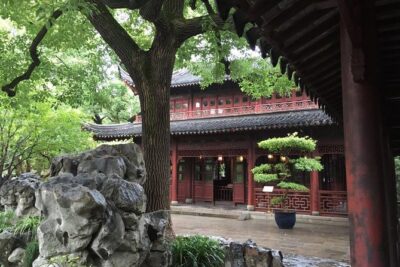
3-Hour Shanghai Yu Garden &Old Town Private Tour with Tea Tasting
Read our review →Private Shanghai City and Zhujiajiao Combo Tour with Boating, Tea Tasting, Lunch
Read our review →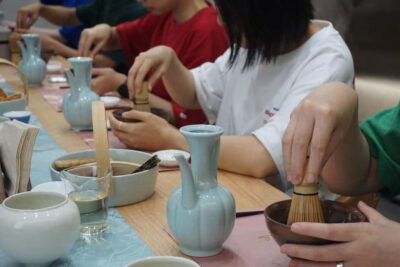
Browse the lists this tour appears in