
Reviewed · COOKING CLASSES
Vegan Soup Dumpling Making in Shanghai
Shanghai’s famous soup dumplings are not just something to order at a restaurant. In this small-group cooking class, Chef Yin shows you how to make the dough, roll the wrappers, prepare a vegan filling, pleat the dumplings, and steam them. You then eat what you made, which is a satisfying way to meet a classic Shanghai dish.
I especially like the choice of morning, midday, or evening sessions, and the personal help available in a group capped at 15 people. The class also works well for mixed-age groups, as shown by the enjoyable experience reported by a 15-year-old participant and an adult relative. The main caution is that the class uses wheat flour, so it is not suitable for people with gluten allergies.
Key points before you book
- Chef Yin teaches every stage: You make the dough, wrappers, vegan filling, dumpling folds, and cooking process.
- You eat your own work: The class finishes with steamed soup dumplings made during the lesson.
- Three start-time choices: Pick a breakfast, lunch, or evening class to fit your Shanghai plans.
- Small group, up to 15 people: The format allows Chef Yin to correct your pleats and wrapper technique.
- Tea and equipment included: Seasonal Chinese tea, an apron, ingredients, and cooking tools are supplied.
- Central Shanghai meeting point: The studio is near public transportation in the Xuhui District.
Why soup dumplings make a good Shanghai class
Soup dumplings, often called xiaolongbao, are one of Shanghai’s signature foods. They look modest, but the process demands care. The wrapper must be thin without tearing, the filling must stay inside, and the finished dumpling needs enough structure to hold hot liquid during steaming.
That makes this more useful than a standard food tasting. You are not simply sampling a local specialty and moving on. You learn why the dumpling is shaped in a certain way and how several ordinary ingredients become a delicate, sealed parcel.
The vegan focus is also worth noting. This is not a meat-based version adapted at the last minute. The filling is prepared as a vegan mixture during the class, giving you a clear look at how the dumpling works without animal products. One useful time-saving detail is that some of the filling is already chopped very finely before class. That means you spend more time on the techniques that define the dumpling, rather than standing at a cutting board for much of the session.
More Cooking Classes in Shanghai
- Shanghai-Cooking Dumpling & Meal in Local Family-w/Vegan
★ 4.9 · 36 reviews - Private Cooking Class: Make Your Own Dim Sum In Shanghai
★ 5.0 · 27 reviews - Private Home Cooking Class with Shanghai Mama
★ 5.0 · 14 reviews
Meeting Chef Yin at the Chinese Taste Culture Studio
The class takes place at the Chinese Taste Culture Studio in Shanghai’s Xuhui District. The meeting point is at Guangyuan Road 190 Nong, near Tianping Road, with postal code 200030. The address is near public transportation, but you should still allow time to find the exact entrance, especially if you are not familiar with Shanghai’s lane-style addresses.
The activity begins and ends at the same place. That simple arrangement helps: you do not have to figure out a second pickup point after handling dough and food. Confirmation is provided when you book, and a mobile ticket is available.
Chef Yin is central to the experience. She teaches the cooking steps, offers corrections, and adds conversation about food, cooking, travel, and related experiences. The class has received a perfect five-star score from 17 ratings, with every rating recommending it. That is a small sample, but the praise is notably consistent around Yin’s warmth, teaching style, and ability to make newcomers feel comfortable.
You should expect a friendly class rather than a formal culinary-school session. The emphasis is on learning by doing, with Yin watching your technique and helping you improve.
Step one: making the dumpling dough
The class starts with the dough. This is a useful place to begin because the wrapper controls much of the final result. You learn how the dough is brought together and prepared for rolling, rather than receiving ready-made wrappers from the kitchen.
At this stage, you can expect hands-on work with the provided ingredients and tools. The apron is included, which is practical because dough work can get messy. You do not need to bring specialist equipment.
The value here is not just learning a recipe. You begin to understand texture. Dough that is too firm can be difficult to roll thinly. Dough that is not handled properly may tear when filled. Chef Yin’s instruction helps you see the difference through practice.
If you are hoping to leave with a perfectly professional wrapper on your first try, keep your expectations sensible. Dumpling making is a skill, and the first few pieces may look more handmade than restaurant-ready. That is part of the fun, and the small-group format gives you a chance to adjust as you go.
Step two: rolling wrappers thin enough for soup
Once the dough is ready, you work on the wrappers. The wrapper must be thin enough to feel delicate but sturdy enough to hold the filling and soup.
This is one of the most useful parts of the lesson for anyone who has tried making dumplings at home. A packet of store-bought wrappers hides the hardest part. Here, you see how the wrapper is formed and get direct practice before moving on to filling and shaping.
Chef Yin gives individual tips and corrections. In a group of up to 15 people, you may not have one-on-one attention every minute, but the class is small enough for the instructor to monitor your progress. The personal help matters most when your dough is uneven or your wrapper begins to split.
The practical lesson is patience. You are better off making a wrapper that is even and usable than racing ahead with a thin spot that will break in the steamer.
Same base, a completely different kind of day out:
- Authentic Local Food Tour in Central Shanghai
★ 5.0 · 1,382 reviews - Zhujiajiao Water Town and Shanghai City Private Day Tour
★ 5.0 · 1,016 reviews - Private Shanghai Full Day City Tour with Old and New Highlights
★ 5.0 · 995 reviews - Shanghai: Hop-on Hop-off Bus Ticket and Optional Attractions
★ 3.4 · 692 reviews
Step three: preparing the vegan filling
The filling is cooked as part of the class. It is vegan, and the preparation is arranged so that the class can focus on the key dumpling skills. Some fine chopping is done in advance, which saves time and keeps the two-and-a-half-hour session moving.
That choice has both an advantage and a limit. You gain more time for rolling and pleating, the parts most people want to practice. On the other hand, anyone hoping to learn every knife-preparation detail from start to finish will not get the full chopping process.
For a short class, I think the tradeoff makes sense. The filling is not treated as an afterthought, but the main lesson is how to build and seal soup dumplings. The plant-based approach also makes the class suitable for people who specifically want a vegetarian or vegan cooking activity, while still appealing to people who simply want to learn Shanghai food.
The filling stage is a good time to pay attention to balance. Soup dumplings need a filling that works with the wrapper, and a mixture that is too wet or too bulky can make shaping difficult. Chef Yin’s instruction connects the preparation directly to the next stage.
Step four: learning the classic pleats
Shaping is the most exciting part of the class, and also the part most likely to test your patience. Chef Yin teaches the traditional pleating method, including how to create the characteristic folds and seal the dumpling so the soup stays inside.
You practice the folds yourself. This is where the class becomes distinctly hands-on: you are not watching a chef make the dumplings while you stand back. Yin offers personalized corrections, helping with the number and placement of pleats, the seal, and the overall shape.
Your first dumpling may look lopsided. That is normal. The useful goal is not identical dumplings but steady improvement. By making several pieces, you can see how small changes in finger position affect the seal.
The pleats also explain why restaurant soup dumplings cost more than their ingredients suggest. Each one takes careful handling. The class gives you a better appreciation for the work behind a dish that is often eaten in a few quick bites.
Take care when handling the filled wrappers. A soup dumpling is meant to contain hot liquid, so a weak seal can create a leak before the dumpling reaches the steamer. This is one reason direct instruction is valuable.
Step five: steaming and eating your dumplings
After shaping, the dumplings are steamed. This is the payoff, but it is also part of the lesson. Cooking shows you how the finished dumplings respond to heat and whether your wrappers and seals held together.
Then you eat the dumplings you made. That makes the class feel complete. You have handled the ingredients, shaped the food, and tasted the final result rather than leaving with only a set of notes.
Seasonal Chinese tea and coffee or tea are included. The tea is a pleasant match for the food and adds a local touch without requiring a separate tea tasting. Since the class ends at the meeting point, you can continue your Shanghai plans afterward without arranging transportation from a different location.
The eating portion is likely to be more satisfying if you view it as the result of the lesson, not as a full restaurant meal. The main value is the activity and the food you prepare yourself.
How much time and money should you allow?
The class lasts about two hours and 30 minutes. That is long enough to cover the complete process without taking an entire day from your Shanghai schedule. A breakfast, lunch, or evening option lets you place it around sightseeing, shopping, or other meals.
The price is $96 per person. That is not a bargain if you only want to eat dumplings. Shanghai offers many less expensive ways to sample local food. The value improves if you want instruction, a small group, an included apron and equipment, seasonal Chinese tea, and a structured activity where you prepare and eat the dish yourself.
I would compare this price with a cooking lesson rather than a restaurant bill. You are paying for the instructor’s time, the studio setting, ingredients, equipment, and guided practice. The group discount may help if you are booking for several people.
The experience is commonly booked about 11 days ahead. That is a useful planning clue, particularly if your Shanghai schedule is fixed. Booking early also gives you a better chance of getting the class time that suits you.
Who will enjoy this class most?
This is a good choice for someone who wants a hands-on food experience instead of another sightseeing stop. It suits solo visitors, couples, families, and small groups who are happy to work with other people in a class setting.
It also works well for mixed ages. A 15-year-old participant enjoyed the activity with an adult relative, suggesting that the format can appeal to teenagers as well as adults. Children younger than that are not specifically covered by the available information, so you should confirm suitability before booking for a young child.
You do not need to be vegan to enjoy the class. The vegan filling keeps the menu accessible to people avoiding animal products, but it also gives anyone curious about plant-based Chinese cooking a chance to try something different.
I would skip it if you have a gluten allergy, since the activity is not recommended for people with gluten allergies. You may also want to pass if you dislike group instruction or would rather spend two and a half hours eating than making food.
Practical details that affect the experience
You receive an apron, ingredients, and the tools needed to make the dumplings. That makes packing easy. Wear comfortable clothing that you do not mind using around flour and food, although a specific dress code is not provided.
The class has a maximum of 15 people. That is small enough to allow instruction, but it is not a private lesson. If personal attention is your top priority, ask about group size when booking or consider whether a private arrangement is available.
A photographer is not included. If you want pictures of your folding technique or finished dumplings, you will need to take them yourself when appropriate. Keep your phone clean and out of the way during food preparation.
The activity is near public transportation, but the exact transit route is not provided. Use the full address, Guangyuan Road 190 Nong near Tianping Road, and allow extra time to locate the studio.
Cancellation is free when made at least 24 hours before the local start time. Within 24 hours, the cost is not refunded, and changes are not accepted. That policy is worth remembering if your Shanghai itinerary is still uncertain.
Should you book the vegan soup dumpling class?
Book it if you want to learn a real Shanghai food skill, meet Chef Yin, and spend a focused two and a half hours making and eating dumplings. The strongest reasons are the full process from dough to steaming, the small-group guidance, and the chance to practice traditional pleating rather than simply watching a demonstration.
The price is fair for a guided cooking class with materials and tea, though it is high for anyone judging the experience only by the number of dumplings eaten. The prepared chopping also means this is not a complete lesson in every part of filling preparation.
For vegan eaters, curious home cooks, families with older children, and anyone who likes food with a story behind it, this is an easy activity to recommend. Skip it if gluten is a concern, if you need a private class, or if your schedule cannot handle a firm 24-hour cancellation rule.
FAQ
Where does the soup dumpling class take place?
It takes place at the Chinese Taste Culture Studio in Shanghai’s Xuhui District, at Guangyuan Road 190 Nong near Tianping Road, postal code 200030.
How long does the activity last?
The class lasts approximately two hours and 30 minutes.
What times can I choose?
You can choose a breakfast, lunch, or evening class.
How many people can join the class?
The activity has a maximum of 15 participants.
Is the filling vegan?
Yes. The class teaches you to prepare and cook a vegan filling for the soup dumplings.
What cooking skills will I learn?
You will learn to make the dough, prepare wrappers, cook the vegan filling, shape the dumplings with traditional pleats, steam them, and enjoy the finished food.
Is tea included?
Yes. Seasonal Chinese tea is included, along with coffee and/or tea.
Are an apron and cooking tools provided?
Yes. An apron, ingredients, materials, and tools for making the vegan soup dumplings are included.
Is the class suitable for people with gluten allergies?
No. The activity is not recommended for people with gluten allergies.
Can I cancel for a full refund?
Yes, if you cancel at least 24 hours before the experience start time. Cancellations within 24 hours are not refunded, and changes made within that period are not accepted.
Newly listed around Shanghai
- Amazing Shanghai Night Lights:River Cruise &Private Transfer★ 5.0 · 8 reviews
- All Inclusive Shanghai City Tour : Old and New Highlights★ 5.0 · 44 reviews
- All Inclusive Shanghai City Tour by German-Speaking Guide★ 5.0 · 4 reviews
- All-inclusive Half-day Private Tour To Zhujiajiao Water Town★ 5.0 · 10 reviews
- 4-Hour Shanghai City Private Tour by German-Speaking Guide★ 5.0 · 8 reviews
- 4-Hour Shanghai Best Garden and Temple Tour with Tea Tasting★ 4.9 · 7 reviews
- 4-Hour Private Shanghai Shopping Tour with Local Expert★ 5.0 · 5 reviews
- 2 Day Private Shanghai Skyline to Watertown & Suzhou Garden★ 5.0 · 3 reviews
Cooking Classes, compared.
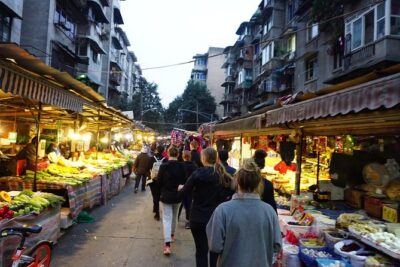
Half-Day Chengdu Cooking Class with a Local Market Visit
Read our review →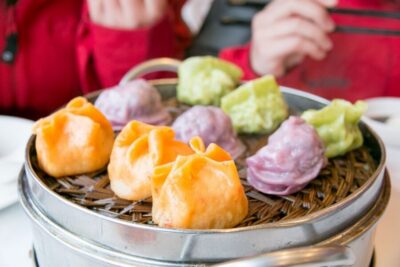
Great Tang Dynasty Night Show & Dumpling Meal Option
Read our review →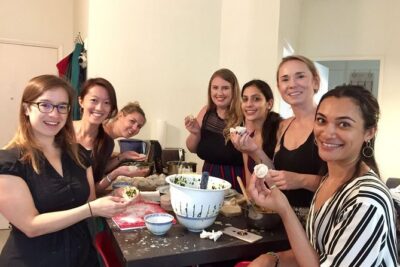
Organic Chinese Dumpling Class with Market Walk
Read our review →
Xi’an Tang Dynasty Show Ticket Optional Dumplings or Royal Dinner
Read our review →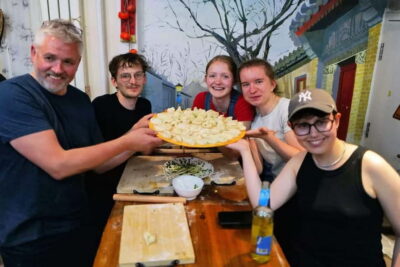
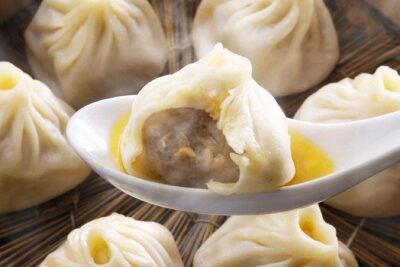
Organic Xiao Long Bao Soup Dumpling Class & Market Walk
Read our review →
Lijiang Naxi Cuisine Cooking Class & Market Visit
Read our review →
Half-Day Xi’an Biang Biang Noodles Cooking with a Market Visit
Read our review →Browse the lists this tour appears in