
Reviewed · CRAFT WORKSHOPS IN SHANGHAI
Shanghai Mahjong Experience in Local Tea Bar
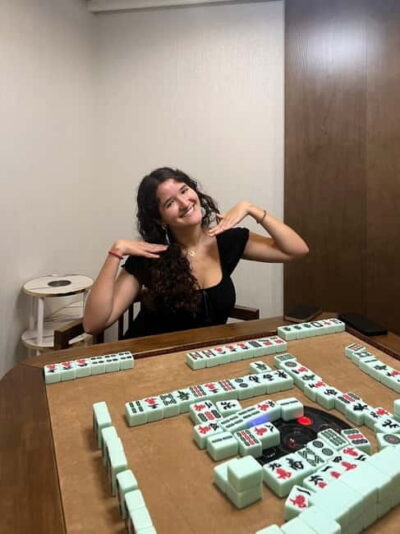
Shanghai Mahjong is best learned around a table, not from a rulebook. This three-hour experience takes you into a local tea bar near the Former French Concession, where Jenny, also spelled Jinny in the tour information, guides beginners through the tiles, patterns, and social rhythm of the game. The automatic Mahjong table is part of the fun: press a button, and the tiles shuffle themselves out of sight.
I like the small, private-group setting, which gives you room to ask basic questions without feeling lost. I also like the English guide and printed instruction sheet, details that can turn a complex game into a manageable afternoon. The main drawback is value: at $95 per person, this is not a bargain if you only want a quick lesson or a short cultural stop.
Key points to know before you book
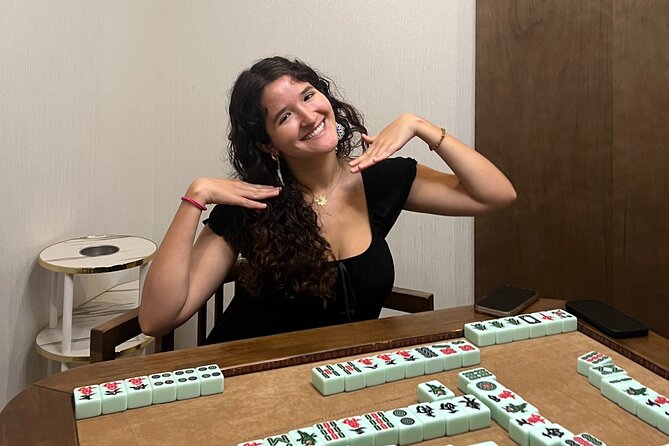
- You learn in a real neighborhood tea bar: The setting gives the game a useful link to everyday Shanghai life.
- English help is provided throughout: Jenny or Jinny explains the rules and cultural background, with translation for the local conversation.
- The automatic table is part of the lesson: You get to see the machines commonly used for casual and competitive play in China.
- Beginners are welcome: No previous Mahjong experience is required.
- The group is private: Only your own party takes part in the activity.
- You finish where you started: The meeting point is at 327 Shan Xi Nan Lu, with Tianzifang nearby for a walk afterward.
Why Mahjong makes a good Shanghai afternoon
A first visit to Shanghai often fills up quickly with grand buildings, shopping streets, and famous viewpoints. Mahjong offers a different window into the city. It is a social game, a pastime, and a familiar part of leisure life in China. Learning it in a tea bar gives you something more useful than a quick photo stop: you gain a way to understand how people gather, talk, compete, and relax around a table.
You do not need to arrive knowing the difference between a chow, pung, or winning hand. The lesson begins with the basic structure of the game and builds from there. The instructor explains the tiles, the goal, and the flow of play, while the English translator helps you keep up with both the rules and the cultural notes.
I like this format because Mahjong can look intimidating from across the room. Four players handle a large set of tiles, several actions happen quickly, and the rules vary by region. A patient teacher and a written handout make a real difference. You can refer back to the printed material instead of trying to remember every rule after hearing it once.
More Craft Workshops in Shanghai
- 2-Hour Private Chinese Ink and Brush Painting Workshop in Shanghai
★ 5.0 · 15 reviews - Unlock Chinese Tea: Culture, Science, Tasting & Hands-on Brewing
★ 5.0 · 12 reviews - Zhujiajiao Water Town: Boat Ride, Opt for Hands-on Dumpling Meal
★ 5.0 · 7 reviews
Entering the tea bar on Shan Xi Nan Lu
The experience begins at 327 Shan Xi Nan Lu in Huangpu District. The meeting point is near public transportation, which matters in Shanghai, where a central location can save you a long cross-town journey. The activity lasts about three hours and returns to the same meeting point.
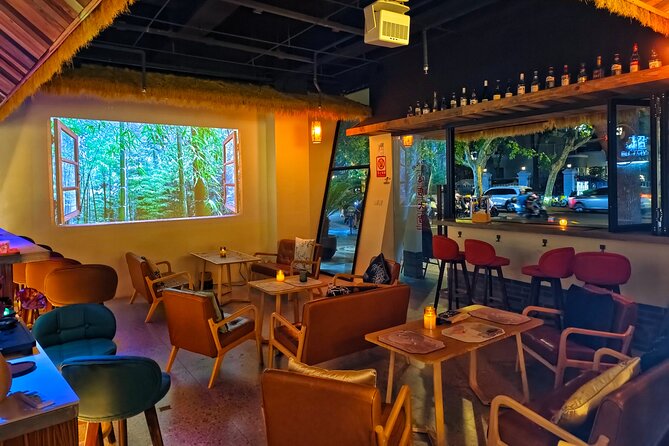
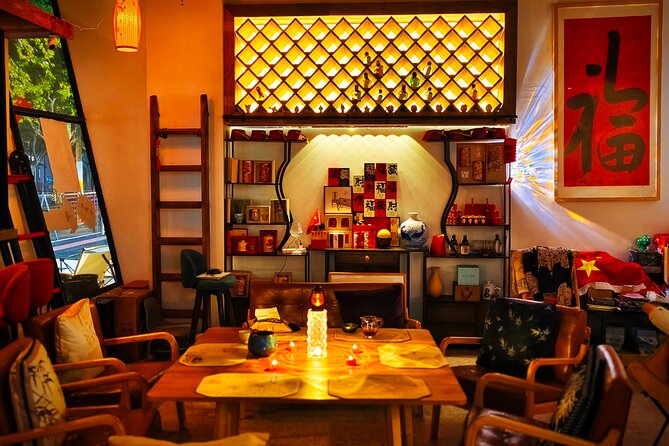
The tea bar is not simply a classroom rented for tourists. It is described as a local Chinese tea bar in a neighborhood near the Former French Concession. That setting gives the lesson a relaxed, informal feel. You sit down at a game table rather than being led through a formal museum presentation.
The tea-house atmosphere is one of the strongest parts of the experience. You are not only learning a board game. You are seeing where a game like Mahjong fits into a normal social setting. The room, table, tiles, and conversation all help put the lesson into place.
Tea and other drinks are not included in the price, so check the menu before ordering. Alcoholic drinks and coffee are also extra. This is a small point, but it helps you set a realistic budget for the afternoon.
The first lesson: tiles, turns, and the goal of the game
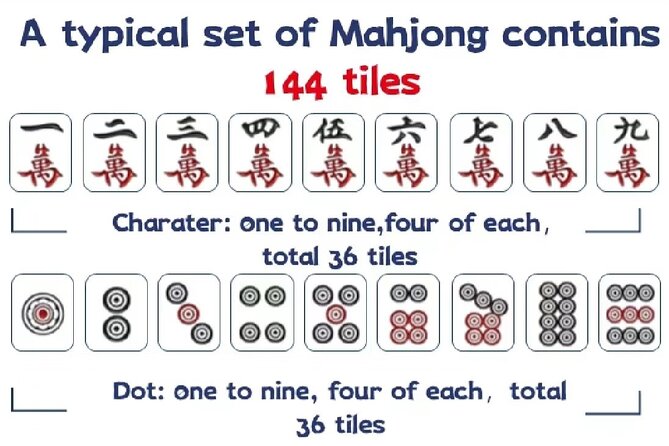
The opening part focuses on the basics. Your instructor introduces the tiles and explains how a hand develops. You learn to watch the table, draw and discard tiles, and recognize the combinations needed to win.
Do not expect to master every variation of Mahjong in a single sitting. The point is to give you a working grasp of the game so you can take part in a real round. The instructor also covers simple strategies and techniques, but the emphasis remains on getting you comfortable enough to play.
This is where the English translation matters most. Mahjong terms can be confusing even when they are explained in your own language. With an English guide or translator present, you can stop and ask why a move works, what a particular tile means, or how the winning condition fits together.
The written instruction sheet is another useful touch. One reviewer specifically appreciated having a handout while learning, and I can see why. A page of rules gives you something to check when the tiles begin moving quickly. It also makes the lesson more useful after you leave, since you can keep working through the game later.
Learning from Jenny, or Jinny, and local friends
The host is identified as Jenny in the experience details, while some of the supplied comments spell her name Jinny. She teaches with help from local friends, and the format is intended to feel social rather than strictly academic.
That social element helps soften the pressure of learning. If you make a poor discard or forget a rule, the activity is built around practice, not performance. You can ask questions as you go and watch how the local players handle the table.
The available comments repeatedly highlight clear instruction, friendly local company, and the lack of a language barrier. Those are important points for a game lesson. A tea bar is only useful if you can follow what is happening, and a local setting is only enjoyable if you feel welcome enough to participate.
The private format makes this especially suitable for couples, families, or a small group of friends. You do not share the class with unrelated participants. That means the pace can focus on your group’s needs, though the experience may be less lively if you are traveling alone and prefer a larger social gathering.
Same base, a completely different kind of day out:
- Authentic Local Food Tour in Central Shanghai
★ 5.0 · 1,382 reviews - Zhujiajiao Water Town and Shanghai City Private Day Tour
★ 5.0 · 1,016 reviews - Private Shanghai Full Day City Tour with Old and New Highlights
★ 5.0 · 995 reviews - Shanghai: Hop-on Hop-off Bus Ticket and Optional Attractions
★ 3.4 · 692 reviews
The automatic Mahjong table in action
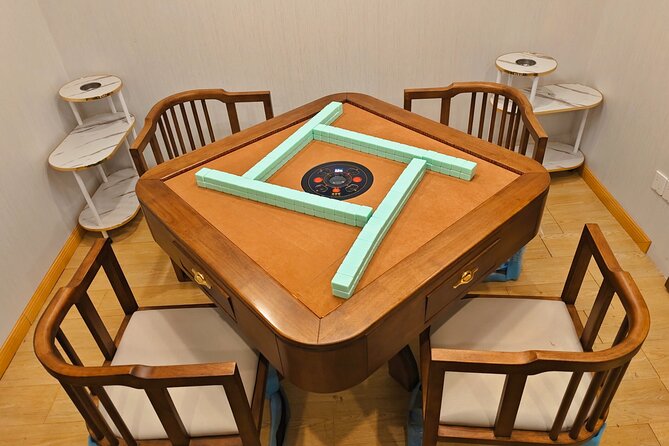
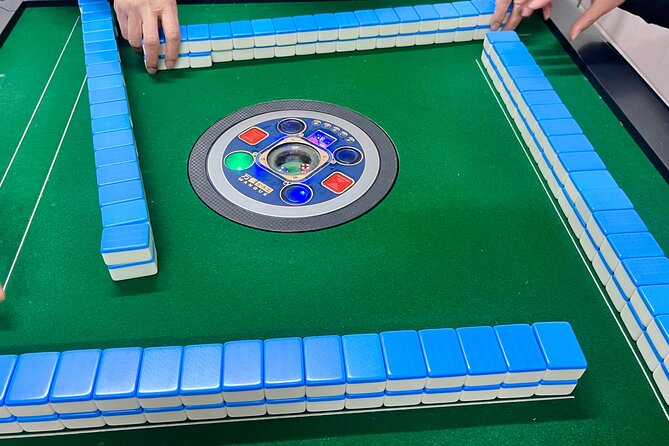
One of the most interesting features is the electronic Mahjong table. After a round ends, the machine gathers and mixes the tiles, then brings them back into position. It saves time and keeps the setup neat.
For a first-time player, the machine also shows how Mahjong works in modern Chinese leisure spaces. This is not an old-fashioned game played only with hand-stacked tiles. Automatic tables are common in casual and competitive settings, and using one gives you a practical look at the equipment used today.
The machine is not a substitute for learning the game. You still need to understand the tiles, turns, and combinations. Its value is practical: it lets you spend more of the session learning and playing, rather than rebuilding the wall after every hand.
You may find the table a little distracting at first. It has moving parts and a mechanical rhythm that can pull your attention away from the lesson. Once you understand its purpose, though, it becomes one of the most memorable details of the afternoon.
From instruction to a real round
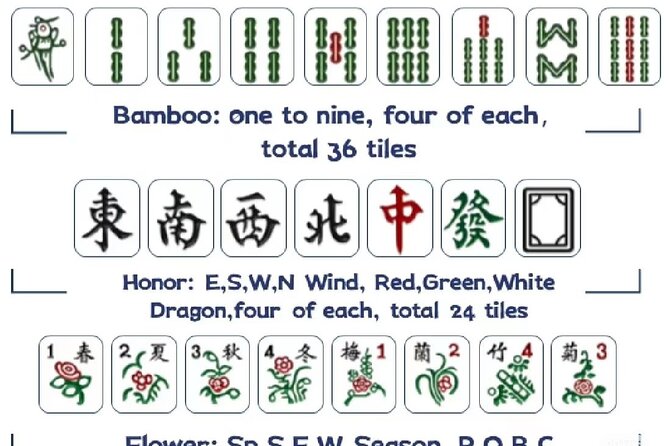
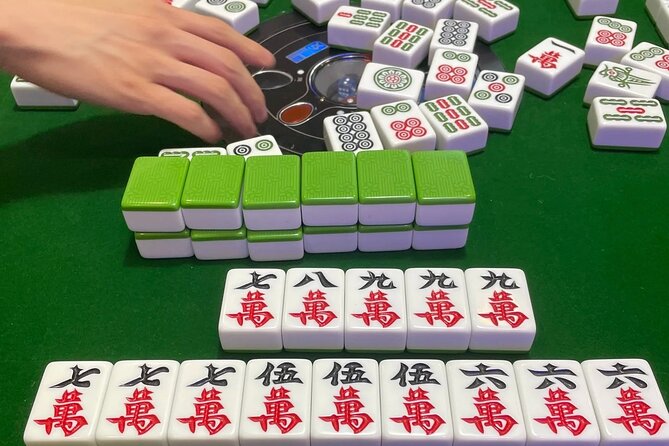
The lesson moves from explanation into hands-on play. You start using the tiles, follow the order of play, and try to apply the rules while other people are doing the same thing. This is the point at which the game begins to make sense.
Mahjong has a social rhythm that is hard to grasp from written instructions. You must watch what other players discard, make choices with incomplete information, and keep track of your own plan. The instructor can correct mistakes and explain why a move matters.
I like that the activity does not stop after a lecture. You are given time to play with a Mahjong master and local participants. That practical portion is what justifies the experience as more than a talk about Chinese culture.
Still, allow yourself some patience. Three hours is enough for an introduction and several rounds of guided play, not for expert-level skill. If you want a fast, easy activity with almost no concentration, this may feel demanding. If you enjoy learning a game by doing it, the pace should suit you.
What Mahjong says about Chinese social life
The cultural explanation gives the game a wider meaning. You learn where Mahjong came from, how it changed over time, and why it remains popular in China. The lesson connects the tiles to modern Chinese social life rather than treating Mahjong as a museum object.
That context is valuable because the game can appear mysterious to an outsider. You may see people playing in a park, private room, tea bar, or family setting without knowing what draws them back to the table. The lesson explains the appeal: Mahjong combines chance, memory, judgment, conversation, and friendly competition.
The experience also helps you notice the difference between watching a local custom and taking part in it. You are not simply told that Mahjong matters. You handle the tiles, hear the calls, and learn the small decisions that make a round move.
The cultural portion will appeal most to you if you like connecting an activity to daily life. It may feel less important if you only want to learn the rules as quickly as possible. The English guide keeps the background accessible, but the real focus remains the game itself.
A useful stop near the Former French Concession
The meeting point puts you near the Former French Concession, one of Shanghai’s most enjoyable areas for a walk. After the Mahjong session, you can continue on foot toward places such as Tianzifang, which is nearby.
The tour itself ends back at the original meeting point, so the walk is not a formal included part of the activity. That distinction matters. You should treat the neighborhood stroll as an easy add-on for your own afternoon, not as a guided sightseeing segment.
Tianzifang gives you a change of pace after three hours at the table. You can move from a quiet local game setting into a district known for lanes, shops, and small businesses. I would plan this extra walk only if you still have energy, since the Mahjong lesson requires concentration.
The location is also helpful for arranging the experience around other plans. You can book the Mahjong session as a break from larger sightseeing areas, then continue exploring the Former French Concession afterward.
Is $95 per person a fair price?
The listed price is $95 per person. That is a substantial amount for a three-hour activity, especially since tea, coffee, alcohol, and other drinks cost extra.
The value comes from the format. You are paying for private participation, an English guide and translator, a structured lesson, a professional instructor, local companions, and use of an electronic Mahjong table. You are also paying for access to a setting that would be difficult to arrange on your own without local contacts or a shared language.
I would consider the price reasonable if you care about cultural access and want a private, guided activity. It is less convincing if you already know Mahjong, have a local friend who can teach you, or want a cheap way to fill an hour.
Group discounts are available, though the amount is not specified. If you are traveling with several friends or family members, check the final price before booking. A discount could make the cost easier to justify for a private afternoon.
Who will enjoy this experience most?
This activity fits you well if you are curious about daily life in China and enjoy learning by taking part. It is also a good choice for couples or small groups who want something quieter and more personal than a standard city tour.
Beginners are specifically welcome, so you do not need prior Mahjong experience. The English support makes the lesson suitable for visitors who cannot follow a Chinese-language explanation.
You should think twice if you dislike games with many rules or want an activity that requires little focus. Mahjong rewards attention, and part of the fun comes from making choices rather than passively watching a demonstration.
The experience is also a good rainy-day option. One session took place on a drizzling afternoon, when the tea-house setting provided a comfortable place to spend several hours. Since the activity is indoors, the weather should not be the main factor in your decision.
Practical details that affect your plans
Confirmation is provided at booking, and mobile tickets are available. The activity is near public transportation, but you should still allow time to find 327 Shan Xi Nan Lu in Shanghai’s Huangpu District.
Most participants can take part, and the activity is private for your group. The end point is the same as the start point, which makes it easier to continue into the Former French Concession or arrange transport from a known location.
Free cancellation is available if you cancel at least 24 hours before the local start time. Cancellations made less than 24 hours ahead, as well as late changes, are not accepted for a refund.
Should you book the Shanghai Mahjong experience?
Book this if you want a personal look at Chinese leisure life, enjoy learning a game from local people, and can justify $95 for three hours. The strongest reasons to go are the private format, clear English instruction, local tea-bar setting, and chance to use an automatic Mahjong table.
Skip it if you are searching for a low-cost introduction, already know Mahjong, or prefer a sightseeing tour with several major attractions. You will leave with a basic working sense of the game, not professional skill.
For the right person, this is a smart Shanghai sidestep. You sit down, learn something difficult in a friendly setting, and see how a familiar Chinese pastime works from the inside. Add a walk toward Tianzifang afterward, and the afternoon becomes an easy blend of play, conversation, and neighborhood exploration.
FAQ
Where does the Shanghai Mahjong experience begin?
It begins at 327 Shan Xi Nan Lu, Huang Pu Qu, Shanghai, China, 200031.
Where does the activity end?
The activity ends back at the meeting point.
How long does the Mahjong experience last?
It lasts approximately three hours.
How much does the experience cost?
The listed price is $95 per person.
Is the activity suitable for complete beginners?
Yes. No previous Mahjong knowledge is required.
Is English instruction available?
Yes. A professional English guide or translator explains the rules, strategies, techniques, and cultural context.
Will I use an electronic Mahjong table?
Yes. Use of an electronic Mahjong table is included.
Is this a private activity?
Yes. Only your own group participates.
Are tea and other drinks included?
No. Tea, coffee, alcoholic beverages, and other drinks are not included.
Can I cancel for a full refund?
Yes, if you cancel at least 24 hours before the experience start time. Cancellations or changes made less than 24 hours ahead are not accepted for a refund.
More Bars and Beer Walks in Shanghai
- 4-Hour Shanghai Pub Crawl (bars & nightclub hopping)
★ 4.8 · 190 reviews - Shanghai bar hopping tour in the former french concession
★ 5.0 · 43 reviews - Shanghai Authentic Dinner and Night River Cruise with Rooftop Bar Hopping Option
★ 5.0 · 37 reviews - Secret Noodle and Wonton in Shanghai Alleyways with Local Beer
★ 5.0 · 19 reviews
Newly listed around Shanghai
- shanghai Disney tour★ 5.0 · 12 reviews
- shanghai Disney+shanghai one day city highlights tour (two days)★ 5.0 · 4 reviews
- Zhujiajiao Water Town and Shanghai City Highlights Private Day Tour★ 5.0 · 3 reviews
- Zhujiajiao Water Village & Seven Treasure Town Day Tour from Shanghai★ 4.0 · 8 reviews
- Zhujiajiao Water Town Private Tour with Local Farm Visit and Fruit Picking★ 5.0 · 3 reviews
- Zhujiajiao Water Town Self-Guided Tour with Private Transfer from Shanghai★ 5.0 · 7 reviews
- Xitang Water Town Self-Guided Tour from Shanghai with Private Transfer★ 5.0 · 5 reviews
- Xitang Water Village Sunset Tour with Riverside Dining Experience from Shanghai★ 4.5 · 45 reviews
Craft Workshops in Shanghai, compared.
2-Hour Private Chinese Ink and Brush Painting Workshop in Shanghai
Read our review →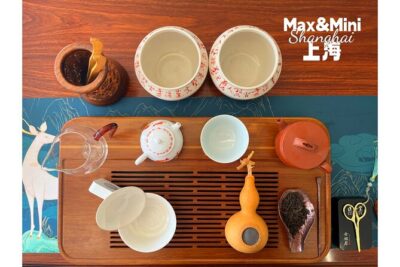
Unlock Chinese Tea: Culture, Science, Tasting & Hands-on Brewing
Read our review →Zhujiajiao Water Town: Boat Ride, Opt for Hands-on Dumpling Meal
Read our review →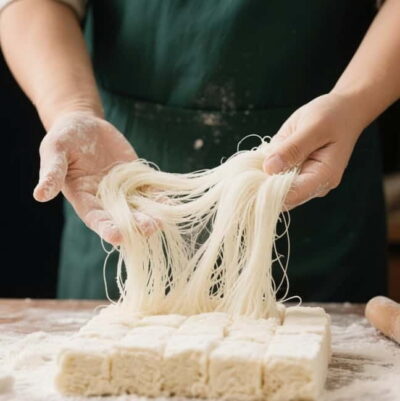
Shanghai Mahjong Experience: Discover Art of Chinese Mahjong
Read our review →
Browse the lists this tour appears in