
Reviewed · THE BUND TOURS
Shanghai Hidden Histories Walking Tour: Suzhou Creek to The Bund
Shanghai’s past comes into sharper focus on this walk from Sihang Warehouse to The Bund. Instead of rushing between famous sights, you follow the city’s old river edge, where wartime resistance, industrial growth, international trade, and grand architecture all meet. Guide Charlotte brings a personal touch to the route, with thoughtful stories and, according to the tour details, plenty of food talk along the way, including xiaolongbao and crab noodles.
I like the small maximum group of six, which suits a tour built around questions and conversation. I also like the route itself: Suzhou Creek gives you a different view of Shanghai than a standard Bund stroll, while the old bridges and renovated lanes help explain how the city changed. The main drawback is the price, $120 per person, especially since museum admission, meals, and transportation are not included.
Key points at a glance
- Sihang Warehouse sets a serious tone: Learn about the 400 Chinese soldiers who held the building during the 1937 Battle of Shanghai.
- The route connects old and new Shanghai: Yanqingli’s renovated spaces now house cafés, galleries, and studios.
- Three historic bridges shape the walk: Zhapu Road Bridge and Waibaidu Bridge reveal how Suzhou Creek linked major commercial districts.
- Charlotte keeps the group personal: The maximum is six people, with room for questions and a more conversational pace.
- The Bund gets proper context: Its grand buildings are explained as part of Shanghai’s treaty-port and trading past, not just as a photo stop.
- Plan for a walking afternoon: The tour lasts about 3 to 4 hours and begins at 3 p.m., ending near East Nanjing Road.
Why this route tells a better Shanghai story
The Bund is easy to admire and easy to misunderstand. You see the grand façades, the Huangpu River, and the modern skyline across the water, but the scene can feel like a postcard detached from daily life. This walk gives you the missing links.
You begin near Suzhou Creek, a waterway tied to Shanghai’s industry, transport, wartime experience, and international growth. You then follow a chain of bridges and buildings toward the Huangpu River. The route is not simply a list of old addresses. It explains how neighborhoods connected, how foreign trade shaped the city, and how old structures are being used again.
I appreciate that the tour does not lead with Shanghai’s most polished image. The first stop is a memorial connected with battle and loss. Later, you reach handsome steel bridges and the formal architecture of The Bund. That change in mood is useful. It lets you see Shanghai as a city built through conflict, commerce, repair, and reinvention.
The pace is also part of the appeal. This is not a quick transfer from one landmark to the next. You have time to look at walls, bridge structures, street plans, and architectural details. If you enjoy asking why a building is there, who used it, or how a neighborhood changed, the format should suit you.
More Walking Tours in Shanghai
- Shanghai Highlights Walking Tour With A Real Local
★ 4.9 · 153 reviews - Shanghai Breakfast Walking Tour of Former French Concession
★ 5.0 · 139 reviews - Private Shanghai Evening Street Food Walking and Cruise Tour
★ 5.0 · 123 reviews
Sihang Warehouse and the Battle of Shanghai
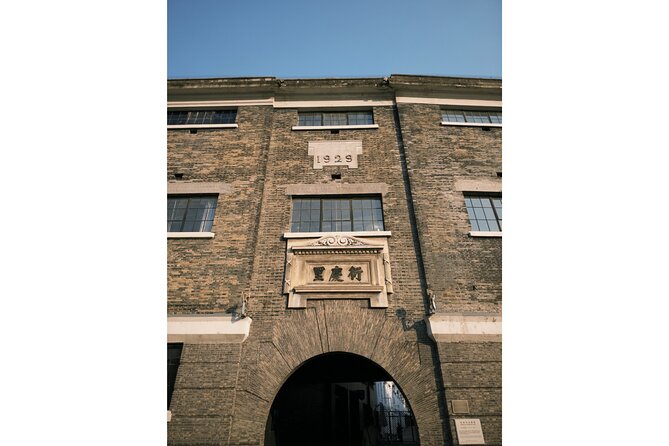
Sihang Warehouse is the tour’s most solemn stop. The riverside building was once a battlefield, and its bullet-scarred walls remain a visible reminder of the fighting in 1937. Here, 400 Chinese soldiers held their position during one of Shanghai’s best-known wartime episodes.
You have about 20 minutes at the site. That is long enough to hear the basic story and take in the memorial setting, but not so long that the entire walk becomes a military-history tour. Museum admission is not included, so you should expect the stop to focus on the exterior unless you choose to pay for entry.
I would treat this as a place for attention rather than speed. The marks on the building matter because they connect a modern city street to a specific moment of danger. The tour’s wider theme also begins here: Shanghai’s history is not only about trade and architecture. It includes ordinary people caught in events much larger than themselves.
If you want to enter the museum, budget separately for admission. The tour price does not cover it, and the supplied details do not give the museum fee or the amount of time available inside. That makes the exterior visit the dependable part of the plan.
Yanqingli and the useful life of old spaces
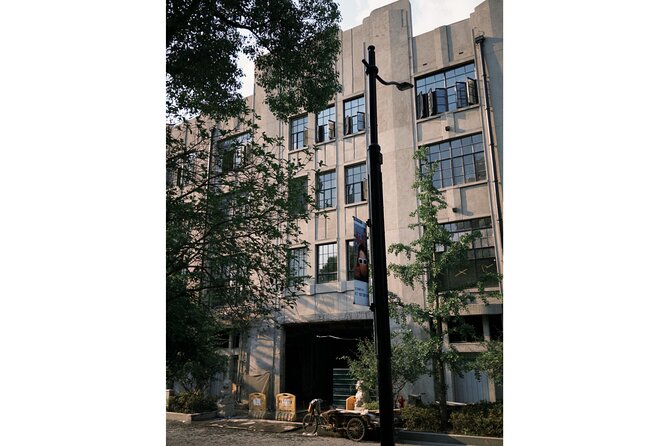
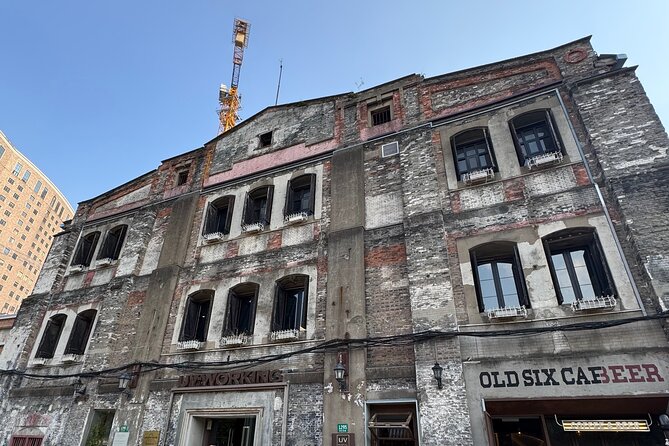
Yanqingli is a short stop, listed at about five minutes, but it adds an important idea to the route. Older interiors have been renovated and now house cafés, galleries, and studios. The place shows how Shanghai can reuse its built past without turning every old structure into a frozen display.
Do not expect a long guided visit here. The value is in noticing the contrast between the historic setting and its present use. A café or creative studio in an old compound tells you something about the city’s current direction, even if you only spend a few minutes looking around.
This is also one of the places where the tour’s reflective pace works best. You can consider what preservation means in real life. Buildings need new uses if they are to survive, but new uses can also change the character of a place. Yanqingli gives Charlotte a practical example to discuss rather than a dry lecture about conservation.
The stop may appeal most to you if you care about design, neighborhoods, or the way cities reuse older buildings. It is less important if your only goal is to collect major landmarks. The route has plenty of those later.
An international communications landmark
The route includes another building connected with Shanghai’s treaty-port era and the city’s role as a gateway for ideas, commerce, and people. The supplied details do not identify the building by name, so you should not book this walk expecting a specific museum or landmark visit at this point.
What matters is the role the structure represents. Shanghai became an international port city through networks of shipping, finance, communications, and trade. Architecture from that period is more than decoration. It records who had influence, how information moved, and why this part of the city grew so quickly.
This stop helps connect the smaller street details to the larger story. A grand office or communications building can look impressive on its own, but the guide’s explanation gives you a reason to notice its location and purpose. I find that kind of context more useful than a simple list of construction dates.
More Bund Tours in Shanghai:
- Best of Shanghai Day Tour, including Jade Buddha Temple & Bund & Yuyuan Garden
★ 4.0 · 338 reviews - Yu Garden, Old Street, Bund & Zhujiajiao Water Town Bus Tour
★ 4.7 · 244 reviews - Shanghai Day Tour to Zhujiajiao Water Town, Yu Garden, Bazaar, Bund
★ 5.0 · 162 reviews - Huangpu River Cruise and Bund City Lights Evening Tour of Shanghai
★ 4.0 · 115 reviews
Zhapu Road Bridge and the working river
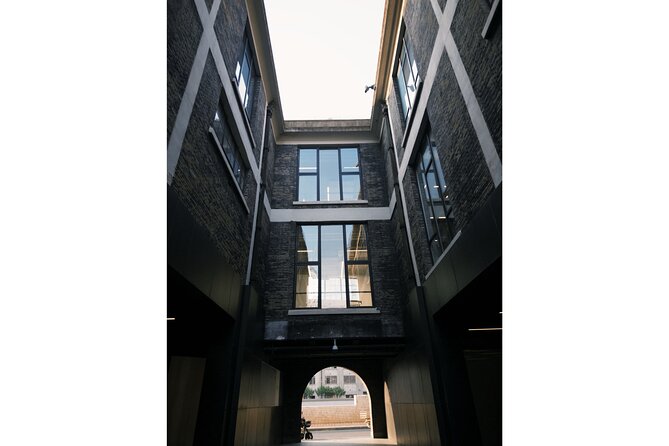
Zhapu Road Bridge, also called Zhapulu Bridge in the tour information, is one of the oldest surviving steel bridges over Suzhou Creek. It was built in 1907 and helped connect the commercial centers of Hongkou and Huangpu.
You spend about 20 minutes here. That is enough time to examine the bridge and hear why it mattered. It was not built merely as an attractive crossing. It supported movement between districts that were becoming increasingly important to Shanghai’s commercial life.
Steel bridges can be easy to overlook. You cross them, photograph them, and keep walking. A guide changes that habit by explaining what the structure did for the city. At Zhapu Road Bridge, look for the practical relationship between water, roads, trade, and neighborhoods. Suzhou Creek was not just scenery. It was part of the machinery of urban growth.
This stop should appeal to architecture enthusiasts, photographers, and anyone curious about infrastructure. It also breaks up the grander architectural story with something more functional. The bridge helps you see how a city works, not only how it presents itself.
Waibaidu Bridge at the mouth of Suzhou Creek
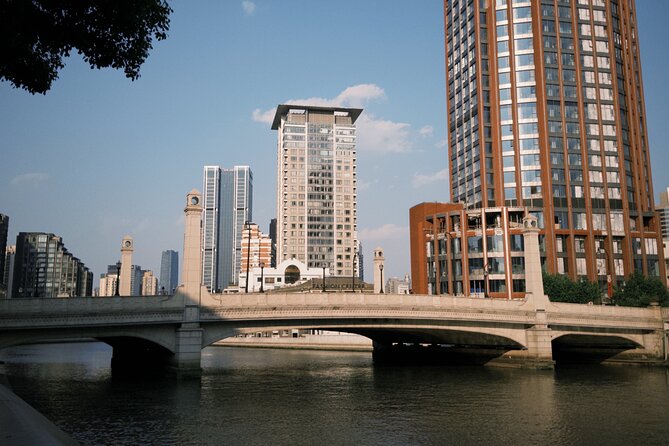
Waibaidu Bridge brings the walk closer to the Huangpu River. Built in 1908, it is Shanghai’s first all-steel bridge and the oldest surviving bridge of its kind in the city. It crosses the mouth of Suzhou Creek, where the creek meets the Huangpu.
You have about 15 minutes here. The location gives you a strong sense of transition. Behind you is Suzhou Creek and the route through older commercial districts. Ahead is the broad riverfront and The Bund. The bridge marks a physical threshold, but it also represents Shanghai’s shift toward a more connected international port.
This is a good place to pause for photographs, but the bridge deserves more than a quick picture. Its value lies in its position and use. It helped people move between parts of the city at a time when Shanghai’s commercial life was expanding rapidly.
The tour details describe it as a bridge that once marked the threshold between different parts of the city. That idea gives the stop some weight. You are not simply looking at old metalwork. You are seeing the point where waterways, districts, and competing interests met.
Arriving at The Bund with more context
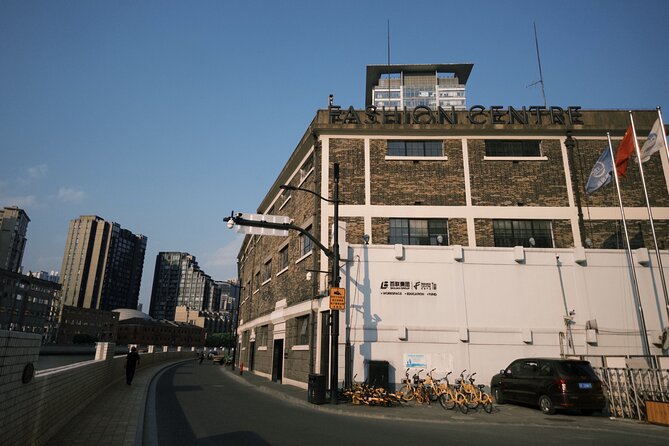
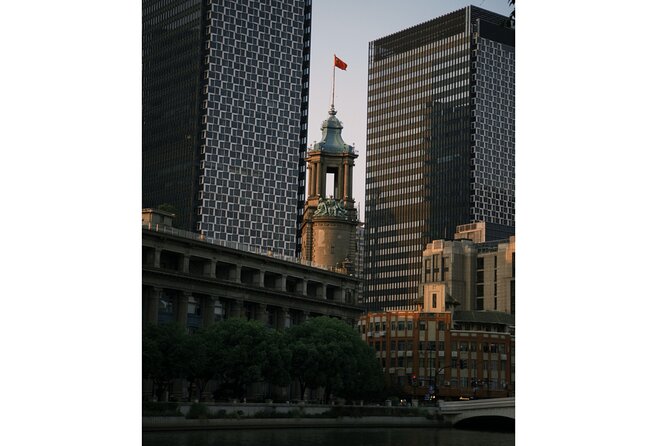
The final stop is The Bund, Shanghai’s famous waterfront promenade. You finish near the Swatch Art Peace Hotel on the riverside promenade close to East Nanjing Road. The grand buildings along the west bank of the Huangpu River once housed banks, trading companies, and other institutions tied to Shanghai’s international commercial role.
The stop lasts about 15 minutes, so this is not a full architectural tour of every building on the waterfront. Instead, it gives you a framework for seeing the façades. After walking from Sihang Warehouse, Yanqingli, and the two bridges, you arrive with a clearer idea of how the district fits into the city’s story.
This is where Charlotte’s architectural interest can be especially useful. One supplied account describes her detailed explanations of the Bund’s buildings and the moving stories behind them. If you enjoy design, you will have plenty to notice, from the different building styles to the way the riverfront expresses Shanghai’s former international status.
The Bund is also the busiest and most familiar part of the route. Expect more people and more picture-taking than at the earlier stops. The tour does not include a private vehicle, and that is an advantage here. You finish on foot at one of Shanghai’s central public spaces, close to public transportation and East Nanjing Road.
What the $120 price really covers
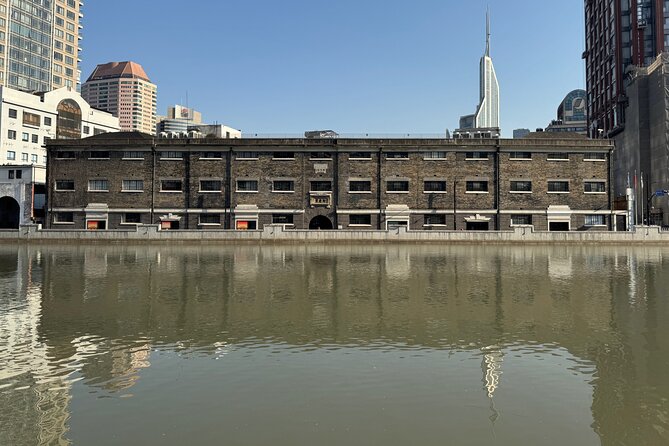
At $120 per person, this is a premium walking tour. The price makes more sense if you value a very small group, a licensed English-speaking guide, and sustained historical interpretation rather than a simple route between landmarks.
The group maximum is six. That is a real benefit. You are not trying to hear a guide over a large crowd, and you can ask about a building, bridge, or local dish without holding up dozens of people. A small group also makes the 3 to 4 hour pace more manageable.
The booking includes one complimentary coffee at a selected café, or one bottled water per person upon request. It also includes a digital citywalk map and a group photo or self-portrait on request, taken with an iPhone and supplied as a digital copy. These are pleasant extras, but they should not be the reason you book. The main value is the guide’s time and the carefully connected route.
You pay separately for transportation to the starting point and away from the end, food and snacks, and museum admission. Optional café stops are also at your own cost. Since the walk begins at 3 p.m., eat beforehand if you prefer a proper meal rather than relying on coffee or a snack.
Timing, fitness, and practical planning
The tour starts at 3 p.m. and lasts approximately 3 to 4 hours. That schedule carries you from afternoon into early evening, but the exact finish can vary with the pace of the group and the amount of discussion at each stop.
You need moderate physical fitness. The experience is a walking route, not a sightseeing drive, and its value depends on moving between sites. Wear comfortable shoes and bring water if you do not want to request the included bottle. Because the route is outdoors, check the day’s conditions before leaving, although the supplied details do not give a specific weather policy.
The starting address is 245 Xin Zha Lu in Huangpu District. The finish is at the Swatch Art Peace Hotel waterfront area on The Bund, near East Nanjing Road. Transportation is not provided, so you should allow time to reach the starting point and make your own plan after the tour.
Confirmation arrives when you book. Service animals are allowed, and the start is near public transportation. Free cancellation is available if you cancel at least 24 hours before the local start time. Cancellations or changes made inside that window are not refunded or accepted.
Who will get the most from this walk
I would choose this experience if you want Shanghai explained rather than simply photographed. It fits history lovers, architecture enthusiasts, and curious visitors who prefer a small group and a calm pace.
It is also a good match for a repeat visitor who has already seen The Bund but wants to understand what lies behind the famous waterfront. The route adds wartime history, working infrastructure, neighborhood change, and treaty-port context.
You may want a different option if you prefer fast sightseeing, private transportation, or a tour packed with interior admissions. This experience spends much of its time outdoors, and the museum entry is not included. The short Yanqingli stop and the brief final visit at The Bund may also feel too restrained if you want long blocks of free exploration.
The food discussion adds a welcome local angle. Charlotte has introduced dishes such as xiaolongbao and crab noodles along the way, but meals are not included. Treat this as useful guidance for what to seek out later, not as a food tour.
Should you book the Suzhou Creek to The Bund walk?
Book it if you want a small, thoughtful history walk and are willing to pay for a personal guide rather than a basic sightseeing circuit. The route has a strong shape, beginning with wartime memory, passing through bridges and reused old spaces, and finishing among the grand buildings of The Bund.
The $120 cost is harder to justify if you only want photographs or if you plan to spend most of your time inside museums. But for a group of six or fewer, a licensed English-speaking guide, a digital map, and several hours of connected explanation, the price can be fair for the right kind of visitor.
I would schedule it early in your Shanghai stay. The walk gives you useful context for later trips along the Bund, Suzhou Creek, and the city’s older districts. You will leave with more than a set of waterfront pictures: you will have a clearer sense of how Shanghai became the city you are seeing.
FAQ
How long does the Shanghai Hidden Histories Walking Tour last?
The tour lasts approximately 3 to 4 hours.
What time does the tour begin?
The tour begins at 3 p.m.
Where does the tour start and finish?
It starts at 245 Xin Zha Lu in Huangpu District and ends at the Swatch Art Peace Hotel waterfront area on The Bund, near East Nanjing Road.
How many people can join the tour?
The maximum group size is six travelers.
Is museum admission included?
No. Admission to the Sihang Warehouse Memorial Museum is not included.
What is included in the tour price?
The price includes a licensed local English-speaking guide, one complimentary coffee at a selected café or one bottled water upon request, a digital citywalk map, and a group photo or self-portrait upon request. Transportation, meals, snacks, and museum admission are not included.
Newly listed around Shanghai
- shanghai Disney tour★ 5.0 · 12 reviews
- shanghai Disney+shanghai one day city highlights tour (two days)★ 5.0 · 4 reviews
- Zhujiajiao Water Town and Shanghai City Highlights Private Day Tour★ 5.0 · 3 reviews
- Zhujiajiao Water Village & Seven Treasure Town Day Tour from Shanghai★ 4.0 · 8 reviews
- Zhujiajiao Water Town Private Tour with Local Farm Visit and Fruit Picking★ 5.0 · 3 reviews
- Zhujiajiao Water Town Self-Guided Tour with Private Transfer from Shanghai★ 5.0 · 7 reviews
- Xitang Water Town Self-Guided Tour from Shanghai with Private Transfer★ 5.0 · 5 reviews
- Xitang Water Village Sunset Tour with Riverside Dining Experience from Shanghai★ 4.5 · 45 reviews
The Bund Tours, compared.
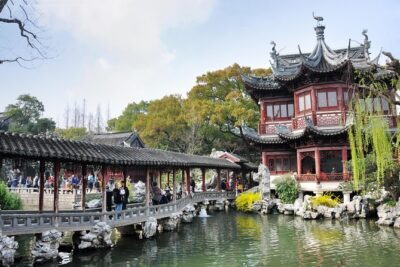
Best of Shanghai Day Tour, including Jade Buddha Temple & Bund & Yuyuan Garden
Read our review →
Yu Garden, Old Street, Bund & Zhujiajiao Water Town Bus Tour
Read our review →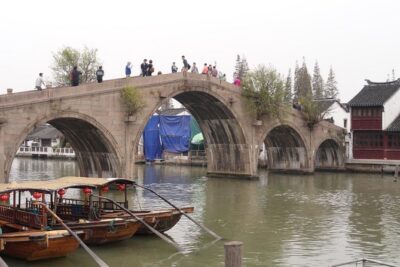
Shanghai Day Tour to Zhujiajiao Water Town, Yu Garden, Bazaar, Bund
Read our review →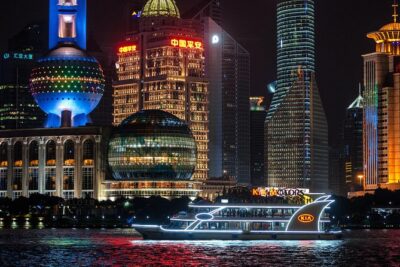
Huangpu River Cruise and Bund City Lights Evening Tour of Shanghai
Read our review →
3-Hour Private Tour to Jewish Ghetto and Shanghai Bund
Read our review →
Private Yu Garden, The Bund, French Concession, Pudong Half-Day Tour
Read our review →
3-Hour Shanghai Bund Swift Tour with River Cruise or Skyscraper
Read our review →
Customized Private Tour in Shanghai The Bund Yu Garden Zhujiajiao
Read our review →Browse the lists this tour appears in