
Reviewed · FOOD & DRINK
Unlock Chinese Tea: Culture, Science, Tasting & Hands-on Brewing
Chinese tea is more than a drink here. It is botany, craft, etiquette, history, and a daily habit all poured into one small cup. In this two-and-a-half-hour workshop, Max explains how tea changed from an herbal remedy into an everyday drink, then puts the leaves and teaware in your hands.
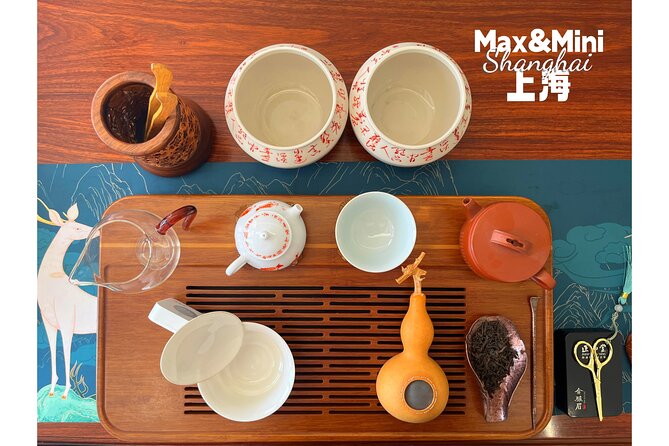
I like two things right away: the small group size of seven and the practical format. You taste several teas, compare their flavors, and brew them yourself with tools such as a gaiwan and clay pots. The main drawback is that this is a focused indoor class, not a broad Shanghai sightseeing tour. At $72, you are paying for instruction and personal attention, not for a long list of city stops.
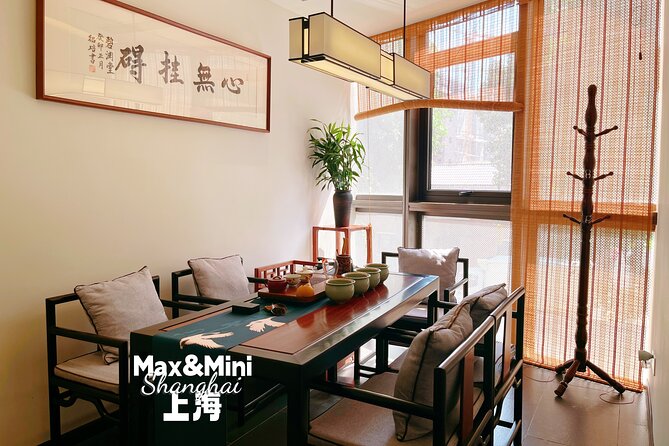
Max leads the experience himself. He brings a background in training and business, along with a strong interest in Chinese tea and culture. Expect clear explanations, seasonal fruit and other snacks, and plenty of time for questions in a private, air-conditioned tea room.
Key points at a glance
- Taste several Chinese teas: Compare different styles and learn the basic vocabulary of tea tasting.
- Learn the six main tea categories: Green, black, oolong, white, yellow, and dark teas are explained through their processing and flavor.
- Brew the tea yourself: Practice with a gaiwan, clay pots, and other traditional teaware.
- Meet Max in a small group: The maximum is seven people, with the possibility of especially personal instruction in a smaller booking.
- Add culture to the cup: Tea’s development across Chinese dynasties is part of the lesson, along with brewing etiquette.
- Enjoy tea snacks: Seasonal fruit such as pomelo and other simple snacks are served during the session.
What the Shanghai tea workshop is really about
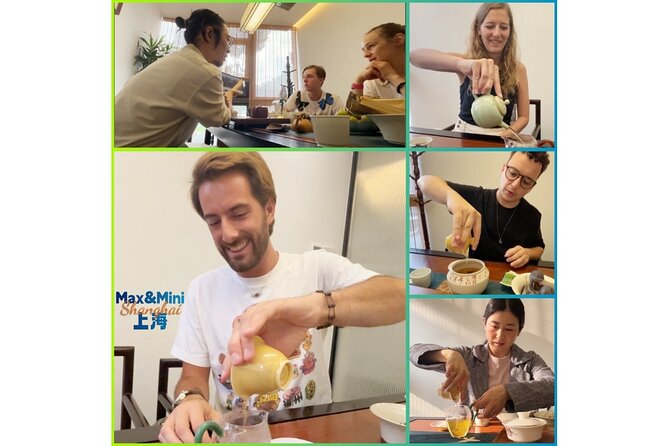
This experience works best if you want to understand what is in your cup, not simply drink it. Max connects the visible details of tea, such as leaf shape, color, and brewing time, with the less obvious details of production and tradition.
The class is designed for complete beginners, but it also has enough detail for people who already know a little about tea. You are not expected to arrive with specialist terms or a practiced brewing technique. The point is to leave with a clearer sense of what you are tasting and a basic method you can repeat at home.
The format is interactive from the start. Rather than listening to a long lecture and waiting for the tasting at the end, you move between explanation, tasting, comparison, and practice. That keeps the subject grounded. Tea history can become abstract quickly, but a cup in front of you gives each point something concrete.
More Craft Workshops in Shanghai
- 2-Hour Private Chinese Ink and Brush Painting Workshop in Shanghai
★ 5.0 · 15 reviews - Zhujiajiao Water Town: Boat Ride, Opt for Hands-on Dumpling Meal
★ 5.0 · 7 reviews - Shanghai: Dragon Beard Candy Making with a Chef
★ 4.8 · 6 reviews
Starting near Shanghai’s Old Town
The meeting point is at 宁海招待所, listed at 149 Nong, 100 Nanchezhan Road, in Huangpu District. The activity begins and ends at this same meeting point.
The location is described as part of the Old Town area, but you should treat the old-town reference as a setting rather than a separate walking tour. There is no extended sightseeing route included. The main event takes place in the private tea room, where you have an air conditioner, practice teaware, and a comfortable place to sit.
That arrangement has a clear benefit. You are not trying to taste delicate tea in a noisy public café or rushing between several sights. The room gives Max the space to set out different teas and brewing tools, and it gives you time to ask questions.
The trade-off is simple: if you want photographs, architecture, markets, and neighborhood stories, you will need to plan those separately. This experience uses Shanghai as its setting, but its subject is tea.
Tasting several teas side by side
The tasting is the heart of the activity. You sample different Chinese teas and compare their typical qualities rather than drinking one tea in isolation. That matters because a tea can seem mild, grassy, floral, roasted, earthy, or robust depending on its style and preparation.
The workshop introduces the six major Chinese tea categories:
- Green tea
- Black tea
- Oolong tea
- White tea
- Yellow tea
- Dark tea
The important lesson is that these categories are shaped by processing. The leaf does not simply become a different tea because of its name. Withering, oxidation, heating, shaping, drying, and aging all affect the final cup. Max uses visual material to help explain those stages, which is useful when the differences are hard to see in a brewed cup.
You will likely taste around five or more different teas during the session, depending on the exact selection. The available information describes both several tea types and examples built around the six categories, so the precise lineup may vary. That is a good thing for a repeat visitor, but it means you should not book expecting one fixed menu of named teas.
I especially like the comparison format for beginners. A single unfamiliar tea can be hard to judge. A few cups tasted close together make the differences easier to notice. You can begin asking practical questions: Is the tea light because of the leaf or the brewing? Does a longer steep make it better, or simply stronger? Which style do I actually prefer?
The story from herbal remedy to daily drink
Tea has a long place in Chinese life, and the class gives you a framework for understanding that role. Max traces tea’s change from an herb into a daily beverage and connects its development with different Chinese dynasties.
This is not presented as a long list of dates for you to memorize. The history helps explain why tea became tied to daily routine, hospitality, social customs, and formal brewing. The cultural part also gives more meaning to the small actions you practice later, such as warming teaware, pouring carefully, or sharing the cup.
The workshop is especially useful if your China visit includes tea shops, restaurants, teahouses, or meals where tea is served without much explanation. You will have a better sense of what you are seeing and why the presentation matters.
Still, keep the scope in mind. Two and a half hours cannot cover every regional tea tradition or every period of Chinese history. Think of the history section as a well-organized introduction that supports the tasting, rather than a full academic course.
More Food Tours in Shanghai
- Authentic Local Food Tour in Central Shanghai
★ 5.0 · 1,382 reviews - Eat Like A Local: Shanghai Night Food Tour
★ 5.0 · 616 reviews - Half-Day Bike Tour of Shanghai Old Town with Food Tasting
★ 5.0 · 306 reviews - Late Night Food Tour in the Shanghai’s French Concession
★ 5.0 · 260 reviews
Brewing with a gaiwan and clay pots
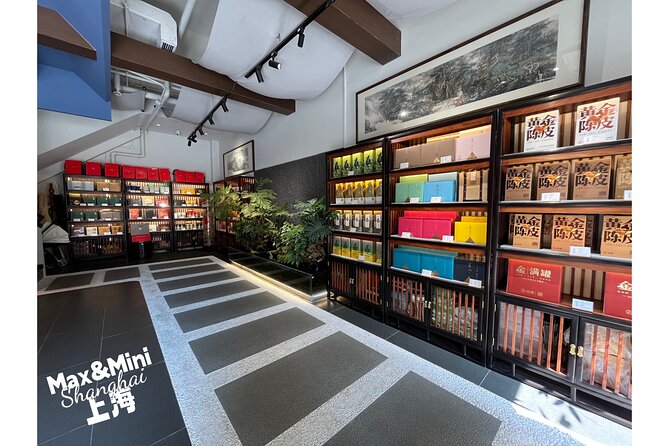
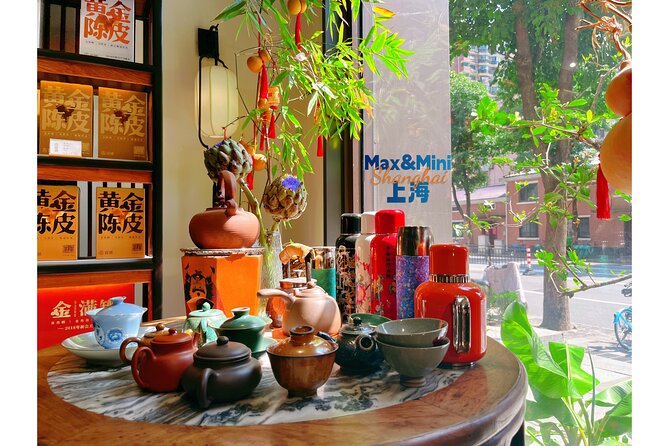
The hands-on brewing section gives the class its practical edge. You use traditional tools, including a gaiwan and clay pots, and learn how the equipment changes the process.
A gaiwan is a lidded bowl used to brew and pour tea. It is simple in appearance but takes a little practice. The lid, bowl, and saucer need to be handled together, and the angle of the pour affects how easily the liquid comes out. A clay pot brings a different feel and is often associated with particular brewing habits.
You also learn about tea etiquette. That can include how tea is prepared, poured, shared, and handled in a traditional setting. The value here is not learning a performance for its own sake. It is gaining enough confidence to use the tools without feeling awkward the next time you encounter them.
This is also where the $72 price begins to make more sense. You are not just buying a series of tastings. You are receiving instruction, using several pieces of teaware, and getting the chance to correct your technique as you go.
The class will not turn you into a tea master in one afternoon. It can, however, help you brew with more care and make better choices when buying tea later. If you want to continue learning, the basic skills give you a useful starting point.
Tea snacks and the rhythm of the session
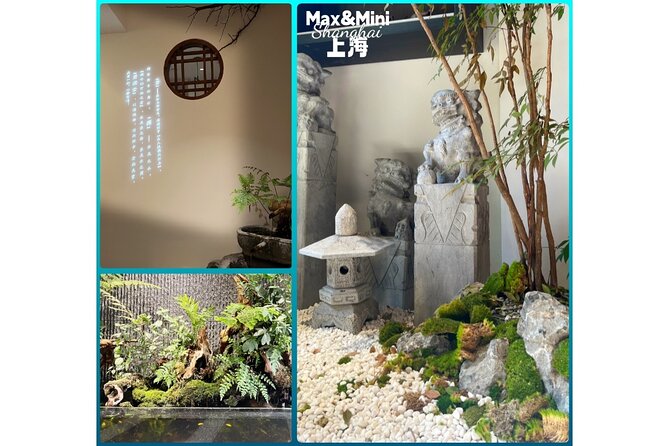
Tea is served with snacks, including seasonal fruit such as pomelo. The food is not described as a full meal, so you should eat beforehand if you need lunch or dinner.
The snacks make practical sense. They give you something to taste between cups and help show how tea can fit into a social setting. A seasonal fruit also gives you another flavor to compare with the tea, even if the session is not formally structured as a food-pairing class.
The pace appears relaxed rather than hurried. Max has time to answer questions, and the small room supports conversation. That makes this a good choice if you prefer asking why something is done instead of simply being told to copy it.
If you are looking for a high-energy activity, this may feel slow. Tea rewards attention, and the session asks you to sit, taste, listen, and repeat. Some people will find that calming. Others may prefer a faster-moving food or city tour.
Max’s teaching style and group size
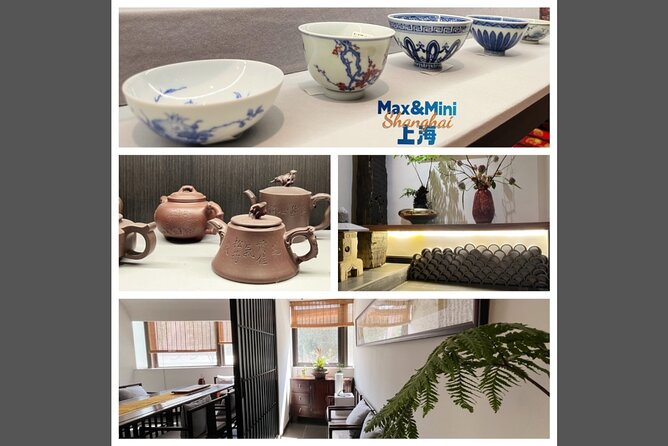
Max is the only guide for this experience. He is described as a certified English guide, a former PayPal ESG lead and senior trainer, and a tea and Chinese culture specialist. That combination suggests a class built around explanation and interaction rather than a memorized speech.
The strongest feature is the chance to ask direct questions. Past sessions have included one-to-one instruction, and the maximum group size is seven. A small group does not guarantee a private class, but it gives you a better chance to handle the teaware, speak up, and receive attention than you would in a large demonstration.
Max’s teaching is also described as approachable and practical. The emphasis is not only on facts about tea. He wants you to brew and taste with more confidence after you leave. That focus is useful for people who learn by doing.
The group size can change the feel of the class. A full group may be more social, while a very small booking may feel more personal and allow more time for individual questions. If you are traveling with friends, group discounts are available, but the exact discount should be checked when booking.
Is $72 a fair price?
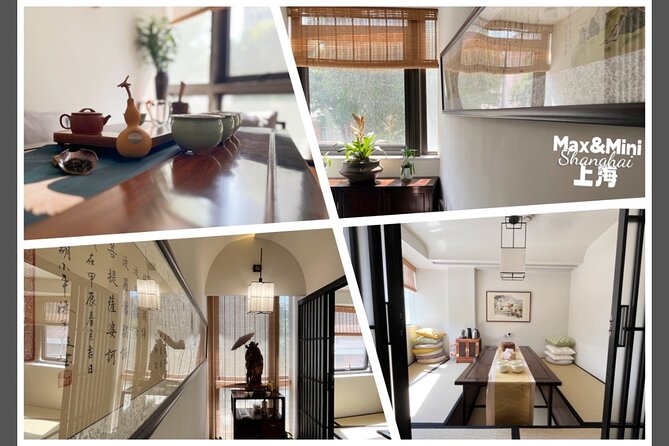
At $72 per person, this is not a bargain tasting in the cheapest sense. You can drink tea in Shanghai for far less. The value comes from the teaching, the variety of tea, the private room, the snacks, and the opportunity to practice with traditional equipment.
I would compare it with the cost of a guided cultural class rather than with the price of a teahouse order. If you want only a cup of tea and a pleasant room, this experience is probably more than you need. If you want a structured introduction that explains what you are tasting and shows you how to brew, the price is easier to justify.
The small maximum of seven is important to that calculation. A large lecture would offer less personal value. Here, the chance to ask questions and repeat a brewing technique makes the fee more reasonable, especially for tea lovers or curious first-time visitors.
The inclusion of coffee and tea tasting, snacks, and the private air-conditioned room also removes a few extra costs during the afternoon. Just remember that tips for Max are not included. They are optional, but you can use them to recognize a session you found especially helpful.
Who should book this experience?
I would recommend it to you if you fit one or more of these descriptions:
- You want a cultural activity that takes place indoors and lasts about half a day.
- You are new to Chinese tea and want a clear introduction.
- You already drink tea and want to understand processing and brewing better.
- You like hands-on classes more than passive sightseeing.
- You want to ask detailed questions in English.
- You are planning to buy Chinese tea and want a better basis for comparison.
- You want a calm activity for a Shanghai itinerary.
It is less suitable if your priority is sightseeing, shopping, a full meal, or a large social event. It also may not satisfy a specialist who expects rare teas, formal certification, or a professional-level tasting course. The information supports a strong introduction, not an advanced qualification.
The activity is suitable for beginners and tea enthusiasts. Service animals are allowed, and the meeting point is near public transportation. The available details do not specify the room’s full accessibility arrangements, so anyone with particular mobility needs should confirm those details before booking.
Timing, cancellation, and practical planning
Plan for approximately two hours and thirty minutes. Since the start and finish are at the same meeting point, you do not need to arrange a second pickup location afterward.
Mobile tickets are available, and confirmation is provided when you book. Free cancellation is offered if you cancel at least 24 hours before the local start time. Cancellations or changes inside that window are not refunded or accepted, so check your Shanghai schedule before committing.
You should arrive ready to sit and participate. Wear something comfortable for handling cups and brewing tools, and leave room in your day for the session to run at its stated approximate length. The experience includes snacks, but not a full meal.
My call: book it if you want more than a cup
I would book this workshop if I wanted a practical introduction to Chinese tea during a Shanghai stay. The strongest reasons are Max’s direct teaching, the small group limit, the comparison of several teas, and the chance to brew with a gaiwan and clay pots instead of simply watching someone else pour.
I would skip it if I wanted a walking tour of the Old Town or a quick, inexpensive tea break. For everyone else, especially curious beginners and serious tea drinkers, $72 buys a useful cultural lesson you can carry into the rest of your China trip and back into your own kitchen.
FAQ
Where does the tea experience begin?
It begins at 宁海招待所, listed at 149 Nong, 100 Nanchezhan Road, Huangpu District, Shanghai, postal code 200011.
Where does the activity end?
The activity ends back at the same meeting point.
How long does the experience last?
It lasts approximately two hours and thirty minutes.
How many people can join?
The maximum group size is seven people.
Who leads the workshop?
Max leads the workshop. He is a certified English guide and specializes in Chinese tea and culture.
What types of tea will I taste?
You will taste several Chinese teas and learn about the six major categories: green, black, oolong, white, yellow, and dark tea. The exact tea selection can vary.
Will I brew tea myself?
Yes. The workshop includes hands-on practice with traditional teaware such as a gaiwan and clay pots.
Are snacks included?
Yes. Snacks are included, with seasonal fruit such as pomelo among the examples provided. Coffee and tea tastings are also included.
Can I cancel for a refund?
Yes, if you cancel at least 24 hours before the experience’s start time. Cancellations or changes made less than 24 hours before the start time are not refunded or accepted.
More Food & Drink in Shanghai
- Shanghai: Half-Day Biking and Local Food Tour
★ 4.9 · 170 reviews - Biking Real Shanghai& Enjoy Local Food
★ 4.5 · 141 reviews - Private Shanghai Evening Street Food Walking and Cruise Tour
★ 5.0 · 123 reviews - Shanghai: Evening Walking Food Tour
★ 4.9 · 115 reviews
More Craft & Culture Workshops in Shanghai
- Beijing: Dumpling Making Workshop with Meal and Tea
★ 4.7 · 69 reviews - Tea Tasting and Pairing Concept Workshop
★ 5.0 · 57 reviews - China’s Favourite Street Food Cooking Workshop
★ 5.0 · 16 reviews - Beijing Hands-On Culture Tour: Tea, Instrument, Calligraphy
★ 5.0 · 6 reviews
Newly listed around Shanghai
- Amazing Shanghai Night Lights:River Cruise &Private Transfer★ 5.0 · 8 reviews
- All Inclusive Shanghai City Tour : Old and New Highlights★ 5.0 · 44 reviews
- All Inclusive Shanghai City Tour by German-Speaking Guide★ 5.0 · 4 reviews
- All-inclusive Half-day Private Tour To Zhujiajiao Water Town★ 5.0 · 10 reviews
- 4-Hour Shanghai City Private Tour by German-Speaking Guide★ 5.0 · 8 reviews
- 4-Hour Shanghai Best Garden and Temple Tour with Tea Tasting★ 4.9 · 7 reviews
- 4-Hour Private Shanghai Shopping Tour with Local Expert★ 5.0 · 5 reviews
- 2 Day Private Shanghai Skyline to Watertown & Suzhou Garden★ 5.0 · 3 reviews
Food & Drink, compared.

Authentic Local Food Tour in Central Shanghai
Read our review →
Beijing Hutong Walking Food and Beer Tour at Hidden Restaurants
Read our review →

Hong Kong’s Tin Hau Hidden Eats Food Tour with 7+ Local Tastings
Read our review →
Hong Kong Food Tour: Central and Sheung Wan Districts
Read our review →Browse the lists this tour appears in