
Reviewed · COOKING CLASSES
2.5hrs Chinese Kitchen Cooking Class: Xiaolongbao Soup Dumplings
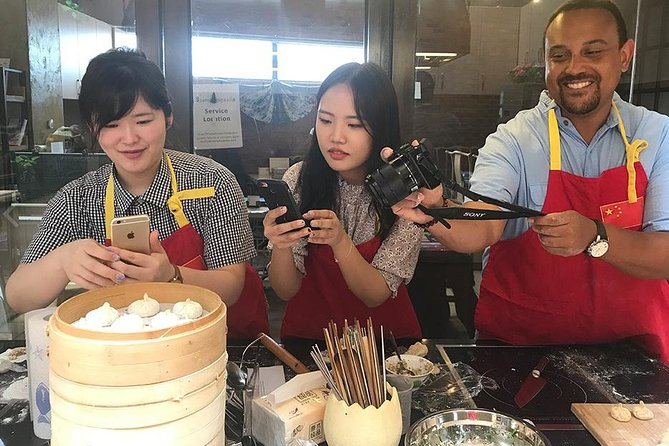
The clever trick here is turning soup into a dumpling. In a small Shanghai cooking studio, you’ll mix dough, prepare a fragrant filling, learn how broth is wrapped inside xiaolongbao, then cook the dumplings by steaming and pan-frying. I like the hands-on format and the chance to eat what you make, with tea and a recipe included. I also like that instructors such as Cici and Chef Yin work patiently with beginners.
The main drawback is the meeting information. The tour description refers to Changshu Road, while the listed meeting point is on Guangyuan Road in Xuhui District. Confirm the exact entrance before setting out. The studio is small and tucked into an old lane, which adds local character but may feel less polished than a purpose-built cooking school.
Key points to know before booking
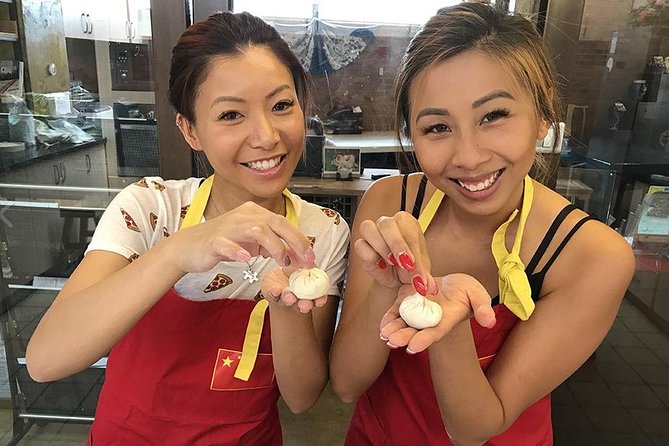
- You make the dumplings from scratch: The class covers dough, filling, wrapping, sauce, and cooking.
- Soup goes inside the xiaolongbao: You’ll learn the technique behind the broth-filled center rather than simply assembling prepared dumplings.
- Two cooking methods are included: Your dumplings are cooked both steamed and pan-fried.
- The class stays small: Numbers are capped at 15, making it easier to get help with tricky folds.
- Children and special diets are welcome: Vegetarian and vegan versions are available by request, and children can join.
- The setting feels local: The studio is clean and functional, but it is reached through an old Shanghai lane.
Why xiaolongbao makes such a good Shanghai cooking class
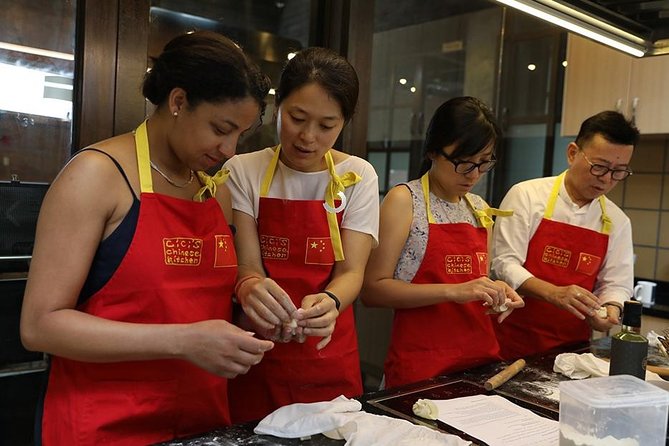
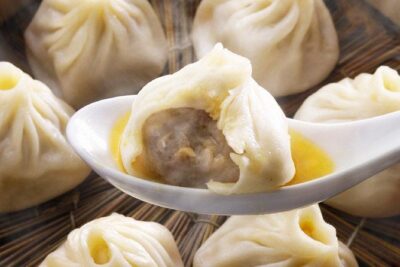
Xiaolongbao is often translated as soup dumpling or soup bun, though it is not quite the same as an ordinary dumpling or baozi. Its appeal is simple to understand: a thin wrapper holds both savory filling and hot broth.
That broth is what makes the class worthwhile. Folding dough around a filling is one thing. Learning how soup can be enclosed without the dumpling falling apart gives you a better sense of the skill behind a dish that is easy to eat and difficult to make well.
You’ll work with dough and filling, using Chinese spices to build the flavor. The class also covers a sauce to serve alongside the finished dumplings. That combination makes the lesson more useful than a quick demonstration. You leave with a recipe and a method you can try again at home.
There is also a small but important practical lesson here. A perfect xiaolongbao needs a delicate skin, enough structure to hold the broth, and careful cooking. Beginners should not expect every dumpling to look identical. That is part of the fun, and the instructors are used to working with different skill levels.
More Cooking Classes in Shanghai
- Shanghai-Cooking Dumpling & Meal in Local Family-w/Vegan
★ 4.9 · 36 reviews - Private Cooking Class: Make Your Own Dim Sum In Shanghai
★ 5.0 · 27 reviews - Vegan Soup Dumpling Making in Shanghai
★ 5.0 · 17 reviews
The 10:00 a.m. arrival and the Shanghai lane setting
The class begins at 10:00 a.m. at the cooking studio. The listed meeting point is Guangyuan Road in Xuhui District, while the activity description also refers to Changshu Road as an accessible meeting area. Because those details do not match perfectly, I would confirm the precise meeting instructions after booking and allow extra time to locate the entrance.
The studio is in an older lane rather than a glossy modern culinary venue. One class member found the entrance confusing at first, describing an old, abandoned-looking kitchen area before the instructor, Yin, came out to help. That is useful information, not a reason to reject the class. You should simply know that the arrival may feel more like finding a local neighborhood workspace than walking into a hotel cooking school.
Once inside, the studio has been described as small, clean, and functional. With a maximum of 15 people, space may feel tight when everyone is rolling dough and shaping dumplings. On the other hand, the compact setting supports the intimate feel that many people want from a local food class.
If you are meeting friends, build in a little time to find the door together. Keep the instructor’s contact details and meeting directions available on your phone. The experience includes a mobile ticket, and the location is near public transportation, but hotel pickup and drop-off are not included.
10:20 a.m. begins with food culture and local ingredients
After the introductions, the class turns to Chinese cooking culture and local ingredients. This section runs until about 11:00 a.m., so it is not just a rushed greeting before the practical work begins.
The cultural introduction gives the dumpling some context. Xiaolongbao is strongly associated with Shanghai, and the class explains what makes the soup-filled style different from other Chinese dumplings and buns. You’ll also be introduced to the ingredients used in the dough and filling before you begin handling them.
I like this part because it gives you a reason to pay attention to the technique. You are not simply copying a shape. You are learning why the wrapper needs to be thin, how the filling is prepared, and how the soup fits into the package.
The instructors are English-speaking, and the teaching style appears to be relaxed and personal. Cici is described as fluent in English, organized, patient, and good-humored. Chef Yin is also described as personable, skilled, and willing to explain the process carefully. The name you meet may depend on the date, but both instructors are presented as active teachers rather than cooks who leave you to figure things out alone.
Making dough, filling, and the soup-filled center
The cooking session begins around 11:00 a.m. You’ll make the dough and prepare the filling with fragrant Chinese seasonings. This is the messy, useful part of the class, where you get a feel for texture instead of just watching someone else work.
The most interesting lesson is how the broth gets inside. The class explains the method used to place soup within the xiaolongbao before the dumplings are wrapped. You will then practice sealing the dough so it can hold the filling during cooking.
Wrapping is likely to be the part that demands the most patience. The folds need to close securely, yet the wrapper must remain delicate. If your first dumplings look a little uneven, that is normal for a beginner. One especially good feature of the class is that the instructor works at your pace and skill level rather than expecting professional results.
This makes the activity suitable for a mixed group. An experienced home cook can focus on neat folds and dough texture, while a first-time cook can concentrate on making a dumpling that stays closed. Families can also work through the process together, though younger children may need help with hot equipment and fine folding.
The class is advertised for ages 3 to 100, and children under 3 can join free. That broad age range means the lesson is designed as a shared activity, not as an advanced chef-training session. Parents should still supervise very young children during the cooking stages.
Same base, a completely different kind of day out:
- Authentic Local Food Tour in Central Shanghai
★ 5.0 · 1,382 reviews - Zhujiajiao Water Town and Shanghai City Private Day Tour
★ 5.0 · 1,016 reviews - Private Shanghai Full Day City Tour with Old and New Highlights
★ 5.0 · 995 reviews - Shanghai: Hop-on Hop-off Bus Ticket and Optional Attractions
★ 3.4 · 692 reviews
Steamed and pan-fried dumplings at noon
The dumplings are cooked in two ways, which is one of the strongest parts of the class. Steaming preserves the soft, delicate character most people expect from soup dumplings. Pan-frying gives you a different result, with a browned base and a firmer contrast beneath the tender wrapper.
Learning both methods lets you compare how cooking changes the same basic dumpling. It also makes the recipe more practical for home use. You may not have every piece of equipment used in the studio, but the two methods show how flexible the dish can be.
A Chinese sauce is prepared to serve with the dumplings. That final touch matters because the sauce adds another layer of flavor without taking attention away from the soup inside. You’ll also receive complimentary tea, which fits the meal and gives everyone a simple drink while eating.
The cooking section ends with lunch at about 12:00 p.m. You eat the xiaolongbao together with the group, which gives the class a natural finish. The meal is not an additional restaurant stop, so the food portion is limited to what the class prepares. If you have a large appetite, consider this a satisfying tasting meal rather than a full day of eating.
What the small group changes
A maximum of 15 people is a useful middle ground. The class has enough people to feel social, but it is not a large demonstration where you stand at the back and watch a chef work.
Small numbers matter most during wrapping. You may need the instructor to correct your folds, show you how to handle the dough, or explain why a dumpling has opened. With 15 people or fewer, those questions are more manageable.
The tradeoff is the size of the studio. A small group does not mean a spacious studio, and one person described the room as small but functional. If you prefer polished facilities and lots of personal workspace, this setting may feel basic. If you want a closer look at local daily life, the older lane and compact kitchen add something that a large tourist venue cannot.
The class also works well for pairs and families. One pair found it memorable to learn the wrapping technique together, and families with children aged 9 and 6 enjoyed the educational side of the experience. You do not need to be a serious cook to take part.
Vegetarian options, children, and the booking details that matter
Vegetarian and vegan options are available, but you need to write your preference when booking. Do not wait until you arrive, since the filling and preparation may need to be arranged in advance.
Children are welcome, and the stated age range is unusually broad. Children under 3 can join free. The activity does not list a separate child price for older children, so check the booking terms for your party before paying.
The price is $98.88 per person. That is more than you might spend on a plate of xiaolongbao in Shanghai, so the value is not in the quantity of food alone. You are paying for 2.5 hours of instruction, ingredient preparation, hands-on practice, a meal, tea, an English-speaking chef, and a recipe to take away.
For someone who only wants to eat dumplings, the price may not make sense. For you if you want to understand how the dish is made and spend part of a morning doing something active, the cost is easier to justify. The class is often booked about 18 days ahead, so it is sensible to reserve early if your Shanghai dates are fixed.
The booking is non-refundable and cannot be changed for any reason. If the minimum number is not reached and the operator cancels, you will be offered another date or experience, or a full refund. That strict policy makes date selection especially important.
What the instructors add to the experience
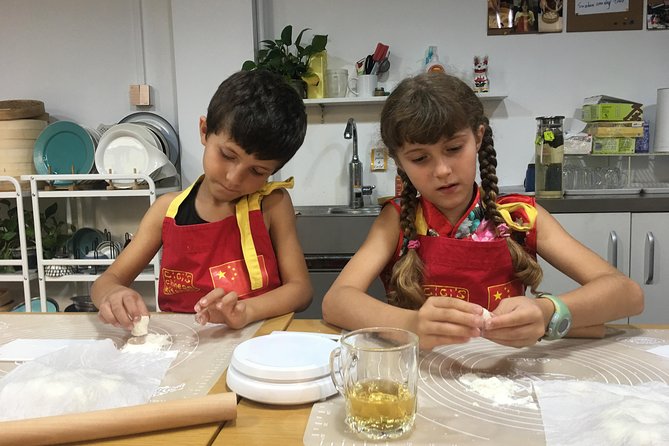
The strongest part of this class is the teaching. Cici is described as fluent in English, funny, well-organized, patient, and clear. Chef Yin is described as an experienced cook who provides hands-on instruction and talks easily with the group.
That matters because xiaolongbao requires repeated correction. A recipe alone cannot show you how thin to roll the dough or how tightly to pinch the top. The instructors’ patience helps keep the class enjoyable when your first folds are rough.
There is also room for conversation beyond the dumplings. Yin gave one pair a recommendation for a nearby tea shop, and the class includes some discussion of Chinese food culture. These small exchanges can make the morning feel more personal than a fixed demonstration.
The teaching is not presented as a formal culinary qualification. You should expect a friendly workshop, not professional kitchen certification. That is the right level for most people visiting Shanghai for a short stay.
Who will enjoy this class most
I would recommend the class to:
- First-time visitors who want a food activity tied closely to Shanghai
- Couples or friends looking for something more active than a restaurant meal
- Families with children who can follow instructions and participate
- Home cooks curious about soup-filled dumplings
- Vegetarians and vegans who arrange their preference in advance
- Anyone who values a small group and direct help from an English-speaking instructor
It may not suit you if you dislike hands-on cooking, have very limited time, or want a luxury studio with a highly polished entrance. The old-lane setting is part of the character, but it may also be the least comfortable part of the visit.
You should also allow for the class to run as scheduled from 10:00 a.m. to 12:30 p.m. There is no hotel transfer, and the exact meeting location deserves attention because the references to Changshu Road and Guangyuan Road are not identical.
Should you book the xiaolongbao class?
Book it if you want to learn a specific Shanghai dish, not merely sample one. The broth-in-the-dumpling technique, two cooking methods, small group, recipe, and patient instruction give the morning real substance.
I especially like it for families, first-time cooks, and anyone who wants a local activity with a clear result: you make lunch, eat it, and leave with a skill you can try at home. The modest studio and confusing entrance are fair warnings, but they do not outweigh the practical teaching.
Skip it if your priority is a cheap meal, a large professional kitchen, or a flexible reservation. At $98.88, this is a cooking lesson with food included, not an inexpensive dumpling stop. For the right visitor, it is a friendly and memorable way to understand one of Shanghai’s signature dishes.
FAQ
How long does the xiaolongbao cooking class last?
The class lasts about 2 hours and 30 minutes, from 10:00 a.m. until approximately 12:30 p.m.
Where does the class meet?
The listed meeting point is Guangyuan Road in Xuhui District, Shanghai. The activity information also refers to Changshu Road, so confirm the exact entrance and meeting directions before the class.
What will I learn to cook?
You will learn to make xiaolongbao, including the dough, filling, soup-filled center, wrapping technique, sauce, and cooking methods.
Are the dumplings cooked in more than one way?
Yes. The class teaches you to cook xiaolongbao both by steaming and pan-frying.
Are vegetarian or vegan options available?
Yes. Vegetarian and vegan options are available on request. State your food preference when booking.
Can children join the class?
Yes. The activity is listed for ages 3 to 100, and children under 3 can join free.
Is hotel pickup included?
No. Hotel pickup and drop-off are not included. The meeting point is near public transportation, and the class ends back at the meeting point.
Newly listed around Shanghai
- shanghai Disney tour★ 5.0 · 12 reviews
- shanghai Disney+shanghai one day city highlights tour (two days)★ 5.0 · 4 reviews
- Zhujiajiao Water Town and Shanghai City Highlights Private Day Tour★ 5.0 · 3 reviews
- Zhujiajiao Water Village & Seven Treasure Town Day Tour from Shanghai★ 4.0 · 8 reviews
- Zhujiajiao Water Town Private Tour with Local Farm Visit and Fruit Picking★ 5.0 · 3 reviews
- Zhujiajiao Water Town Self-Guided Tour with Private Transfer from Shanghai★ 5.0 · 7 reviews
- Xitang Water Town Self-Guided Tour from Shanghai with Private Transfer★ 5.0 · 5 reviews
- Xitang Water Village Sunset Tour with Riverside Dining Experience from Shanghai★ 4.5 · 45 reviews
Cooking Classes, compared.
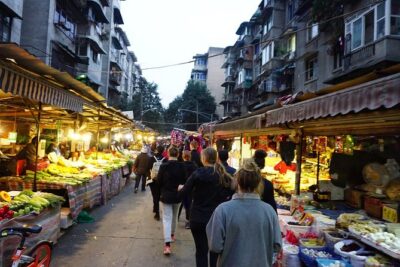
Half-Day Chengdu Cooking Class with a Local Market Visit
Read our review →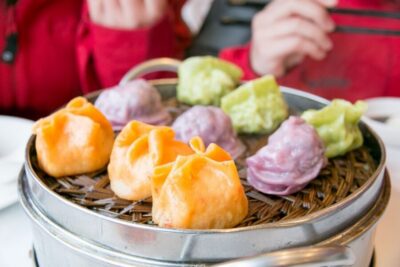
Great Tang Dynasty Night Show & Dumpling Meal Option
Read our review →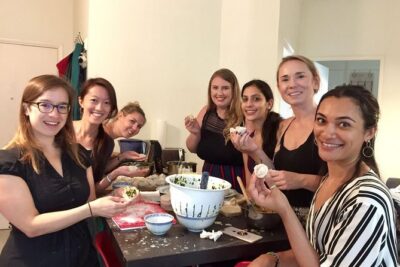
Organic Chinese Dumpling Class with Market Walk
Read our review →
Xi’an Tang Dynasty Show Ticket Optional Dumplings or Royal Dinner
Read our review →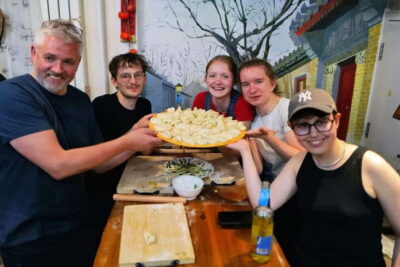
Organic Xiao Long Bao Soup Dumpling Class & Market Walk
Read our review →
Lijiang Naxi Cuisine Cooking Class & Market Visit
Read our review →
Half-Day Xi’an Biang Biang Noodles Cooking with a Market Visit
Read our review →Browse the lists this tour appears in