
Reviewed · COOKING CLASSES
2.5hrs Chinese Kitchen Cooking Class: Art Steamed Dumplings
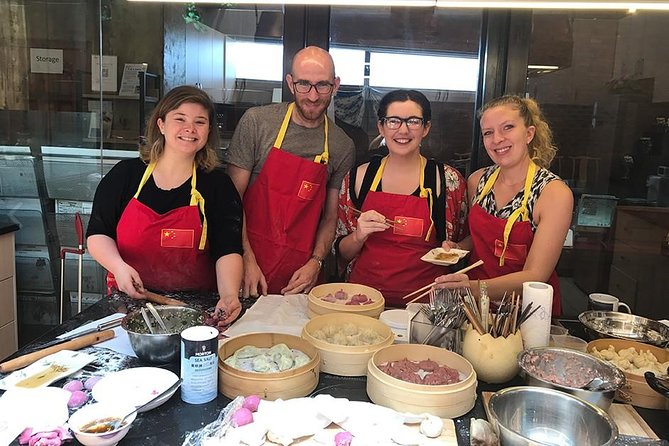
The clever part of this Shanghai class is the art dumpling itself. You learn to knead dough, roll wrappers the Chinese way, and top steamed dumplings with four or five chopped vegetables for color. I like the small group limit of 15 and the chance to choose pork or a vegetarian filling. The included tea also gives the class a relaxed, social pace.
I also like that the chef explains dumpling names and their symbolic meanings, not just the mechanics. Yin and Cici are both praised for being friendly and patient. The main caution is that this is more of a shaping and cultural lesson than a full cooking workshop, so you should not expect to prepare several different dishes.
Key details before you book
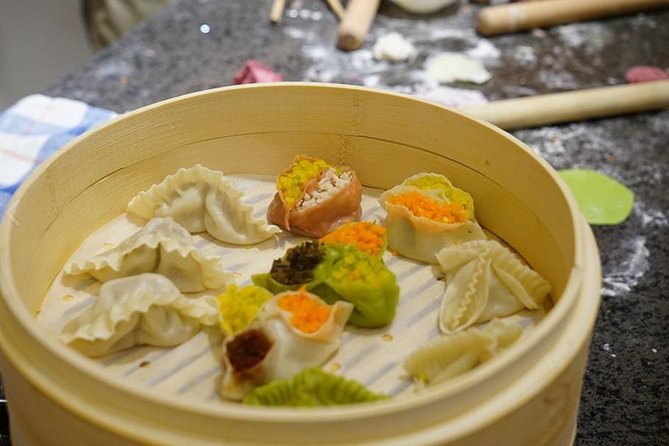
- Colorful banquet-style dumplings: Learn shapes and decorations you might not find on an ordinary restaurant menu.
- A real hands-on dough lesson: Knead the dough by hand and use a rolling pin in the Chinese style.
- Pork or vegetarian filling: Share your food preference when booking so the class can prepare accordingly.
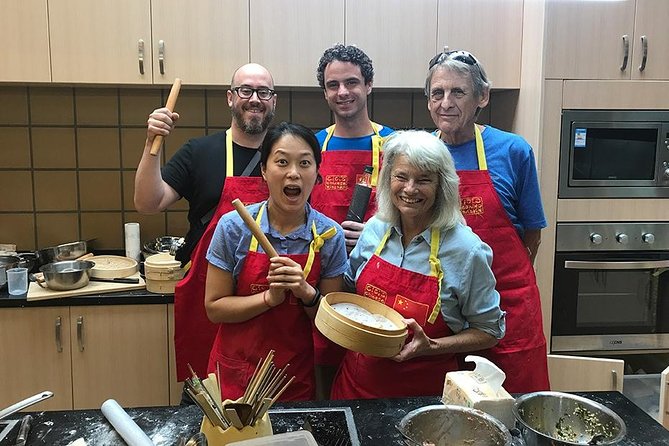
- Maximum of 15 people: The group is small enough for guidance without feeling like a private lesson.
- Tea, sauce, meal, and recipe included: You eat the dumplings you make and leave with instructions to repeat them.
- Central Shanghai meeting point: The class begins on Guangyuan Road in Xuhui District and returns there at the end.
Making Shanghai’s colorful steamed dumplings
Many Shanghai cooking classes focus on familiar soup dumplings or pan-fried dumplings. This one takes a more decorative route. The finished pieces use colored dough or vegetable toppings, giving them the look of small edible flowers or other shaped designs.
That matters because the class teaches you something you may not order casually in Shanghai. These colorful dumplings are associated with state banquets and high-end hotels rather than everyday noodle shops. You are learning a special-occasion presentation, but the chef breaks it into steps that a beginner can handle.
The class is not about producing perfect restaurant pieces on your first try. One participant had a good time despite a lack of culinary ability, and that is the right expectation. Your dumplings may come out uneven, but the process is forgiving and the final meal still gives you a tasty reward.
The most useful part is the combination of decoration and basic technique. You do not simply watch someone fold a dumpling. You work with dough, filling, color, shape, and steam, then sit down with the group to eat what you made.
More Cooking Classes in Shanghai
- Shanghai-Cooking Dumpling & Meal in Local Family-w/Vegan
★ 4.9 · 36 reviews - Private Cooking Class: Make Your Own Dim Sum In Shanghai
★ 5.0 · 27 reviews - Vegan Soup Dumpling Making in Shanghai
★ 5.0 · 17 reviews
What the 2.5-hour schedule feels like
The published information gives a 2:00 pm meeting time in the schedule, while the meeting details list a 2:30 pm start. Confirm the exact arrival time before you go. The activity ends around 4:30 pm and returns to the same cooking school, so allow roughly two and a half hours from beginning to end.
The first part covers Chinese cooking culture and local ingredients. This short introduction gives context to what follows. You learn why certain dumplings have particular names and symbolic meanings, along with the role of vegetables, seasoning, and dipping sauce.
Next comes the practical work. You knead dough by hand, then roll it into wrappers with a rolling pin. The rolling method is specifically Chinese in style, and it is one of the most useful skills to take home. A wrapper that is too thick can overwhelm the filling, while one that is too thin may tear during shaping or steaming.
The scheduled cooking session runs until about 4:00 pm. The remaining half hour is for steaming, serving, and eating together. At the end, you receive a recipe, which makes this more useful than a one-time food demonstration.
Kneading dough and rolling wrappers the Chinese way
The dough lesson is the class’s foundation. You handle the dough yourself rather than starting with ready-made wrappers. That adds a little work, but it also helps you understand the texture needed for a dumpling skin.
The rolling pin technique is worth paying attention to. Chinese dumpling wrappers are often rolled so the center stays slightly thicker while the edges become thinner. The details provided for this class do not promise a full professional lesson, but the chef does demonstrate the local approach and gives you a chance to practice it.
This is a good activity for people who enjoy learning through their hands. If you prefer to spend the whole time tasting food or watching a chef do the work, the class may feel slower than expected. The purpose is to build the dumplings yourself, not merely sample them.
The class also works well for mixed cooking abilities. The chef can guide a beginner through the motions, and the shaping stage allows you to try several designs without needing advanced knife skills.
Choosing the pork or vegetarian filling
The standard filling uses pork, which the chef marinates in a simple, healthy style. You also add four or five chopped vegetables on top to create the color and decoration. This produces dumplings that are as much about presentation as flavor.
A vegetarian option is available, including a vegan vegetarian choice according to the booking information. You need to provide your food preference when you reserve. Do not wait until the class begins, since the filling is part of the preparation plan.
The chef also teaches you about the local ingredients being used. The information supplied does not list every ingredient, so you should not expect a detailed market visit or a long shopping lesson. Instead, the ingredient discussion supports the dumpling work directly.
One useful point is that the class does not treat the filling as an afterthought. You learn how to season and marinate it, then match it with the wrapper and decoration. Still, the activity is centered on one main dumpling preparation, not a broad lesson in Shanghai cuisine.
Same base, a completely different kind of day out:
- Authentic Local Food Tour in Central Shanghai
★ 5.0 · 1,382 reviews - Zhujiajiao Water Town and Shanghai City Private Day Tour
★ 5.0 · 1,016 reviews - Private Shanghai Full Day City Tour with Old and New Highlights
★ 5.0 · 995 reviews - Shanghai: Hop-on Hop-off Bus Ticket and Optional Attractions
★ 3.4 · 692 reviews
Shaping dumplings that look special
The shaping stage is the class’s main attraction. You learn several folding methods and the Chinese names connected with different dumpling forms. Their symbolic meanings add a cultural layer to what might otherwise be a simple craft exercise.
The colors come from the dumpling design and chopped vegetables placed on top. The goal is not only to seal the filling but also to make each piece attractive before it goes into the steamer. This is why the class appeals to people interested in food presentation, family cooking, and Chinese traditions.
Expect a learning curve. The shapes may look simple when the chef demonstrates them, then become surprisingly tricky once you try them yourself. Patience helps. The chef’s role is important here, and both Yin and Cici are described as friendly and helpful instructors.
You may finish with a plate that looks less polished than the chef’s. That is part of the fun, and the class is designed for participation rather than a test. The dumplings are steamed and eaten at the end, so appearance is not the only measure of success.
Steaming and making the dipping sauce
Once the dumplings are formed, the chef explains how long to steam them. Exact steaming times can vary with the size and filling, so this practical guidance is useful if you want to repeat the recipe at home.
You also prepare an authentic dipping sauce. That gives the class a second cooking task and completes the meal. A good sauce adds salt, acidity, and fragrance to the dumpling, and it helps you understand how the finished dish is meant to taste.
This is still a compact class. One participant found the cooking portion average because there was not much variety in fillings or additional food preparation. That is a fair limitation. You make one decorated dumpling style, one sauce, and a meal, rather than a menu of several Chinese dishes.
If you book this for a broad culinary education, keep your expectations modest. If you want a focused lesson in handmade steamed dumplings, the structure makes sense.
Tea and the shared meal at 4:00 pm
Tea is included and served during the class. It gives you something to sip while the dough work and shaping continue, and it supports the cultural side of the lesson without adding another charge.
The meal at the end is made from your own work. You enjoy the dumplings together with the class after steaming, which gives the afternoon a clear finish. Food tends to taste better when you have wrestled with the dough yourself, even when the shapes are not quite right.
The shared meal also makes the experience social. The maximum group size is 15, so the room may include a mix of couples, families, and solo participants. That size allows conversation without turning the session into a large demonstration.
Do not expect hotel-style service or a restaurant tasting menu. This is a cooking school experience, and the meal is the result of the lesson. Its value comes from the activity, the instruction, and the recipe you take away.
Guide style and group size
An English-speaking chef leads the class. Yin is specifically associated with a warm, patient teaching style, while Cici is praised for being helpful and kind. The available information does not guarantee which chef will lead your particular session, so you should treat those names as possible instructors rather than a fixed promise.
The teachers also discuss art, Chinese history, culture, and tea while you work. That conversation can make the afternoon more interesting, especially if you want food connected to daily life and tradition. It also means the class is not a silent sequence of instructions.
The 15-person limit is a sensible middle ground. A larger group could make detailed shaping help difficult, while a private class would cost more. Here, you get a chance to practice while still having a social setting.
Children under three can join free. The activity may suit older children who enjoy working with dough, though the supplied details do not specify a minimum age or child-focused instruction. Young participants will need adult supervision during the preparation.
Location, price, and practical value
The cooking school is on Guangyuan Road in Shanghai’s Xuhui District, near public transportation. There is no hotel pickup or drop-off, so you arrange your own way to the meeting point. Since the class ends back where it begins, the return trip is simple.
At $109.88 per person, this is not a bargain meal. You are paying for instruction, ingredients, tea, the shared food, and the cultural explanation. The value is strongest if you want a guided activity and a recipe, not just lunch.
The price also makes more sense for visitors who enjoy a focused, unusual food lesson. Decorative dumplings can be hard to find in ordinary restaurants, and you get to learn how they are made instead of only taking a photo of them.
Group discounts may be available, which can improve the value for families or friends booking together. The class is generally booked about 17 days ahead, so planning early is sensible if your Shanghai schedule is tight.
The activity is non-refundable and cannot be changed after booking. Because of that strict rule, confirm your date, food preference, and start time before paying.
Who will enjoy this Shanghai class
I would choose this class if you want to:
- Learn a specific Chinese dumpling style rather than sample many dishes
- Work with dough and practice a traditional rolling method
- Add a food activity to a Shanghai sightseeing day
- Meet other people in a small group
- Eat pork or vegetarian dumplings that you helped make
- Take home a recipe and a repeatable technique
I would look elsewhere if you want a full market tour, several dishes, a professional-level kitchen lesson, or a long restaurant-style meal. The main work is kneading, rolling, filling, shaping, steaming, and sauce making.
This is also a good rainy-day option. The session is contained indoors, lasts about two and a half hours, and gives you something concrete to do. Just leave enough time to reach Guangyuan Road and check the meeting hour, since the supplied schedule gives both 2:00 pm and 2:30 pm as possible starting references.
Should you book the art dumpling class?
Book it if the idea of making colorful steamed dumplings sounds more appealing than simply eating them. The patient instruction, small group, tea, cultural discussion, vegetarian option, and final shared meal give the class a friendly shape.
Skip it if your priority is a broad cooking curriculum. The class has limited dish variety, and the cooking is concentrated on one dumpling preparation. At $109.88, that focus needs to match your interests.
For a first hands-on food activity in Shanghai, I find the concept appealing: you learn a recognizable Chinese technique, make an unusual banquet-style item, and leave with a recipe. Arrive ready to experiment, not to produce perfect dumplings.
FAQ
Where does the dumpling class meet?
The class meets on Guangyuan Road, Guang Yuan Lu, in Xuhui District, Shanghai. It ends back at the same meeting point.
How long does the experience last?
The activity lasts approximately 2.5 hours. The schedule runs from the afternoon meeting time to about 4:30 pm.
What time does the class start?
The meeting information lists a 2:30 pm start, while the detailed schedule says to meet at 2:00 pm. Confirm the exact arrival time when booking.
Is the class suitable for vegetarians or vegans?
Yes. A vegetarian option is available, including vegan vegetarian arrangements. Add your food preference when booking.
Is tea included?
Yes. Complimentary tea is included during the cooking class.
How many people can join?
The class has a maximum of 15 participants.
Is hotel pickup included?
No. Hotel pickup and drop-off are not included. You make your own way to the cooking school and return there after the class.
Newly listed around Shanghai
- shanghai Disney+shanghai one day city highlights tour (two days)★ 5.0 · 4 reviews
- shanghai Disney tour★ 5.0 · 12 reviews
- Zhujiajiao Water Town and Shanghai City Highlights Private Day Tour★ 5.0 · 3 reviews
- Zhujiajiao Water Village & Seven Treasure Town Day Tour from Shanghai★ 4.0 · 8 reviews
- Zhujiajiao Water Town Private Tour with Local Farm Visit and Fruit Picking★ 5.0 · 3 reviews
- Zhujiajiao Water Town Self-Guided Tour with Private Transfer from Shanghai★ 5.0 · 7 reviews
- Xitang Water Town Self-Guided Tour from Shanghai with Private Transfer★ 5.0 · 5 reviews
- Xitang Water Village Sunset Tour with Riverside Dining Experience from Shanghai★ 4.5 · 45 reviews
Cooking Classes, compared.
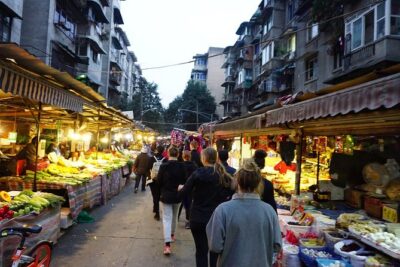
Half-Day Chengdu Cooking Class with a Local Market Visit
Read our review →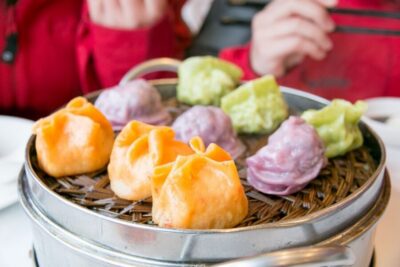
Great Tang Dynasty Night Show & Dumpling Meal Option
Read our review →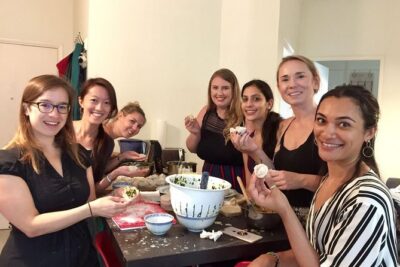
Organic Chinese Dumpling Class with Market Walk
Read our review →
Xi’an Tang Dynasty Show Ticket Optional Dumplings or Royal Dinner
Read our review →
Organic Xiao Long Bao Soup Dumpling Class & Market Walk
Read our review →
Lijiang Naxi Cuisine Cooking Class & Market Visit
Read our review →
Half-Day Xi’an Biang Biang Noodles Cooking with a Market Visit
Read our review →Browse the lists this tour appears in