
Reviewed · STREET FOOD TOURS
The 10 Tastings of Hong Kong With Locals: Private Street Food Tour
Hong Kong’s food culture makes the most sense at street level, where a private guide can explain dried seafood, market customs, teahouse traditions, and the right way to approach a crowded noodle shop. This tour packs 10 food and drink tastings into about three hours, with stops across Sheung Wan, Central, and Wan Chai.
I like the mix of eating and city sightseeing. You will visit a local market, sample shrimp wontons beside office workers, ride or use Hong Kong’s famous escalator system, and finish with pineapple bun and milk tea. I also like the private format, since guides such as Angel, Cosmo, Ling, Caleb, and Ronnie have been praised for adding personal stories and practical help.
The main caution is price. At $195.71 per person, this is costly for a three-hour food walk, especially since transport, extra food, and drinks are not included. The quality also depends heavily on your individual guide, and one poor guide experience shows that the personal format is not a guarantee of perfect service.
Key points to know before you book
- Market lessons go beyond eating: See Chinese vegetables, meat, dried seafood, sea cucumbers, and birds’ nests while learning how local markets function.
- The tastings are spread across several districts: Sheung Wan, Central, Graham Street, Wan Chai, and the Mid-Levels are part of the route.
- Classic Hong Kong foods fill the afternoon: Expect shrimp wontons, beef noodles, pineapple bun, milk tea, sugarcane juice, fruit, and other samples.
- A private guide shapes the day: You can ask questions, request vegetarian alternatives, and set the pace within the planned route.
- You get sightseeing between bites: The tour includes the Mid-Levels Escalator, Stone Slab Street, Hollywood Road area, and local market streets.
- Come ready to walk and eat: Moderate fitness is required, and the tasting stops may add up to a full meal.
Why this private food walk works
I like food tours that explain what is on the plate instead of simply handing you samples. This one uses Hong Kong’s markets and old neighborhoods as part of the lesson. You see ingredients before tasting dishes made with them, then move through the city to understand how food fits daily life.
The private setup matters here. Hong Kong’s eating customs can feel fast and unfamiliar, especially in a small local restaurant where menus, seating, and ordering may not be obvious. Your guide can explain what you are eating and help you follow the flow without wasting time guessing.
The route also gives you a useful first look at Hong Kong Island. It is not only a meal in one neighborhood. You move from Sai Ying Pun and Sheung Wan toward Central and Wan Chai, with city sights placed between the tasting stops.
Past bookings have been led by guides including Angel, Cosmo, Ling, Caleb, and Ronnie. Angel has been praised for explaining ingredients, religion, and local customs. Cosmo is known for adding tram travel and extra city sights to the food route, while Ling has taken people to less obvious eating places. These details point to the tour’s biggest strength: the guide can turn a set menu of snacks into a more personal introduction to Hong Kong.
More Food Tours in Hong Kong
- Hong Kong’s Tin Hau Hidden Eats Food Tour with 7+ Local Tastings
★ 5.0 · 352 reviews - Small-Group Hong Kong Island Food Tour
★ 5.0 · 343 reviews - Hong Kong Food Tour: Central and Sheung Wan Districts
★ 5.0 · 333 reviews
Starting near Sai Ying Pun and Sheung Wan
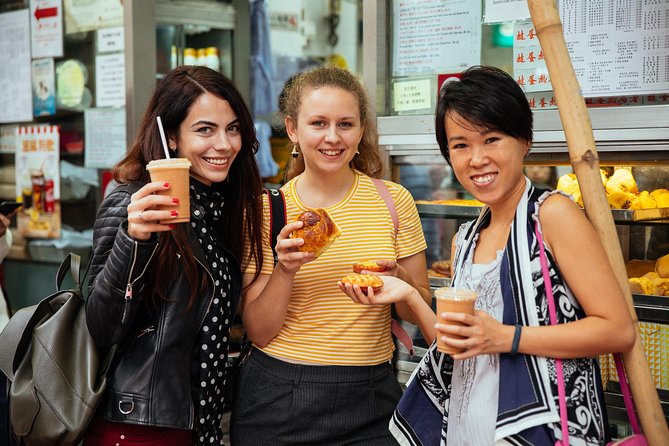
The meeting point is listed near Eco Tree Hotel Sheung Wan, at 156 to 160 Des Voeux Road West, close to Sai Ying Pun MTR station exit B1. The first 20 minutes are set aside for meeting your host and getting organized.
I would confirm the exact meeting spot before setting out. The route information refers to Sai Ying Pun MTR exit B1, while the stated meeting address is the Eco Tree Hotel. These are close enough to connect, but a clear meeting message will save you from searching on a busy road.
The first major stop takes place in Sheung Wan. You visit a traditional market and learn about Chinese vegetables, meat, and the cultural role of the market building. The market portion is valuable because it gives you a visual guide to local ingredients before the meal continues.
You may also see dried seafood and unusual products such as sea cucumbers and birds’ nests. These goods can be hard to understand if you pass them in a shop on your own. Your guide can explain why they are sold, how they are used, and why they occupy such an important place in Chinese food culture.
This is not a quiet museum visit. Markets can have wet floors, strong smells, narrow paths, and plenty of activity. Wear shoes with a good grip and keep your belongings close. If you prefer polished food halls, this may feel rough around the edges, but that is also the point.
Shrimp wontons near The Center
The route next heads toward The Center, one of Hong Kong’s best-known office towers. You stop at a local lunch restaurant for shrimp wontons and eat close to local diners.
This is one of the strongest parts of the plan. A food tour can become too staged if every stop is designed for tourists. Sitting beside local people in a working lunch place gives you a more useful picture of everyday Hong Kong food.
Shrimp wontons are a good introduction because they show the city’s preference for small, carefully made portions with a clear balance of wrapper, filling, and broth or sauce. Your guide can also help with the practical details of ordering and table etiquette.
The stop is scheduled for about 20 minutes, so do not expect a long meal. It is a tasting rather than a restaurant crawl. Since the tour includes several more foods, that short format helps keep the route moving.
Sugarcane juice at a family teahouse
Near the Hollywood Mural, you pause for sugarcane juice at a teahouse operated by a fourth-generation family. The setting gives the drink more meaning than a quick purchase from a street stall.
Sugarcane juice is refreshing, but it is also one of the more variable tastings on this tour. One unhappy account found the sample watery and compared it poorly with sugarcane juice elsewhere in Hong Kong. I would treat this stop as a chance to learn about a familiar local drink, not as the guaranteed highlight of the day.
The mural and nearby streets add a short sightseeing break. Hong Kong’s old commercial streets often put temples, galleries, food shops, and tall office buildings close together. Your guide can help connect those pieces as you walk.
The teahouse stop lasts around 20 minutes. You will have time to drink and ask questions, but not to settle in for a long tea session.
More Street Food Tours in Hong Kong:
- Hong Kong Street Food Tour with Locals – Dim Sum, Wonton & more
★ 5.0 · 226 reviews - Small Group Kowloon Michelin Rated Street Food and Culture Tour
★ 5.0 · 170 reviews - Kowloon Night Street Food Tour with a Local: Private & Customized
★ 4.5 · 72 reviews - Private Shanghai Evening Street Food Walking and Cruise Tour
★ 5.0 · 123 reviews
Graham Street Market and fresh fruit
Graham Street Market brings you back to the practical side of Hong Kong food. This fresh market street is lined with stalls, and your guide chooses exotic fruit for you to taste.
I like this stop because it gives you a chance to try something selected for the group rather than choosing at random. Fruit can be a simple tasting, but the market setting shows how people shop for produce in the middle of the city.
The stop lasts about 20 minutes. You should not expect a full fruit course or a long shopping break. It is a quick look at the market and a chance to compare flavors with the familiar foods you may already know.
The route also passes Stone Slab Street, a sloped pedestrian street paved with uneven granite slabs and lined with market stalls. This is one of the more atmospheric walking sections, but the uneven surface deserves attention. If your knees, hips, or balance make slopes difficult, take your time.
Dai Pai Dong food in Wan Chai
In Wan Chai, the tour offers a Dai Pai Dong experience. You eat outdoors with local diners and sample beef noodles while taking in the street setting.
This is the stop most likely to feel informal and distinctly Hong Kong. Dai Pai Dong refers to open-air food stalls and simple street-side dining. You are not visiting a formal restaurant with a long, quiet meal. You are getting a taste of the quick, social way people eat in a city where space is limited.
Beef noodles are filling, so pace yourself earlier in the tour. The schedule allows around 20 minutes here, which is enough for a tasting but may feel rushed if the place is busy or if you want time to study every detail.
Some guides add a tram ride to the route. Cosmo’s tours, for example, have included the old tram and views through Soho and nearby areas. The stated program includes city highlights between food stops, but tram travel is not listed as a guaranteed inclusion, so consider it a possible addition rather than part of the fixed price.
Pineapple bun and milk tea at the finish
The final food stop is a Hong Kong favorite: pineapple bun with milk tea. It takes place near the Spring Garden Street area, and it is designed as the last snack of the route.
A pineapple bun usually has a crisp, sweet top that resembles the texture of pineapple, though the bun itself does not necessarily contain pineapple. Paired with milk tea, it makes a fitting finish because both items are closely tied to Hong Kong’s everyday bakery and café culture.
You may already be full by this point. That is not a problem if you pace yourself, but it is worth asking your guide how large each tasting will be. Vegetarian alternatives are available, although the exact substitute depends on the food being served.
The tour also includes the Central to Mid-Levels Escalator and walkway system. It is the longest outdoor covered escalator system in the world, and it gives your legs a break while carrying you through several neighborhoods. The route then returns to the meeting point, with the full experience lasting about three hours.
What the $195.71 price really buys
At $195.71 per person, this is not a bargain meal tour. You are paying for a private guide, ten tastings, local orientation, and a route that links several parts of Hong Kong Island.
The value is strongest for a first visit. If you are unsure how to order, do not know which markets to enter, or want a local person to explain what you see, the fee can save time and reduce guesswork. The private format is also useful for families or small groups with different appetites and questions.
The value is weaker if your main goal is simply to eat as much as possible. Hong Kong has plenty of inexpensive food, and a determined eater could spend far less by choosing restaurants and bakeries independently. The listed price does not include hotel pickup, extra food, or extra drinks.
Group discounts may be available, so check the final price for your party. Since only your group joins the guide, the per-person cost may feel more reasonable for several people sharing the same experience.
Guide quality and the one real warning
The guide is the deciding factor. Angel has been praised for explaining Chinese ingredients, dried seafood, religious customs, and local traditions. Cosmo has been described as funny and personable, with extra sightseeing folded into the route. Ling has been appreciated for her friendly manner and unusual food stops, while Caleb has been praised for his enthusiasm about Hong Kong cuisine.
Ronnie has also received strong praise for helping people handle Hong Kong’s busy streets and understand local etiquette. These are exactly the qualities you want from a private guide: clear explanations, patience, and a willingness to answer questions.
Still, the experience is not uniform. One booking with a guide named Matteo involved trouble finding the meeting point, poor communication, an unpleasant attitude, and little useful information. The guide was also criticized for making a diner feel bad about not finishing soup.
That account is unusual beside the many positive guide experiences, but it is worth taking seriously. Your private format means a good guide can make the day feel personal. It also means a poor guide affects the whole tour. Confirm the meeting point, ask questions early, and contact the operator if the guide is not providing the service described.
Who should book this experience
I would choose this tour for a first visit to Hong Kong, especially if you want food and orientation in one outing. It suits people who enjoy trying small portions, walking through working neighborhoods, and asking questions about ingredients and customs.
It is also a good fit for families and couples who want a private schedule rather than a large group. Vegetarian alternatives are offered, and the guide can explain the available choices.
You should think twice if you want a leisurely restaurant meal, have limited mobility, or dislike markets, uneven streets, and quick changes of location. The moderate fitness requirement matters. The tour covers several districts and includes slopes, walking, market floors, and at least the possibility of public transport.
Book at least a day ahead if your plans might change. Free cancellation is available up to 24 hours before the start time, but cancellations or changes made later are not refunded.
Final verdict: a useful first taste of Hong Kong
I would book this tour when the goal is to get oriented, taste a broad range of local foods, and let a private guide handle the confusing parts of Hong Kong dining. The market visit, shrimp wontons, Dai Pai Dong stop, and pineapple bun give the route a good spread of flavors and settings.
I would not book it solely for the quantity of food or for a guaranteed perfect sugarcane juice. The price is high, and the guide makes a major difference. If the cost fits your budget and you confirm the meeting details, this is a practical way to see Hong Kong through its markets, street stalls, and everyday meals.
FAQ
How long does the Hong Kong food tour last?
The tour lasts approximately three hours.
Is this a private tour?
Yes. Only your group and the local guide participate.
Where does the tour start?
The stated meeting location is Eco Tree Hotel Sheung Wan at 156 to 160 Des Voeux Road West, near Sai Ying Pun MTR station exit B1.
What food and drinks are included?
The tour includes 10 food and drink tastings. The route includes shrimp wontons, sugarcane juice, selected fruit, beef noodles, pineapple bun, and milk tea, along with other local samples.
Are vegetarian alternatives available?
Yes. Vegetarian alternatives are offered for participants with dietary restrictions.
Is hotel pickup included?
No. Hotel pickup and drop-off are not included. Extra food and drinks are also not included.
More Food & Drink in Hong Kong
- Hong Kong Food Tour: Sham Shui Po District
★ 5.0 · 167 reviews - Hong Kong: Kowloon Street Market & Food Culture Walking Tour
★ 5.0 · 105 reviews - Private Food Tour: Hong Kong Island
★ 5.0 · 78 reviews - Tea Tasting and Pairing Concept Workshop
★ 5.0 · 57 reviews
Newly listed around Hong Kong
- 6 Hour Private Shore Excursion Cruise Ship Pick Up Guided Tour★ 5.0 · 8 reviews
- Hong Kong Disneyland: Non-Stop 2-Day Fun Ticket★ 4.5 · 13 reviews
- Big Bus Hong Kong Panoramic Night Tour by Open-Top Bus★ 3.5 · 53 reviews
- The Dragon’s Back Hiking Tour, Hong Kong★ 5.0 · 54 reviews
- The Authentic Hong Kong – Private Walking Tour★ 5.0 · 55 reviews
- Tea Tasting and Pairing Concept Workshop★ 5.0 · 57 reviews
- Victoria Harbour Yacht Night Cruise – DREAMER:Tourguide & Photos★ 4.0 · 58 reviews
- Organic Xiao Long Bao Soup Dumpling Class & Market Walk★ 5.0 · 62 reviews
Street Food Tours, compared.
Hong Kong Street Food Tour with Locals – Dim Sum, Wonton & more
Read our review →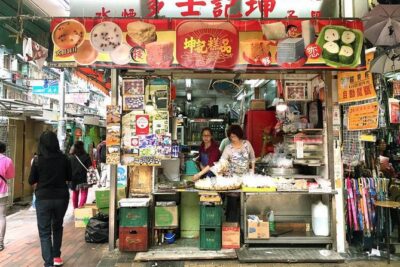
Small Group Kowloon Michelin Rated Street Food and Culture Tour
Read our review →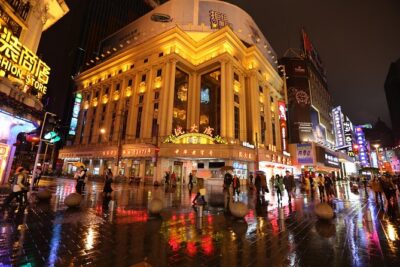
Private Shanghai Evening Street Food Walking and Cruise Tour
Read our review →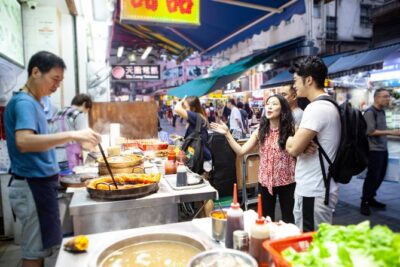
Kowloon Night Street Food Tour with a Local: Private & Customized
Read our review →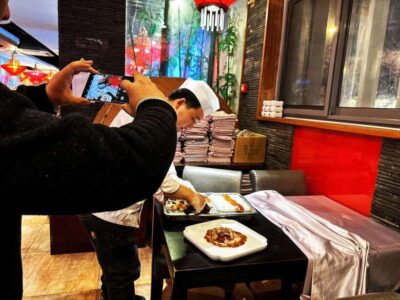
Beijing Hutong Food Crawl Delights: Peking duck, Hotpot&More
Read our review →
Off-beaten Route: Shanghai Old Town Discovery&Street Food Tasting
Read our review →

Browse the lists this tour appears in