
Reviewed · TEA CEREMONIES
Traditional Chinese Tea Ceremony Experience
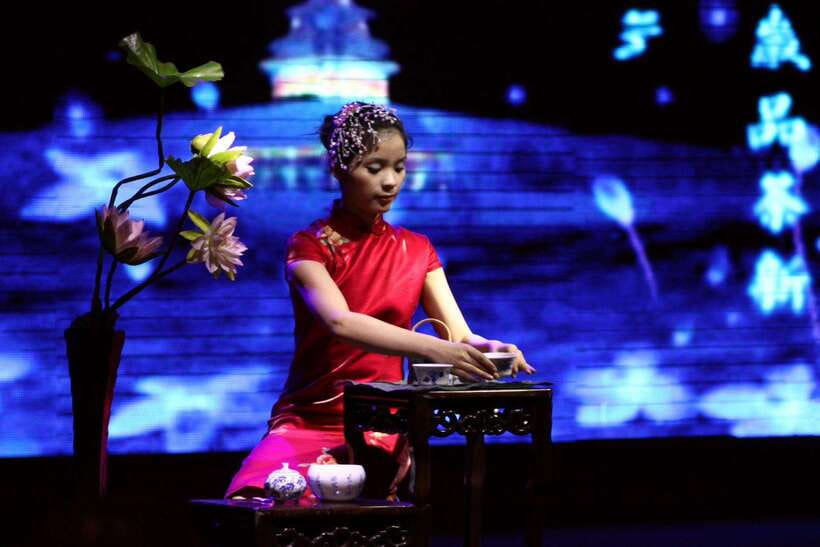
China’s tea culture comes alive in a small, focused ceremony near Chang An Grand Theater. You watch the tea master warm the pot, measure the leaves, pour with care, and serve each sample in turn. This is not a rushed cup between sightseeing stops. It is a short lesson in how sight, scent, taste, respect, and calm fit together.
I like the chance to taste five mini cups of tea without paying for a long formal program, and I like the friendly welcome from Richard and the tea master. The main consideration is the short 30-minute format: it gives you an appealing introduction, but not a full study of Chinese tea or a lengthy cultural tour.
Key points to know before booking
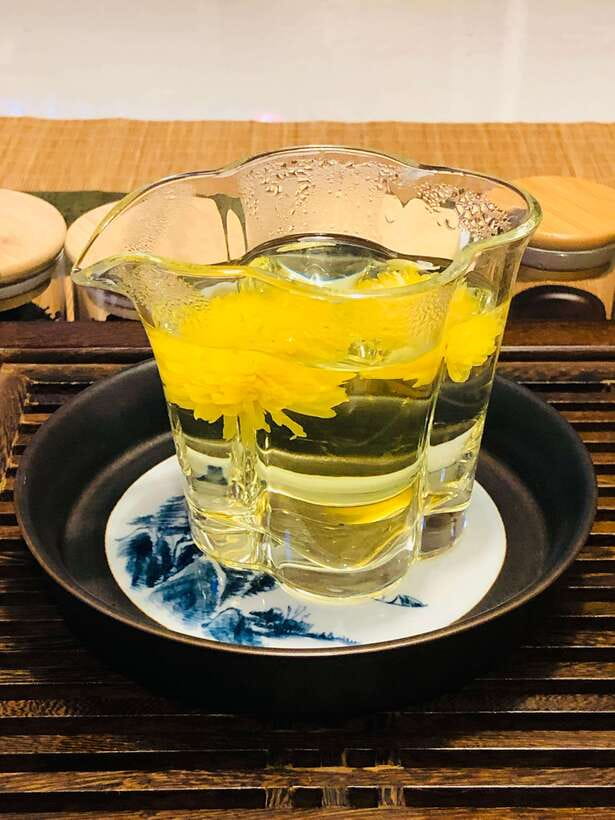
- Five teas in five mini cups: Expect a tasting rather than a full meal or an extended tea class.
- Traditional brewing techniques: The tea master demonstrates each step, from warming the pot to pouring the tea.
- Convenient central setting: The meeting point is on Jian Nei Da Jie, near public transportation and Chang An Grand Theater.
- A $9.90 cultural stop: The low price makes this easy to add to a Beijing sightseeing day.
- Suitable for adults and children: The ceremony is designed to be fun and understandable for both age groups.
- Small group size: The activity accepts no more than 15 people, though it is not a private ceremony.
Why a 30-minute tea ceremony fits a Beijing day
Beijing can fill your schedule quickly with imperial halls, temples, markets, and long walks. A short tea ceremony gives you a change of pace without taking half a day. At about 30 minutes, it works well before dinner, between central sightseeing stops, or as a gentle introduction to Chinese customs after you arrive.
The short length also keeps the activity approachable. You do not need to know anything about tea before you arrive. The tea master provides the structure, and you can simply watch, smell, sip, and ask questions if time allows.
Still, set your expectations correctly. This is an introduction, not a certification course or a detailed tea workshop. You will see the ritual and taste several styles, but the schedule leaves limited room for long conversation about growing regions, production methods, or the history of each tea.
More Tea Ceremonies in Beijing
- Traditional Chinese Tea Ceremony Experience
★ 4.7 · 74 reviews - Beijing Culture: Tea Ceremony, Heritage Instrument & Calligraphy
★ 5.0 · 57 reviews - Chinese Tea ceremony in Beijing Hutong courtyard
★ 4.7 · 26 reviews
Entering near Chang An Grand Theater
The experience begins at Jian Nei Da Jie in Dongcheng District, with Chang An Grand Theater listed as the stop. The location is near public transportation, which matters in Beijing, where a simple transfer can save you a long walk or a taxi ride through traffic.
You should allow a little extra time to find the meeting point. The supplied directions identify the street and the theater area, but they do not give a detailed storefront description. Keep your mobile ticket ready and check the exact meeting instructions before setting out.
The setting also gives the ceremony a useful connection to the city around it. You are not being sent far outside central Beijing for a tea tasting. You can pair it with nearby sightseeing, though the activity itself remains centered on the ceremony rather than on a walking tour of the neighborhood.
There is no sightseeing guide included. That distinction matters. A tea master leads the tea ritual, but this should not be booked as a general Beijing orientation or a guided tour of the theater district.
Meeting the tea master and Richard
A friendly tea master greets you on arrival. Richard is also part of the welcoming team, and the available feedback specifically praises the warmth of both Richard and the tea master. That personal touch is important in an activity built around quiet attention and hospitality.
The tea master’s job is not simply to hand you cups. The ceremony shows how tea is prepared and appreciated. Warming the teapot, handling the leaves, controlling the pour, and presenting the tea are all treated as meaningful actions.
You will notice that the ritual asks you to slow down. First you look at the tea. Then you smell it. Finally, you taste it. This order helps you notice small differences between teas, even if you are new to the subject.
The ceremony also reflects ideas of respect, harmony, and mindfulness. Those themes can sound lofty when written on a booking page, but they make practical sense once you watch the careful movements. The tea master does not rush the process, and the preparation becomes part of the experience.
Tasting five types of Chinese tea
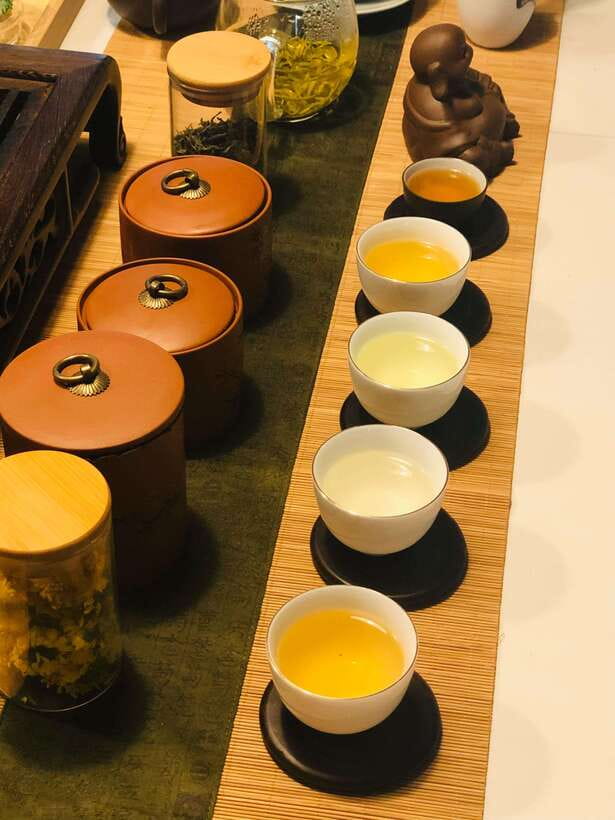
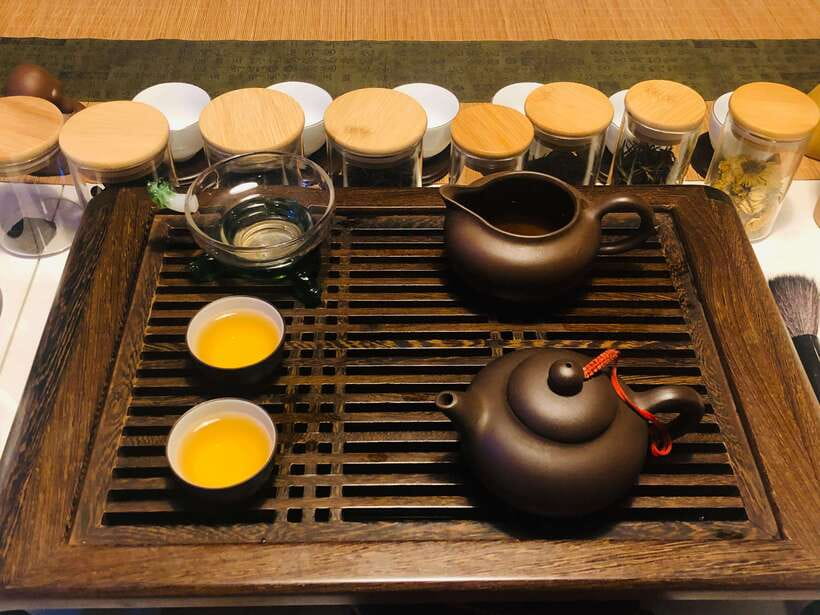
The tasting includes five mini cups. The teas may include oolong, Pu-erh, green tea, jasmine tea, and flower tea. Because the exact pour order is not specified, you should treat the selection as a guided sampling rather than a fixed flight with a guaranteed sequence.
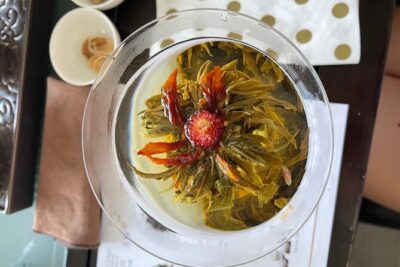
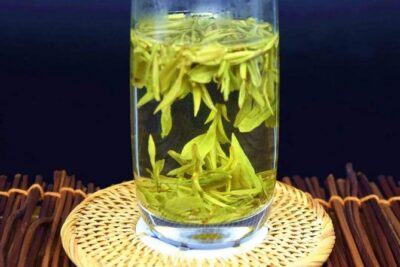
Each type gives you a different point of comparison. Green tea can introduce a lighter, fresher style. Oolong offers a broader middle ground, while Pu-erh brings a darker and more developed character. Jasmine tea adds fragrance, and flower tea makes the visual side of the ceremony especially appealing.
The small cups are a good choice for a short program. You get enough to compare the teas without feeling committed to large servings. You can pay attention to aroma and aftertaste, then decide which style appeals to you before buying tea to take home.
The tasting is also useful for families. Children may enjoy the flowers, the small cups, and the careful pouring, while adults can focus on flavor and technique. The activity is described as suitable for both adults and kids, but children still need to follow the ceremony respectfully.
Do not expect a full tea shop shopping session to be included. You can choose to purchase tea afterward at your own expense, but buying tea is optional and separate from the ceremony fee.
Same base, a completely different kind of day out:
- From Beijing: Mutianyu Great Wall Tours with Options
★ 4.9 · 9,216 reviews - Beijing: Forbidden City Tour(Group/Private)-Tickets Included
★ 4.8 · 7,974 reviews - Beijing: T-Square & Forbidden City Group or Private Tour
★ 4.8 · 4,446 reviews - Beijing: Mutianyu Great Wall Daily Tour with Ticket & Lunch
★ 5.0 · 3,056 reviews
Watching the ritual, not just drinking tea
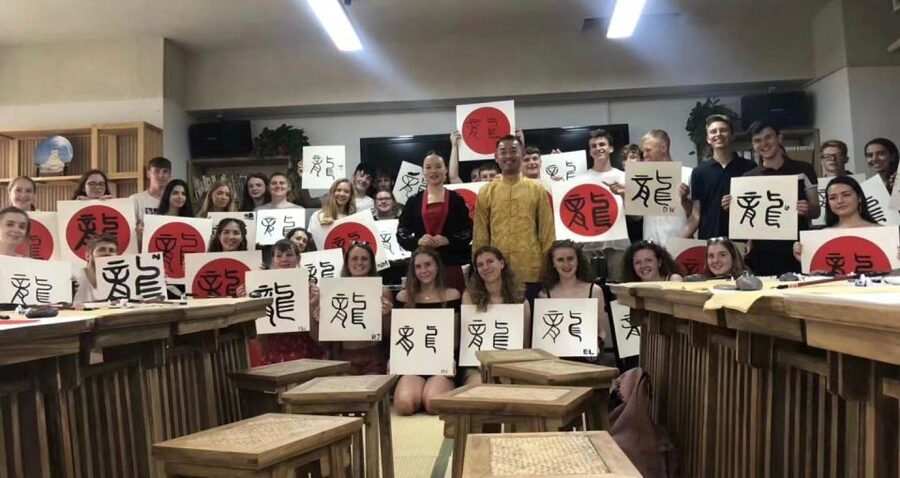
The best part of this experience is the demonstration. The tea master performs each step with purpose, creating a sensory lesson rather than a simple beverage stop.
You will see the pot warmed before the leaves are prepared. You will watch the tea poured into small cups. These details show why Chinese tea service is often treated as an art. The process shapes the mood and encourages you to pay attention.
The ceremony also gives you a useful answer to a common question: how should you enjoy tea? The answer here is to slow down and use more than your sense of taste. Look at the color, notice the aroma, take a small sip, and compare the finish with the previous cup.
There is no mention of hands-on brewing by each participant. The information promises a demonstration, so book this expecting to watch and taste rather than to operate the tea equipment yourself.
That is not a flaw for every visitor. If you want a calm cultural experience with clear guidance, watching an expert can be more pleasant than trying to manage unfamiliar tools. If you specifically want a practical workshop, this 30-minute format may feel too limited.
What the $9.90 price really buys
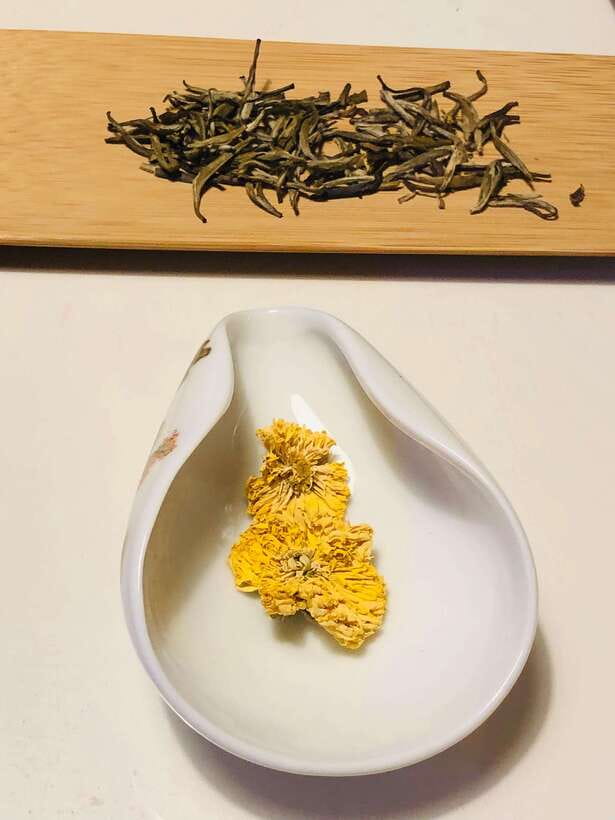
At $9.90 per person, the ceremony is priced as an easy cultural add-on. You receive the tea ceremony and five mini cups, with no separate charge for the tasting itself. For a short activity in central Beijing, that is a modest way to spend part of an afternoon.
The value depends on what you want. If you want a quick introduction to tea culture, the price is strong. You get several tea styles, an explanation through demonstration, a welcoming tea master, and a chance to ask questions during the session.
The value is weaker if you are looking for a long class, a full meal, or a large quantity of tea to take home. Shopping expenses are not included, and any tea you buy afterward will increase the total cost.
I would treat the fee as payment for access to a cultural ritual and guided tasting, not as a bargain tea purchase. You are paying for the setting, the service, the demonstration, and the chance to taste five varieties in one sitting.
The activity is booked an average of 33 days in advance. That suggests you should reserve ahead if it fits your schedule, especially if you are traveling during a busy period. The maximum group size is 15, so the experience is not entirely private, but it should remain more personal than a large bus excursion.
Who will enjoy this most
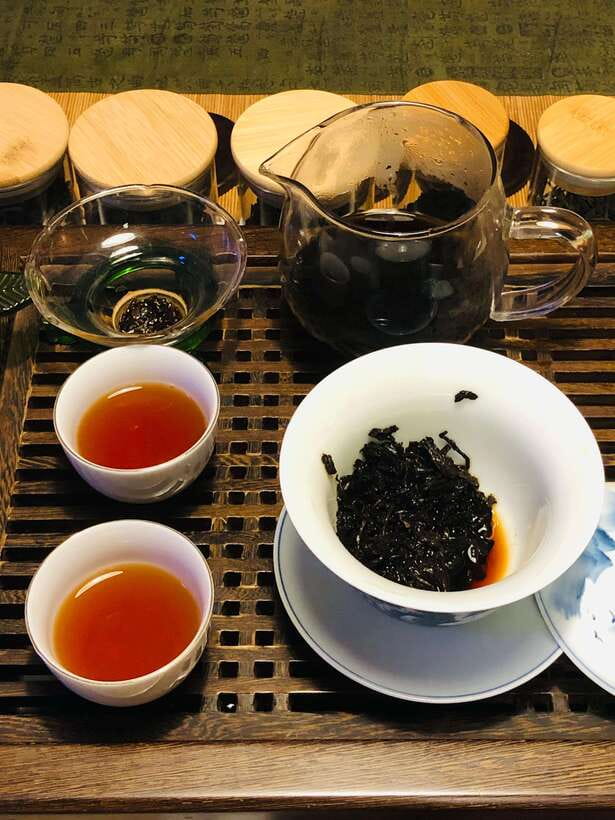
This ceremony suits you if you want to add a small cultural activity to a busy Beijing itinerary. It is especially useful for first-time visitors who would like context for tea customs without committing to a long lecture.
Families can also make good use of it. The short duration helps younger children stay engaged, and the visual steps of warming, pouring, and serving give them something concrete to watch. The tea tasting itself may appeal more to adults, but the ceremony is presented as suitable for children too.
Tea drinkers will appreciate the chance to compare several styles in one place. You might discover that jasmine tea suits you more than Pu-erh, or that flower tea catches your interest because of its appearance. The tasting lets you make that choice before shopping.
This is less suitable for you if you want a full neighborhood tour, a private guide, or an advanced lesson in tea production. No general tour guide is included, and the experience ends at the original meeting point rather than continuing into a wider Beijing tour.
The optional tea purchase
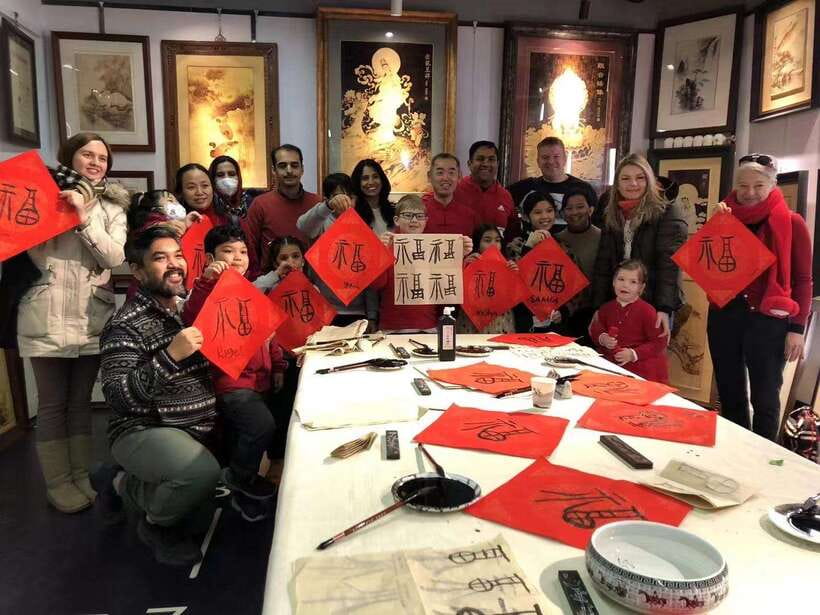
After the ceremony, you may purchase tea to take home and share with family or friends. This is entirely at your own expense, so you can leave without buying anything.
That optional stop can be useful if one of the five teas appeals to you. Since you have tasted several styles first, you are in a better position to make a personal choice than you would be in a shop with no tasting context.
Take care with your budget. The $9.90 price does not include shopping, and the experience does not say what brands, quantities, or prices will be available. Buy only if you want the tea, not because you feel the ceremony requires it.
Once the activity is over, the tea master manager can walk you back to the meeting point or to Jianguomen Subway station. The stated end point is the original meeting point, so confirm the walk to the station on the day if that route is useful for your plans.
Timing, transport, and group size
The 30-minute duration is accurate for the core activity, but allow extra time for meeting up, settling in, and any optional tea purchase. If you have a tight restaurant reservation or a timed attraction afterward, do not schedule it immediately at the end.
The location is near public transportation, and Jianguomen Subway station is an available walking destination after the ceremony. The exact walking time is not provided, so you should not assume the station is just outside the meeting point.
Most people can participate. No special fitness requirement is listed, and the activity is primarily seated or stationary tea tasting. The information does not provide detailed accessibility specifications, so anyone with particular mobility needs should confirm the setup before booking.
A maximum of 15 participants keeps the group moderate. You may not receive the personal attention of a private session, but the group should still allow you to see the tea master’s movements and follow the demonstration.
Booking ahead and cancellation terms
Confirmation arrives at the time of booking, and the experience uses a mobile ticket. That makes it convenient for a phone-based Beijing itinerary, though you should keep your device charged and have the meeting details easy to find.
Free cancellation is available if you cancel at least 24 hours before the local start time. Cancellations or changes made inside that 24-hour window are not accepted for a refund, so check your Beijing schedule before the deadline.
The provider is Hutong Calligraphy Class, although this activity itself focuses on tea rather than calligraphy. The ceremony is a separate cultural experience centered on brewing, tasting, and tea appreciation.
Should you book this Beijing tea ceremony?
Book it if you want a low-cost, short cultural stop with five tea samples and a clear demonstration of traditional brewing. The friendly welcome from Richard and the tea master, the central meeting point, and the optional walk toward Jianguomen Subway station make it easy to fit into a day.
Skip it if you want a long tea course, a private guide, or a fully planned sightseeing experience. At 30 minutes, this is a sampler. For $9.90, I think it works best as a calm pause between bigger Beijing attractions, especially for first-time visitors, families, and anyone curious about Chinese tea without wanting a major time commitment.
FAQ
How long does the tea ceremony last?
The ceremony lasts approximately 30 minutes.
Where does the activity begin?
It begins at Jian Nei Da Jie in Dongcheng District, Beijing, with Chang An Grand Theater listed as the stop.
Where does the activity end?
The activity ends back at the meeting point. The tea master manager can also walk you to Jianguomen Subway station.
How many teas are included?
Five mini cups of tea are included.
Which types of tea might be served?
The ceremony may include oolong, Pu-erh, green tea, jasmine tea, and flower tea.
Is a general tour guide included?
No. A general tour guide is not included. A tea master leads the ceremony and demonstrates the brewing process.
Can children participate?
Yes. The activity is described as suitable for both adults and children.
How large can the group be?
The maximum group size is 15 people.
Can I buy tea afterward?
Yes. You may purchase tea after the ceremony, but shopping is optional and the cost is not included.
Can I cancel for a full refund?
Yes, if you cancel at least 24 hours before the experience start time. Cancellations or changes made less than 24 hours ahead are not refunded.
Newly listed around Beijing
- Shore Excursion: 2-Day Private Beijing Sightseeing Tour from Tianjin Cruise Port★ 5.0 · 6 reviews
- Private Transfer: Tianjin Xingang International Cruise Home Port to Beijing Hotel★ 5.0 · 6 reviews
- Tianjin Private Day Trip to Forbidden City and Mutianyu Great Wall by Bullet Train★ 5.0 · 5 reviews
- Bullet Train Private Tour: Beijing Tiananmen Square, Forbidden City & Great Wall★ 5.0 · 3 reviews
- Private Great Wall Tour from Tianjin Cruise Port★ 5.0 · 8 reviews
- Private One Way Tianjin Port Transfer to Beijing including Great Wall Sightseeing★ 5.0 · 4 reviews
- Shanghai to Beijing Bullet Train Ticket with Hongqiao Station Transfer★ 5.0 · 5 reviews
- Private Mutianyu Great Wall Tour with Bullet Train Experience★ 5.0 · 3 reviews
Tea Ceremonies, compared.

One-Day Hangzhou Dragon Well Tea Culture & West Lake Private Tour
Read our review →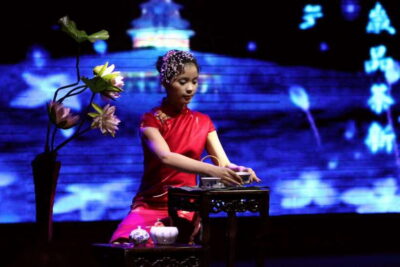
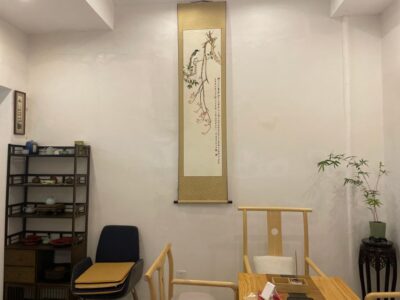
Chinese Tea ceremony in Beijing Hutong courtyard
Read our review →
Leshan Buddha + Panda Base or Old Tea House Private Day Tour
Read our review →
Day Tour to Discover the Secrets of Hangzhou’s Tea Culture
Read our review →Browse the lists this tour appears in