
Reviewed · CRAFT WORKSHOPS IN SHANGHAI
Shanghai Mahjong Experience: Discover Art of Chinese Mahjong
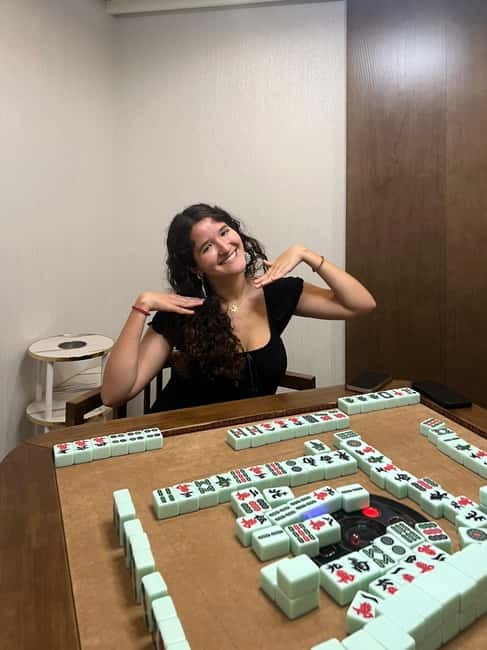
Shanghai’s Mahjong experience turns a complicated table game into a friendly cultural lesson. You meet at Chinese Tea & Bar, at No. 327 Shan Xi Nan Road, near the former French Concession and Tianzifang, then spend three hours learning the game with a professional Mahjong master and a private English translator. You do not need any previous knowledge.
I like the local tea-house setting, which gives the lesson a social feel rather than making it seem like a formal class. I also like the chance to use China’s automatic Mahjong machines, a practical detail that connects the old game with modern Chinese leisure. The main drawback is that $112 per person is a serious price for a game lesson, especially if you are not sure Mahjong appeals to you.
Key points
- Learn beside a professional Mahjong master, not from a printed rule sheet or a quick tourist demonstration.
- Play in a Chinese tea house near Tianzifang, in the former French Concession area.
- Use automatic Mahjong machines, which are common in casual and competitive play in China.
- Get private English translation, so the rules, strategy, and cultural meaning are easier to follow.
- See why Mahjong matters at family gatherings, celebrations, and community events.
- Book a private three-hour session, with free cancellation up to 24 hours before the start time.
Why Mahjong makes a good Shanghai cultural experience
Mahjong is much more than a pastime played around a table. It is a social game tied to family life, celebrations, and everyday connection in China. A lesson gives you a way to understand that side of Chinese culture through participation rather than observation.
The game developed during the Qing Dynasty and has changed over time. Its enduring appeal comes partly from the way it brings people together. Families may play during gatherings, and friends can use a game as a reason to sit, talk, and spend an evening together.
You also get a look at the mental side of Mahjong. The game calls for concentration, memory, and strategic thinking. I would not book this experience as a health treatment, but it is easy to see why people value it as a form of mental exercise.
For a first visit to Shanghai, this is a useful change of pace after major sights and crowded shopping streets. You spend time doing something that people in China actually do for relaxation. That makes the experience more personal than simply visiting another landmark.
More Craft Workshops in Shanghai
- 2-Hour Private Chinese Ink and Brush Painting Workshop in Shanghai
★ 5.0 · 15 reviews - Unlock Chinese Tea: Culture, Science, Tasting & Hands-on Brewing
★ 5.0 · 12 reviews - Zhujiajiao Water Town: Boat Ride, Opt for Hands-on Dumpling Meal
★ 5.0 · 7 reviews
Meeting near Tianzifang and the former French Concession
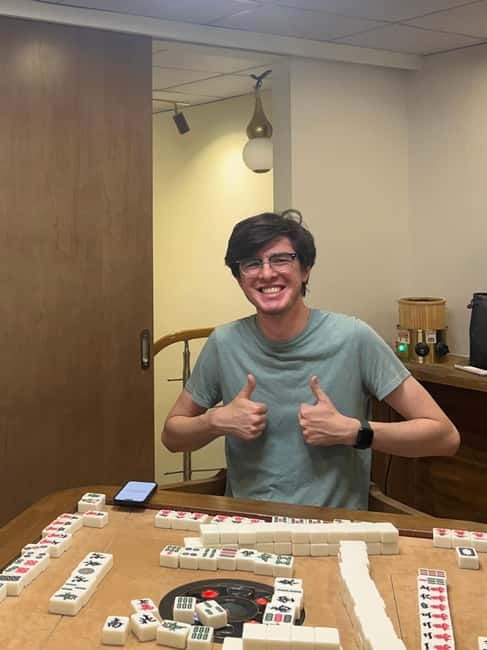
Your guide waits at No. 327 Shan Xi Nan Road, at Chinese Tea & Bar. The meeting point is in the former French Concession area and close to Tianzifang, so you can pair the session with a visit to that part of Shanghai before or after your lesson.
A second meeting instruction gives Jia Shan Road Exit No. 2 of Metro Lines 9 and 12 as the first meeting point. Confirm the exact meeting arrangement before you set out, since the information provides both the tea house address and the nearby metro exit.
Transportation is not included. Pick-up and drop-off can be arranged for an extra charge if needed. That matters if you are staying far from central Shanghai or prefer door-to-door transport, but most independent visitors will want to plan their own way to the meeting point.
Give yourself time to find the tea house. Shanghai addresses can take a little patience, and it is better to arrive calm and ready to learn than to rush in after a confusing walk from the station.
Beginning with the rules and the story
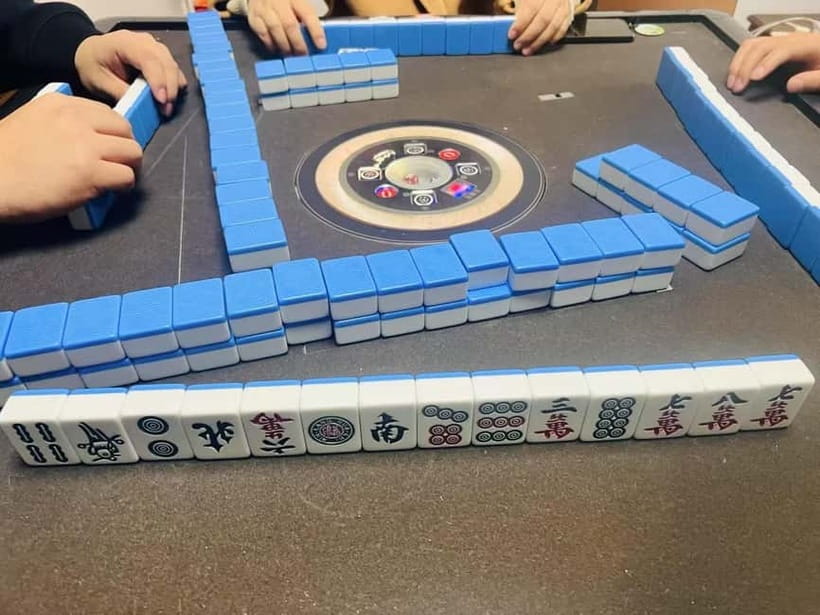
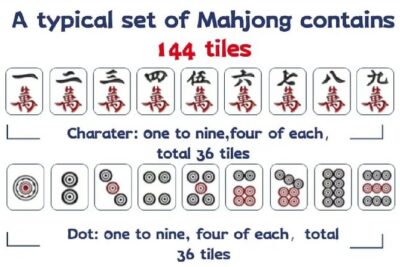
The first part of the session introduces the basic rules, techniques, and general structure of Mahjong. The instructor starts at beginner level, so you are not expected to recognize the tiles or understand the scoring before you arrive.
The English translator is important here. Mahjong can become confusing when several new terms, patterns, and decisions appear at once. Private translation lets you ask questions as they arise and follow the explanation without guessing at what the instructor means.
The lesson also places the game in its Chinese setting. You learn how Mahjong developed, how it changed over time, and why it remains important in modern Chinese society. The cultural background gives the rules a purpose. You are not simply memorizing a new game. You are learning why it has remained part of family and community life.
Do not expect to master every detail right away. Mahjong has a learning curve, and three hours is enough to give you a working introduction, not years of experience. Steven from France described needing time before the game began to make sense, then gradually started to understand how it worked. That is a realistic expectation for you too.
Playing with a professional Mahjong master
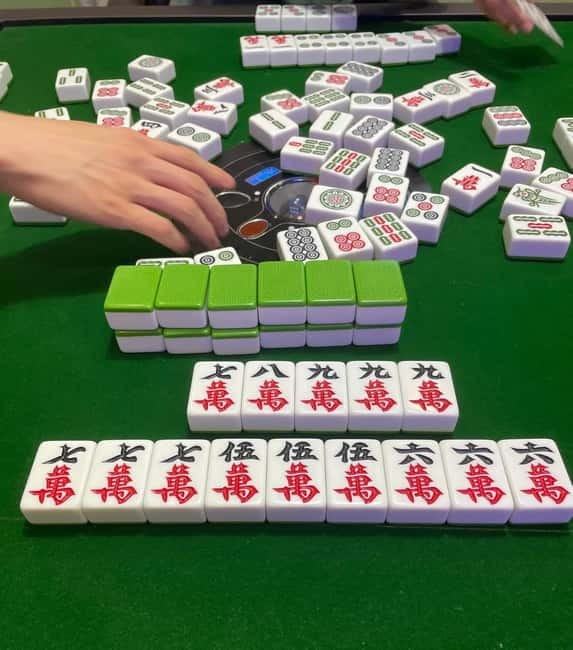
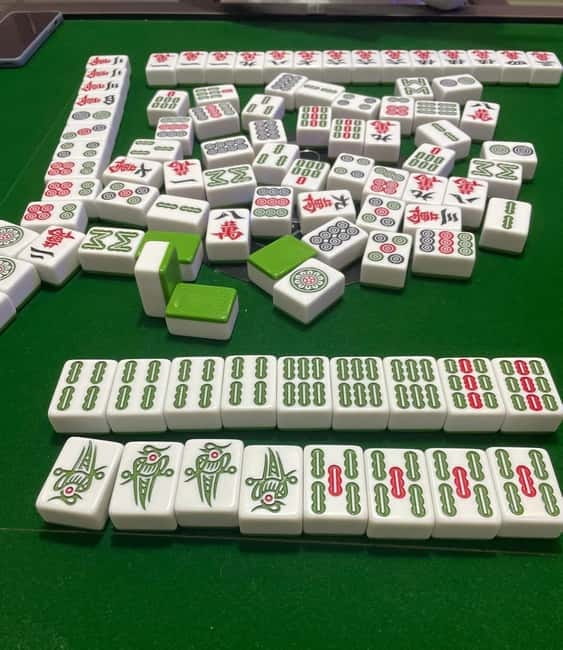
After the introduction, you get hands-on practice with a professional Mahjong master. This is the heart of the experience. Rules make more sense once tiles are in front of you and you must decide what to do next.
A professional player can show you how the game works in real time. You can ask about a move, see how a hand develops, and learn through repeated play instead of trying to hold every rule in your head at once.
The session is designed for beginners, but it also suits someone who has played before and wants to improve. If you already know the basic mechanics, use your time to ask about strategy, common play, and how Mahjong fits into Chinese social life.
The private format helps here. You are not placed into a large class where the instructor must move at the pace of several unrelated groups. Your translator and teacher can focus on your questions and adjust the explanation to your level.
The experience is not described as a formal tournament or a competitive match. Think of it as guided play, with instruction built into the game. You get a taste of the thought process and the social rhythm without needing to perform like an expert.
Same base, a completely different kind of day out:
- Authentic Local Food Tour in Central Shanghai
★ 5.0 · 1,382 reviews - Zhujiajiao Water Town and Shanghai City Private Day Tour
★ 5.0 · 1,016 reviews - Private Shanghai Full Day City Tour with Old and New Highlights
★ 5.0 · 995 reviews - Shanghai: Hop-on Hop-off Bus Ticket and Optional Attractions
★ 3.4 · 692 reviews
Trying China’s automatic Mahjong machines
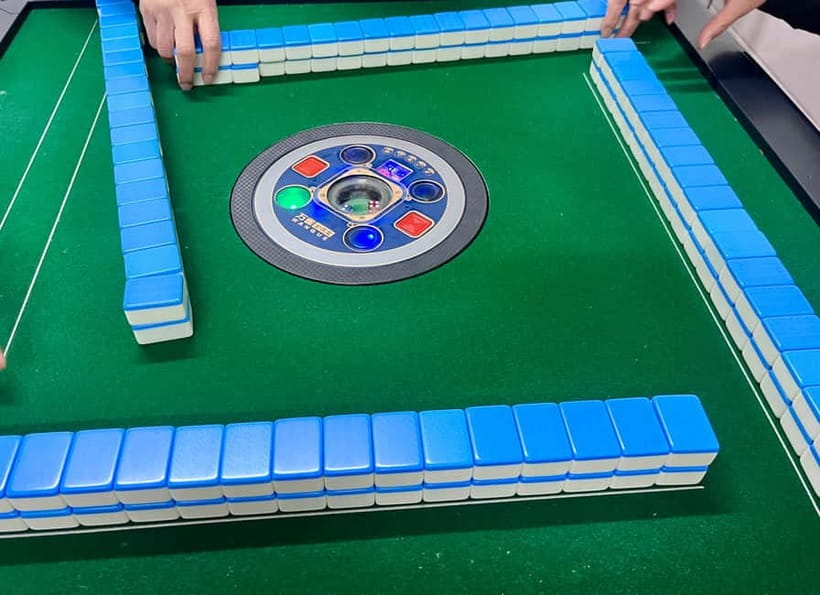
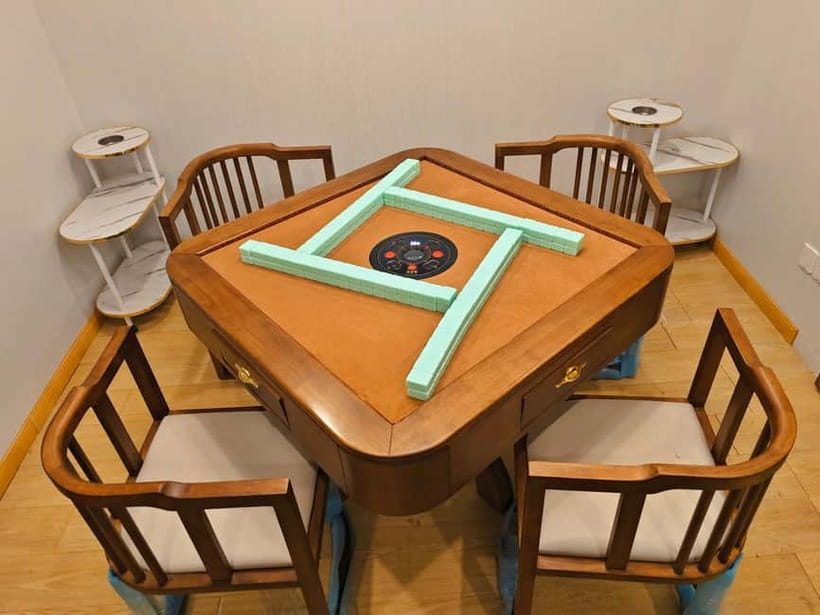
One of the most distinctive parts of the session is the chance to use an automatic Mahjong machine. These machines are common in casual and competitive play in China, so they show you how the game is handled in a modern setting.
For someone who knows Mahjong only from films or family stories, this can be an unexpected detail. The game has an old social role, but the equipment is not stuck in the past. Automatic tables help manage the tiles and prepare the next round, making the process quicker and more convenient.
The machine experience also adds practical value to the lesson. If you later see a Mahjong table in China, you will have a better idea of what is happening. You can connect the traditional rules with the way people play today.
The provided details do not promise a full technical lesson about the machine, so do not book this expecting a workshop on its inner workings. You will get the chance to experience automatic Mahjong equipment as part of the broader session.
Tea, conversation, and the social side of the game
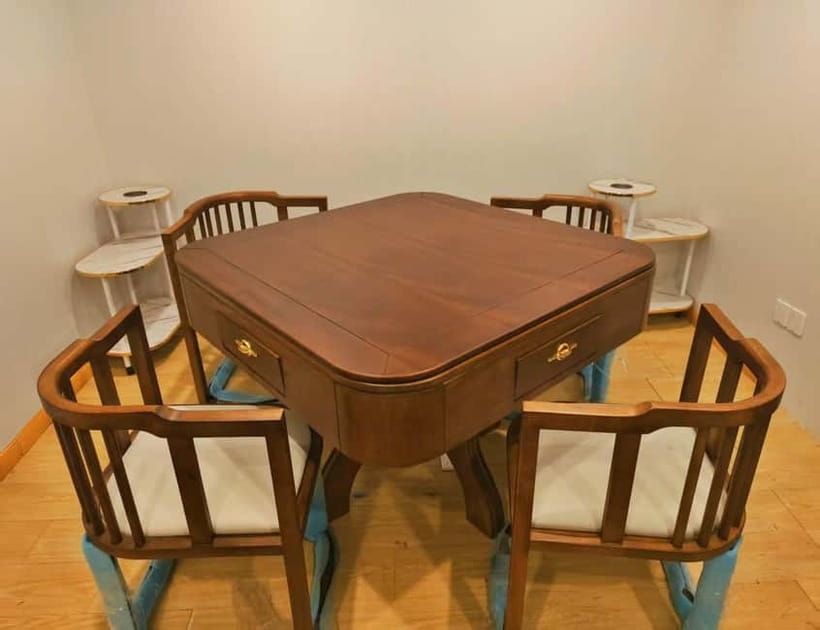
Chinese Tea & Bar gives the activity a relaxed setting. Tea and drinks are not included in the price, but the tea-house atmosphere forms an important part of the experience.
Sue from the United States described an enjoyable evening with traditional tea service, a pleasant setting, and welcoming local players. That detail helps set the right expectation. This is not only a rules class. It is also a chance to sit with people, share a table, and see how Mahjong creates conversation.
Food and drinks cost extra, so budget for them if you want to order something during the session. The tea-house setting may appeal most to people who enjoy slower cultural activities and conversation. If you want a fast attraction that delivers constant sightseeing, this will feel less active.
Mahjong works well in this setting because it is built around social contact. You are learning a game, but you are also seeing how a table can serve as a meeting place for several generations and different groups of friends.
Is $112 per person good value?
At $112 per person, this is not a cheap way to spend three hours in Shanghai. You can find many low-cost activities in the city, and Mahjong itself is not an expensive pastime once you know how to play.
The price makes more sense if you value private instruction and translation. You receive a professional teacher, a private English translator, guided play, cultural context, and access to automatic Mahjong machines. Those elements would be difficult to arrange on your own, especially if you do not speak Chinese.
The value also depends on your interests. If Mahjong has always puzzled you, or if you want an activity linked to everyday Chinese life, the lesson offers something specific and memorable. If you are only mildly curious, the cost may feel high for a game you might not continue playing.
I would especially consider it for a repeat visitor to Shanghai, a couple looking for a quieter afternoon, or a small private group that has already seen the city’s major sights. It also suits anyone with a family connection to Mahjong who wants to understand the game in its Chinese setting.
The price does not include food, drinks, or transportation. Add those costs if you need a pick-up service or want to enjoy tea during the lesson.
Who should book this Mahjong lesson?
This activity is a good match for:
- First-time Mahjong players who want patient instruction.
- People who enjoy board games, strategy, and mental challenges.
- Visitors interested in family customs and everyday Chinese culture.
- Couples or private groups seeking a slower activity near Tianzifang.
- Anyone who wants an English explanation rather than trying to follow a Chinese-only game.
It may not suit you if you want a major sightseeing tour, a packed schedule, or a short demonstration with little participation. The session asks you to concentrate and accept that Mahjong takes time to understand.
The three-hour duration is useful because it allows time for explanation, questions, practice, and actual play. A shorter session might introduce the tiles but leave you without enough time to get comfortable. Here, you can begin slowly and improve as the lesson continues.
The activity is wheelchair accessible, and it is offered as a private group. English is the stated tour language, supported by the private translator.
Practical details before you go
You can reserve now and pay later, which helps if you are still arranging your Shanghai schedule. Free cancellation is available up to 24 hours before the start time for a full refund.
Starting times vary, so check availability for your chosen date. The experience lasts three hours, and the exact meeting point should be confirmed because the directions refer both to Chinese Tea & Bar at No. 327 Shan Xi Nan Road and Jia Shan Road Metro Exit No. 2.
Wear something comfortable for sitting and concentrating. The supplied information does not give a dress code or a detailed seating arrangement, so you should ask the provider if you have specific mobility needs beyond the stated wheelchair access.
Remember that the activity includes instruction and translation, but not food, drinks, or transport. If you want a more relaxed tea-house visit, plan for those extras rather than assuming they are part of the $112 price.
Should you book this Shanghai Mahjong experience?
Book it if you want to understand a living part of Chinese social life and are willing to spend three hours learning a game that takes patience. The tea-house setting, professional Mahjong master, English translator, and automatic tables give the session more substance than a quick cultural demonstration.
I would be cautious if your budget is tight or if Mahjong does not interest you at all. At $112, the experience needs to be a deliberate choice, not a last-minute filler between major sights.
For the right person, it is a memorable Shanghai activity. You leave with more than a few rules. You gain a better sense of why Mahjong remains part of family gatherings, celebrations, and ordinary social time in China.
FAQ
Do I need previous Mahjong experience?
No. The activity is designed for beginners, and no prior knowledge is required. You only need an open mind and a willingness to learn.
Where does the Mahjong experience meet?
The main meeting point is Chinese Tea & Bar at No. 327 Shan Xi Nan Road, near Tianzifang in the former French Concession area. The directions also mention Jia Shan Road Exit No. 2 of Metro Lines 9 and 12, so confirm the exact meeting point before arrival.
Is the experience conducted in English?
Yes. The activity includes a private English translator and an English-speaking live tour guide.
How long does the activity last?
The Mahjong lesson lasts three hours. Starting times depend on availability for your selected date.
Are food and drinks included?
No. Food and drinks are not included in the price. You can arrange them separately at your own cost.
Is transportation included?
No. Transportation is not included, but pick-up and drop-off can be arranged for an additional charge if needed.
Newly listed around Shanghai
- shanghai Disney+shanghai one day city highlights tour (two days)★ 5.0 · 4 reviews
- shanghai Disney tour★ 5.0 · 12 reviews
- Zhujiajiao Water Town and Shanghai City Highlights Private Day Tour★ 5.0 · 3 reviews
- Zhujiajiao Water Village & Seven Treasure Town Day Tour from Shanghai★ 4.0 · 8 reviews
- Zhujiajiao Water Town Private Tour with Local Farm Visit and Fruit Picking★ 5.0 · 3 reviews
- Zhujiajiao Water Town Self-Guided Tour with Private Transfer from Shanghai★ 5.0 · 7 reviews
- Xitang Water Town Self-Guided Tour from Shanghai with Private Transfer★ 5.0 · 5 reviews
- Xitang Water Village Sunset Tour with Riverside Dining Experience from Shanghai★ 4.5 · 45 reviews
Craft Workshops in Shanghai, compared.
2-Hour Private Chinese Ink and Brush Painting Workshop in Shanghai
Read our review →
Unlock Chinese Tea: Culture, Science, Tasting & Hands-on Brewing
Read our review →Zhujiajiao Water Town: Boat Ride, Opt for Hands-on Dumpling Meal
Read our review →
Browse the lists this tour appears in