
Reviewed · CRAFT WORKSHOPS IN SHANGHAI
Shanghai: Hands-on Incense Tablet Making Class
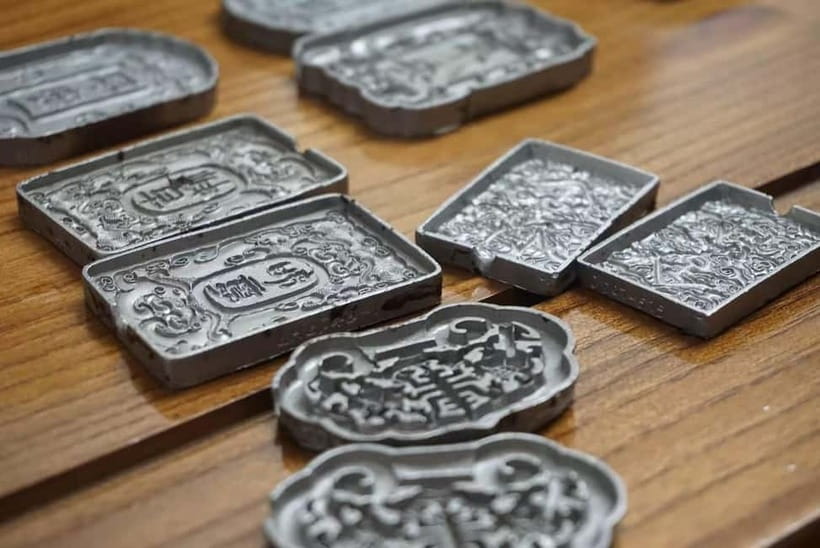
Shanghai’s incense tablet workshop turns an old Chinese custom into a calm, practical activity. You learn how fragrances once served ritual, medical, and everyday purposes, then make your own tablet from natural ingredients and plant-based essential oils. The carved molds add meaning, with bats for luck, lotus flowers for purity, and zodiac animals among the choices.
I like the quiet, private setting and the clear step-by-step instruction. I also like that you leave with a useful souvenir, not just a photograph. The main consideration is time: at 1.5 hours, this is a compact introduction rather than a long craft course, and your tablet needs time to dry before its aroma fully settles.
Key points at a glance
- Create a real take-home keepsake: Shape and mold your own incense tablet, then receive it in elegant souvenir packaging.
- Use natural materials: The workshop uses natural ingredients and plant-based oils without synthetic additives.
- Choose meaningful designs: Pick molds showing bats, lotus flowers, zodiac animals, and other traditional symbols.
- Enjoy a calm private session: Your group has a dedicated experience, with an instructor available in English, Chinese, Korean, or Japanese.
- Add tea and photos: Tea tasting and experience photos are included, giving the class a little more substance than a basic craft lesson.
- Meet at a yellow historic villa: The exact address and meeting instructions arrive by WhatsApp after booking.
Why an incense tablet makes a good Shanghai souvenir
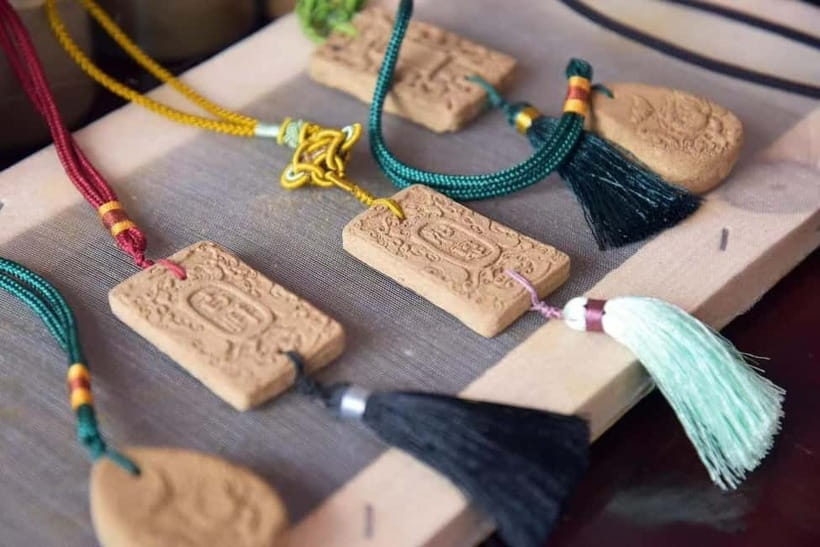
Many Shanghai souvenirs are easy to buy and easy to forget. A handmade incense tablet is different because you take part in making it. You also get an object with a practical use, such as a car pendant, wardrobe sachet, bag decoration, or decorative charm.
The tablet carries a small piece of China’s long fragrance tradition. The introduction covers roughly 2,000 years of incense culture and explains how materials such as sandalwood, musk, and amber were used in ritual settings, medicine, and ordinary daily life. This background gives meaning to the work at the table. You are not simply pressing scented clay into a shape.
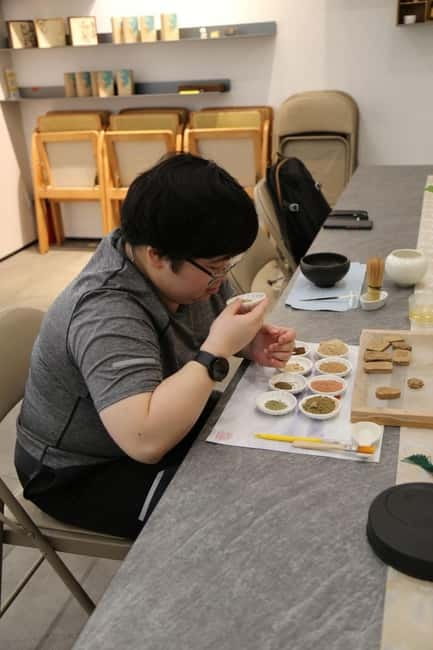
I find the format especially suitable for people who want cultural context without committing to a full museum visit. The history is delivered through the materials in front of you, which makes it easier to remember. You hear about fragrance, then smell and handle ingredients before shaping your own piece.
The class also suits families, couples, small private groups, and work teams. Everyone can work at a different pace, and the activity does not require drawing skills or previous craft experience. If your group includes people with different interests, this offers a shared task without turning the session into a competition.
More Craft Workshops in Shanghai
- 2-Hour Private Chinese Ink and Brush Painting Workshop in Shanghai
★ 5.0 · 15 reviews - Unlock Chinese Tea: Culture, Science, Tasting & Hands-on Brewing
★ 5.0 · 12 reviews - Zhujiajiao Water Town: Boat Ride, Opt for Hands-on Dumpling Meal
★ 5.0 · 7 reviews
Arriving at the yellow historic villa
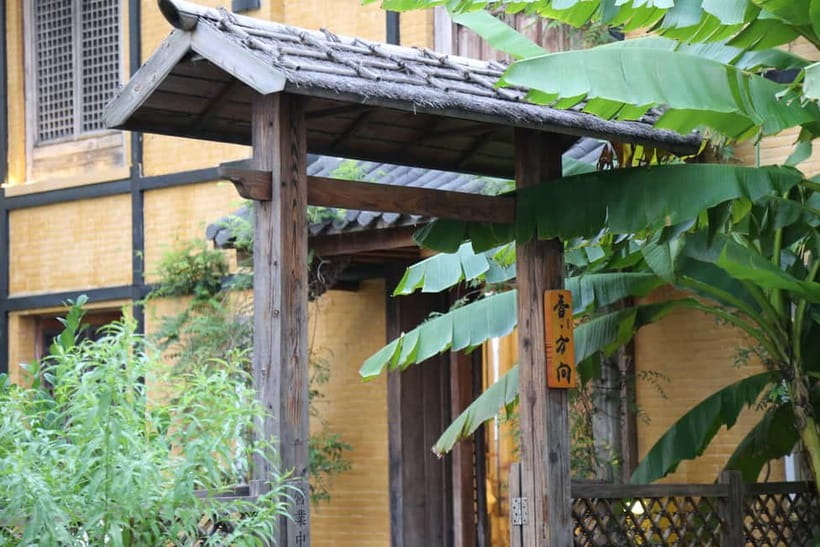
The meeting point is described as a yellow historic villa. You receive the full address and meeting details through WhatsApp after your booking is confirmed, so check that message carefully before setting out. This is one of the practical points to handle in advance, since the general meeting description alone is not enough for finding the door.
There is no hotel pickup or drop-off. You make your own way to the venue, and the operator provides WhatsApp support for questions or immediate help. I would save the address, meeting time, and contact number before leaving your hotel, especially if you are relying on a phone connection that may be unreliable.
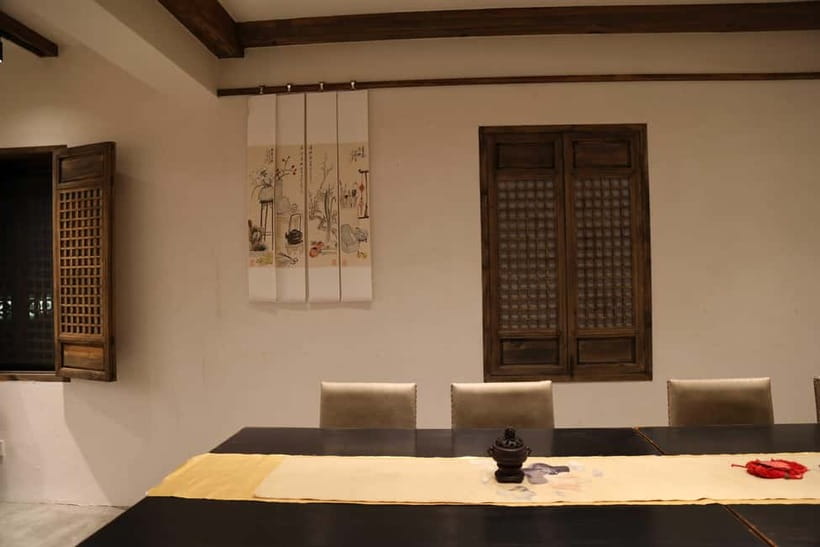
The setting sounds suited to a focused workshop rather than a large public demonstration. The experience is a private group activity, and the room is described in the available information as clean, bright, and well organized. That matters when you are working with small tools, molds, cords, beads, and fragrant ingredients.
A separate entrance is available for the activity, which can make arrival simpler. Wheelchair access is also listed. If you have specific mobility needs, use the WhatsApp contact before arrival so the meeting details are clear.
A short introduction to 2,000 years of fragrance
The session begins with an explanation of Chinese incense culture. You learn about the place of fragrance in rituals, traditional medicine, and daily routines. Sandalwood, musk, and amber are among the fragrances discussed, giving you a useful sense of how different materials shaped the old incense tradition.
This opening is brief enough to keep the class moving. It is not presented as a long academic lecture. That balance is important because the real focus is making the tablet, but the cultural explanation helps you understand why incense tablets carry symbolic and practical value.
The session also connects fragrance with wellness and aromatherapy. One tablet may be used in a wardrobe, hung in a car, or kept as a small decoration. The supplied information describes the finished scent as subtle and long-lasting, with an aroma that can remain for years.
Treat any health claims with care. The activity may discuss traditional uses and possible benefits, including help with sleep, but it is best to view the tablet as a cultural fragrance product rather than a medical treatment. That keeps expectations sensible while still allowing you to enjoy the calming quality of the scent.
Mixing natural ingredients and plant-based oils
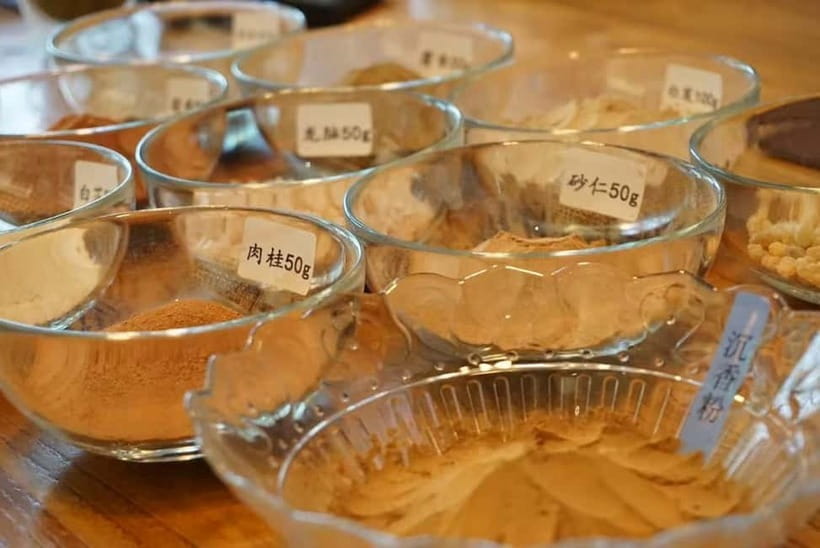
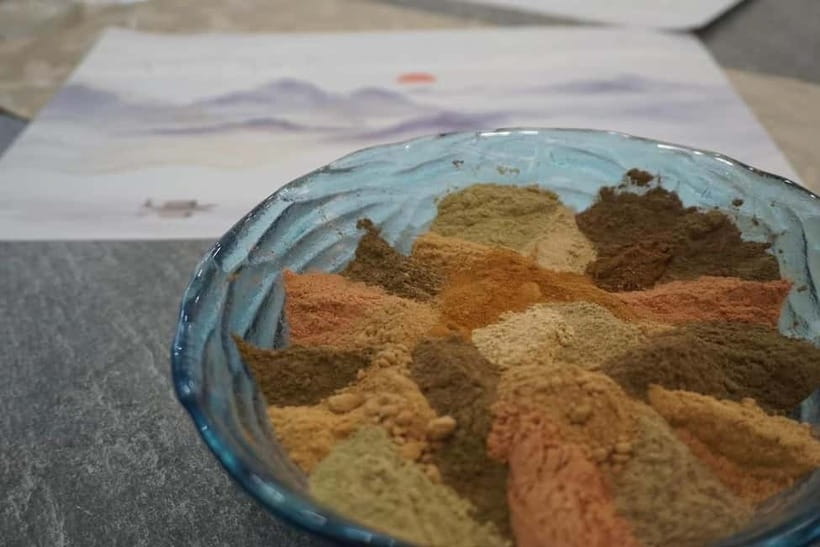
The hands-on portion starts with material preparation. You mix natural ingredients with plant-based essential oils according to traditional ratios. The materials are presented as eco-friendly and free from synthetic additives, which will appeal to you if you prefer a more natural craft experience.
This stage is less glamorous than pressing the final design, but it is where the texture and scent begin to take shape. The instructor guides the proportions and helps you understand how the mixture should feel. Since the workshop is designed for beginners, you do not need to arrive knowing how incense is made.
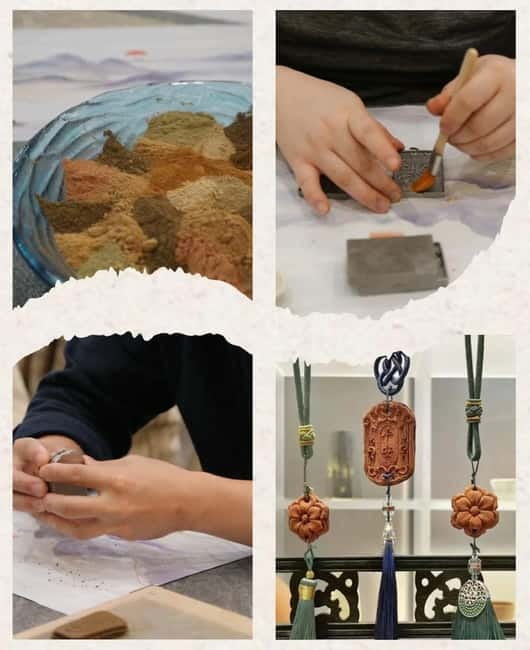
You then knead the fragrant clay until it becomes smooth. The process is simple but tactile, and it gives the activity a pleasant rhythm. You can expect to spend time working the material rather than rushing straight to the mold.
The instruction is hands-on. The teacher demonstrates the right pressure and reminds you about small details as you work. This is useful because too little pressure can leave an incomplete design, while too much can distort the edges.
Same base, a completely different kind of day out:
- Authentic Local Food Tour in Central Shanghai
★ 5.0 · 1,382 reviews - Zhujiajiao Water Town and Shanghai City Private Day Tour
★ 5.0 · 1,016 reviews - Private Shanghai Full Day City Tour with Old and New Highlights
★ 5.0 · 995 reviews - Shanghai: Hop-on Hop-off Bus Ticket and Optional Attractions
★ 3.4 · 692 reviews
Pressing bats, lotus flowers, and zodiac animals
Once the clay is ready, you select a carved mold. The designs include bats, which symbolize luck, lotus flowers linked with purity, and zodiac animals. These choices give the souvenir a personal angle, even though the basic method is traditional.
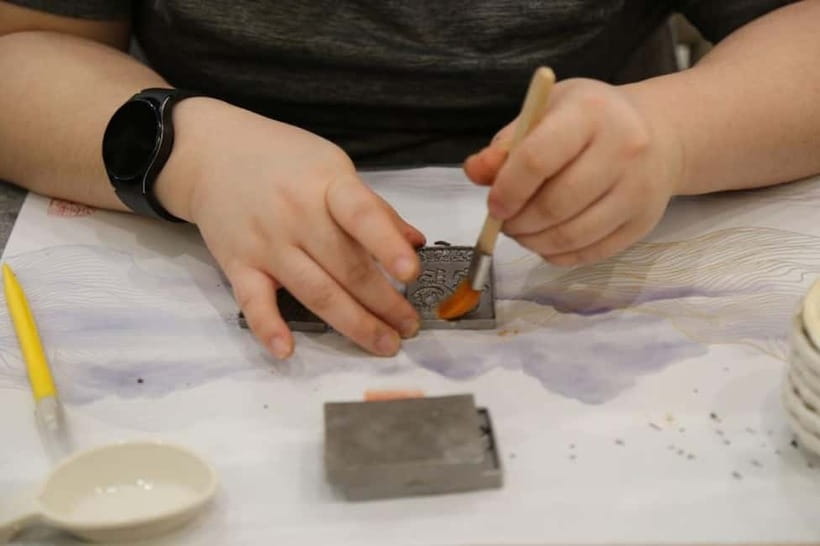
The mold is where the class becomes especially visual. You press the fragrant clay into the carved pattern, then remove it carefully and refine the edges. The goal is a clean shape with enough detail for the design to remain clear after drying.
I like this part because it gives you a decision to make before the work begins. A bat may suit someone who wants a luck symbol. A lotus offers a quieter, more graceful image. A zodiac animal can make the gift more personal, particularly if you are making it for a family member.
Your instructor shows you how much force to use and how to handle the mold. This guidance is one of the strongest reasons to choose a class instead of buying a ready-made tablet. You learn the small technique that makes the final piece look finished rather than roughly pressed.
The edge work matters. After the main impression is made, you refine the sides for a polished appearance. The process does not require artistic training, but it rewards patience. If you hurry this stage, the tablet may look less neat than it could.
Decorating your tablet with cords or beads
After shaping the tablet, you can personalize it with decorative cords or beads. This adds a second layer of choice and helps turn the piece into something you can hang from a bag, car, or wardrobe.
The decoration also affects the final look. A simple cord keeps the focus on the carved design, while beads can make the tablet feel more like a small ornament. You do not need to follow one fixed style, which makes the activity work well for groups with different tastes.
The class is not only about producing a perfect object. It is also about learning how traditional decoration and scent can work together. A tablet can be useful and decorative at the same time, which is why it packs well as a gift.
Your piece is placed in souvenir packaging at the end. Since the tablet needs to dry, you may not leave with a fully hardened object. The practical approach is to transport it carefully, allow it to dry as instructed, and then use or hang it once ready.
Tea, photographs, and the slower pace of the room
Tea tasting is included, adding a quiet pause to the crafting. It gives you a chance to enjoy the setting and talk with the instructor without keeping your hands busy. For a short class, this makes the experience feel more complete.
Experience photos are included as well. You can take home photographs of the traditional cultural activity, which is useful if your group wants a record of the process rather than only the finished tablet. It also means you do not have to spend the entire class taking pictures yourself.
The workshop has a calm feel. The available feedback describes an orderly room where tools and materials are arranged neatly, with few interruptions. That is an important contrast to some city activities, where the surrounding noise becomes part of the experience.
I would still keep your expectations realistic. This is a private craft session, not a full tour of Shanghai’s historic districts or a visit to several incense sites. Its strength is concentration: for 90 minutes, you focus on scent, texture, symbolism, and making one small object.
What the $78 price includes
The price is $78 per person. For that fee, you receive the private class, all materials, tea tasting, souvenir packaging, experience photos, and WhatsApp customer service.
The value depends on what you want from a Shanghai activity. If you only want a low-cost souvenir, buying incense in a shop will be cheaper. If you want instruction, cultural background, a private setting, and a finished piece made by your own hands, the price is easier to justify.
I see the strongest value in the number of elements packed into 1.5 hours. You get a cultural explanation, material preparation, molding, decoration, tea, photos, and packaging. The workshop also removes the risk of buying a tablet without knowing its ingredients or symbolism.
The short duration helps fit it into a busy Shanghai schedule. You can place it between sightseeing stops without giving up an entire morning or afternoon. On the other hand, anyone seeking a serious craft apprenticeship may find the session too brief.
There is no tip included, and hotel transportation is not provided. Plan for those costs and tasks separately. The price is clearest when you treat this as a private cultural workshop with a keepsake, not as transport or a full-day sightseeing tour.
Who will enjoy this workshop most
This activity suits you if you like making something with your hands and want more context than a simple souvenir shop can offer. Beginners are welcome, and the instructor guides each step, so you do not need previous experience.
Families can use it as a shared activity. Children may enjoy the kneading, pressing, and choice of animal or flower designs, though adults should help with the finer shaping and decoration. The private format makes it easier for a family to work at its own pace.
It also fits couples and friends who want a calm break from city sightseeing. The activity gives you something to talk about and do together, without demanding athletic ability or a high level of concentration.
Wellness-minded visitors may appreciate the scent and the connection with aromatherapy and traditional Chinese medicine. Keep the focus on enjoyment and cultural learning, not guaranteed medical results.
You may want to skip it if you dislike scented materials, prefer fast sightseeing, or want a finished souvenir immediately. The tablet needs time to dry, and the experience is built around a slow, careful process.
Languages, timing, and booking details
Instruction is available in English, Chinese, Korean, and Japanese. That makes the class accessible to a broad range of visitors, though the specific instructor assigned to your session is not named in the supplied details.
The duration is 1.5 hours, with starting times dependent on availability. Since the group is private, the activity can feel more personal than a large class. Confirm your preferred time before making other fixed plans.
You can reserve now and pay later, which is helpful if your Shanghai schedule is still changing. Free cancellation is available up to 24 hours in advance for a full refund. Those terms make the activity a lower-risk choice when your sightseeing plans are not yet firm.
The address arrives through WhatsApp after confirmation. Do not assume that the yellow villa description alone will be enough to navigate there. Save the message and contact the operator if anything is unclear.
Should you book the incense tablet class?
Book this experience if you want a small, meaningful souvenir and enjoy learning through your hands. The natural materials, symbolic molds, patient instruction, tea, photos, and private setting make it more than a quick craft stop.
I would especially recommend it for families, couples, small groups, and anyone who has already seen Shanghai’s major sights and wants a quieter activity. The $78 price is reasonable when you value the instruction and included extras, though it is not the cheapest way to buy incense.
Skip it if you need hotel transport, dislike fragrances, or want a fully dried item before leaving. For the right person, though, this is a pleasant way to carry home a scent, a symbol, and a small reminder of time spent making something in Shanghai.
FAQ
Where does the incense tablet class meet?
The meeting point is a yellow historic villa. The exact address and meeting instructions are sent by WhatsApp after your booking is confirmed.
How long does the activity last?
The experience lasts 1.5 hours. Available starting times depend on the schedule at the time of booking.
What languages are available?
Instruction is available in English, Chinese, Korean, and Japanese.
Is this a private group activity?
Yes. The activity is arranged as a private group experience.
Is the workshop suitable for beginners?
Yes. It is designed for all skill levels, including beginners and people with an interest in traditional crafts.
What will I make?
You will make an incense tablet from natural ingredients and plant-based essential oils. You press it into a carved mold and can decorate it with cords or beads.
Which designs can I choose?
Available mold themes include bats for luck, lotus flowers for purity, and zodiac animals. The exact selection may vary.
What is included in the price?
The price includes all materials, tea tasting, souvenir packaging, experience photos, and WhatsApp customer service.
Is transportation from my hotel included?
No. Hotel pickup and drop-off are not included, so you must arrange your own transportation to the yellow historic villa.
Can I cancel or pay later?
You can reserve now and pay later. You may cancel up to 24 hours in advance for a full refund.
Newly listed around Shanghai
- shanghai Disney tour★ 5.0 · 12 reviews
- shanghai Disney+shanghai one day city highlights tour (two days)★ 5.0 · 4 reviews
- Zhujiajiao Water Town and Shanghai City Highlights Private Day Tour★ 5.0 · 3 reviews
- Zhujiajiao Water Village & Seven Treasure Town Day Tour from Shanghai★ 4.0 · 8 reviews
- Zhujiajiao Water Town Private Tour with Local Farm Visit and Fruit Picking★ 5.0 · 3 reviews
- Zhujiajiao Water Town Self-Guided Tour with Private Transfer from Shanghai★ 5.0 · 7 reviews
- Xitang Water Village Sunset Tour with Riverside Dining Experience from Shanghai★ 4.5 · 45 reviews
- Xitang Water Town Self-Guided Tour from Shanghai with Private Transfer★ 5.0 · 5 reviews
Craft Workshops in Shanghai, compared.
2-Hour Private Chinese Ink and Brush Painting Workshop in Shanghai
Read our review →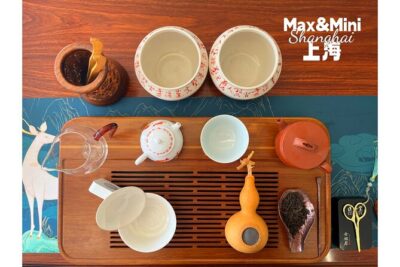
Unlock Chinese Tea: Culture, Science, Tasting & Hands-on Brewing
Read our review →Zhujiajiao Water Town: Boat Ride, Opt for Hands-on Dumpling Meal
Read our review →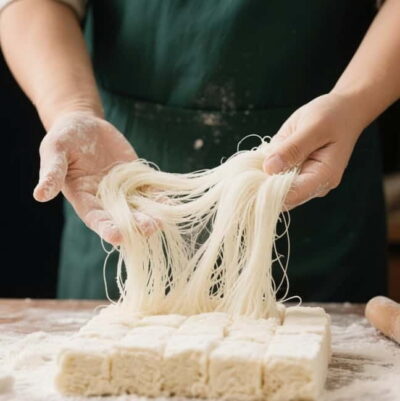
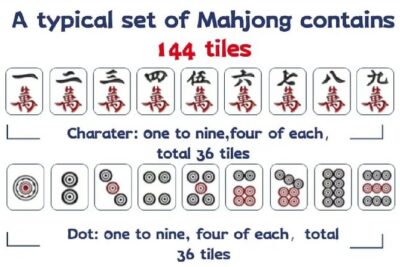
Shanghai Mahjong Experience: Discover Art of Chinese Mahjong
Read our review →
Browse the lists this tour appears in