
Reviewed · TEA CEREMONIES
3-hour Morning/Afternoon Tea Tasting on Maliandao Street & Dimsum
Maliandao is the place to go when you want Beijing food and tea in one sitting. This three-hour outing takes you through the city’s largest tea-trading street, then settles you down for a formal tasting and a generous dimsum meal. Eight different teas give you a useful taste of China’s range, from green and oolong to black, white, and puer.
I like the easy subway meeting point and the small-group format, which make this a less stressful introduction to a part of Beijing you might not find on your own. I also like the balance of tasting and eating: the tea ceremony gives the outing structure, while the dimsum, including soup buns, shrimp ravioli, rice rolls, and spring rolls, makes it feel like a proper meal. The main thing to watch is the meeting-point detail: the information gives both Exit C and Exit D at Wanzi Station, so confirm the exact exit with the tour company before setting out.
Key points at a glance
- Eight teas in two tea shops: Compare green, oolong, black, puer, white, and other Chinese teas in shops said to work with real tea farms.
- Maliandao Tea Street: Walk through Beijing’s largest tea-trading area and see a commercial side of tea culture, not just a ceremonial display.
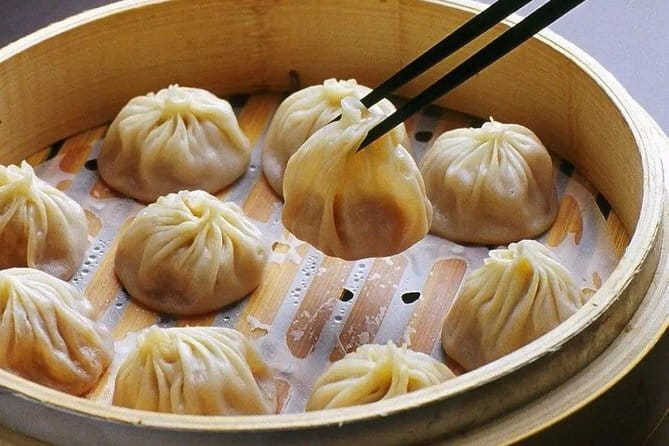
- Dimsum is included: Expect steamed soup buns, steamed vermicelli rolls, chicken feet, shrimp ravioli, spring rolls, and other dishes.
- Morning or afternoon timing: Choose a 10:00 a.m. start or a 3:00 p.m. start, with the meal arranged around your tea tasting.
- Small group setting: The group is limited to 15 people, and the itinerary also describes groups of eight or fewer.
- Helpful local finish: Your guide returns you to the subway station or helps arrange a taxi at the end.
Why Maliandao is a smart place to taste Chinese tea
Maliandao Tea Street is not simply a single shop with a few tins on display. It is a large tea market and trading district, where tea is bought and sold on a serious scale. That gives this outing a useful local setting. You are not tasting tea in an isolated hotel lounge. You are walking through an area built around the trade.
The walk also adds context to the ceremony. Tea can seem abstract when you only hear names and flavor notes. Seeing shop fronts, tea merchants, and the range of products gives you a clearer sense of how important tea remains in Chinese food culture and daily business.
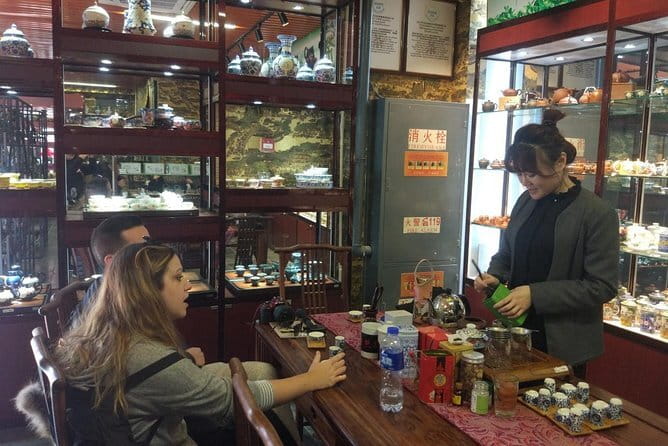
The experience includes stops at two different tea shops. That matters because one shop can give you a narrow view of Chinese tea. Two stops create the chance to compare styles, preparation, and presentation. You may find green tea served with a lighter touch, while oolong or puer brings a darker color and stronger flavor.
The shops used for the tasting are described as places connected with real tea farms. You should still treat this as a guided introduction rather than an independent tea-buying inspection. The value is in having the guide explain what you are tasting and help you compare the cups.
More Food Tours in Beijing
- Beijing Hutong Walking Food and Beer Tour at Hidden Restaurants
★ 5.0 · 1,132 reviews - Beijing: Hidden Gems Guided Food Tour with Beer and Tastings
★ 4.9 · 306 reviews - Beijing Private Hutong Food Walking Tour
★ 5.0 · 299 reviews
The tea ceremony and eight-cup tasting
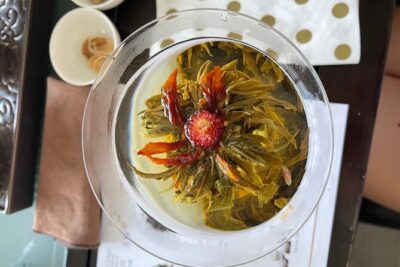
The tea portion is the heart of the outing. You taste eight kinds of tea during a traditional ceremony, rather than simply receiving one cup with a meal. That lets you notice how different the leaves can be in color, aroma, body, and aftertaste.
The listed range includes green, oolong, black, puer, and white tea. These categories cover a good part of the basic Chinese tea map. You do not need prior knowledge. The ceremony gives you a calm setting to ask questions, watch the preparation, and work out what you personally enjoy.
Green tea is often a useful starting point because it shows a lighter, fresher side of tea. Oolong gives you a middle ground, with more depth but plenty of variety. Black tea is fuller, while puer offers a distinct style that can be unfamiliar if your tea experience has mostly been limited to breakfast blends.
White tea is also included in the stated selection. The exact eight teas may vary, so do not book this expecting a fixed tasting menu with named vintages or specific farms. The useful promise is breadth: you get several categories and a guided way to compare them.
I particularly like this format for first-time visitors to China. A tea ceremony can otherwise feel formal and difficult to read. Here, the guide provides a reason for each stage, and the meal afterward keeps the event from becoming overly serious.
One practical point: tea tasting on an empty stomach may not suit everyone. The dimsum follows the tea portion, so consider the timing of your breakfast or lunch. The morning tour begins at 10:00 a.m., and the afternoon tour begins at 3:00 p.m.
Walking through Beijing’s largest tea-trading street
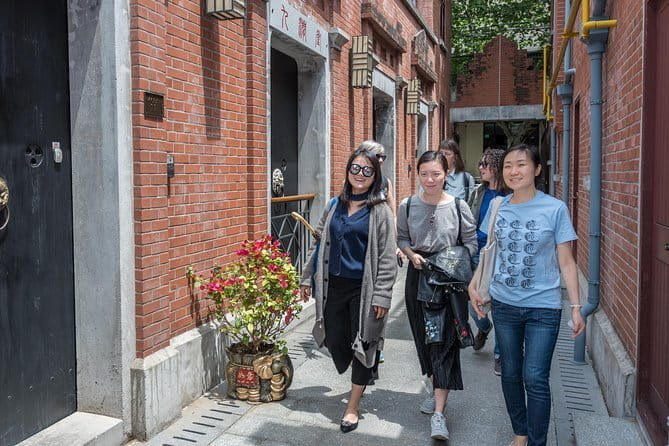
The outing is not limited to sitting indoors. You also stroll through the tea market and see the trading side of the business. This is useful if you want more than a polished ceremony. The street gives you a look at how tea is displayed, discussed, and sold to people from China and elsewhere.
Do not expect a quiet sightseeing lane throughout. A major trading street is likely to feel commercial and active, with many shops competing for attention. That is part of the point, but it may not suit someone looking for a slow, scenic walk.
The guide helps keep the visit focused. Without local help, a tea market can become a blur of unfamiliar names and sales pitches. With a guide, you have a better chance of understanding why the group is stopping at particular shops and how the teas differ.
The walk is also one reason this outing works well for people who have already seen Beijing’s main landmarks. It gives you a food-and-trade experience rather than another visit to a palace, temple, or viewpoint.
Dimsum that turns tasting into a meal
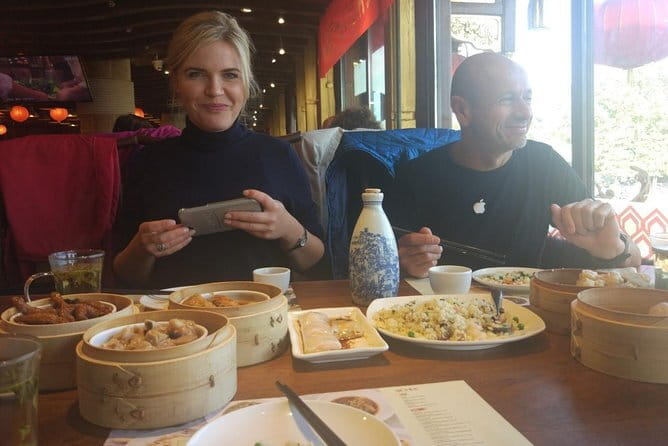
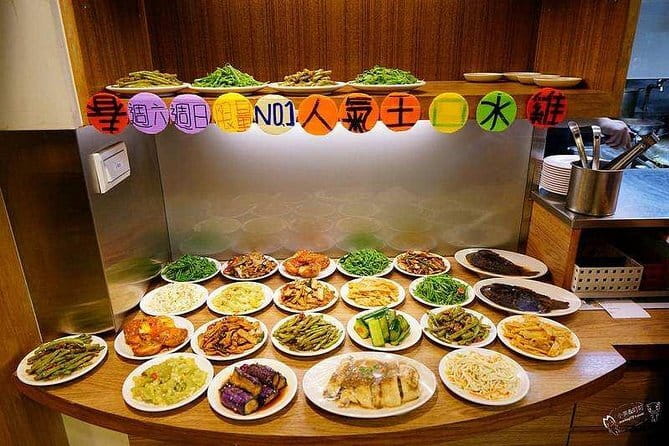
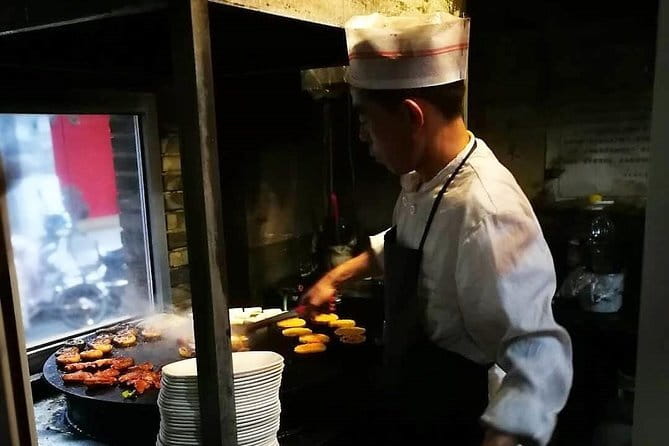
After the tea tasting, you sit down for dimsum at a nearby tea restaurant. The food is not a token snack. The included dishes cover several classic dimsum textures and styles.
You can expect steamed soup buns, steamed vermicelli rolls, chicken feet, shrimp ravioli, spring rolls, and other items. That is a broad spread for a short outing. Soup buns bring hot filling and broth inside a delicate wrapper. Vermicelli rolls offer a soft, smooth texture, while shrimp ravioli provides a firmer bite.
Chicken feet are included, which gives the meal a more traditional edge. They are not to everyone’s taste, and you should not feel pressured to eat every dish. The listed vegetarian option is useful, but you need to request it when booking.
The meal may also include items beyond the named dishes. One account of the outing includes pork dumplings and hand-pulled noodles, so the exact food served can vary. Plan for a filling meal, but do not assume every listed dish will appear on every departure.
This is a strong part of the value. In Beijing, a meal with several dimsum plates can quickly cost more than a quick bowl of noodles, especially if you want to sample foods you would not order alone. Having the guide select or explain the dishes removes some guesswork.
The tea restaurant setting also makes sense. Tea and dimsum belong together, and you can continue noticing how tea works with savory food. A clean, light tea can refresh your palate after a fried spring roll, while a stronger tea may hold up better beside richer dumplings.
More Tea Ceremonies in Beijing
- Traditional Chinese Tea Ceremony Experience
★ 4.7 · 74 reviews - Beijing Culture: Tea Ceremony, Heritage Instrument & Calligraphy
★ 5.0 · 57 reviews - Chinese Tea ceremony in Beijing Hutong courtyard
★ 4.7 · 26 reviews - Private Beijing Markets Tour with Tea Tasting at Hongqiao Pearl Market
★ 5.0 · 18 reviews
What the small group changes

The maximum group size is 15, while the tour description also refers to groups of eight or fewer. Confirm the expected size when you book, since those two details are not identical. Either way, this is not presented as a large coach outing.
A smaller group helps at the tea shops. You can hear the guide more easily, ask about unfamiliar teas, and stay together on the walk. It also makes a shared meal more manageable, since dimsum is usually best when several people can divide the plates.
The group format does mean you will share the tasting and meal schedule with other people. If you want a private tea lesson or a completely flexible menu, this is not that kind of arrangement. The benefit is a lower-effort introduction to Maliandao without having to organize each stop yourself.
One guide named in the available information is Renny. The direct impression is of a warm, friendly, helpful host who keeps the experience comfortable and leaves you well fed. Guide assignments can change, so think of Renny as an example rather than a guarantee.
Timing, meeting point, and getting around
The meeting point is Wanzi Station on Beijing Subway Line 7, a practical choice for reaching the outing by public transport. The stated departure choices are 10:00 a.m. and 3:00 p.m., and the full activity takes about three hours.
There is a small but important detail to check before you go. One part of the information names Wanzi Exit C, while another names Exit D. Do not rely on guesswork at the station. Confirm the correct exit and the guide’s contact details before the day of the tour.
The activity ends back at the meeting point. Your guide can also send you back to the subway station or help you find a taxi. This is handy if you are still getting used to Beijing’s transport system, though your own taxi or other personal costs are not included.
The mobile ticket makes the booking simple, and confirmation is provided at booking. Public transport is nearby, and most people can take part. No special sightseeing equipment is required, though comfortable shoes make sense for walking through the tea market.
Is $99 a fair price?
At $99 per person, this is not a budget snack stop. The price needs to cover a professional guide, the tea ceremony, eight tea tastings, dimsum, local taxes, and the coordination of several stops. It also buys you an easier introduction to Maliandao, where choosing shops and ordering food alone could take time.
The price is strongest for you if you value explanation and convenience. You receive more than a meal and more than a cup of tea. You get a guided walk, a structured tasting, and enough food to function as lunch or dinner.
The value is less clear if you already know Chinese tea well, speak Chinese, and are comfortable navigating tea markets independently. In that case, you may prefer to spend the money on your own tasting and a restaurant meal.
Group discounts may be available, which could improve the value for couples, families, or friends booking together. A child rate applies only when the child shares with two paying adults. The tour also offers free cancellation if you cancel at least 24 hours before the start time. Changes or cancellations inside that window are not accepted for a refund.
Who will enjoy this most
I would point this outing toward first-time visitors who want a food experience with some local context. It suits you if tea sounds interesting but you would rather learn through a guided tasting than read a long menu of unfamiliar names.
It is also a good fit for people who want a substantial meal during a short sightseeing day. Three hours is long enough to see the market, taste several teas, and eat properly, without taking over your entire day.
Families may appreciate the short duration and subway access, though the child rate conditions apply. Vegetarian diners can request an alternative, but should do so at booking rather than at the table.
You may want to skip it if your main goal is a landmark tour, a private food crawl, or a quiet tea retreat. Maliandao is a commercial tea district, and the outing combines walking, sales-oriented shops, ceremony, and shared dining.
Should you book this tea and dimsum outing?
Book it if you want a practical introduction to two Beijing favorites in one compact half-day activity. The strongest reasons are the eight-tea comparison, the chance to see Maliandao’s tea trade up close, and the full dimsum meal rather than a small tasting plate.
The best strategy is to choose the departure that fits your eating habits, confirm the Wanzi exit in advance, and request a vegetarian meal when booking if needed. At $99, it is a guided food-and-culture purchase, not a cheap lunch. For someone who values a helpful host, a small group, and a clear route through an unfamiliar tea market, that can be a sensible buy.
FAQ
How long does the tea and dimsum experience last?
The activity lasts approximately three hours.
What start times are available?
You can choose a morning tour at 10:00 a.m. or an afternoon tour at 3:00 p.m.
Where do I meet the guide?
The meeting point is at Wanzi Station on Beijing Subway Line 7. The supplied information names both Exit C and Exit D, so confirm the correct exit with the tour company before departure.
Where does the activity end?
The activity ends back at the meeting point. The guide can also send you to the subway station or help you get a taxi.
How many teas will I taste?
The experience includes tastings of eight different kinds of tea.
Which types of tea are included?
The stated selection includes green, oolong, black, puer, and white tea, along with other varieties.
Is dimsum included in the price?
Yes. Dimsum food for lunch or dinner is included, along with the tea ceremony and tea tastings.
What food may be served?
Possible dishes include steamed soup buns, steamed vermicelli rolls, chicken feet, shrimp ravioli, spring rolls, pork dumplings, hand-pulled noodles, and other dimsum items.
Is a vegetarian option available?
Yes. A vegetarian option is available, but you must request it when booking.
What happens if I need to cancel?
You can receive a full refund if you cancel at least 24 hours before the experience start time. Cancellations or changes made less than 24 hours before the start time are not accepted for a refund.
More Half-Morning Trips in Beijing
- 3-Hour Private Night Tour: Beijing Foodie Experience
★ 5.0 · 53 reviews - 3-Hour Private Tour: Amazing Beijing City Highlights
★ 5.0 · 5 reviews - 3-Hour Private Beijing Night Tour
★ 5.0 · 4 reviews - Beijing: Summer Palace 3 Hours Guided Tour with Entry Ticket
★ 4.8 · 4 reviews
More Food & Drink in Beijing
- Beijing Hutong Breakfast Food Tour
★ 5.0 · 155 reviews - Beijing Hutong Breakfast Food Tour
★ 5.0 · 120 reviews - Beijing Walking Food Tour with a Local Friend
★ 5.0 · 73 reviews - Experience Beijing Walking Food Tour Private
★ 5.0 · 56 reviews
Newly listed around Beijing
- Private Dandong City Day Tour:Hushan Great Wall,Yalu River Broken Bridge,Border★ 5.0 · 3 reviews
- Qinhuangdao Private Day Trip: Shanhaiguan Pass, Old Dragon’s Head and Great Wall★ 4.5 · 4 reviews
- Simatai Great Wall Private Night Layover Tour from Beijng Airport★ 5.0 · 17 reviews
- Private Transfer to Mutianyu Great Wall with professional driver★ 5.0 · 19 reviews
- ZANBUS: Trip to the Jinshanling Great Wall Departing at 7:30 AM★ 5.0 · 5 reviews
- camp on the Great Wall overnight with sunrise and sunset on the wall★ 5.0 · 11 reviews
- Yuxiandu Chinese Royal Cuisine Museum with Show and Royal Banquet★ 5.0 · 4 reviews
- BusDa:Ancient Great Wall &Badaling Great Wall Full-day Bus Tour★ 4.5 · 6 reviews
Tea Ceremonies, compared.

One-Day Hangzhou Dragon Well Tea Culture & West Lake Private Tour
Read our review →
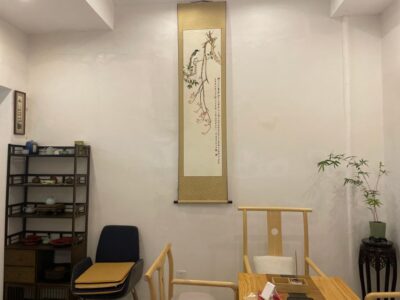
Chinese Tea ceremony in Beijing Hutong courtyard
Read our review →
Leshan Buddha + Panda Base or Old Tea House Private Day Tour
Read our review →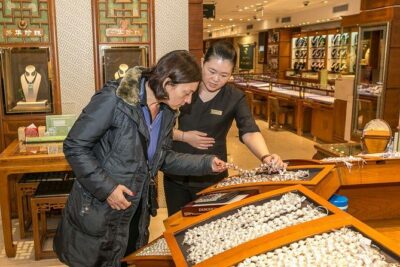
Private Beijing Markets Tour with Tea Tasting at Hongqiao Pearl Market
Read our review →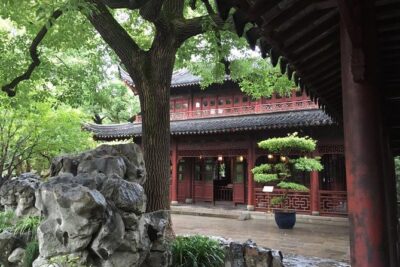
3-Hour Shanghai Yu Garden &Old Town Private Tour with Tea Tasting
Read our review →Browse the lists this tour appears in