
Reviewed · SHENZHEN TOURS
200-year-old Hakka Residence Tour +Ancient Buddhist temple
Shenzhen’s modern skyline tells only part of the story. This small-group tour takes you to a 200-year-old Hakka residence with more than 300 rooms, then to a 1000-year-old Buddhist temple and the restored Longgang River wetland. It is an easy way to trade glass towers for old kitchens, Confucian classrooms, prayer sites, and village scenery.
I like the way the tour connects everyday life with grander Chinese history. You can see the original layout of the Luo family compound, including furniture and an old kitchen, rather than simply viewing a rebuilt monument. I also like the small group size, limited to five people, and the chance to ask guide Jimmy detailed questions in English.
The main drawback is that this is a walking tour, not a relaxed sightseeing ride. You should wear comfortable shoes, bring your own water, and expect warm or tiring conditions depending on the day. Pregnant women should choose another activity.
Key points at a glance
- The Luo family compound: Explore one of China’s largest ancient Hakka housing complexes, covering more than 25,000 square meters and containing over 300 rooms.
- A working glimpse of imperial-era life: See original furniture, an intact kitchen, and classrooms once used for Confucian study.
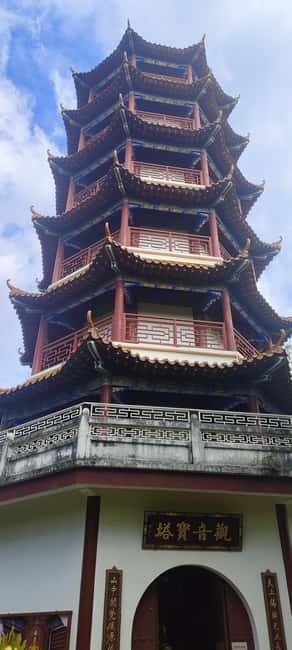
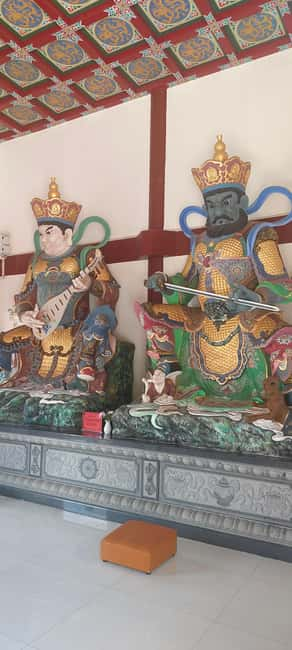
- A 1000-year-old Buddhist temple: Walk among the monastery’s several structures and visit a pagoda dedicated to a female deity.
- The Longgang River wetland: Enjoy a natural river corridor that was restored after years of pollution.
- Small-group guiding: The group is limited to five people, with English guiding from Jimmy or a colleague.
- Straightforward access: Meet at 2pm outside Exit C1 of Nanlian Station on Shenzhen Metro Line 3.
Why this is a useful break from modern Shenzhen
Shenzhen changed at remarkable speed over the past 30 years. Much of the older built environment gave way to apartment towers, offices, shopping centers, and transport links. This tour gives you a chance to see the pieces of local life that survived that change.
The contrast is part of the appeal. You do not need to leave the Shenzhen area for a long countryside trip. From Luohu, the meeting point is reached by about a 60-minute MTR journey, followed by the guided visit and transport between the sites.
I find this especially useful if you have already seen Shenzhen’s commercial side. The tour adds context to the city by showing how Hakka families lived, studied, cooked, worshipped, and organized their homes before the rise of the modern metropolis.
Do not expect a polished theme park or a full-day cultural program. The visit lasts about 2.5 hours and focuses on three nearby elements: the Hakka residence, the temple, and the river wetland. That compact format works well if you want history without giving up an entire day.
A few more Shenzhen days worth a look
- Shenzhen Tech Tour: Explore the Future
★ 5.0 · 49 reviews - Customizable Private Shenzhen Tour with Local guide and Car
★ 5.0 · 48 reviews - Shenzhen Private Flexible Day Tour with Guide and Driver Service
★ 5.0 · 41 reviews
Entering the 200-year-old Hakka residence
The main stop is the ancient residence built by the Luo clan about 200 years ago. It is described as one of the largest old Hakka housing complexes in China, covering more than 25,000 square meters and containing over 300 rooms.
The size matters. This is not a single old house with a few display rooms. It is a large family compound, and its layout helps you understand how Hakka communities arranged domestic life around shared spaces and family identity.
The Hakka people had migrated from central China to the Shenzhen area roughly 500 years ago. Their story is important to this visit because the residence gives you a physical link to that movement of people. You are not only looking at old walls. You are seeing how a community established itself and maintained family life over generations.
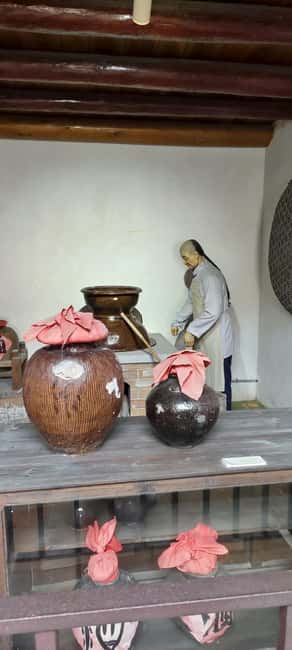
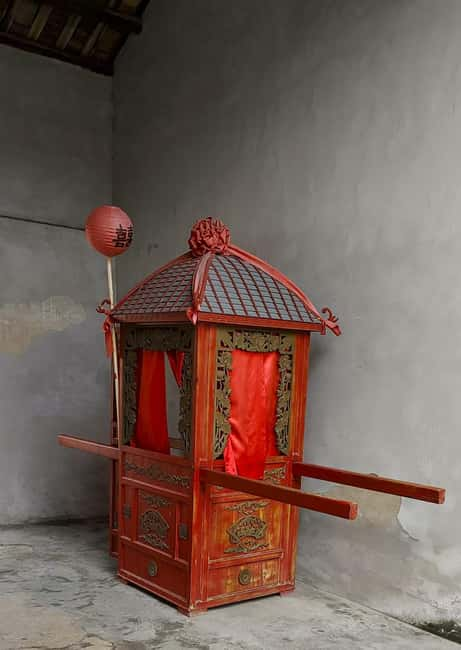
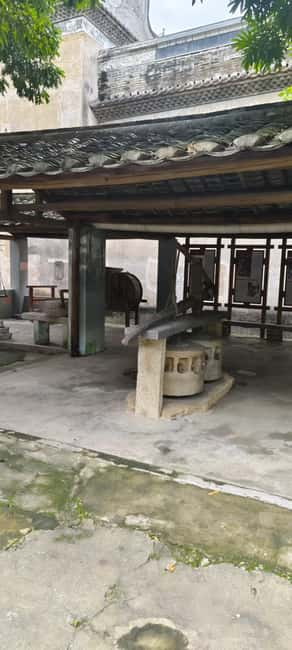
Inside, you can still see original layouts and furniture. Details like these make the visit easier to picture. An old room arrangement can tell you more about daily routines than a broad statement about Chinese architecture.
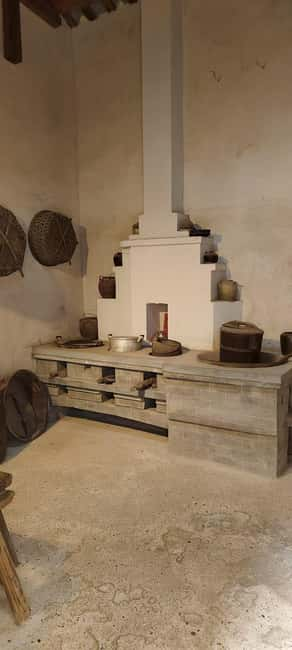
The historic kitchen is another strong point. It remains intact and is still ready for cooking. That simple detail brings the building down to earth. Grand family compounds can feel distant, but a kitchen connects the place to heat, food, work, and ordinary household tasks.
You can also see classrooms where children studied Confucianism. This gives the site a wider purpose than housing. The compound was tied to education and family values as well as shelter. Your guide can help connect these rooms to the wider customs of imperial China.
The tour is particularly good for people who want to understand how ordinary people lived. Many sightseeing programs focus on palaces, famous leaders, or major monuments. Here, the focus is on household structure and local society.
One practical point: an old complex with hundreds of rooms calls for walking. Some areas may feel more atmospheric than fully interpreted, so the guide matters. Jimmy has been praised for explaining Chinese history clearly, answering questions patiently, and adding humor without losing the thread of the story.
Finding quiet at the 1000-year-old Buddhist temple
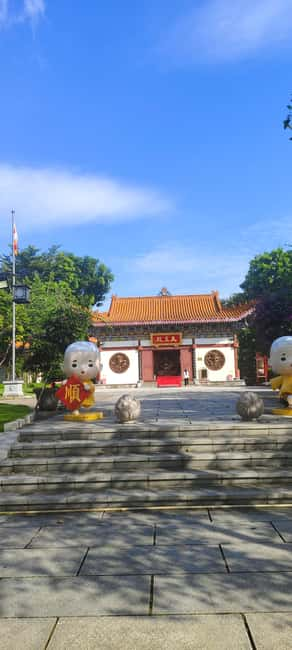
The next major stop is a Buddhist temple with a history reaching back about 1000 years. The temple includes several structures that together form the monastery, so you will see more than one isolated hall.
The setting is described as tranquil, which changes the pace after the larger residence. You can walk around, look at the restored structures, pray, and take in the details at a slower rhythm. The temple is also a useful place to observe how religious sites continue to serve local life.
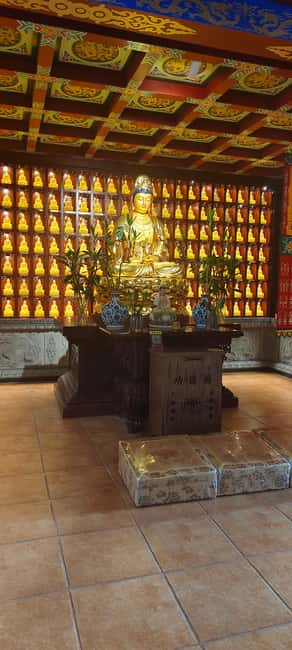
A pagoda dedicated to a female deity gives the stop a particular focus. You can make a wish there, as local people do when praying for luck and fortune. This is a small but meaningful part of the visit because it lets you approach the site as a living place of worship, not just an old building.
The temple has also been beautifully renovated. That is worth keeping in mind when setting expectations. You will see historic religious architecture, but not every surface or structure will be untouched. Restoration can make a temple easier to visit and protect it for the future, while also giving it a newer appearance than the Hakka residence.
This stop should suit you if you enjoy peaceful religious sites and want time for observation. If you prefer a long list of major monuments, the temple may feel modest. Its appeal is the calm setting, the collection of structures, and the chance to understand a local place of prayer.
Jimmy’s teaching style is a strong asset here. The available feedback describes him as funny, patient, and fluent in English, with a real interest in explaining history. A guide who welcomes questions can make a temple visit much more rewarding, especially when you want to know what a pagoda, hall, or ritual means.
Walking beside the restored Longgang River
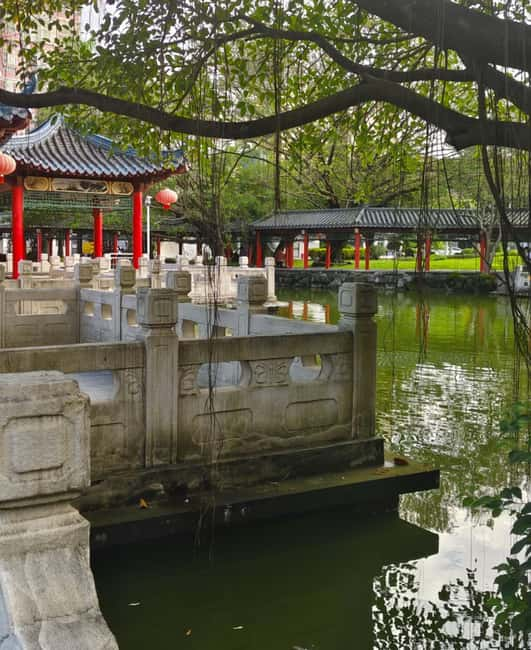
The final highlight is the Longgang River, a natural waterway that flows into the Shenzhen River, which separates Shenzhen from Hong Kong. The river is now associated with wetland scenery, but its environmental story adds an important layer.
The river was once one of the most polluted in Shenzhen. During the past decade, it was rehabilitated by creating wetland areas that help filter pollution and return the waterway to a more natural condition.
That makes the river stop more than a photo break. You can see how a heavily damaged urban waterway can be given a new role through environmental work. The setting also provides a welcome change from enclosed rooms and temple structures.
The scenery here is likely to appeal most if you enjoy riverside walks, open space, and local conservation stories. It is not described as a major nature reserve or a long hiking route, so keep your expectations measured. The river is one part of a compact cultural walk, not a separate outdoor adventure.
Because the tour combines old buildings with a restored wetland, you get a wider picture of the area. The residence shows family life, the temple shows spiritual life, and the river shows the relationship between the city and its natural surroundings.
Same base, a completely different kind of day out:
- Private Shenzhen Day Tour from Hong Kong
★ 5.0 · 18 reviews - Shenzhen Tech Tour: Robotaxi, Drone Delivery & Innovation Demos
★ 5.0 · 18 reviews - From Hong kong to Shenzhen tour with Flexible Itinerary / English
★ 5.0 · 16 reviews - Shenzhen Self-Guided Tour with Private Car and Driver Service
★ 5.0 · 10 reviews
How the small group changes the visit
The tour is limited to five participants. That is a useful size for an old residential complex, where a large group could make rooms feel crowded and explanations harder to hear.
A small group also gives you more room to ask questions. If you want to know how the classrooms were used, why the compound was arranged as it was, or what people pray for at the pagoda, you can ask without trying to catch a guide’s attention from the back of a crowd.
The guide language is English. Jimmy has received particularly strong praise for his clear English, humor, patience, and ability to explain Chinese history. A colleague may also lead or assist the tour, so the exact guide may vary.
You should treat the guide as an important part of the value. Without explanation, an old kitchen is simply an old kitchen. With context, it becomes evidence of daily work, family structure, and changing life in southern China.
What the $47 price includes
The cost is $47 per person. For that price, you receive the guided tour and transport between the sites. Meals and water are not included, so bring water and plan to eat before or after the afternoon activity.
I see the price as reasonable if you value interpretation and easy movement between several sites. You are paying for a small-group English guide, local transport during the visit, and access to three different types of place in one 2.5-hour program.
The value is weaker if you mainly want independent sightseeing. The residence and temple may be visited without needing a full afternoon, and the tour does not include a meal or a long excursion beyond the sites.
The small group helps justify the cost. A five-person limit gives the visit a more personal feel than a large bus tour. It also lets the guide adapt explanations to your interests, although the total duration remains fairly short.
You can reserve now and pay later, which keeps your plans flexible. Free cancellation is available up to 24 hours before the activity for a full refund. Those terms are useful if your Shenzhen schedule may change, but you should still check the booking conditions when you reserve.
Meeting at Nanlian Station at 2pm
The meeting point is Nanlian Metro Station, Line 3, Exit C1. The stated meeting time is 2pm. From Luohu, the journey is about 60 minutes by MTR, so allow enough time to cross Shenzhen and reach the station without rushing.
The station meeting point is practical because it avoids a vague hotel pickup arrangement. You know where to go and which exit to use. It also means the tour suits you best if you are comfortable using Shenzhen’s metro system.
Transportation between the sites is included. That keeps the 2.5-hour schedule focused and avoids the need to arrange separate rides after each stop.
You should wear comfortable shoes. This is explicitly a walking tour, and the residence, temple, and wetland are best enjoyed on foot. Bring water, since it is not supplied, and consider eating beforehand because meals are not included.
Who will enjoy this tour most
I would recommend this experience to you if you want to see a side of Shenzhen beyond technology, shopping, and high-rise development. It is a good fit for first-time visitors who want local context, as well as repeat visitors looking for something quieter and more historical.
It should suit people who enjoy:
- Traditional homes and family compounds
- Chinese religious architecture
- Local history explained in clear English
- Small groups and question-friendly guiding
- Short walking tours with several contrasting stops
- River restoration and wetland scenery
Families with older children may also find the residence useful because the kitchen, classrooms, and room layouts make history concrete. The activity is less suitable if you need a seated tour, dislike walking, or are pregnant.
Photography should be rewarding at both the Hakka compound and the temple, where the old buildings provide strong subjects. Still, keep the focus on respectful sightseeing, especially at the religious site.
Should you book the Hakka residence and temple tour?
Book it if you want a compact, well-explained cultural outing that shows how Shenzhen looked and functioned before its modern expansion. The strongest reasons are the large Hakka compound, the intact domestic details, the peaceful Buddhist temple, and the small group led in English.
I would be more cautious if you want a full-day trip, extensive countryside, or a tour built around food. This is a short walking program, and you must supply your own water and meal plans.
For most visitors with an afternoon free, the combination is hard to beat. You get family history, religious tradition, and river restoration in one outing, with guide Jimmy or a colleague helping you make sense of what you see. It is a practical way to step away from Shenzhen’s towers without giving up an entire day.
FAQ
Where does the tour meet?
You meet at 2pm at Exit C1 of Nanlian Metro Station on Line 3. The Chinese name is 南联站 C 1出口.
How long does the activity last?
The tour lasts about 2.5 hours.
How far is Nanlian Station from Luohu?
The meeting point is about a 60-minute MTR ride from Luohu.
What language is the tour conducted in?
The live tour guide speaks English.
How many people are in the group?
The group is limited to five participants.
What is included in the price?
The price includes the guided tour and transportation between the sites.
Are meals and water included?
No. Meals and water are not included, so you should bring water and make your own meal arrangements.
What should I wear or bring?
Wear comfortable shoes because the activity is a walking tour. You should also bring water.
Is the tour suitable for pregnant women?
No. The activity is listed as unsuitable for pregnant women.
Can I cancel the booking?
You can cancel up to 24 hours in advance for a full refund. You can also reserve now and pay later.
Newly listed around Shenzhen
- Private Transfer in Shenzhen with English Service★ 5.0 · 6 reviews
- Shenzhen Private Shopping Tour with Local Shopping Guru★ 5.0 · 5 reviews
- Half Day Shenzhen Splendid China Folk Village Guided Tour★ 3.5 · 3 reviews
- Shenzhen Customized Local Tour with Transfer★ 5.0 · 6 reviews
- Day Tour to Shenzhen from Hong Kong by High Speed Bullet Train★ 5.0 · 6 reviews
- Private Shenzhen Day Trip from Guangzhou by Roundway Bullet Train★ 5.0 · 6 reviews
- Shenzhen:8h City Walk & Future Experience Highlights Trip★ 4.4 · 6 reviews
- Iconic Shenzhen Skyscraper – Ping An Finance Center★ 3.4 · 6 reviews
Shenzhen Tours, compared.

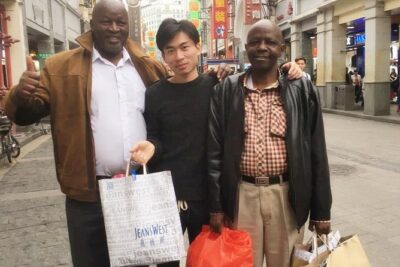
Customizable Private Shenzhen Tour with Local guide and Car
Read our review →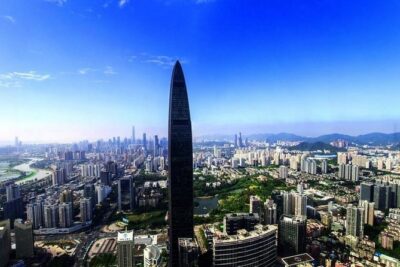
Shenzhen Private Flexible Day Tour with Guide and Driver Service
Read our review →
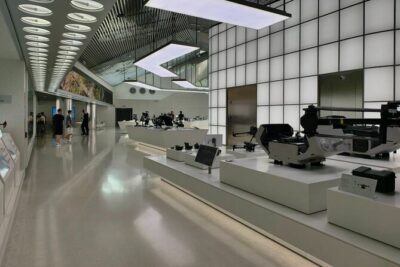
Shenzhen Tech Tour: Robotaxi, Drone Delivery & Innovation Demos
Read our review →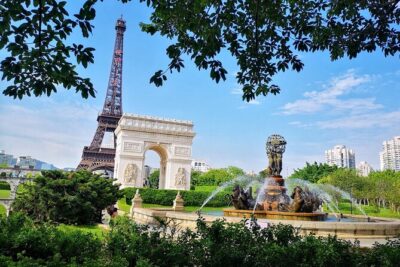
From Hong kong to Shenzhen tour with Flexible Itinerary / English
Read our review →
Shenzhen Self-Guided Tour with Private Car and Driver Service
Read our review →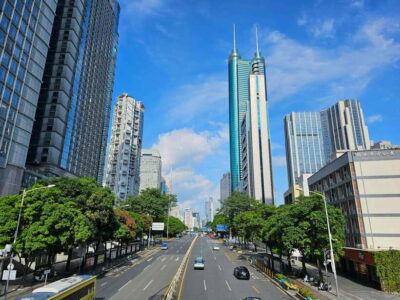
Historia and Entertain Tour of the Youngest City of China
Read our review →Browse the lists this tour appears in