
Reviewed · FOOD & DRINK
Suzhou Alleyway Walking Food Tour
Suzhou’s best food is often found far from polished tourist streets. This 3.5-hour walking brunch takes you through narrow lanes to family-run food shops, a famous wonton counter, old monasteries, and Ming Dynasty gardens. You eat as you go, rather than stopping for one large meal.
I like the way the tour links food with place. The tofu comes from a family that has prepared it at home for more than 50 years, while the noodle stop explains why locals pair the dish with opera. I also like the small group limit of 10, which makes an English-speaking guide more useful in tight alleys and compact restaurants.
The main consideration is pace. You will eat a great deal, walk for three and a half hours, and visit several stops in one morning. If you prefer a slow garden visit or have a very limited appetite, this may feel busy.
Key points at a glance
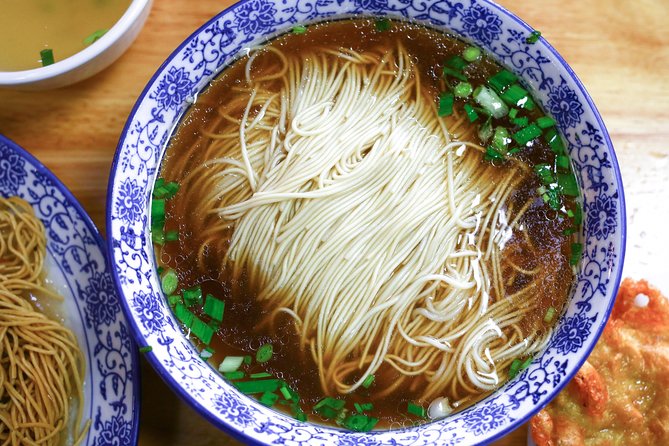
- Seasonal Suzhou noodles: Try noodles with a choice of more than 500 possible toppings and learn about their connection to local opera.
- Family-made silken tofu: Visit a narrow-alley home kitchen where tofu preparation begins around 5 a.m.
- Two cultural stops: See Suzhou’s only Buddhist nunnery and a Ming Dynasty garden decorated with Taihu Lake stones.
- Old religious landmarks: Visit 800-year-old pagodas and monasteries that can be difficult to locate without local help.
- A full food circuit: Expect savory soy milk, spring rolls, donuts, sesame balls, bubble wontons, red-bean soup, and chewy rice balls.
- Small-group format: The tour starts at Beisita Subway Station at 9:30 a.m. and ends back at the same meeting point.
Starting at Beisita and finding Suzhou’s old lanes
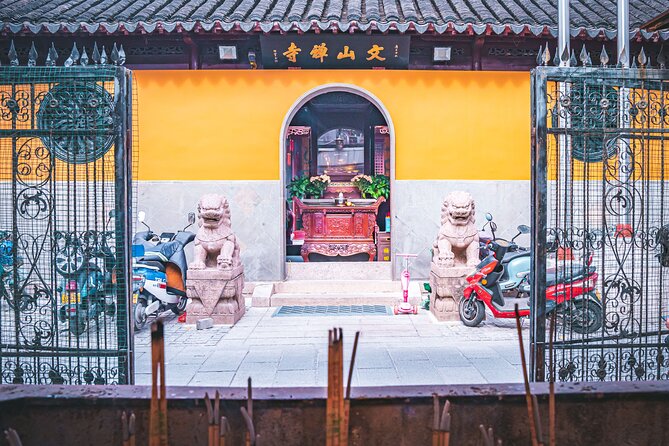
The meeting point is Beisita Subway Station in Gusu District, a practical place to begin because you can reach it by public transportation. The tour starts at 9:30 a.m. and returns to the meeting point after about three and a half hours.
From the first steps, the focus is on old Suzhou rather than a checklist of grand attractions. You move through lanes, waterways, gardens, religious sites, and neighborhood food stops. That combination matters. Suzhou can look very different from one block to the next, and a guide helps connect the quiet alley in front of you with the city’s older customs.
The group is capped at 10 people. That is small enough for the guide to explain dishes, answer questions, and keep everyone together when the route passes through narrow spaces. It also matters at food counters, where a large group could easily crowd the room.
The tour is conducted in English, and historical information is part of the experience rather than an optional extra. Guide Hilary is specifically praised for making the walk personal and enjoyable, so if she is leading your departure, you can expect an attentive style based on the available feedback.
More Walking Tours in Suzhou:
- Beijing Hutong Walking Food and Beer Tour at Hidden Restaurants
★ 5.0 · 1,132 reviews - Private Beijing Walking Tour of the Forbidden City with 7 Options
★ 5.0 · 675 reviews - Dark Side of Hong Kong – Kowloon Caged Homes Walking Tour
★ 5.0 · 418 reviews
Suzhou noodles, opera, and an unusually large menu
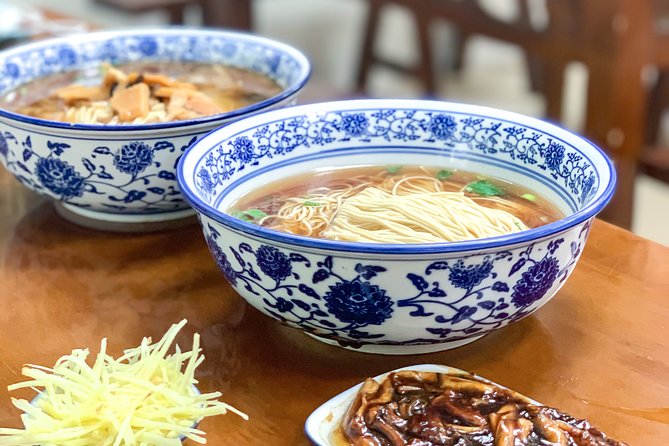
One of the first major food lessons centers on Suzhou noodles. The tour introduces seasonal noodles served with more than 500 possible toppings. That number gives you a sense of how important the dish is locally. It is not just a quick bowl of noodles, but a flexible food tradition shaped by season, preference, and neighborhood habit.
You also learn why locals enjoy noodles with opera. That detail gives the meal some cultural weight without turning lunch into a lecture. Food here is tied to daily life, performance, and the rhythm of the city.
Because this is a brunch tour, you should arrive ready to sample rather than order a single huge plate. There are many stops ahead, and the overall amount of food is described as far more than one meal. You can try unfamiliar dishes without committing to a full serving at every place.
The tradeoff is that you may not get much time to sit quietly over any one bowl. The appeal is variety and context. If you want to study one dish in detail, a dedicated noodle restaurant would give you more time. If you want to understand how noodles fit into Suzhou life, this format works better.
Homemade silken tofu in a narrow alley
The tofu stop is one of the most distinctive parts of the route. For more than 50 years, one family has made fresh silken tofu from its home in a narrow alley. The work begins around 5 a.m., which tells you something about the labor behind a food that can seem simple on the table.
This is exactly the sort of stop that is difficult to find without local help. It is not presented as a large attraction. Its value lies in seeing how a family food business fits into an ordinary residential setting.
Fresh tofu also gives the tour a useful change of texture. After noodles and fried snacks, silken tofu offers something softer and lighter. You may find the flavor subtle, especially compared with the seasoned dishes later in the morning, but that is part of the point. The guide can explain what makes this version special and how it has been kept going over decades.
You should be comfortable entering small food spaces and walking through tight lanes. The route is designed around local places, not spacious dining rooms. That is a benefit for authenticity, but it is less comfortable than a conventional restaurant tour.
A Buddhist nunnery and a garden shaped by stone
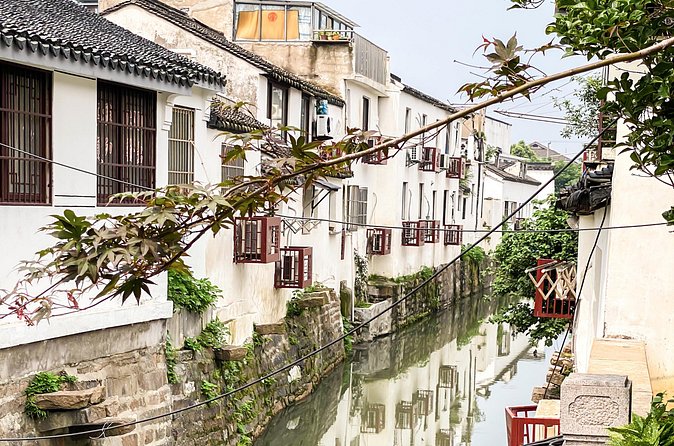
The cultural portion includes a visit to Suzhou’s only Buddhist nunnery. This gives the food walk a quieter pause and adds a religious side to the city that can be missed when you concentrate only on canals and gardens.
You also visit a hidden Ming Dynasty garden with Taihu Lake stones. These porous, sculptural stones are a signature of classical Chinese garden design. They were prized for their unusual shapes and were used to create dramatic views in a small space.
The garden stop helps explain why Suzhou gardens feel carefully composed even when they are modest in size. Walls, openings, water, plants, and stones work together to create changing views as you walk. You are not simply looking at flowers or buildings. You are seeing how a garden can make a compact urban site feel layered and varied.
The word hidden should not be taken to mean private or secret in a literal sense. It means these places can be tricky to locate on your own. The route depends on the guide’s local knowledge and is more useful for that reason.
More Food Tours in Suzhou:
- Authentic Local Food Tour in Central Shanghai
★ 5.0 · 1,382 reviews - Xi’an Evening Food Tour by TukTuk
★ 5.0 · 715 reviews - Eat Like A Local: Shanghai Night Food Tour
★ 5.0 · 616 reviews - Tuktuk Food Tour Through Chengdu’s Local Eats
★ 5.0 · 435 reviews
Savory soy milk, fried snacks, and Tang Dynasty sesame balls
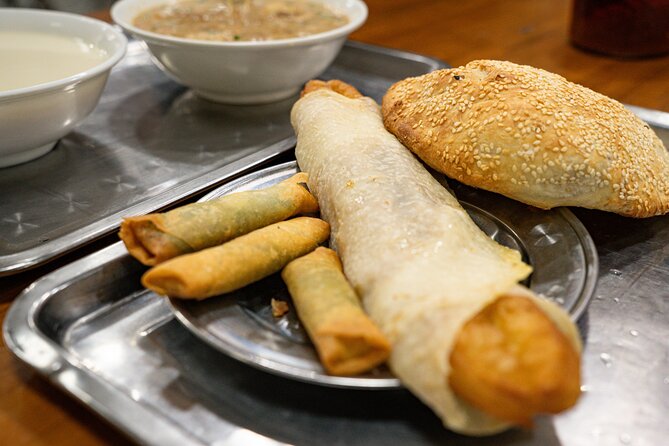
The next stretch brings a run of neighborhood favorites: savory soy milk, Suzhou-style spring rolls and donuts, and fried sesame balls associated with Tang Dynasty food traditions.
This is a good part of the tour for anyone who wants more than the familiar dumpling version of Chinese food. Savory soy milk, in particular, shows how a common ingredient can become a different kind of breakfast or brunch. The spring rolls and donuts add crunch and fried richness, while sesame balls bring a sweet, nutty note.
The range can be a little overwhelming. You are tasting several items before the tour reaches its final stops, so pace yourself. The guide can help you decide which bites to focus on if you already feel full.
These foods also make the walk feel connected to ordinary mornings. You are not only sampling dishes selected for tourists. You are moving through the sort of food culture that depends on early preparation, repeat customers, and neighborhood routines.
The 800-year-old pagodas and monasteries
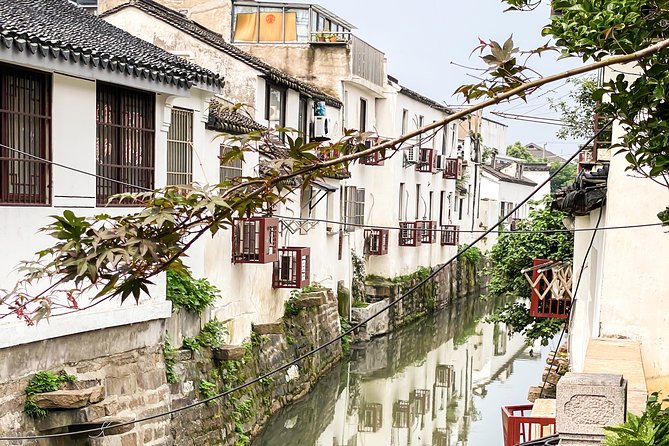
The route includes imposing pagodas and monasteries dating back about 800 years. Their age is impressive, but the real benefit is the way the guide places them within the surrounding streets and religious sites.
A pagoda can be easy to admire for five minutes and then forget. Historical context makes it more meaningful. You learn why it matters, how it fits into Suzhou’s religious past, and why some of these places are not immediately obvious from the main roads.
The walking route also helps you notice the contrast between old structures and present-day neighborhood life. You may pass from a quiet monastery into a lane with food shops, then back toward a garden or waterway. That movement is one of the tour’s strengths.
Do not expect a long, formal visit at every monument. There are multiple food stops and two main cultural visits, so the sightseeing is woven into the morning rather than treated as a separate museum-style program.
Bubble wontons and a dessert stop to finish
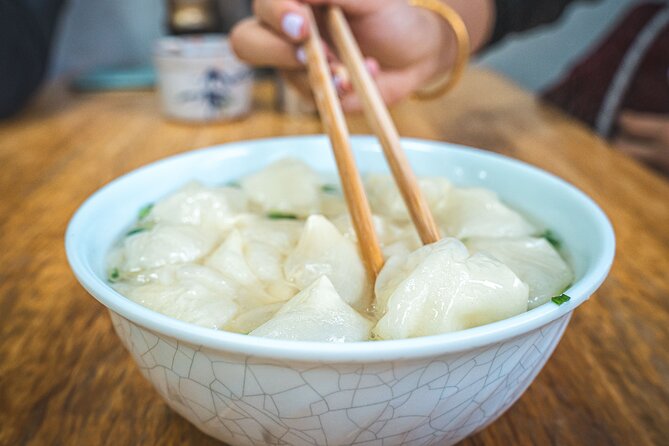
One of the most unusual food stops is a well-known bubble wonton shop. The wontons are tiny and bubble-like, served in a full broth. This is different from the larger dumplings many people expect, and the compact shape makes the dish a memorable part of the route.
The broth gives you another shift in texture and flavor after the fried snacks. It is also a useful reminder that small local specialties can have a strong following even when they are not widely known outside the region.
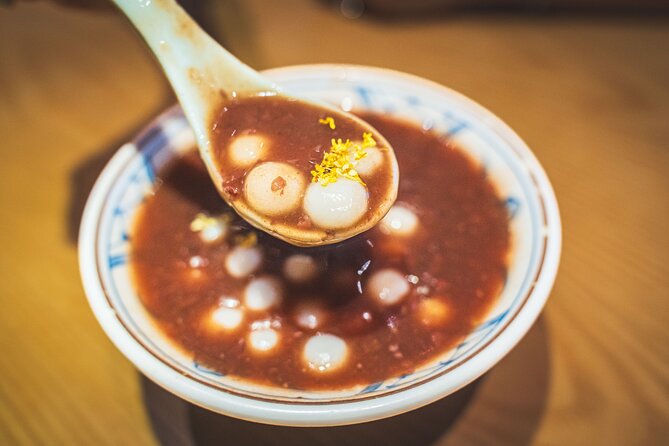
The final stop is a dessert shop popular with the current crowd. You finish with subtly sweet red-bean soup topped with chewy rice balls. It is a gentler ending than another fried dish and gives the meal a warm, soft finish.
The tour also includes a traditional coffee house, though the exact drink selection is not specified. Bottled water is unlimited, which is helpful during a morning of walking and eating. You should still dress for the weather and bring comfortable shoes, since the experience depends as much on moving through the lanes as on sitting down.
What $58 buys you in Suzhou
At $58 per person, this is not the cheapest way to eat in Suzhou. You could buy individual noodles, tofu, wontons, and sweets for much less if you already knew where to go and could order with confidence.
The value comes from the package. The price includes an English-speaking local guide, food and drinks at several stops, bottled water, cultural visits, and route planning. You are paying for access to places that can be hard to locate, plus the explanation that ties the food and landmarks together.
The tour includes four sit-down restaurants along with a dessert shop, or five main food stops in practical terms. That is a substantial amount of food for a brunch. At the advertised price, the experience makes the most sense if you want a meal, a walking tour, and local orientation in one booking.
The value is weaker if you are a light eater or already have a detailed list of Suzhou restaurants to visit. It is also less suited to anyone who wants to spend most of the morning inside one major garden. This is a broad introduction, not a slow food seminar or a dedicated garden tour.
Timing, group size, and who should book
The 9:30 a.m. start is useful for a food-focused morning. It gives you time to eat before the day grows too late, and the return to Beisita Subway Station makes the meeting point easy to use as part of a wider Suzhou itinerary.
Most people can participate, but the tour does require steady walking between stops. The exact route length is not provided, so you should plan for a morning on your feet, with repeated transitions between alleys, cultural sites, restaurants, and shops.
This tour suits you best if you:
- Want to try many Suzhou specialties without planning every stop yourself
- Prefer local lanes and family-run food businesses to polished dining rooms
- Enjoy history in small doses while walking
- Like small groups and an English-speaking guide
- Have a healthy appetite for a brunch that is larger than a normal meal
You may want another option if you need a slow pace, dislike compact food shops, or have strict dietary needs that were not addressed in the available details. The tour includes many different foods, but no specific dietary substitutions are promised.
Free cancellation is available up to 24 hours before the start time. Changes or cancellations inside that window are not refunded, and poor weather or too few bookings can lead to a rescheduled date or full refund.
Should you book the Suzhou Alleyway Walking Food Tour?
I would book this if you want Suzhou explained through both its food and its back streets. The strongest parts are the family tofu stop, the unusual bubble wontons, the Ming garden, and the way the guide links noodles, opera, temples, and daily life.
The $58 price is fair for a small-group morning that includes a full spread of food, several cultural stops, drinks, and local guidance. Just arrive hungry, wear comfortable shoes, and expect a steady sequence of tastings rather than a leisurely single meal. If Hilary is your guide, her specifically praised warmth is an added reason to feel good about the booking.
FAQ
Where does the Suzhou food tour start?
The tour starts at Beisita Subway Station in Gusu District, Suzhou.
What time does the experience begin?
The start time is 9:30 a.m.
How long does the tour last?
The walking food tour lasts about 3 hours and 30 minutes.
Where does the tour end?
The experience ends back at the meeting point.
How many people can join the tour?
The group has a maximum of 10 participants.
What food is included?
The tour includes Suzhou noodles, homemade silken tofu, savory soy milk, Suzhou-style spring rolls and donuts, Tang Dynasty fried sesame balls, bubble wontons, red-bean soup, and chewy rice balls. Food and drinks are included at the food stops.
Can I cancel for a full refund?
Yes. You can cancel at least 24 hours before the start time for a full refund. Cancellations or changes made less than 24 hours before the start time are not refunded.
Newly listed around Suzhou
- Private Day Excursion to Suzhou and ZhouZhuang Water Village from Shanghai★ 5.0 · 29 reviews
- Suzhou and Zhujiajiao Water Town Private Customized Day Tour from Shanghai★ 5.0 · 24 reviews
- Zhouzhuang Water Village Tour from Shanghai★ 3.5 · 28 reviews
- Suzhou Private Flexible City Tour with Lunch Option★ 4.5 · 20 reviews
- Unveil Suzhou’s Essence: Ultimate Private Day Tour★ 5.0 · 41 reviews
- Suzhou and Zhujiajiao Private Guided Day Trip from Shanghai★ 5.0 · 27 reviews
- Private Day Tour: Suzhou Incredible Highlights from Shanghai by Car or Train★ 5.0 · 47 reviews
- Private Suzhou and Zhouzhuang or Tongli Tour from Shanghai★ 5.0 · 45 reviews
Food & Drink, compared.
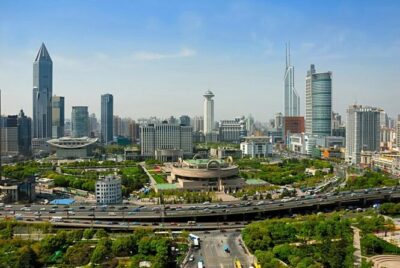
Authentic Local Food Tour in Central Shanghai
Read our review →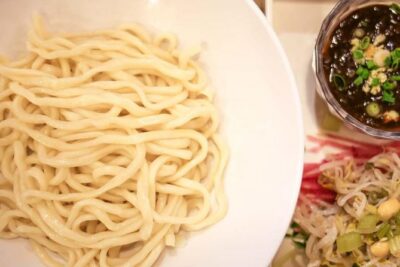
Beijing Hutong Walking Food and Beer Tour at Hidden Restaurants
Read our review →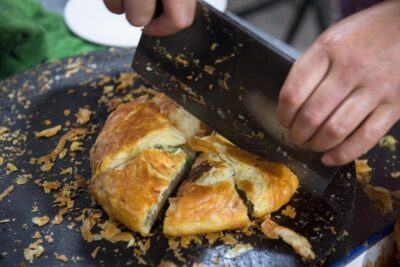
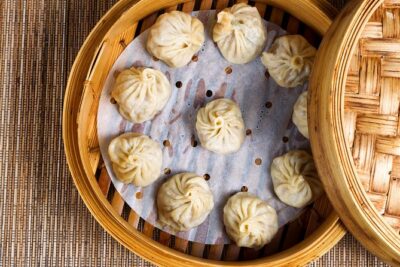
Hong Kong’s Tin Hau Hidden Eats Food Tour with 7+ Local Tastings
Read our review →
Hong Kong Food Tour: Central and Sheung Wan Districts
Read our review →Browse the lists this tour appears in