
Reviewed · PHOTOGRAPHY SESSIONS
Photography Workshop and Photowalk (FIND YOUR DIRECTION)
Hong Kong gives this photography workshop its best classroom: local streets and markets where daily life moves fast and light changes by the minute. Thomas Bertson begins with coffee-shop instruction, then takes you out to practice composition, framing, and visual storytelling in real situations.
I like the small group of six or fewer, which leaves room for useful individual guidance. I also like the balance between artistic ideas and camera technique. The one caution is the price, $196.46 for about three hours, so this makes more sense if you want focused photography instruction rather than a general sightseeing walk.
Key points to know before booking
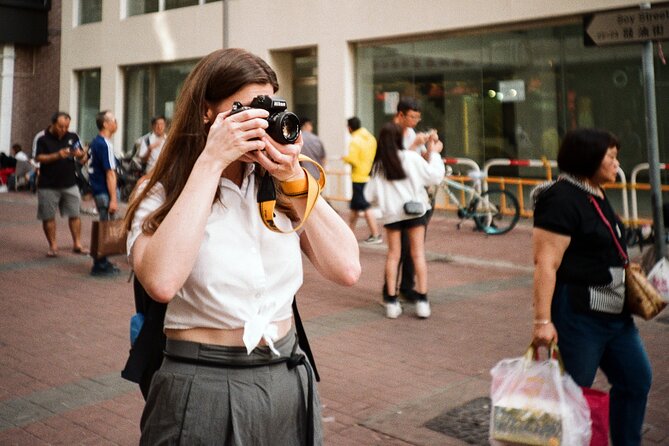
- Coffee-shop theory first: You discuss photographic identity, basic aesthetics, composition, framing, and how to use your equipment in service of your vision.
- Markets become the practice ground: The photowalk takes you through local areas that reflect everyday Hong Kong life.
- Led by Thomas Bertson: His work includes documentary photography, Vogue contributions, and a 2020 book about Hong Kong.
- Good for beginners and experienced photographers: You need interest and a camera with manual settings, not a certain number of years behind the lens.
- Six-person maximum: The group limit should make it easier to ask questions and receive personal advice.
- Plan for walking: Comfortable shoes matter, and you should have a moderate level of physical fitness.
Why this Hong Kong workshop is different from a standard photo walk
Many city photo walks are really sightseeing tours with cameras. This one takes a more serious route. The first part asks you to think about why you take a picture, not just how to operate the camera.
That distinction matters. You may already know how to change shutter speed or aperture, yet still struggle to decide what belongs in the frame. Thomas Bertson’s approach begins with the visual problem: What are you trying to say, and how can the tools help you say it?
The three-hour format is split between theory and practice. You start at Pacific Coffee, at Shops G04 to 05 on the ground floor of Manhattan Mid-Town, 1 Po Lun Street in Mei Foo, Sham Shui Po. After the discussion, you walk through local areas and markets, using Hong Kong as your working material.
I see this as a useful choice for someone who wants more than a list of camera settings. You will be encouraged to look at shape, balance, light, framing, and the mood of a scene. The goal is not simply to collect recognizable Hong Kong pictures. It is to make photographs that reflect your own way of seeing.
More Craft Workshops in Hong Kong:
- Tea Tasting and Pairing Concept Workshop
★ 5.0 · 57 reviews - Mahjong 101 Class for Beginners Workshop
★ 5.0 · 18 reviews - Introduction to Watchmaking
★ 5.0 · 3 reviews
Meeting Thomas Bertson at the coffee shop
The workshop starts with a conversation over coffee. That setting keeps the opening relaxed, but the subject is focused. You cover the basic aesthetics of photography and consider how to define your photographic identity.
For a beginner, this gives you a clear foundation before the walk begins. You can ask questions about the parts of photography that often feel confusing: what makes a frame work, how much technical control matters, and how to make choices instead of relying on automatic settings.
For an experienced photographer, the value is different. You may already understand exposure and focus, but the discussion can help you examine habits that have become automatic. The workshop addresses how available tools can serve your vision and how technical limits can sometimes work to your advantage.
That last point is practical. You are not asked to bring the most expensive camera. A camera with manual settings is suggested, along with the lightest setup possible. A smaller kit is sensible for a walking session, especially when you are also watching people, light, movement, and changing backgrounds.
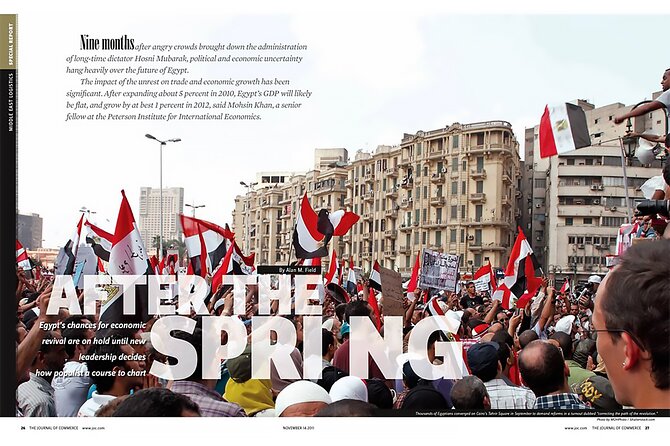
Bertson’s own career gives the discussion a useful range. He began photographing subjects including still life and portraits in 2008, later worked on documentary projects connected with the Arab Spring and Prison Escape, and has contributed to Vogue since 2013. He also published his first book, Hong Kong, in 2020.
Those details do not guarantee that every lesson will suit every photographer. They do tell you the workshop is led by someone who has worked across portraiture, still life, documentary photography, and editorial work. That mix can help you think about both carefully arranged images and unplanned street moments.
Learning to frame Hong Kong before you photograph it
The theory section covers compositional techniques and framing. These are broad subjects, but they have direct value on a city walk.
Hong Kong can give you too much to photograph at once. Signs, people, shopfronts, traffic, market goods, reflections, and narrow streets can all compete for attention. Composition helps you decide what belongs in the picture and what should be left out.
You will also consider how a frame directs the eye. A crowded scene may work because the elements create a pattern. Another may need a simpler arrangement. The point is not to follow one fixed rule. It is to understand why an image feels balanced, tense, open, compressed, or confusing.
The workshop also asks you to consider your photographic identity. That can sound abstract, but it is useful when you are building a body of work. Do you respond to faces, geometry, color, quiet details, movement, or the relationship between people and their surroundings? Knowing your answer helps you notice suitable pictures faster.
This part may be less appealing if you only want a quick introduction to your camera. The workshop is built around ideas, not just button pressing. You should be ready to discuss photography and reflect on your choices.
Taking the lesson into local markets
The photowalk is where the workshop earns its keep. You move into local areas and markets that convey the spirit of Hong Kong, then apply the ideas from the coffee-shop discussion.
Markets are useful practice areas because they offer changing subjects and layers of visual information. You might find opportunities involving people, products, signs, tight spaces, repeated shapes, and changing light. The supplied description does not name specific markets or promise particular scenes, so you should think of this as a flexible local walk rather than a fixed list of famous stops.
That flexibility is part of the appeal. Instead of being led from one famous viewpoint to another, you are asked to hunt for pictures. A market can reward patience. The strongest frame may not be the first obvious scene, and the best lesson may come from deciding what not to photograph.
Bertson can also help you connect the technical choices to the picture in front of you. Manual settings give you control, but control only matters if it supports the image. You may work on timing, framing, exposure, or the way you position yourself in relation to a subject.
Do not expect a long sightseeing route. Three hours passes quickly once you include the opening discussion and hands-on practice. The focus is photography in local surroundings, not a broad introduction to every part of Hong Kong.
The walk ends back at the original meeting point. That makes the logistics simple, especially if you are fitting the session into a short visit. It also means you should plan your onward schedule with enough time after the workshop rather than assuming you will finish at a different neighborhood.
More Photo Sessions in Hong Kong:
- Victoria Harbour Yacht Night Cruise – DREAMER:Tourguide & Photos
★ 4.0 · 58 reviews - Hong Kong Photography Masterclass – Private Photography Lesson
★ 5.0 · 5 reviews - Beijing: Must-Try Chinese Ancient Costume Rental& Photoshoot
★ 4.9 · 26 reviews - 4-Hour Private Flexible Photography Tour of Best Shanghai Scenes
★ 5.0 · 24 reviews
What the small group means for your experience
The maximum group size is six. That is one of the most important practical details here.
A small group gives you more room to ask about a particular photograph or problem. If you are learning, you can get help without holding up a large crowd. If you already shoot regularly, you have a better chance of receiving comments that relate to your own style rather than a general lecture.
The format also supports the workshop’s stated aim of constructive practice. You are not simply walking behind a guide while taking pictures. You are putting ideas into use and can adjust as the session continues.
There is still a limit to what three hours can cover. You should not expect a full portfolio review, an advanced technical course, or a complete photography program. The optional assignment to create a portfolio of images reflecting different aspects of Hong Kong life is a useful way to continue the work afterward, but completing it will require your own time.
The small group also makes the price easier to assess. At $196.46 per person, this is expensive compared with a casual city walk. The cost is easier to justify if you value direct instruction, a professional photographer as your guide, and a focused chance to practice. If you mainly want to see markets and take holiday snapshots, you will probably find less costly ways to do that.
Is the workshop suitable for beginners?
Yes. You do not need a stated level of experience, and the workshop is presented as suitable for people who are keen to learn.
A beginner should bring a camera with manual settings and be willing to use it. You do not need to arrive with a polished style or a portfolio. The opening discussion is designed to introduce the principles behind photography, while the walk lets you try those ideas right away.
Bring the lightest camera combination possible. Carrying too much equipment can distract you from the street, and this is not presented as a gear-comparison session. If your camera has manual controls, it should fit the stated requirements.
The workshop can also suit someone who already understands the basics but wants to sharpen street photography skills. One useful extra mentioned by the experience is that, on request, Thomas may take you to used camera shops in Hong Kong that are less familiar to most tourists. This is not described as part of the standard route, so treat it as a possible addition rather than a guaranteed stop.
How to prepare for three hours on foot
Wear comfortable shoes. That advice is simple, but it matters when you are walking through local streets while carrying a camera and stopping often.
You should also bring the smallest practical camera setup. A camera with manual settings is suggested. The information does not specify a required lens, tripod, or other accessory, so avoid buying special equipment just for this session.
Give yourself time to reach the meeting point at Pacific Coffee in Mei Foo. The location is near public transportation, and the activity begins and ends there. Confirmation is provided within 48 hours of booking, subject to availability, so do not assume the reservation is final until you receive it.
The activity requires a moderate level of physical fitness. Nothing suggests a strenuous hike, but you will be walking through local areas and markets for part of the three-hour session. If standing and walking with camera equipment is difficult, consider that before booking.
The price is listed in US dollars, at $196.46 per person. Group discounts are available, which may help if you are booking with companions. Since the group is capped at six, ask about the group arrangement before assuming a discount will apply to your party.
Who will get the most from this experience?
I would choose this workshop for a photographer who wants to improve the way they see, not just operate a camera. It is especially suited to someone spending a short time in Hong Kong who wants a concentrated introduction to local street photography.
It also fits a beginner who prefers personal guidance over a large classroom. The coffee-shop setting gives you space to ask basic questions, and the photowalk lets you test each idea in context.
An experienced photographer may appreciate the chance to work with a documentary photographer and examine familiar subjects from a new angle. The session could be less useful if you already teach photography, have extensive street experience, or want a highly technical course focused on advanced lighting and equipment.
The photography subject is Hong Kong itself, but the main product is instruction. You are paying for a guided way of looking at the city, plus time to practice. Keep that distinction in mind when comparing prices.
Should you book FIND YOUR DIRECTION?
Book it if you want a small, thoughtful photography session with a working photographer, and if you are happy to spend three hours mixing discussion with street practice. Thomas Bertson’s background, the six-person limit, and the chance to work in local markets give the experience a clear focus.
I would be more cautious if your main goal is sightseeing, famous views, or a low-cost introduction to Hong Kong. The $196.46 price is high for a short activity, and the walk is built around photography rather than a broad city tour.
For the right person, though, the value is in the feedback and the method. You leave with a stronger idea of how to frame a scene, how to use your equipment with purpose, and how to build a personal set of images from everyday Hong Kong life. Free cancellation is available up to 24 hours before the start time, giving you some flexibility while you make the decision.
FAQ
Where does the photography workshop begin?
It begins at Pacific Coffee, Shops G04 to 05, ground floor, Manhattan Mid-Town, 1 Po Lun Street, Mei Foo, Sham Shui Po, Hong Kong.
Where does the workshop finish?
The activity ends back at the original meeting point.
How long does the experience last?
The workshop lasts about three hours, including the photography discussion and the photowalk.
Is the workshop suitable for beginners?
Yes. The experience is designed for people who are keen to learn, regardless of how many years they have been taking photographs.
What camera should I bring?
A camera with manual settings is suggested. The lightest practical camera combination is recommended.
What should I wear?
Wear comfortable shoes, since the activity includes walking through local areas and markets.
How many people can join the workshop?
The maximum group size is six people.
Can I cancel for a full refund?
Yes. You can cancel for a full refund if you do so at least 24 hours before the experience start time. Cancellations or changes made less than 24 hours before the start time are not accepted for a refund.
Newly listed around Hong Kong
- Full Day Private Trip in Hong Kong( impeccable local )walk tour★ 5.0 · 11 reviews
- Hong Kong Victoria Harbour Sightseeing Cruise Tickets★ 4.5 · 8 reviews
- Hong Kong Guided Dinner + Laser Show Lounge Entry (2023) | 200+ booked★ 3.5 · 7 reviews
- Walking Tour in Hong Kong – Local Experience (New & Best)★ 4.5 · 33 reviews
- Victoria Peak Tram and Sky Terrace 428 Admission Hong Kong★ 4.5 · 33 reviews
- STARLIGHT: Victoria Harbour Night Yacht Tour★ 4.5 · 38 reviews
- Group Vegetarian Food & Cultural Tour★ 5.0 · 16 reviews
- Unveiling Hong Kong Cultural Gems [BRAND NEW 2024]★ 5.0 · 4 reviews
Photography Sessions, compared.
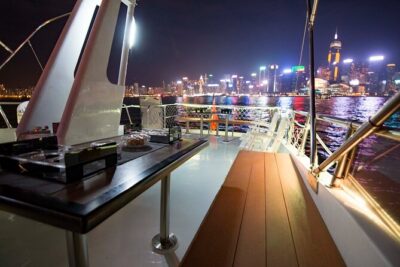
Victoria Harbour Yacht Night Cruise – DREAMER:Tourguide & Photos
Read our review →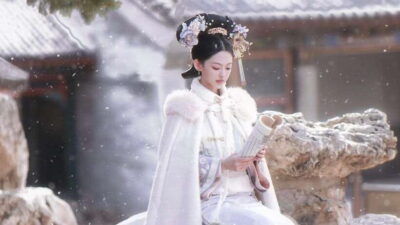
Must-Try Chinese Ancient Costume Rental& Photoshoot
Read our review →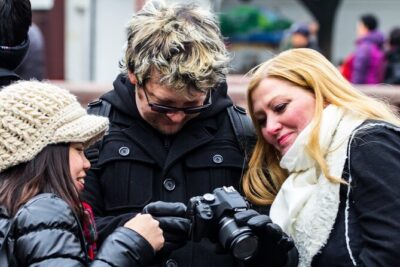
4-Hour Private Flexible Photography Tour of Best Shanghai Scenes
Read our review →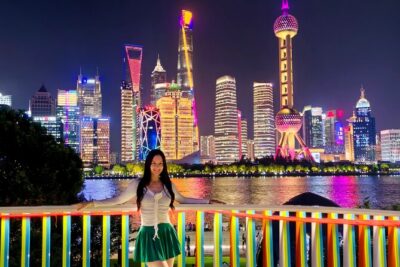
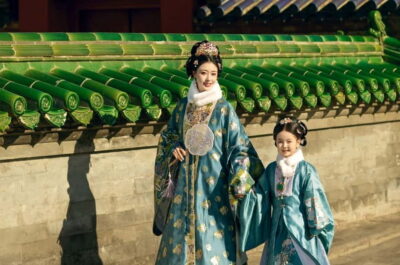
Beijing Traditional Hanfu Experience & Photoshoot for Groups
Read our review →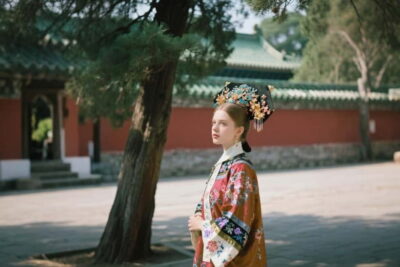
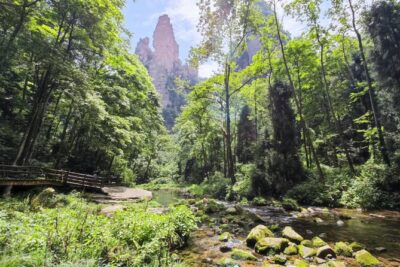
3-Day “Secrets Of Zhangjiajie” Deep Photography Tour
Read our review →
Private Photography Day Tour of Huangshan Yellow Mountain
Read our review →Browse the lists this tour appears in