
Reviewed · WUHAN TOURS
Customized Private Wuhan Day Tour (10 attractions to choose / Not group tour)
Wuhan is a city of big rivers, old temples, leafy university grounds, and serious food. This private tour lets you choose four of eight main sights, so you can focus on museums and history, nature, religious buildings, or everyday city life. Rafiq, who has lived in Wuhan for more than 30 years, drives and guides you, with time to explain the city between stops.
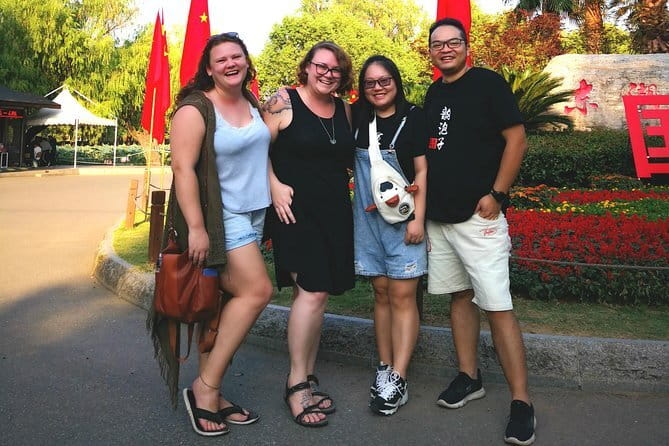
I like the real flexibility and the chance to use a private car instead of piecing together a large city by taxi and public transport. I also like the personal touch: Rafiq contacts you before the tour, helps shape the day, and is good at taking photos. The main drawback is the price, $280 per person, which is a serious sum for a one-day outing, especially if your group is small.
Key points to know before booking
- Choose four major sights: Pick from Yellow Crane Tower, East Lake, Hubei Provincial Museum, Wuhan Yangtze River Bridge, Yangtze River Ferry, Wuhan University, Guiyuan Temple, and Gude Temple.
- Add local food: Hubu Alley or Jiqing Street is included as the food stop, but lunch and dinner are not included.
- Rafiq leads the day: He has lived in Wuhan for over 30 years and can share local stories while driving.
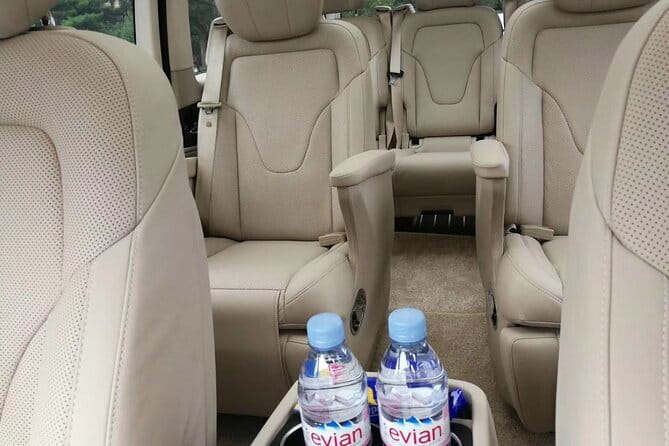
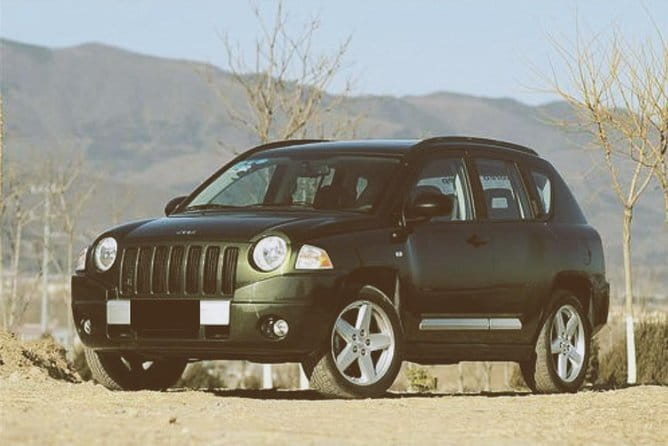
- Private from door to door: Your group gets its own guide, driver, air-conditioned car, bottled water, and hotel pickup within Wuhan’s Third Ring Road.
- Good for a short Wuhan stay: The six to eight hour schedule covers several sides of the city without forcing you into a fixed group itinerary.
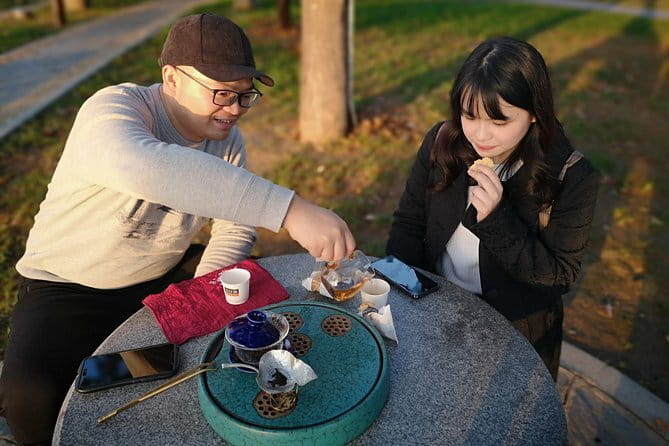
- Tea is included: You receive one cup of Chinese green or black tea, with a free tasting during the day.
Why the private format works well in Wuhan
Wuhan is spread across three historic areas: Wuchang, Hankou, and Hanyang. The Yangtze and Han rivers divide the city, and the sights are not gathered in one compact old center. That makes a private vehicle useful. You can move from a museum in Wuchang to a temple in Hankou, then across the river for food, without spending your day working out connections.
The tour lasts about six to eight hours. That is enough time for four selected sights, one food street, and tea, but you should not expect a slow visit at every possible attraction. The advertised stop length is about 90 minutes, though your final timing will depend on the four places you choose and local traffic.
This is not a group tour with a fixed script. Before departure, you communicate with Rafiq about what interests you. If you care most about Chinese art and history, choose the museum, Yellow Crane Tower, Wuhan University, and the bridge. If you prefer outdoor time, combine East Lake, the ferry, the bridge, and one temple.
The value is strongest for couples, families, or small groups who want a guide for the whole day. Solo visitors pay the full per-person price, so the cost is harder to justify unless time is short or you want private help with transport and photos.
A few more Wuhan days worth a look
- 4D3N Yangtze River Cruise: Chongqing to Yichang by Century Cruise
★ 4.5 · 11 reviews - 4D3N Yangtze River Victoria Cruise: Chongqing to Yichang
★ 4.4 · 9 reviews - Yangtze River Cruise from Chongqing to Yichang Downstream in 4 Days 3 Nights
★ 4.5 · 8 reviews
Yellow Crane Tower and the story of three Wuhans
Yellow Crane Tower is the classic first choice for a visitor who wants a broad view of Wuhan. The tower is a city symbol, and from its upper levels you can look toward Hanyang, modern Hankou, and the older cultural center of Wuchang.
The appeal is not only the building. The surrounding park has winding paths and quieter corners, so you get some breathing room after seeing the main structure. Rafiq can help connect the tower to Wuhan’s wider story and point out what you are seeing from above.
Plan on about 90 minutes here. The stop suits first-time visitors, photographers, and anyone who wants a sense of the city’s layout. It is less suitable if you dislike stairs, historic reconstructions, or busy landmark sites. You should also choose it for the view and setting, not just for a quick photograph at the entrance.
East Lake for a slower hour and a half
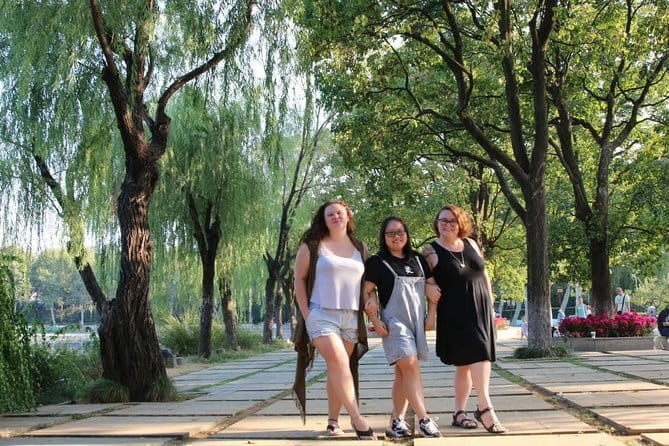
East Lake gives the day a needed change of pace. The setting includes lake water, willow trees, lotus ponds, stone bridges, and views of hills around the shore. You might also see wild ducks on the water.
This is the best pick if you want nature rather than another indoor attraction. A walk beside the lake can feel calm, and there are stone benches where you can pause. The description also highlights sunset, though the exact time of the tour may not match the evening light, so do not book this stop solely for sunset unless your schedule confirms it.
East Lake takes about 90 minutes. That is enough for a pleasant walk, but not for seeing every corner of a large lake area. Wear comfortable shoes and tell Rafiq if you prefer a gentle stroll rather than a faster sightseeing pace.
Hubei Provincial Museum and four major treasures

Hubei Provincial Museum is the strongest choice for anyone who wants context. Its collection includes Qin Dynasty bamboo slips, the Sword of Goujian, the chime bells from the Tomb of Marquis Yi of the Zeng State, and a Yuan Dynasty blue and white plum vase connected with the Four Loves.
The chime bells are the headline object. They are described as the most complete set in China, and the museum’s chime performance adds sound to what could otherwise be a purely visual visit. That makes the stop especially worthwhile for people interested in early Chinese technology, music, burial customs, and court life.
Give the museum about 90 minutes. That will let you see major objects without turning the entire day into an indoor museum visit. The drawback is simple: if you have already spent many days in Chinese museums, you may prefer a temple, ferry, or food street for a stronger sense of present-day Wuhan.
Same base, a completely different kind of day out:
- 4D3N Yangtze River Cruise:Chongqing to Yichang by Victoria Cruise
★ 4.0 · 4 reviews - 4D3N Yangtze River tour: Chongqing to Yichang by Victoria Sabrina
★ 3.5 · 3 reviews - Century Cruises Chongqing to Yichang Yangzte River Tour
★ 5.0 · 3 reviews
The Yangtze River Bridge and the city below it
Wuhan Yangtze River Bridge opened in 1957 and carries both road and rail traffic. It is presented as the first bridge across the Yangtze River, and it remains one of the city’s most recognizable pieces of infrastructure.
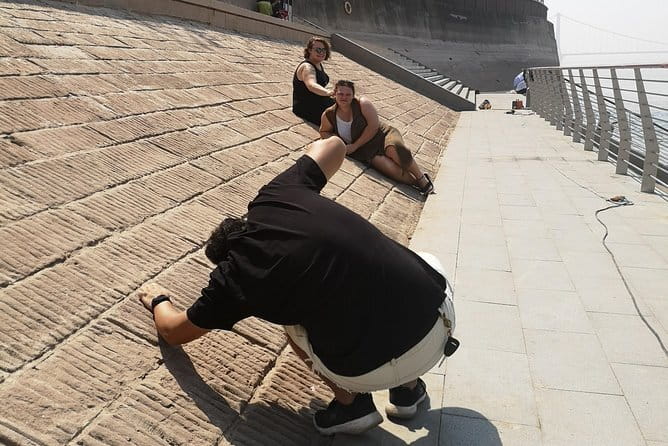
The bridge is best viewed as both an engineering landmark and a place to see local life. You can take photographs of the span and the river, then walk near the riverbank below it. The riverfront gives you a chance to watch ordinary Wuhan life rather than simply moving between monuments.
This stop works well with Yellow Crane Tower because the two places help you understand Wuchang and the river’s role in the city. If you choose the bridge alone, expect about 90 minutes. Traffic, river conditions, and the walking pace of your group will affect how much time you spend outside.
The Yangtze ferry for a moving city view

The ferry is one of the most appealing choices for a visitor who wants an everyday experience. It is an old way to cross the river, but it remains part of city life. From the boat, you can feel the wind, watch the banks move past, and see Wuhan from the water rather than from a tower or bridge.
The ferry also puts you alongside local residents. The tour description specifically points to couples, college students, and small vendors. That mix gives the ride a more ordinary feel than a sightseeing cruise designed only for visitors.
Allow about 90 minutes for this part of the day. It is a good choice for photographers and anyone who prefers movement and people-watching. It is less predictable than a museum visit because the experience depends on the crossing and schedule. If you want a polished cruise with commentary, this is not that. The appeal is the simple ride and the view.
Wuhan University and its early spring flowers
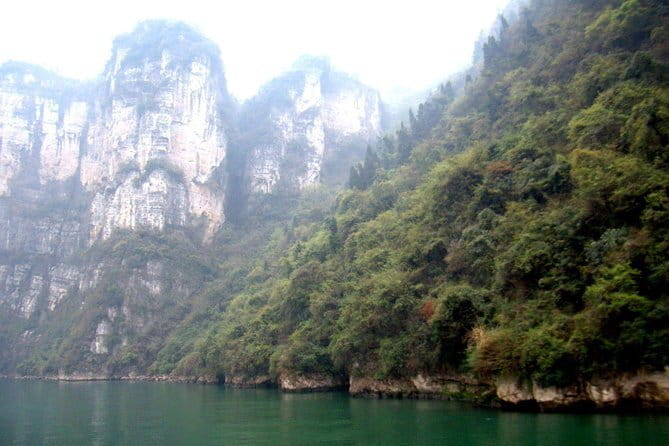
Wuhan University dates to 1893 and sits by East Lake and Luojia Mountain. Its buildings mix Chinese and Western design, with large, formal structures that give the campus a strong sense of place.
The university is especially famous for cherry blossoms in mid-March. At that time, the campus attracts millions of visitors from across China, so the setting can be much busier than at other times of year. If you visit outside the blossom season, the architecture, grounds, and location beside the lake remain the main reasons to go.
This is a good choice for anyone who likes campuses, architecture, photography, or a break from enclosed attractions. The stop lasts about 90 minutes. Ask about access conditions when you book, since the information provided does not promise that every part of the campus will always be open in the same way.
Guiyuan Temple and the 500 Arhats
Guiyuan Temple was founded in 1658 and remains an important place of worship for people in Wuhan. The temple’s most distinctive feature is its hall of 500 golden Arhats.
A traditional activity here is to count the figures and see what meaning or luck is associated with your number. It is a small, memorable way to engage with the temple rather than simply walking through and taking photographs.
The temple is also tied to local custom. During the fifth day of the Lunar New Year, very large numbers of worshippers come to pray and compete for the first incense. You may not visit at that time, but the tradition explains why this is more than an architectural stop.
Choose Guiyuan Temple if you want religion, local practice, and a quieter pace. The visit takes about 90 minutes. Dress and behave respectfully, since this is an active temple and not only a historic site.
Gude Temple, an unusual mix in Hankou
Gude Temple dates to 1877 and is known for combining Eurasian religious design with three Buddhist traditions. Its building style is unusual enough to make it one of the more distinctive stops on the menu.
The temple sits among residential buildings in central Hankou. That setting is part of its appeal. You are not approaching a large complex in an isolated scenic area. You are finding a religious site within the regular city, where homes and temple walls occupy the same urban space.
The tour description notes that Gude Temple can be hard to find without local help. This is where having Rafiq matters. He can take you directly there and explain why the building looks different from more familiar Chinese temples.
Gude Temple takes around 90 minutes. Pick it over Guiyuan Temple if architecture interests you most. Pick both only if religious buildings are a major priority, since choosing two temples means giving up other sides of Wuhan.
Hubu Alley or Jiqing Street for the food stop
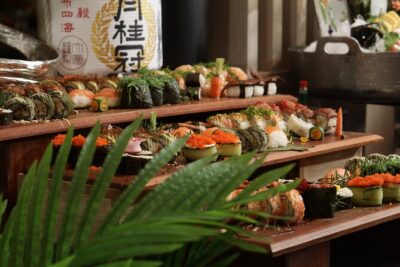
Your food choice is between Hubu Alley and Jiqing Street. Lunch or dinner is not included, so bring money for what you want to eat. The advantage is choice: you can sample a few things rather than pay for a set meal you may not want.
Hubu Alley is a 150-meter food street with more than 400 years of history. It is known for Wuhan staples such as Re Gan Mian, hot-and-dry noodles, and Hu Tang Fen, noodles served with fish paste soup. The street is compact and direct, which makes it useful during a busy sightseeing day.
Jiqing Street offers a different mood. It is associated with established local food brands such as Si Jimei and Lao Tongcheng, along with stalls run by folk craftsmen. It is particularly known for its evening atmosphere, when lights, food, and voices fill the street.
Choose Hubu Alley for a fast introduction to signature Wuhan snacks. Choose Jiqing Street if your schedule reaches the evening and you want more time among restaurants, old food names, and street stalls. Since the tour runs six to eight hours, confirm the timing with Rafiq before deciding.
Chinese tea and the value of local conversation
One cup of Chinese green or black tea is included for each person. The tasting is a modest extra, but it gives the day a quiet pause between major stops.
The larger benefit is conversation. Rafiq has lived in Wuhan for more than three decades, and the tour is built around stories told while moving through the city. That can help you connect the bridge, temples, food streets, and university to daily life rather than treating them as separate photo stops.
A previous booking was arranged with Rafiq and an assistant named Summer. Summer is part of the personal service described for some outings, but the included information does not promise that she will join every departure. Ask when confirming if having an assistant matters to you.
Price, transport, and what is included
At $280 per person, this is not a budget sightseeing option. You are paying for a private English or Chinese-speaking guide, a private driver, a comfortable air-conditioned car, bottled water, one tea per person, and hotel pickup and drop-off within Wuhan’s Third Ring Road.
The price makes more sense when shared by a couple, family, or small group that values time. You avoid arranging several separate rides, and you can choose sights that fit your interests instead of following a fixed group route. Rafiq also helps with photos, which is useful when you want more than hurried phone snapshots.
The cost is harder to defend if you are comfortable using public transport, have several days in Wuhan, or plan to visit only one or two nearby places. Admission is included for the listed stops, but food is not, and hotels outside the Third Ring Road do not receive the included pickup and drop-off.
Confirmation arrives at booking. Service animals are allowed, most people can participate, and the activity is private for your group. Free cancellation is available up to 24 hours before the start time. After that point, the payment is not refunded, and late changes are not accepted.
Who should book this Wuhan day?
I would choose this tour if you have one day in Wuhan and want help balancing major sights with local food and river life. It is also a good fit if you want to ask questions, take photographs, and adjust the day around your interests.
For a first visit, my strongest combinations would be:
- Yellow Crane Tower, Hubei Provincial Museum, Yangtze River Bridge, and Hubu Alley
- East Lake, Wuhan University, Yangtze River Ferry, and Jiqing Street
- Yellow Crane Tower, Gude Temple, Hubei Provincial Museum, and the ferry
You should not book it expecting a relaxed visit to all ten places. You choose four of the eight major sights, then one food street, with tea added along the way. The day is selective by design.
Final verdict: a useful private introduction to Wuhan
Book this tour if you want efficient sightseeing with a local guide, private transport, and control over the main stops. Rafiq’s long connection to Wuhan, his pre-tour planning, and his help with photos add value beyond a simple driver service.
Skip it if $280 per person feels too high or if you have enough time to explore slowly on your own. For a short stay, though, the mix of river views, history, temples, food, and local conversation gives you a solid first look at Wuhan without forcing you into a large group.
FAQ
How long does the private Wuhan tour last?
The tour lasts approximately six to eight hours.
How many attractions can I choose?
You can choose four attractions from eight main options: Yellow Crane Tower, East Lake, Hubei Provincial Museum, Wuhan Yangtze River Bridge, Yangtze River Ferry, Wuhan University, Guiyuan Temple, and Gude Temple.
Is a food stop included?
Yes. One stop at either Hubu Alley or Jiqing Street is arranged. Lunch and dinner are not included in the price.
Is hotel pickup available?
Pickup and drop-off are included for hotels within Wuhan’s Third Ring Road. Locations outside that area are not covered by the included hotel transfer.
Who guides and drives the tour?
Rafiq provides the guiding and driving service. He has lived in Wuhan for more than 30 years and speaks English and Chinese. A private air-conditioned vehicle is included.
What is the cancellation policy?
You can cancel at least 24 hours before the local start time for a full refund. Cancellations or changes made less than 24 hours before the experience are not accepted for a refund.
Newly listed around Wuhan
- 4D3N Yangtze River Victoria Cruise: Chongqing to Yichang★ 4.4 · 9 reviews
- 4D3N Yangtze River Cruise:Chongqing to Yichang by Victoria Cruise★ 4.0 · 4 reviews
- 4D3N Yangtze River Cruise: Chongqing to Yichang by Century Cruise★ 4.5 · 11 reviews
- 4D3N Yangtze River tour: Chongqing to Yichang by Victoria Sabrina★ 3.5 · 3 reviews
- Century Cruises Chongqing to Yichang Yangzte River Tour★ 5.0 · 3 reviews
- Yangtze River Cruise from Chongqing to Yichang Downstream in 4 Days 3 Nights★ 4.5 · 8 reviews
Wuhan Tours, compared.
4D3N Yangtze River Cruise: Chongqing to Yichang by Century Cruise
Read our review →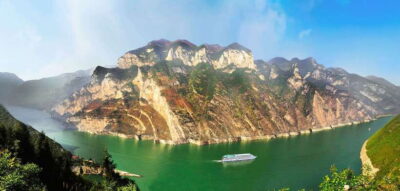
4D3N Yangtze River Victoria Cruise: Chongqing to Yichang
Read our review →
Yangtze River Cruise from Chongqing to Yichang Downstream in 4 Days 3 Nights
Read our review →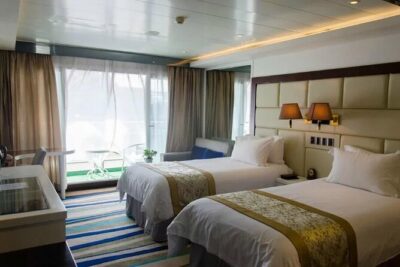
4D3N Yangtze River Cruise:Chongqing to Yichang by Victoria Cruise
Read our review →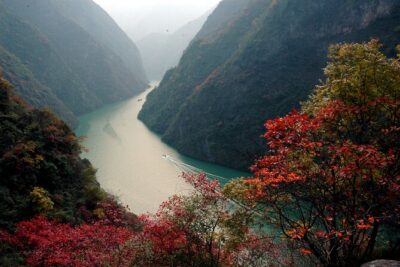
4D3N Yangtze River tour: Chongqing to Yichang by Victoria Sabrina
Read our review →
Century Cruises Chongqing to Yichang Yangzte River Tour
Read our review →Browse the lists this tour appears in