
Reviewed · TAI CHI CLASSES IN BEIJING
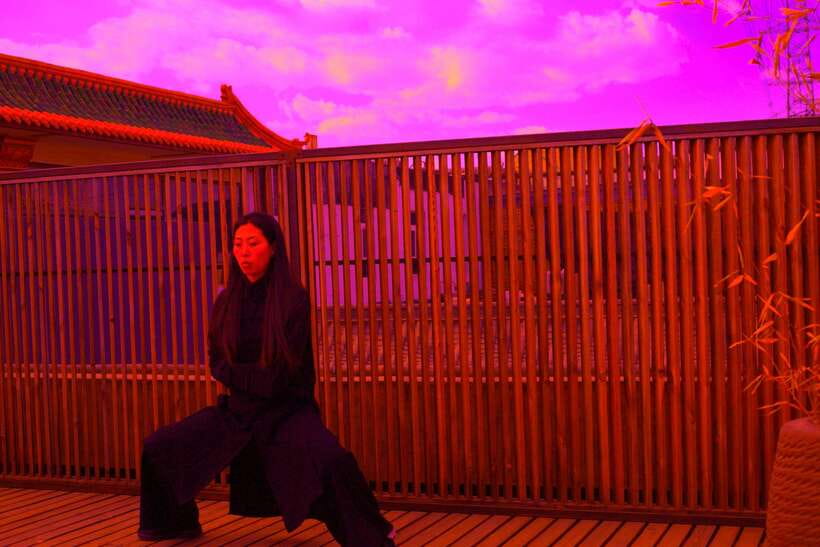
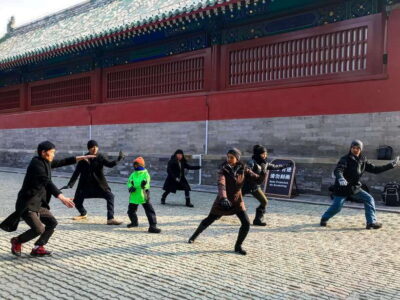
Chinese Kungfu class in old temple beside Forbidden Ci
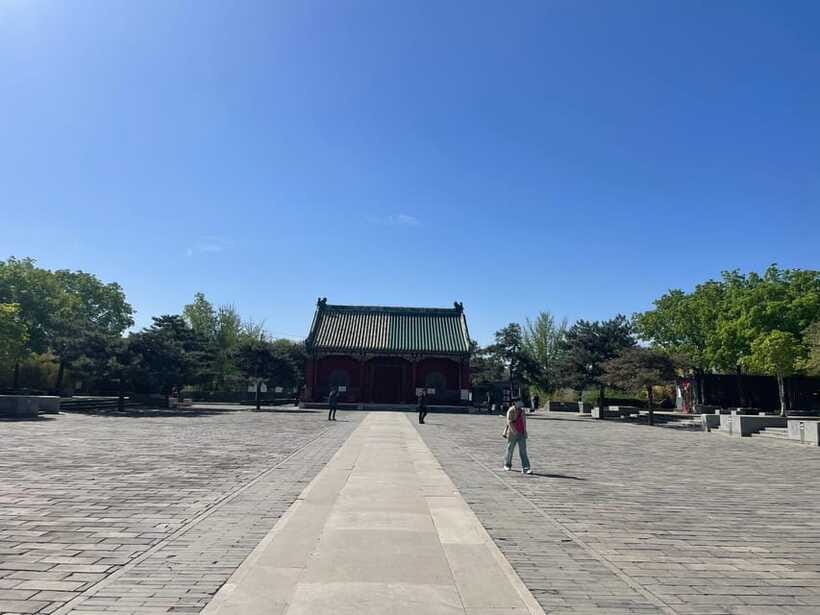
The unusual part here is not simply learning a few kungfu moves. You practice in Pudusi, a nearly 700-year-old royal temple tucked into a hutong beside the Forbidden City’s east gate. That setting gives the lesson a sense of place that a hotel exercise room cannot match.
I like the personal teaching and the useful focus on self-defense, not just flashy forms. I also like having Limeng translate between you and the master, since clear instruction matters when you are learning movement. The main thing to consider is that the class itself lasts about one hour, even though the activity information lists a three-day validity period. Confirm your selected class time before booking.
Key points
- Train beside the Forbidden City: The class takes place at Pudusi, a historic temple in a residential hutong area.
- Learn practical kungfu: The master teaches basic Shaolin and other traditional forms, plus attack and defense movements.
- English support is provided: Limeng can translate the master’s explanations and help answer questions.
- Personal attention is possible: One-to-one lessons and small groups have been available, depending on the schedule.
- Plan to sweat: Bring a spare shirt, especially in warm weather or if you plan to walk around Beijing afterward.
- Uniforms can be purchased: Two inner and outer tops plus trousers are available by arrangement, with size and color choices.
Training at Pudusi beside the Forbidden City
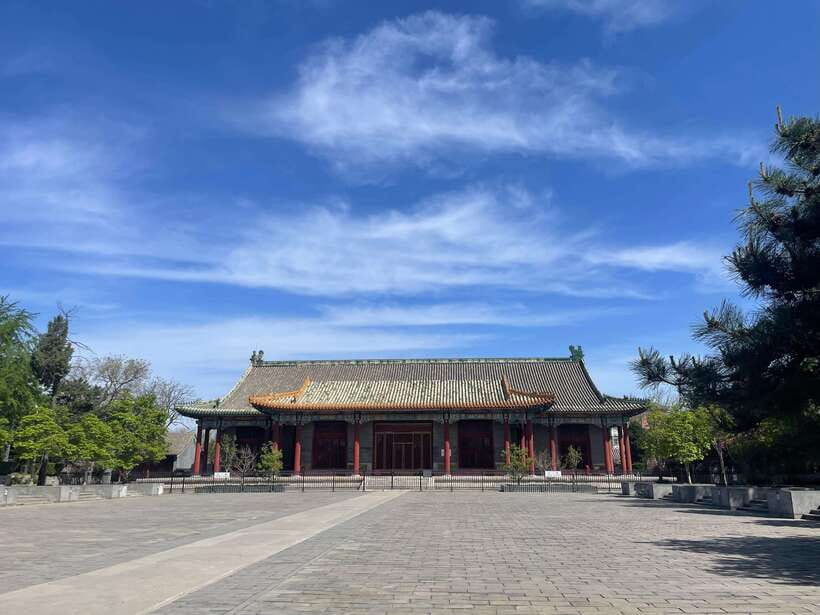
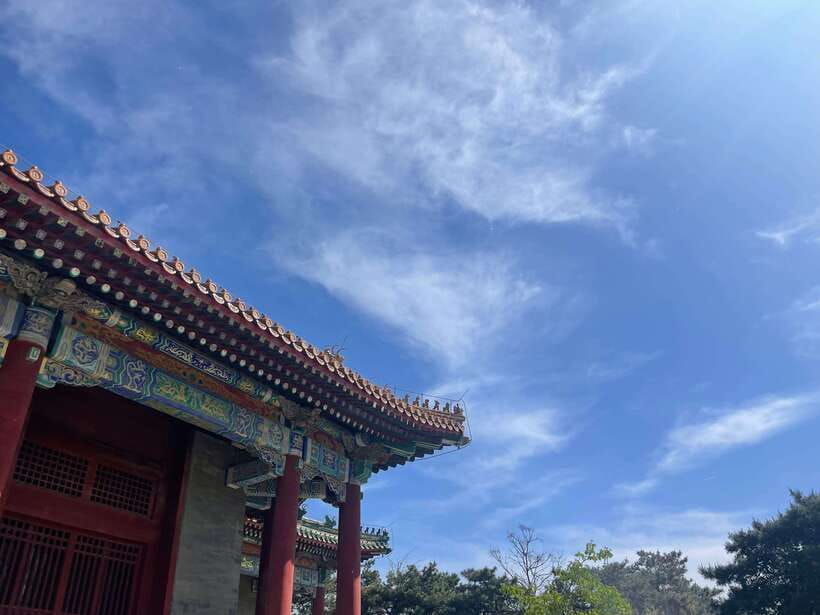
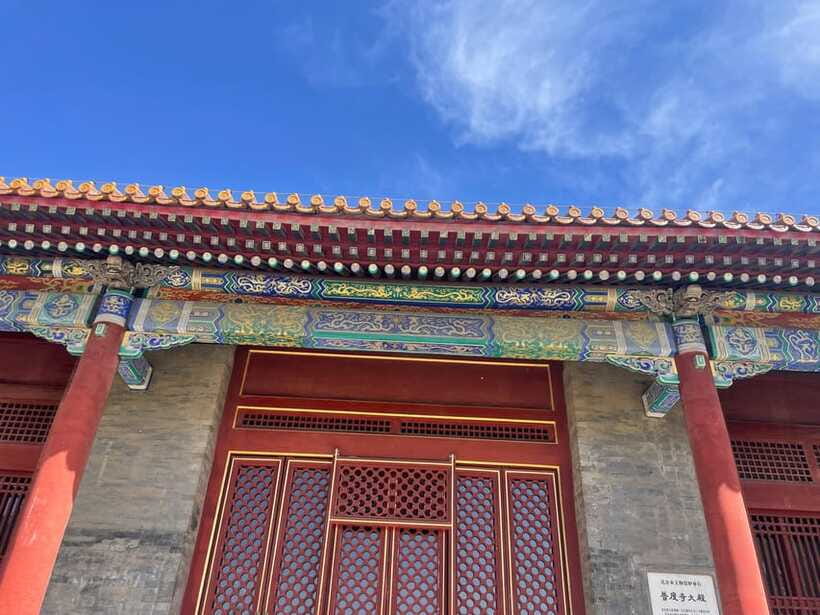
This experience places martial arts in a setting that tells you something about old Beijing before the lesson even begins. Pudusi is described as a royal temple with almost 700 years of history, located in the hutong area right beside the Forbidden City’s east gate.
You are not heading to a modern sports center or a staged show venue. The class takes place around a historic temple within a residential neighborhood. That makes the hour feel connected to local life, even though the lesson is designed for first-time visitors.
The location is especially useful if you already plan to visit the Forbidden City. You can pair this class with sightseeing nearby, though you should allow enough time for the class and your scheduled entry to the palace complex. The experience itself does not state that Forbidden City admission is included, so treat the kungfu lesson and palace visit as separate plans.
The surroundings may be more important to you than the exact form you learn. A beginner will not master Shaolin kungfu in one hour, but you can get a clear introduction to its posture, movement, discipline, and practical purpose. I find that setting valuable because it gives the lesson cultural context without turning it into a lecture.
More Tai Chi Classes in Beijing
- Beijing Private Tai Chi Class
★ 5.0 · 16 reviews - Chinese Kung Fu Experience Class in Beijing
★ 5.0 · 11 reviews - Beijing Private Tai Chi Class
★ 5.0 · 10 reviews
What happens during the one-hour kungfu class
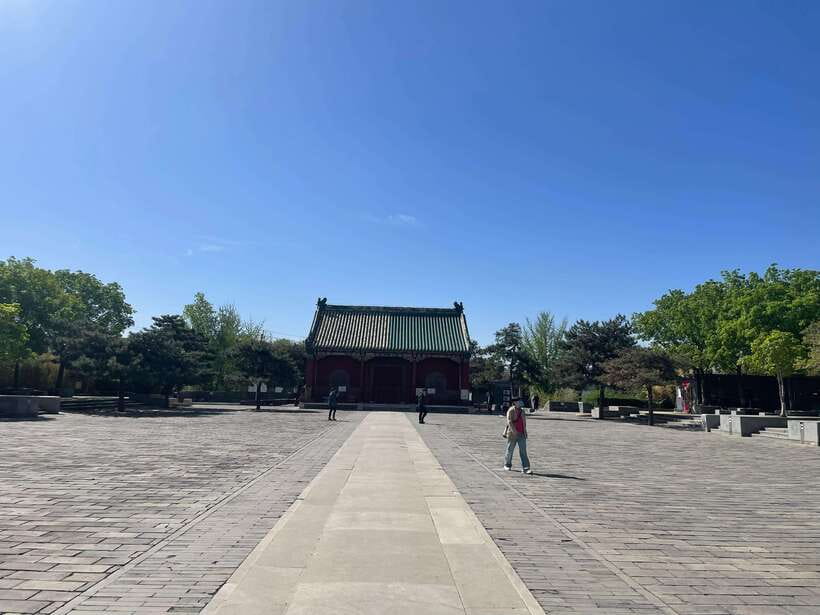
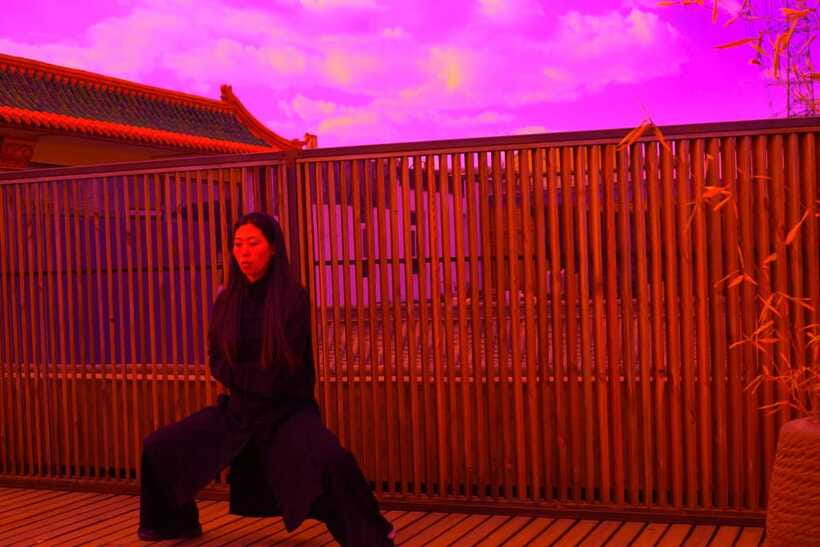
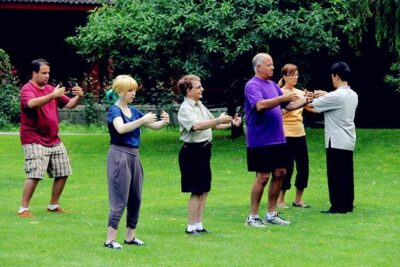
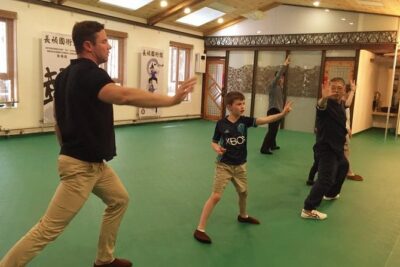
The class begins with an introduction to traditional Chinese kungfu and its basic principles. The master then demonstrates movements for you to copy. Expect simple training exercises, traditional forms, and instruction in how certain techniques can be used in everyday self-defense.
The teaching is not limited to performance. The master is described as having trained in Shaolin from the age of five and as being skilled in Shaolin kungfu along with several other traditional styles. The stated aim is to show how movements work in practical use, rather than asking you to memorize gestures only for photographs.
You may practice both defensive and attacking movements. This does not mean the session turns you into a fighter. It means the master explains the purpose behind certain movements and shows how the body should respond. For a first lesson, that practical angle makes the class more useful than a short demonstration where you only watch.
The class has also been adapted to different interests. A participant with prior interest in kungfu received a more personal lesson, while first-time students learned the basics. If you have experience in martial arts or a specific interest in forms, tell the guide before the class begins.
The master corrects technique as you practice. That is one of the best features of a short lesson. You can ask questions, adjust your stance, and repeat a movement instead of simply watching a polished performance.
Limeng and the value of English translation
The master does not appear to be the main English-speaking host, so Limeng’s role matters. She translates the instruction, explains what the master is showing you, and helps the exchange feel natural.
Martial arts instruction depends on small details. A slight change in hand position, balance, distance, or timing can affect the whole movement. A translator who can explain those details makes the class far easier to follow than trying to copy silently.
Limeng has also helped adjust starting times and accommodate children. That does not guarantee every schedule change will be possible, but it suggests you should contact the provider early if your group includes children or has a tight sightseeing plan.
The English support also gives you a chance to ask about the ideas behind kungfu. You can learn why a movement is used, how the master thinks about self-defense, and how traditional training differs from a choreographed stage performance. I would make use of that opportunity rather than treating the class as a quick photo stop.
A good first lesson, not a complete martial arts course
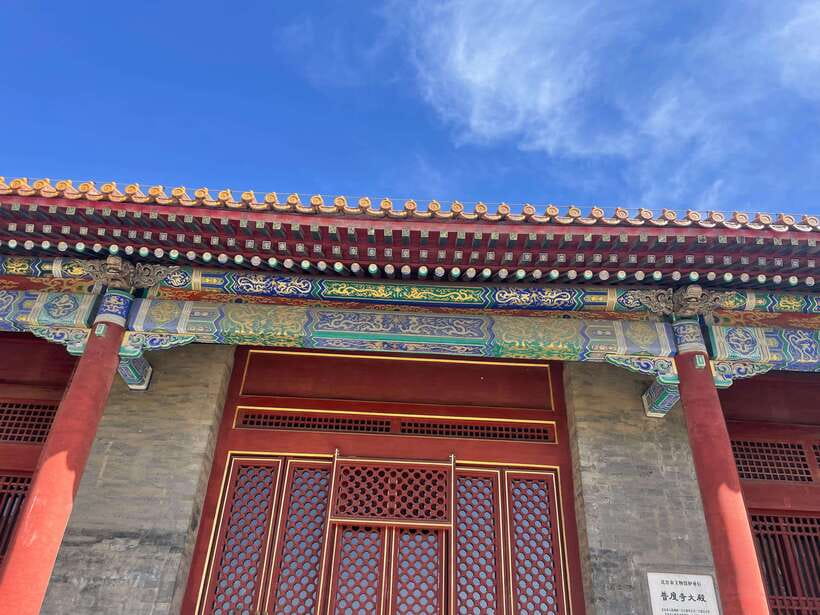
You should book this as an introduction. The session is short, and the information describes a one-hour class. That is enough time to learn basic exercises and several practical movements, but not enough for advanced training or a full study of Shaolin systems.
That limitation is not a flaw if your goal is to try something new in Beijing. Beginners can learn the basic idea of kungfu training without committing to a long course. You also get direct instruction from a trained master rather than a general cultural talk.
If your main goal is fitness, the class may feel brief. If your goal is to learn a complete routine, you will need more practice than this activity provides. The best match is someone who wants a focused introduction, some hands-on practice, and a better sense of how traditional kungfu works.
The lesson may also be physically active. One participant specifically advised bringing an extra T-shirt. I would follow that advice, especially in warmer months. Wear clothing that lets you move freely and bring water if you tend to get thirsty during exercise. The supplied information does not give a detailed dress code, so you should ask the host if you have any physical concerns.
Same base, a completely different kind of day out:
- From Beijing: Mutianyu Great Wall Tours with Options
★ 4.9 · 9,216 reviews - Beijing: Forbidden City Tour(Group/Private)-Tickets Included
★ 4.8 · 7,974 reviews - Beijing: T-Square & Forbidden City Group or Private Tour
★ 4.8 · 4,446 reviews - Beijing: Mutianyu Great Wall Daily Tour with Ticket & Lunch
★ 5.0 · 3,056 reviews
Why the hutong setting adds real value
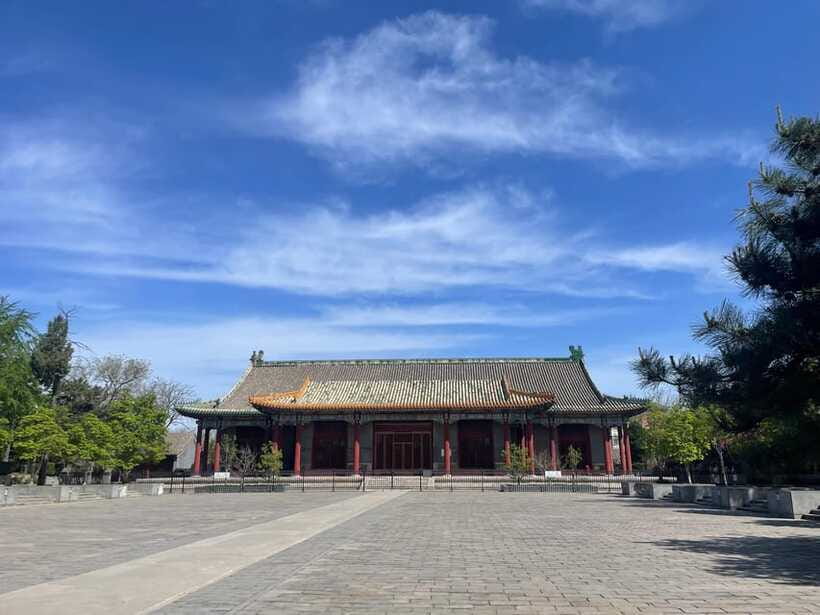
Beijing’s hutongs are narrow historic neighborhood lanes, often associated with courtyard homes and older forms of city life. Here, the class sits within that residential setting, beside a temple connected with the imperial past.
That combination gives you two views of Chinese culture at once. The Forbidden City represents formal court power and royal history. The hutong shows a more local setting, where homes, lanes, temples, and everyday routines exist close together.
The temple is not just a decorative backdrop. It helps explain why traditional practices such as kungfu still carry cultural meaning. Your lesson takes place in a site with a long connection to Chinese history, while the instruction turns that history into a physical activity.
You should also keep your expectations realistic. The class takes place in an old temple area, not necessarily inside the most formal rooms of the temple. The available information describes the setting as a park with a temple and the class as being in or around Pudusi. If the exact practice area matters to you, ask for meeting instructions and the precise location before you go.
Group size, one-to-one lessons, and children
The experience can be especially good for a small group. A group of three friends found it easy to have fun while still learning from the master. The activity has also worked as a one-to-one class, which gives the teacher more time to correct your movements and tailor the lesson to your interests.
The difference between a shared class and a private session can be significant. With a private lesson, you may have more time to ask questions and repeat techniques. With friends, the social side can make the class relaxed and enjoyable, though each person may receive slightly less individual attention.
Group size is not clearly fixed in the supplied information. I would ask how many people are booked for your chosen time if personal instruction is important to you. Do not assume that every departure will be private.
Children have been accommodated, and the guide has been praised for working patiently with younger participants. Still, the class involves physical movements and self-defense practice. Parents should decide if their children are comfortable following instructions and taking part in an active lesson.
Optional tea ceremony and the wider cultural experience
Some bookings have been combined with a traditional tea ceremony. In that version, Limeng leads you to a small house in the hutong, explains the ceremony, and serves two types of tea with a small snack. The tea portion lasts about an hour before the kungfu class.
This can make a good pairing if you want a broader cultural morning. Tea gives you a quieter introduction to Chinese customs, while kungfu is more active and physical. Together, they create a fuller visit to the neighborhood.
The tea ceremony should not be assumed to be part of the $45 kungfu price unless the option you select says so. The core activity information lists the kungfu master, traditional kungfu instruction, and practical technique. Ask the provider about tea availability, timing, and any added cost when you book.
I like the idea of keeping the two parts distinct. You can focus on conversation and tea first, then change pace for the martial arts lesson. If your schedule is tight, though, a combined visit will take longer than the one-hour kungfu class alone.
The $45 price and what you receive
At $45 per person, this is a fair price for a one-hour, guided cultural activity in central Beijing, especially if you receive a small-group or private lesson. The value comes from the combination of the setting, the trained master, English translation, and hands-on instruction.
You are paying for more than a view of a historic temple. The teacher demonstrates techniques, corrects your form, and explains practical uses. That direct attention is the part that makes the price worthwhile.
The value is stronger if you are curious about martial arts or want a memorable activity beside major sights. It is less compelling if you only want a formal kungfu performance, since this is designed around participation.
A uniform is not listed as included. Traditional practice clothing, with an inner and outer top plus trousers, can be purchased separately by contacting the provider about size and color. I would decide in advance if you want one, rather than waiting until the class begins.
The activity allows cancellation up to 24 hours before the start time for a full refund, and you can reserve now and pay later. The booking information says the activity is valid for three days, while the actual class is described as one hour. Read the selected date and starting time carefully so you understand what the three-day validity means for your reservation.
Practical tips before you go
I would plan for the following:
- Bring a spare T-shirt: The lesson can make you sweat, and one participant specifically recommended an extra shirt.
- Wear easy-moving clothes: You will practice stances, hand movements, and defensive techniques.
- Ask about the exact meeting point: Pudusi, the temple, the hutong, and the Forbidden City’s east gate are close references, but you still need clear directions.
- Allow time for translation: The class is one hour, but introductions, questions, or photos may add a little time.
- Tell Limeng your level: Mention if you are new to martial arts, have prior training, or want to focus on self-defense.
- Check the group size: Ask if you want a one-to-one class or need room for children.
- Plan nearby sightseeing separately: Forbidden City admission is not listed as part of the kungfu experience.
- Ask about the uniform before arrival: Size and color choices are handled by arrangement.
The meeting area is in a central, historic part of Beijing, so you may encounter ordinary neighborhood activity around the temple. That is part of the appeal, but it also means this is not a polished resort-style setting.
Who will enjoy this experience most
I would recommend this class to first-time visitors who want to do something active and culturally connected during a Beijing stay. It suits solo visitors, couples, families with children who can follow physical instructions, and small groups of friends.
It is also a good fit for anyone who has watched kungfu performances but wants to understand the basic mechanics. You will not become proficient in a single session, but you will feel the difference between watching a form and trying to hold your balance, position your hands, and respond to instruction.
People with martial arts experience may enjoy it if they request a personalized focus. The master has taught more experienced fighters, and an advanced student may get more from the hour by explaining exactly what they want to work on.
I would hesitate to recommend it to someone seeking a long, intensive training program. The lesson is too short for that. I would also choose another activity if you have no interest in physical participation, since the point is to practice rather than watch.
Should you book the Pudusi kungfu class?
Book it if you want a personal introduction to Chinese martial arts in a historic setting beside the Forbidden City. The strongest reasons are the trained master, practical self-defense instruction, English translation from Limeng, and the chance of a small-group or one-to-one lesson.
The main caution is simple: this is a one-hour introduction, not a complete kungfu course. Confirm the meeting point, class time, group size, and whether tea ceremony or a uniform costs extra. Bring a spare shirt, and leave room in your schedule for the lesson to run at a relaxed cultural pace.
At $45 per person, I think it offers good value for an active Beijing experience with real local context. If you would rather spend your time only inside major monuments, skip it. If you want to connect the Forbidden City area with movement, tradition, and direct teaching, this is a smart addition.
FAQ
Where does the kungfu class take place?
The class takes place in the Pudusi area, a nearly 700-year-old royal temple site in a hutong neighborhood beside the east gate of the Forbidden City.
How long is the kungfu lesson?
The hands-on kungfu class lasts about one hour.
What will I learn?
You will learn basic traditional Chinese kungfu, including Shaolin and other traditional styles, along with practical attack and self-defense movements.
Is an English-speaking guide available?
Yes. English support is provided, and Limeng has translated the master’s instruction and answered questions during classes.
Is the class suitable for beginners?
Yes. The activity introduces basic training and has been used by people trying martial arts for the first time.
Can I receive a private lesson?
One-to-one classes have been available, but group size can vary. Contact the provider if private instruction is important to you.
Is a tea ceremony included?
A tea ceremony has been available as an additional part of some visits, but it is not listed as part of the core kungfu inclusions. Ask the provider about availability and price.
Is a kungfu uniform included?
No. Traditional practice clothing can be purchased separately. The available outfit includes inner and outer tops plus trousers, with size and color choices arranged through the provider.
Can I cancel the booking?
You can cancel up to 24 hours before the activity for a full refund. The reserve-now, pay-later option is also available.
Newly listed around Beijing
- Beijing: Summer Palace Ticket; fast and smooth★ 3.6 · 38 reviews
- Beijing: Summer Palace Entry Ticket★ 3.3 · 3 reviews
- Beijing: Summer Palace Highlight Walking Tour★ 4.8 · 25 reviews
- Beijing: Summer Palace, Sacred Road&Ming Tombs Private Tour★ 5.0 · 8 reviews
- Beijing: Summer Palace 3 Hours Guided Tour with Entry Ticket★ 4.8 · 4 reviews
- Beijing Private Tour: Summer Palace, Panda House and Options★ 5.0 · 21 reviews
- Beijing: Summer Palace Entrance(combo/tour opt)★ 4.7 · 6 reviews
- Beijing Royal Banquet with Chinese culture prefermance★ 5.0 · 3 reviews
Tai Chi Classes in Beijing, compared.
Browse the lists this tour appears in