
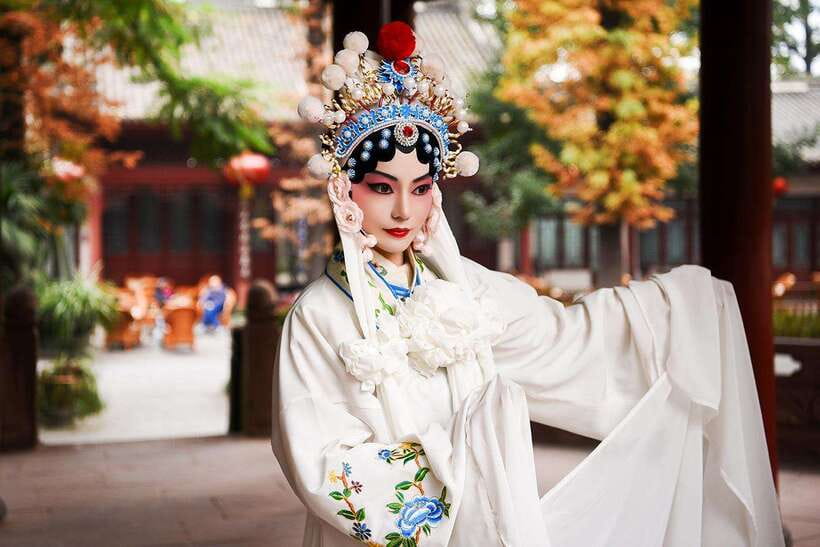
Reviewed · SHOWS & PERFORMANCES
Chengdu: Sichuan Opera Show ShufengYayun & Covered Bowl Tea
The startling moment comes near the end, when a performer changes painted faces in a blink and follows it with fire breathing. This 80-minute Sichuan opera show at Shufeng Yayun gives you more than one stage act: you also get folk music, puppetry, shadow play, and the chance to sip covered-bowl tea in an old theater setting.
I like the mix of short acts, which keeps the evening moving, and I like that the tea and sunflower seeds are included rather than treated as costly add-ons. The main consideration is seating: places are assigned at random within your chosen area, and the costume option included with the top ticket is for trying on only, not a full makeup session or photo shoot.
Key points to know before booking
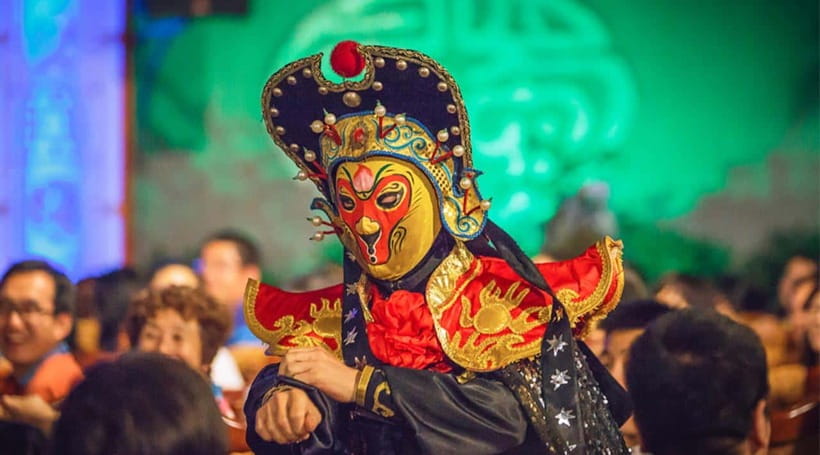
- Face-changing and fire breathing: The famous Sichuan opera finale provides the biggest theatrical thrill.
- Covered-bowl tea included: You receive one cup of gaiwan tea, served in the traditional bowl, lid, and saucer set.
- Historic theater setting: Shufeng Yayun sits among old buildings beside Qingyang Palace on Qintai Ancient Path.
- Several art forms in one show: Expect drums, huqin strings, folk music, puppetry, shadow play, opera scenes, and rolling lights.
- Extras depend on seating class: Massage, ear cleaning, dessert, souvenirs, fruit, or a try-on costume may be included.
- Easy evening timing: The performance begins at 8:00 p.m. and lasts about 80 minutes. Arrive 15 minutes early.
Why this Chengdu opera show works so well
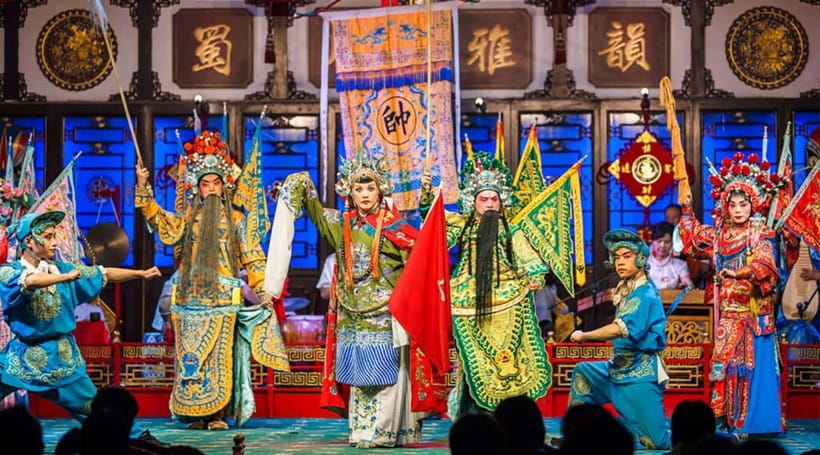
Sichuan opera is often reduced to one famous trick: face-changing. That is a shame. At Shufeng Yayun, the face-changing act is only one part of a compact program that gives you a taste of several traditional stage arts in one sitting.
You begin with drums and gongs, known as Nao Tai. It is a direct, noisy way to signal that the show is starting. From there, the program moves through a one-act play, huqin music, folk music, puppetry, selected Sichuan opera scenes, hand-shadow work, rolling lights, and the closing fire-breathing and face-changing performance.
The exact order can change, so you should treat the program as a live theater schedule rather than a fixed museum display. That flexibility is normal for a performance like this, and it helps keep the evening from feeling too formal or predictable.
I especially like the variety. If an opera scene feels difficult to follow without Chinese, the next section may be instrumental, visual, or comic. You do not need to understand every spoken line to appreciate the costumes, gestures, music, stage movement, and technical skill.
More Shows in Chengdu
- Chengdu: Sichuan Opera Shu Feng Yan Yun Evening Show Ticket
★ 4.7 · 185 reviews - Chengdu Sichuan Opera Show Ticket – Shu Feng Ya Yun
★ 4.4 · 73 reviews - Sichuan Culture Opera Show in Chengdu
★ 4.5 · 69 reviews
Shufeng Yayun and the old theater setting
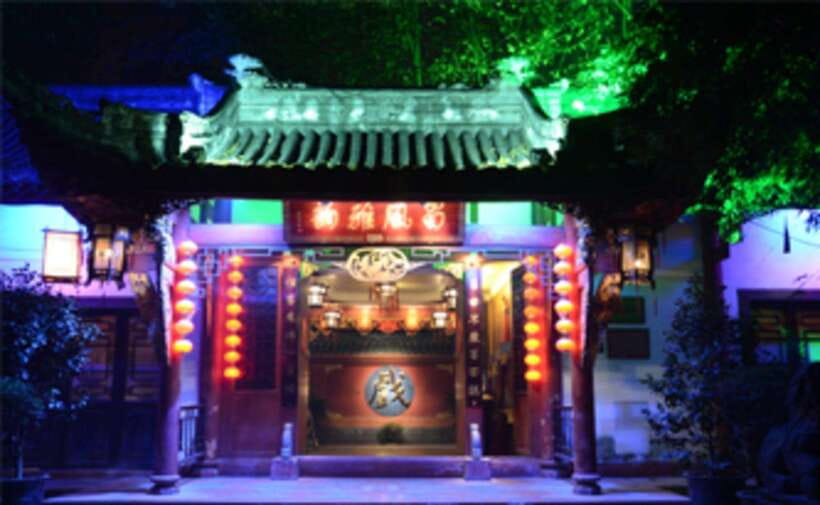
The venue is in the ancient buildings of Qingyang Palace on Qintai Ancient Path. Qingyang Palace is one of Chengdu’s best-known Taoist sites, and the theater sits close to Du Fu Thatched Cottage and Wuhou Shrine.
That location gives the evening some useful context. You are not watching a stage show in an anonymous modern hall. You are entering a long-established folk opera venue in an old part of Chengdu, with architecture that reflects Sichuan’s quieter, traditional style.
Shufeng Yayun was founded in 1998 for both Chinese and international audiences. Its purpose is to present Western Sichuan folk arts and classical Chinese opera in one place. The venue also sells opera-related supplies and functions as a broader cultural destination, not just a room with seats.
You should allow a little time to notice the setting before the curtain. The surrounding area is part of the experience, even though the performance itself lasts only 80 minutes. The theater’s old-fashioned atmosphere makes the tea service and traditional acts feel connected rather than randomly assembled.
What happens during the 80-minute program
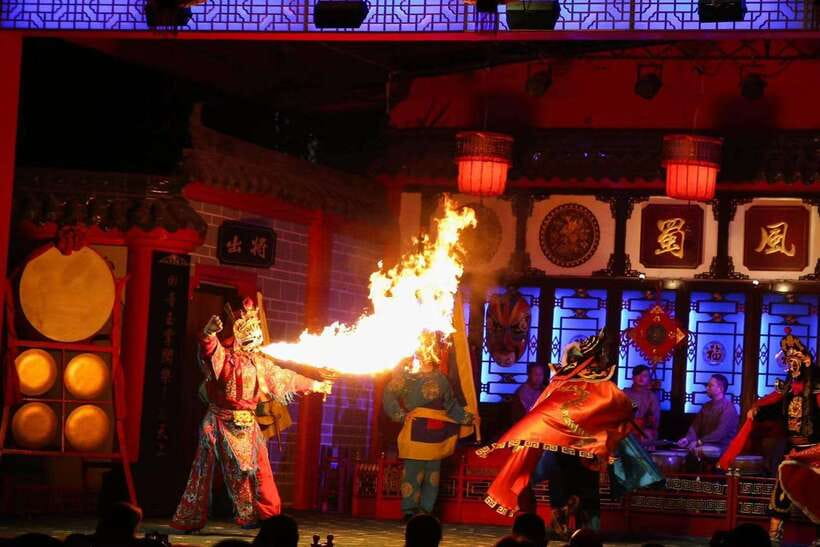
The opening drum and gong section, Nao Tai, sets a strong tone. Chinese opera does not ease you into the evening with a quiet introduction. The percussion announces the stage, the performers, and the theatrical mood.
A one-act play follows. The details can vary, but this section gives you a taste of opera as storytelling rather than pure spectacle. If you do not speak Chinese, focus on movement, expression, costume, and the relationship between the performers.
The huqin performance shifts the mood. The huqin is a traditional Chinese stringed instrument, and its narrow, expressive sound gives the program a more musical pause. This is a good reminder that Sichuan opera is built from more than painted faces and dramatic gestures.
Next comes a folk music section listed as Penna. The supplied program gives the title but not a detailed description of the instruments or performers, so you should expect a traditional music segment rather than a particular song list.
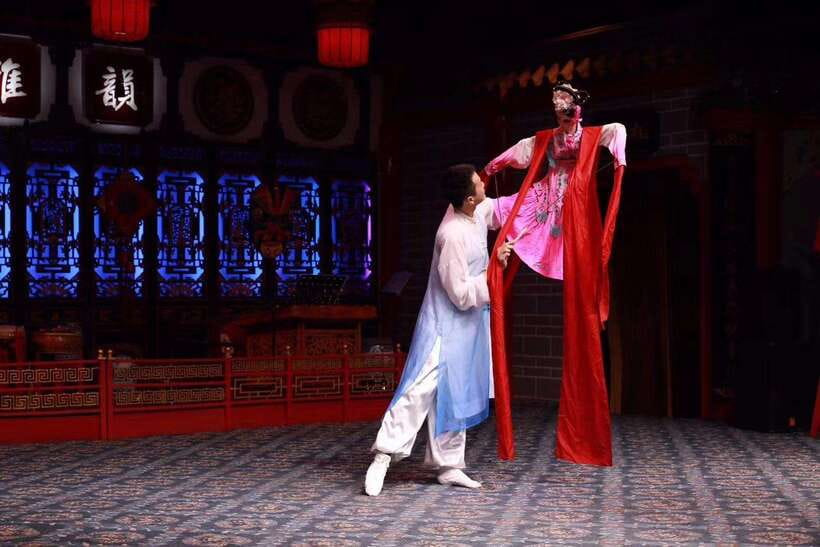
The puppet show adds a lighter visual change. Puppetry is useful in a mixed program because you can follow the action without translation. It also breaks up the live opera scenes and gives the evening a family-friendly quality.
Selected Sichuan opera scenes return the focus to the actors. Opera in this region uses stylized movement, strong makeup, costume detail, and controlled gestures. You may not understand every plot point, but the performance language is designed to communicate through the body as much as through speech.
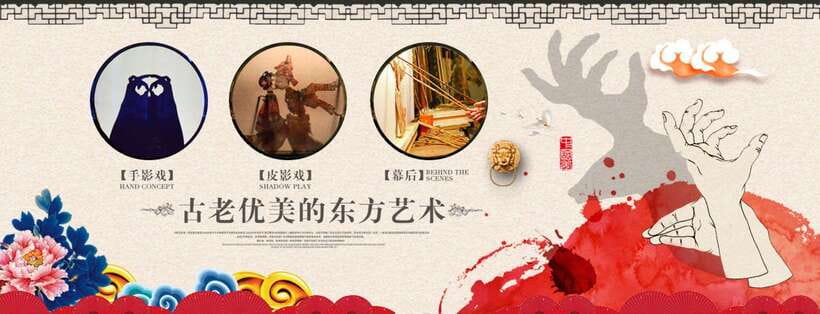
The hand-shadow section is another brief visual act. Shadow play has a simple appeal: light, hands, and a screen produce recognizable shapes with very little equipment. It is a small-scale contrast to the louder opera numbers.
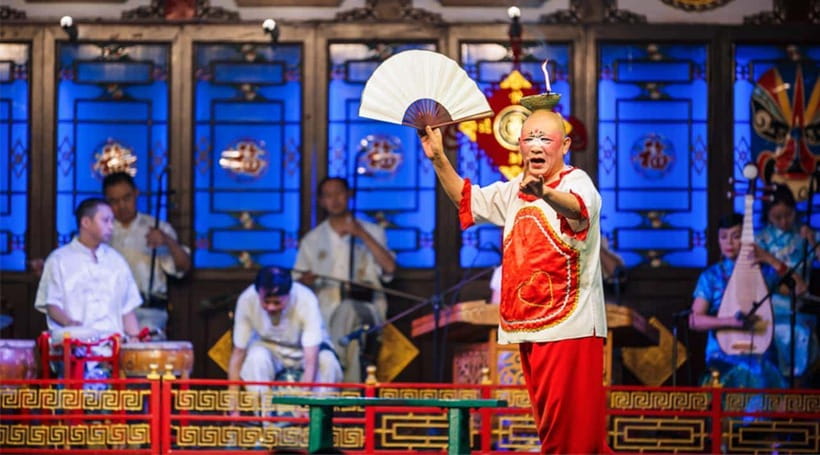
Rolling lights add a display of stage skill, and the program then builds toward its best-known moments. The fire-breathing and face-changing act is the finale to watch for. Face-changing, or bian lian, uses masks or painted faces that appear to change almost instantly. The technique is closely guarded by performers, and its speed is what makes it so difficult to read with the naked eye.
The order and content can change on the night you attend. That matters if you are comparing this show with a rigid theater production. Think of it as a traditional variety program, with the final act usually providing the biggest burst of excitement.
Tea, sunflower seeds, and the covered-bowl tradition
Your ticket includes one cup of gaiwan tea, also called covered-bowl tea, plus one plate of sunflower seeds per table. The tea is served in a three-part set: a small bowl, a lid, and a saucer.
You use the lid to control the tea. Pressing and turning it helps hold back leaves, adjust the strength, and keep the drink warm. It is a small ritual, but it tells you something about everyday tea culture in Sichuan.
The tea service also changes the pace of the theater. Instead of sitting through a continuous show with no local detail, you get a chance to handle a traditional vessel and drink in the same relaxed style associated with Chengdu tea culture.
Do not expect the included tea to function as a full tasting session. You receive one cup, not a guided lesson with several varieties. Additional food and drinks from the on-site menu cost extra, so check the menu if you want more than the included serving.
The sunflower seeds are a simple snack, but they fit the setting. They give you something familiar to nibble while you watch and make the experience feel less like a formal concert.
Same base, a completely different kind of day out:
- Chengdu: Giant Panda Breeding Research Base Ticket
★ 4.5 · 580 reviews - Half-Day Chengdu Cooking Class with a Local Market Visit
★ 5.0 · 465 reviews - Tuktuk Food Tour Through Chengdu’s Local Eats
★ 5.0 · 435 reviews - Private Half-Day Chengdu Panda Breeding Center Tour with Optional Volunteer
★ 5.0 · 353 reviews
Choosing between the three seating classes
The ticket areas are divided into Yipin, Erpin, and Sanpin. The exact seats are assigned randomly within the area you purchase, so you cannot count on selecting a specific chair or table position.
The Yipin class, shown in the red seating area, includes the covered-bowl tea, sunflower seeds, and one extra chosen from a premium costume try-on, fruit platter, or massage and ear cleaning with a dessert. The costume benefit means trying on traditional opera clothing. It does not include makeup, hair styling, or a professional photo session.
The Erpin class, shown in green, includes tea, sunflower seeds, and one extra from massage, ear cleaning, dessert, or a souvenir.
The Sanpin class, shown in blue, also includes tea, sunflower seeds, and one extra from massage, ear cleaning, dessert, or a souvenir.
At $34 per person, the value depends on what you want from the evening. If the show itself is your priority, the lower seating classes still provide the central experience: traditional performance, tea, and a snack. If you want to try on opera clothing or prefer a specific extra, the higher class may make more sense.
I would not pay more simply because the name of the ticket sounds grander. Compare the seating map and included benefit carefully. Since seats are randomly assigned within each section, the price difference is mainly about the seating range and extras, not a guaranteed exact seat.
Costume try-ons and the paid photo option
The included costume experience in the Yipin package is a try-on. It is a fun way to see how traditional stage clothing changes your appearance, but it is not the full actor-style makeover described for the paid option.
If you want makeup and hair styled to resemble the performers, you need to arrive at least one hour before the show. The added package includes a professional photographer, a customized background, and at least 10 professionally edited photos. The price is not stated in the booking details, so you must confirm the fee with staff and pay at the venue.
This timing is important. Arriving just 15 minutes before the performance is enough for normal entry, but not enough for the full photography experience. Decide in advance which version you want, especially if you are planning your evening around dinner or another Chengdu activity.
Getting there and collecting your ticket
Ticket collection takes place at the booth at the entrance to the Municipal Cultural Park, at the middle of Qintai Road. You provide your phone number, collect your ticket, and then walk about one minute to the Old Theater for entry.
This process is short, but it is not something to leave until the final second. The show starts at 8:00 p.m., and you should arrive by 7:45 p.m. On-site staff can help direct you to your seat, and assistance is available in Chinese and English.
Check your email before setting out. The booking instructions include the address, transportation details, and ticket collection information. That message matters because Qintai Road has several cultural sights close together, and you want to head for the correct entrance rather than wander around looking for the theater.
Hotel pickup and drop-off from central Chengdu hotels are not included unless you select that option. If you arrange your own transport, build in enough time to reach the ticket booth first, not just the Old Theater.
Who will enjoy this show most
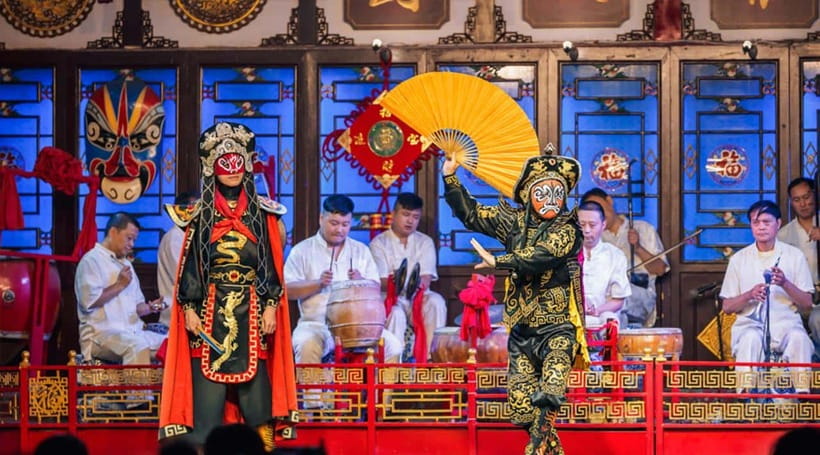
This is a strong choice if you want a short evening activity that introduces several Chinese performance traditions without asking you to commit to a full-length opera. Families can follow the puppetry, hand shadows, fire breathing, and face-changing even if Chinese is not familiar to them.
It also suits first-time visitors who want a cultural night out but prefer something visual and lively over a lecture or museum visit. The included tea adds a local Chengdu touch, and the old theater setting gives the performance more character.
You may want a different option if you are a serious opera specialist looking for a complete traditional story with detailed translation. This program is a variety show, and its many short sections favor range and spectacle over one long dramatic plot.
The 80-minute length is another advantage. You can attend after dinner and still have time for other evening plans. At the same time, the compact format means some acts may feel brief if you already know Sichuan opera and want a deeper study of one form.
Practical details that affect your evening
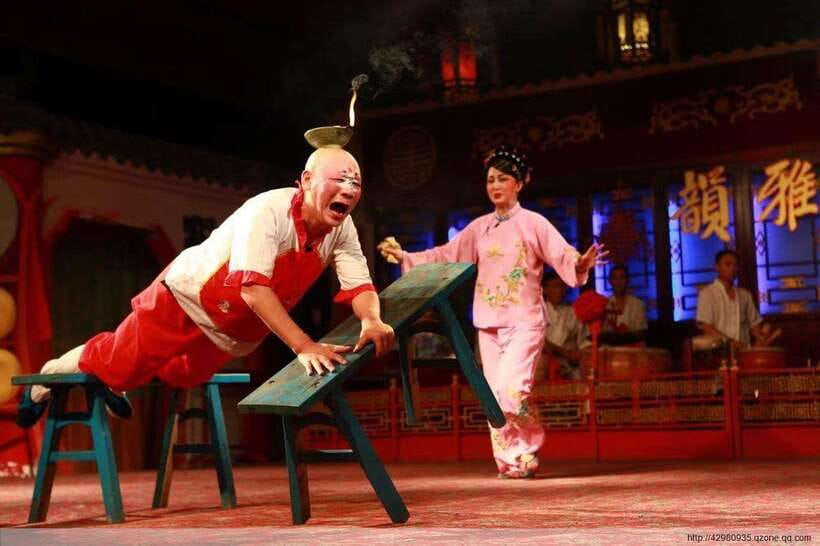
The activity is wheelchair accessible, and small-group arrangements are available. Chinese and English support is offered by the host or greeter, though the artistic content itself may not be translated line by line.
Free cancellation is available up to 24 hours before the scheduled activity for a full refund. You can also reserve and pay later, which is useful when your Chengdu plans are still shifting.
The overall customer rating is 4.2 from 14 bookings, and the strongest praise centers on the show’s variety, the face-changing and fire-breathing skills, clear ticket instructions, and the included extras. One particularly useful detail is that ticket collection has been straightforward when the instructions are followed. Another is that the program can remain enjoyable even without Chinese language skills.
Keep your expectations practical. You are paying for an evening theater experience with tea and a small benefit, not an all-day cultural tour. The most memorable part will likely be the performance itself, while the massage, ear cleaning, dessert, souvenir, or costume try-on is a bonus that varies by class and availability.
Should you book Shufeng Yayun?
Book it if you want a reliable introduction to Sichuan opera, especially if face-changing, fire breathing, tea culture, and old Chengdu architecture all appeal to you. The varied 80-minute program gives you plenty to watch, and the included tea makes the $34 price reasonable for a cultural evening.
Choose your ticket class based on the extra you actually want, not just the label. Arrive at 7:45 p.m., collect your ticket at the Municipal Cultural Park entrance, and remember that the included costume option is only a try-on.
I would recommend this experience for families, first-time Chengdu visitors, and anyone with one free evening who wants traditional entertainment without a long language barrier. Skip it only if you want a serious, full-length opera production rather than a fast-moving showcase of Sichuan stage arts.
FAQ
What time does the Sichuan opera show begin?
The show begins at 8:00 p.m. and lasts approximately 80 minutes.
How early should I arrive?
Arrive 15 minutes before the performance, by about 7:45 p.m., to collect your ticket and find your seat.
Where do I collect the ticket?
Collect it at the ticket booth at the entrance of the Municipal Cultural Park, located in the middle of Qintai Road. The Old Theater is about a one-minute walk from the booth.
What does the performance include?
The program may include opening drums and gongs, a one-act play, huqin music, folk music, puppetry, Sichuan opera scenes, hand shadows, rolling lights, fire breathing, and face-changing. The order and exact content may change.
Is tea included?
Yes. Each ticket includes one cup of gaiwan, or covered-bowl, tea and one plate of sunflower seeds per table.
Is the costume experience a full photo shoot?
No. The costume experience included with the Yipin package is for trying on traditional clothing only. Makeup, hair styling, a photographer, a customized background, and edited photos require an additional paid option.
Can I cancel the booking?
You can cancel up to 24 hours in advance for a full refund. Reserve-now-and-pay-later booking is also available.
Newly listed around Chengdu
- Private Chengdu Highlights Day Trip: Panda Base and City from Xi’an by Train★ 5.0 · 4 reviews
- Jiuzhaigou National Park Tickets Booking★ 4.5 · 4 reviews
- Classic 3-Day Jiuzhaigou Private Tour(Transportation+Tickets)★ 5.0 · 8 reviews
- Private Chengdu Highlights Day Trip: Panda Base and City from Chongqing by Train★ 4.5 · 9 reviews
- Huanglong Scenic Spot Admission Ticket★ 4.5 · 4 reviews
- Visiting Chengdu Panda Base in a Half Day★ 5.0 · 4 reviews
- Panda, Leshan, and Emei Mountain 2-day tour★ 5.0 · 4 reviews
- Classsic sichuan Opera at sichuan Provincial Theater★ 5.0 · 4 reviews
Shows & Performances, compared.
Shanghai Circus World: ERA2 Intersection of Time Acrobatics Show
Read our review →
Red Theatre Beijing Acrobatic Show Tickets Official Booking
Read our review →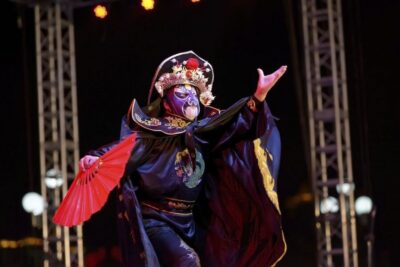
Sichuan Opera Shu Feng Yan Yun Evening Show Ticket
Read our review →
Great Tang Dynasty Night Show & Dumpling Meal Option
Read our review →
Royal Banquet with Chinese Cultural Performance
Read our review →Browse the lists this tour appears in