Reviewed · TICKETS
Beijing: Zhongshan Park Entrance Ticket
Zhongshan Park gives you a quieter way to understand Beijing’s imperial center. Just west of Tian’anmen Square, this 23.8-hectare garden preserves the Five-color Soil Altar, where Ming and Qing emperors made offerings connected with land, farming, and the state. You walk through a former imperial ceremonial site, not a modern attraction built for quick photographs.
I like the freedom of a self-guided visit, since you can set your own pace and pause at the old altar buildings, Yu Garden, or Laijin Yuxuan teahouse. I also like the low price, $12 per person, and the skip-the-ticket-line arrangement. The main concern is the electronic ticket process: one recent booking involved a 30-minute discussion at the entrance because the voucher did not work as expected.
Key points before you book
- Book at least one day ahead: This is not a same-day ticket option.
- Bring your passport: Each person’s full name and passport number are needed for the electronic ticket.
- Expect a self-guided visit: No guide, meals, or hotel transport are included.
- See an imperial altar garden: The Five-color Soil Altar explains the park’s original national and agricultural purpose.
- Receive the QR code by email or WhatsApp: Images cannot be sent through ordinary booking messages, so provide a valid address.
- Meet at the park entrance: The ticket is for Zhongshan Park admission only.
What Zhongshan Park actually is
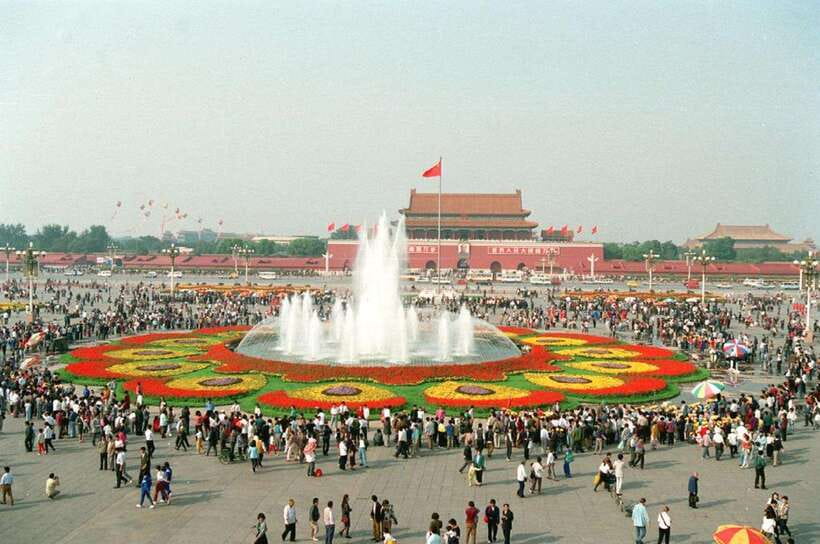
Zhongshan Park is more than a patch of greenery beside Beijing’s best-known square. It began as the Shejitan, or Altar of Land and Grain, built in 1421 under the Ming Dynasty. Its position followed the traditional imperial arrangement described as the left ancestral temple and right altar.
The altar’s purpose was serious. Emperors of the Ming and Qing dynasties came here to honor the gods associated with earth and agriculture. The ceremonies linked imperial authority with the health of the land and the success of the harvest. That gives the park a different feel from a normal city garden. Its paths and buildings were arranged around state ritual, not simply relaxation.
In 1913, the site became a public park called Central Park. In 1928, it was renamed Zhongshan Park in memory of Sun Yat-sen. You therefore get several layers in one visit: imperial ceremony, early public recreation, and modern Chinese memory.
The park covers 23.8 hectares, large enough to make your visit feel like a proper stop rather than a quick look at a single monument. Yet its central location makes it easy to pair with Tian’anmen Square and other sights in the same part of Beijing.
A few more Beijing days worth a look
- From Beijing: Mutianyu Great Wall Tours with Options
★ 4.9 · 9,216 reviews - Beijing: Forbidden City Tour(Group/Private)-Tickets Included
★ 4.8 · 7,974 reviews - Beijing: T-Square & Forbidden City Group or Private Tour
★ 4.8 · 4,446 reviews
Entering beside Tian’anmen Square
Your meeting point is the Zhongshan Park entrance gate. There is no hotel pickup, so you must make your own way there. The ticket does not include a guide, which means you should arrive with enough context to understand what you are seeing.
The electronic QR ticket is intended to let you skip the regular ticket line. That can save time, especially if you are fitting the park between other central Beijing sights. The important word is intended. A booking problem was reported at the entrance, with about 30 minutes spent discussing the voucher with access control staff.
I would not treat that as proof that every QR code will fail. I would treat it as a reason to prepare carefully. Make sure the ticket image is easy to open on your phone, keep your passport with you, and check that the name and passport number match the person entering. If the QR code has not arrived, contact the provider before heading to the gate.
The booking instructions ask you to send each person’s full name, passport number, and contact details after reserving. You can provide an email address or WhatsApp contact for delivery of the QR code. This step matters because ticket images cannot be received through ordinary booking messages.
The Five-color Soil Altar and imperial purpose

The Five-color Soil Altar is the park’s central reason for a visit. Its colored soil represents the territory of the Chinese empire, tying the ground beneath your feet to the old political order. The exact experience depends on access and conditions on the day, but the altar and its surrounding ceremonial buildings are the key sights.
The altar is not merely an old platform. It shows how the imperial court presented agriculture as a matter of national power. A successful harvest supported the court and the population, while poor harvests could threaten stability. The emperor’s ceremony here made that connection visible.
Take time to look at the site as a planned ceremonial setting. The broad, formal arrangement is part of the message. This was not a private garden for an emperor’s leisure. It was a public statement about authority, land, and the duty to maintain the country.
Without a guide, you will need to read signs or use your own background notes. That is the tradeoff for the low-cost independent format. If you enjoy stopping to study architecture and symbolism, the freedom is useful. If you prefer every building explained as you go, this ticket may feel too bare.
Sacrificial Kitchen, Storehouse, and Animal Sacrifice Pavilion
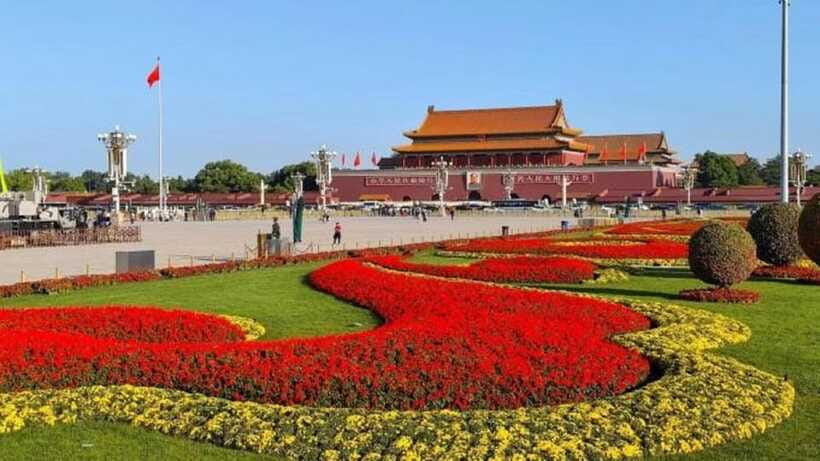
The park preserves several buildings connected with the ceremonies. These include the Sacrificial Kitchen, Sacrificial Storehouse, and Animal Sacrifice Pavilion. Their names are plain, but they help you picture the practical work behind an imperial ritual.
Ceremonies required more than an altar. Food and offerings had to be prepared, stored, and handled in a controlled setting. The supporting buildings show that the event was a complete system, with separate spaces serving different duties.
I find these smaller structures useful because they keep the park from becoming only a grand symbolic platform. They offer a look at how ritual worked on the ground. You can connect the formal altar with the people, supplies, and animals needed to carry out the ceremony.
The ticket covers admission to these park areas, but it does not promise a guided explanation at each building. The level of detail you get will depend on the signs available and how much time you choose to spend looking closely.
More entry tickets in Beijing:
- 4-Hour Small Group Tour to Forbidden City with Entry Tickets
★ 5.0 · 1,863 reviews - Beijing: Tiananmen Square Registration Service(Ticket)
★ 4.5 · 1,704 reviews - Beijing: The Temple of Heaven or Summer Palace Entry Ticket
★ 4.6 · 1,286 reviews - Beijing Forbidden City Ticket Booking (Optional: guide service)
★ 5.0 · 1,263 reviews
Yu Garden and the goldfish stop
Yu Garden adds a softer note to the former altar grounds. It is one of the park’s scenic areas, with precious goldfish as a particular attraction. After the formal imperial buildings, this section gives you a more relaxed reason to pause.
The goldfish may be especially appealing if you are visiting with children or if you want a break from monuments and ceremonial history. It also helps explain how the site changed after becoming a public park in 1913. The park is no longer only a place of state ritual. It also serves as a garden for ordinary public enjoyment.
Do not expect this ticket to turn Yu Garden into a separate guided attraction. It is part of your park admission, and you explore it independently. The value comes from having several types of stop in one compact visit: architecture, history, garden scenery, and the fish area.
Laijin Yuxuan, a century-old teahouse

Laijin Yuxuan is located in the eastern part of the park and is described as a century-old teahouse. It gives the visit a useful human scale. After the formal altar and supporting buildings, a teahouse offers a place connected with everyday social life.
Meals are not included in the $12 ticket. The information provided does not promise that tea or food is part of the admission, so plan to treat Laijin Yuxuan as an on-site place of interest rather than a guaranteed part of the package.
You might find it appealing simply as an old park building, even if you do not stop for refreshments. Its presence helps show the park’s later public identity. The site moved from imperial ritual space to public garden, and a teahouse fits that change better than a ceremonial hall would.
How much time the ticket gives you
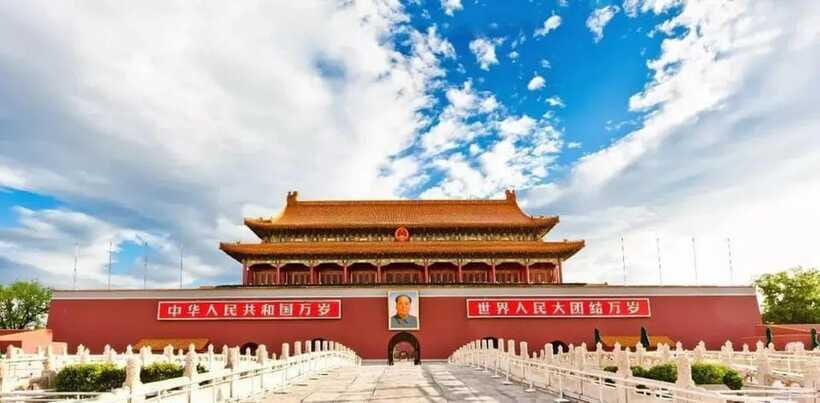
The ticket is valid for one day. No fixed tour duration or guided schedule is provided, so you control the length of your visit. That makes it easy to combine with other central Beijing plans, but you need to manage your own timing.
You could make a short visit focused on the Five-color Soil Altar and the historic buildings. You could also take longer, adding Yu Garden, the goldfish, and the teahouse area. The park’s 23.8-hectare size gives you room to slow down, though the exact amount of walking depends on which areas you choose.
Because there is no hotel transfer, your total time includes getting to the entrance and leaving on your own. The meeting point is specific, which is helpful, but the experience does not provide a vehicle or escort between Beijing sights.
The one-day validity is useful if your plans change during the day. It is less useful if you want an early-morning guided explanation or a tightly managed schedule, since neither is included.
What $12 buys you
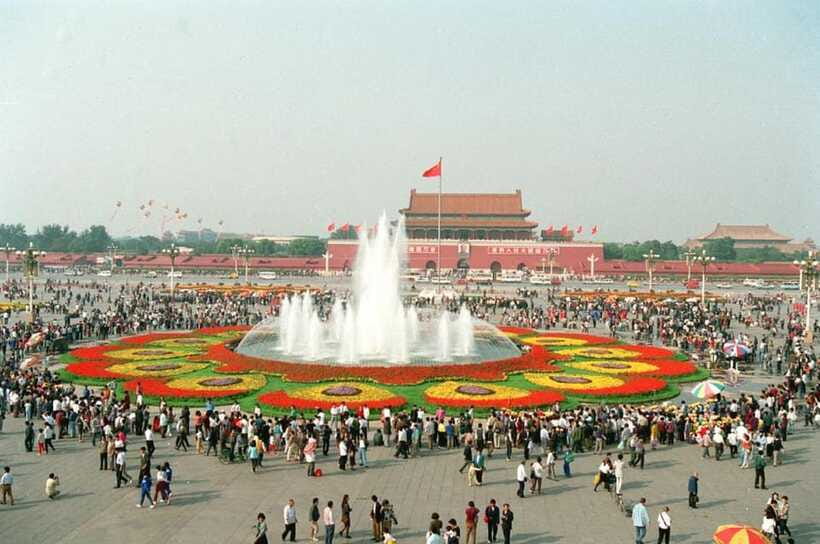
At $12 per person, the price is reasonable if you want access to a central historical garden without paying for transport or a private guide. You are paying for the entrance ticket and the convenience of receiving an electronic QR code, not for a complete sightseeing package.
That distinction matters. A $12 ticket cannot be compared directly with a guided city tour that includes transportation, commentary, and a planned route. Here, the value comes from location and independence. You can visit an important imperial site beside Tian’anmen Square and decide how much attention to give each building.
The price is a better fit for independent visitors who already know how they want to spend their time. If you need history explained in detail, you may have to arrange your own guide or research before arriving. Since no guide is included, the low price also means less support if a question comes up inside the park.
There is one practical value issue: the QR code must work at the gate. A 30-minute access discussion can erase much of the convenience of skipping the line. Send complete details promptly, check the QR image before arrival, and keep your passport ready.
The booking details that matter most
Book at least one day before you plan to enter. Same-day booking is not offered in the supplied information, so leave room between reserving and visiting.
After booking, send the following for every person:
- Full name
- Passport number
- Email address or WhatsApp contact
The passport is listed as something to bring. The name and passport information should match the person entering, since the electronic ticket is issued using those details.
Provide an address that can receive an image. The instructions specifically warn that images cannot be received via ordinary messages, so an email address is the safest choice if you are unsure. After booking, contact the provider to send the new electronic ticket QR code.
Free cancellation is available up to 24 hours in advance for a full refund. A reserve-now, pay-later option is also offered, which can help if your Beijing schedule is still moving around. The ticket remains valid for one day, but availability and starting times should be checked when you book.
Accessibility and practical comfort
The activity is listed as wheelchair accessible. That is useful information, but the ticket does not include a staff escort, private vehicle, or guide. You should still confirm any specific access needs before arrival if you require more than general wheelchair access.
There are no meals included. You may be able to find a teahouse inside the park, including Laijin Yuxuan, but the admission price does not promise food or drinks. Bring what you need for your own comfort and allow time for the visit without expecting a meal stop to be part of the schedule.
The strongest organizational signal is positive: the electronic ticket system is designed to save you from the regular ticket queue, and one German booking described the arrangement as very well organized. The contrasting entrance problem is a reminder to check the QR code rather than assuming every digital voucher will be accepted instantly.
Who should book Zhongshan Park
I would choose this ticket if you are already planning to visit Tian’anmen Square and want a nearby site with a different mood and purpose. It suits independent sightseers who enjoy old buildings, formal gardens, and historical context without needing a guide at every step.
It also works well for people who prefer to set their own pace. You can focus on the Five-color Soil Altar, spend time with the supporting buildings, or make a lighter garden visit with Yu Garden and its goldfish.
Families may appreciate the mix of open garden space and visual attractions. The goldfish provide a change of pace, while the altar and old buildings give older children or adults something substantial to study.
I would hesitate if you need door-to-door service, a detailed spoken explanation, or guaranteed help at the entrance. Hotel pickup, drop-off, meals, and a tour guide are all excluded. The QR procedure also requires more preparation than a simple paper ticket.
Should you book this ticket?
Book it if you want an inexpensive, central, self-guided look at one of Beijing’s former imperial ceremonial sites. The combination of the Five-color Soil Altar, old sacrificial buildings, Yu Garden, goldfish, and Laijin Yuxuan gives the park more variety than its simple entrance-ticket label suggests.
Before paying, make sure you can provide every visitor’s correct passport details and a working email or WhatsApp contact. Save the QR code, bring the passport used for booking, and leave time to resolve any gate issue if necessary.
For a $12 independent visit, the value is good. Just understand what you are buying: access to Zhongshan Park for one day, not a guided tour of Beijing.
Newly listed around Beijing
- Shore Excursion: 2-Day Private Beijing Sightseeing Tour from Tianjin Cruise Port★ 5.0 · 6 reviews
- Private Transfer: Tianjin Xingang International Cruise Home Port to Beijing Hotel★ 5.0 · 6 reviews
- Tianjin Private Day Trip to Forbidden City and Mutianyu Great Wall by Bullet Train★ 5.0 · 5 reviews
- Bullet Train Private Tour: Beijing Tiananmen Square, Forbidden City & Great Wall★ 5.0 · 3 reviews
- Private Great Wall Tour from Tianjin Cruise Port★ 5.0 · 8 reviews
- Private One Way Tianjin Port Transfer to Beijing including Great Wall Sightseeing★ 5.0 · 4 reviews
- Shanghai to Beijing Bullet Train Ticket with Hongqiao Station Transfer★ 5.0 · 5 reviews
- Private Mutianyu Great Wall Tour with Bullet Train Experience★ 5.0 · 3 reviews
Tickets, compared.
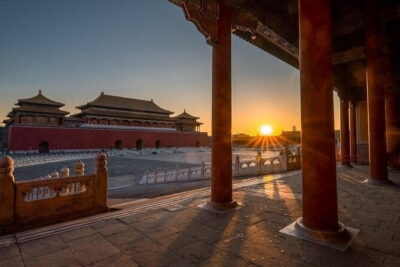
4-Hour Small Group Tour to Forbidden City with Entry Tickets
Read our review →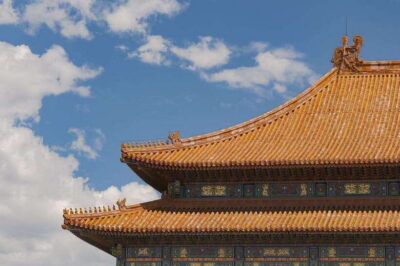
Ngong Ping 360: Cable Car Return Tickets & Combos
Read our review →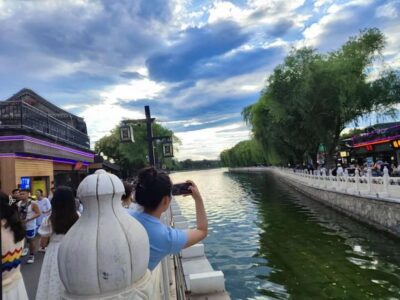
The Temple of Heaven or Summer Palace Entry Ticket
Read our review →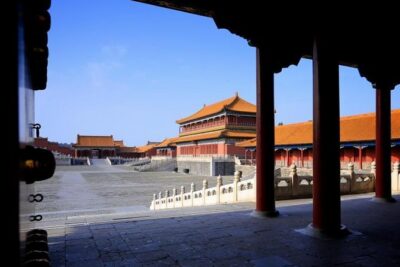
Beijing Forbidden City Ticket Booking (Optional: guide service)
Read our review →
Mutianyu Gt Wall Trip, Depart 8-10am Bus w/ Tickets
Read our review →
Forbidden City&T-Square Small GroupTours w/ ticket(Eng/Esp Guide)
Read our review →