Reviewed · BEIJING TOURS
Beijing Royal Banquet with Chinese culture prefermance
The main draw here is a full royal-style Chinese banquet, not just a meal with a performance added on. At Yuxiandu, you get a large cultural exhibition area, traditional dishes, and Chinese performances in one 2.5-hour visit. The venue has welcomed celebrities and politicians, which gives the setting some extra ceremony, though the meal itself is the real reason to come.
I like the chance to sample dishes that are not common on a standard Beijing food tour, especially braised sea cucumber with fish maw and roast duck cooked with jujube wood. I also like the clear timing and English-speaking host option. The main drawback is the fixed schedule: you need to arrive before 11:15 for lunch or before 18:15 for dinner, and anyone seeking a small, intimate meal may find the large venue formal and grand.
Key points
- Royal cuisine exhibition: Explore an approximately 1,500-square-meter cultural area connected to the banquet experience.
- Multi-course traditional meal: Expect sea cucumber, fish maw, roast duck, lamb, longevity noodles, tofu, bamboo shoots, and Chinese cabbage in soup.
- Chinese performances: Cultural entertainment is included as part of the royal dining presentation.
- Large modern venue: Yuxiandu combines traditional design elements with a green, transparent, energy-saving central kitchen.
- Convenient booking terms: Cancel up to 24 hours before the activity for a full refund, or reserve now and pay later.
- Accessible meeting point: The venue is wheelchair accessible and has Chinese and English host or greeter support.
Entering Yuxiandu in Beijing’s Haidian District
The experience begins at No. 117, West Fourth Ring North Road, in Beijing’s Haidian District. This is not a small neighborhood restaurant tucked away on a side street. Yuxiandu is a large dining and cultural complex built around royal cuisine.
The venue includes about 1,500 square meters devoted to a royal cuisine historical and cultural exhibition. That gives you something to see before or around the meal, rather than asking you to sit down and eat as soon as you arrive.
The setting blends traditional Chinese elements with modern construction. A transparent, environmentally friendly central kitchen is part of the complex, along with a royal cuisine tasting area covering more than 10,000 square meters. Those figures tell you what kind of place this is: broad, organized, and designed for a formal banquet operation.
If you prefer quiet restaurants with only a few tables, adjust your expectations. This is a large-scale presentation of Chinese food and culture. If you want an easy introduction to banquet dining, the size can work in your favor.
A few more Beijing days worth a look
- From Beijing: Mutianyu Great Wall Tours with Options
★ 4.9 · 9,216 reviews - Beijing: Forbidden City Tour(Group/Private)-Tickets Included
★ 4.8 · 7,974 reviews - Beijing: T-Square & Forbidden City Group or Private Tour
★ 4.8 · 4,446 reviews
A Royal Banquet Built Around Shared Courses
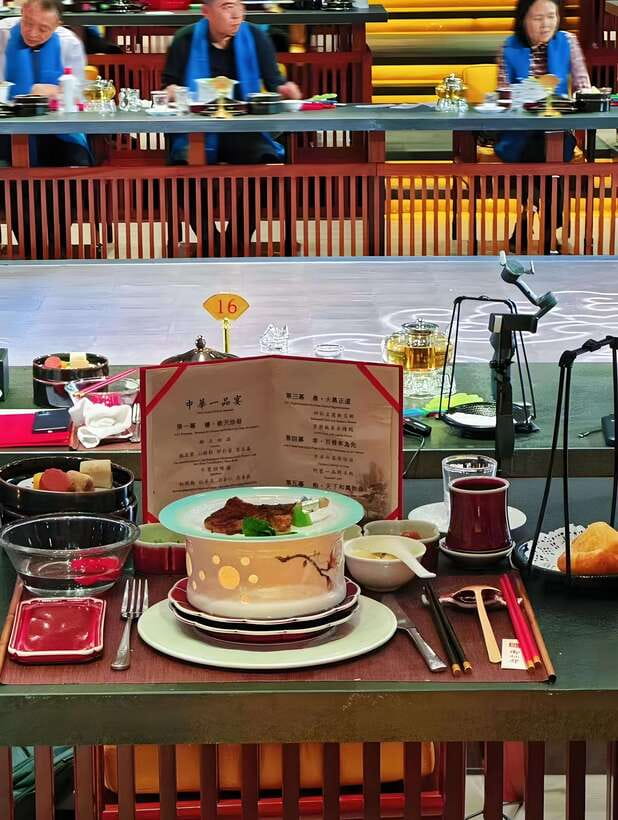
The meal includes a long sequence of traditional dishes, beginning with snacks and an appetizer platter. Chinese banquet food is usually served for the table to share, so you can sample several flavors instead of ordering one main dish for yourself.
The early courses help ease you into the meal. Marinated tofu with bamboo shoots should offer a lighter, plant-based contrast to the richer dishes that follow. The appetizer platter gives you a broader first taste, although the exact items on that platter are not specified.
One of the more unusual courses is braised sea cucumber with fish maw in a casserole. Sea cucumber has a soft, slightly gelatinous texture, while fish maw is valued in Chinese cuisine for its texture and banquet status. This is not the safest choice for someone who only wants familiar food, but it is one of the dishes that makes the meal feel different from an ordinary restaurant dinner.
The casserole format also suits the dish. Slow-braised foods are associated with careful preparation and formal Chinese cooking. You may find this course more interesting for its texture and place in banquet cuisine than for a strong flavor.
Roast Duck With Jujube Wood
Roast duck is one of the meal’s most approachable highlights. Here, it is prepared with jujube wood, adding a specific traditional detail to an already well-known Chinese dish.
The listing does not provide a carving demonstration, serving method, or exact accompaniments, so do not arrive expecting a full Peking duck lesson. Still, the use of jujube wood gives the dish a distinctive identity and links the meal to older cooking methods.
For many people, this will be the most familiar main course on the table. It can provide a useful bridge between the unusual seafood dishes and the more strongly ceremonial parts of the menu.
Lamb, Cabbage Soup, and the Pace of the Meal
Roasted lamb follows the duck as another substantial dish. Lamb can bring a deeper, more savory flavor to the meal, and its presence adds variety to a menu that already includes seafood and poultry.
Chinese cabbage in soup provides a gentler course between heavier dishes. Soup is often used in a banquet to change the rhythm of the meal, and this course should give you a lighter pause before the final foods arrive.
The 2.5-hour duration matters here. You are not being rushed through a quick lunch. The time allows the meal and cultural performances to share the schedule, although the exact order and timing of each course may vary.
Same base, a completely different kind of day out:
- Beijing: Mutianyu Great Wall Daily Tour with Ticket & Lunch
★ 5.0 · 3,056 reviews - All-Inclusive Tour: Tiananmen Square, Forbidden City, Great Wall
★ 5.0 · 2,873 reviews - MuBus: Mutianyu Great Wall ENG/ESP/RUS Guided Bus Tour
★ 5.0 · 2,361 reviews - 4-Hour Small Group Tour to Forbidden City with Entry Tickets
★ 5.0 · 1,863 reviews
Longevity Noodles and Traditional Sweets
Longevity noodles with poached eggs are a fitting later course. Long noodles carry a traditional association with long life, making them especially suitable for a royal or celebratory banquet. You can think of this dish as both food and symbolism.
The final items are more casual in style. Deep-fried dough sticks, known as youtiao, are served with milk. Youtiao are common in Chinese cuisine, especially at breakfast, but their appearance here gives you a familiar everyday food within a formal meal.
You will also receive yoghurt filled with honey. That provides a sweet, cooling finish after the roasted meats and savory casserole dishes. The meal includes snacks, savory courses, noodles, and dessert, so you should arrive hungry rather than planning another large meal immediately afterward.
Chinese Performances During the Meal
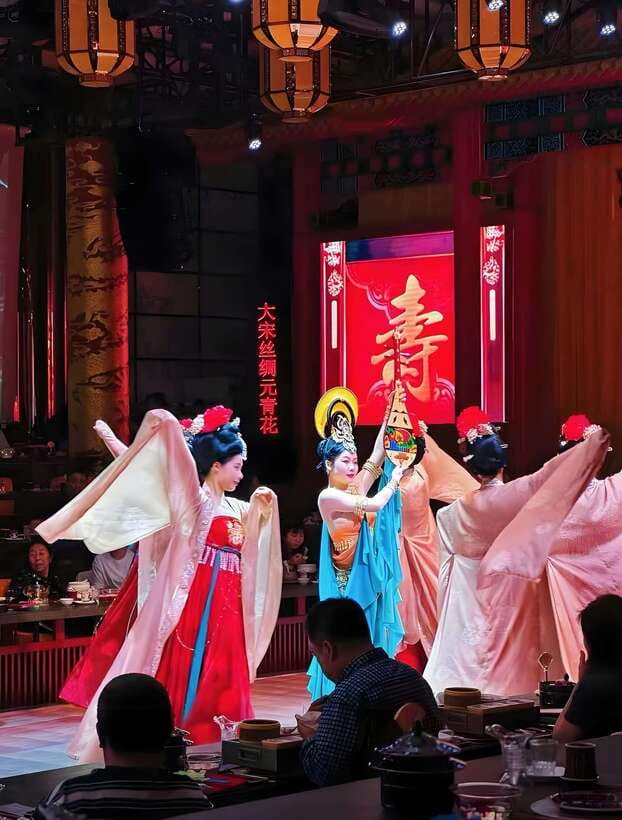
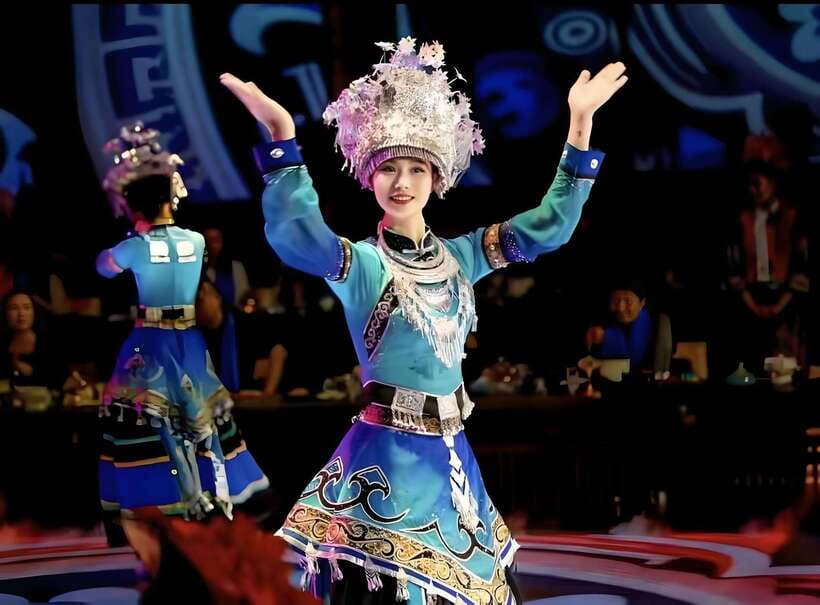
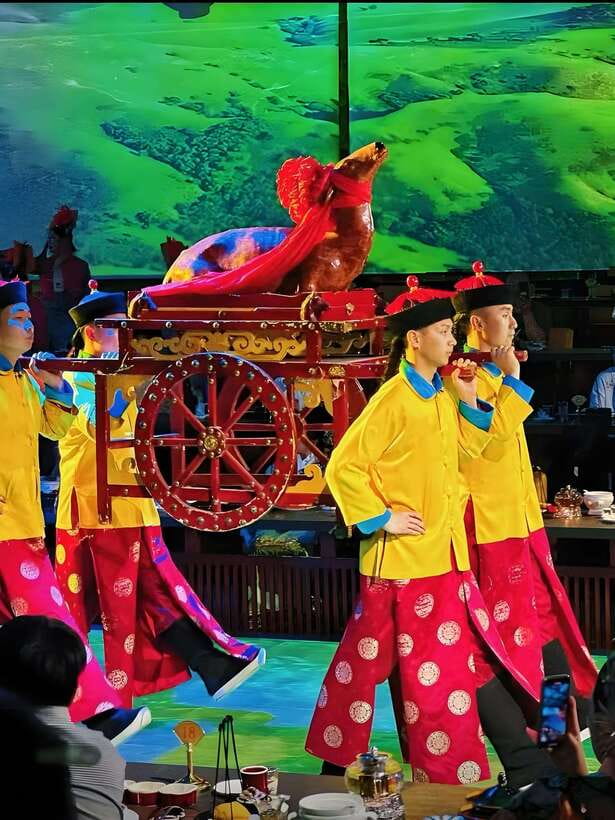
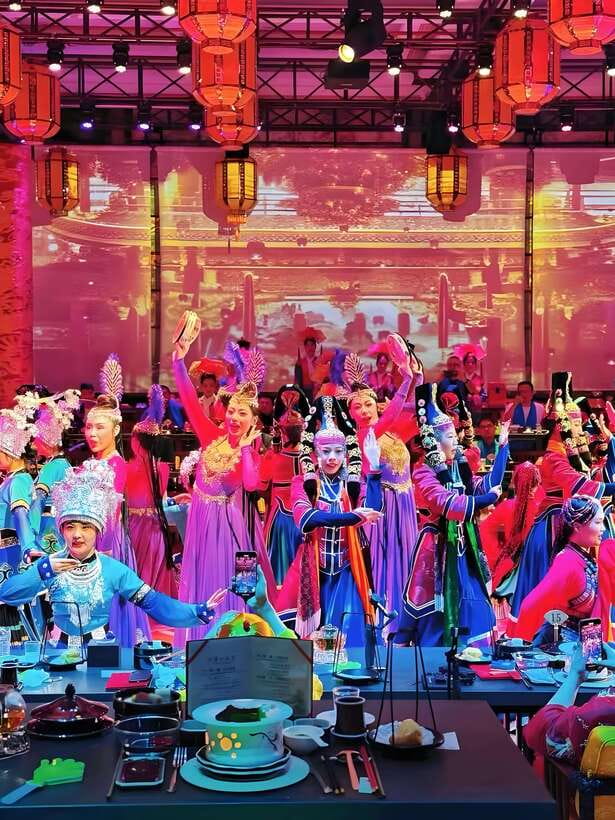
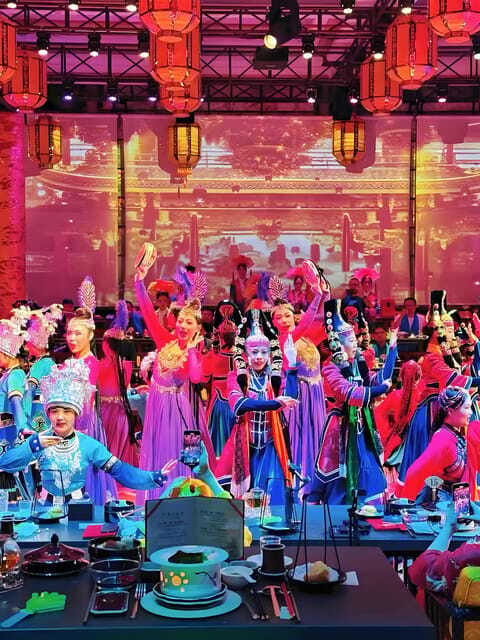
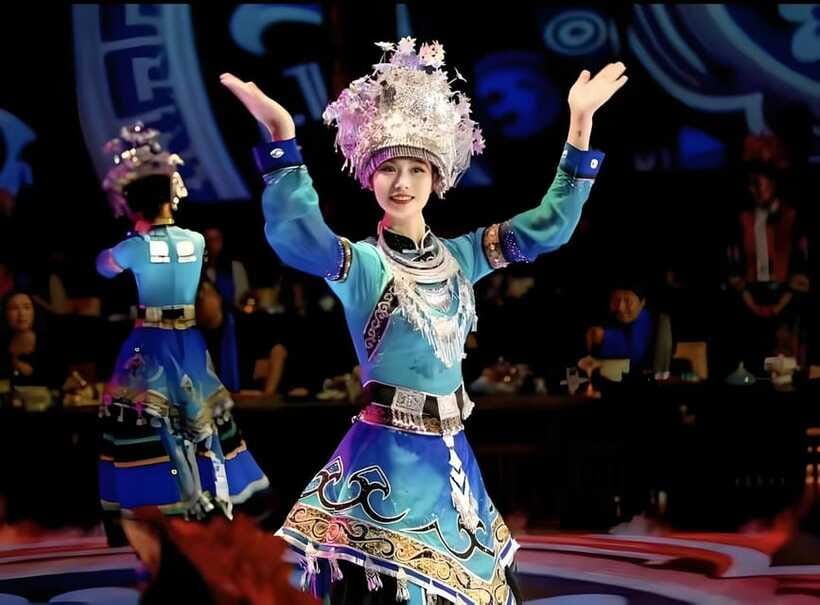
Chinese cultural performances are included in the royal banquet. The supplied details do not identify the performers, instruments, dance styles, or exact schedule, so you should treat the show as a cultural component rather than booking it for one particular performance.
This is useful if you want more than food. You get a staged look at Chinese culture while dining, which can help place the dishes in a broader ceremonial setting. It also makes the activity a practical choice for a first visit to Beijing, especially if you want one organized evening that combines cuisine and entertainment.
The tradeoff is that the performance may make the meal feel less personal than dining in a small family-run restaurant. You are watching a planned presentation, not taking part in a cooking class or sitting down with a local chef for a long conversation.
A Large Venue With Modern Kitchen Design
Yuxiandu’s layout is part of the experience. The cultural exhibition area covers about 1,500 square meters, while the tasting area covers more than 10,000 square meters. These are substantial spaces, so the venue is designed to handle formal dining at scale.
The central kitchen is described as transparent, green, environmentally friendly, and energy-saving. You should not assume this means you will receive a full kitchen tour, since that is not specified. Still, the design reflects an effort to connect traditional cuisine with modern food production.
That blend may appeal to you if you enjoy seeing how old culinary ideas are presented in a contemporary setting. It may appeal less if your priority is a historic building or an old-style courtyard restaurant. The venue focuses on the presentation of royal cuisine, not on preserving a purely traditional dining room.
Is $150 a Fair Price?
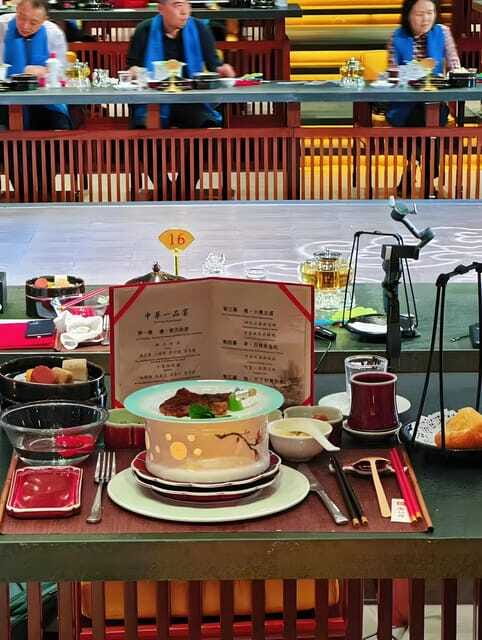
At $150 per person, this is not a budget meal. The value depends on how much you want from the visit.
If you only want roast duck or a standard Chinese dinner, you can likely find simpler options at a lower price. The cost here covers more than food. It includes a multi-course royal banquet, Chinese cultural performances, access to a substantial cultural setting, and the convenience of arranging it as one timed activity.
The less obvious value is variety. You get to try sea cucumber with fish maw, tofu with bamboo shoots, jujube-wood roast duck, lamb, longevity noodles, youtiao, and yoghurt with honey. Ordering all of those dishes separately could be difficult, especially if you do not know how much food to request.
I would consider the price reasonable for someone who wants a polished cultural evening and is curious about formal Chinese cuisine. I would be more cautious if your main goal is an inexpensive local meal or a highly interactive cooking experience.
Timing, Language, and Access
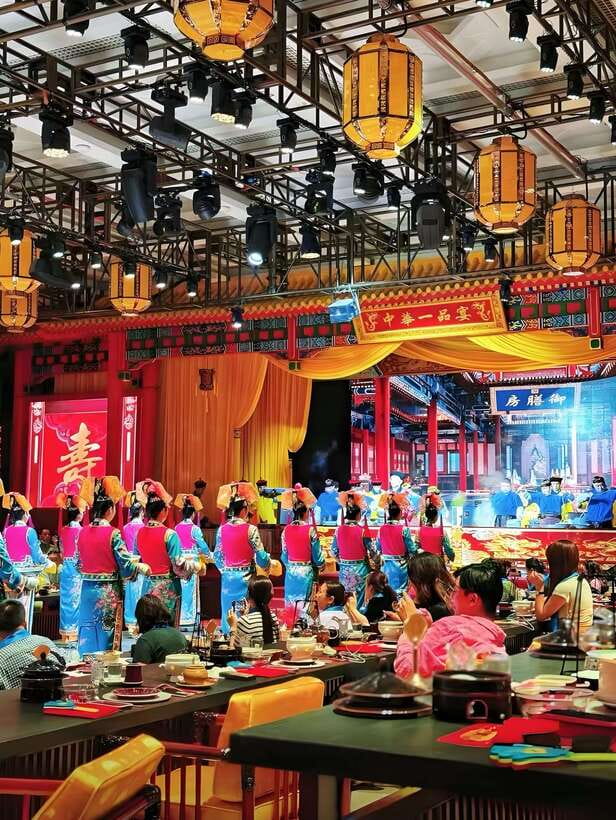
Plan your arrival carefully. For lunch, you need to arrive before 11:15. For dinner, arrive before 18:15. These are firm practical details, since a banquet with performances is built around a set schedule rather than a flexible restaurant seating.
The host or greeter can speak Chinese or English. That helps with arrival and basic orientation, though the provided details do not promise that every performance or menu explanation will be translated in full.
The venue is wheelchair accessible. You can also reserve now and pay later, which gives you some flexibility while arranging a Beijing itinerary. Cancellation is free up to 24 hours in advance for a full refund.
Who Should Book This Banquet?
I would recommend this experience to you if you want a single organized activity that combines traditional food, cultural performances, and a formal setting. It works particularly well for first-time visitors who want an introduction to royal cuisine without having to plan several separate stops.
It also suits diners who enjoy trying unfamiliar textures and ceremonial dishes. Sea cucumber and fish maw will not appeal to everyone, but the menu includes more approachable choices such as duck, lamb, cabbage soup, noodles, tofu, and youtiao.
Families and groups may appreciate the broad menu and wheelchair access. English and Chinese host support also makes the meeting process easier.
I would skip it if you want a small restaurant, a market-style food walk, or detailed hands-on instruction. The venue is large, the program is scheduled, and the experience is designed as a polished banquet rather than a spontaneous meal.
Final Recommendation
Book this if you see dining as part of your cultural sightseeing. For $150, you receive a full royal-style meal, unusual dishes, Chinese performances, and time in a major cuisine exhibition and tasting complex. The value is strongest when you want the whole package.
Go in knowing that the venue is large and the schedule is fixed. Arrive early, bring an appetite, and treat the meal as a formal cultural presentation rather than a casual night out. For the right diner, that combination makes this one of the more distinctive ways to spend 2.5 hours in Beijing.
FAQ
Where does the Beijing royal banquet take place?
It takes place at Yuxiandu, at No. 117, West Fourth Ring North Road, Haidian District, Beijing, China.
How long does the experience last?
The royal banquet and cultural performance experience lasts 2.5 hours.
How much does the experience cost?
The stated price is $150 per person.
What food is included?
The meal includes snacks, an appetizer platter, braised sea cucumber with fish maw in a casserole, marinated tofu and bamboo shoots, roast duck with jujube wood, Chinese cabbage in soup, roasted lamb, longevity noodles with poached eggs, deep-fried dough sticks with milk, and yoghurt filled with honey.
Are Chinese cultural performances included?
Yes. Chinese cultural performances are included as part of the royal banquet experience.
What time should I arrive for lunch?
You should arrive before 11:15 for lunch.
What time should I arrive for dinner?
You should arrive before 18:15 for dinner.
Is the venue wheelchair accessible?
Yes, the venue is wheelchair accessible.
What languages are available?
The host or greeter support is available in Chinese and English.
Can I cancel the booking for a refund?
Yes. You can cancel up to 24 hours in advance for a full refund. You can also reserve now and pay later.
Newly listed around Beijing
- Beijing: Summer Palace Ticket; fast and smooth★ 3.6 · 38 reviews
- Beijing: Summer Palace Entry Ticket★ 3.3 · 3 reviews
- Beijing: Summer Palace Highlight Walking Tour★ 4.8 · 25 reviews
- Beijing: Summer Palace, Sacred Road&Ming Tombs Private Tour★ 5.0 · 8 reviews
- Beijing: Summer Palace 3 Hours Guided Tour with Entry Ticket★ 4.8 · 4 reviews
- Beijing Private Tour: Summer Palace, Panda House and Options★ 5.0 · 21 reviews
- Beijing: Summer Palace Entrance(combo/tour opt)★ 4.7 · 6 reviews
- Beijing : SHUIGUO luxury SPA & Recreation Club day ticket★ 4.5 · 27 reviews
Beijing Tours, compared.
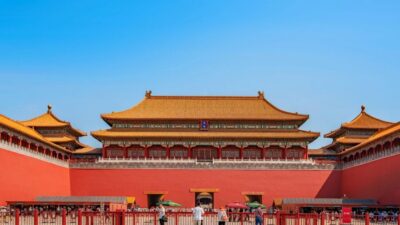
Forbidden City Tour(Group/Private)-Tickets Included
Read our review →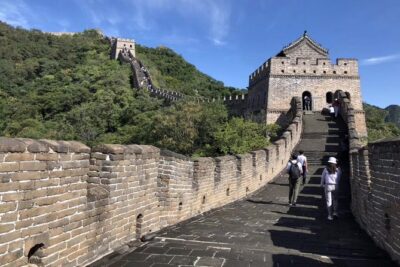
Mutianyu Great Wall Daily Tour with Ticket & Lunch
Read our review →
All-Inclusive Tour: Tiananmen Square, Forbidden City, Great Wall
Read our review →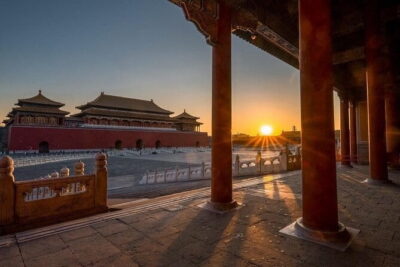
4-Hour Small Group Tour to Forbidden City with Entry Tickets
Read our review →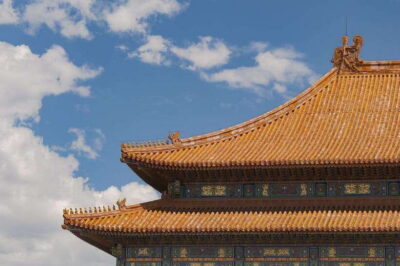
Beijing Full Day Tours: Tiananmen Sq, Forbidden City, Great Wall
Read our review →