
Reviewed · FORBIDDEN CITY TOURS
Beijing: Prince Kung’s Palace Museum Ticket—Must-See Spot
Prince Kung’s Palace Museum gives you a close look at Qing Dynasty life without the scale and fatigue of the Forbidden City. This former princely residence once belonged to He Shen, a powerful minister under Emperor Qianlong, and its halls, courtyards, gardens, and rockeries show how wealth and status were displayed.
I like the self-guided freedom and the English PDF guide, which let you pause for photographs or focus on the rooms that interest you. The palace is also easier to handle than the Forbidden City, and its location makes a fine walking route from Shichahai past the Drum Tower. The main catch is timing: arrive early, since the palace can become crowded after 11 a.m., especially in the afternoon.
Key points to know before you go
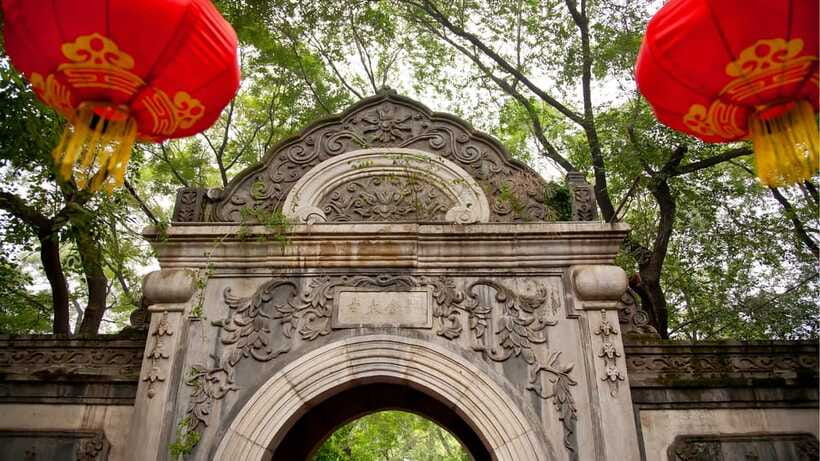
- Former home of He Shen: See the residence built for one of the Qing era’s most powerful officials.
- Two hours is a sensible minimum: The halls, courtyards, gardens, and artifacts deserve more than a quick pass.
- Self-guided entry: You receive admission and an English PDF guide, but no live guide or audio guide.
- Quieter than the Forbidden City: The palace is smaller and easier to navigate, though it still fills up later in the day.
- A scenic approach from Shichahai: Walk from the metro through a pleasant area and continue toward the Drum Tower.
- Possible evening entertainment: A light show and cultural performance may appeal to visitors looking for a later cultural outing, but confirm the arrangement when booking.
Why this Qing residence deserves your time
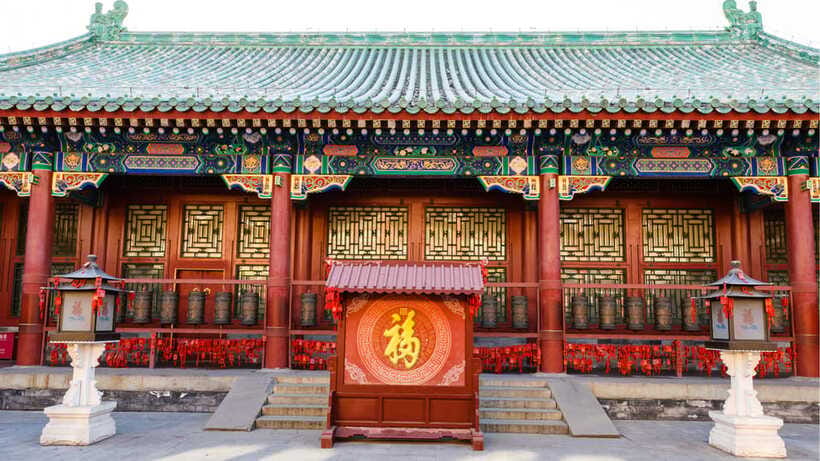
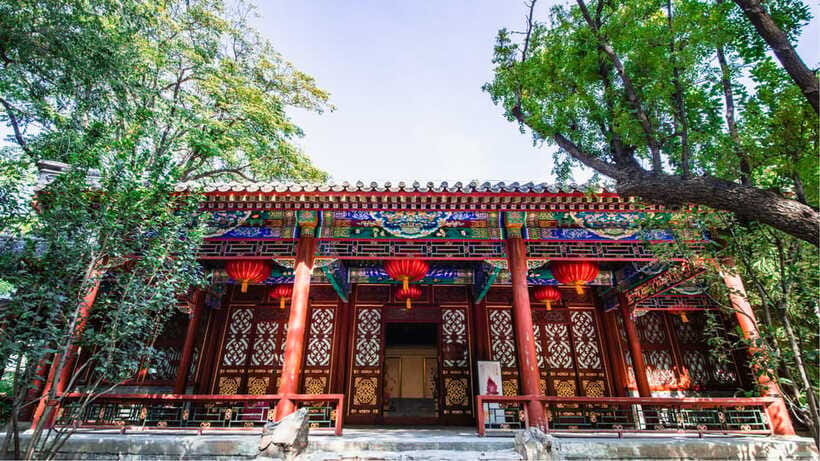
Beijing has no shortage of grand imperial sites, but Prince Kung’s Palace Museum offers a more personal look at elite Qing life. Instead of crossing a vast ceremonial complex, you move through a former private residence with living quarters, formal halls, enclosed courtyards, and gardens.
The setting helps you picture how a powerful household functioned. Every section was designed to signal rank, comfort, and good taste. The architecture is not only about decorative roofs and carved details. It also shows how the Qing elite arranged space, movement, privacy, and views.
The residence was built in the late 18th century for He Shen, an influential minister during the reign of Emperor Qianlong. His fortune and political position shaped the scale of the compound. Later, the property became associated with Prince Gong, giving the museum its familiar name, Prince Kung’s Palace.
You can think of the site as a compact lesson in Qing court culture. The phrase half of Qing Dynasty history is a little grand, but it points to the palace’s importance. The buildings connect political power with domestic life in a way that a purely ceremonial site cannot.
More Museums in Beijing
- Beijing: Tianmen Square, Forbidden City & Royal Museum Tours
★ 4.6 · 1,288 reviews - Beijing:Jingshan Park (Palace Museum Garden) Ticket
★ 4.5 · 185 reviews - Beijing Half Day: National Museum of China In-depth Tour with Subway Transfer
★ 5.0 · 70 reviews
Entering the palace and getting your bearings
Your ticket covers entry to Prince Kung’s Palace Museum, and the skip-line arrangement is useful in a busy city where a long wait can eat into your day. Bring your passport or ID card, as identification is required.
Once inside, use the English PDF guide to build your route. This is not a live explanation from a guide, so you need to read as you go and decide how much time to spend in each area. I like this format for visitors who want control, but it requires a little more attention than a guided tour.
Start slowly. The palace is smaller than the Forbidden City, yet it contains enough rooms and garden details to reward a measured visit. You may be tempted to hurry through the first halls, especially if you have another major sight planned. Resist that urge if you care about architecture. The relationship between the buildings and open courtyards is part of the experience.
The PDF guide should help you identify the major halls, gardens, and objects. Keep your phone ready if the guide is delivered digitally, and allow time to stop reading and simply look. The best details are often found in the transitions between rooms, not only in the most decorated hall.
Reading the halls as signs of power
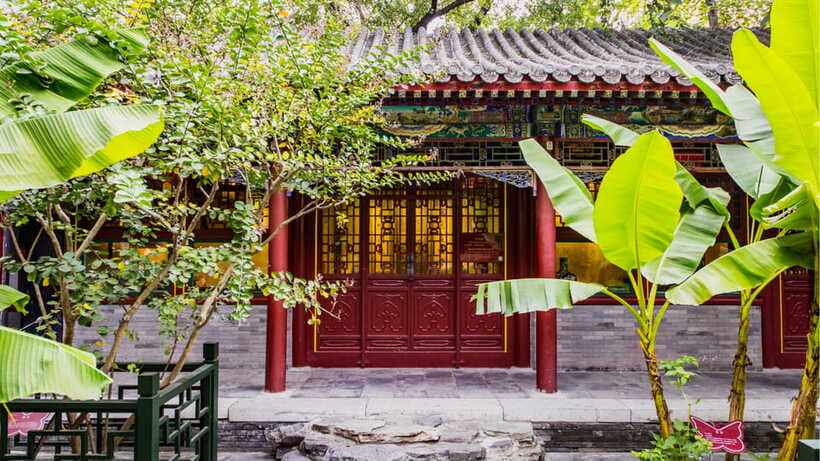
The palace’s halls and living quarters reveal how status shaped daily life. Formal rooms presented authority, while residential spaces offered comfort and privacy. You can see how one compound served several purposes without losing its sense of order.
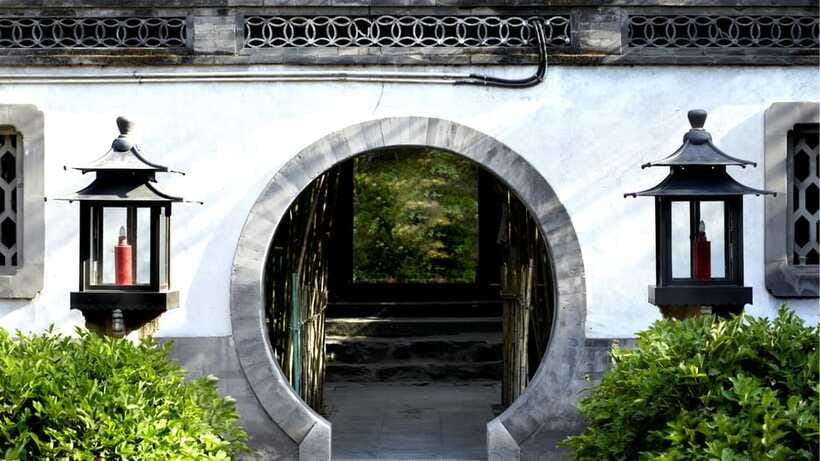
The buildings reflect traditional Chinese architectural culture through their layout, rooflines, courtyards, and decorative work. Look for how doors and corridors frame the next view. A wall may conceal part of a garden, then reveal it from a carefully chosen opening. This creates movement without requiring a large site.
The preserved artifacts add another layer. They connect the rooms to the people who used them and to the customs of Qing elite households. The information available at each stop will matter more to you if you pause to consider who entered the room, who waited outside, and who controlled access.
I find this kind of site more rewarding than a palace that is only a series of grand facades. Here, the scale is human enough to make the domestic side of court life easier to imagine. You are still seeing wealth and privilege, but you are also seeing how that privilege was organized.
The gardens, rockeries, and water features
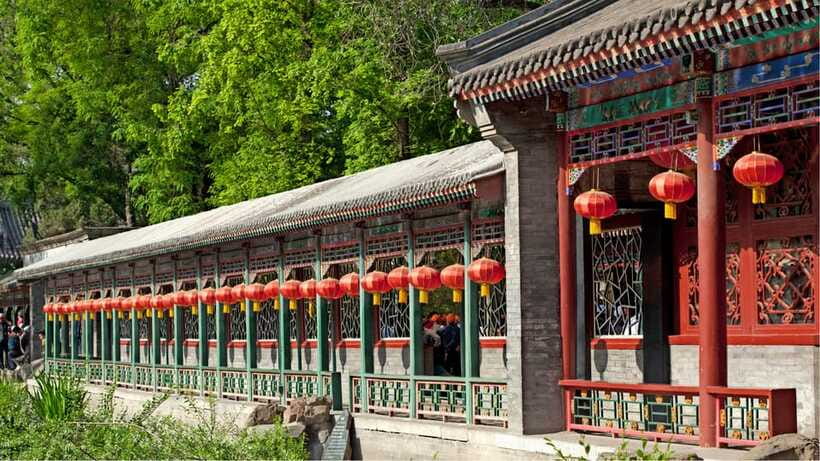
The garden is the palace’s change of mood. After the formal halls, you move into a quieter setting shaped by rockeries, water features, pavilions, and planted areas. It gives you room to slow down and notice the design rather than simply collect photographs.
Traditional feng shui principles influenced the placement of the garden elements. The water, rocks, paths, and buildings work together to create changing views and a sense of balance. You might find that the garden feels more open in one spot and more enclosed in another. That contrast is deliberate in traditional garden design.
Photographers should plan extra time here. The garden offers framed views, textured stone, curved paths, and architectural details that look different as the light changes. You do not need specialist knowledge to enjoy it, but the PDF guide can help you see why a rockery or water feature occupies a particular place.
This is also the best part of the visit for anyone who finds large imperial sites tiring. The compound provides pauses between the more formal spaces. You can sit with the setting, take photographs, and recover from the steady walking that comes with sightseeing in Beijing.
More Forbidden City Tours in Beijing:
- Beijing: Forbidden City Tour(Group/Private)-Tickets Included
★ 4.8 · 7,974 reviews - Beijing: T-Square & Forbidden City Group or Private Tour
★ 4.8 · 4,446 reviews - All-Inclusive Tour: Tiananmen Square, Forbidden City, Great Wall
★ 5.0 · 2,873 reviews - 4-Hour Small Group Tour to Forbidden City with Entry Tickets
★ 5.0 · 1,863 reviews
Why the smaller scale works well
The Forbidden City is essential for many first visits to Beijing, but it can feel like a full day of straight lines, courtyards, and long distances. Prince Kung’s Palace offers a shorter and easier visit while still giving you meaningful architectural and historical context.
That does not mean the palace is empty or effortless. Afternoon crowds can make the narrow routes and viewing areas less comfortable. One useful practical tip is to arrive early. After 11 a.m., the site may become crowded enough that you cannot see the rooms and garden details clearly.
A morning visit also fits neatly with other nearby sights. The route from Shichahai metro station can take you through a scenic part of Beijing toward the palace, with the Drum Tower along the way. This gives your day more texture than taking a car directly to the entrance and leaving immediately afterward.
The surrounding area is part of the appeal. You are not visiting an isolated museum surrounded only by traffic and modern buildings. Plan to enjoy the palace as one stop in a walk through older Beijing, though keep your schedule flexible if you want to explore at a relaxed pace.
Building a practical one-day plan
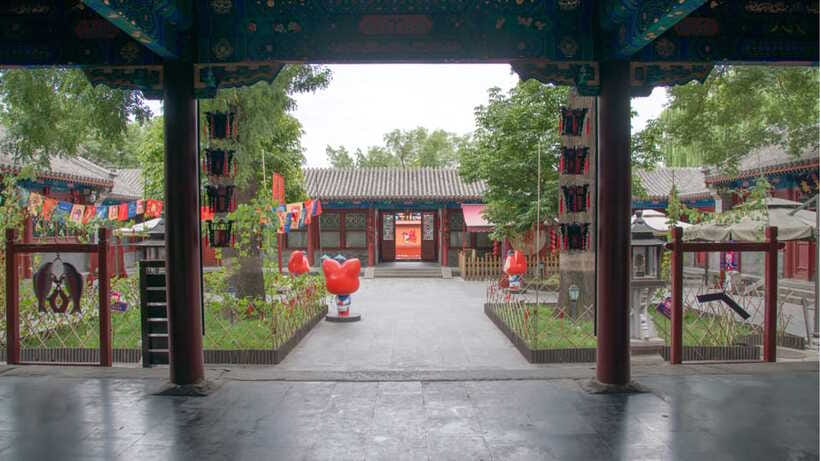
The ticket is described as a one-day experience, but that does not mean you need to spend the whole day inside. I would allow at least two hours for the palace itself. That gives you time for the major halls, living areas, garden, rockeries, water features, and selected artifacts.
A useful plan looks like this:
- Arrive in the morning, ideally before the crowds build after 11 a.m.
- Enter with your passport or ID card ready.
- Read the PDF guide before moving quickly through the first section.
- Spend extra time in the garden and at the most detailed architectural stops.
- Walk onward toward Shichahai or the Drum Tower if your energy and schedule allow.
If you are pairing the palace with the Forbidden City on the same day, consider how much walking you want to do. The smaller palace is less tiring, but it still involves standing and moving through multiple courtyards. Many people will find it easier to visit this site when they are fresh rather than treating it as a late-day extra.
An evening light show or cultural performance may add another option to your schedule. The promotional information highlights these features, but the basic package includes the museum entry ticket and PDF guide rather than a live performance guide. Check the exact arrangements before counting on an evening show as part of your admission.
What the $20 price gives you
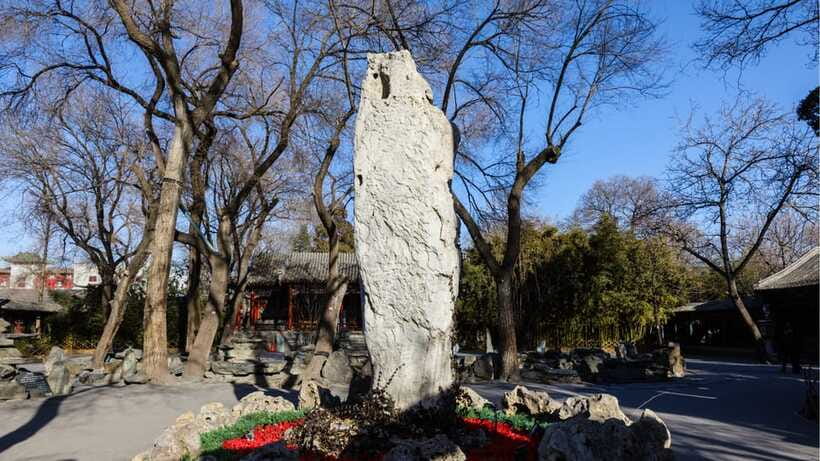
At $20 per person, the value depends on how much help you want. You receive entry to the museum and an English PDF guide, along with the convenience of skipping the ticket line. For a self-guided cultural visit in central Beijing, that is a reasonable package if you prefer to set your own pace.
The PDF is especially useful if you cannot read Chinese signage with ease. It can point you toward important halls, garden features, and artifacts instead of leaving you to wander without context. You still need to do the reading yourself, so this is not the best choice if you want someone to explain every detail in person.
The missing elements are clear: there is no live guide and no audio guide. If you value stories, questions, and a fixed route, you may prefer a guided product. If you like stopping for photos, skipping less interesting rooms, or spending ten minutes in one garden corner, the self-guided format gives you more freedom.
The free cancellation policy adds useful flexibility. You can cancel up to 24 hours before the visit for a full refund, and the reserve-now, pay-later option lets you hold your plans without paying at once. Those terms matter in Beijing, where weather, transport, and changing sightseeing plans can affect your day.
Who will enjoy this palace most
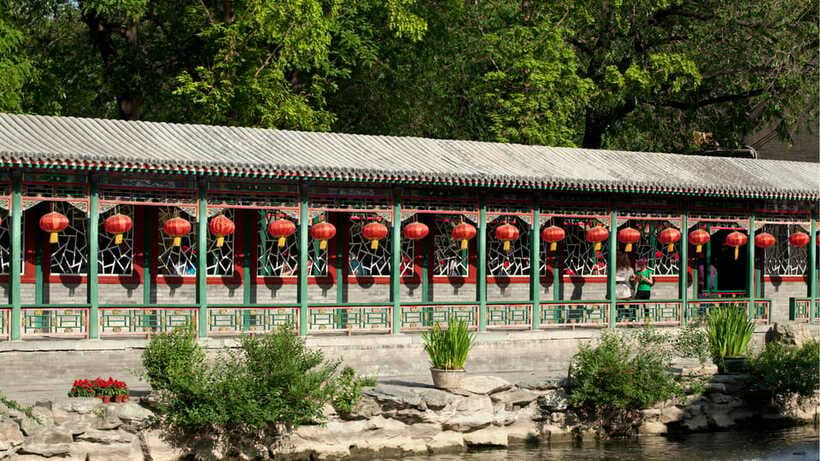
I would recommend Prince Kung’s Palace to anyone interested in Chinese history, architecture, gardens, photography, or the daily world of Qing elites. It works especially well for you if the Forbidden City feels like a must-see but you also want a site that is smaller and easier to understand.
Families and independent sightseers may appreciate the flexible pace. You can move on when children lose interest, or pause in the garden without holding up a group. The English PDF guide gives you a basic framework without forcing every person in your party to follow the same route.
It is also a good choice for repeat visitors to Beijing. The palace offers a different mood from the major imperial landmarks, and the nearby Shichahai area gives you a chance to connect the museum with an ordinary city walk.
I would be more cautious if you expect a fully guided experience. No guide is included, and the audio guide is not included either. You need to be comfortable using written material and making your own decisions about what deserves your attention.
Timing, crowds, and the best way to visit
The most useful advice is simple: go early. A morning arrival gives you a better chance of seeing the architecture without heavy crowd pressure. It also leaves room for Shichahai, the Drum Tower, or another Beijing sight later in the day.
Afternoon visits can still work, but expect more people and less time to study the rooms. The garden may be harder to photograph, and narrow areas may feel cramped. If afternoon is your only option, use the PDF guide to choose your priorities before entering.
Bring your passport or ID card. Keep the day flexible enough to allow at least two hours, and add more time if you enjoy photography or want to read the historical material carefully.
Should you book Prince Kung’s Palace?
Book it if you want Qing history in a compact, walkable setting, especially if you value gardens and architecture as much as palace interiors. The combination of skip-line entry, an English PDF guide, and self-guided freedom makes the $20 price fair for an independent visit.
Choose another option if you need a live expert, an audio guide, or a tightly organized explanation from start to finish. The palace is also a poor fit for a rushed afternoon schedule.
For most visitors, the strongest plan is an early visit with two hours inside, followed by a walk through Shichahai toward the Drum Tower. That approach gives you the palace’s best features, avoids the worst crowd pressure, and adds a more local-feeling stretch of Beijing to the day.
FAQ
What is included in the Prince Kung’s Palace Museum ticket?
The ticket includes entry to Prince Kung’s Palace Museum and an English PDF guidebook.
Is a live tour guide included?
No. A live tour guide is not included.
Is an audio guide included?
No. An audio guide is not included with the activity.
How long should I allow for the visit?
Allow at least two hours to see the palace, halls, gardens, artifacts, rockeries, and water features at a comfortable pace.
What should I bring?
Bring your passport or ID card.
Can I visit at any time during the day?
The activity lasts one day, but you need to check availability for the available starting times.
Is skip-the-line entry included?
Yes. The activity includes skip-the-ticket-line access.
Can I cancel for a refund?
Yes. You can cancel up to 24 hours in advance for a full refund.
Do I have to pay when I book?
No. The reserve-now, pay-later option lets you book without paying immediately.
Newly listed around Beijing
- Beijing: Summer Palace Ticket; fast and smooth★ 3.6 · 38 reviews
- Beijing: Summer Palace Entry Ticket★ 3.3 · 3 reviews
- Beijing: Summer Palace Highlight Walking Tour★ 4.8 · 25 reviews
- Beijing: Summer Palace, Sacred Road&Ming Tombs Private Tour★ 5.0 · 8 reviews
- Beijing: Summer Palace 3 Hours Guided Tour with Entry Ticket★ 4.8 · 4 reviews
- Beijing Private Tour: Summer Palace, Panda House and Options★ 5.0 · 21 reviews
- Beijing: Summer Palace Entrance(combo/tour opt)★ 4.7 · 6 reviews
- Beijing Royal Banquet with Chinese culture prefermance★ 5.0 · 3 reviews
Forbidden City Tours, compared.
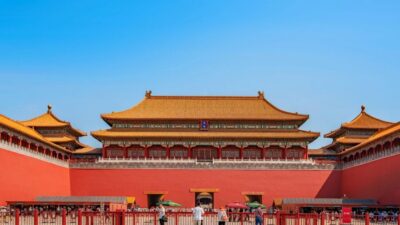
Forbidden City Tour(Group/Private)-Tickets Included
Read our review →
All-Inclusive Tour: Tiananmen Square, Forbidden City, Great Wall
Read our review →
4-Hour Small Group Tour to Forbidden City with Entry Tickets
Read our review →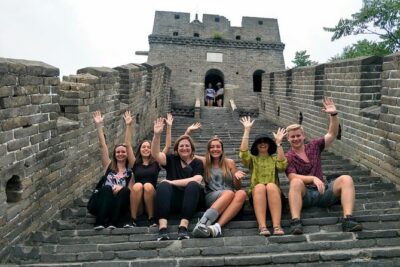
Beijing Full Day Tours: Tiananmen Sq, Forbidden City, Great Wall
Read our review →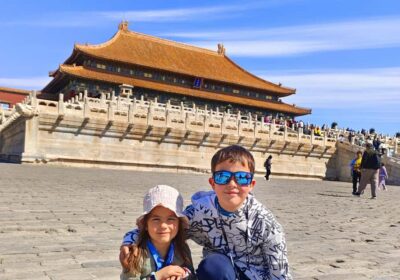
Tianmen Square, Forbidden City & Royal Museum Tours
Read our review →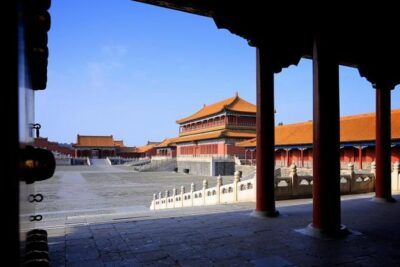
Beijing Forbidden City Ticket Booking (Optional: guide service)
Read our review →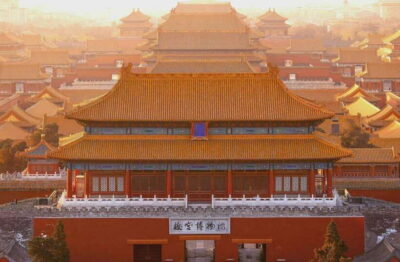
Forbidden City and Tian’anmen Square Waking Tour
Read our review →
Forbidden City&T-Square Small GroupTours w/ ticket(Eng/Esp Guide)
Read our review →Browse the lists this tour appears in